
This Massachusetts Seaport Has Cobblestone Streets And Looks Like The 1840s Never Ended
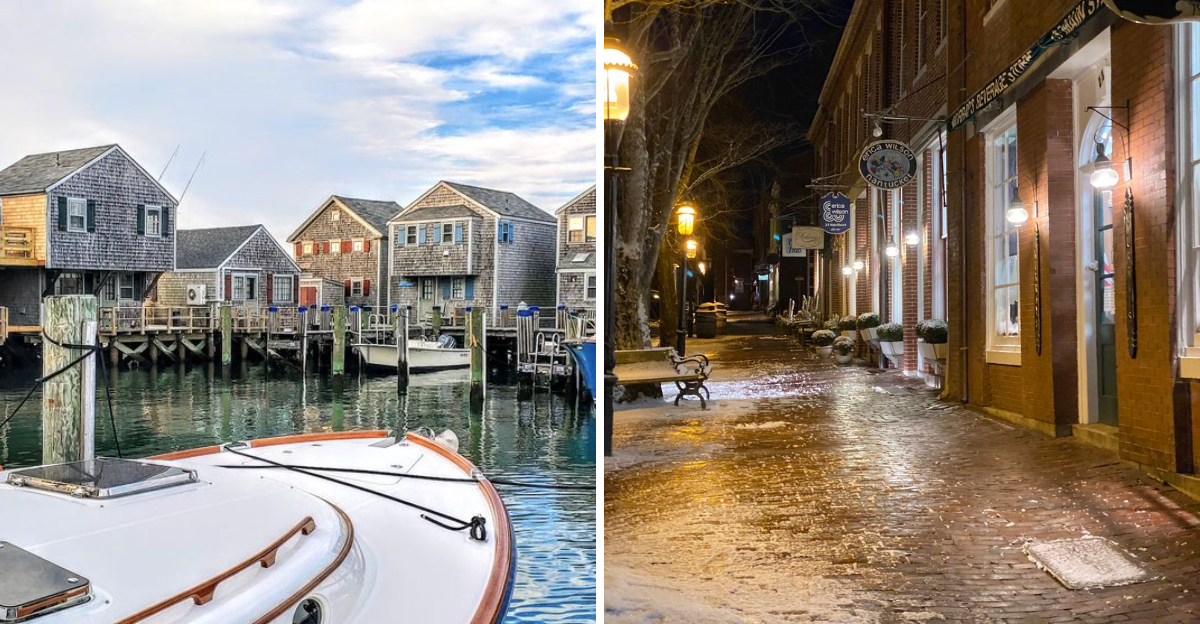
What if one of the best preserved pieces of old New England was still busy with everyday life?
Massachusetts has a seaport where cobblestone streets, brick storefronts, and weathered buildings make the 1840s feel surprisingly close. The setting still carries the look of a place shaped by ships, merchants, and long days on the water.
That history is easy to notice without searching for it. Narrow streets curve past old shops, church steeples rise above rooftops, and the harbor is never far away.
The whole district feels wonderfully removed from modern city life. Cars share space with pedestrians, old facades dominate the streetscape, and even a simple afternoon stroll can feel like a small trip through time.
This Massachusetts seaport is not a museum frozen behind glass. It is lively, beautiful, and still carrying centuries of character in plain sight.
Cobblestones That Have Held Their Ground Since 1837
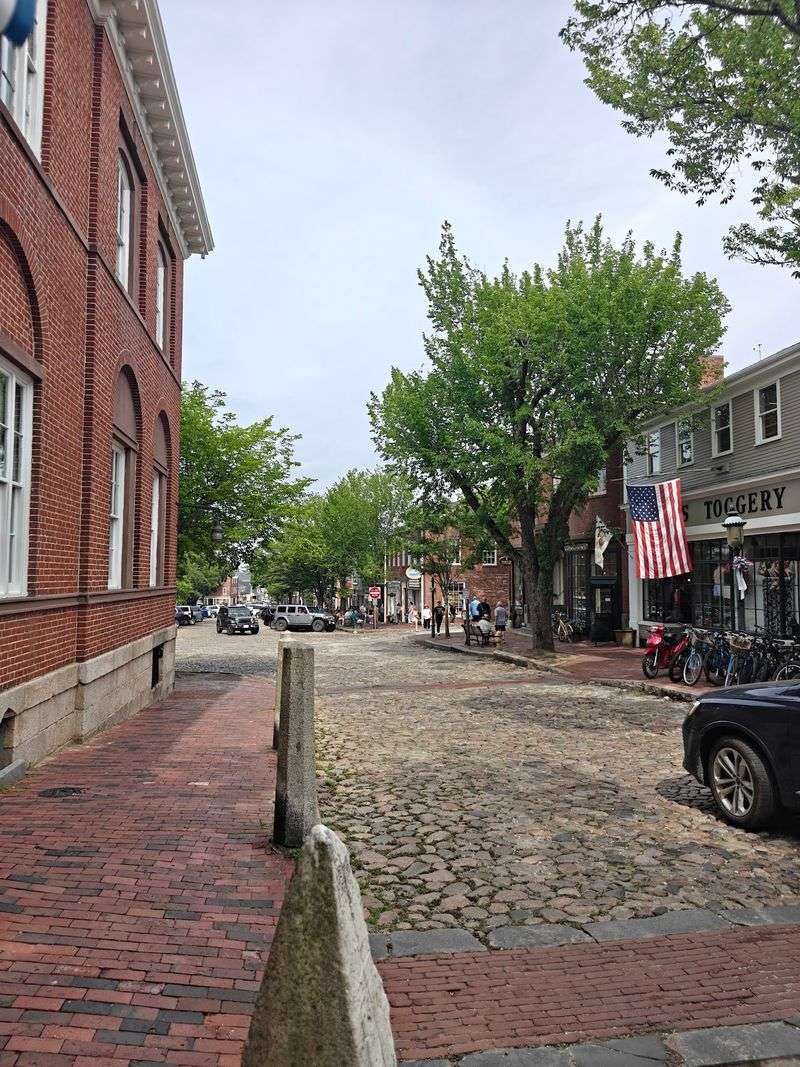
Roughly 1837 is when Main Street got its famous stones, and they have not budged much since. The surface is bumpy, uneven, and completely unapologetic about it.
Where the stones came from is still debated. A popular explanation says they arrived as ballast in the bellies of returning ships.
Whatever their origin, they were laid to keep heavy carts from sinking into mud.
Footwear matters more than fashion here. Thin soles and narrow heels lose every argument with these rounded stones, so comfortable shoes are the smart call.
Notice how the street widens as it climbs from the harbor. That broad slope was practical, giving wagons room to haul barrels up from the wharves.
Brick sidewalks run alongside, patched and re-patched over generations. They add a warm red edge to all that cool gray stone.
Early morning is the best hour for a slow walk in Nantucket Downtown Historic District. Delivery trucks have not arrived, shops are still shuttered, and the whole street belongs to you.
Sound carries differently on cobblestone too. Wheels hum, bicycles chatter, and the noise feels older than anything in a modern town.
An Entire Island Wearing National Landmark Status
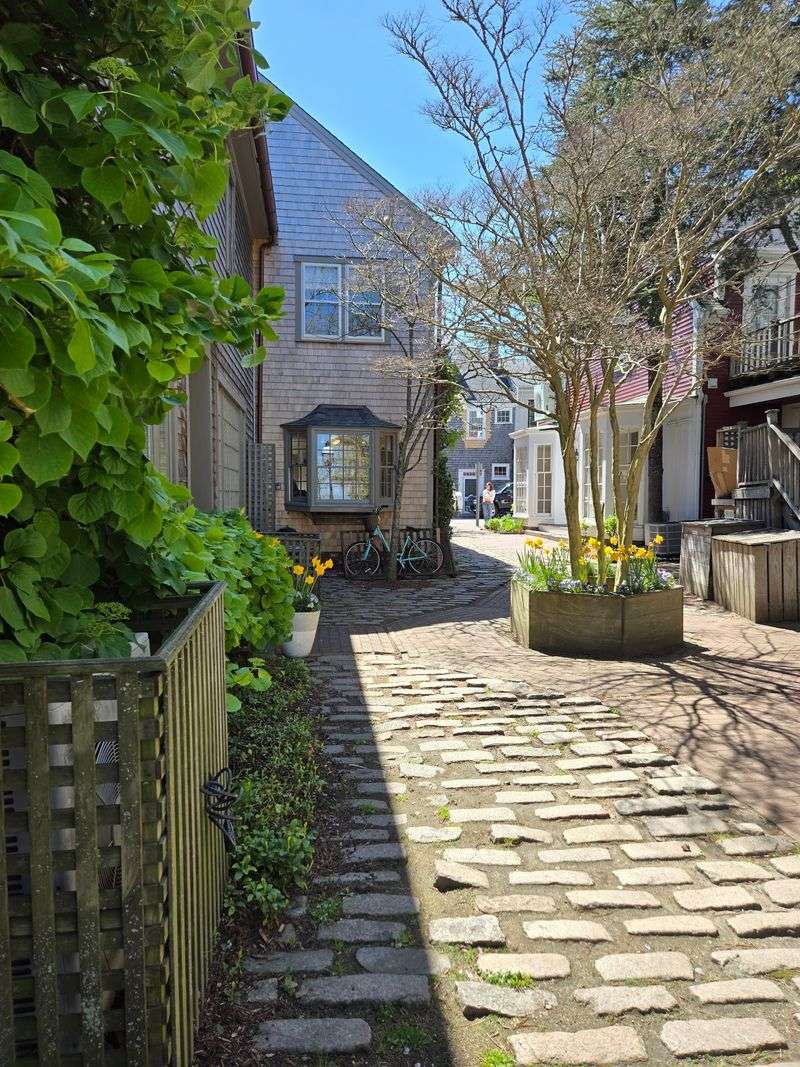
Most towns protect a few blocks. Here, the entire island carries National Historic Landmark District designation, making it one of the largest in the nation.
That scale explains why nothing looks accidental. Rooflines, window panes, paint colors, and even curb details fall under review before anything changes.
The body doing that reviewing is the Historic District Commission, headquartered at 2 Fairgrounds Rd, Nantucket, MA 02554. Offices run weekdays from 7:30 AM to 4:30 PM and close on weekends.
Rules this strict sound heavy handed until you see the result. Modern construction blends in so smoothly that guessing a building’s age becomes a genuine challenge.
Cedar shingles do a lot of the work. Left untreated, they weather to a silvery gray that ties old and new together.
Signs follow the code too, which is why you will not spot glowing plastic storefronts. Hand painted boards hang instead, swinging slightly in the harbor breeze.
Preservation on this scale takes decades of stubborn commitment. The payoff is a townscape that reads like an intact chapter rather than scattered leftovers.
Whaling Captains And The Houses They Built
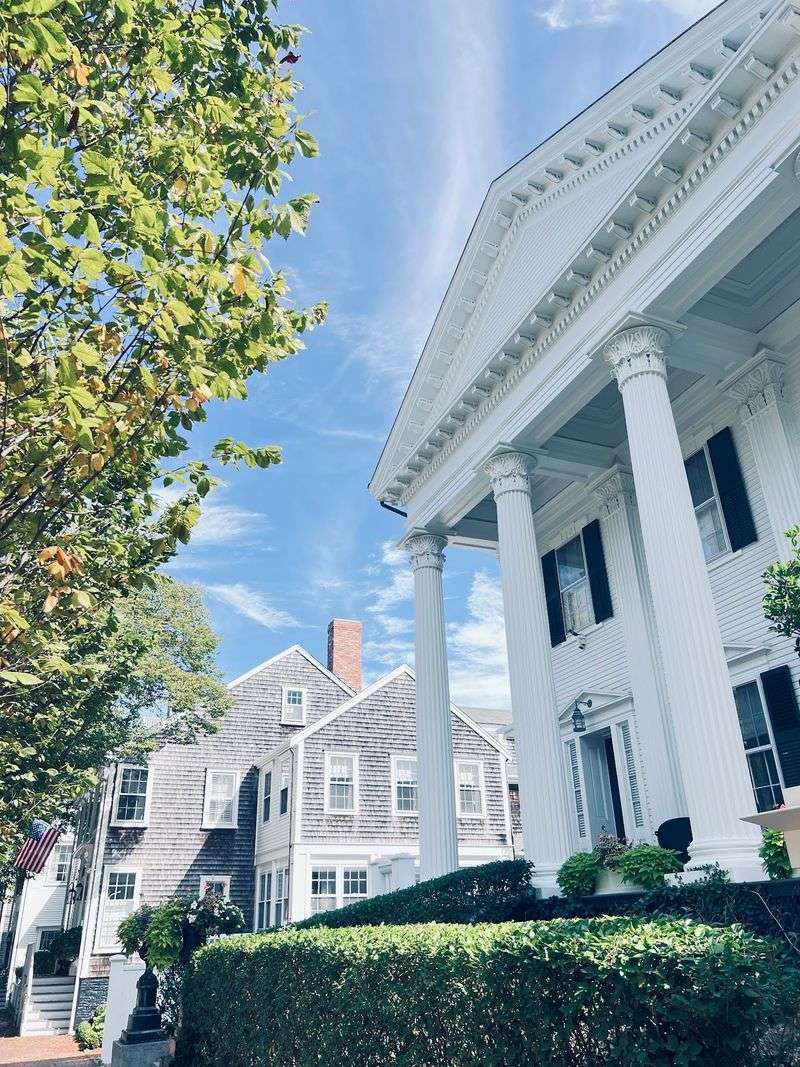
Fortunes made at sea came home and turned into architecture. Federal and Greek Revival houses line the upper blocks, built by families whose money came from whale oil.
Columns, fanlights, and symmetrical facades signal serious wealth. These were statements as much as shelters, meant to be admired from the street.
Between the 1700s and early 1800s, this Massachusetts island held the title of whaling capital of the world. Ships left for voyages lasting years and returned loaded with cargo worth staggering sums.
Look up and you may spot railed platforms on rooftops. Families watched the horizon from those perches, waiting for sails to appear.
Not every home is grand. Small shingled cottages sit a block away, once housing coopers, blacksmiths, and sailmakers who kept the fleet moving.
That mix is what makes the streets interesting. Mansions and modest cottages share the same lanes, telling both halves of the story.
Walking these blocks costs nothing at all. The architecture is the attraction, and it is on display every single day of the year.
The Whaling Museum And Its Rooftop Payoff
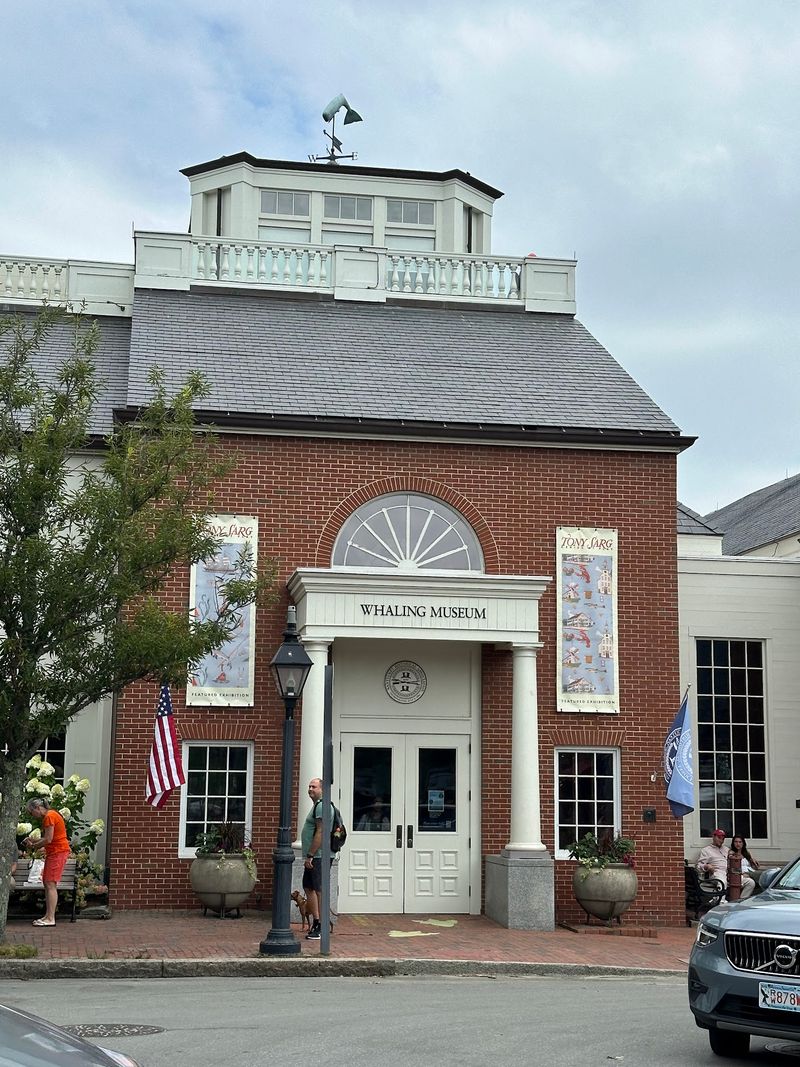
A full whale skeleton hangs overhead inside the town’s best known museum. Children stop mid step, and adults quietly do the same.
The building itself was once a candle factory, processing oil into a product shipped worldwide. Its brick walls fit the harbor district perfectly.
Exhibits cover tools, scrimshaw, ship models, and the logbooks of long voyages. The detail is generous without feeling overwhelming.
Climb to the roof deck when you finish inside. Panoramic views stretch across rooftops, steeples, and the harbor beyond.
Families tend to linger longer than planned here. Displays are hands-on enough to hold shorter attention spans.
Being downtown, the museum pairs easily with a walk. You can browse galleries, then step straight back onto brick sidewalks.
Check opening times before you go, since schedules shift with the seasons. Winter hours are far leaner than summer ones.
Context matters when exploring old streets. An hour spent here makes every captain’s house outside suddenly readable.
Shops, Galleries, And Window Boxes On Every Corner
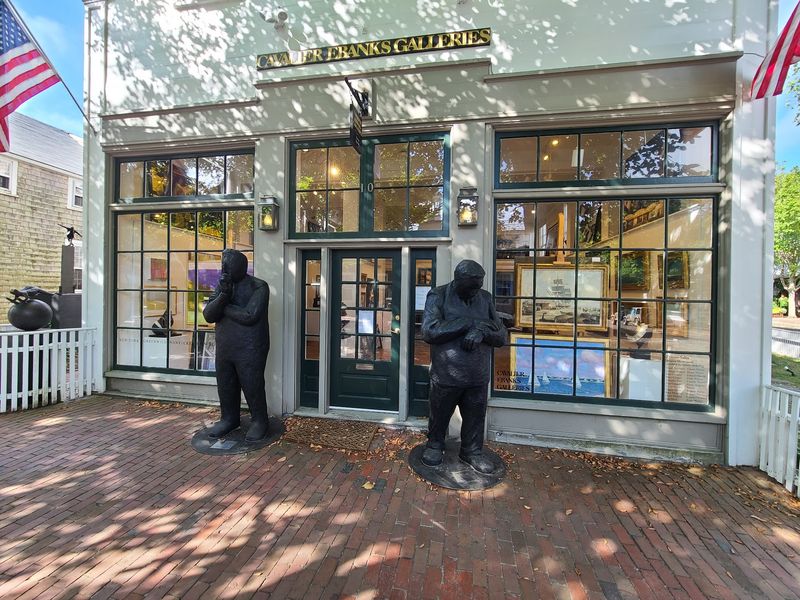
Flower boxes spill over nearly every storefront, and they are not for decoration alone. Bright blooms against gray shingles make the whole street photograph beautifully.
Boutiques, art galleries, bookshops, and home goods stores fill the ground floors. Chain logos are scarce, which keeps the browsing genuinely interesting.
The hospital thrift store draws steady traffic for good reason. Bargain hunters treat it as a required stop.
Prices in general run high across the district. Coming prepared for that keeps the wandering enjoyable rather than surprising.
Public benches line the sidewalks, a rarity in modern downtowns. Sitting and watching the passing parade counts as a legitimate activity.
Main Street Pharmacy still runs an old fashioned counter serving food and ice cream. It is a small, cheerful piece of continuity.
Saturday brings a farmers market with produce, flowers, and baked goods. Arrive early if you want the best selection.
Galleries change exhibitions often through the warmer months. Popping into a few costs nothing and rewards curiosity.
How Hard Times Accidentally Saved Everything
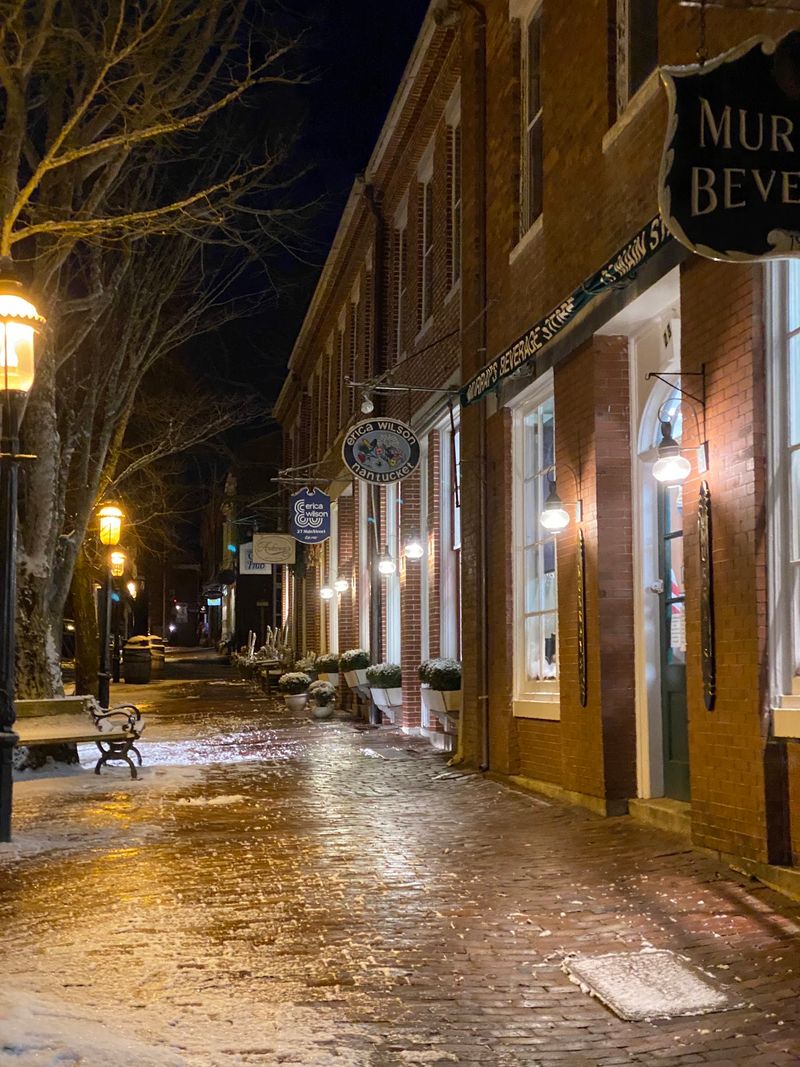
Preservation in Nantucket Downtown Historic District began with an economic slump, not a plan. When whaling faded in the mid-1800s, prosperity moved elsewhere and the town emptied out.
Empty pockets meant nobody knocked buildings down to modernize. Houses simply stayed put, weathering quietly for decades.
By the time attention returned, people recognized what had survived. Protection followed rather than demolition.
The result is an unusually complete streetscape. Whole blocks reflect one era instead of scattered survivors among newer construction.
Narrow lanes off the main routes show this best. Cottages sit close together, doors opening almost onto the brick underfoot.
Reaching the island requires a boat or a small plane, and that limitation helped too. Difficulty of access slowed development considerably.
Year-round population sits near 14,000 residents. Summer swells that figure dramatically for a few busy weeks.
Winter reveals the bones of the place. Fewer crowds, quieter streets, and architecture standing plainly on its own.
The Harbor, The Wharves, And The Boat Basin
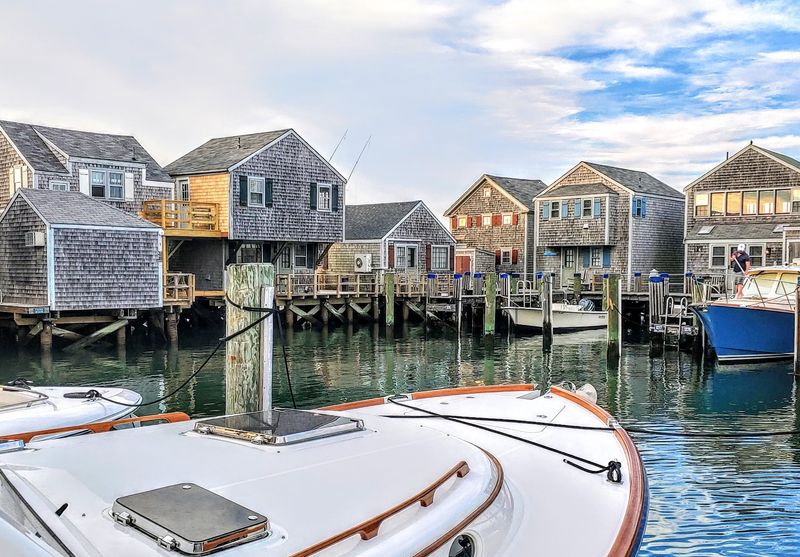
Everything here seems to pull toward the water. The harbor shaped the town centuries ago, and it still gives the waterfront much of its character today.
The Boat Basin now holds roughly 240 slips where working vessels once dominated the scene. Cedar shingled buildings line the docks, many showing Georgian and Federal influences that fit the historic setting.
Small cottages sit close to the old wharves. Shops and galleries now occupy many of these spaces, keeping the waterfront active throughout the day.
Ferries regularly arrive carrying visitors and supplies. Watching one ease into the harbor can be surprisingly entertaining, especially when the docks are busy.
Brant Point Lighthouse stands near the harbor entrance. Its short white tower has become one of the most recognizable sights in the area.
Children’s Beach is also close by. Calm water, open space, and a playground make it an easy stop for families.
Even buildings near the harbor follow strict preservation rules. Details like windows, siding, and exterior changes receive careful attention.
Late afternoon may be the best time to linger. As the sun drops, warm light spreads across the shingles and water, giving the entire harbor a softer look.
Timing Your Trip Like Someone Who Knows

Season choice can completely change the experience here. June through August brings the biggest crowds, heavier traffic, and parking that can test your patience before the day even begins.
Spring and fall feel much calmer. The same historic architecture remains, but sidewalks are easier to navigate and public spaces feel less crowded.
Late April brings the Daffodil Festival, when yellow blooms and antique cars add extra color to the streets. It is festive and lively, so booking accommodations early is a smart move.
December brings the annual holiday Stroll. Street vendors, decorations, and thousands of visitors turn the historic center into a cheerful seasonal gathering.
Winter is much quieter. Only a portion of shops and restaurants may remain open, so checking hours ahead of time can prevent disappointment.
Bringing a car is possible, but it is rarely essential once you reach the historic core. Most major streets, shops, and waterfront areas are close enough to cover on foot.
Renting a bicycle makes it easier to reach beaches, bogs, and wooded areas farther outside town. Paved paths keep many routes simple.
One thing never changes with the season. Those old cobblestones demand a little attention, especially after rain.