
This Massive Abandoned West Virginia Hotel Is Too Big To Save And Too Costly To Clear
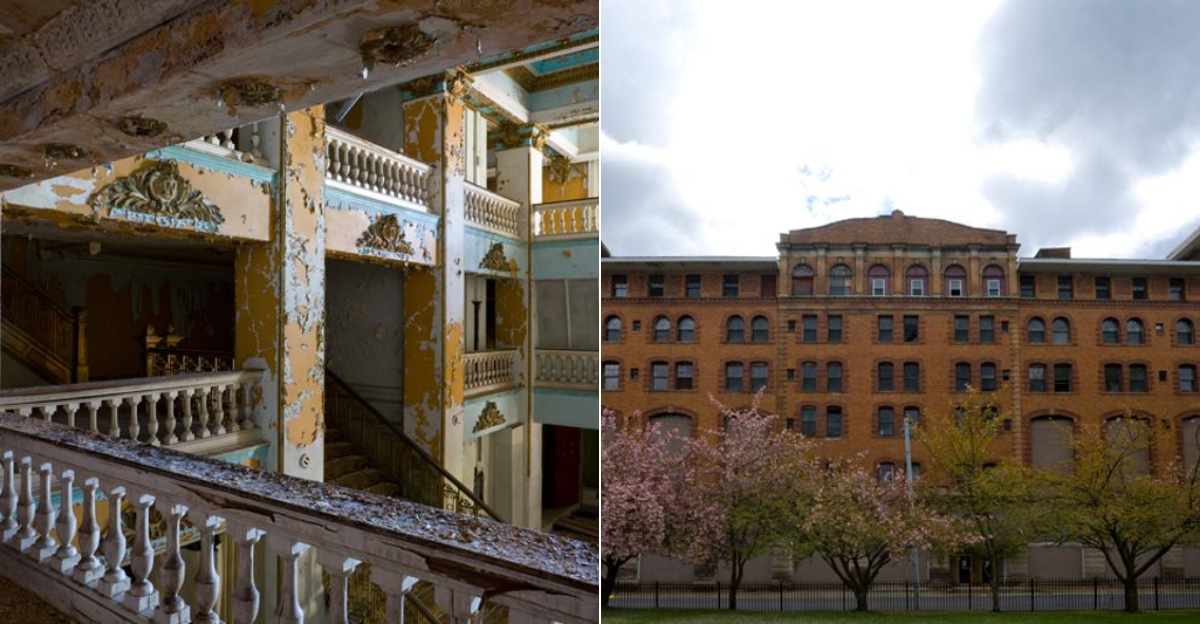
Some abandoned buildings look empty. This one looks like it is still waiting for someone to decide what happens next.
West Virginia has a towering old hotel that turns a simple sidewalk stop into something unexpectedly emotional. Its grand facade hints at chandeliers, marble, senators, soldiers, students, and decades of stories now locked behind closed doors.
How does a place once built to impress become too expensive to save and too costly to remove? That question follows visitors as they stand across the street and take in the scale of it.
West Virginia turns this abandoned landmark into more than a roadside curiosity. It is a haunting reminder that history does not always disappear neatly.
A Glimpse Into Grandeur
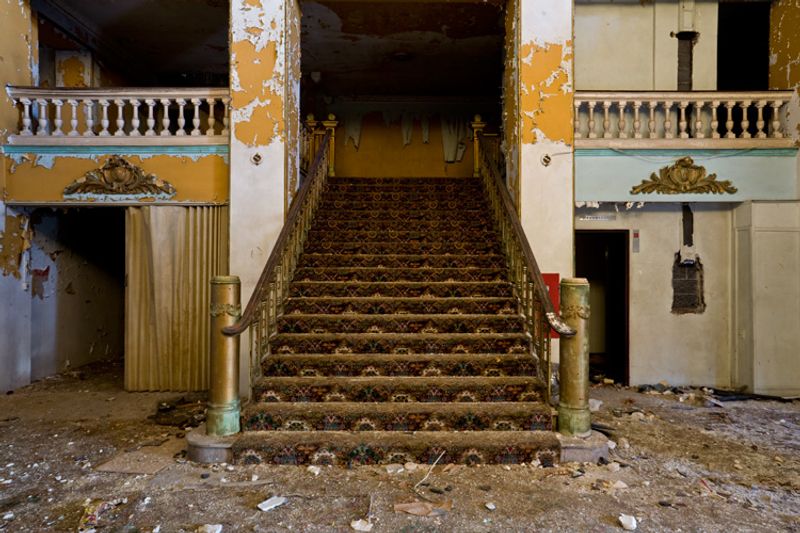
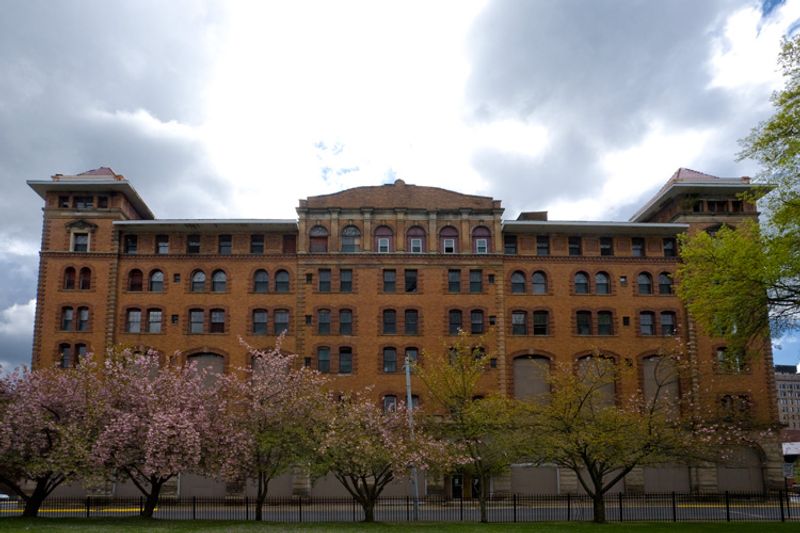
Built between 1901 and 1904, the Waldo Hotel was designed to impress from the very first glance. Seven stories tall, it towered above everything around it in Clarksburg, West Virginia.
The man behind this bold vision was Nathan Goff Jr., a lawyer, Civil War veteran, and U.S. Senator.
He wanted to give his city something truly world-class.
At the time of its opening, the Waldo was considered one of the finest hotels in the entire state. Guests traveled from far and wide just to experience its luxury firsthand.
Can you imagine arriving by horse-drawn carriage to a building this grand? The scale alone would have taken your breath away.
Today, the exterior still commands attention. The sheer size of the structure makes it impossible to walk past without stopping for a second look.
Even in its current abandoned state, the Waldo Hotel carries an undeniable presence. It reminds every visitor that Clarksburg once had serious ambitions for greatness, and it delivered on every single one of them.
Marvel At Moorish Magic
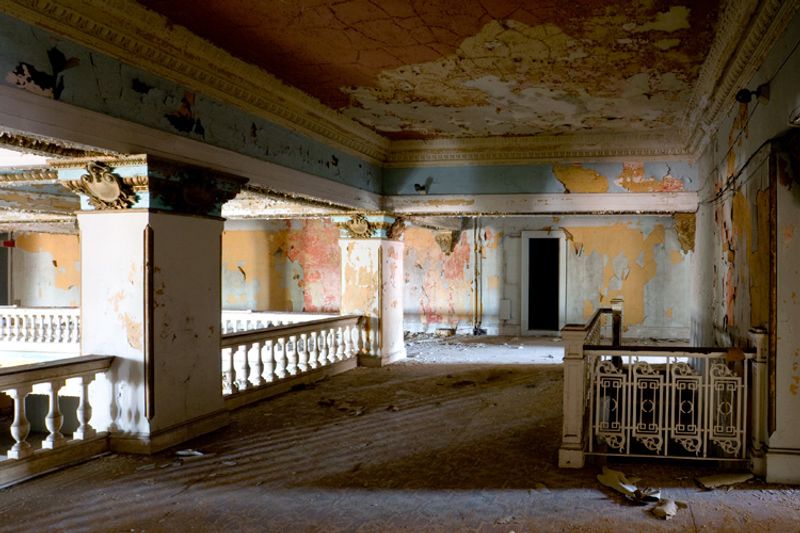
Not many buildings in West Virginia blend Beaux-Arts elegance with Moorish Revival flair, but the Waldo Hotel pulls it off with serious style. The architecture is genuinely one of a kind.
Look closely at the facade and you will spot classical columns mixed with Spanish-influenced arches. It is a design combination that was bold for its time and still turns heads today.
The original architects clearly had a vision that went beyond simple function. Every decorative detail was chosen to signal luxury and ambition to anyone passing by on Pike Street.
What makes this style so special is how unexpected it feels in a mid-sized Appalachian city. You might expect to see something like this in a major metropolitan area, not tucked away in the hills of West Virginia.
Architecture lovers will find the exterior alone worth the trip. Bring a camera, because every angle offers something interesting to photograph.
Do you have a favorite architectural style? Visiting the Waldo might just give you a new one to add to the list.
The mix of cultural influences on display here is a reminder that great design can show up anywhere, even in places you least expect it.
A Lobby Of Legends
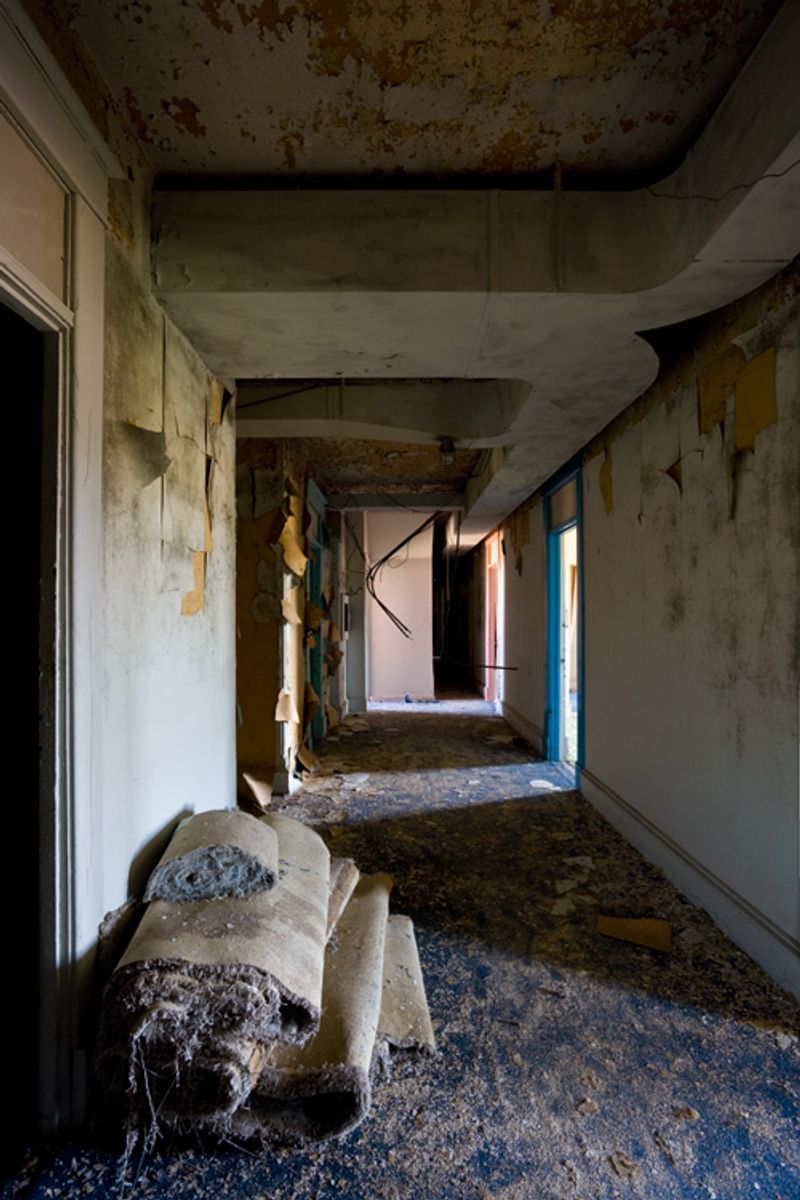
The main lobby of the Waldo Hotel was not just a room, it was a statement.
Crystal chandeliers once hung overhead, scattering light across a mosaic tile floor that stretched the full length of the space. Guests entering for the first time reportedly stopped and stared in silence.
This was the kind of lobby that made people feel important just by walking through the door. It set the tone for everything else the hotel had to offer.
Imagine hosting a business meeting or a family celebration in a space like this. The atmosphere alone would have made any occasion feel extraordinary.
Although visitors cannot walk through the lobby today, historical photographs give a vivid sense of what it once looked like. Those images are enough to make anyone wish they had a time machine.
The lobby was the social heartbeat of Clarksburg for decades. Every important arrival, every grand reunion, every city milestone seemed to pass through those magnificent doors.
What would you do first if you could walk into that lobby right now?
Tales From The Tile
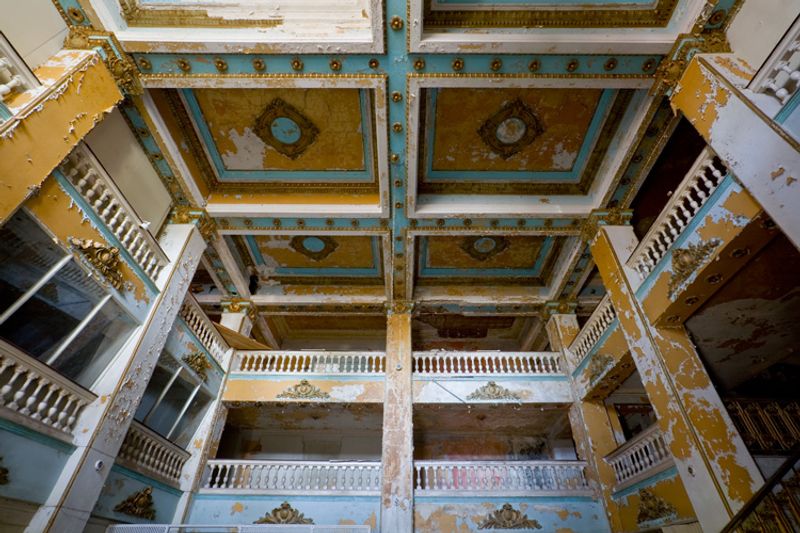
Beneath those soaring ceilings, a mosaic tile floor told a story of its own. Thousands of tiny pieces fit together to create a colorful, intricate pattern that covered the entire lobby floor.
Craftsmen who laid that floor were not just doing a job. They were creating a piece of art that was meant to last for generations, and in many ways, it has.
Details like these are what separate a great building from a truly memorable one. The tile work at the Waldo was a sign that no expense was spared during construction.
It is the kind of detail that rewards slow, careful observation. The more you look, the more you notice, and every new detail adds to the overall sense of wonder.
How often do you look down when you walk into a historic building? At the Waldo, looking down was just as rewarding as looking up at those spectacular chandeliers overhead.
Even in photographs taken decades after the hotel closed, the floor retains a kind of quiet dignity. It is a reminder that great craftsmanship does not fade easily, and that the people who built the Waldo Hotel genuinely cared about every single square inch of the place they were creating.
The Heart Of High Society
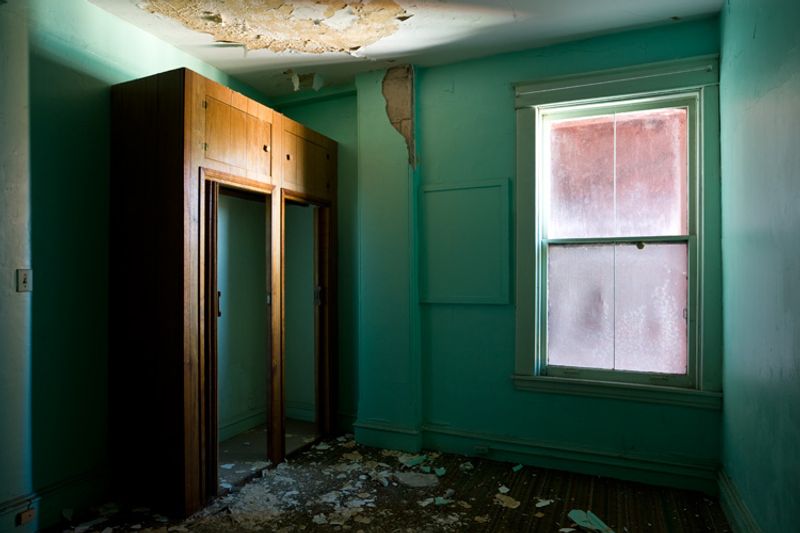
For decades, the Waldo Hotel was the place to be seen in Clarksburg. Glamorous parties, beautiful weddings, and important civic gatherings all called this building home.
The second floor housed a ballroom that became legendary in local memory. People dressed in their finest and danced the night away under sparkling lights in a room built purely for celebration.
Business deals were made here. Political alliances were formed over elegant dinners.
The hotel was not just a place to sleep, it was the beating heart of an entire community.
Local families still pass down stories of events held at the Waldo. Grandparents remember attending events there as children, and those memories carry real emotional weight even today.
What would it feel like to attend a formal event in a ballroom like that? The combination of grand architecture and festive energy must have been something truly special to experience in person.
The Waldo was proof that a hotel can become more than just a building. It can become a shared memory, a common thread running through the history of an entire city.
Clarksburg built something remarkable here, and the stories it generated are still worth celebrating with genuine pride and curiosity.
More Than A Hotel
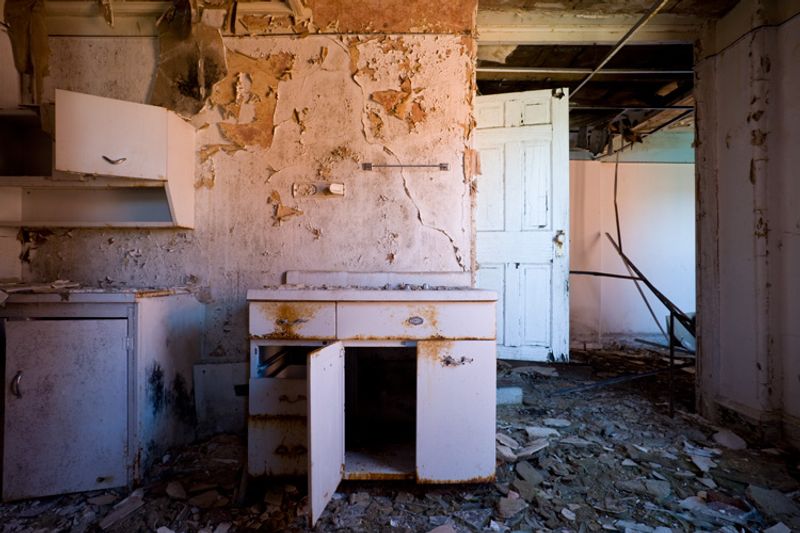
The Waldo Hotel wore many hats over the course of its long life. Long after its peak as a luxury destination, it found new purposes that kept it relevant to the community.
During World War II, the building opened its doors to draftees who needed temporary housing before heading off to serve. The grand hotel suddenly became a place of transition and quiet courage.
Later, the Waldo served as a college dormitory, filling its elegant rooms with students rather than socialites. That shift says a lot about how a great building can adapt to the changing needs of its city.
Each chapter of the hotel’s life brought a completely different kind of energy through its doors. From luxury travelers to wartime draftees to college students, the building welcomed them all without losing its essential character.
Does a building like that ever truly stop being important? The answer, based on everything the Waldo has witnessed, seems to be a definitive no.
Every wall in this building holds a different kind of memory. Soldiers, students, socialites, and senators all passed through the same grand entrance.
That layered history is what makes the Waldo Hotel one of the most genuinely interesting places in all of West Virginia, and absolutely worth a visit to see for yourself.
A Legacy Of Leaders
Nathan Goff Jr. was not the kind of man who thought small. A lawyer, a Civil War veteran, a U.S.
Senator, and a federal judge, he brought the same level of ambition to the Waldo Hotel that he applied to everything else in his remarkable life.
His son, Guy D. Goff, who also served as a U.S.
Senator, actually made the Waldo Hotel his official home. That means two generations of American political history unfolded right inside these walls.
Think about the conversations that must have taken place in those rooms. National policy, local politics, and family life all shared the same grand hallways.
The Goff family connection gives the Waldo a historical weight that goes far beyond architecture. This building was literally where power lived in early twentieth-century West Virginia.
History buffs will find this angle particularly fascinating. How many buildings in America can claim that two U.S.
Senators called the same address home at different points in time?
Visiting the Waldo means standing in a place where real decisions were made by real people who shaped the state and the nation. That kind of connection to history is rare, and it makes every moment spent admiring this building feel genuinely meaningful and worth your full attention.
Too Grand To Give Up
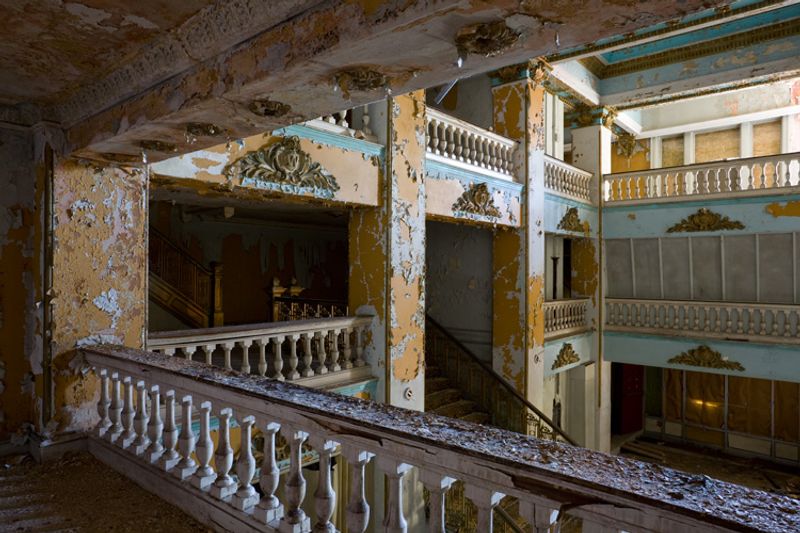
Here is the hard truth about the Waldo Hotel. Restoring a seven-story historic building is an enormously expensive undertaking, and the price tag has scared off more than a few potential investors over the years.
Demolition is not a simple solution either. The sheer scale of the structure makes clearing it just as costly as saving it, leaving the building in a kind of expensive limbo that has stretched on for decades.
Yet the community has never fully given up on the Waldo. Local preservationists, historians, and everyday residents continue to advocate for a future that honors what this building represents.
Visiting the Waldo today means witnessing that tension firsthand. You can see both the decay and the dignity at the same time, and it is a genuinely moving experience that photography alone cannot fully capture.
What would you do with a building like this if the choice were yours? The question is more interesting than it sounds, and locals have been debating the answer for years with real passion.
The Waldo Hotel at 320 W Pike St, Clarksburg, WV 26301 is not just a building waiting for a decision. It is a living conversation about what communities owe to their own history, and why some places are simply worth fighting for no matter the cost.