
This Massive Flea Market In Ohio With 400 Vendors Is Pure Gold For Antique Hunters
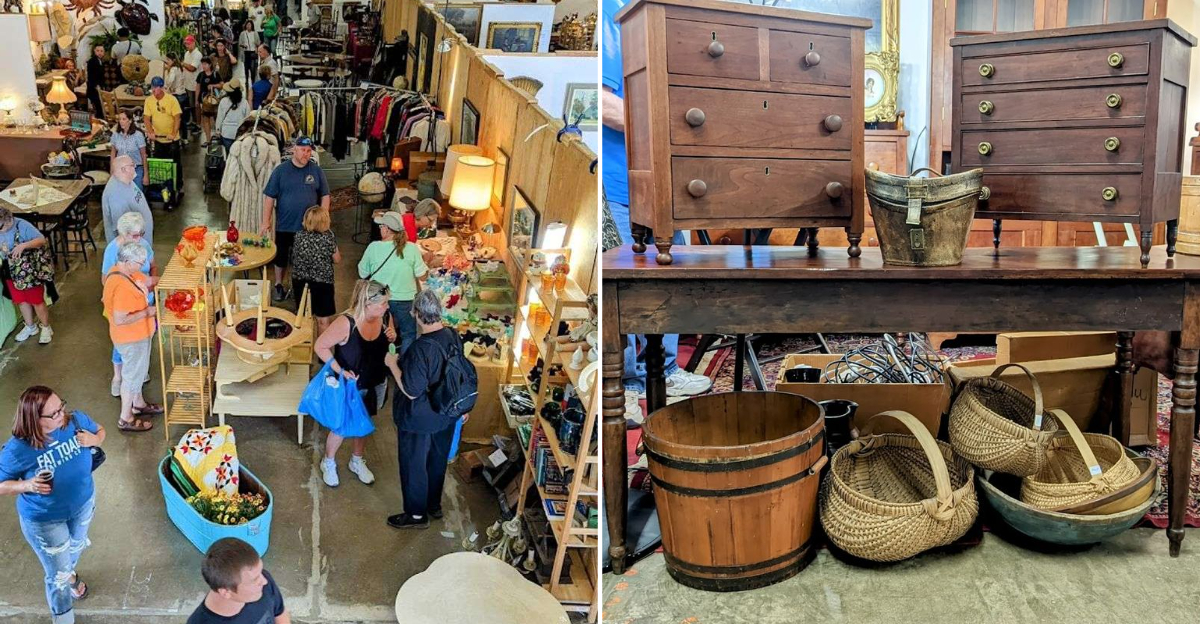
Serious antique hunters do not browse. They move with purpose, they know what they are looking for, and they recognize the right find from ten feet away.
This flea market with many dealers gives that kind of shopper enough material to stay busy until the lights go off. And then some.
So many vendors mean so many different approaches to what ends up on the table. One person’s careful curation of mid-century furniture.
Another’s lifetime of accumulated glassware priced to move. A back corner full of vintage tools that someone spent forty years collecting and priced like they know exactly what they have.
Ohio produces that kind of inventory because Ohio has attics and estates and generations of people who kept things worth keeping. The serious shoppers here arrive early.
They work a system. They double back on sections that looked promising and follow instincts that have been trained by enough markets to know when something is worth a closer look.
Tips For Finding Unique Antiques At Markets
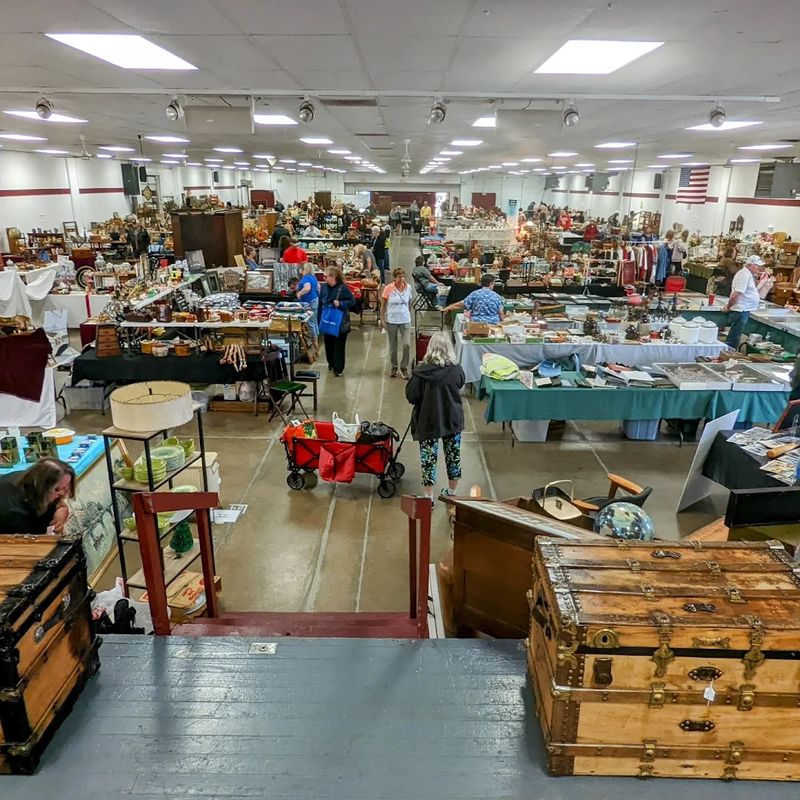
Entering the Springfield Antique Show and Flea Market without a plan is like grocery shopping hungry. You end up grabbing everything and missing the good stuff.
The market covers 120 acres of pure antique gold.
Go in with a short wish list. Know what categories interest you most, whether that is folk art, advertising memorabilia, or architectural salvage.
Having a focus keeps you from getting overwhelmed by the sheer number of booths across three full buildings and wide outdoor spaces.
Bring cash. Most vendors prefer it, and some only accept it.
Small bills make transactions faster and smoother. A wagon or rolling cart is also a smart move because you will be hauling finds across a lot of ground.
Chat with vendors early. They often know what other sellers are carrying nearby.
A friendly conversation can lead you to exactly the piece you have been hunting for months. Vendors at this market genuinely love talking about their inventory.
Check every corner of a booth before moving on. Unique pieces often hide behind bigger items or sit low on shelves.
Patience pays off here more than speed does. The best finds reward the shoppers who slow down and look carefully at every single display.
This spot sits at 4401 S Charleston Pike, Springfield, OH 45502.
Understanding Layouts To Maximize Your Visit
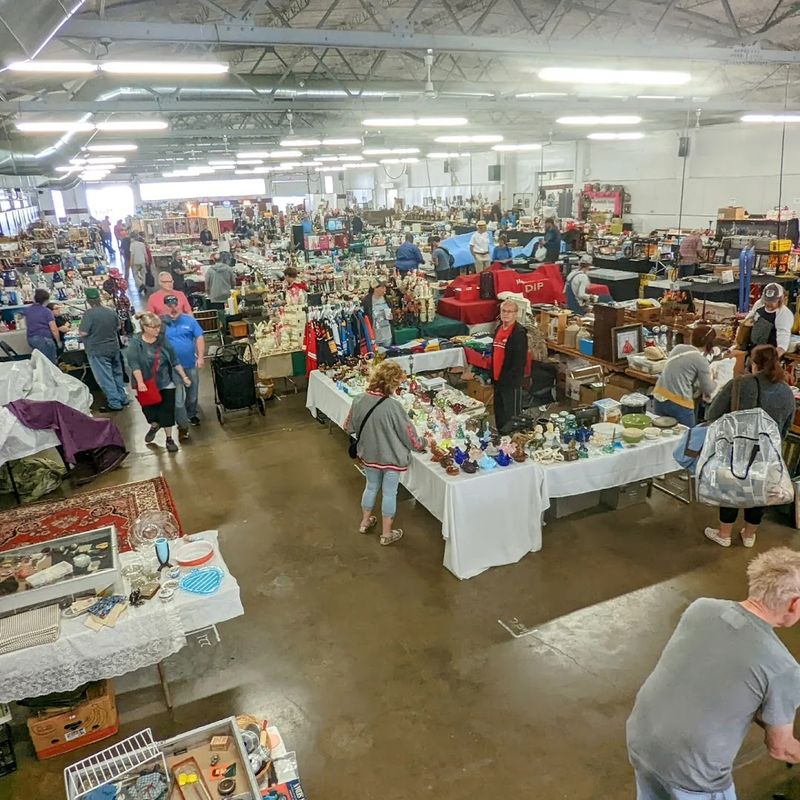
The Springfield Antique Show and Flea Market operates across the Clark County Fairgrounds. Three full buildings hold indoor vendors, and the outdoor spaces stretch far beyond what most people expect on their first visit.
Knowing this ahead of time saves serious walking time.
Start indoors if the weather is uncertain. Indoor booths tend to feature more fragile antiques and higher-end collectibles.
Dishes, tableware, vintage toys, and delicate furniture pieces often live inside, where conditions stay stable year-round.
The outdoor rows carry a different energy entirely. You find larger architectural salvage pieces, garden antiques, and bulk vintage goods out there.
Prices outdoors sometimes run a little lower, and the browsing pace feels more relaxed and casual compared to the busier indoor halls.
During the biannual Extravaganzas in May and September, the vendor count jumps from 400 to over 2,500. The layout expands significantly during those events.
Arriving with a rough map of the fairgrounds helps you avoid backtracking across the same sections repeatedly throughout the day.
Pick a starting corner and work systematically across the space. Random wandering is fun but exhausting.
A loose grid approach means you cover more ground without missing entire sections. The market runs Saturday from 8 a.m. to 5 p.m. and Sunday from 9 a.m. to 4 p.m. on regular show weekends.
Collectors Essential Tools Techniques
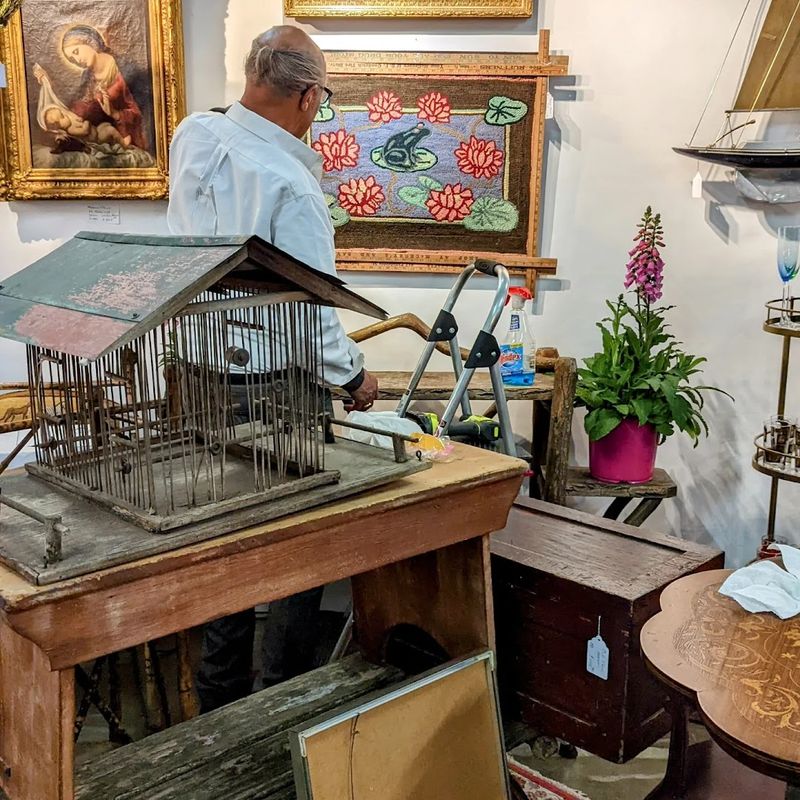
Serious collectors show up prepared. At a market this size, the right tools make a real difference between finding a spot and walking past it.
Springfield Antique Show and Flea Market rewards people who come equipped and ready to evaluate on the spot.
A small flashlight is more useful than most people realize. Dark corners of booths hide maker’s marks, stamps, and signatures that reveal true value.
A magnifying glass helps you read fine details on pottery, glassware, and jewelry without squinting awkwardly at every piece.
Bring a measuring tape. Furniture is a popular category here, and nothing is worse than falling in love with a dresser that does not fit your hallway.
Knowing your home dimensions before you arrive prevents that specific kind of heartbreak completely.
A notebook or phone app for price tracking helps you compare similar items across different booths. You might see the same style of vintage advertising sign at three different stalls with three very different prices.
That information gives you real negotiating power when you decide to buy.
Wear comfortable shoes. This cannot be overstated enough.
The fairgrounds cover 120 acres, and a full day of serious shopping means miles of walking. Lightweight layers work well, too, since indoor and outdoor temperatures vary quite a bit across the same visit.
Seasonal Trends Impacting Inventory
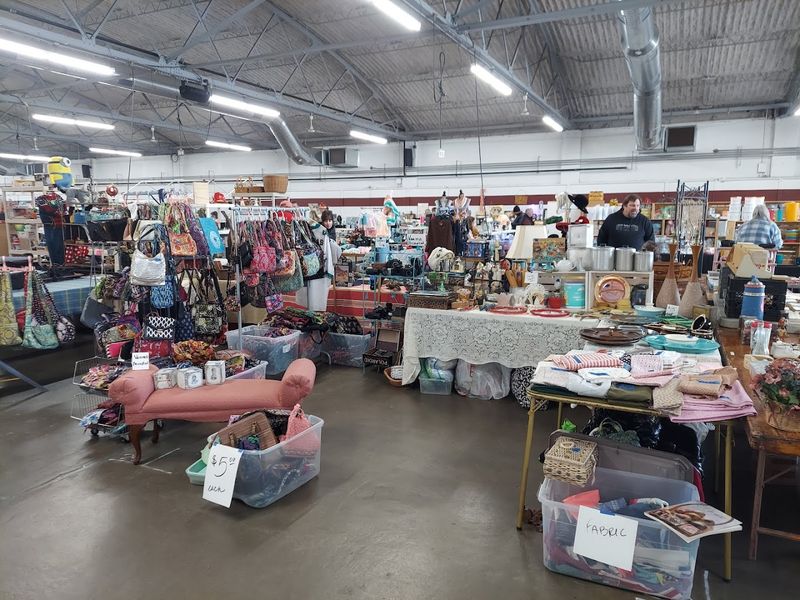
Inventory at Springfield Antique Show and Flea Market shifts noticeably with the seasons. The market runs nine times a year, skipping February, July, and December.
Each show brings a slightly different mix of merchandise depending on what vendors have sourced recently.
Spring shows tend to bring out garden-related antiques. Cast iron planters, vintage seed signs, and outdoor furniture appear more frequently as the weather warms up.
The May Extravaganza is especially loaded with spring finds because vendors prepare months in advance for that massive event.
Fall inventory leans toward cozy and nostalgic pieces. Handmade quilts, vintage kitchen items, and folk art show up in higher numbers during the September Extravaganza.
That event is one of the largest antique gatherings in the entire country, drawing over 2,500 vendors to the fairgrounds.
Winter-adjacent shows in November and January often carry holiday collectibles and vintage decor. Shoppers looking for older Christmas ornaments, vintage tin toys, or antique holiday advertising pieces find those months surprisingly productive.
Fewer crowds also mean more relaxed browsing and more vendor attention.
March shows are quieter overall, but indoor booths stay fully stocked regardless of season. The slower months can actually be the best time to find deals because vendors are more motivated to move inventory.
Lower foot traffic means more negotiating room for attentive shoppers.
Negotiating Strategies For Purchases
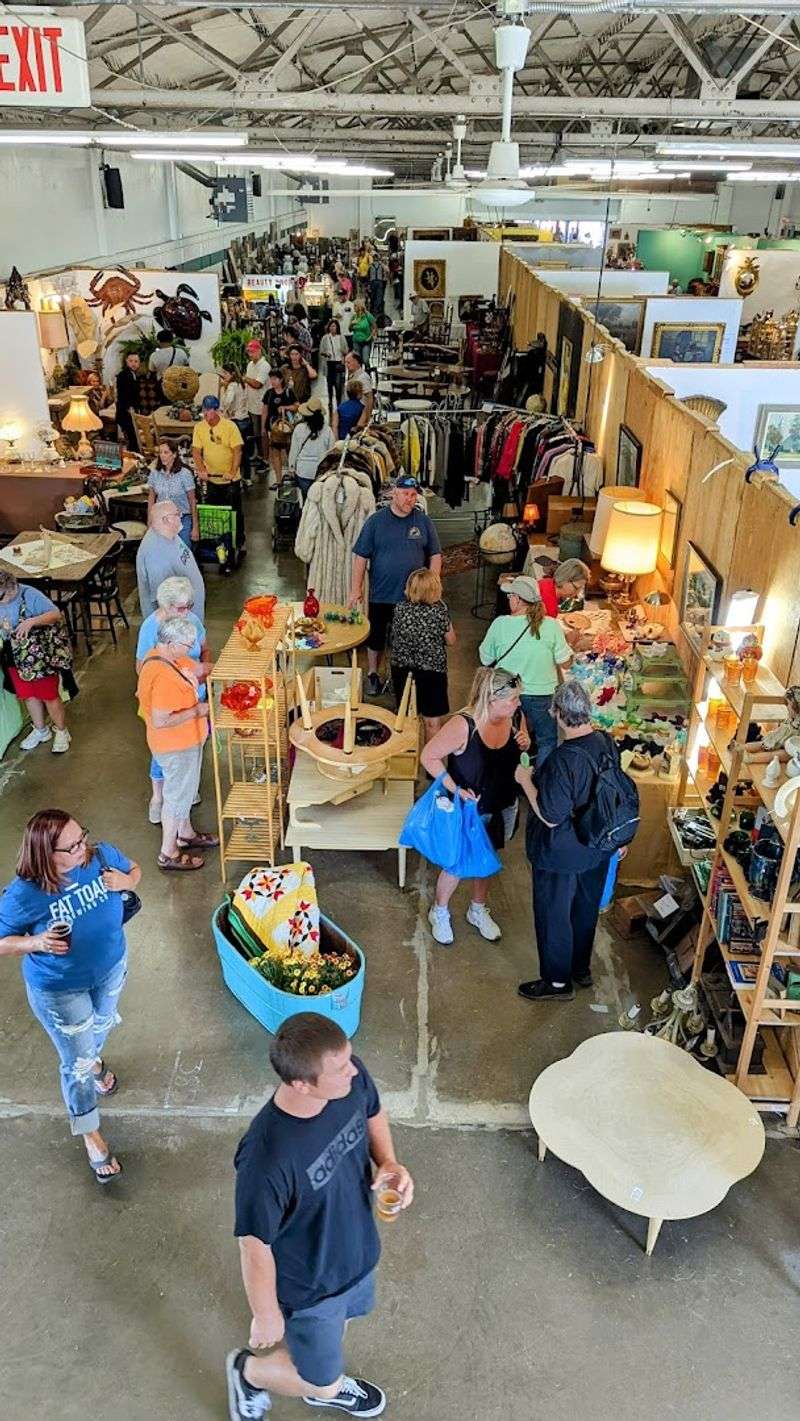
Negotiating at the Springfield Antique Show and Flea Market is part of the experience. Most vendors expect it and are happy to deal, especially later in the day when they want to lighten their load before packing up.
Knowing how to approach it makes the whole process smoother.
Start by being genuinely friendly. Ask about the piece before you ask about the price.
Vendors who are passionate about their inventory respond well to shoppers who show real interest. A quick question about the history of an item builds rapport fast.
Bundle purchases when possible. Buying two or three items from the same vendor gives you more leverage to ask for a better overall price.
Most sellers would rather move multiple pieces at a small discount than hold onto everything until the next show.
Avoid lowballing dramatically. A reasonable counteroffer of ten to twenty percent below the listed price keeps things moving in a positive direction.
Respect goes a long way in these interactions.
Cash is your strongest negotiating tool in this market. Vendors save on card processing fees when you pay cash, and many will knock a few dollars off just for that reason alone.
Having small bills ready signals that you are a prepared buyer who is serious about the purchase.
Spotting Valuable Items Among Vintage Merchandise
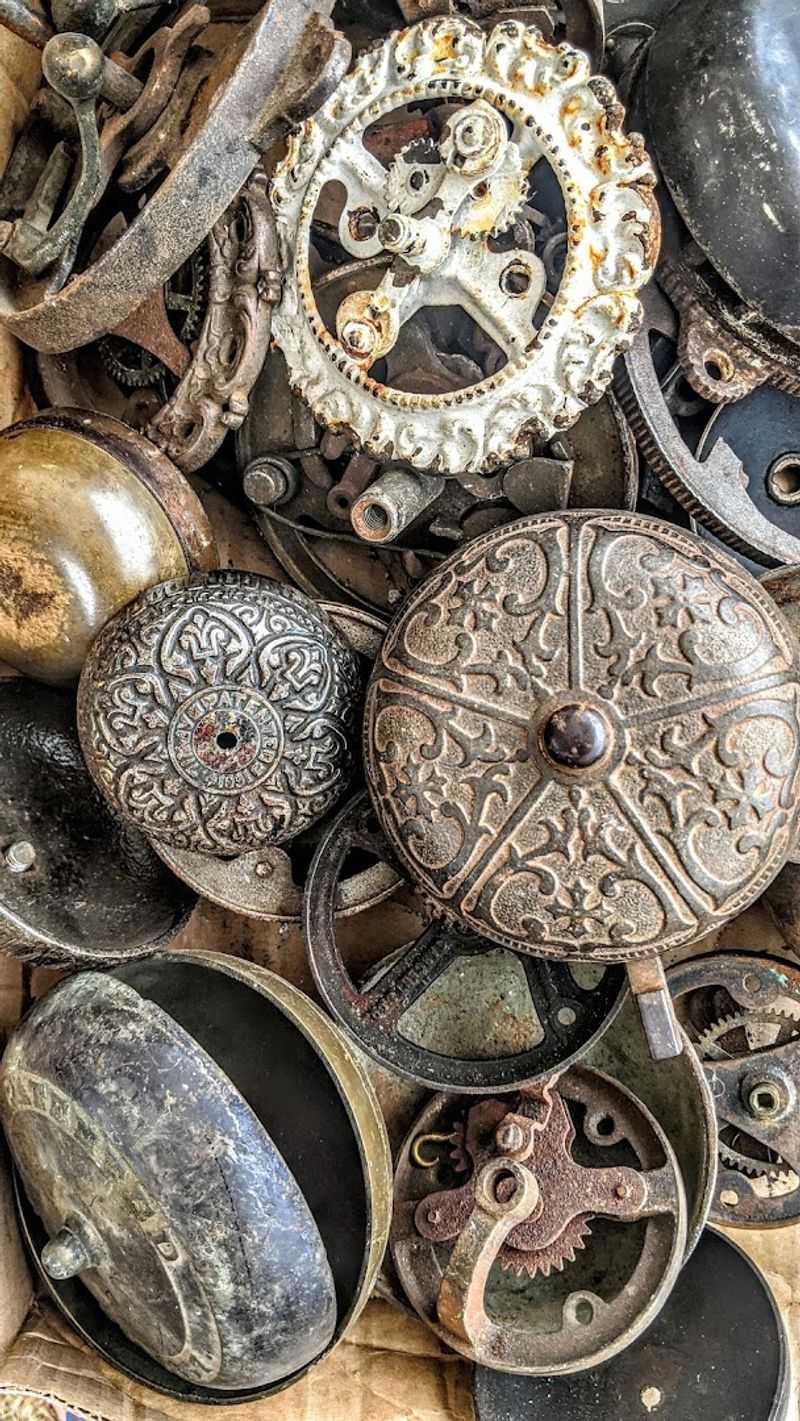
Not everything old is valuable, and not everything valuable looks old at first glance. At a market with hundreds of vendors, the ability to spot a genuinely worthwhile piece saves you money and time.
Springfield Antique Show and Flea Market carries everything from true antiques to fun flea market finds.
Check the bottom of ceramic and pottery pieces first. Maker marks, country of origin stamps, and production numbers tell you a lot about age and rarity.
American-made pieces from before the 1950s often carry marks that serious collectors recognize immediately and seek out specifically.
Look at the construction quality of furniture. Hand-cut dovetail joints on drawers indicate older craftsmanship.
Machine-cut joints suggest more modern production. The difference is visible once you know what to look for, and it directly affects both age and resale value.
Vintage advertising memorabilia is a strong category at this market. Original tin signs, early product packaging, and pre-war promotional items fetch real money among collectors.
Condition matters enormously here. Fading and minor rust are acceptable, but major damage reduces value significantly.
Folk art and handmade quilts are another area worth your attention. Authentic handmade pieces carry visual irregularities that machine-made items lack.
Those small imperfections are actually proof of authenticity and craftsmanship. Learning to appreciate them helps you identify the real pieces quickly among reproductions.
Best Times Of Day To Shop Markets
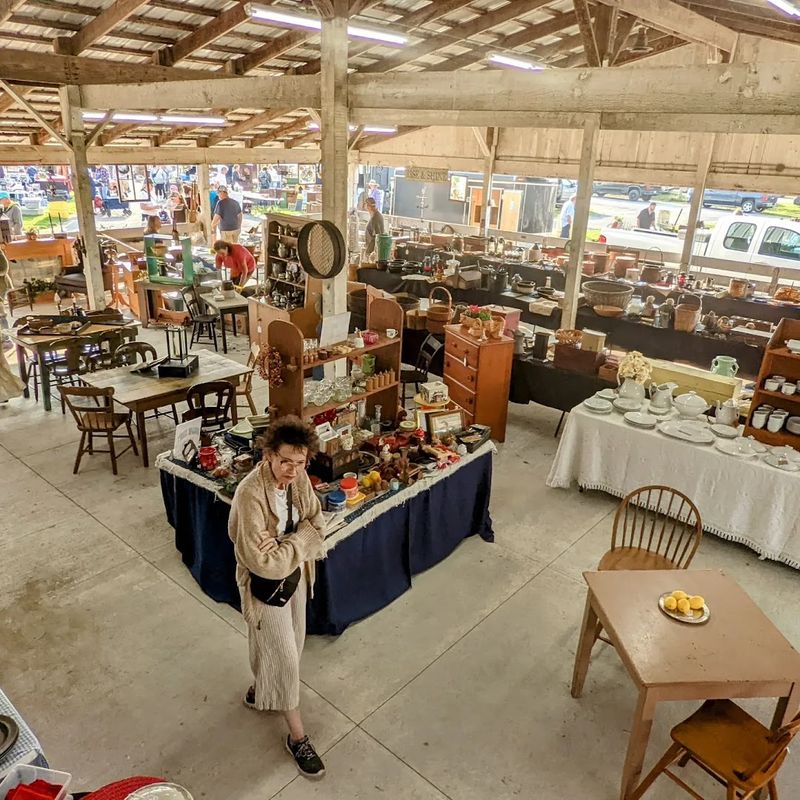
Timing your arrival at the Springfield Antique Show and Flea Market can completely change your experience. The market opens at 8 a.m. on Saturdays, and serious hunters show up right at that time.
The first hour is when the best pieces move fastest, especially at the larger Extravaganza events.
Early birds get the genuine treasures. Vendors are still setting up at opening time, which means you sometimes catch items before they are fully displayed.
Asking a vendor what they are still unpacking is a completely normal and often rewarding conversation to have.
Midday gets crowded, especially on Saturdays during Extravaganza weekends. Foot traffic peaks between 11 a.m. and 2 p.m.
Navigating tight booth rows with large crowds takes more energy and patience. If crowds stress you out, the early morning window is clearly your best bet.
Late afternoon has its own appeal. Vendors who drove long distances want to avoid hauling unsold inventory back home.
Prices become more flexible after 3 p.m. as sellers mentally shift into pack-up mode. Sunday afternoons are particularly good for last-minute deals before the market closes at 4 p.m.
On Sundays, some vendors begin packing by noon, so arriving before 10 a.m. gives you the best selection. The Sunday crowd is generally lighter than Saturday, which makes browsing more relaxed.
You get more vendor attention and more room to think without feeling rushed.
Preserving Restoring Finds From Markets
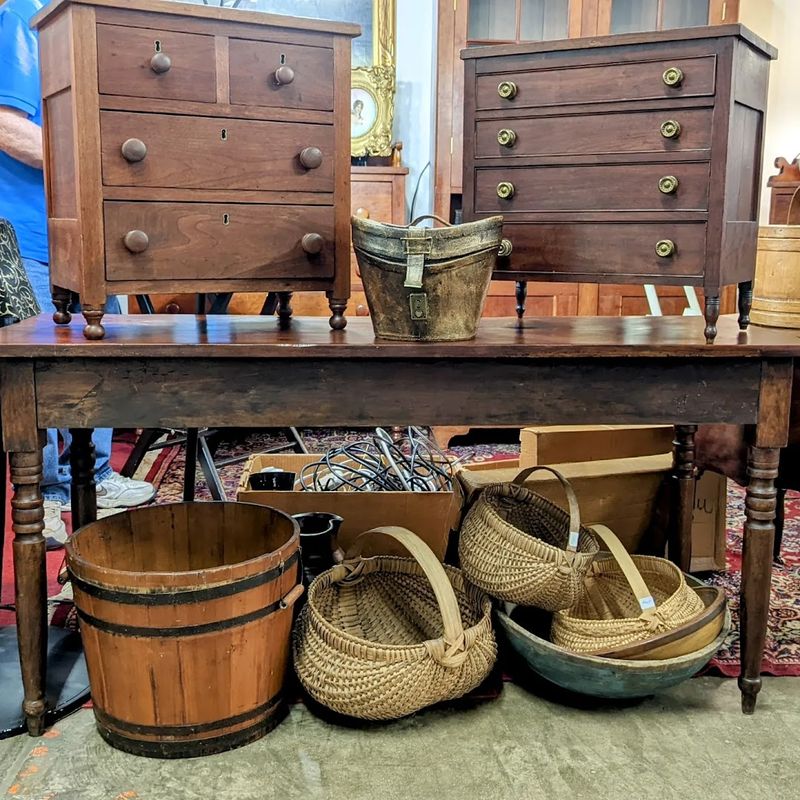
Bringing home a great find from the Springfield Antique Show and Flea Market is only half the journey. What you do with it afterward determines how long it lasts and how good it looks in your space.
Preservation and restoration are skills worth developing if you shop at markets regularly.
Start with a gentle cleaning before anything else. Dust, grime, and old wax build up on antique surfaces over decades.
A soft cloth and mild soap work well for most wood pieces. Avoid harsh chemical cleaners that strip original finishes and reduce the authentic character of older items.
For metal pieces like cast iron or tin advertising signs, light rust removal is manageable at home. A wire brush and rust-converting primer stabilize surface corrosion effectively.
Going too aggressively with sanding removes patina that actually adds value to genuine antique metal pieces.
Vintage textiles like the handmade quilts commonly found at this market need careful handling. Hand washing in cool water with gentle detergent protects fragile fibers.
Avoid machine washing older quilts because agitation breaks down stitching that may already be stressed from age and previous use.
Furniture restoration requires patience over speed. Tightening loose joints with wood glue, replacing missing hardware with period-appropriate pieces, and applying a light oil finish can transform a rough market find into a beautiful, functional piece.
The process is satisfying and adds real personal value to every item you bring home.