
This Massive Kentucky Lake Offers Over 2,000 Miles Of Shoreline And Endless Scenic Views.
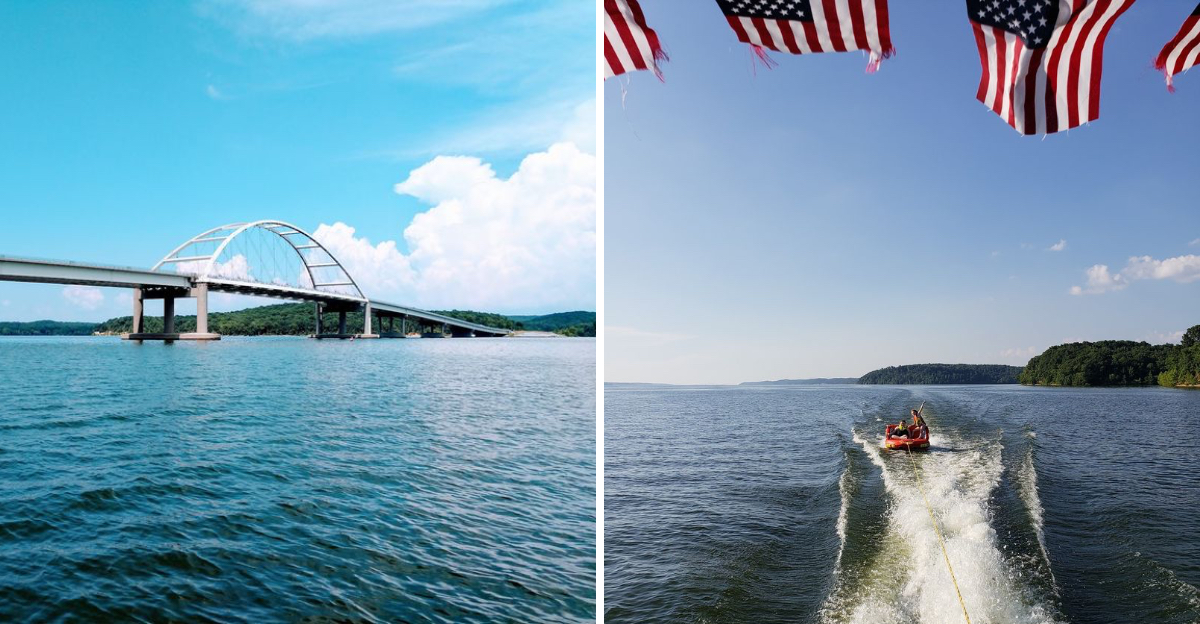
Imagine a lake so massive that you could spend an entire vacation and still miss half of what it offers. That kind of scale actually exists in Kentucky.
This reservoir began as a bold 1940s engineering project, and it swallowed an entire town along the way. Coves stretch on forever, and every bend hides another quiet inlet.
Kentucky claims serious bragging rights here, since nothing nearby comes close to this kind of size. Anglers chase record catches, boaters roam for hours without crossing paths, and sunset chasers linger until the sky turns pink.
Wildlife refuges guard the shoreline, eagles winter along the banks, and old foundations still rest below the surface.
Curious what else lies beneath the water? Plan a visit and see it firsthand.
Born From the Tennessee River in 1944
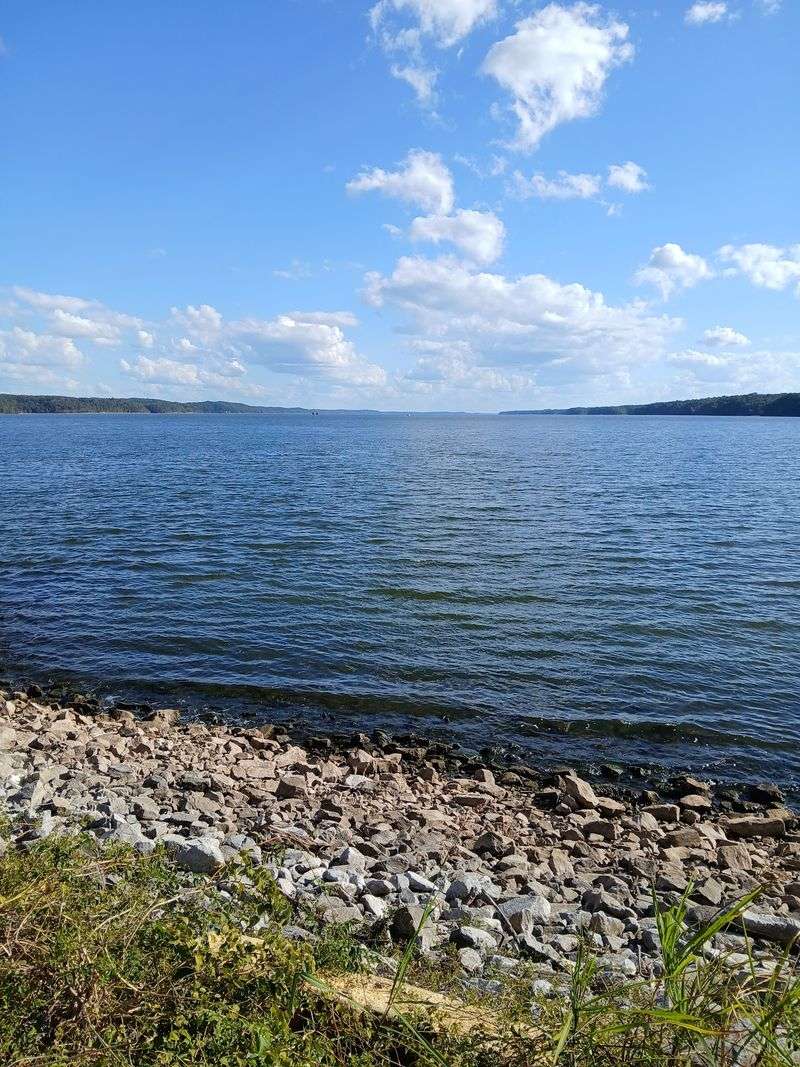
Picture engineers in the late 1930s standing on the banks of the Tennessee River with a bold plan. Between 1938 and 1944, the Tennessee Valley Authority dammed that river and created Kentucky Lake.
The finished reservoir stretches 184 miles, running from Kentucky Dam at Gilbertsville south into Tennessee. At normal summer pool, it covers roughly 160,300 acres of water.
Size like that earns a title. Kentucky Lake ranks as the largest man-made lake by surface area east of the Mississippi River.
The project was never just about recreation. Flood control, hydroelectric power, and year-round barge navigation all drove the construction.
Visitors today feel that scale immediately. Reviewers often say the lake feels so wide that you can go hours without seeing another boat.
Fun fact worth remembering: the lake’s shoreline twists through so many bays and inlets that the total measurement climbs into the thousands of miles. Every curve hides another quiet fishing spot.
Boaters Get More Room Than They Know What To Do With
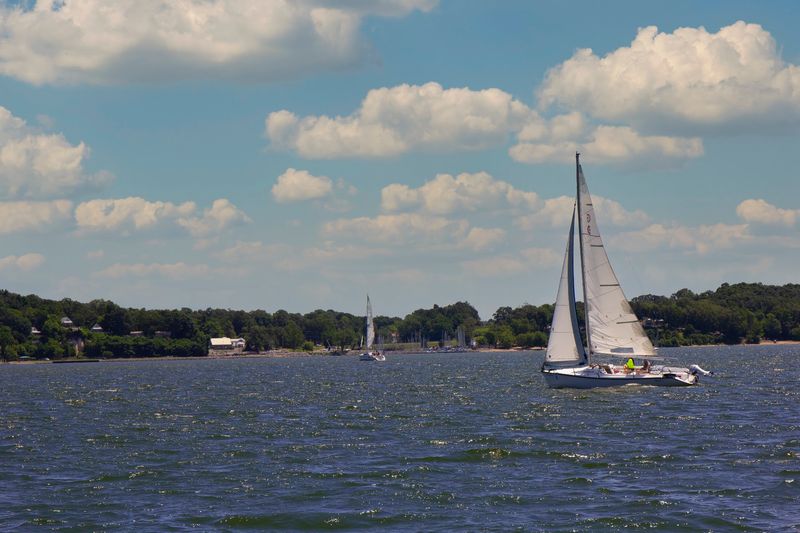
Ask anyone who keeps a boat on Kentucky Lake what they love most, and space usually tops the list. The water is so broad that wakes rarely pile up on each other.
Pontoons, ski boats, houseboats, and small fishing rigs all share the lake comfortably. Sailboats catch steady wind across the open stretches too.
Marinas dot the shoreline from Gilbertsville down toward the Tennessee line. Many rent boats by the half day, which helps visitors who arrive empty-handed.
Kayakers and paddleboarders tend to stick to the sheltered coves. Wind can whip up quick chop on the main channel by early afternoon.
Launch early if you want glassy water. Mornings on the lake stay calm and quiet before the weekend crowd wakes up.
Keep a paper chart handy as well. Submerged stumps and old roadbeds sit below the surface in shallow bays, and depth changes catch newcomers off guard.
Fishing Reputation That Draws Tournament Crowds
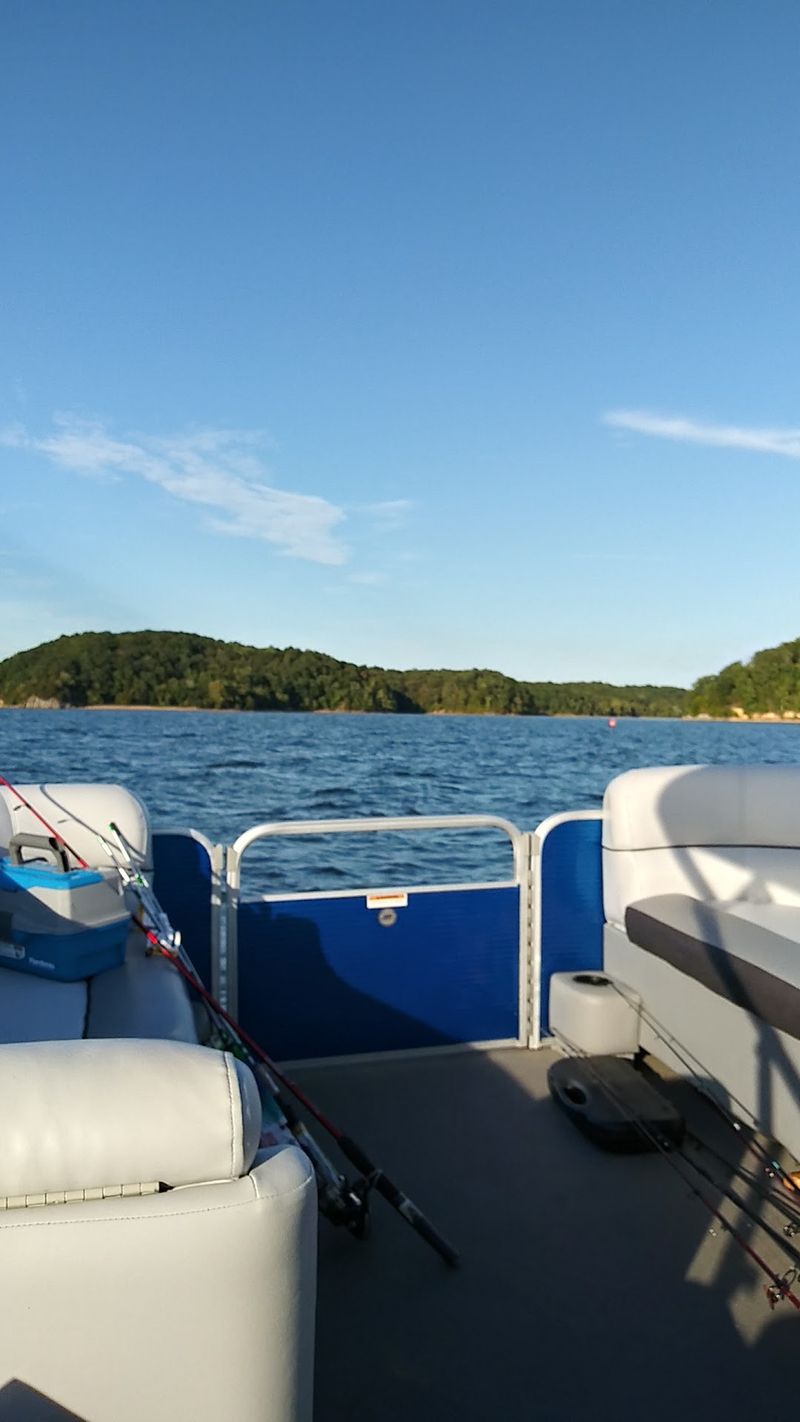
Crappie season turns Kentucky Lake into a parking lot of bass boats, and locals would not have it any other way. The reservoir has built a national reputation among tournament anglers.
Largemouth bass, crappie, and catfish headline the catch list. Bluegill, redear, white bass, and yellow bass round it out nicely.
Dozens of marinas and public ramps mean you rarely drive far to reach water. Guides work the lake year-round and know where the schools stack up.
Spring brings crappie into the brush piles and shallow cover. Summer pushes bass toward deeper ledges along the old river channel.
Water levels drop a few feet each September as TVA prepares for winter. Some anglers grumble about it, so check lake levels before booking a fall trip.
Asian carp have made headlines here in recent years. Fishery managers keep working on it, and the bass and crappie bite remains strong.
Land Between The Lakes Sits Right Next Door
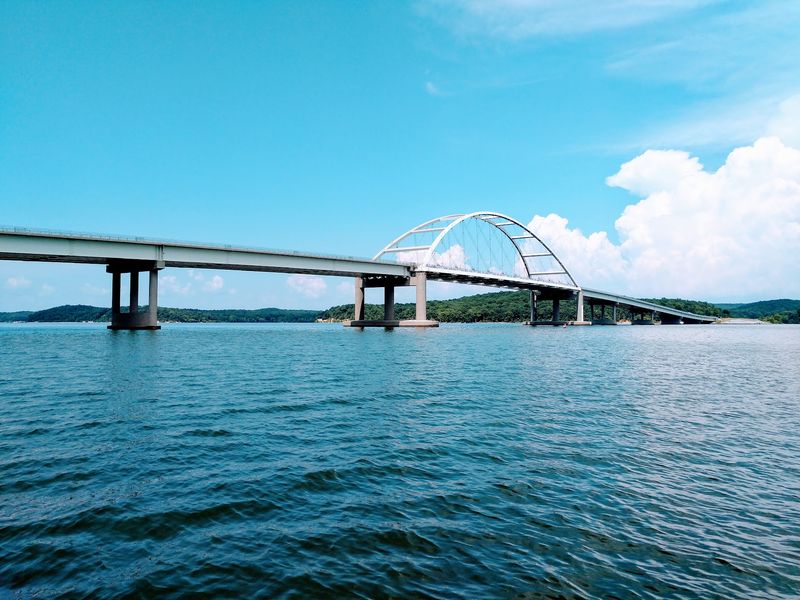
Squeezed between Kentucky Lake and Lake Barkley lies a 170,000-acre peninsula unlike anywhere else in the state. Land Between The Lakes National Recreation Area protects nearly all of it.
A canal links the two big lakes, so boaters can pass from one to the other without hauling a trailer. That connection makes long day trips surprisingly easy.
What visitors notice most is the lack of billboards and strip malls. Forests, wetlands, and restored prairies fill the space instead.
Bison and elk roam inside a fenced preserve here, and families often list that stop as the highlight of the trip. The Woodlands Nature Station and Elk and Bison Prairie both draw steady crowds.
Plan for a full day if you want to see much of it. Roads wind slowly, and cell service drops out in plenty of spots.
Bring paper maps, snacks, and a full tank of gas before heading in.
Sunsets Over the Water Look Almost Painted
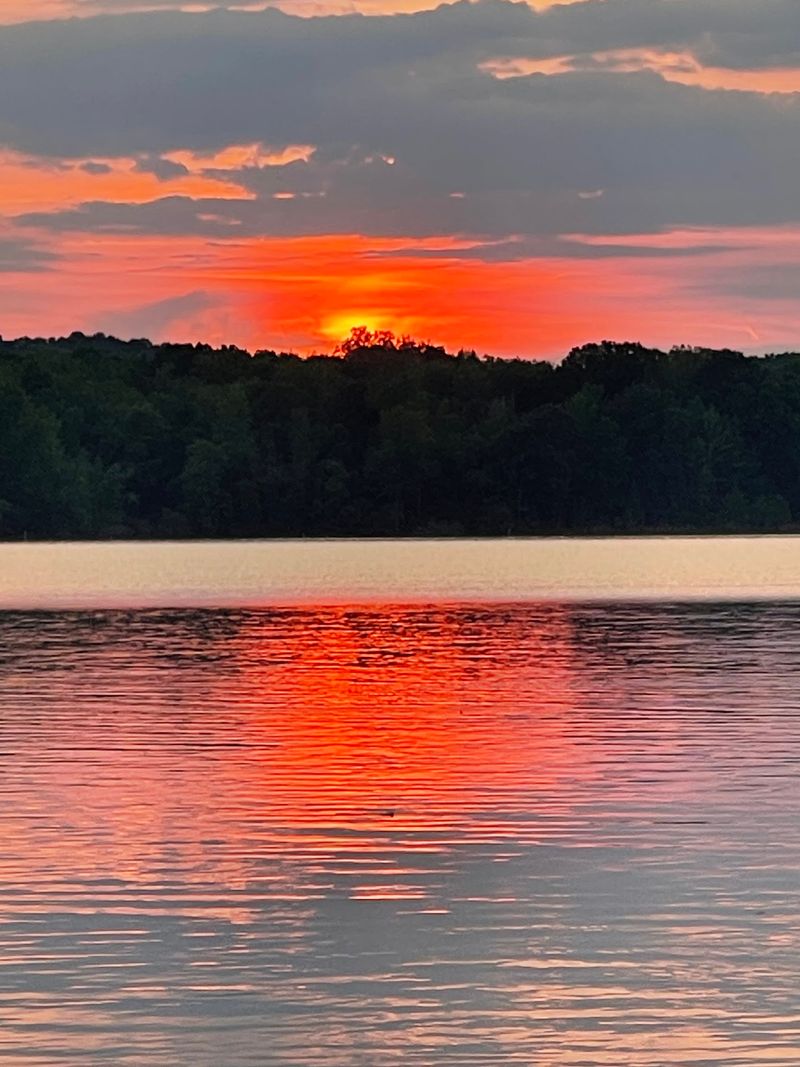
One visitor from Nashville wrote that the sunsets make you believe the sky is artwork. Spend one evening on the western shore and the comment makes perfect sense.
Thousands of miles of cove-studded shoreline create endless viewing angles. Every bend offers a slightly different frame of water, trees, and open sky.
Because the lake runs mostly north to south, the sun drops straight across the water in many spots. Colors spread wide instead of hiding behind hills.
Sunrise fans get their turn too, with mist rising off the coves on cool mornings. Photographers often set up near Kenlake State Resort Park or along the dam.
Dark skies add a bonus after nightfall. Stargazing ranks high among visitor favorites since city light barely reaches the middle of the peninsula.
Pack a folding chair and bug spray. Nothing ruins a golden-hour view faster than a swarm of mosquitoes at the water’s edge.
Wildlife Refuges Protect the Shoreline
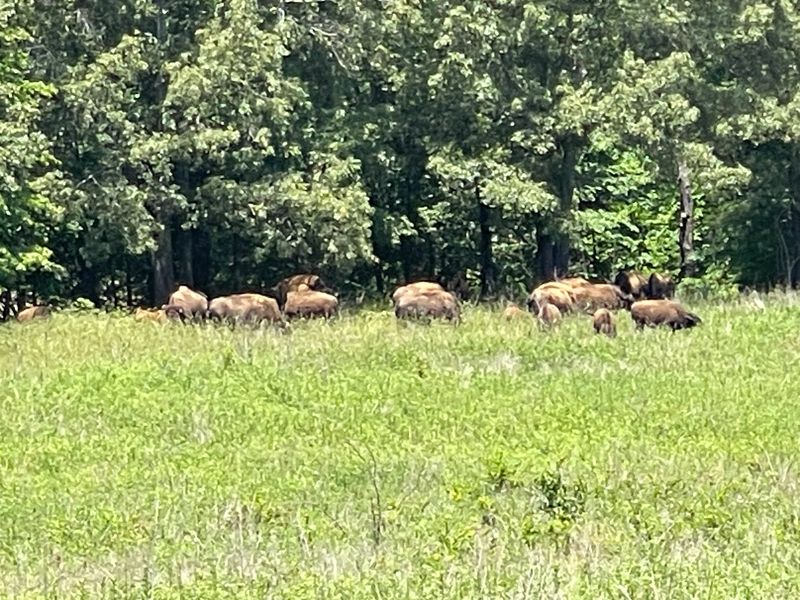
Winter might be the best-kept secret around Kentucky Lake, thanks to the bald eagles. Dozens winter along the shoreline, and eagle-watching tours run out of nearby state parks.
Two federal refuges guard big pieces of habitat here. Tennessee National Wildlife Refuge follows the lake south, while Clarks River National Wildlife Refuge sits entirely in Kentucky.
Whitetail deer, bobcats, river otters, and wild turkey all live in these woods and wetlands. Patient watchers usually spot something worth remembering.
Birders keep long lists here. Migratory waterfowl crowd the shallow bays in cold months, while raptors and songbirds fill the trees the rest of the year.
Autumn brings monarch butterflies drifting through on their long trip south. Wildflower fields along the peninsula draw them in by the hundreds.
Bring binoculars and move slowly. Early morning and the hour before dusk give you the strongest chance of a close encounter.
Towns Sleep Beneath the Surface
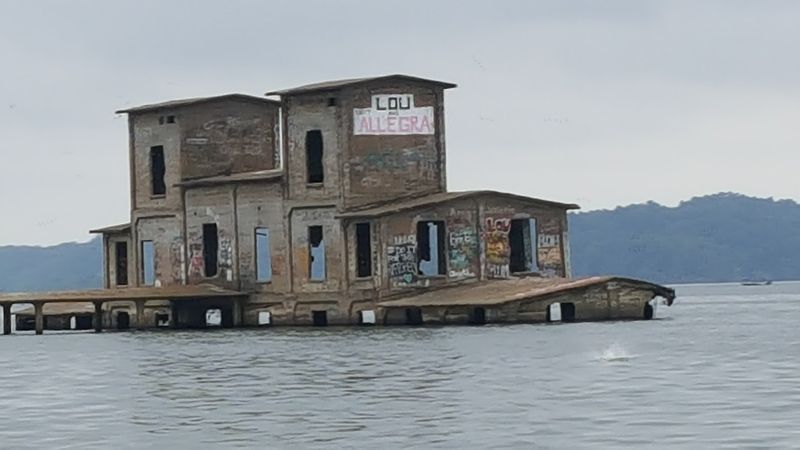
Somewhere under the water sits the old town of Birmingham, Kentucky. When the gates closed in 1944, the rising lake swallowed it whole.
Families packed up homes, farms, churches, and even cemeteries before the flooding began. Relocating the dead was one of the hardest parts of the project.
Roads and rail lines had to move as well. Engineers rerouted major highways so traffic could still cross the region.
Old foundations, roadbeds, and bridge pilings still rest on the lake bottom. Anglers find them on sonar and fish them like underwater neighborhoods.
Local museums and historical markers tell these stories for anyone curious. Descendants of displaced families still hold reunions in the area each year.
Knowing the history changes how the lake feels. That peaceful water covers a whole chapter of Kentucky life, and reading about it before your trip makes the shoreline far more meaningful.
Trails, Campgrounds, and Backroads for Dry-Land Days
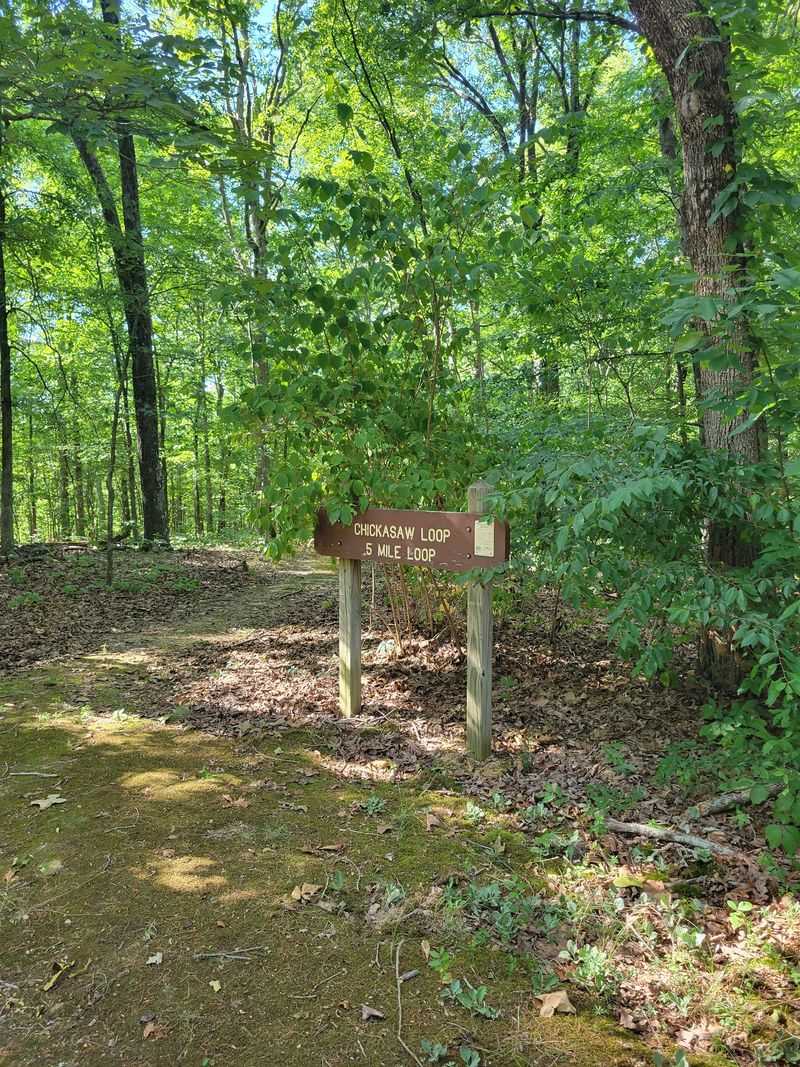
Rain in the forecast? The land around Kentucky Lake keeps you plenty busy without a boat.
Land Between The Lakes carries hundreds of miles of trails for hiking, mountain biking, and horseback riding. Some routes are short loops, others stretch across the whole peninsula.
Off-road vehicle areas give jeeps and ATVs their own backcountry playground. Riders need a permit, so check the rules before you load up.
Campgrounds range from full-hookup sites to primitive backcountry spots. Kenlake State Resort Park adds cabins, a lodge, tennis courts, and a golf course.
Geocachers have hidden caches all over the area. Families turn the hunt into an afternoon adventure between swims.
Scenic drives may be the easiest win of all. The Trace runs the length of the peninsula and passes overlooks, historic sites, and the bison range.
Reserve campsites early for summer weekends, since lakeside spots disappear fast.
Tourism Dollars Keep Lake Towns Alive
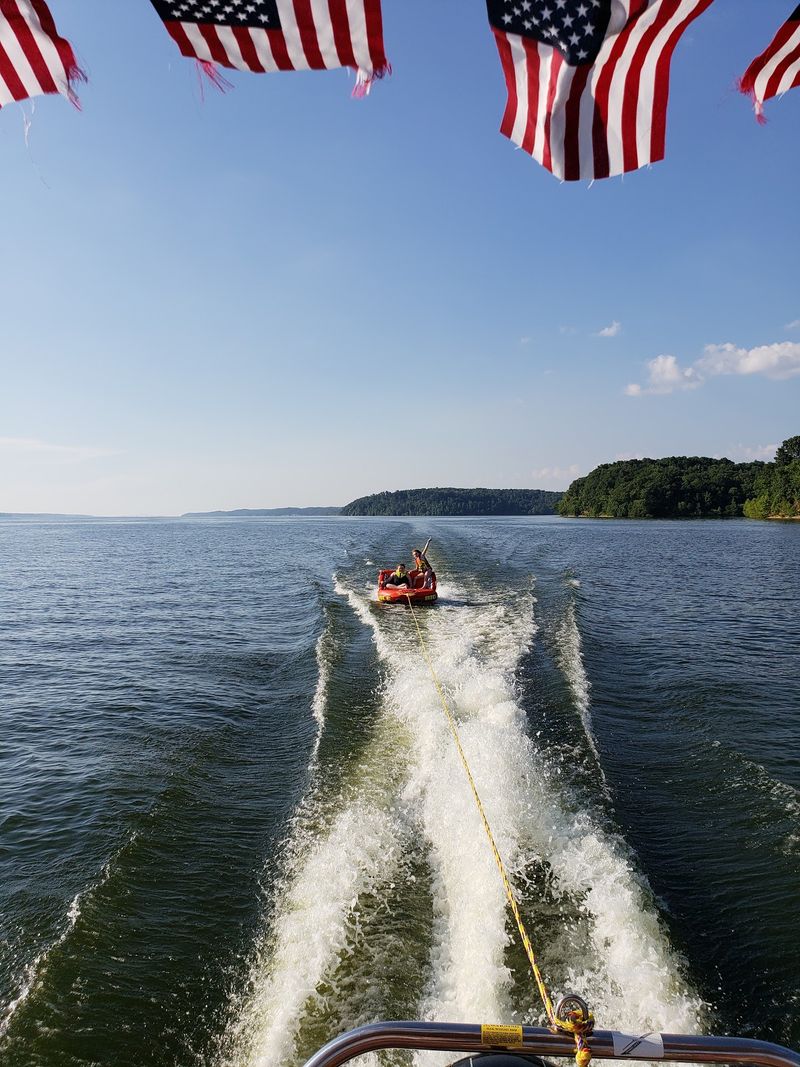
Behind the fishing stories sits a serious economic story. Visitors spent 90.4 million dollars in Marshall County during 2024 alone.
That spending supported about 755 jobs in the county that year. Marinas, bait shops, cabins, restaurants, and campgrounds all depend on lake traffic.
Millions of people visit the greater Kentucky Lake area each year. Small towns like Gilbertsville, Benton, Aurora, and Murray feel the difference every season.
Local businesses plan their calendars around fishing tournaments and holiday weekends. A big crappie event can fill hotels for miles.
Travelers benefit from that investment. Boat ramps, clean facilities, guide services, and rental options keep improving because tourism pays the bills.
Shopping local goes a long way here. Buying bait from a family-run shop or eating catfish at a lakeside diner puts money directly into the community.
Weekday visits also help spread out the crowds and support businesses during slower stretches.
Kentucky Dam Anchors the Northern End
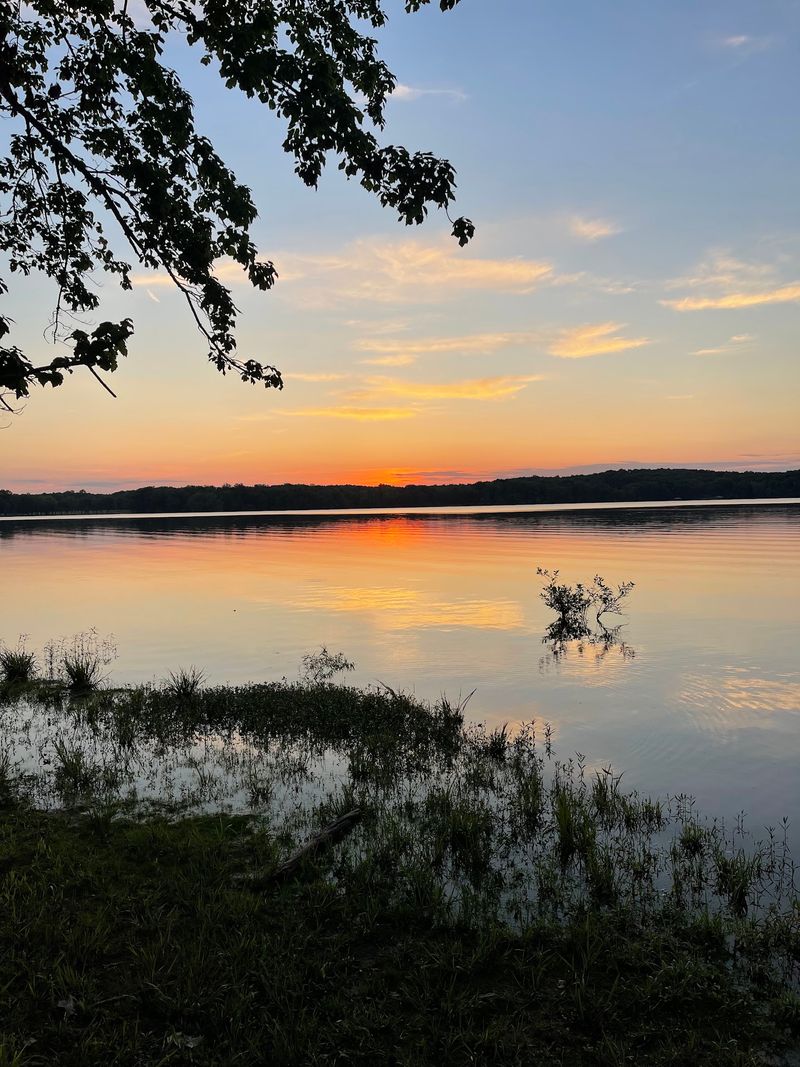
Standing at the base of Kentucky Dam gives you a real sense of scale. The structure rises 206 feet high and stretches 8,422 feet across the Tennessee River.
Completed in 1944, it remains the largest dam in the entire TVA system. Engineers designed it to do several heavy jobs at once.
Flood control ranks first. Water held back here helps protect communities along the Ohio and Mississippi rivers during high-water events.
Hydroelectric turbines inside the powerhouse generate electricity for the region. Barges pass through a navigation lock beside the dam.
Recognition came decades later, in 1996, when the dam earned status as a National Historic Civil Engineering Landmark.
Anglers work the tailwater below the dam for catfish, sauger, and white bass. Currents run strong there, so life jackets are non-negotiable.
Kentucky Dam Village State Resort Park sits nearby with lodging and a marina.