
This Massive New Jersey Japanese Market Is A Must-Visit For Snacks, Fresh Sushi, And Tokyo-Style Finds
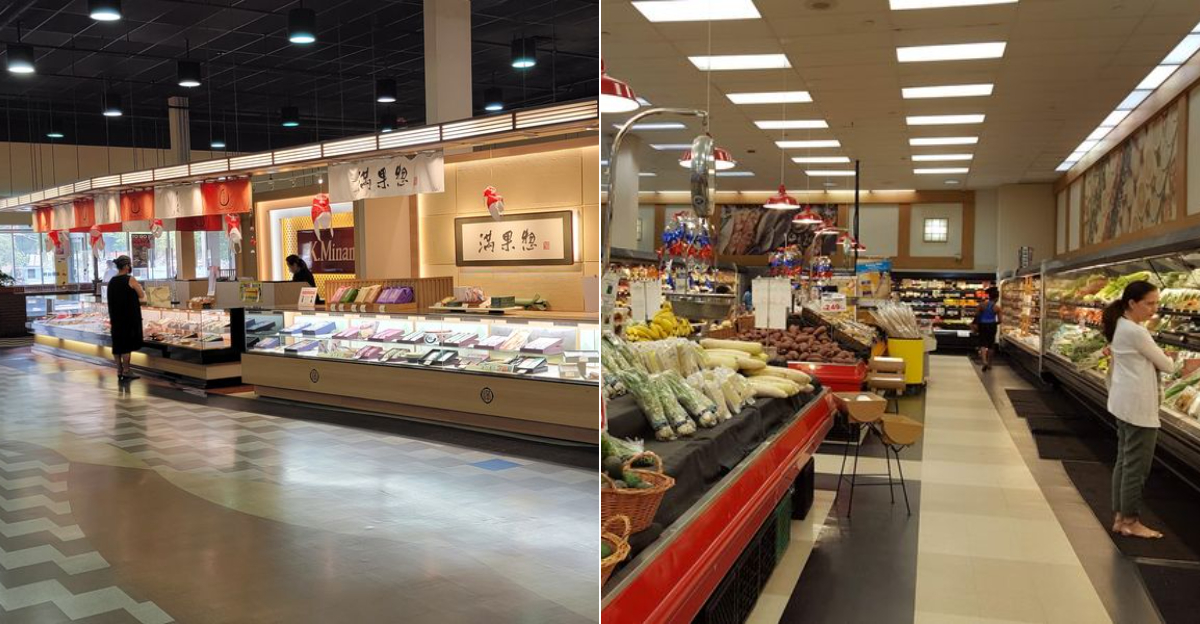
A little taste of Japan can make an ordinary travel day much more exciting. In New Jersey, shelves of colorful snacks, manga, ceramics, Japanese sweets, and kitchen finds turn a quick stop into a playful shopping trip.
What would catch your eye first? Maybe sushi-grade fish, a bowl of ramen, a warm taiyaki cake, or a tiny candy you have never seen before.
The fun keeps going beyond the shelves, with sizzling tempura, steaming ramen, and fresh treats giving hungry visitors plenty of reasons to linger. The Manhattan skyline adds an extra bit of scenery just outside.
Take your time and enjoy the hunt for something new. A little browsing can become a full afternoon of food, shopping, and discoveries that make you smile.
New Jersey gives travelers plenty to explore, but this stop offers something different.
Tokyo Train Station Food Court
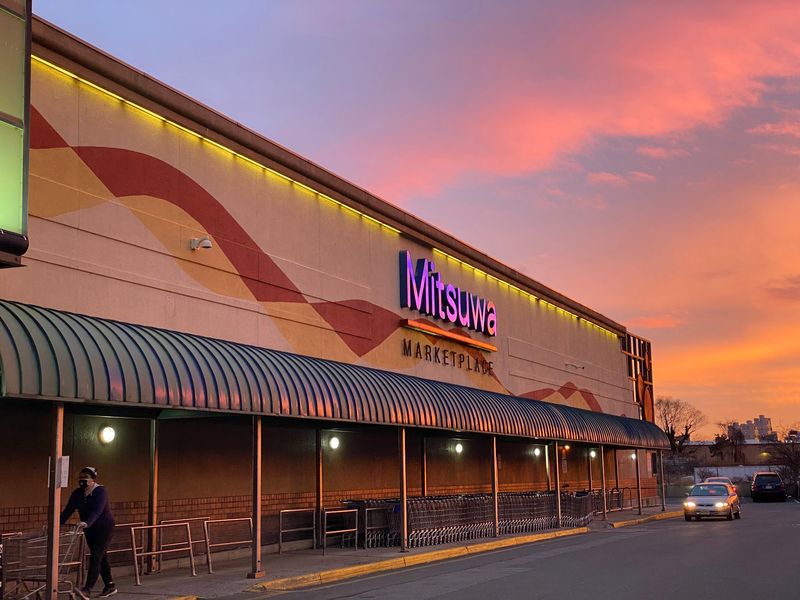
Walk through the doors and follow your nose. About ten separate food stalls line one half of the building of Mitsuwa Marketplace – New Jersey, each one focused on doing a single thing extremely well.
Santouka Ramen pulls the longest looks, and for good reason. The miso broth is rich and salty, and the pork belly falls apart the second your chopsticks touch it.
Visitors keep calling it one of the best bowls in the tristate area.
Craving crunch instead? Hannosuke fries tempura to order, and the Edomae set arrives with shrimp and eel stacked over rice.
Wateishoku Kaneda does a Japanese-style hamburg steak with gyoza on the side that regulars swear by.
Then there is katsu curry, beef udon, karaage chicken, and bento boxes that visitors say taste like a trip back to Japan.
Waits can run fifteen to twenty-five minutes at peak hours, so send one person ahead to grab a table. Seating fills fast, especially Saturdays.
Here is the smart move: split up. Everyone orders from a different stall, then meet back and share.
That way you taste five things instead of one.
Snack Aisles For Treasure Hunters
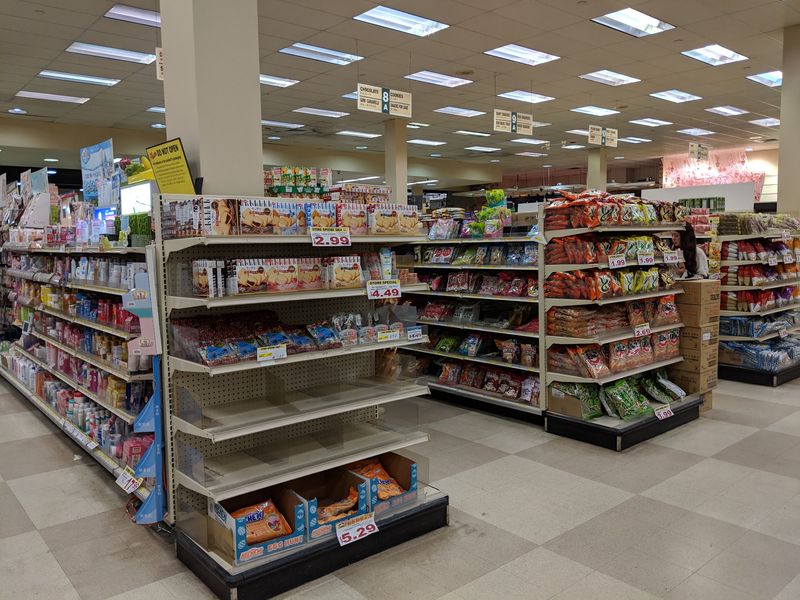
Some people come here only for the snacks. Honestly, that is a completely valid plan.
Shelf after shelf holds packages you will not find at your neighborhood grocery store. Ramune soda arrives in those famous glass bottles sealed with a marble you push down with your thumb.
Strawberry and melon are the crowd favorites.
Pocky comes in flavors that go far beyond chocolate. Matcha, strawberry, cookies and cream, seasonal editions that vanish quickly.
Calbee seaweed and salt potato chips have a savory, slightly ocean-y kick that turns first-timers into repeat buyers.
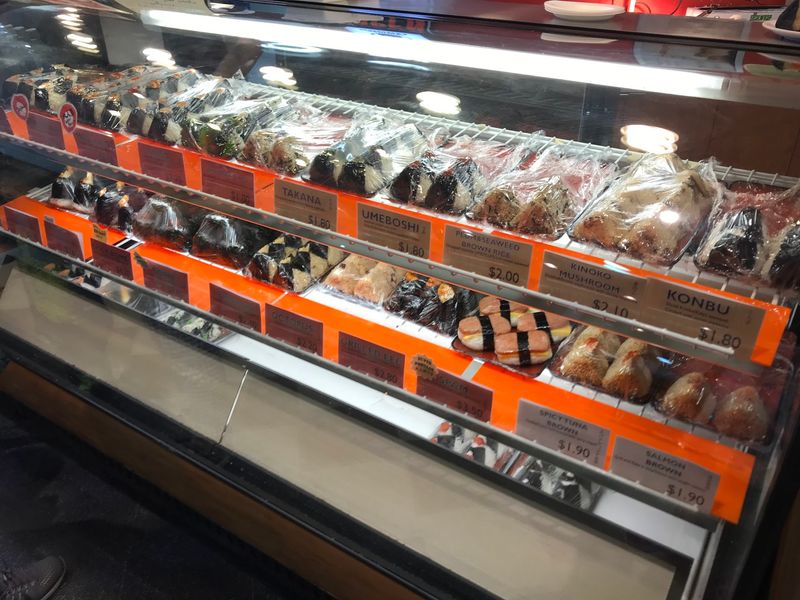
Fresh onigiri rice balls sit near the front, wrapped in crisp seaweed and stuffed with spicy tuna, salmon, or even spam. They cost a few dollars and make a perfect walking snack.
Shoppers also rave about the mochi selection and the croquettes near the prepared foods case.
A tip worth using: browse the grocery side before you eat. Sample stations often hand out free bites, and you will spot deals posted throughout the aisles.
Prices sit a little above a standard supermarket because most items are imported straight from Japan. Think of it as paying for the plane ticket the snacks already took.
Fill your basket. Regret nothing.
Share on the ride home, or do not.
Seafood Counter Worth The Drive
Ask any sushi lover in North Jersey where they buy fish, and this counter comes up first. Reviewers with high standards say the seafood section beats every other Asian market nearby.
Glass cases hold glistening blocks of tuna, silver mackerel, and sashimi-grade slices lined up like jewelry. Imports rotate through regularly, including uni, kanpachi, and madai flown in from Japan.
Not planning to roll your own maki? No problem.
Pre-made sushi platters, kaisen boats, and chirashi bowls sit ready to go, packed with generous cuts. One visitor grabbed an eel rice box for under eleven dollars and called it excellent.
Fried oysters, squid, and other cooked seafood fill the hot case beside it.
Home cooks should look for the paper-thin shabu-shabu beef nearby. Drop it into simmering broth for about ten seconds and dinner is done.
Bring a cooler bag if you are driving more than thirty minutes. The staff will pack ice, but summer heat moves fast.
Fun detail: many customers say the quality here matches restaurant supply, which explains why chefs shop the same cases.
Go early in the day for the widest selection. By late afternoon on weekends, the best cuts have already found homes.
Manga, Gachapon, Tokyo-Style Shopping
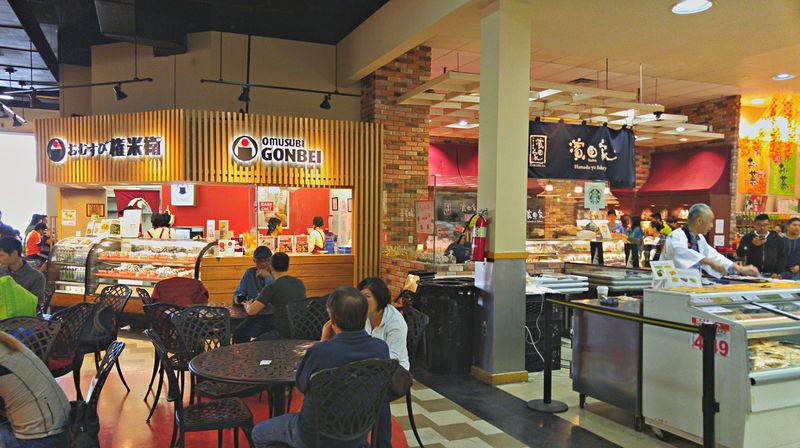
Food is only half the story. The rest of the complex works like a small Japanese shopping mall, and it is easy to lose an hour here.
Kinokuniya stocks manga volumes, Japanese magazines, art books, and stationery so pretty you will buy pens you do not need. Even if you cannot read a word of Japanese, the covers alone are worth flipping through.
Daiso sits in the same plaza, selling household goods, cute containers, and gadgets at prices that feel like a joke in the best way.
The gachapon wall inside the market draws crowds of all ages. Tokens run about three dollars each, and most machines take three or four.
Yes, it adds up. Yes, people keep playing anyway, because the tiny figures are ridiculous fun.
Anime shops in the complex carry cards, toys, and collectibles that fans hunt for online.
Elsewhere you will find Japanese ceramics, bento boxes, rice cookers, knives, and a cosmetics section stocked with skincare that beauty fans rave about.
Souvenir advice: a hand-painted rice bowl or a set of chopsticks travels well and costs far less than airport gifts.
Desserts Deserving Their Own Trip
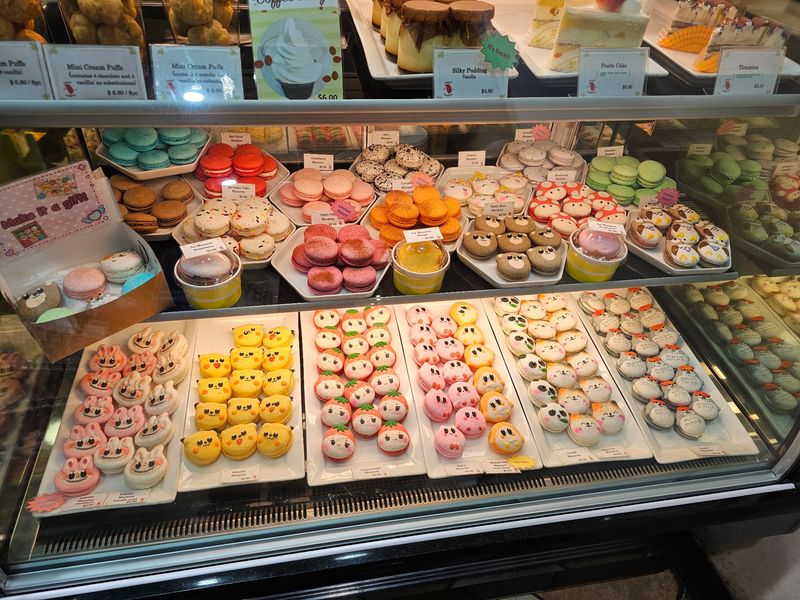
Save room. Seriously, save a lot of room.
Kai Sweets and Kai Creamery turn out soft serve that stops people mid-conversation. Matcha green tea is the classic pick, earthy and creamy at the same time.
Black sesame tastes nutty and slightly toasty, and Mont Blanc toppings turn a simple cone into something fancy.
Taiyaki gets mentioned constantly in reviews. These fish-shaped cakes come hot off the iron, filled with sweet red bean paste that one visitor described as the best part of the whole trip.
Mochi donuts pull crowds too, chewy and bouncy in a way regular donuts never manage. Crepes rolled with fruit and cream show up in dozens of reviews.
The bakery has loyal fans going back twenty years. Melon pan, curry bread, and fluffy milk breads sell out by afternoon.
Inside the grocery section you will find shelves of mochi in every flavor, character-shaped macarons, and candies that look almost too cute to unwrap.
Smart plan: buy dessert last and eat it outside. Benches along the Hudson give you a skyline view of Manhattan while you finish your cone.
One family said they bought desserts for the ride home. Copy them.
Future you will be grateful.
Festivals, Trade Shows, Taiko Drums
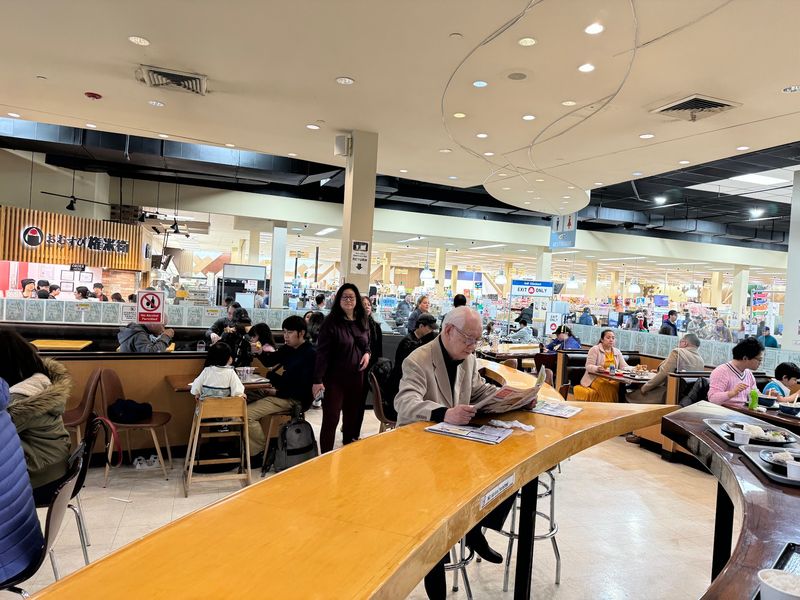
Time your visit right and the whole place turns into a celebration.
Summer festivals bring bon dancing, taiko drummers pounding rhythms you feel in your chest, and yosakoi dance teams in bright costumes. Cosplay contests and live bands sometimes join the lineup.
Extra food vendors roll in during these events, cooking yakisoba, okonomiyaki, and other street foods on outdoor griddles. Family games keep kids busy while parents eat.
New Year celebrations are a different kind of special. Mochi pounding demonstrations let you watch sticky rice transformed with heavy wooden mallets.
The shishimai lion dance weaves through the crowd, wishing everyone health and long life.
Regional trade shows happen throughout the year too, spotlighting food and products from specific parts of Japan. Most events are free to attend, which explains the crowds.
Practical warning: festival days pack the parking lot solid. Arrive early, or park nearby and walk over.
Stock Your Japanese Home Kitchen
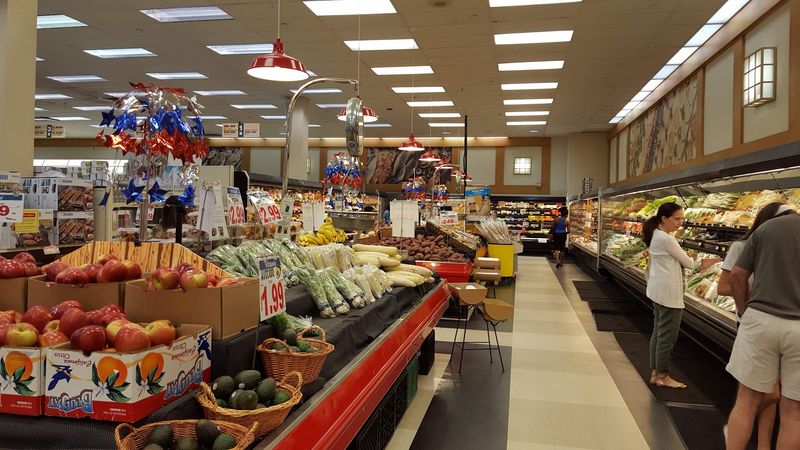
Home cooks treat this store like a candy shop, and the pantry aisles explain why.
Miso paste comes in white, red, and blends, each one changing the mood of a soup entirely. Soy sauces stretch across a full shelf, from light and delicate to thick and syrupy.
Rice choices go well beyond one bag of short grain. Premium varieties from different Japanese regions sit side by side with everyday options.
Noodle fans will need self-control. Ramen, udon, soba, and somen fill the shelves in dried, fresh, and frozen forms.
The produce section carries Japanese vegetables you rarely see elsewhere, including chemical-free items from Suzuki Farm, plus shiso leaves, daikon, and Asian pears that snap when you bite them.
Fresh wasabi shows up here too, the real root, not the green paste most restaurants serve.
One shopper who has come for two decades says the store always has every single ingredient needed for sukiyaki night.
Snap a photo of your recipe before you go. Some labels are Japanese only, and staff are genuinely happy to help.
Parking, Timing, And Insider Tricks
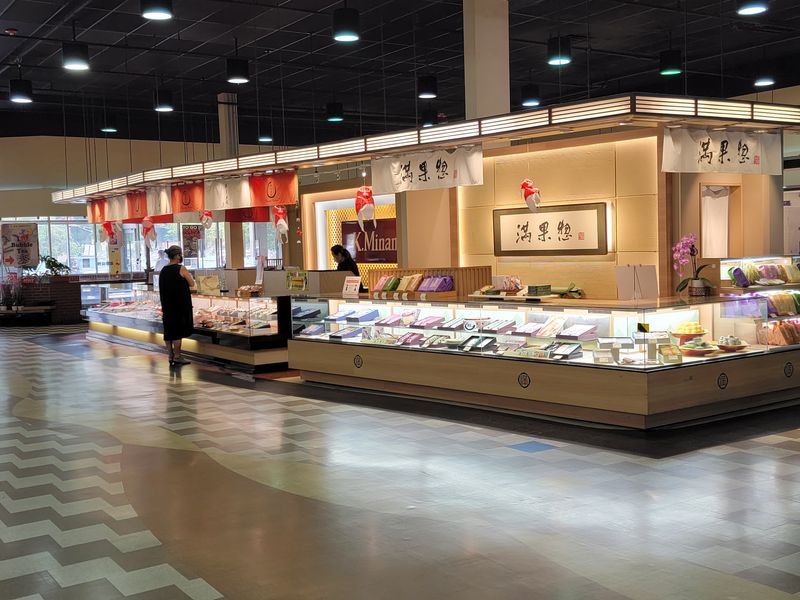
A few small choices will make your trip much better, so here is the honest rundown.
Weekday late mornings are calmest. Weekends get genuinely packed, and reviewers mention long lines and scarce seating.
The building sits at 595 River Rd, Edgewater, NJ 07020, and the parking lot serves up a free bonus: a wide-open view of the Manhattan skyline across the Hudson.
Parking fills quickly. Spend at least twenty-five dollars, food court purchases included, and you can get parking validation for an hour.
During big festivals, some visitors park near the Trader Joe’s down the road and walk.
Eat first or shop first? Regulars suggest browsing the grocery side early to catch free samples, then heading to the food stalls.
Expect a warehouse feel rather than a cozy boutique. That is part of the charm, and it means the selection is enormous.
Prices run higher than a typical supermarket since most goods are imported. Set a budget if that matters to you.
Staff earn constant praise for being friendly and patient, so ask questions freely.Then walk the waterfront afterward. Good food, great view, easy day.
Treat yourself.