
This Massive New York Market Is A Family-Owned Food Lover’s Dream In 2026
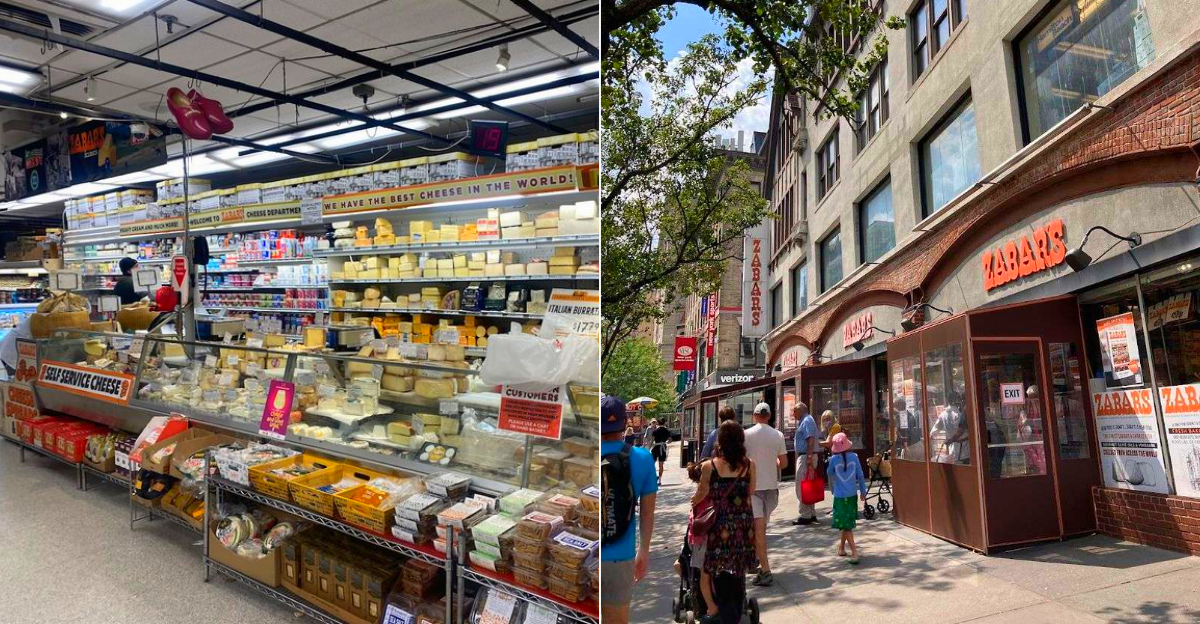
Family owned markets with this much scale and this much soul are getting increasingly rare and this New York spot is the most exciting example of one that has never compromised on either.
Massive in the best possible way, stocked with enough variety to satisfy every kind of food lover in the building at the same time, and run with the kind of genuine passion that shows up immediately the moment you walk through the doors.
The selection here covers serious ground. Fresh, specialty, local, imported, and everything in between handled with the care of people who take what they sell personally.
Food lovers who find this market tend to rearrange their entire shopping routine around it and that kind of loyalty is the most honest review a place can ever receive. New York in 2026 has a market worth making plans around.
This family owned gem is absolutely it.
The Kind Of Food Market That Makes You Question Every Other Store You Have Ever Visited
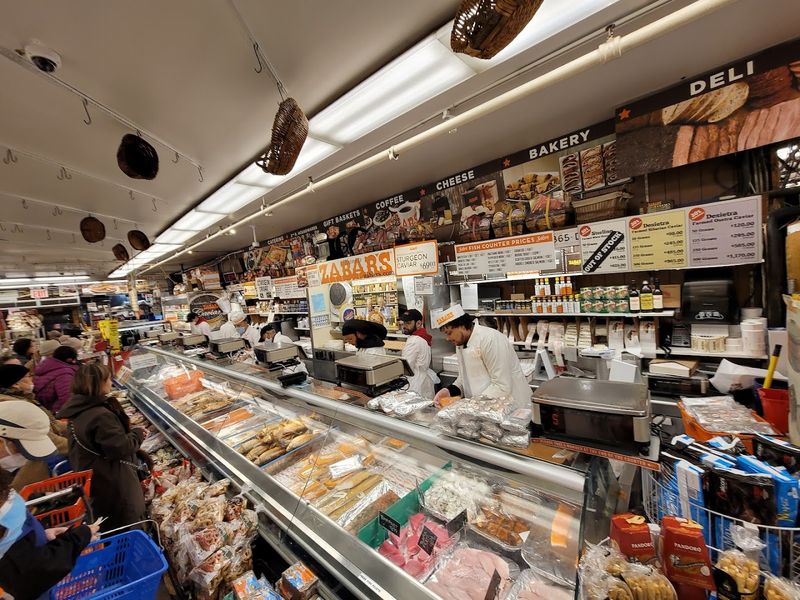
Not every grocery store earns a reputation that outlasts generations, but some places carry a kind of energy that makes you feel the history the moment you walk through the door. The air hits you first, rich with roasted coffee, fresh bread, and something smoky and deeply savory from the fish counter nearby.
Every aisle feels deliberate, stocked with products that were chosen because someone genuinely cared about quality rather than shelf appeal.
The scale of the operation is honestly a little staggering. Serving over 35,000 customers every single week, the market functions at a pace that feels uniquely New York: fast, purposeful, and completely unapologetic about it.
Nobody is here to browse lazily. People come knowing exactly what they want, and they leave with a bag full of things they did not plan to buy.
That is the quiet genius of this place. The selection pulls you in directions you never expected, from artisan cheeses sourced globally to house-roasted coffee blends that have their own devoted following.
It rewards curiosity in a way that most modern supermarkets simply do not bother attempting. Substance wins here, every single time.
Zabar’s Has Been A New York Institution Since 1934 And Shows No Signs Of Slowing Down
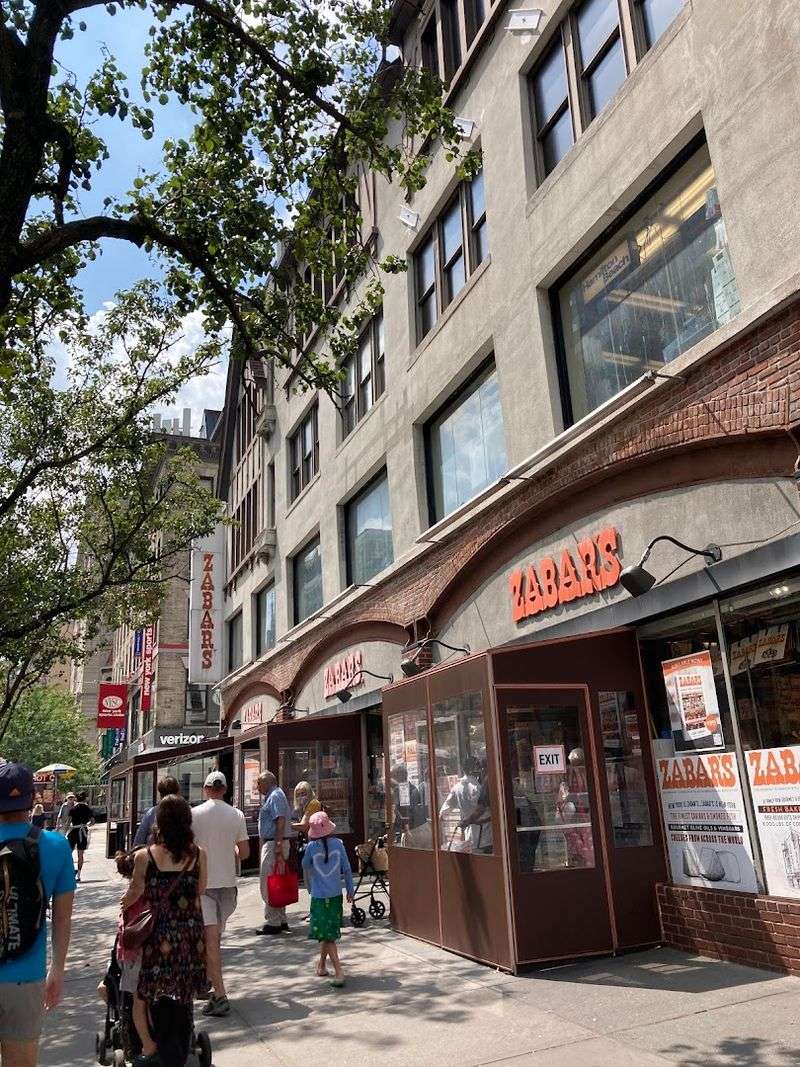
Founded by Louis and Lillian Zabar, Jewish immigrants from Ukraine, the market opened its doors in 1934 and has been a cornerstone of Upper West Side life ever since.
Located at 2245 Broadway at the corner of 80th Street, the store occupies a footprint that stretches nearly an entire city block, which tells you something about how seriously this family took their original vision.
What makes the longevity even more remarkable is that Zabar’s has remained genuinely family-owned through the decades. Subsequent generations, including sons Saul and Stanley Zabar, have taken active roles in running the business, preserving the founding philosophy while continuing to expand the store’s offerings.
That kind of continuity is almost unheard of in a city where restaurants and shops routinely vanish overnight.
The store holds a 4.5-star rating, is open Monday through Saturday from 8 AM to 7:30 PM and Sundays from 9 AM to 6 PM, and can be reached at 212-787-2000 or visited online at zabars.com.
For a place that has been around since the Great Depression, it is doing extraordinarily well, and that is no accident.
Hand-Sliced Smoked Fish And Bagels That Deserve Their Own Fan Club
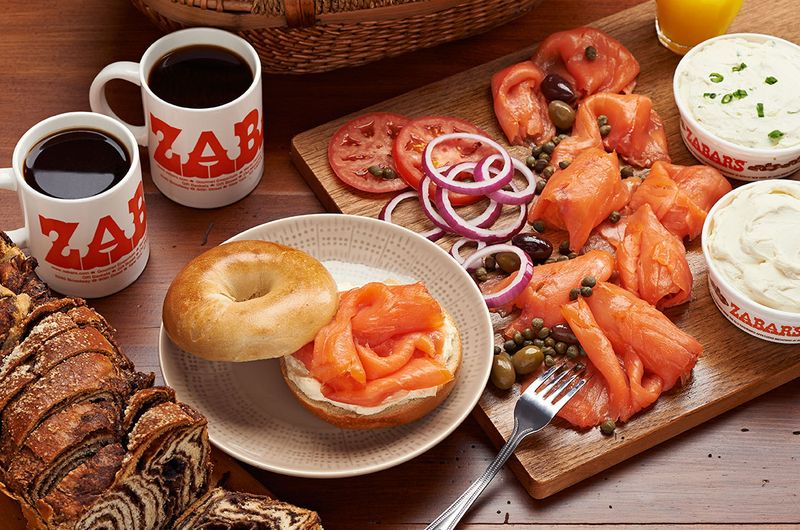
Ask any regular at Zabar’s what to order first and the answer will arrive before you finish the question. The hand-sliced Nova Scotia-style smoked salmon is the kind of product that turns casual visitors into devoted regulars after a single taste.
It is sliced by hand, which matters enormously because the texture and thickness are controlled with a care that a machine simply cannot replicate.
Paired with one of the store’s freshly baked bagels and a generous layer of cream cheese, this combination becomes something that food writers have spent considerable effort trying to describe adequately.
The bagels themselves have their own following, with options ranging from everything and poppy seed to plain, each with the chewy interior and slightly crisp exterior that defines a proper New York bagel.
The smoked fish counter extends well beyond salmon, offering whitefish salad, sable, and other Ashkenazi Jewish delicacies that have been central to the store’s identity from the very beginning.
Around major Jewish holidays like Rosh Hashanah and Passover, the counter becomes a destination in its own right, drawing customers from across the city who trust Zabar’s to get these traditions exactly right.
A Coffee Program So Serious It Predates The Entire Third-Wave Coffee Movement
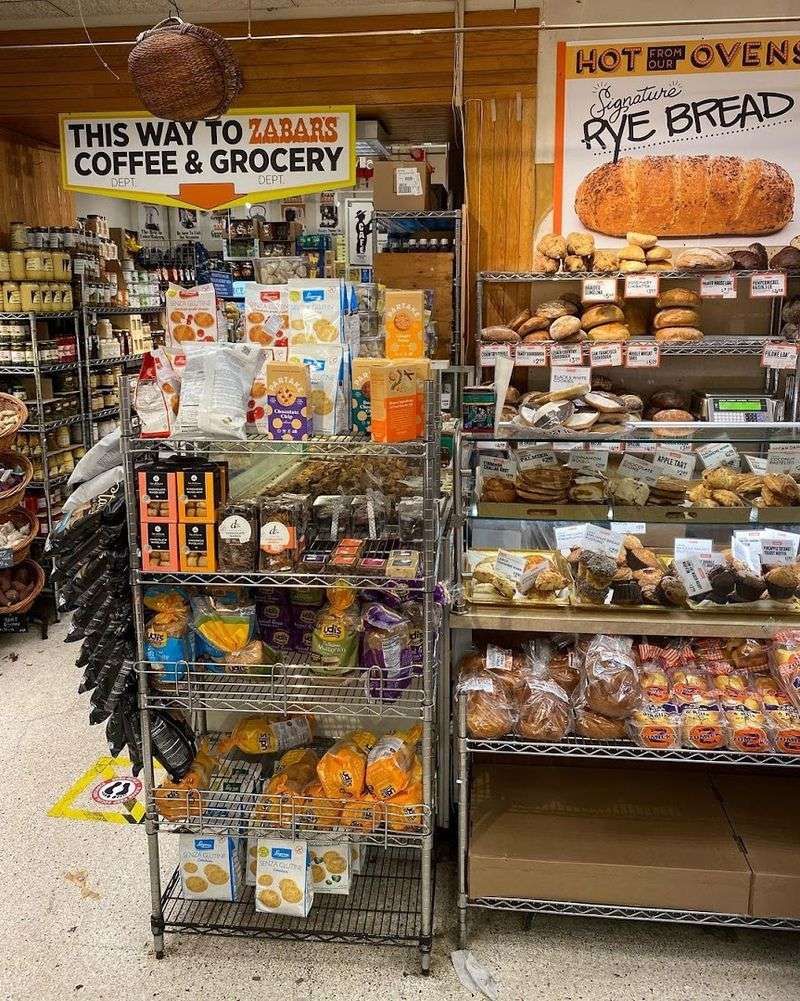
Roasting approximately 400,000 pounds of coffee annually is not a casual hobby. Zabar’s has been blending and roasting its own coffee for decades, developing a program that built a loyal customer base long before specialty coffee became a cultural conversation.
The aroma of freshly roasted beans greets you as you move through the store, and it is genuinely difficult to leave without picking up at least one bag.
Here is a fun piece of trivia that will make you sound very impressive at your next dinner party: Zabar’s was the first shop in the United States to sell drip coffee makers, back in the late 1960s. That is not a marketing claim.
That is a verifiable piece of American retail history, and it tells you a great deal about how this family approached the business of food long before trends made it fashionable.
The café attached to the market carries that same coffee culture forward, offering expertly prepared cups alongside soups, sandwiches, and pastries. Whether you need a quick breakfast before work or a proper sit-down midday break, the café delivers with the same unpretentious confidence that defines the entire Zabar’s experience.
The coffee flavor soft serve froyo at $3.99 is also, by several accounts, completely worth your attention.
Rugelach, Babka, And Baked Goods That Could Genuinely Solve Most Problems
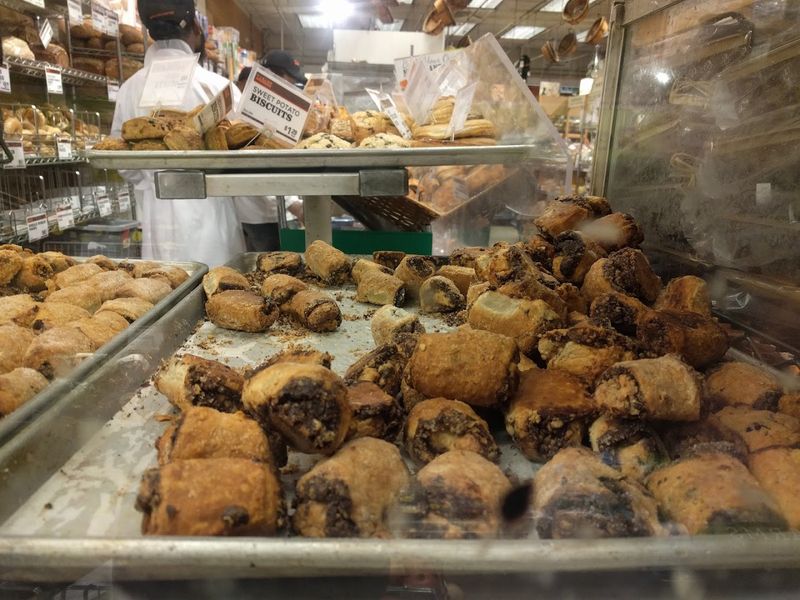
Baked goods at Zabar’s operate at a level that makes you reconsider every pastry you have ever eaten with mild indifference. The rugelach is made from a family recipe, which means it carries the kind of institutional knowledge that no commercial bakery can purchase or replicate.
Flaky, buttery, and filled with just the right balance of sweetness, it is the sort of thing you buy one of and then immediately buy six more.
The babka selection has expanded beautifully over the years, now including chocolate, cinnamon, and apple varieties, with a newer cinnamon babka bread pudding that has developed its own enthusiastic following.
Zabar’s is actually part of a broader cultural story here: the store served as inspiration for the Seinfeld episode featuring the now-legendary marble rye, which means the babka aisle carries genuine comedic historical significance.
You are basically walking through television history.
Gourmet breads, muffins, and an assortment of other pastries round out the bakery section, ensuring that no one leaves empty-handed or disappointed.
The freshness is consistent, the quality is reliable, and the range covers everything from traditional Jewish holiday baking to everyday treats that require no occasion whatsoever to justify purchasing.
A Cheese Counter So Well-Stocked It Could Confuse A French Fromager
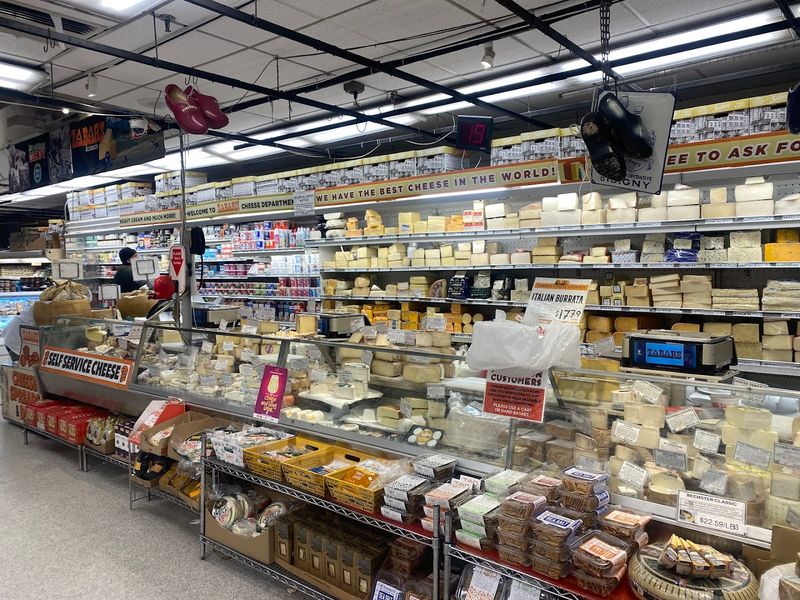
Zabar’s introduced Brie to New York in the 1960s, which is a sentence that deserves a moment of quiet appreciation.
At a time when most American supermarkets were stocking processed slices, this Upper West Side market was importing French soft-ripened cheese and trusting its customers to be curious enough to try something unfamiliar.
That instinct toward culinary adventurousness has never left the store.
Today the cheese selection spans an impressive range of international varieties, from aged European classics to fresh domestic options, all maintained with the kind of care that serious cheese requires.
The counter near the entrance has been known to stop first-time visitors completely in their tracks, overwhelmed in the best possible way by the sheer abundance on display.
It is a very good problem to have.
Beyond cheese, Zabar’s has a documented history of introducing new ingredients to New York, including sun-dried tomatoes and gnocchi in the 1970s, and the store even sparked what became known as the Caviar War in the 1980s by offering premium caviar at prices that disrupted the market entirely.
The selection of olives also deserves a mention, varied and carefully sourced, the kind of olive bar that makes you rethink your relationship with the humble little fruit.
Upstairs Housewares And Kitchen Goods That Prove This Place Has Truly Thought Of Everything
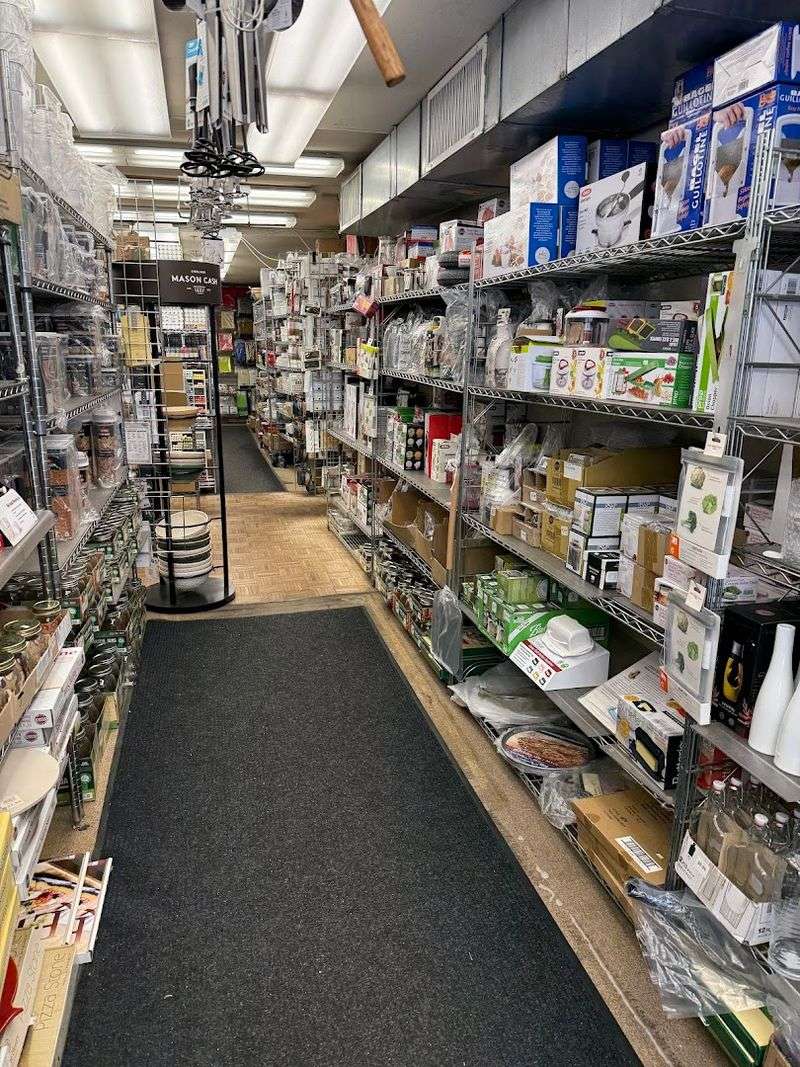
Most people arrive at Zabar’s for the food and leave having also purchased a French press, a Le Creuset piece, or a Hario pour-over kit, because the upper level of the store is a fully realized kitchen and housewares department that rivals dedicated specialty retailers.
Brands like Bodum, Breville, Bialetti, and even a curated Le Creuset section fill the shelves with a selection that feels thoughtfully assembled rather than randomly accumulated.
The coffee and tea equipment section alone is expansive enough to occupy a serious enthusiast for a genuinely long time.
Unlike large chain kitchen stores that can feel overwhelming and impersonal, the Zabar’s housewares floor maintains the same approachable, neighborhood-store character that the rest of the market projects so effortlessly.
It is large enough to be impressive but compact enough to remain navigable.
Supporting a local, family-owned institution while also picking up a quality kitchen tool that you actually needed is a genuinely satisfying way to spend an afternoon.
The store has been curating these selections with the same discerning eye it applies to its food offerings, which means you can trust that whatever ends up in your basket was chosen because it actually performs well.
That is a standard worth seeking out, and Zabar’s has maintained it for nearly ninety years.