
This Massive Ohio Flea Market Turns A Simple Visit Into A Full-Day Hunt
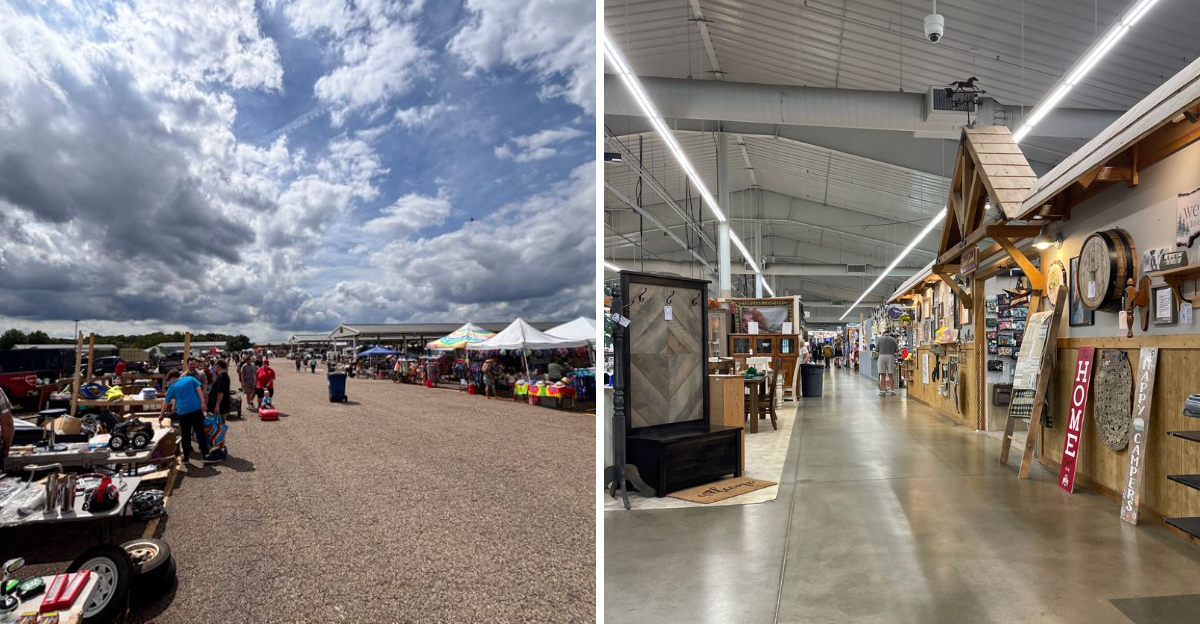
Hartville MarketPlace & Flea Market sprawls across acres of northeastern Ohio, claiming its spot as one of the region’s most ambitious shopping destinations. What begins as a casual morning browse quickly transforms into an all-consuming expedition through rows of vendors, indoor corridors, and specialty sections that seem to multiply the longer you wander.
Located at 1289 Edison St NW in Hartville, this market has earned its reputation by offering such overwhelming variety that even seasoned shoppers find themselves surprised by how many hours slip past. The combination of indoor comfort and outdoor adventure creates a hunting ground where treasures appear around every corner.
One Of The Largest Indoor/Outdoor Flea Markets In The Country
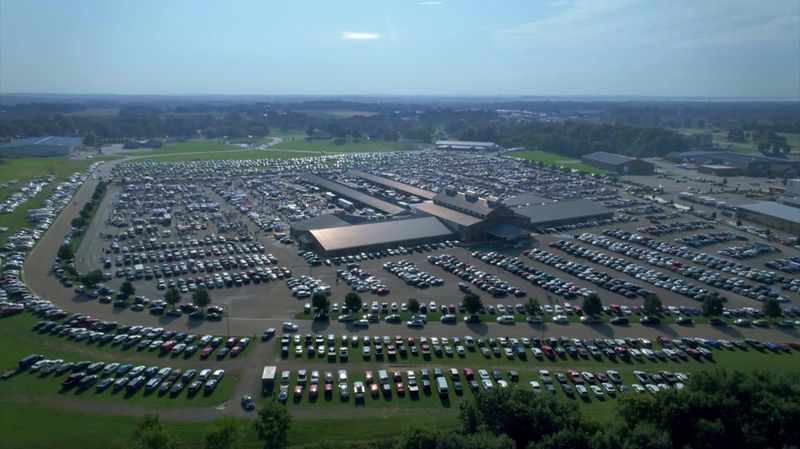
Scale matters when you arrive at Hartville MarketPlace, and the sheer size of the property announces itself immediately. Buildings stretch in multiple directions while outdoor sections fan out across open spaces, creating a complex that demands strategic planning rather than casual wandering.
The market operates year-round with both climate-controlled indoor areas and open-air sections that activate during favorable weather months.
Visitors quickly realize that covering everything in a single trip requires stamina and focus. The layout separates different shopping experiences into distinct zones, each with its own character and merchandise mix.
Indoor sections house permanent vendors with curated selections, while outdoor spaces bring rotating dealers who arrive with truckloads of inventory that changes weekly.
This dual nature allows the market to serve both bargain hunters seeking raw deals and collectors looking for specific items. The combination has built a reputation that draws shoppers from surrounding states, particularly on weekends when the market reaches peak energy and vendor participation.
Over 1,000 Outdoor Vendor Spaces Turn Browsing Into A Treasure Hunt
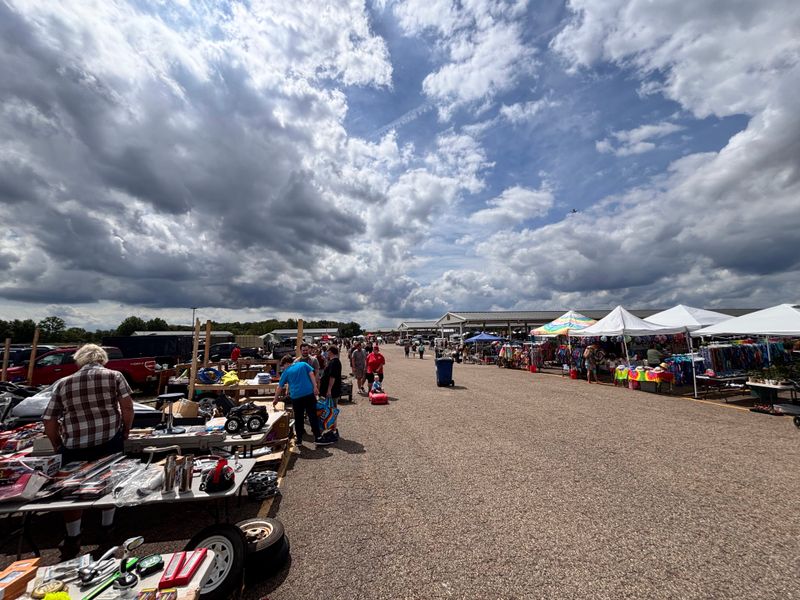
Numbers tell part of the story, but walking through more than a thousand outdoor vendor spaces reveals the true adventure. Each booth operates as an independent enterprise with its own inventory philosophy, pricing strategy, and presentation style.
Some vendors specialize in narrow categories while others embrace glorious chaos, piling tables high with unrelated objects that somehow coexist.
The outdoor market activates fully during spring through fall, when weather permits extended browsing and vendors commit to full-day setups. Paths wind between rows of tents and tables, creating a maze where getting temporarily lost becomes part of the experience.
Serious shoppers develop personal systems for covering ground efficiently, marking promising booths for return visits after initial reconnaissance.
Merchandise ranges from practical household items to obscure collectibles that appeal to niche interests. The randomness prevents predictability, meaning patience and persistence often get rewarded with unexpected discoveries.
Regular visitors develop relationships with favorite vendors, learning arrival schedules and securing first looks at fresh inventory before crowds arrive.
Climate-Controlled Indoor Shops Let You Shop Rain Or Shine
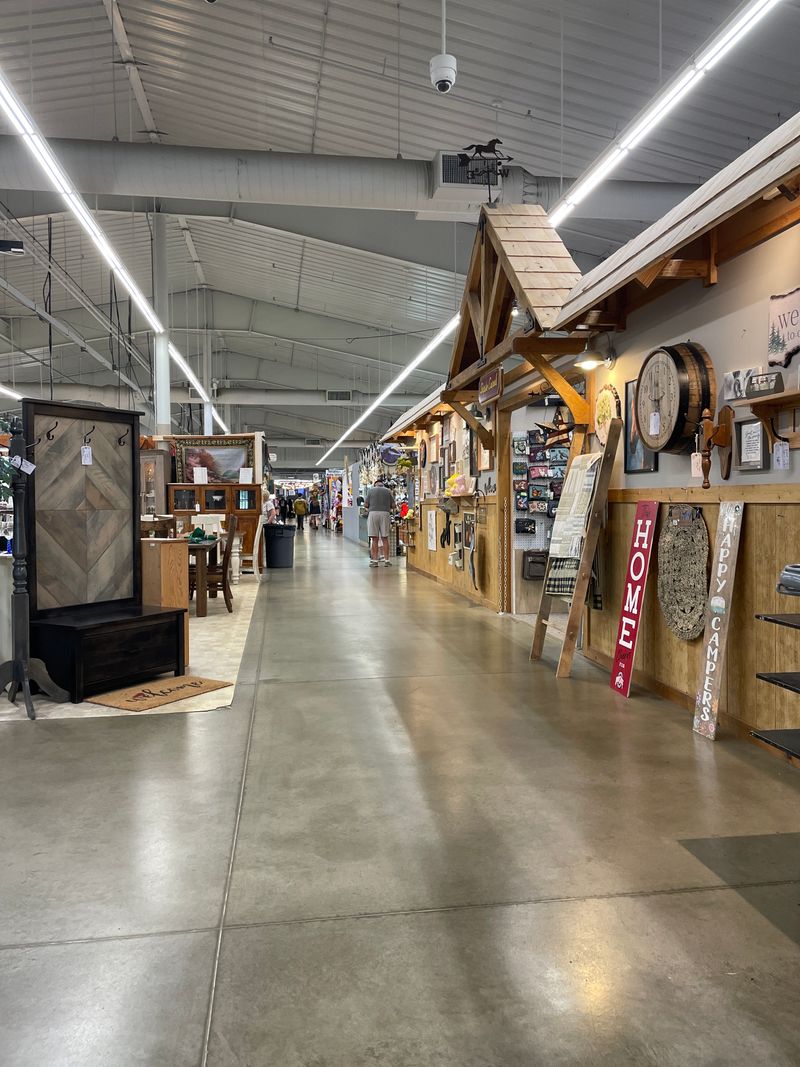
Weather loses its power to disrupt shopping plans when indoor sections provide refuge and consistency. The climate-controlled buildings house permanent vendor spaces that operate regardless of outdoor conditions, creating a reliable shopping environment throughout the year.
These indoor sections maintain professional presentations with organized displays that contrast with the more spontaneous outdoor arrangements.
Vendors in the indoor areas tend toward established businesses with deeper inventory and specialized knowledge. The controlled environment protects delicate merchandise like vintage textiles, paper collectibles, and fragile antiques that cannot withstand outdoor exposure.
Walking through these sections feels different from outdoor browsing, with better lighting and more deliberate merchandising that encourages closer examination.
The indoor spaces become particularly valuable during Ohio’s unpredictable weather months when rain, heat, or cold might otherwise cut visits short. Shoppers can spend entire days inside without discomfort, moving between vendor stalls at a relaxed pace.
The permanent nature of these booths means inventory turns over more gradually, rewarding repeat visits as vendors refresh selections weekly rather than daily.
You Can Find Everything From Antiques To Tools And Collectibles
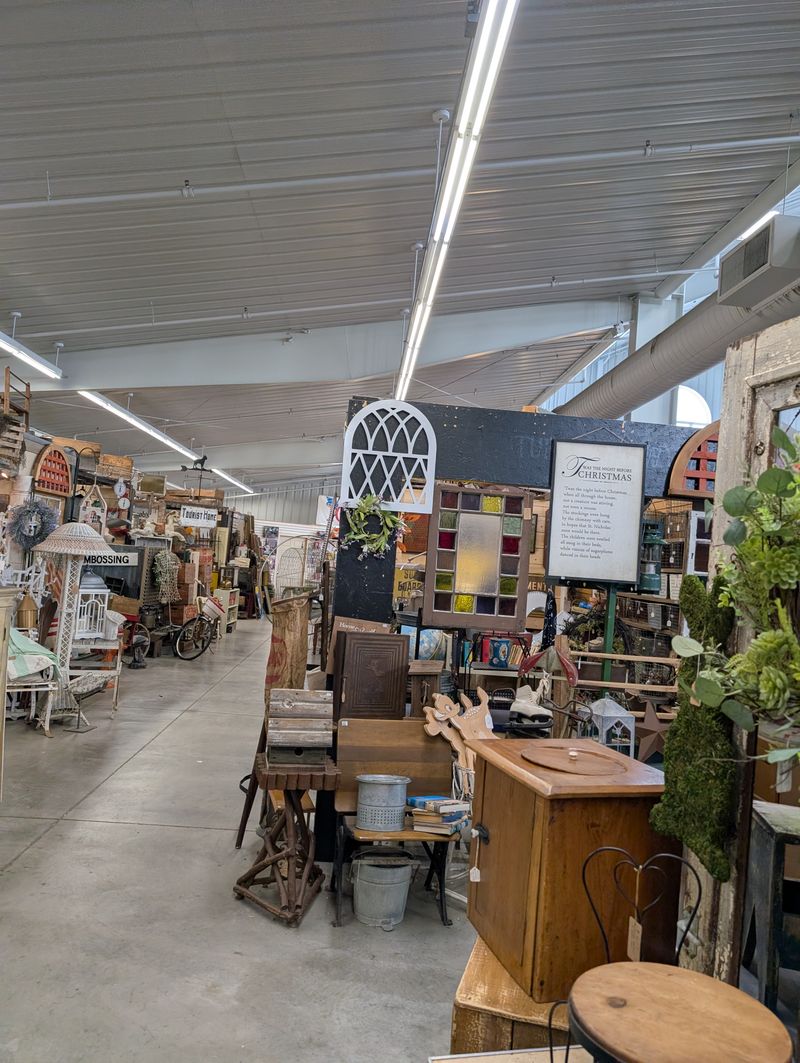
Categories blur at Hartville because the merchandise variety defies simple classification. A single aisle might transition from Depression-era glassware to power tools to vintage advertising signs without apparent logic.
This eclectic mixing creates serendipitous discoveries where shoppers hunting for one item stumble across something entirely different that captures their attention.
Tools attract a dedicated following, with vendors offering everything from antique hand planes to modern power equipment. Collectors search for specific manufacturers or rare models, while contractors and hobbyists seek functional items at prices below retail.
Antique sections cater to serious collectors who know maker marks and production periods, though casual browsers also find accessible pieces that appeal to decorative sensibilities.
Collectibles span generations and interests, from mid-century toys to sports memorabilia to advertising ephemera. The depth in any category depends on which vendors attend that day, making each visit slightly different.
This unpredictability frustrates shoppers seeking guaranteed selection but delights those who enjoy the hunt itself, accepting that perfect finds require timing and luck.
Specialty Shows And Seasonal Events Add Extra Layers Of Fun
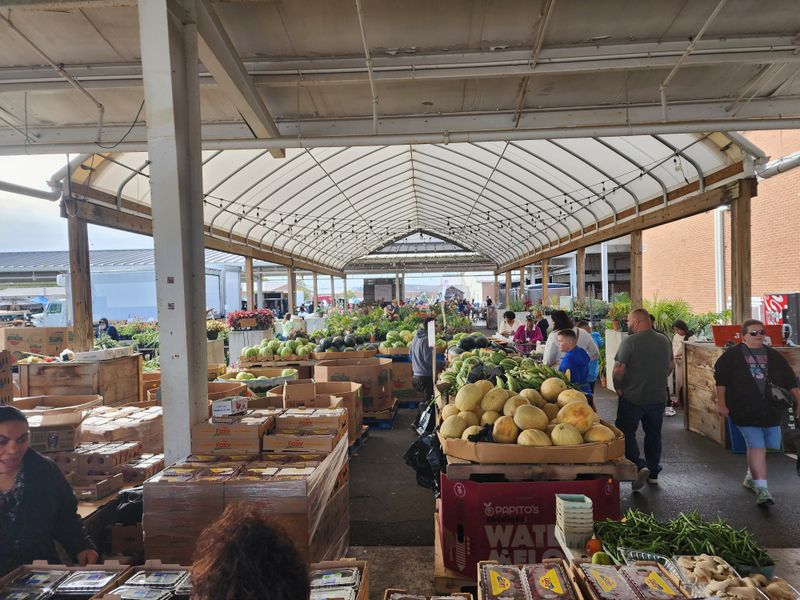
The regular market schedule gets punctuated by specialty shows that concentrate specific collecting communities into single events. These focused gatherings bring dealers who might not attend regular market days, elevating the quality and quantity of merchandise in particular categories.
Advance schedules allow enthusiasts to plan visits around shows matching their interests, maximizing the chance of finding sought-after items.
Seasonal events transform the market’s atmosphere with themed decorations and special vendor participation. Holiday markets draw crafters and artisans who complement the usual mix of resellers and antique dealers.
Spring and fall events often coincide with peak outdoor vendor participation, creating maximum selection across all market sections.
These special occasions attract larger crowds, generating an energetic atmosphere that differs from typical market days. Serious collectors arrive early, understanding that competition for premium items intensifies during specialty shows.
The events also introduce new visitors to the market, with themed shows serving as entry points for people who might find the regular market’s variety overwhelming or unfocused.
The Market’s Food Court Keeps You Fueled For Hours Of Exploring
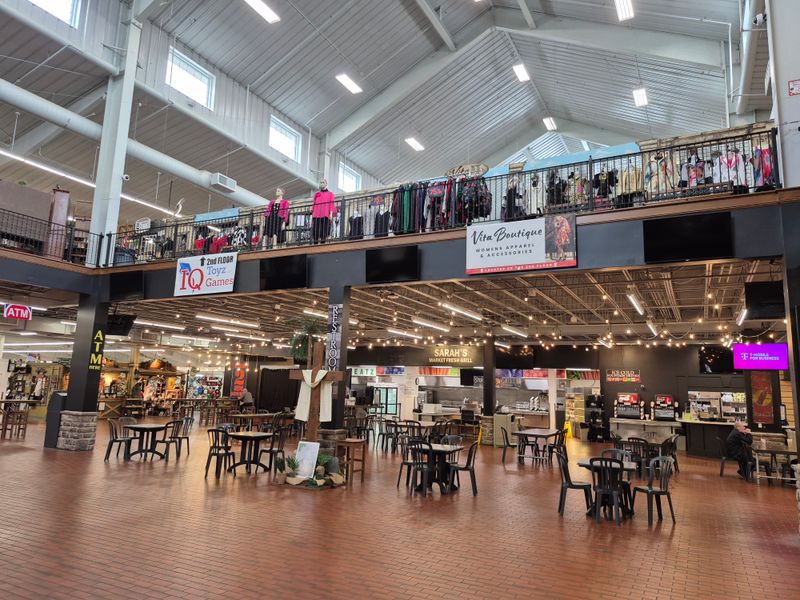
Sustenance becomes necessary when shopping sessions stretch beyond initial expectations, and the onsite food court addresses this practical need. Multiple vendors operate food stalls offering different cuisines and price points, from quick snacks to full meals that justify sitting breaks.
The food area functions as a strategic rest point where shoppers can recharge while reviewing purchases and planning their next moves.
Menu variety accommodates different preferences and dietary needs, though the offerings lean toward comfort food and familiar options rather than adventurous cuisine. Prices remain reasonable, acknowledging that visitors already commit significant resources to shopping.
Seating areas fill quickly during peak hours, particularly around lunch when both shoppers and vendors take breaks simultaneously.
The food court serves social functions beyond mere nutrition, providing a meeting point for separated shopping parties and a place where regular visitors encounter familiar faces. Conversations overheard at tables often involve comparing finds, sharing vendor tips, and planning return visits.
The informal atmosphere encourages lingering, though the pull of unfinished browsing eventually draws most people back onto the market floor.
Unique Booths Offer Vintage Finds You Won’t See Anywhere Else
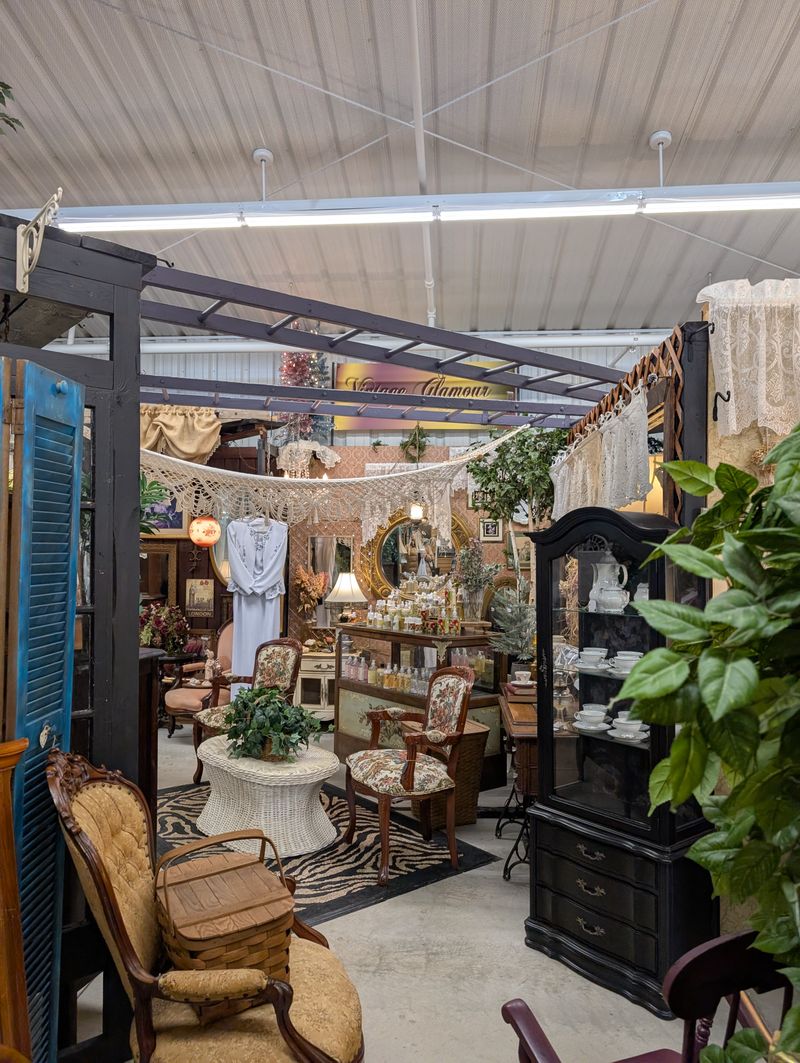
Certain vendors develop reputations for consistently offering merchandise that rises above typical flea market fare. These booths attract devoted followers who check them first upon arrival, knowing that quality items disappear quickly.
The vendors behind these operations often possess deep knowledge about their specialties, acquiring inventory through estate sales, auctions, and private collections rather than buying bulk liquidations.
Vintage finds in these premium booths carry higher prices that reflect their rarity and condition, but serious collectors accept the premium for properly authenticated and well-preserved items. Presentation matters in these spaces, with thoughtful displays that showcase merchandise advantages rather than overwhelming shoppers with quantity.
Vendors often provide provenance information and historical context that adds value beyond the objects themselves.
Competition for these unique items can be fierce, with experienced shoppers developing strategies for securing first access. Some arrive before official opening times, while others cultivate relationships with vendors who notify them about incoming inventory.
The scarcity of truly exceptional vintage pieces means that patience and persistence become essential virtues for collectors seeking specific additions to their collections.
Locals And Tourists Alike Treat It As A Weekend Ritual
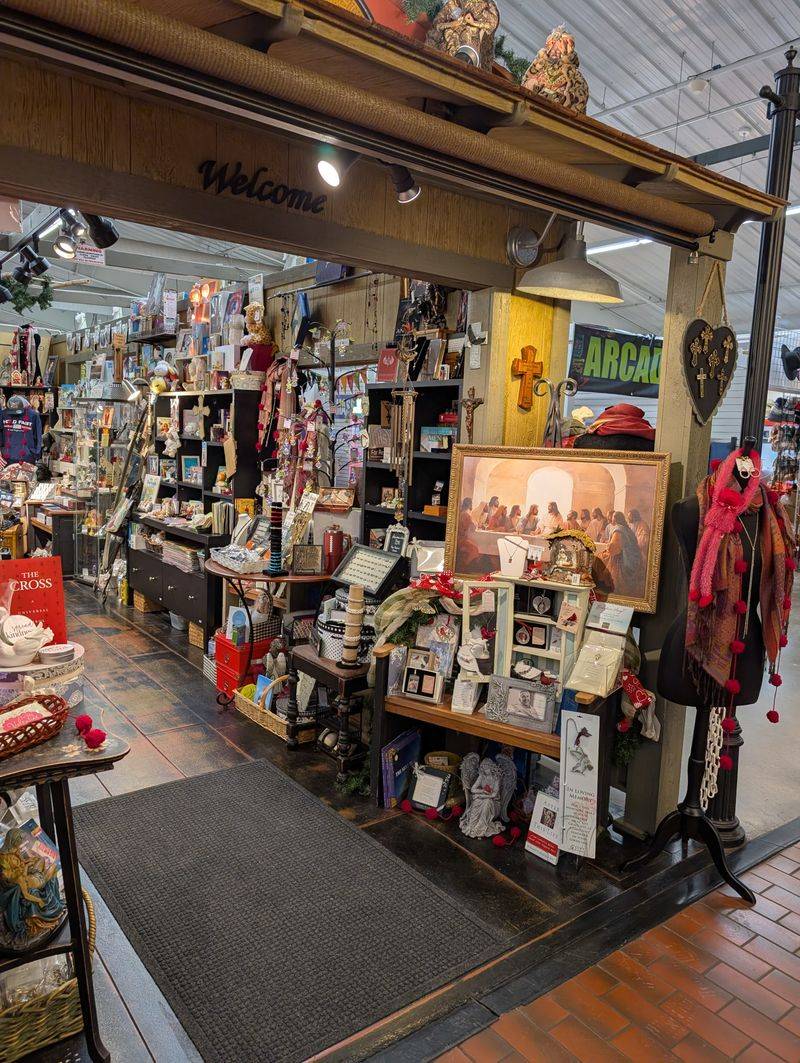
Regular attendance patterns reveal how deeply the market has embedded itself into regional weekend routines. Local shoppers arrive with practiced efficiency, knowing which sections open first and which vendors typically offer the best values.
They treat market visits as social outings combined with practical shopping, meeting friends and neighbors while searching for household items, gifts, or personal treasures.
Tourists approach the market differently, often overwhelmed initially by the scale and variety before settling into exploration mode. Out-of-town visitors tend to spend more time and cover more ground, lacking the insider knowledge that allows locals to shop selectively.
The mix of local regulars and first-time visitors creates interesting dynamics, with experienced shoppers sometimes offering unsolicited advice about navigation and vendor reputations.
Weekend mornings see the heaviest traffic as both groups converge on the market simultaneously. Parking lots fill early, and popular vendor sections develop crowded aisles that slow browsing pace.
The ritual aspect means that many visitors maintain consistent schedules, arriving at similar times and following familiar routes through the market’s sprawling layout.
The Massive Layout Means You’ll Be Walking All Day Long
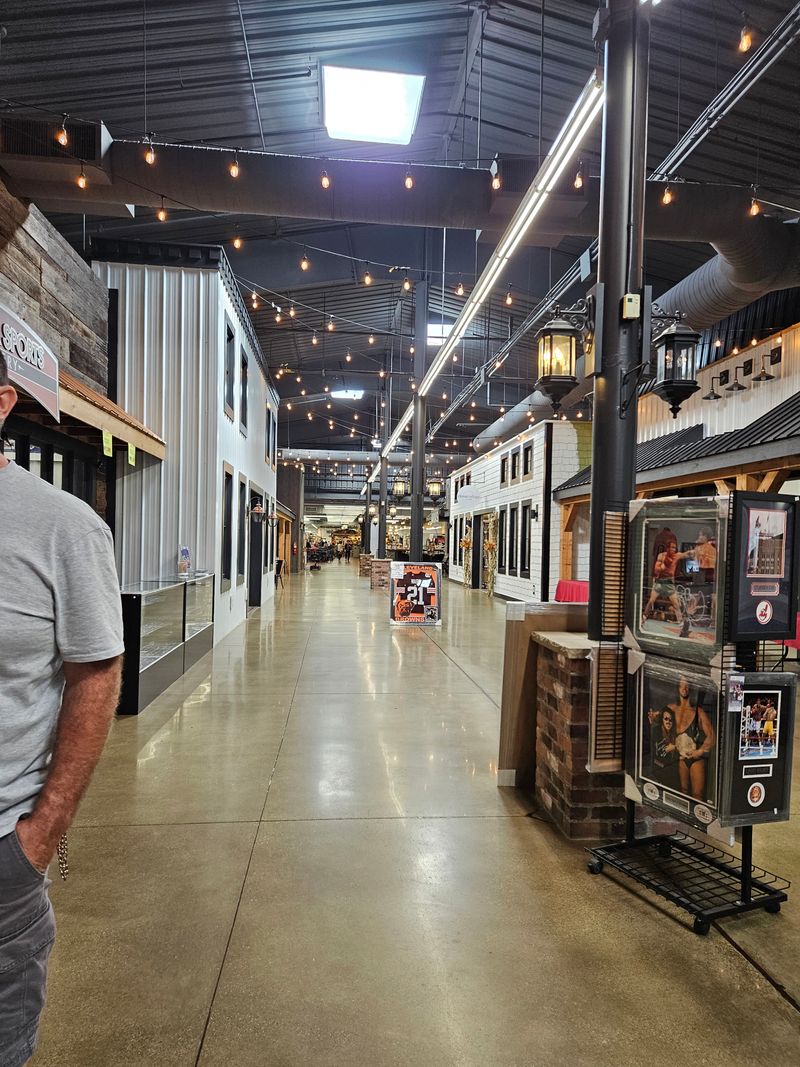
Physical endurance becomes a legitimate consideration when planning a thorough market visit. The distance between the furthest outdoor sections and the innermost indoor shops can exceed a mile when accounting for the winding paths required to cover all areas.
Comfortable footwear stops being a suggestion and becomes essential equipment, with many experienced visitors wearing athletic shoes despite the casual shopping context.
The layout lacks obvious shortcuts, forcing shoppers to commit to linear routes through vendor rows or risk missing entire sections. Indoor areas connect through doorways and corridors that sometimes require backtracking, while outdoor sections spread across open ground with minimal shade during summer months.
Rest becomes necessary rather than optional, with strategic breaks preventing fatigue that diminishes shopping enthusiasm.
Step counters and fitness trackers register impressive numbers by day’s end, often exceeding ten thousand steps without deliberate exercise effort. The walking becomes part of the experience rather than an obstacle, with the constant movement and visual stimulation preventing boredom.
However, visitors with mobility limitations should plan accordingly, potentially focusing on specific sections rather than attempting comprehensive coverage.
Events Like Coin, Toy And Sports Card Shows Draw Dedicated Hunters
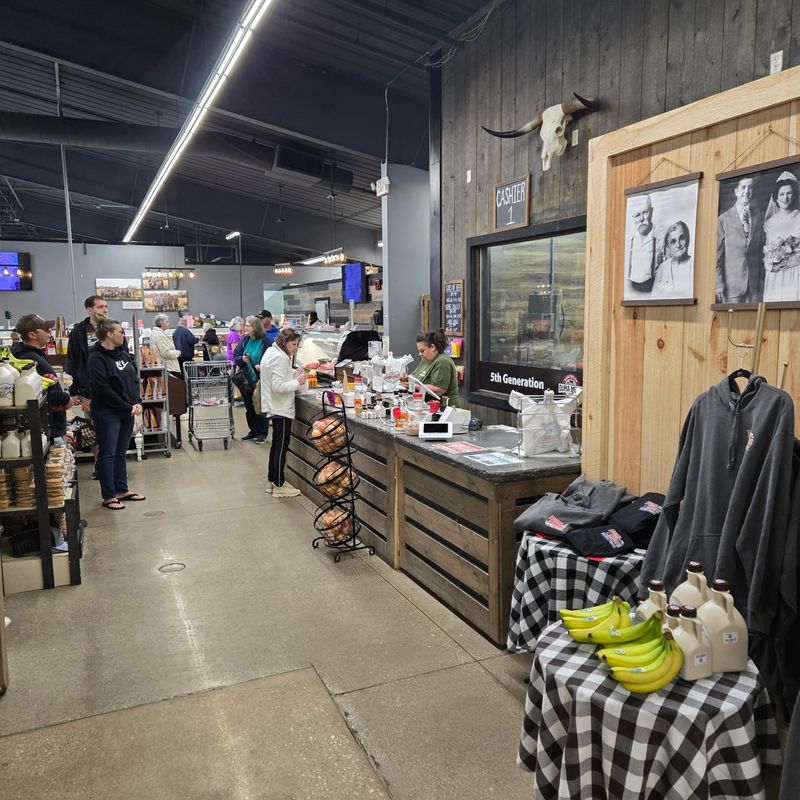
Niche collecting communities converge at Hartville during specialty shows that concentrate expertise and inventory in specific categories. Coin shows attract numismatists who examine grades and mint marks with practiced eyes, engaging in technical discussions about rarity and valuation.
These events bring dealers who maintain inventory depth impossible during regular market days, with cases displaying everything from common circulated coins to rare specimens commanding significant prices.
Toy shows tap into nostalgia and serious collecting simultaneously, with vintage action figures, die-cast vehicles, and board games drawing enthusiasts across age ranges. Condition matters enormously in toy collecting, and specialty shows bring vendors who understand grading standards and preservation requirements.
Sports card shows operate similarly, with modern and vintage cards receiving careful authentication and pricing based on player popularity, card condition, and market trends.
These focused events create concentrated energy that differs from the general market’s more relaxed atmosphere. Serious transactions happen quickly as knowledgeable buyers recognize value and act decisively.
The specialty shows also serve educational functions, with newer collectors learning from experienced dealers and fellow enthusiasts about authentication, valuation, and market dynamics.