
This Michigan College Town Earns Praise As The Most Livable Spot In The Midwest
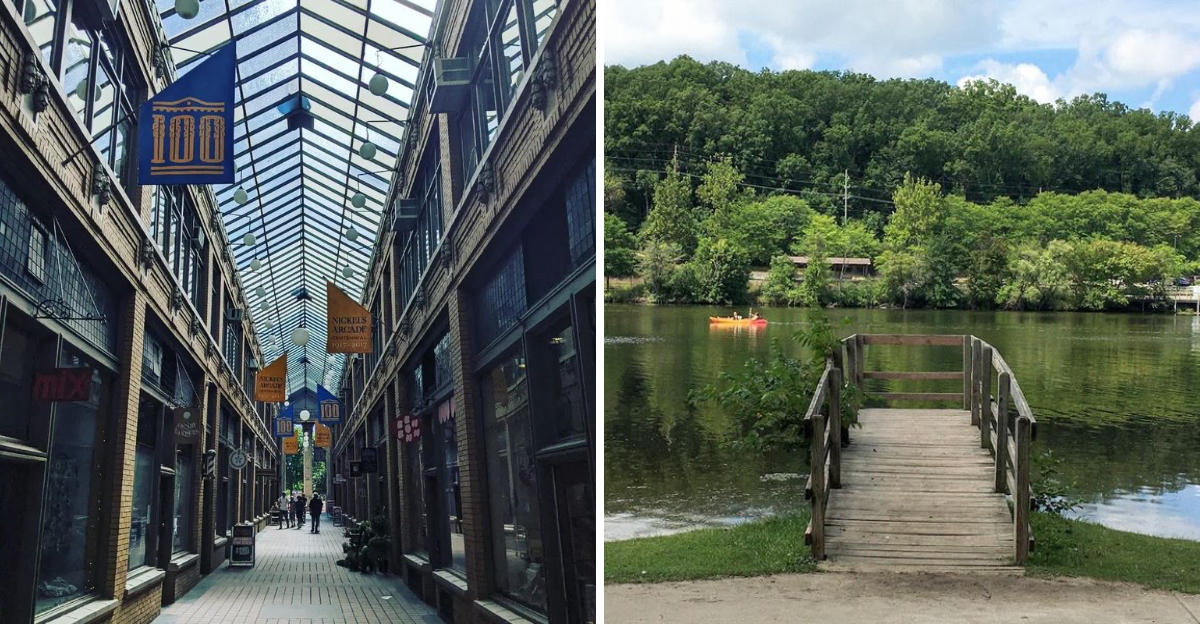
A college town just claimed bragging rights as the most livable spot in the Midwest. Tree-lined streets spill into alleyways covered in ever-changing art, while a river cuts through downtown for paddling, biking, and lazy strolls.
Michigan pride runs loud here, especially on game days when one massive stadium turns into a sea of maize and blue.
But the real charm lives in the smaller corners. Quirky fairy doors, world-class museums, a food scene built on decades of loyalty, and a music calendar that never slows down.
This college town blends brains, culture, and small-town warmth in a way that is hard to match. Curious what actually makes it the region’s most livable spot?
It’s always interesting to find out more about why this Michigan gem has clearly earned its reputation.
The Roots Of A City Built On Bur Oaks And Bold Ambitions
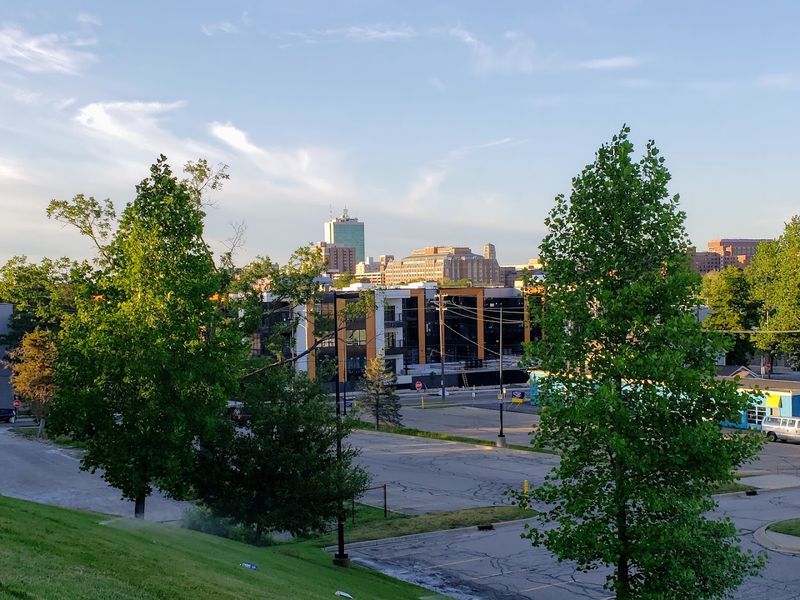
Founded in 1824, Ann Arbor has a backstory quirky enough to make history class interesting. Land speculators named the settlement after their wives, both named Ann, and the bur oak groves that shaded the area.
The word “arbor” referred to those natural canopies, giving the city one of the most poetic origin stories in Michigan.
It became the seat of Washtenaw County just two years after its founding. The arrival of the Michigan Central Railroad in 1839 pushed development further, connecting the community to broader trade routes.
Ann Arbor was officially chartered in 1851, setting the legal stage for the dynamic place it has since become.
Before European settlers arrived, the Anishinaabe people of the Three Fires Confederacy, including the Odawa, Ojibwe, and Potawatomi, called this land home. Their trails once crossed the very ground where coffee shops and galleries now stand.
The city acknowledges this layered history. Knowing the origin story makes every walk through downtown feel richer and more grounded.
How The University Of Michigan Shapes Everything Around It
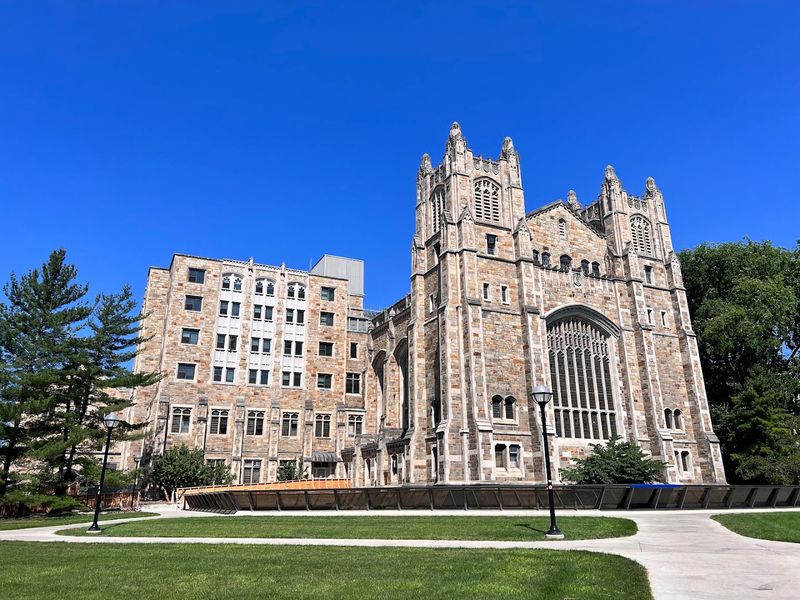
The University of Michigan arrived in Ann Arbor in 1837 and never really let go. Its presence shapes the city’s economy, culture, and daily rhythm in ways that go far beyond lecture halls.
Research programs at the university attract global talent, and that intellectual energy spills into the surrounding neighborhoods in very visible ways.
Startup companies cluster around the campus. High-tech firms plant roots nearby.
The university owns a significant portion of downtown land, and its expansion projects continuously reshape the urban layout. Ann Arbor, Michigan, thrives because of this constant exchange between academia and commerce.
The University of Michigan Museum of Art adds a cultural layer worth exploring. It displays works spanning centuries and continents, all free to the public.
The Museum of Natural History offers another dimension, blending science with storytelling. The Ann Arbor Hands-On Museum keeps younger visitors engaged with interactive exhibits designed to spark curiosity.
The university does not just educate students. It educates the entire city, one exhibit and innovation at a time.
Tree Town Trails And The Green Spaces That Earned That Nickname
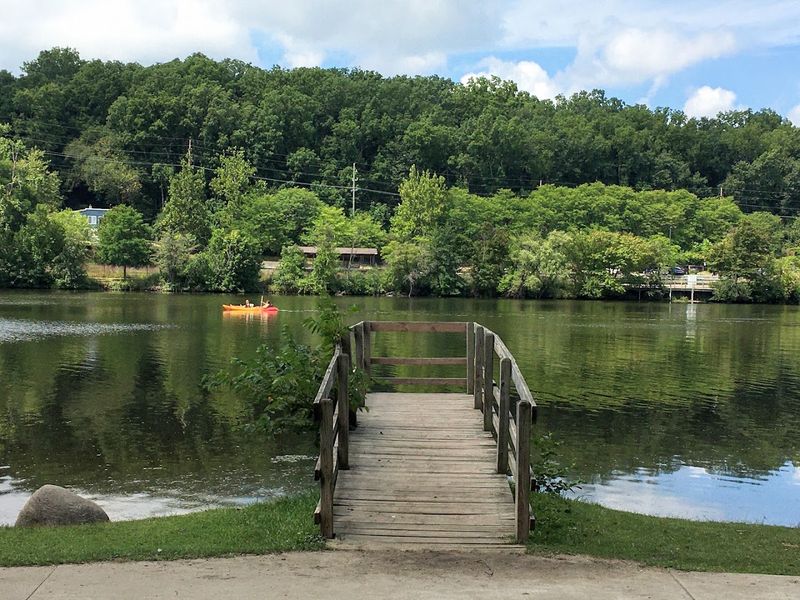
Ann Arbor carries its nickname “Tree Town” with real pride, and the numbers back it up. Over 160 parks and numerous nature preserves are spread across the city.
That is not a marketing claim. That is a measurable commitment to keeping urban life connected to the natural world.
Nichols Arboretum, affectionately called “The Arb,” covers around 123 acres of winding trails, native plantings, and a world-famous peony garden that draws visitors every spring. Gallup Park stretches along the Huron River, offering scenic paths, open meadows, and a relaxed pace that feels miles away from city noise.
Matthaei Botanical Gardens rounds out the green offerings with themed outdoor spaces and a conservatory worth exploring in any season. The Border-to-Border Trail connects many of these spaces, giving cyclists and walkers a long, scenic corridor through the Michigan landscape.
Ann Arbor does not just tolerate nature within its borders. It actively builds its identity around it, making outdoor time feel less like a detour and more like the main event.
Paddling The Huron River From Morning Calm To Afternoon Rapids
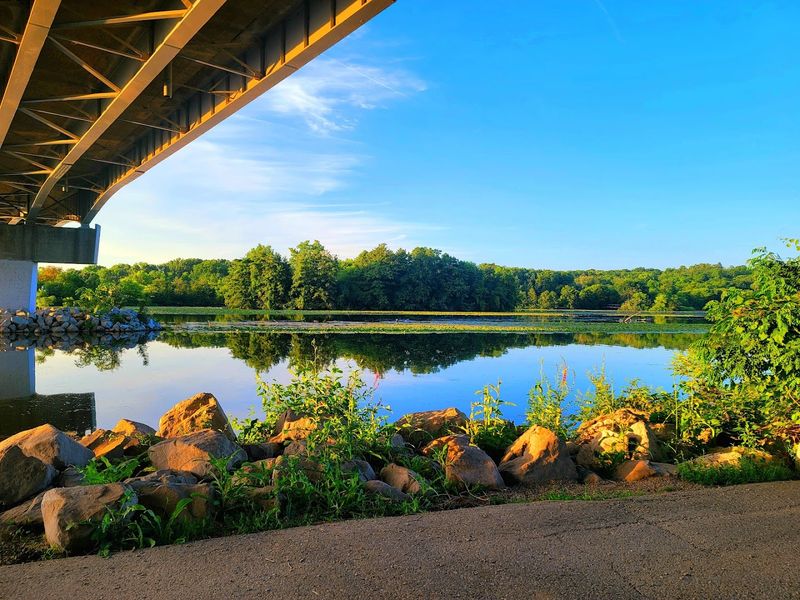
The Huron River runs through Ann Arbor like a quiet invitation. Rent a kayak or canoe from Argo Park and the river opens up in both directions.
The Argo Cascades offer gentle rapids that add just enough excitement without requiring any serious skill level.
Gallup Park sits further downstream along the same stretch of water. Paddleboat rentals there make the experience accessible to families and casual visitors.
Stand-up paddleboarding has also grown popular on the calmer sections, attracting a crowd that prefers balance challenges over speed.
The Border-to-Border Trail runs alongside the river for much of its length through the city. Cyclists and walkers use it year-round, with the river providing a steady visual anchor through the changing seasons.
In summer, the water reflects the surrounding canopy in a way that feels almost cinematic. In autumn, the fallen leaves drift past like slow postcards from Michigan itself.
The Huron River is not just scenery. It is an active part of daily life in Ann Arbor, and it earns every bit of that role.
Four Downtown Districts And The Distinct Personality Of Each One
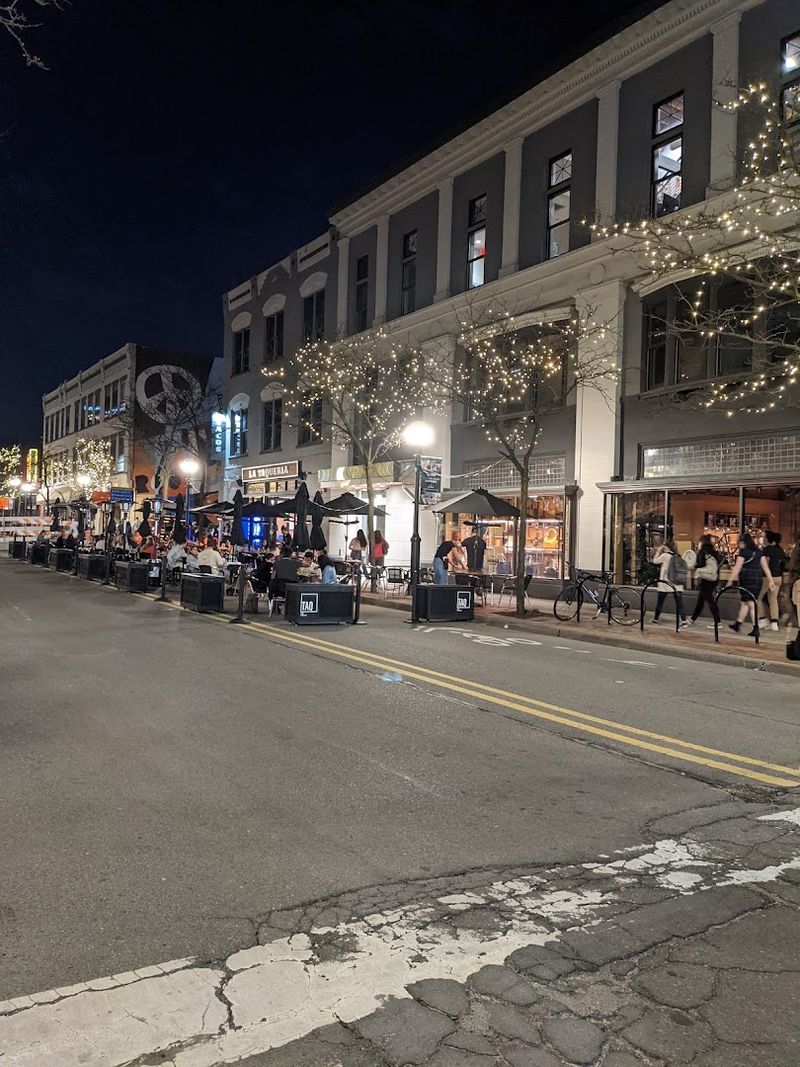
Downtown Ann Arbor does not operate as one uniform block. Four distinct commercial districts give the area real texture.
Kerrytown, Main Street, South University, and State Street each carry their own personality, and spending time in all four reveals how much variety fits inside a walkable radius.
Kerrytown leans charming and local. Its independent shops and the iconic Zingerman’s Delicatessen anchor a neighborhood that feels curated without feeling precious.
Main Street brings the energy up with innovative restaurants, art galleries, and a steady stream of foot traffic that keeps things lively well into the evening.
State Street draws visitors with historic architecture and proximity to the university. South University serves the student crowd but offers plenty for non-students curious about its cafes and casual spots.
Public art installations and murals appear throughout all four districts, turning ordinary walls into conversation starters. Ann Arbor, Michigan, has designed its downtown to reward slow walkers.
Moving fast through it means missing the best parts, and the best parts are hiding in plain sight.
Fairy Doors, Graffiti Alleys, And The Quirky Side Of A Smart City
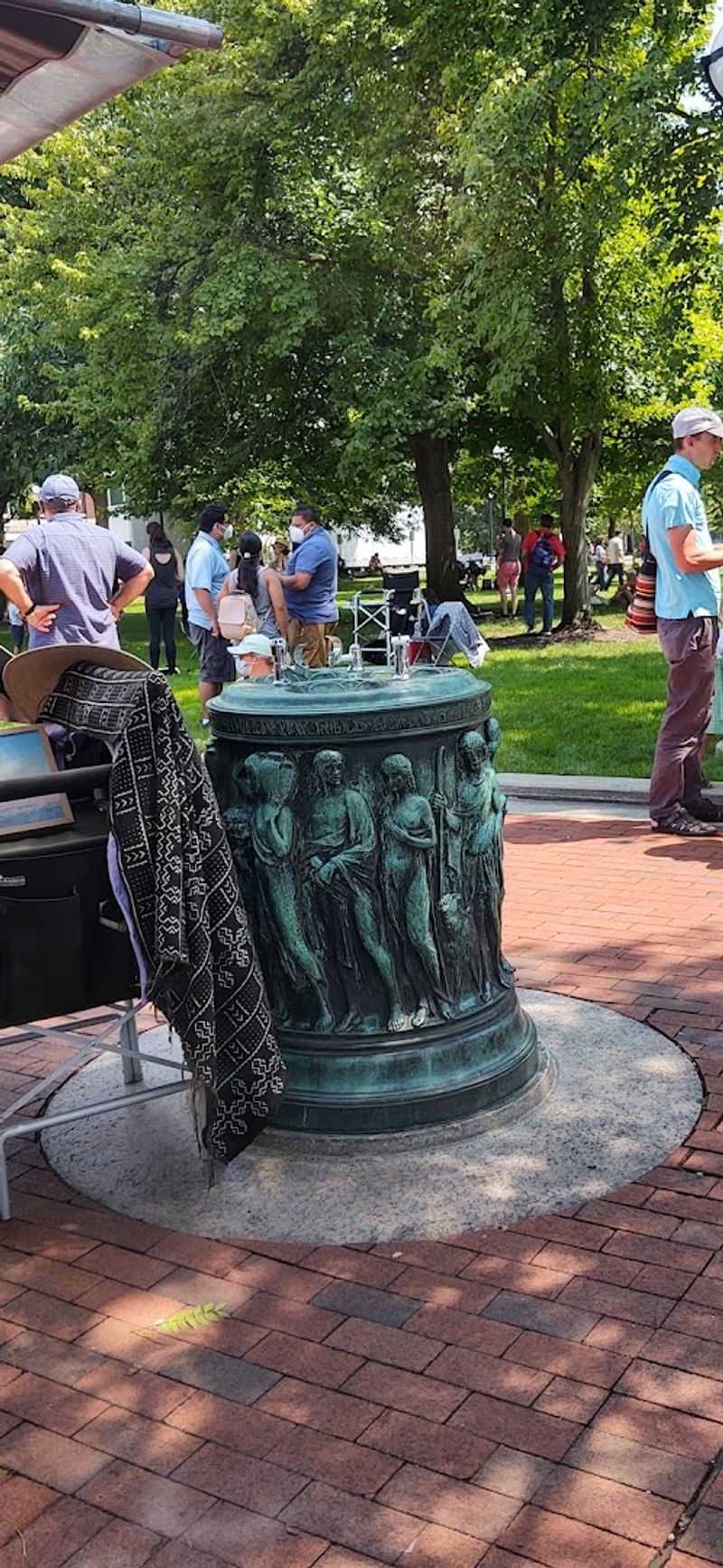
Smart cities do not always leave room for whimsy. Ann Arbor is the exception.
Tiny decorated fairy doors appear at the base of storefronts, tucked into cafe walls and bookshop corners. Spotting them becomes an unplanned scavenger hunt that works for any age group and costs absolutely nothing.
Graffiti Alley, located off Liberty Street, started with a single artwork in 1999 and grew into something far more ambitious. Today it serves as a rotating canvas for local artists, with new layers added constantly.
The result is a dense, colorful corridor that changes with every visit. No two trips through look exactly the same.
The Wave Field on the University of Michigan’s North Campus adds a more contemplative kind of oddity. This earthen sculpture shifts in appearance depending on the light and the season.
It invites visitors to walk through it, not just look at it. Ann Arbor rewards the curious.
Its quirky side is not a side attraction. For many visitors, it becomes the main reason to come back.
Live Music Venues That Keep The Nights Interesting
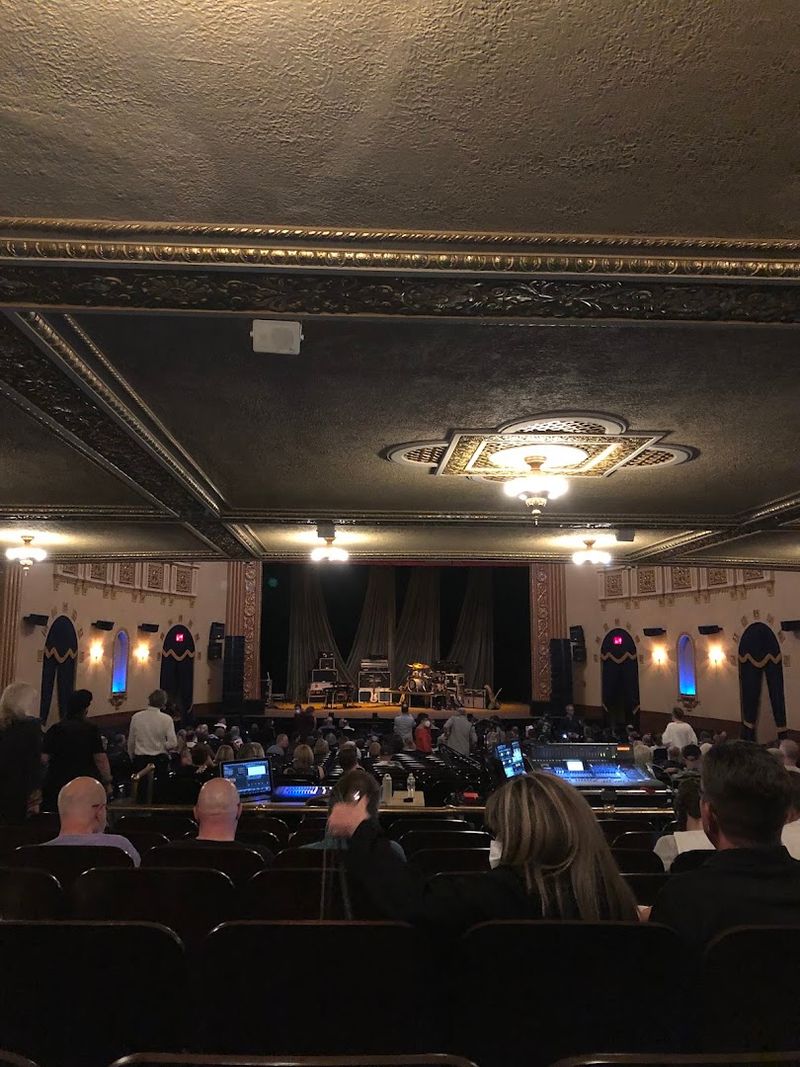
Ann Arbor’s music scene operates with quiet confidence. The Ark, one of the city’s most celebrated venues, hosts well over 300 nights of folk and roots music each year.
Its reputation stretches far beyond Michigan, drawing artists and audiences who treat the space with the kind of reverence usually reserved for much larger halls.
The Blind Pig offers a different energy. Live performances happen there almost every evening, covering a wider range of genres and attracting a crowd that shows up ready to move.
The historic Michigan Theater and State Theatre add a cinematic layer, programming independent films alongside special live events that feel genuinely curated.
The Kerrytown Concert House provides something rarer: an intimate setting for classical, jazz, and contemporary music performed at close range. The University Musical Society brings in world-class performers from across the globe, adding an international dimension to an already rich calendar.
Ann Arbor does not shout about its music scene. It simply keeps the stages full and lets the performances speak for themselves, night after reliable night.
A Food Culture Built On Bold Flavors And Local Loyalty
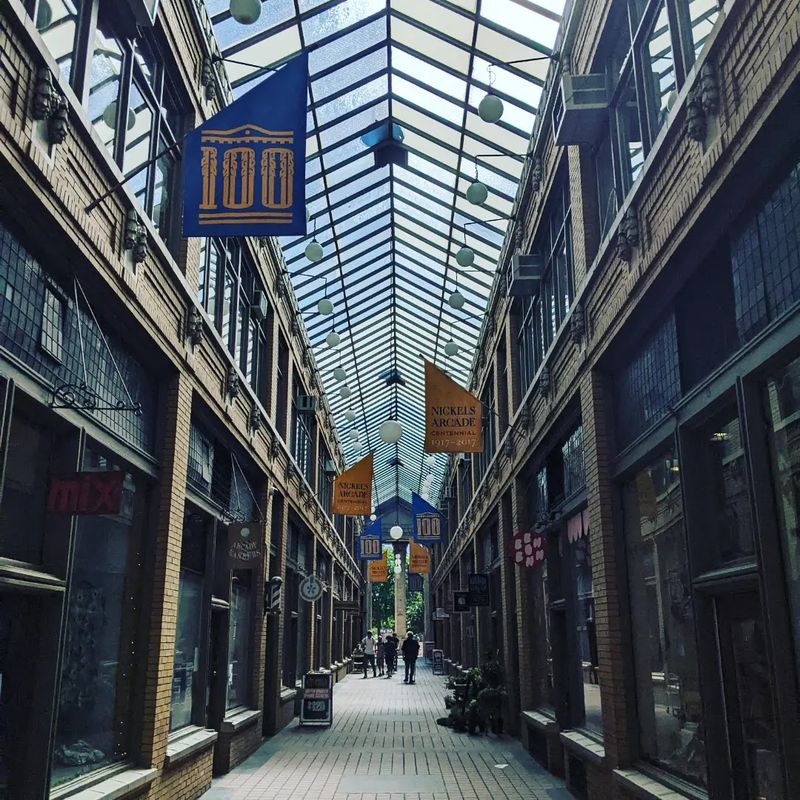
Zingerman’s Delicatessen is the name most people mention first when talking about food in Ann Arbor. Its legendary Reuben sandwich has earned a reputation that travels well beyond the state of Michigan.
The deli is not just a meal stop. It functions as a full sensory experience, stacked shelves and all.
Beyond Zingerman’s, the city supports well over 300 restaurants ranging from neighborhood staples to internationally inspired menus. The Kerrytown farmers market supplies many of these kitchens with local produce and artisanal ingredients year-round.
That farm-to-table connection feels embedded in the culture rather than bolted on as a trend.
Downtown Ann Arbor’s restaurant density means that nearly every craving finds a match within a short walk. Casual cafes share blocks with more polished dining rooms, and the mix keeps things from feeling either too precious or too predictable.
The food culture here rewards exploration. Regulars have their personal lists of favorites, and visitors rarely leave without starting one of their own.
Good eating in Ann Arbor is less a luxury and more a daily expectation.
Game Day In The Big House And What It Feels Like To Be There
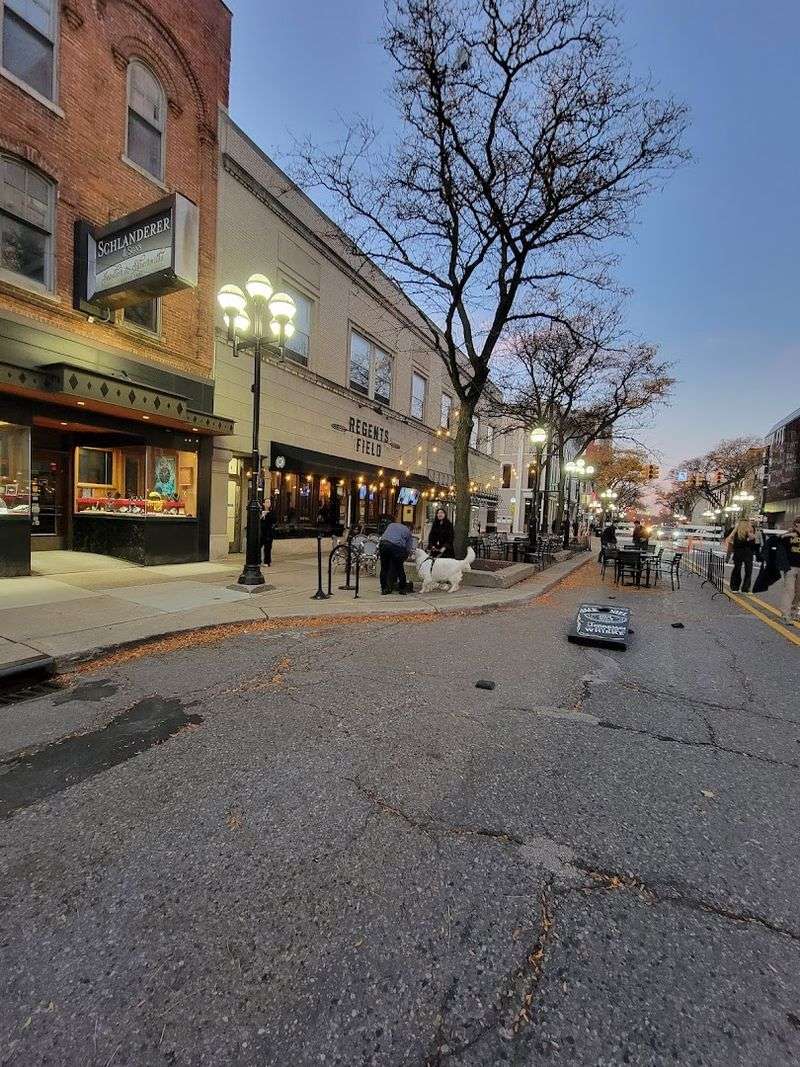
Michigan Stadium holds a claim that very few venues anywhere can match. Known as “The Big House,” it ranks as the largest college football stadium in North America.
On game days, the surrounding streets transform completely. Maize and blue appear on every surface, and the energy builds hours before kickoff.
The University of Michigan Wolverines draw fans from across the country. Attending a home game is widely considered one of the quintessential American sports experiences.
The crowd noise inside the stadium reaches levels that feel almost physical. First-timers often describe the atmosphere as overwhelming in the best possible way.
Beyond football, Crisler Center hosts basketball games and other major events throughout the year. The university’s athletic programs span numerous sports, and that breadth keeps Ann Arbor, Michigan, in a near-constant state of competitive excitement.
Sports culture here is not separate from the city’s identity. It is woven directly into it.
The roar of the crowd on a Saturday afternoon is as much a part of Ann Arbor as any trail or art gallery.
The Ann Arbor Art Fair And A Calendar Packed With Reasons To Visit
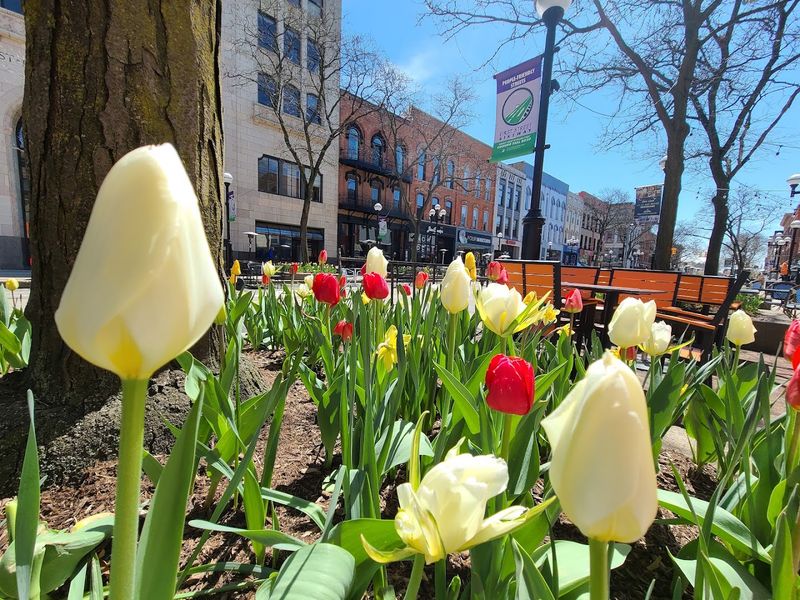
Every July, the Ann Arbor Art Fair takes over the downtown streets and turns the city into one of the largest open-air galleries in the country. Thousands of juried artists set up along the corridors, and visitors arrive from well beyond Michigan to browse, buy, and absorb the creative output on display.
The fair is not a single event but a collection of coordinated fairs happening simultaneously across multiple districts. That structure gives it scale without sacrificing the intimate feeling of discovering individual artists at work.
It is the kind of event that rewards multiple visits over several days.
The Ann Arbor Summer Festival adds another cultural anchor to the warmer months, with outdoor performances and community gatherings that keep the energy high. Winter brings holiday light festivals and the Ann Arbor Folk Festival, which draws loyal audiences even when temperatures drop.
The city’s event calendar operates year-round with genuine intention. Ann Arbor treats its festivals not as seasonal bonuses but as core expressions of who the community actually is and what it chooses to celebrate.
Science, Art, And Museums That Go Beyond The Expected
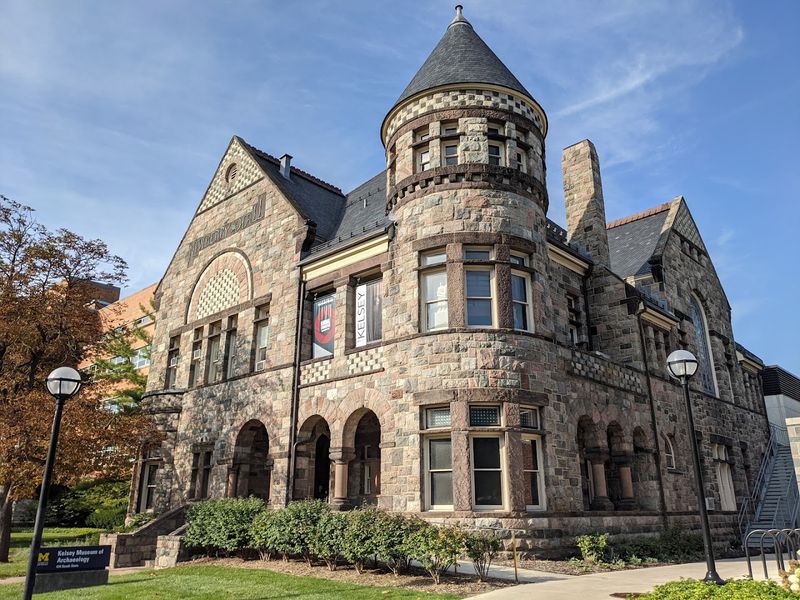
Museum culture in Ann Arbor punches well above what a city its size would typically offer. The University of Michigan Museum of Art holds an impressive permanent collection spanning centuries and continents.
Admission is free, which removes every barrier between the public and genuinely world-class work.
The Museum of Natural History connects science and storytelling in a way that appeals to adults and children equally. Fossil displays and natural world exhibits fill the space with the kind of curiosity-driven energy that makes time disappear.
The Ann Arbor Hands-On Museum adds an interactive dimension especially suited to younger visitors, with exhibits designed to encourage participation rather than passive observation.
These institutions do not feel like afterthoughts attached to the university. They function as active community spaces where residents and visitors mix freely.
Ann Arbor, Michigan, has built a cultural infrastructure that supports ongoing learning outside of any formal academic setting. Spending an afternoon moving between these museums covers history, art, and science without ever feeling rushed or overwhelming.
The city makes serious curiosity feel entirely comfortable.
Why Ann Arbor Keeps Landing On Every Most Livable Cities List
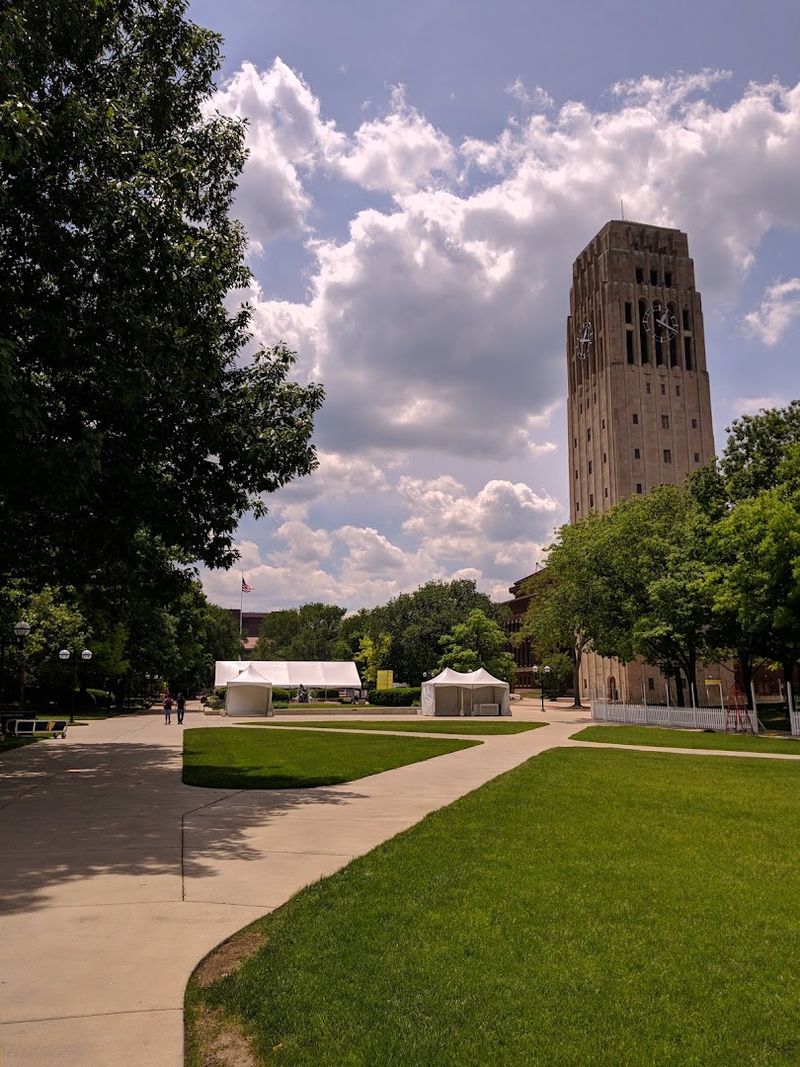
Livability rankings can feel abstract until you spend a few days somewhere that actually earns the label. Ann Arbor, Michigan, earns it through specifics.
Strong schools, accessible parks, a walkable downtown, and a robust cultural calendar create a quality of life that is easy to feel and hard to fake.
The city’s demographics reflect its appeal. Students, researchers, families, and long-term residents share the same streets without much friction.
That mix keeps the culture dynamic and the economy diversified. High-tech industries cluster near the university, creating employment opportunities that extend well beyond campus roles.
Southeastern Michigan’s broader landscape provides additional context. Ann Arbor sits west of Detroit, offering proximity to a major metropolitan area while maintaining its own distinct identity.
The city does not rely on Detroit’s shadow for relevance. It generates its own gravity.
Visitors who arrive expecting a quiet college town often leave recalibrating their expectations entirely. Ann Arbor is not the Midwest’s best-kept secret.
It is the Midwest’s most livable city, and it has the accolades, the parks, the food, and the energy to prove it.