
This Michigan Hidden Spot Is Free To Visit But Rarely Crowded
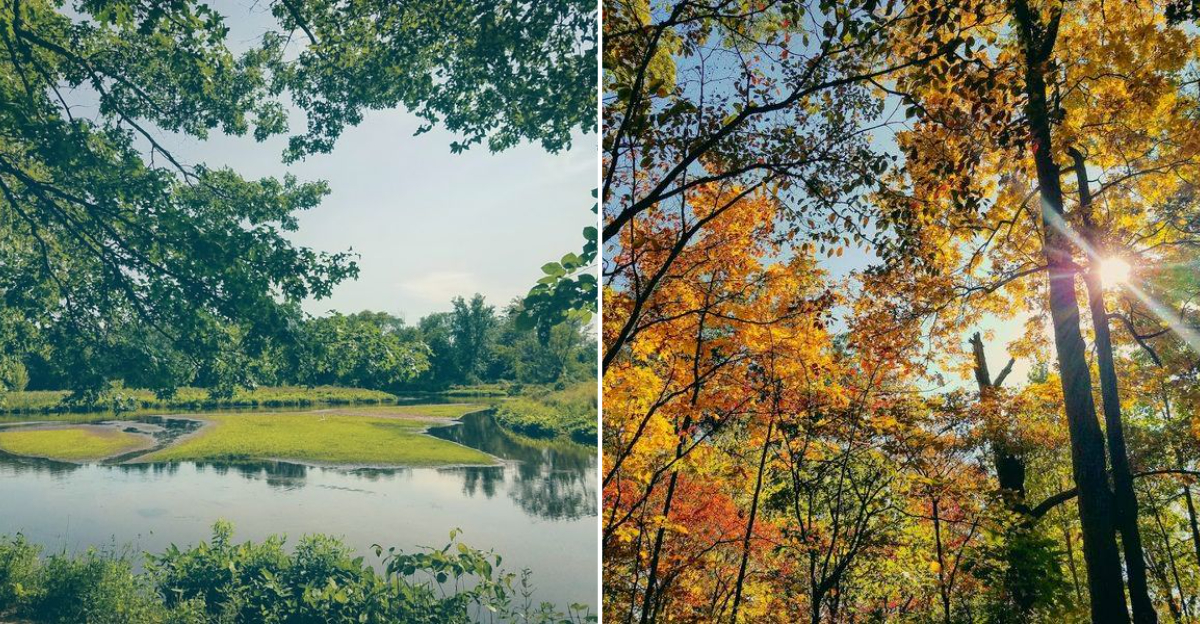
Avoiding crowds and noise does not make you strange. It makes you someone who understands what they need.
And what this nature preserve in Michigan offers is exactly that. This place does not see much traffic.
Most people pass it by without a second thought. That means you get to keep almost all of it for yourself, which is a rare thing in a world where every quiet spot eventually gets discovered and overwhelmed.
Pay attention when you are here. Listen to the leaves shifting as the wind moves through them.
Feel the branches giving way under your feet, that small sharp sound that reminds you the ground beneath you is alive. Breathe in the air that the wind carries with it, clean in a way that is hard to describe to someone who has not experienced it.
Some places ask nothing from you. They only give.
This is one of them.
Wildlife Species That Call The Home
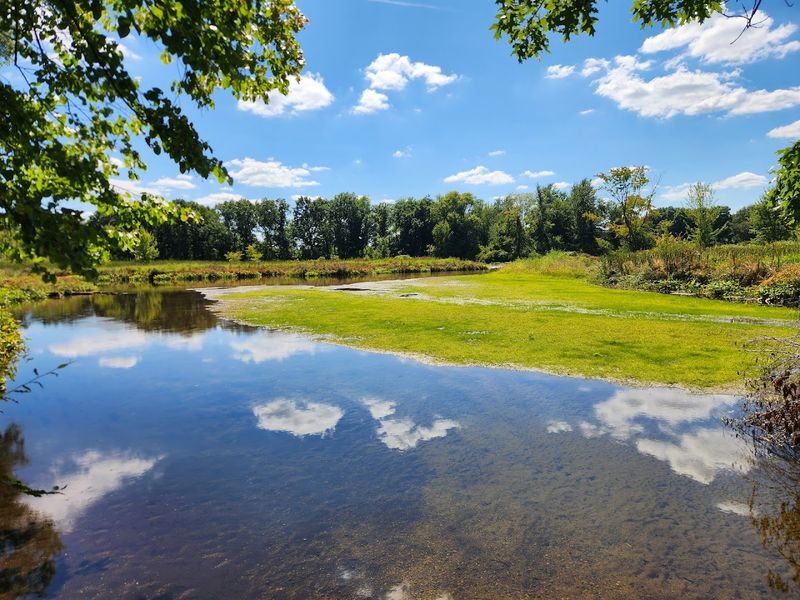
Beavers are basically the construction workers of Hidden Marsh Sanctuary, and you will see their handiwork everywhere. Chewed stumps, dams, and muddy slides along the Portage River shoreline are dead giveaways.
These industrious animals share the water with muskrats, painted turtles, and a surprisingly bold population of frogs.
The wetlands attract ducks of all kinds, including buffleheads and Canada Geese in big numbers. Great blue herons patrol the shallows with that slow, deliberate walk that makes them look like they own the place.
Spring is peak season for bird activity, when grosbeaks, orioles, and woodpeckers fill the tree canopy with noise.
On land, foxes, coyotes, rabbits, and groundhogs roam the upland sections of the preserve. Deer sightings are common near the treeline, especially at dusk.
The sanctuary is located at 57437 Buckhorn Rd, Three Rivers, MI 49093. Whether you are a birder, a mammal enthusiast, or just someone who thinks turtles are cool, this 38-acre preserve delivers wild encounters without the crowds.
Best Times To Visit For A Quiet Experience
Early mornings on weekdays are your golden ticket to having Hidden Marsh Sanctuary almost entirely to yourself. The preserve opens at 7 AM every day of the week and closes at 8 PM, so there is plenty of flexibility.
Show up right at opening, and you will likely share the trail only with herons and the occasional curious squirrel.
Spring is absolutely the best season for wildlife activity. Birds are migrating, frogs are calling, and wildflowers start pushing through the forest floor.
The whole place feels alive in a way that makes you put your phone away and just listen.
Fall is a close second. The tree canopy turns into a full color show, and the cooler temperatures make the 0.67-mile loop feel incredibly refreshing.
Summer visits are best in the early morning before the heat builds up. The tree cover keeps things shady even on 80-degree days, which is a serious bonus.
Winter visits are surprisingly magical, too. The sanctuary supports cross-country skiing and snowshoeing, so the trails do not go to waste when snow falls across St. Joseph County.
Preserving Natural Wetlands Through Conservation
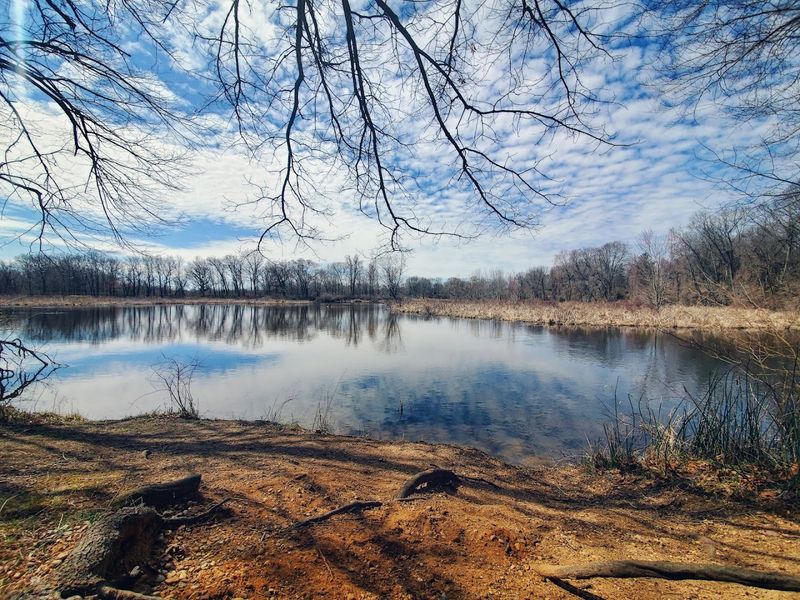
Hidden Marsh Sanctuary exists because of the Southwest Michigan Land Conservancy, and that organization deserves serious credit.
Without active conservation management, a 38-acre parcel this close to a town like Three Rivers could easily have been developed into something far less interesting than a beaver habitat.
Wetlands are ecological powerhouses. They filter water, reduce flooding, store carbon, and support biodiversity at a level that most people do not fully appreciate until they stand in one.
The Portage River floodplain running through this sanctuary is a living example of what protected land can do when left to function naturally.
The preserve also contains historical curiosities that conservation helped protect. A few Japanese spindle trees remain from an old nursery that once operated on the land.
A line of Osage orange trees marks a historic fence line that would have disappeared under development. These traces of the past are only visible because someone decided the land was worth saving.
Conservation here is not an abstract policy. It is the reason this place still feels wild, quiet, and worth visiting on any given Tuesday morning.
Photography Tips For Capturing Native Flora
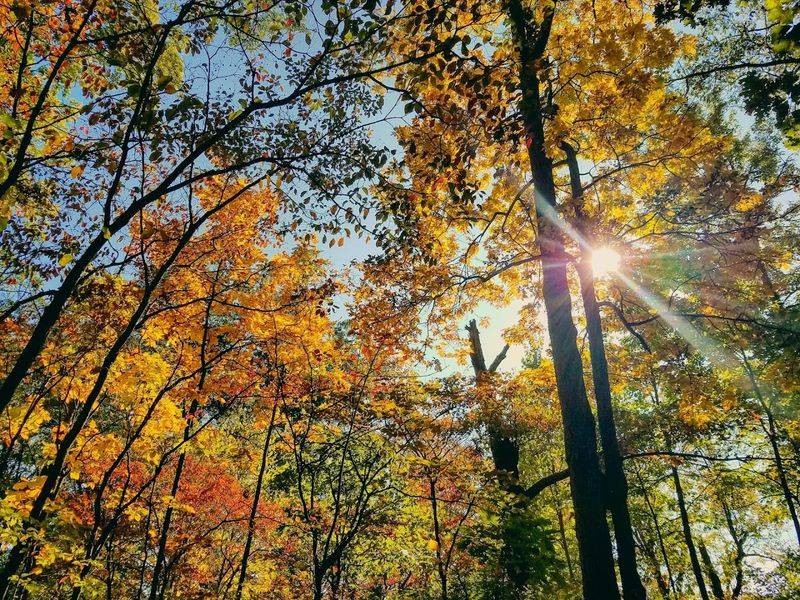
Hidden Marsh Sanctuary is a genuinely rewarding photography location, especially if you show up with patience and low expectations for perfection.
Native wildflowers bloom throughout summer along the trail edges, and the light filtering through the tree canopy creates natural softbox conditions that make close-up shots look effortless.
For flora photography, get low. Seriously, crouch down to ground level and shoot wildflowers against the open sky or the water behind them.
This separates the subject from a busy background and adds depth to the image. A macro lens or a close-focus setting on your phone camera will pull out details in petals and leaves that most people walk right past.
Golden hour is your best friend here. The preserve opens at 7 AM, which puts you right at morning golden hour during most of the year.
The soft, warm light bouncing off Hoffman Pond and the Portage River creates a natural glow that no filter can replicate. Bring a small tripod if you plan to shoot in shaded areas under the tree canopy.
Low light under the forest cover requires slower shutter speeds, and hand-holding rarely produces sharp results worth keeping.
How To Prepare For A Day Outdoors In Michigan
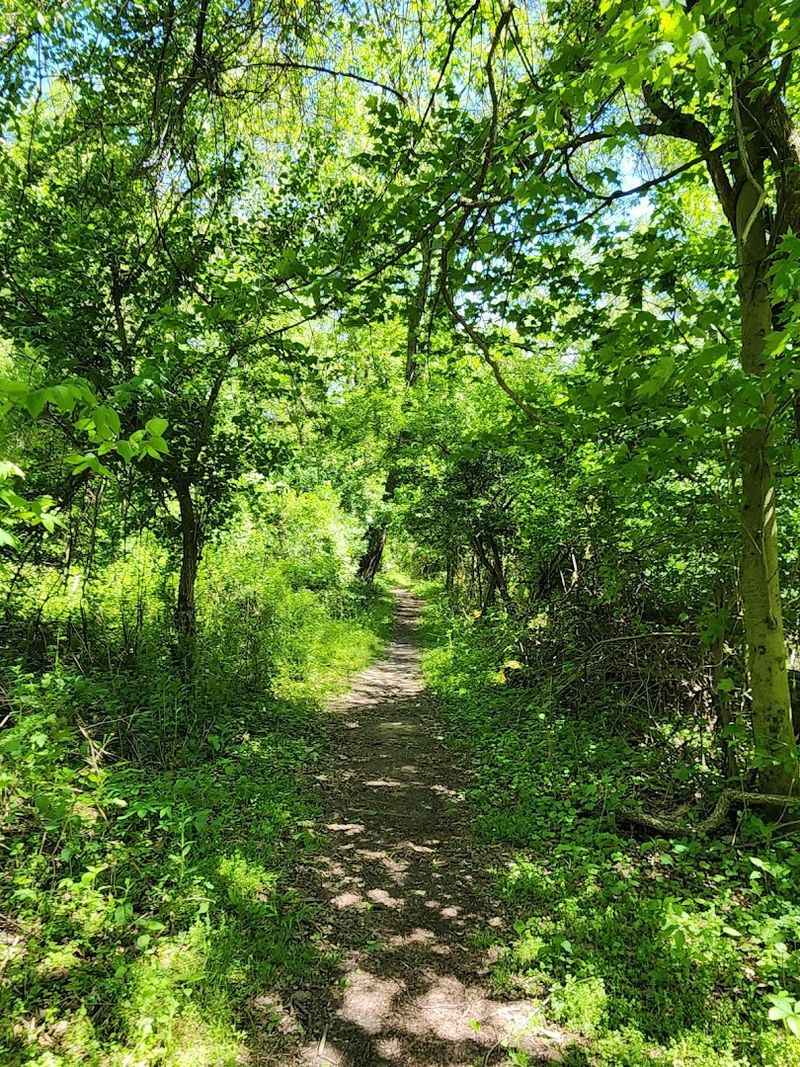
Michigan outdoor days require a short checklist, and Hidden Marsh Sanctuary is no exception. Ticks are a real concern here, especially in warmer months.
Wear long pants, tuck them into your socks, and do a full tick check when you get back to your car. It sounds tedious, but it takes about two minutes and saves a lot of grief later.
Poison ivy grows along sections of the trail, so closed-toe shoes are non-negotiable. Sandals are a bad idea at this preserve.
Sturdy trail shoes or light hiking boots will keep your feet comfortable on the flat earthen path and protect your ankles from brush along the trail edges.
Pack water, even for a short walk. The loop is only 0.67 miles, but if you plan to sit on the benches, explore off the main path, or simply spend time watching wildlife, you could easily be out there for an hour or two.
There are no restrooms at the sanctuary, so plan accordingly before you leave home. The gravel parking lot fits about 12 cars, so arriving early on weekends ensures you get a spot without circling.
Walking Trails And Their Unique Features
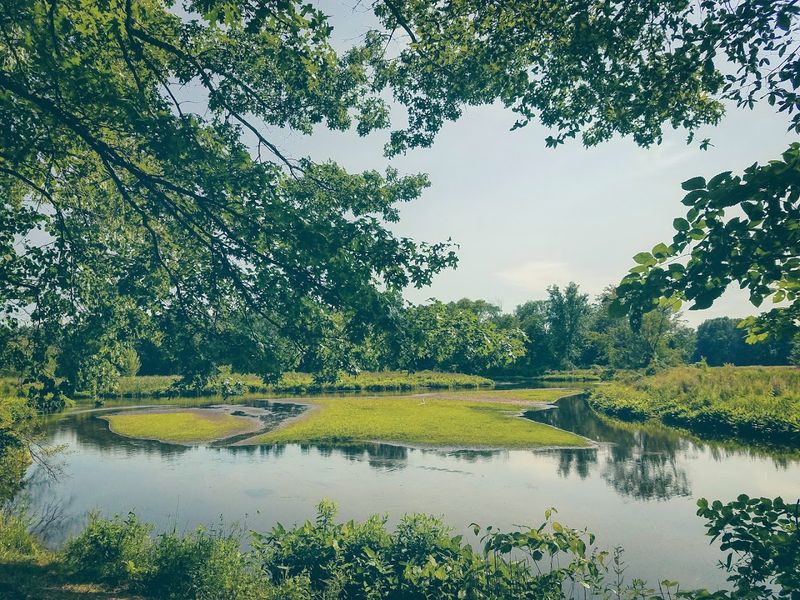
The trail system at Hidden Marsh Sanctuary is a 0.67-mile flat looped earthen path, and it punches well above its weight for scenery.
The route winds through forested areas, hugs the banks of the Portage River, and opens up to views of Hoffman Pond that feel genuinely surprising for such a short walk.
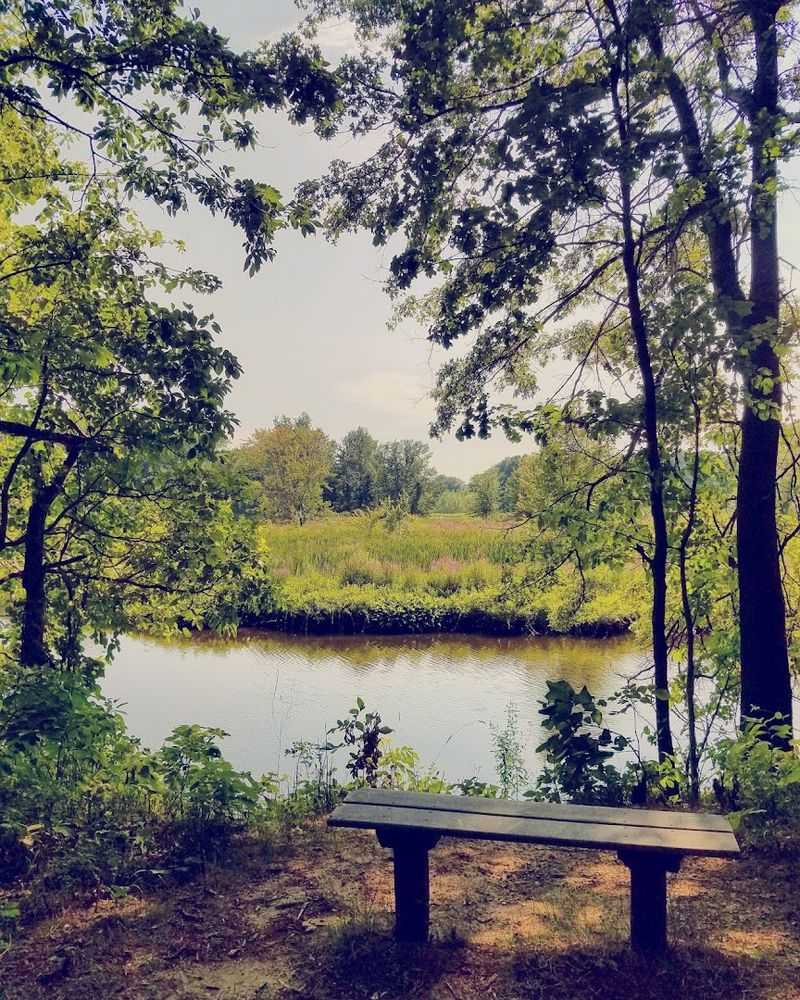
Strategically placed benches sit along the route at spots where the views are best. These are not afterthought benches bolted to concrete.
They are positioned where you actually want to stop, breathe, and watch a heron fish or a turtle climb onto a log. The trail is well-maintained and clear of overgrowth, making navigation straightforward even for first-time visitors.
The interconnecting paths allow for some variation in your route, so repeat visits do not feel identical.
Trail maps are available as free downloads through the Avenza Map App and as printable PDFs, which is a genuinely useful feature for people who prefer not to rely on cell service in the woods.
Winter transforms the whole loop into a cross-country skiing and snowshoeing route, which means this trail earns its keep across all four seasons without needing any upgrades.
Environmental Impact Of Protected Areas
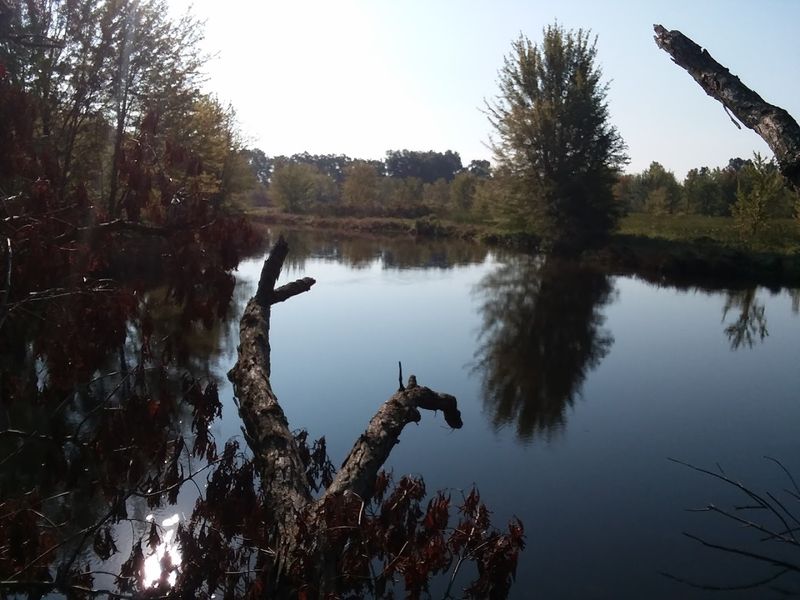
Protected areas like Hidden Marsh Sanctuary do environmental work that most people never see, but everyone benefits from.
Wetlands along the Portage River floodplain absorb excess water during heavy rains, reducing downstream flooding in communities like Three Rivers. That is free infrastructure, and it works around the clock without a maintenance crew.
The diverse woody plant species along the riverbanks stabilize soil and prevent erosion. When those root systems stay intact, sediment stays out of the water, and the aquatic habitat remains healthy.
Healthy aquatic habitat means more fish, more amphibians, and more of the birds that eat them. The whole system is connected in ways that make protecting even 38 acres genuinely meaningful.
Carbon storage is another underappreciated function of preserved wetlands. Saturated soils and dense vegetation lock away carbon that would otherwise enter the atmosphere.
On a local level, protected areas also support surrounding ecosystems by providing wildlife corridors. Animals can move between habitats, which is critical for genetic diversity and population health.
Hidden Marsh Sanctuary may feel like a quiet little trail by a pond, but its ecological role in St. Joseph County is considerably larger than its acreage suggests.
Educational Opportunities For Nature Enthusiasts
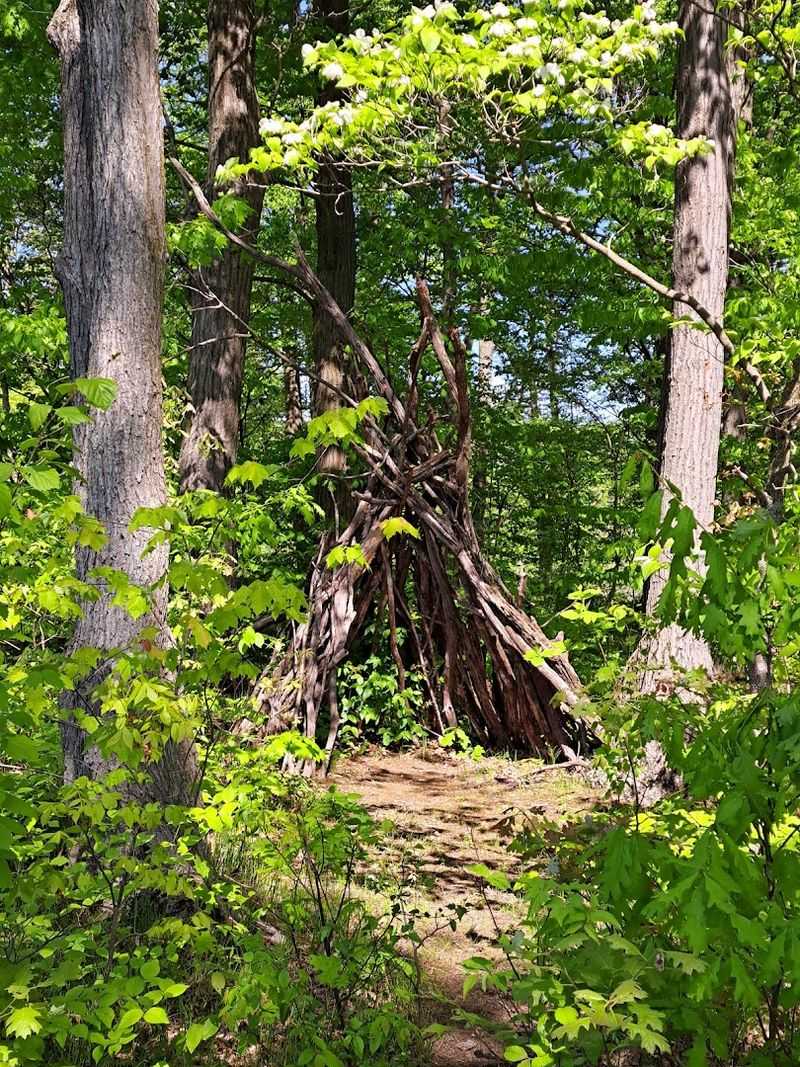
Hidden Marsh Sanctuary is a living classroom, and the best part is that nobody charges tuition.
The preserve offers a hands-on environment for learning about wetland ecology, native plant species, wildlife behavior, and conservation history, all in one short loop. You do not need a biology degree to get something meaningful out of a visit.
The historical elements add an unexpected layer of education. The remaining Japanese spindle trees and the Osage orange fence line tell a story about how this land was used before conservation stepped in.
Connecting current ecology to past land use is the kind of context that makes nature feel less like a textbook and more like a living record.
Free trail maps through the Avenza Map App make self-guided exploration accessible for all ages. Families with kids will find the flat terrain manageable, and the wildlife sightings frequent enough to keep young attention spans engaged.
Birders can use spring visits to practice identification skills with species like woodpeckers, orioles, and grosbeaks active in the canopy.
The sanctuary is managed by the Southwest Michigan Land Conservancy, which offers additional educational resources for groups and individuals interested in conservation science and land stewardship.