
This Michigan Supper Club Serves Fried Perch So Good Locals Keep Coming Back For More
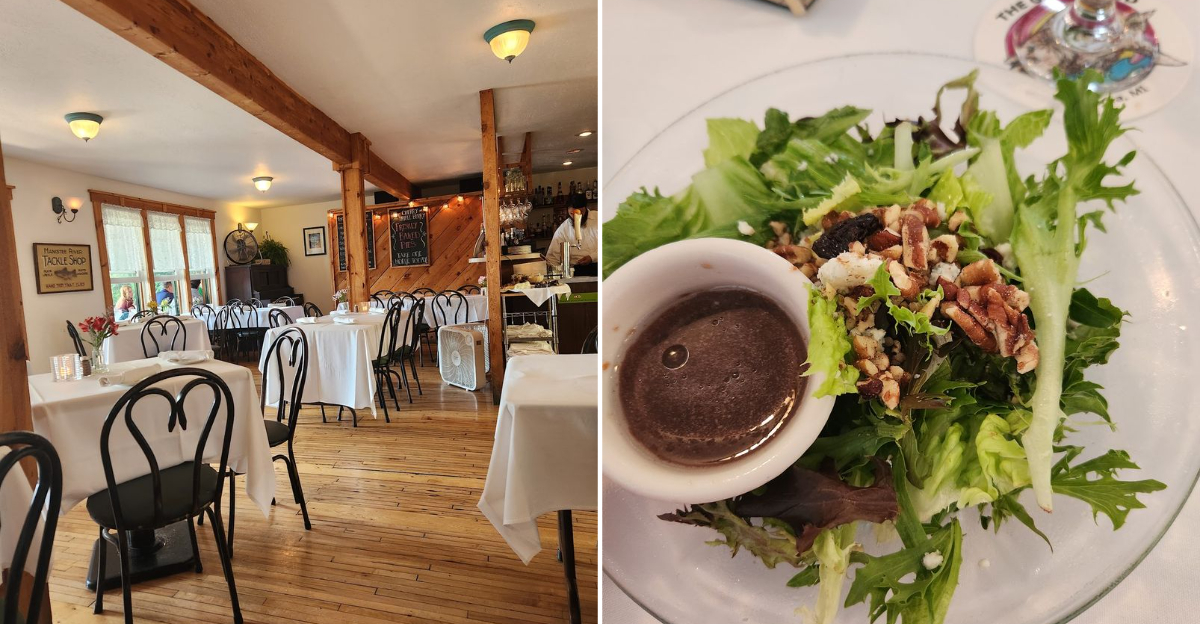
This Michigan spot combines great food with an even better atmosphere. The fried perch here keeps locals coming back for more, visit after visit.
Recipes stay untouched for decades, prepared the same way they always were. Nothing here feels rushed or updated for the sake of appearances.
The perch arrives crispy and fresh, never sitting under heat lamps waiting for orders. Regulars order the same dish consistently, trusting the quality to stay exactly the same every time.
Dinner here still feels like an occasion rather than just another meal out. This supper club proved that some traditions taste even better the longer they stay unchanged.
Freshness And Quality Of The Fish
Fish this close to the water has an unfair advantage, and The Glenwood leans right into it. Freshwater perch and whitefish anchor the menu, and both taste as if they belong to the Great Lakes rather than a freezer aisle.
The restaurant takes part in Michigan’s Catch and Cook program, which points to real attention toward local sourcing. That matters more than it sounds.
Perch is a delicate fish, and freshness is the difference between something memorable and something forgettable.
A few specialty items travel from farther away, including seafood flown in from places as distant as Hawaii. The perch, though, keeps its freshwater roots intact.
You get that clean, mild, slightly sweet flavor that Michigan anglers have been chasing for generations.
Whitefish shows up in several forms too, and it holds the same standard. Parmesan-encrusted and Rockefeller-style preparations both make regular appearances on the dinner menu.
Quality like this does not happen by accident. It takes a kitchen that cares about where the fish came from and how quickly it hits the fryer.
The lake sits right outside the windows, which makes the whole thing feel connected in a way chain restaurants can never fake. Fish, water, plate.
Simple math.
You can find the place at 4604 Main St, Onekama, MI 49675.
Traditional Cooking Techniques Explained
There is no reinventing the wheel happening in this kitchen, and that is exactly the point. The perch gets battered and fried until it reaches a deep golden crisp, the way supper clubs have done it for decades.
Timing is everything with perch. Fry it too long, and the fillet turns tough and dry.
The Glenwood’s kitchen pulls each piece at the right moment, leaving the inside tender while the coating stays shatteringly crunchy.
Then comes the fun part. The menu features something called the Perch Tower, where those battered and fried fillets get stacked high into a vertical pile.
It arrives looking like an edible sculpture.
Presentation like that turns a familiar dish into a small event. Tables nearby tend to notice when one comes out of the kitchen.
Classic frying rewards patience and repetition. Doing the same thing well, thousands of times, is harder than it sounds.
Batter thickness matters too. Too heavy and the fish disappears under a bready shell.
The coating here stays light enough that the perch itself still leads the flavor.
Old techniques survive because they work. A hot fryer, fresh fish, and a cook who knows the difference between golden and burnt will beat trendy methods almost every time.
Sometimes the classics really are classics for a reason.
Signature Seasonings And Spice Blends
Sauce can make or break fried fish, and The Glenwood clearly figured that out early. Homemade tartar sauce comes alongside the fried perch, cool and tangy against the hot, crisp coating.
Store-bought tartar sauce is fine. House-made tartar sauce is a completely different conversation.
The balance of tang and creaminess is tuned to match the mild flavor of freshwater perch rather than overpower it.
Beyond tartar, the kitchen has built a small reputation around cherry. A cherry mustard vinaigrette turns up on salads and has been popular enough that guests can sometimes buy a bottle to take home.
Cherries and Michigan go together like snow and complaining. Using them in a savory sauce is a smart local twist.
A cherry mustard sauce also accompanies certain seafood dishes, adding a sweet-sharp note that plays well against fried and battered textures.
The battering process itself is where the seasoning starts. Getting flavor into the coating means every bite tastes finished, not just the parts touched by sauce.
Nothing here is aggressively spicy or showy. The seasonings support the fish instead of shouting over it.
Restraint is an underrated kitchen skill, and this menu shows plenty of it. Sometimes the best flavor decision is knowing when to stop adding things.
The Role Of Side Dishes In The Meal
Sides get treated as an afterthought at plenty of restaurants. Not here.
Every dinner entree except the pasta dishes arrives with a real choice, and the options actually complement fried fish instead of just filling the plate.
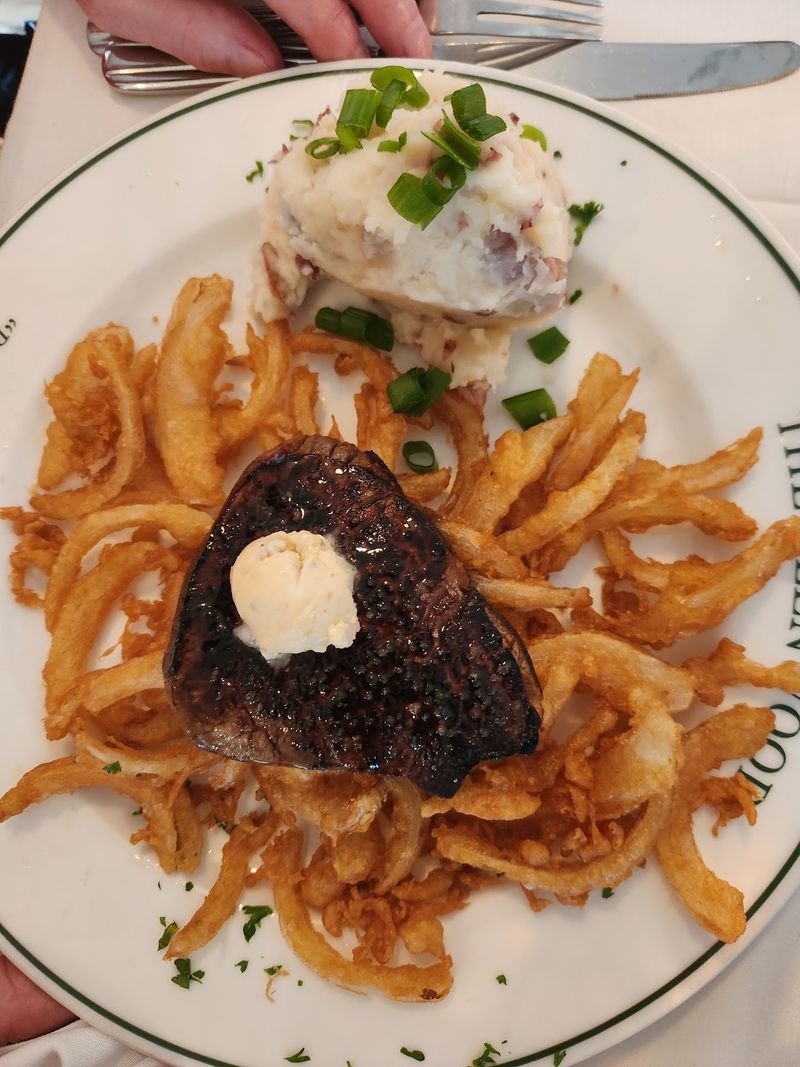
Horseradish smashed redskin potatoes lead the pack for anyone who likes a little bite. The horseradish cuts through richness, which is exactly what you want next to something battered and fried.
Steamed broccoli keeps things lighter and greener for guests who want balance. Seasoned French fries handle the opposite instinct, doubling down on crispy comfort.
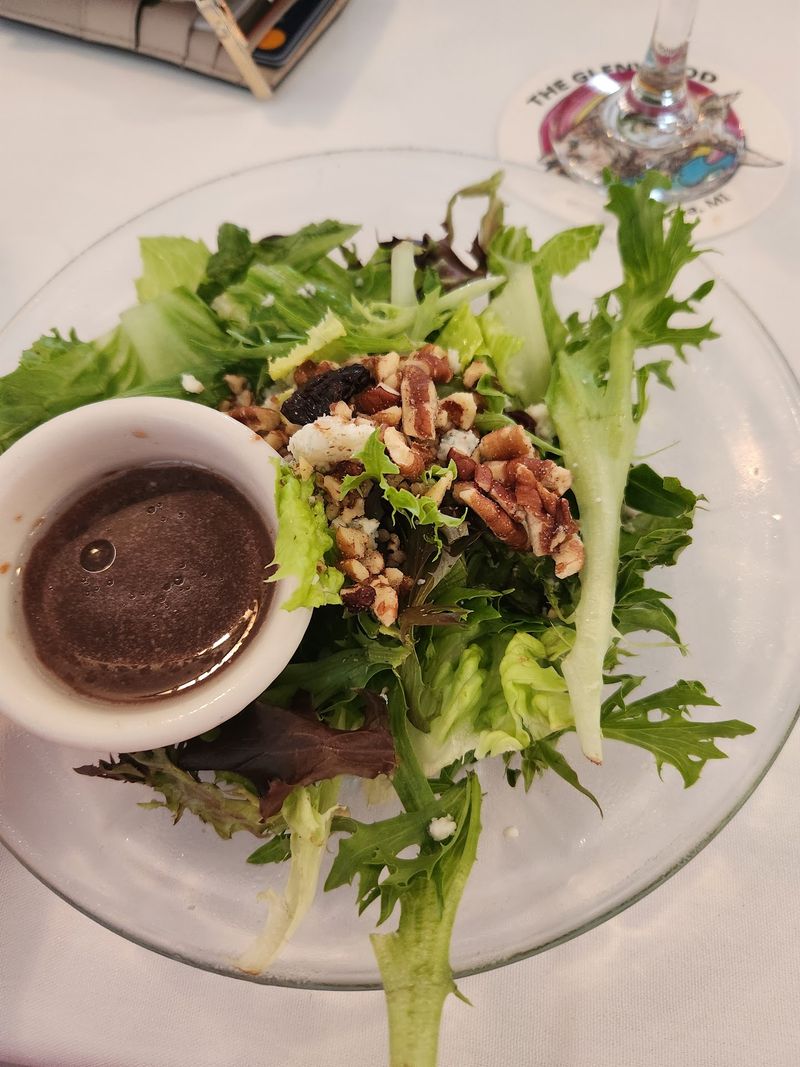
Every meal also comes with a salad, either the woodland or a Caesar. Starting with greens before a plate of fried perch feels like a small act of nutritional diplomacy.
The woodland salad has earned its own following. It sets the table for the meal rather than just occupying space before the main event.
Thoughtful sides change how a dinner feels. A plate with contrast in texture and temperature keeps every bite interesting from start to finish.
Fried food alone can get heavy fast. Pairing it with something crisp, something creamy, and something green solves that problem quietly.
It is the kind of menu design that shows someone actually thought about how the whole meal lands, not just the star of the show.
Customer Favorites Beyond The Perch
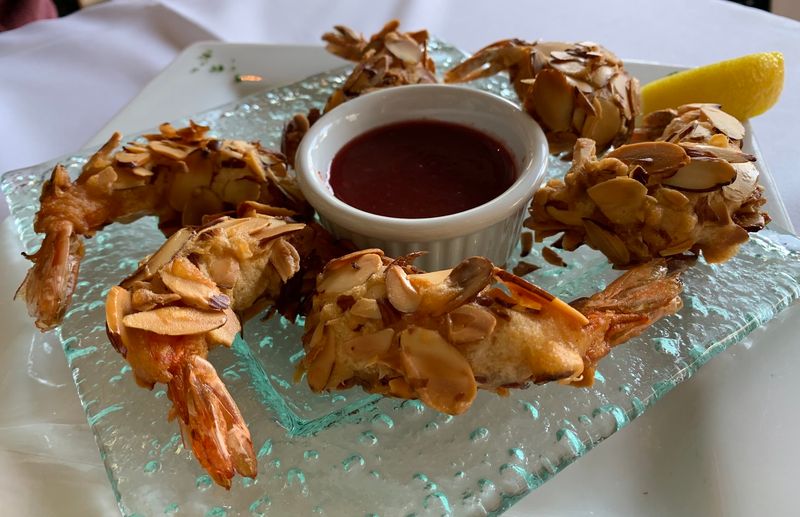
Perch may headline the show, but the supporting cast steals scenes constantly. Almond-battered shrimp has become one of the most talked-about plates on the menu, and it earns the attention.
Jumbo shrimp get fried until golden, then coated with almond shavings and served with that cherry mustard sauce. Crunchy, nutty, sweet, and savory all at once.
Whitefish appears in multiple styles, including Parmesan-encrusted and Rockefeller. Both give the fish a richer treatment than the straightforward fry.
Meat lovers are not stranded either. Blue cheese tenderloin tips and teriyaki filet mignon hold down the heartier end of the menu.
Crab cakes have quietly built their own fan club. Short ribs show up for anyone in the mood for something slow-cooked and rich.
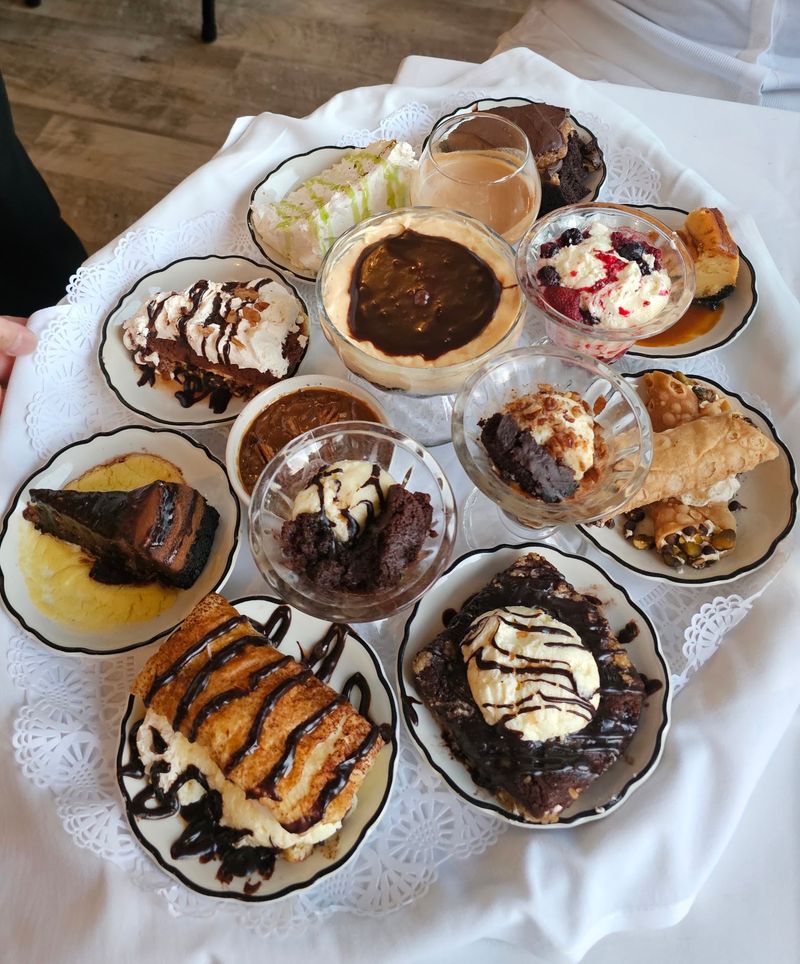
Then there is dessert, which arrives in the most charming way possible. A tray comes to the table showing off the options so you can see exactly what you are choosing.
Cherry pie made with fruit from local Smeltzer Orchards is a standout. Peanut butter pie has enough richness that sharing is genuinely good advice.
Old-school dessert trays have mostly vanished from American dining rooms. Keeping that tradition alive is a small delight in itself, and it turns the end of the meal into an event.
Atmosphere And Ambience Of The Venue

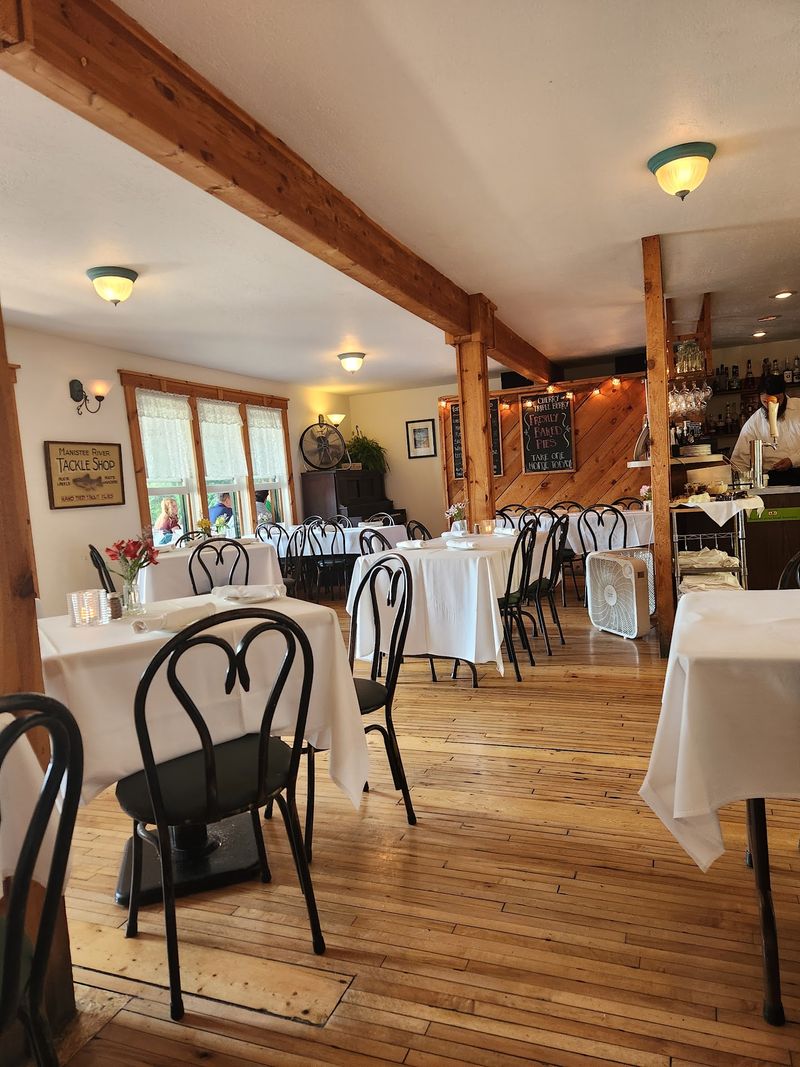
From the parking lot, the building looks a bit like an old house, which throws some first-timers off entirely. The inside tells a very different story.
White tablecloths meet knotty pine paneling, giving the dining room a look that feels both classic northern Michigan and quietly polished. It is dressed up without being stuffy.
The structure dates back to the early 1900s and has worn a few different hats. It served as a warehouse first, then a summer resort, before settling into restaurant life.
The enclosed porch is the seat everyone wants. Views stretch across Portage Lake and the channel that runs out to Lake Michigan, and sunset turns the whole thing golden.
Getting that porch table takes planning. Reservations made a day or two ahead, sometimes further out in busy season, are the smart move.
Air conditioning is not part of the setup, which fits the lakeside cottage character. Lake breezes do a fair amount of the work.
Service runs polished and warm at the same time. Staff know the menu well enough to walk guests through specials in detail.
Private rooms handle smaller celebrations, from anniversaries to intimate wedding dinners. The whole place manages to feel special without feeling like it is trying too hard.
Community Traditions Surrounding The Supper
Since 1994, this restaurant has been woven into life in Onekama. It opens for the season around May and closes in October, which means the doors swinging open has become a local marker that spring finally showed up.
Families measure years by it. Some guests have been coming for two decades, going from kids ordering sundaes to adults planning wedding dinners in the same rooms.
One tradition stands out for its charm. The Hook and Cook program invites guests to bring in fresh fillets they caught and cleaned from nearby lakes, and the kitchen prepares them with sides.
Catching your own dinner and having a professional kitchen handle the hard part is a pretty great deal. It also keeps the connection to Portage Lake front and center.
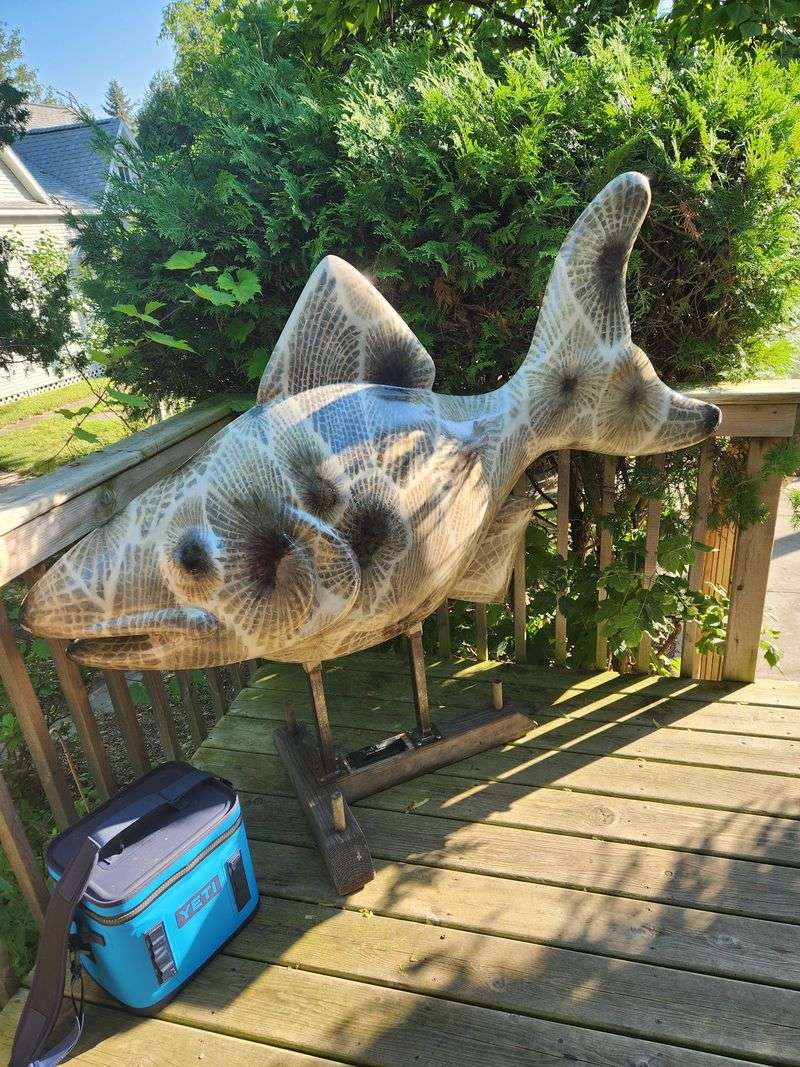
Then there is the mascot situation. A sculpture called the Rock Bass, painted with the pattern of Michigan’s state stone, was picked up after a charity auction.
Proceeds from that auction supported the Portage Lake Watershed Forever Endowment. A fish statue that helps protect the actual lake feels appropriately full circle.
Traditions like these are why a restaurant becomes more than a place to eat. It turns into a landmark that people plan their summers around.
Tips For Pairing Non-alcoholic Beverages
Fried fish deserves a drink that fights back a little. Something crisp and bubbly does more for a plate of golden perch than most people expect.
Sparkling water is the easy champion. Add a squeeze of lemon, lime, or grapefruit, and it resets your taste buds between bites.
For something a bit more interesting, a cucumber-mint fizz works beautifully. Muddled cucumber, fresh mint, lime juice, and club soda make a light, cooling combination that suits a warm evening by the water.
Ginger is another strong choice. A ginger-lime spritzer brings enough spice and carbonation to balance out anything rich or fried.
Iced tea earns its place too, especially flavored versions. Lemon, lime, or mint notes cut cleanly through bold seasonings without competing with the fish.
Carbonation is the real secret here. Bubbles scrub away the coating of oil that fried food leaves behind, making each bite taste as good as the first.
Sweetness should stay in check. Very sugary drinks tend to flatten the delicate flavor of freshwater perch instead of lifting it.
Coffee gets offered at the end of the meal, which pairs nicely with whatever comes off that dessert tray. Cherry pie and a warm cup is a solid way to finish.