
This Minnesota Boardwalk Trail Is A Peaceful Walk Through Untouched Nature
Finding a slice of wilderness in the middle of a busy metro area can feel nearly impossible.
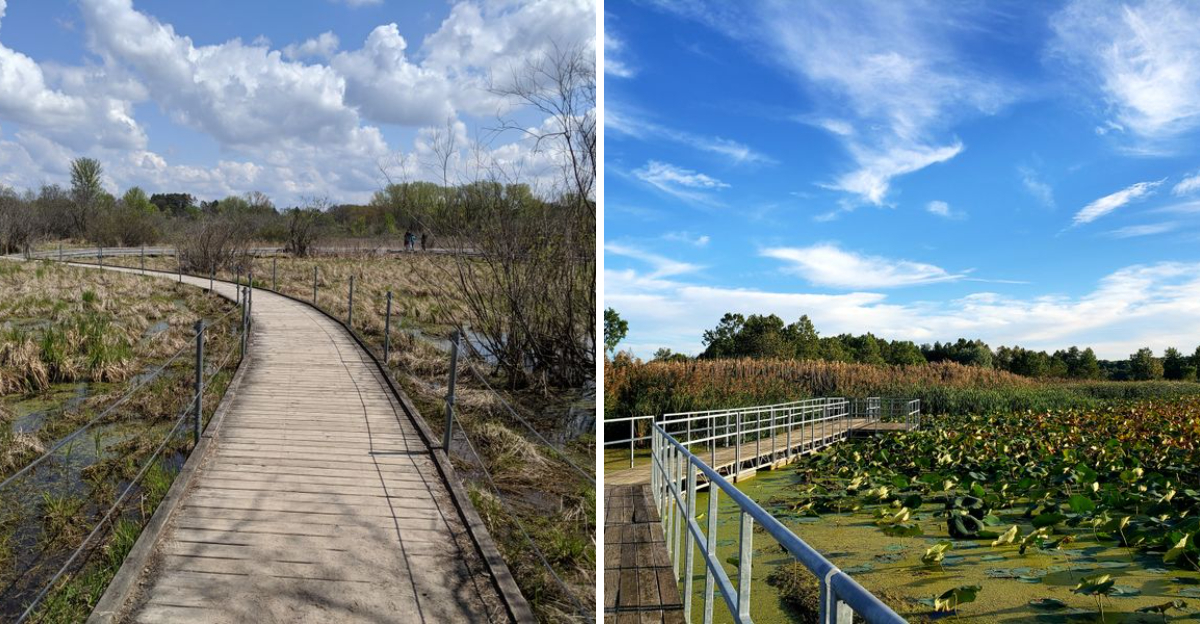
Yet Roseville offers exactly that with the Harriet Alexander Wetland Boardwalk, where wooden planks guide you through a thriving marsh ecosystem just minutes from urban life.
Walking this trail means stepping into a world where cattails sway, frogs sing, and the noise of traffic fades into birdsong.
A Quiet Wetland Escape In The Twin Cities
Urban parks often promise nature but deliver mowed lawns and playground equipment instead.
Harriet Alexander Nature Center breaks that mold completely, offering genuine wilderness wrapped in the convenience of city access.
Located at 2520 Dale Street North in Roseville, this preserve sits tucked between residential neighborhoods yet feels worlds away from suburban life.
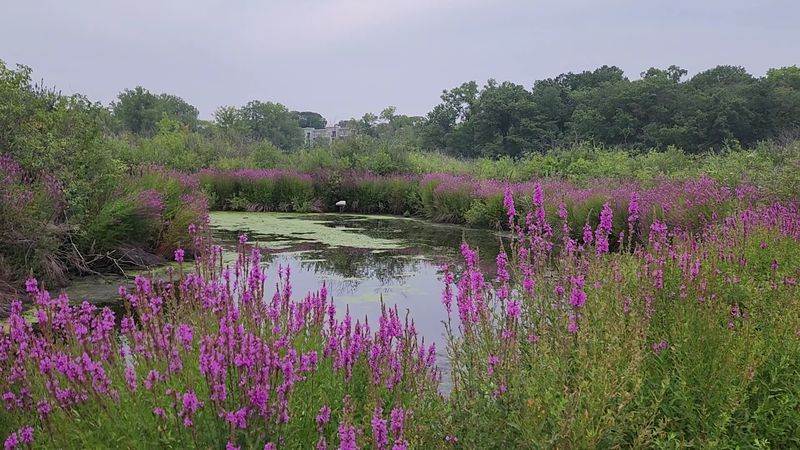
The wetland boardwalk stretches through marshland that most developers would have drained decades ago.
Instead, conservation-minded planning preserved this ecosystem, creating a refuge for both wildlife and people seeking calm.
Visitors describe the experience as surprisingly secluded, with low foot traffic that enhances the feeling of solitude.
Parking is straightforward, though first-timers sometimes confuse the Wildlife Rehabilitation Center with the nature center building.
Simply follow the paved path toward the woods at the back of the lot.
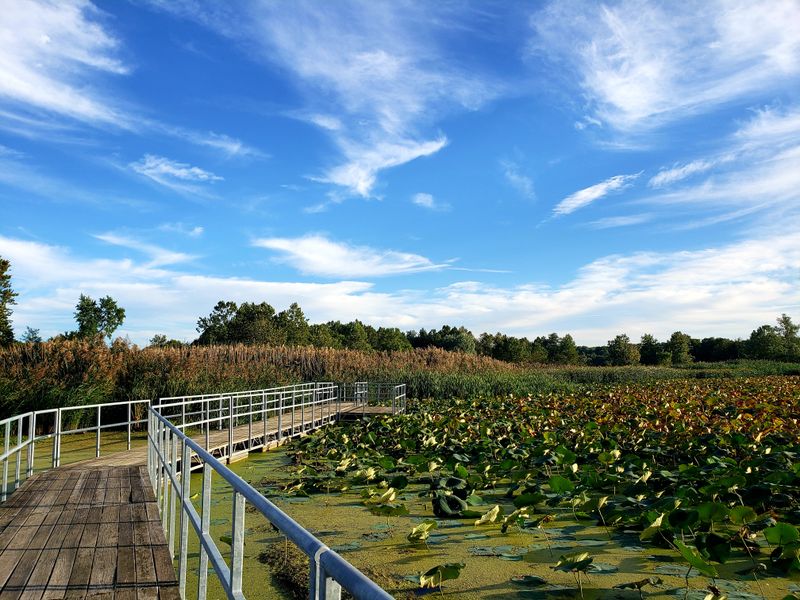
Within minutes, the boardwalk reveals itself, winding into a landscape that looks untouched by human hands despite being carefully maintained by dedicated volunteers.
Why This Boardwalk Feels So Peaceful
Silence has become a luxury in modern life, making places like this boardwalk increasingly valuable.
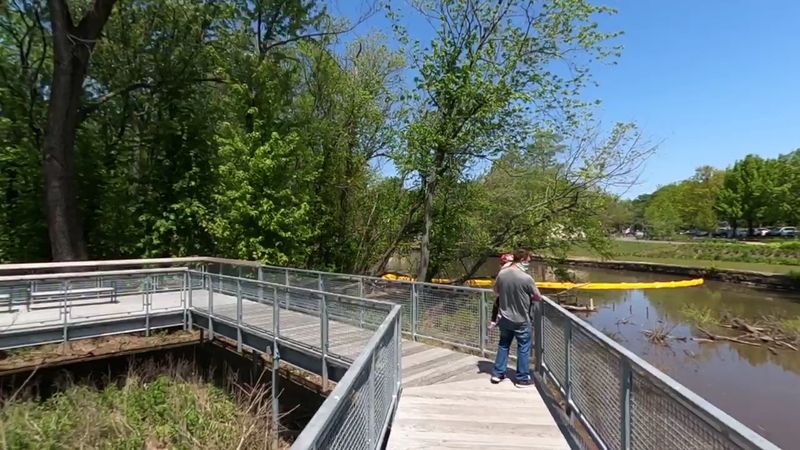
The elevated wooden pathway removes you from the rush of daily obligations and places you in an environment governed by natural rhythms.
Water laps gently against the marsh edges while wind rustles through cattails, creating a soundtrack that calms rather than overwhelms.
Part of the tranquility comes from thoughtful design.
The boardwalk keeps visitors on a defined path, preventing the erosion and disturbance that would result from unrestricted wandering.
This structure paradoxically creates more freedom, allowing you to focus entirely on observation rather than worrying about where to step next.
Reviews consistently mention the relaxing atmosphere, with one visitor noting how frogs and toads provided a singing backdrop to their stroll.
Another described bringing their toddler, who loved the loop despite its brevity.
The trail does not demand athletic prowess or extensive time commitment, making peace accessible to nearly everyone who seeks it.
A Trail Built To Protect Fragile Wetlands
Wetlands rank among the most threatened ecosystems in North America, with more than half destroyed since European settlement.
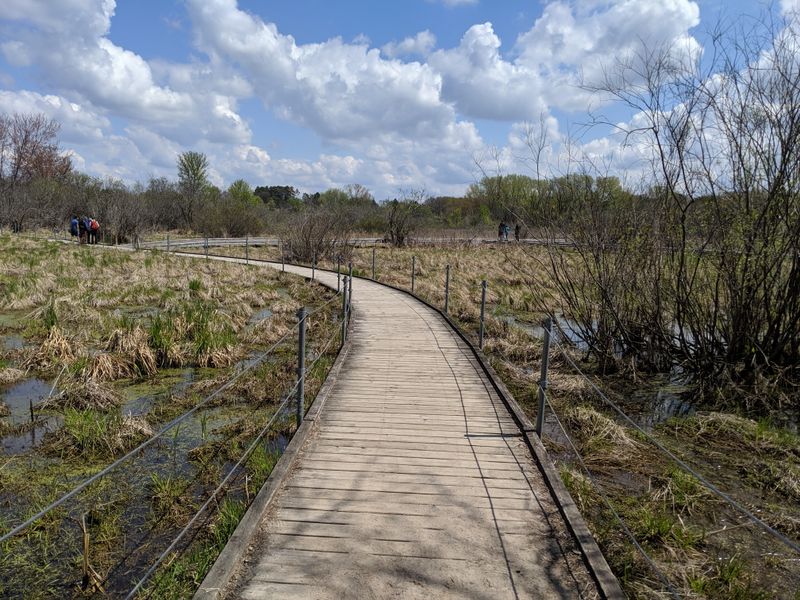
Building a boardwalk above the marsh at Harriet Alexander represents a practical solution to a common problem: how do you let people experience nature without loving it to death?
The elevated structure prevents soil compaction, protects plant roots, and keeps human activity from disrupting nesting sites.
Construction of such trails requires careful planning and ongoing maintenance.
Volunteers play a crucial role in keeping the boardwalk safe and functional, with multiple reviews praising their dedication.
These efforts ensure the wetland remains healthy while remaining accessible to the public.
Educational value accompanies the protection strategy.
Walking above the marsh gives visitors a perspective impossible from ground level, revealing patterns in vegetation and water flow.
Families often pick up scavenger hunts from the nature center, turning the boardwalk into an outdoor classroom where children learn ecological concepts through direct observation.
What Makes This Wetland Unique
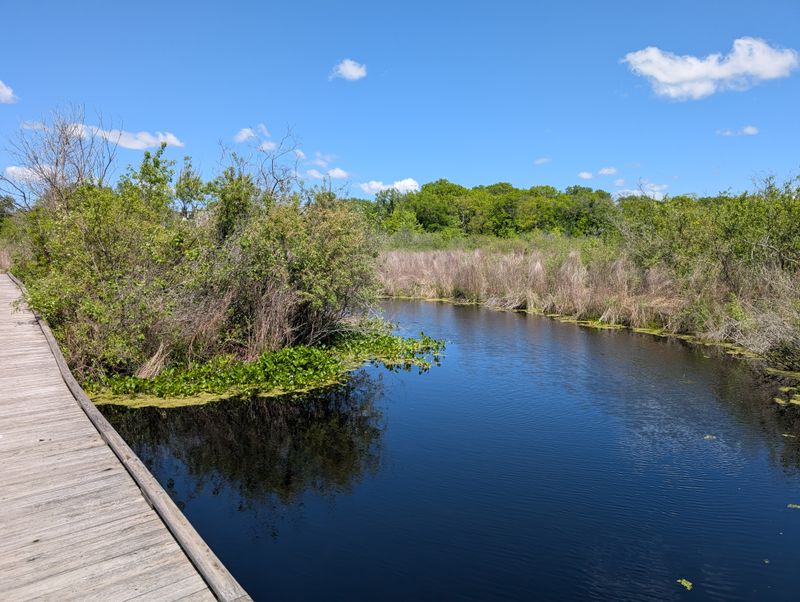
Not all wetlands function identically, and the Harriet Alexander preserve showcases characteristics specific to Minnesota’s climate and geography.
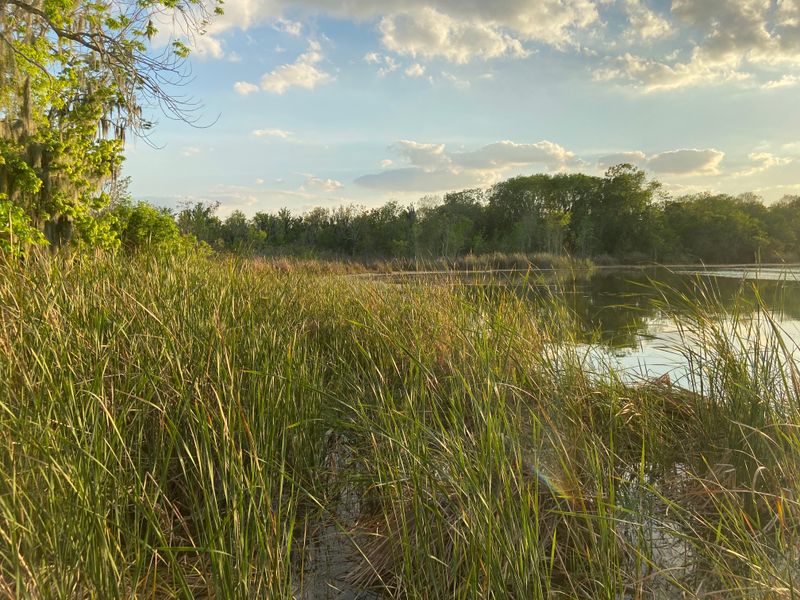
Cattails dominate the landscape, their brown seedheads swaying above the waterline in dense stands.
These plants serve as ecosystem engineers, stabilizing sediment and providing habitat for countless insects, birds, and amphibians.
The wetland also features elements of prairie and woodland, creating habitat diversity within a relatively compact area.
This variety explains why birdwatchers find the location so rewarding, with species ranging from common mallards to the elusive Green Heron that one visitor finally spotted after years of searching.
The Minnesota Herpetological Society even holds monthly meetings here, drawn by the abundance of reptiles and amphibians.
Water levels fluctuate with rainfall and snowmelt, meaning the wetland looks different from week to week.
Spring runoff can submerge areas that dry to mudflats by late summer.
This dynamism creates constantly changing conditions that support different species throughout the year.
A Short Walk That Encourages Slowing Down
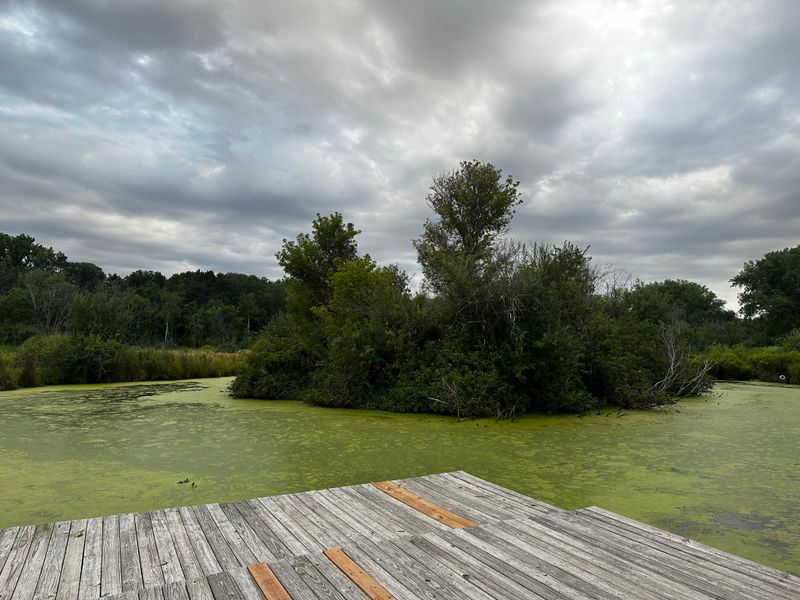
Modern hiking culture often celebrates distance and difficulty, measuring success in miles conquered and elevation gained.
The Harriet Alexander boardwalk offers a different philosophy entirely.
The loop measures short enough that visitors describe completing it with young children in tow, yet long enough to provide genuine immersion in the wetland environment.
Length becomes irrelevant when the goal shifts from exercise to observation.
One reviewer mentioned easily spending two hours between the indoor nature center and outdoor trails, proving that engagement matters more than distance.
The compact size actually works in the trail’s favor, creating an approachable experience that does not intimidate families or those with limited mobility.
For visitors seeking more extensive walking, the boardwalk connects to a larger network of paths including the nearby Arboretum and Central Park.
One ambitious explorer logged five miles by combining all the connected trails.
But the wetland boardwalk stands perfectly well on its own, offering a complete experience without requiring athletic commitment or extensive planning.
Wildlife You’re Likely To See Along The Boardwalk
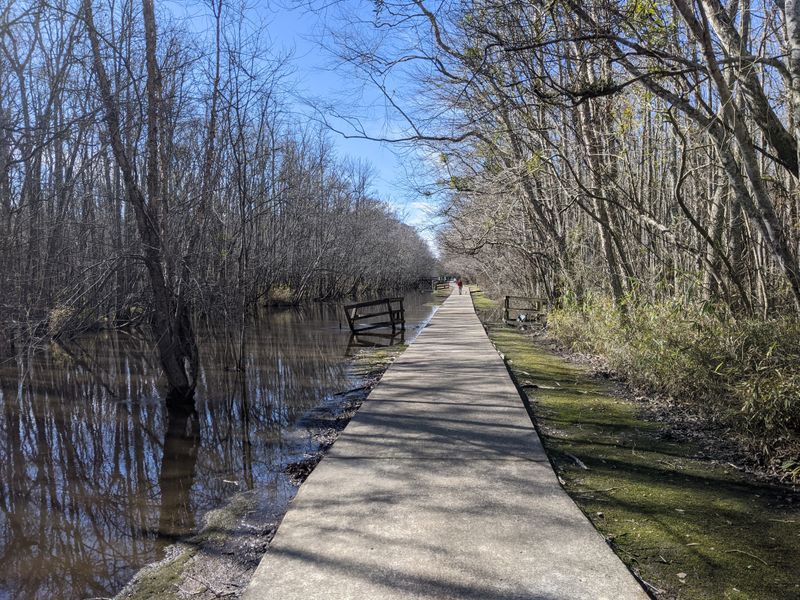
Wetlands function as wildlife magnets, concentrating animals in ways that make observation relatively easy.
Ducks paddle through open water while turtles bask on logs, and both appear regularly in visitor accounts.
The nature center itself houses some permanent residents, including turtles and snakes that help educate visitors about local species.
Amphibians dominate the soundscape, particularly during spring and early summer when frogs and toads chorus loudly.
Multiple reviews mention this vocal backdrop, which some find delightful and others might consider overwhelming depending on personal taste.
Bird diversity impresses serious watchers, with species ranging from common cardinals to specialized marsh dwellers like herons.
Timing affects what you might encounter.
Early morning and evening hours see increased animal activity as creatures take advantage of cooler temperatures and reduced human traffic.
Patient observers often spot wildlife that hurried walkers miss entirely.
The boardwalk’s design helps by keeping you still and quiet above the marsh, allowing animals to go about their business undisturbed by footsteps squelching through mud.
How The Wetland Changes With The Seasons
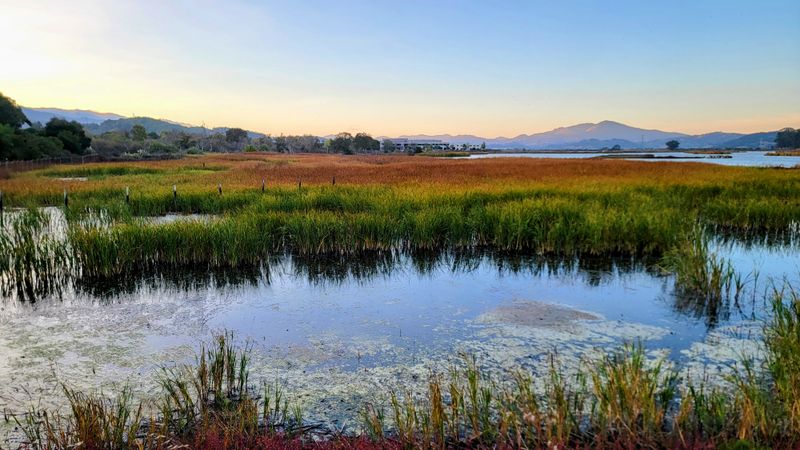
Visiting the same trail repeatedly reveals patterns invisible during a single walk.
Spring transforms the boardwalk into a corridor of green growth and amphibian music as plants emerge and animals breed.
Water levels peak with snowmelt, sometimes flooding areas that later dry completely.
This seasonal pulse drives the entire ecosystem.
Summer brings dense vegetation that can obscure sightlines but provides crucial nesting cover for birds.
Dragonflies patrol the boardwalk in impressive numbers, hunting smaller insects with aerial precision.
One visitor specifically mentioned seeing the first snow of the season during their walk, suggesting that winter visits offer their own stark beauty.
Fall introduces color as marsh grasses turn golden and cattails release their fluffy seeds.
The annual Wild Rice Festival celebrates this harvest season, connecting cultural traditions to the wetland’s productivity.
Winter might seem like a dormant period, but dedicated visitors find beauty in the simplified landscape where ice patterns and animal tracks tell stories that summer’s abundance conceals.
Why This Area Matters For Conservation
Preserving small urban wetlands might seem insignificant compared to protecting vast wilderness areas, but these fragments serve crucial functions.
They act as stepping stones for migrating birds, provide genetic reservoirs for native plants, and offer educational opportunities for urban populations disconnected from natural systems.
Harriet Alexander demonstrates that conservation works at every scale.
The site also functions as a Wildlife Rehabilitation Center, treating injured animals that community members bring in.
Reviews mention people delivering wounded cardinals and other creatures, with staff working seven days a week to provide care.
This combination of habitat preservation and active rescue creates a comprehensive conservation approach.
Education amplifies the preserve’s impact beyond its physical boundaries.
Children who explore the boardwalk and attend nature programs develop environmental awareness that influences their choices for decades.
Adults rediscover connections to the natural world that modern life often severs.
By making conservation tangible and accessible, the wetland creates advocates who support broader environmental protection efforts.
A Perfect Place For Quiet Reflection
Spiritual traditions across cultures recognize the restorative power of natural settings, and modern research confirms what contemplatives have always known: time in nature reduces stress and improves mental health.
The boardwalk provides an ideal setting for this kind of restoration.
Its short length removes pressure to perform athletically, while the wetland environment offers enough sensory interest to anchor wandering thoughts.
Solitude comes more easily here than at busier parks.
Multiple visitors comment on the low traffic, creating opportunities for genuine quiet that busy urban parks cannot match.
The nature center operates on limited hours, closed Mondays and opening at 10 AM other days, which means the outdoor trails see periods of near-total solitude.
Some people walk for exercise, others for wildlife observation, but many come simply to think.
The boardwalk accommodates all these purposes without favoring one over another.
Whether you need to process difficult emotions, make important decisions, or simply escape noise for thirty minutes, the wetland offers space for that work.
The Best Time Of Day To Visit
Wildlife activity peaks during dawn and dusk, making early morning the prime time for serious observers.
Birds feed actively after a night of fasting, and mammals feel safer moving in low light.
Summer mornings also offer the advantage of cooler temperatures before Minnesota’s heat and humidity build to uncomfortable levels.
Late afternoon provides another excellent window, particularly during summer when evening light turns golden and animals emerge to feed before nightfall.
The nature center closes at 4 PM on weekdays and Sundays at 4 PM as well, so plan accordingly if you want to combine the boardwalk with indoor exhibits.
Saturday hours extend until 4 PM, offering flexibility for weekend visitors.
Midday visits work perfectly well for those whose schedules demand it.
The boardwalk sees less wildlife activity during peak sun hours, but you will likely encounter fewer other visitors, creating that solitude many seek.
Weather matters more than clock time in many ways, with overcast days often producing better wildlife viewing than harsh sunny conditions regardless of the hour.
Why This Boardwalk Leaves A Lasting Impression
Memorable places often surprise us by exceeding low expectations or delivering something unexpected.
Harriet Alexander accomplishes both by hiding genuine wilderness in an unlikely suburban location.
Visitors consistently express pleasant shock that such an environment exists minutes from busy streets and shopping centers.
The boardwalk also impresses through its accessibility and lack of pretension.
No entrance fees, no parking charges, no requirement for specialized equipment or advanced fitness.
This democratic approach to nature means families on tight budgets can access the same experience as affluent visitors.
Children especially benefit from this accessibility, developing relationships with nature during formative years.
Perhaps most importantly, the wetland demonstrates that conservation and human use can coexist when thoughtfully managed.
The boardwalk protects the marsh while allowing people to experience it, proving that we need not choose between preservation and access.
This model offers hope for urban areas everywhere struggling to balance development pressure with environmental protection.
Walking these wooden planks plants seeds of possibility that continue growing long after the visit ends.