
This Missouri Lake Has Over 1,000 Miles Of Shoreline And Scenery Around Every Bend
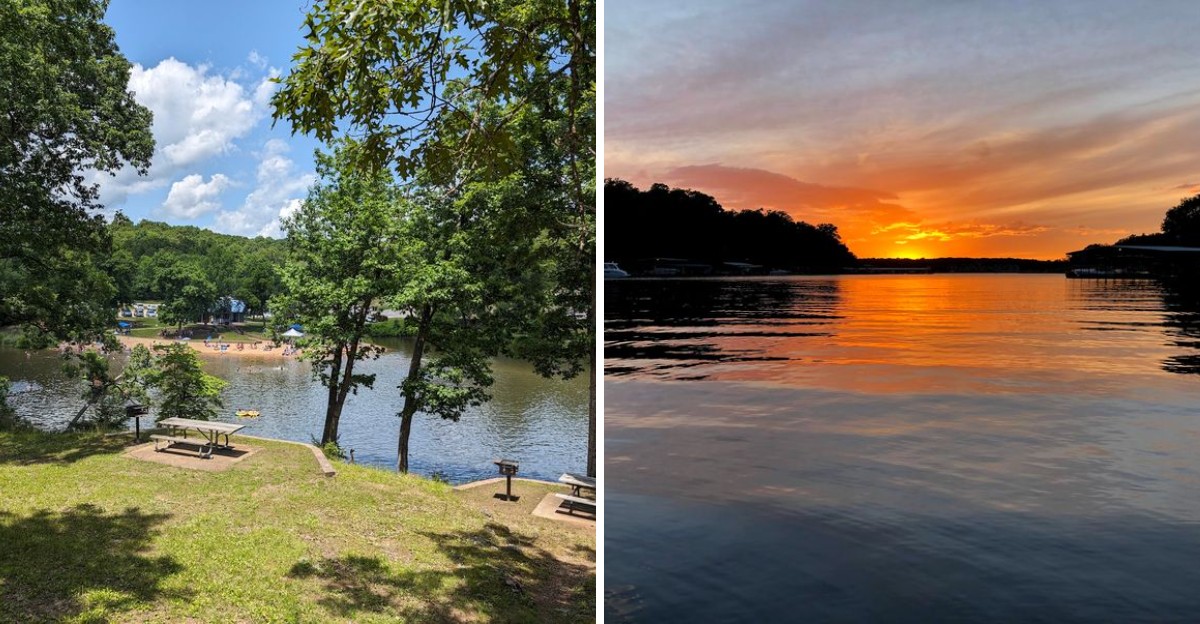
It is hard to believe one lake can seem almost endless until you start following its shoreline. In Missouri, one massive body of water stretches for more than 1,000 miles, giving boaters, road trippers, and weekend wanderers a new view around nearly every bend.
Along the water, quiet coves break up the larger stretches, wooded hills rise beyond the shore, and scenic pull-offs make it surprisingly easy to lose track of time. The state has plenty of beautiful lakes, but this one feels big enough to keep surprising you long after you think you have seen the best part.
Missouri may be known for its small towns and rolling countryside, yet this lake shows off a completely different side of the state. Bring a camera, leave room for detours, and expect the scenery to keep changing before the day is done.
A Shoreline Longer Than California’s Coast
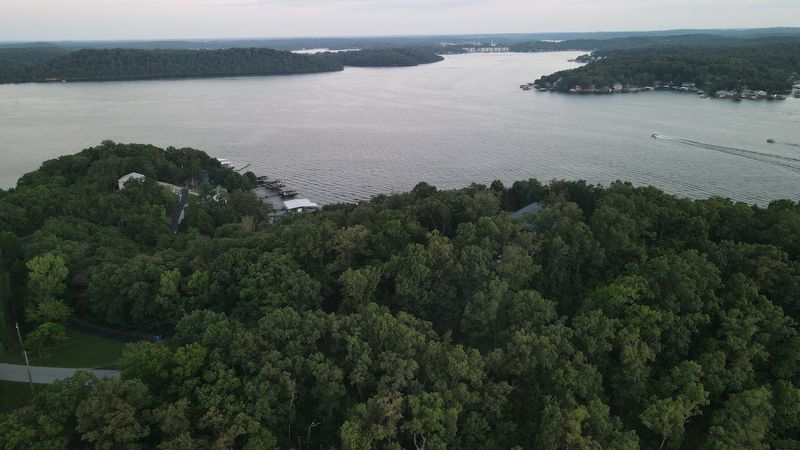
Here is a number that stops people mid-sentence. Lake of the Ozarks carries roughly 1,150 miles of shoreline, more than the coast of California.
The shape explains everything. Water fills the old bends of the Osage River, creating a serpentine outline with hundreds of side coves.
Boaters use mile markers instead of street signs. The main channel runs about 92 miles, and each marker helps friends find each other on the water.
All that curving edge means privacy is possible. You can motor past busy stretches and find a quiet inlet with nothing but trees and birdsong.
The reservoir sits in central Missouri, spreading across Camden, Miller, Morgan, and Benton counties. Highways 54 and 5 carry most travelers toward the water.
Bagnell Dam created the lake back in 1931. It was one of the largest man-made lakes in the world at the time.
Scenery shifts constantly as you travel. Rocky bluffs give way to gentle wooded slopes, then open into wide bays.
Bring a map or a marine app. The twists are beautiful, but they can confuse first-timers.
Bagnell Dam And The Story Behind The Water
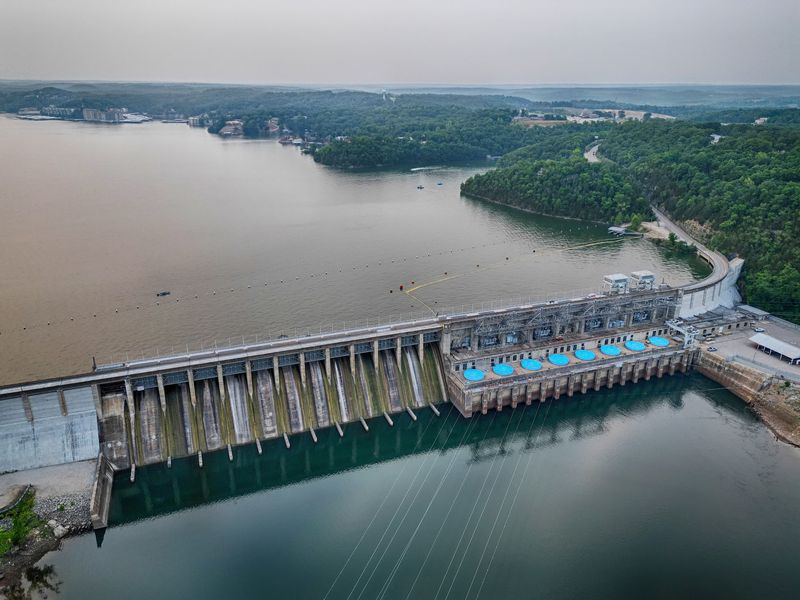
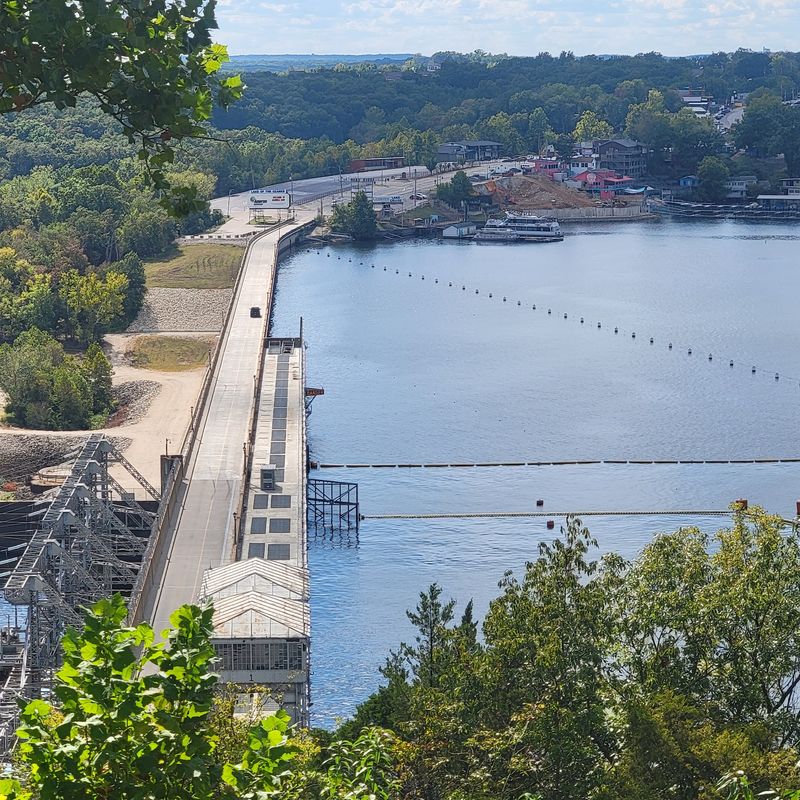
Every great lake needs an origin story, and this one starts with concrete. Bagnell Dam was completed in 1931 after two years of construction on the Osage River.
Workers arrived by the thousands during hard economic times. The project gave jobs to many and reshaped the region forever.
The dam stands about 148 feet tall and stretches roughly 2,543 feet across. Its hydroelectric plant still generates power today.
Behind it sits a reservoir holding well over a trillion gallons at normal levels. That is a lot of water for skiing and swimming.
The Bagnell Dam Strip in Lake Ozark runs right up to the structure. Shops, arcades, and eateries line the old road.
Car shows roll through the Strip during warmer months. Chrome, classic paint, and lake views make a fun combination.
Overlooks near the dam offer wide photo angles. Morning light is softer and the parking is easier.
Understanding the dam changes how you see the lake. What looks natural is actually engineering, forest, and time working together.
Ha Ha Tonka State Park And Its Castle Ruins
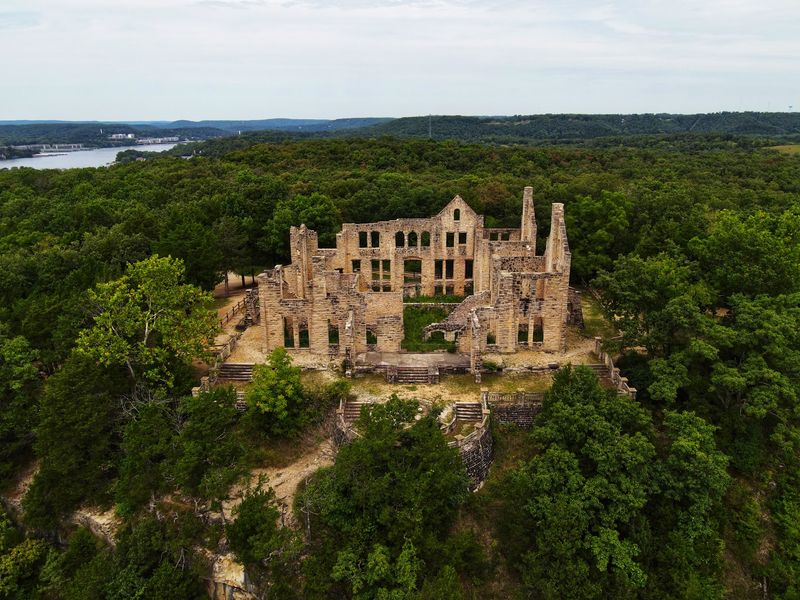
Stone walls on a bluff, roofless and weathered, watching the water below. Ha Ha Tonka State Park holds the ruins of a European-style mansion built in the early 1900s.
Fire destroyed the building in 1942. The limestone shell remained, and today it is one of the most photographed sights in the area.
The park covers around 3,700 acres near Camdenton. Its address is 1491 State Road D, Camdenton, MO 65020.
Geology steals the show here. Sinkholes, natural bridges, caves, and a huge spring form a textbook karst landscape.
The natural bridge rises about 60 feet high and spans roughly 70 feet. Boardwalks and stairs make it reachable for most people.
More than 15 miles of trails wander through glades and woodlands. Spring wildflowers and October color are especially rewarding.
Wear real shoes. Some stairways are long, and the bluff paths get steep.
Bring water and a camera with a wide lens. The castle overlook frames the lake beautifully in late afternoon light.
Boating Culture On The Main Channel
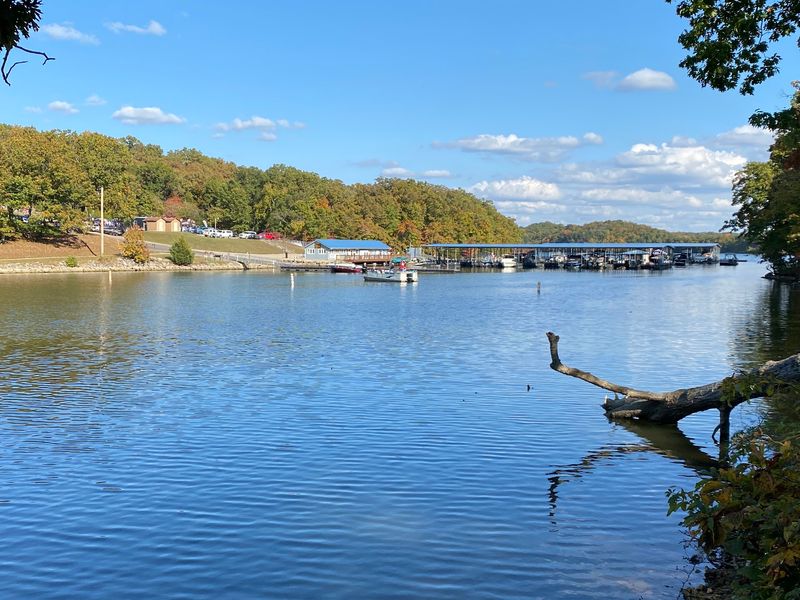
Ask anyone what the lake is famous for and boats top the list. The main channel becomes a floating highway once warm weather arrives.
Pontoons, ski boats, and sleek cruisers share the water. Rentals are widely available around the busier arms of the reservoir.
Mile markers organize everything. Directions here sound like coordinates, with people naming a marker and a cove instead of a street.
Waterfront eateries welcome boaters at their docks. You can tie up, eat lunch, and be back on the water quickly.
Weekdays feel calmer than weekends. Holiday stretches draw the biggest crowds and the choppiest conditions.
Wakes bounce off bluffs and return, so newer boaters should stay alert. Early mornings usually offer the smoothest surface.
Life jackets are required for children under seven on most vessels in this part of the state. Check current rules before launching.
Side coves reward patience. Cut the engine, drift a little, and the noise of the main channel disappears completely.
Underground Wonders At Bridal Cave
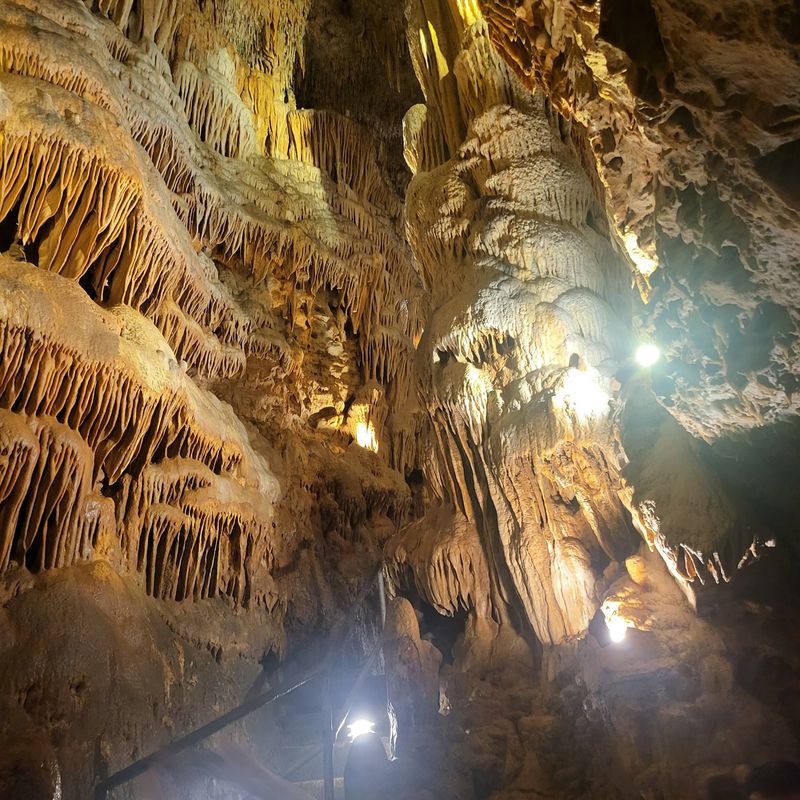
The scenery does not stop at the waterline. Beneath the hills sit some of the most decorated caverns in the Midwest.
Bridal Cave near Camdenton is the best known. Its address is 526 Bridal Cave Road, Camdenton, MO 65020.
Guided walking tours pass through chambers full of stalactites, columns, and delicate soda straws. The temperature stays around 60 degrees all year.
The name is not marketing. Thousands of weddings have taken place inside the cave since the 1940s.
Nearby Thunder Mountain Park adds trails and overlooks above the cave. Views stretch across the Big Niangua arm of the lake.
Ozark Caverns, inside Lake of the Ozarks State Park, offers a different feel. Lantern tours there highlight the Angel Showers formation.
Bring a light jacket even in July. Cave air feels chilly after an afternoon in the sun.
Paths can be damp, so wear shoes with grip. Photography is usually allowed, though tripods may be limited.
Missouri’s Largest State Park Sprawls Along The Water
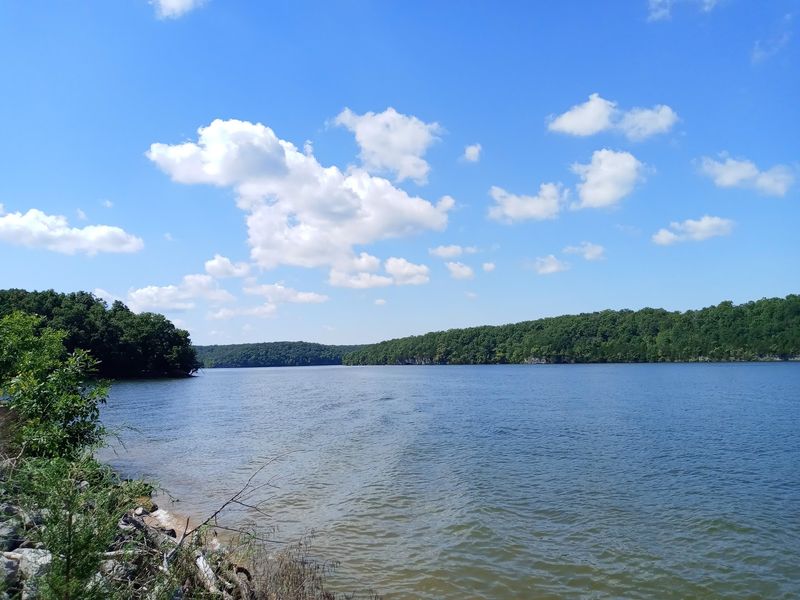
Bigger is not always better, but here it certainly helps. Lake of the Ozarks State Park spans roughly 17,441 acres, the largest in the state park system.
The main entrance area sits at 403 State Road 134, Kaiser, MO 65047. Signs guide you off Highway 42.
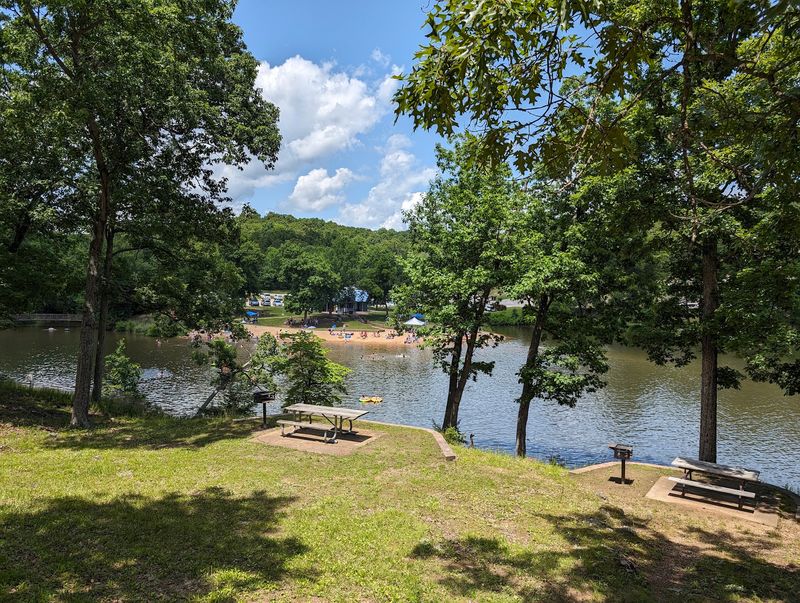
Two public swimming beaches make cooling off easy. Sandy edges and shallow entries suit families well.
Trails total more than 20 miles across varied terrain. Some loops are short strolls, others climb through dry glades.
Camping options range from basic sites to full hookups. Reservations fill quickly for summer weekends.
Boat ramps and a marina serve paddlers and motorboats alike. Kayak rentals help newcomers explore quiet coves safely.
Wildlife sightings are common at dawn and dusk. Deer, turkeys, herons, and turtles all make appearances.
The park also hosts guided cave tours and naturalist programs. Checking the seasonal schedule before arriving is smart planning.
Pack insect repellent for summer hikes. Shaded trails feel wonderful but attract plenty of bugs.
Fishing Spots Hidden In Quiet Coves
Anglers have a saying about this reservoir: the fish live under the docks. With thousands of private docks, that means endless structure to work.
Largemouth bass draw the most attention. Crappie, catfish, bluegill, and white bass round out the catch.
Spring pushes fish shallow into the backs of coves. Summer sends them deeper and closer to shade.
Night fishing gains popularity when boat traffic thins. Lighted docks attract baitfish, and predators follow.
A Missouri fishing permit is required for most adults. Permits are sold online and at many shops around the water.
Tournaments run through much of the year. Even watching a weigh-in teaches you where the bite has been.
The Niangua, Gravois, and Grand Glaize arms each fish differently. Wind direction often decides which one to try.
Bring polarized sunglasses. Spotting brush piles and drop-offs becomes far easier with them.
Patience pays here more than fancy gear. Work a cove slowly and the water usually rewards you.
Scenic Drives That Curve With The Hills
Motorcyclists talk about these roads the way surfers talk about waves. The pavement bends, climbs, and drops with the Ozark terrain.
Highway 5 between Camdenton and Versailles offers steady curves. Highway 42 links Kaiser with quieter countryside.
State Road W and State Road A twist toward remote arms of the lake. Fewer cars mean easier stops for photos.
Autumn transforms the whole route. Oaks and hickories turn gold and rust across the ridgelines.
Bridges provide sudden reveals. The Community Bridge near Lake Ozark and the Niangua crossing both frame long water views.
Drive with care because sight lines shorten quickly. Deer step out near dawn and dusk, especially in fall.
Fuel stops can be spread out. Filling the tank before a long loop saves worry later.
Small towns like Laurie, Gravois Mills, and Sunrise Beach make good pauses. Each has its own rhythm and shops.
Set aside a full afternoon. Rushing these roads misses the entire point.
Sunsets That Reflect Off Every Cove
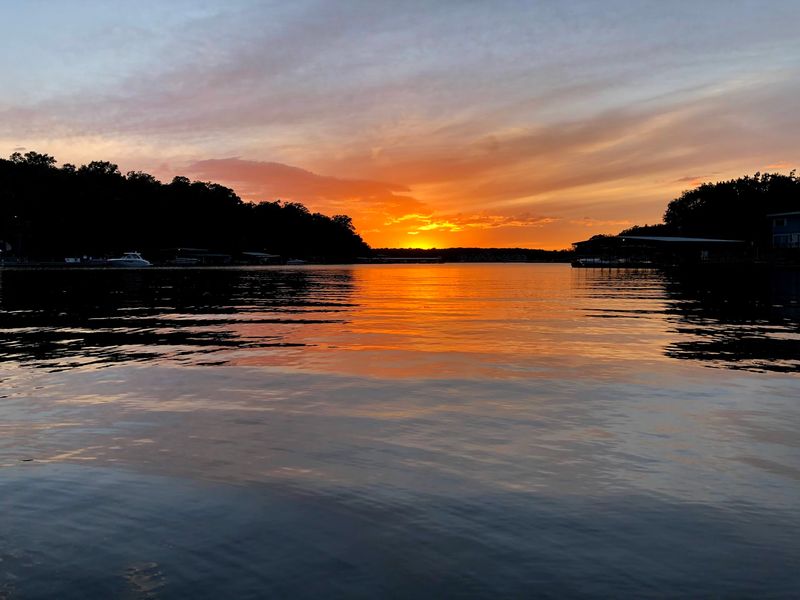
Photographers set alarms for sunrise, but here they set them for sunset instead. Because the water twists in so many directions, glowing reflections appear almost everywhere.
West-facing coves catch the strongest color. Docks and open bays near Sunrise Beach and Osage Beach work well.
Calm evenings turn the surface into a mirror. Bluffs and trees double themselves in the water.
Boaters often anchor and simply watch. Engines go quiet and the whole lake seems to exhale.
Cooler months bring sharper skies. Clear winter air produces bright pinks and deep oranges.
Summer haze softens everything into pastel tones. Both versions are worth the wait.
Waterfront decks make easy viewing spots for people without boats. Public parks along the shoreline also offer open horizons.
Arrive about 30 minutes early. The best color often shows after the sun dips below the ridge.
Bring a light layer for evening breezes. Temperatures drop faster over water than on land.
Four Seasons, Four Very Different Lakes
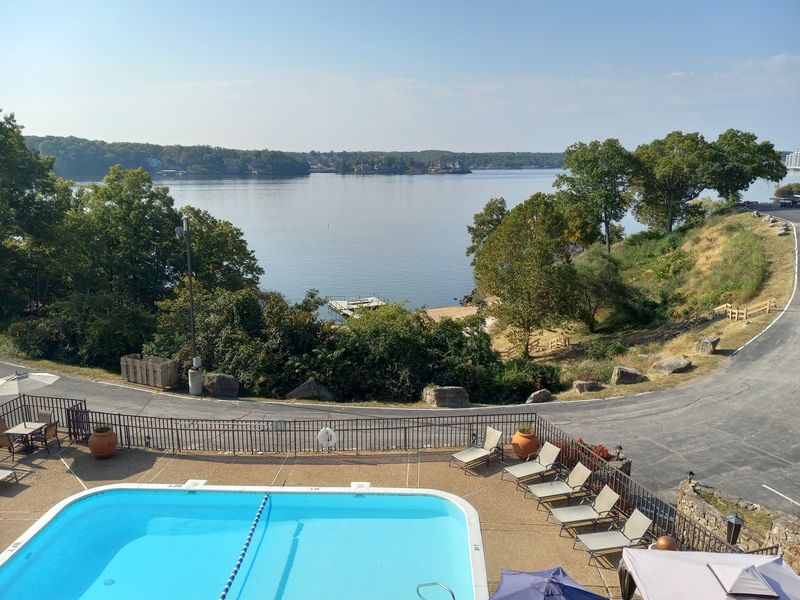
Regulars will tell you the reservoir changes personality with the calendar. Summer buzzes, autumn glows, winter hushes, and spring wakes everything up.
Warm months bring the biggest energy. Boats, beaches, and lakeside dining fill the days from Memorial Day through Labor Day.
September and October may be the sweet spot. Water stays swimmable while crowds thin and foliage ignites the bluffs.
Winter turns the shoreline quiet and open. Bald eagles gather near the dam and along open water.
Some shops and eateries reduce hours in the cold season. Calling ahead prevents disappointment.
Spring brings redbuds, dogwoods, and rising fish activity. Trails smell like damp earth and new leaves.
Lodging prices usually soften outside peak weeks. Cabins and resorts become easier to book.
Whatever month you choose, Lake of the Ozarks offers a different view of the same water. That variety keeps people returning for decades.
Plan around your priority, whether that is quiet, color, or fast boats. The lake will meet you halfway.