
This Montana National Forest Has Trails So Remote You May Not See Another Hiker All Day
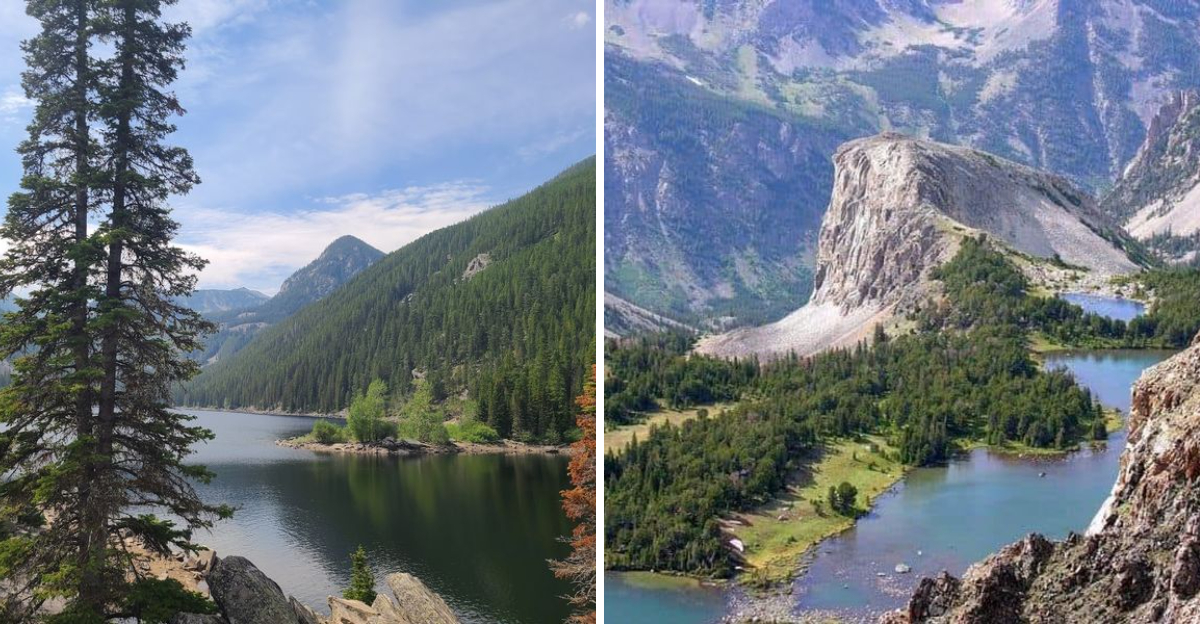
How far would you hike for a full day of silence? In this vast corner of Montana, the trails stretch so deep into the wilderness that another person can feel like a rare sight.
That kind of solitude is hard to find in any state. Here, the noise fades quickly, cell service disappears, and the only company may be a distant elk or the sound of water moving through the trees.
Some routes climb toward alpine lakes. Others cross rugged ridges where the views seem to keep expanding. None of them feel rushed or crowded. Montana has famous outdoor destinations, but this state still holds places where the trail belongs almost entirely to you.
Pack carefully, tell someone your route, and prepare for serious distance. By the end of the day, you may realize that not seeing another hiker was the best part of the entire trip.
Three Million Acres Make Solitude Surprisingly Easy To Find
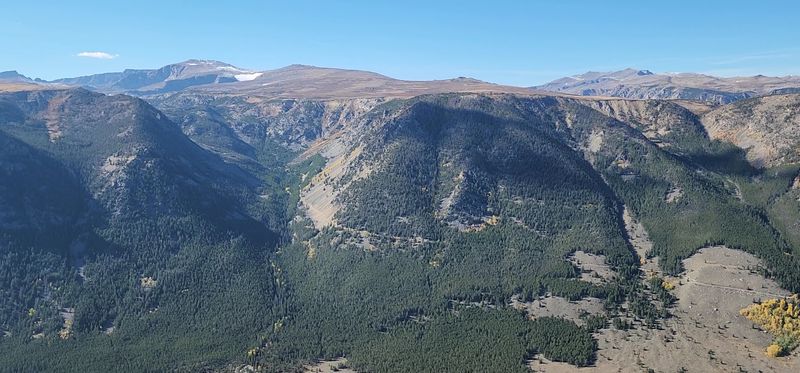
When you consider that the Custer Gallatin National Forest blankets more than three million acres, the idea of finding a quiet corner doesn’t seem like such a tall order, does it? This incredible expanse, largely located in south-central Montana, truly allows visitors to spread out and discover their own slice of peace.
The sheer scale of this Montana wilderness means that even during peak seasons, stepping onto a lesser-known trail can quickly transport you into a world where human footsteps are rare. While some popular spots might see their share of visitors, countless miles of forest and mountain beckon with the promise of undisturbed tranquility.
Whether you’re seeking a short stroll or a multi-day trek, the immensity of the Custer Gallatin ensures that a profound sense of solitude is often just a few steps away from the trailhead. It’s here that the wild spirit of Montana truly reveals itself, allowing for reflection and a deep connection with nature.
Some Trails Stretch For Miles Before You Meet Another Person
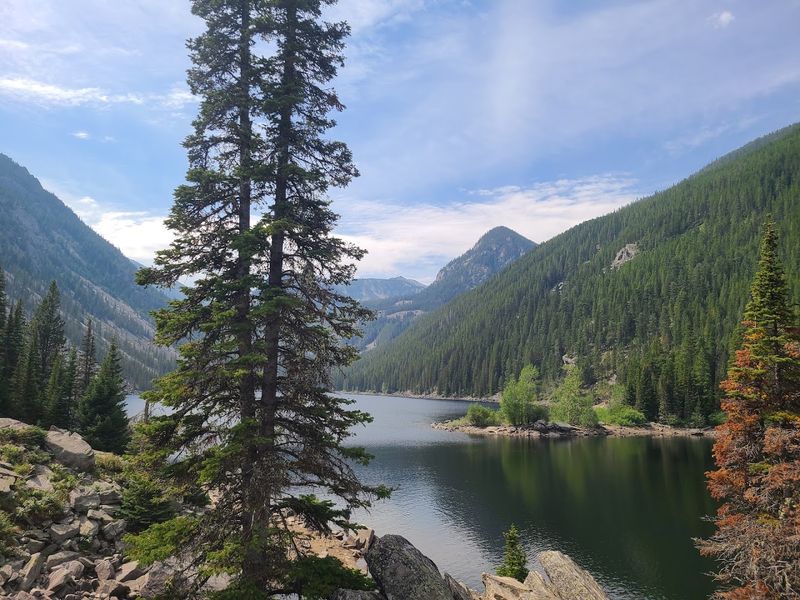
Venturing deep into the Custer Gallatin National Forest on a remote trail often means leaving other hikers far behind, sometimes for an entire day. With over 2,200 miles of hiking trails crisscrossing its diverse landscapes, this Montana gem offers endless opportunities to get lost, metaphorically speaking, in its breathtaking beauty.
While certain popular trailheads near more developed areas might see a rush, particularly on summer weekends, a little research reveals a network of paths where encounters are rare. Trails within the Absaroka-Beartooth Wilderness, such as the Lake Fork Trail system, extend for miles into the backcountry, winding through dense forests and climbing steep mountains.
These routes are ideal for those seeking a truly immersive experience, where the only company you’re likely to keep is the local wildlife. The experience offers a chance to fully embrace the quiet rhythm of the wilderness, pushing your limits while reveling in the silence that only such remote areas can provide.
The Absaroka Beartooth Wilderness Feels Almost Completely Untamed
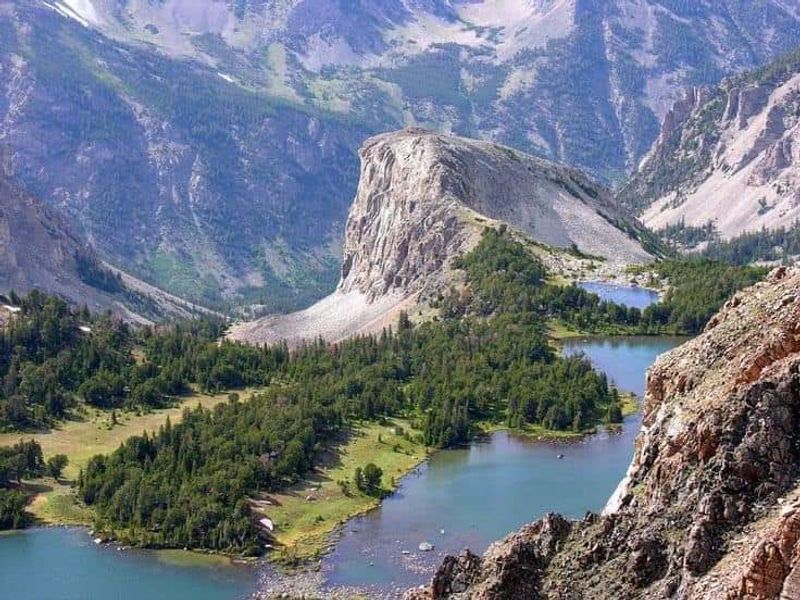
Nestled within the Custer Gallatin National Forest, the Absaroka-Beartooth Wilderness is a true testament to Montana’s wild heart, an enormous and rugged expanse that feels almost completely untamed. This majestic wilderness spans over 900,000 acres, boasting a dramatic landscape shaped by ancient forces.
Here, you’ll find the granitic plateaus of the Beartooth Mountains, starkly beautiful with their bald rocks and delicate tundra, often speckled with lingering snow even in summer. To the west, the volcanic Absaroka Range presents a different character, with dark, craggy peaks and deeply forested valleys.
The area is dotted with hundreds of pristine alpine lakes, some estimates suggesting as many as 950, tucked high into glacial cirques. This geological wonderland, home to Montana’s highest point, Granite Peak at 12,799 feet, provides a raw and powerful encounter with nature that is both humbling and awe-inspiring.
The Beaten Path Earns Its Name Without Feeling Crowded
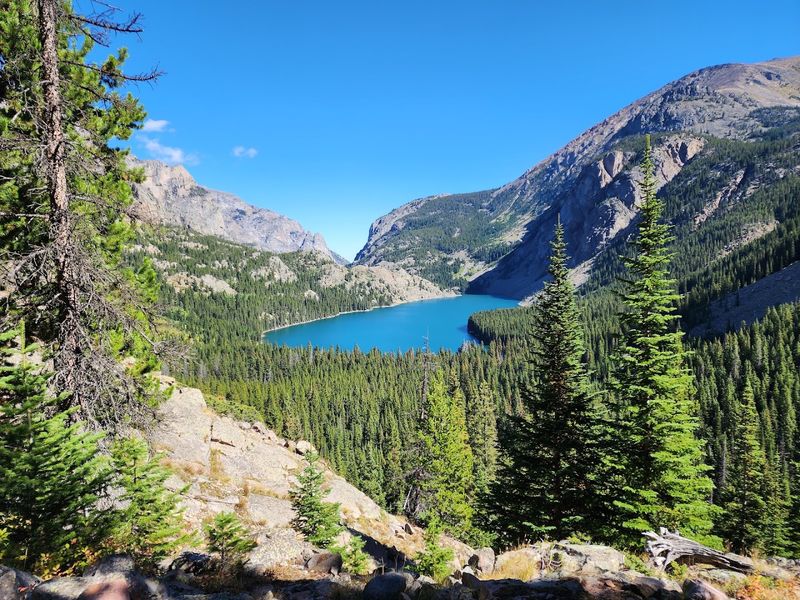
The Beaten Path might sound like a well-trodden route, but this 26-mile point-to-point hike through Montana’s Absaroka-Beartooth Wilderness defies its name by offering surprising stretches of solitude. It’s a popular choice for backpackers, yet the logistical challenge of its point-to-point nature, often requiring a car shuttle between the remote East Rosebud and Clarks Fork trailheads, naturally filters out the casual day-hiker crowd.
As you traverse this stunning trail, you’re treated to an ever-changing panorama of cascading waterfalls, glistening alpine lakes, and dramatic granite peaks. The path itself is generally well-maintained, but don’t let that fool you into thinking it’s an easy stroll.
Even at popular camping spots like Fossil Lake or Rainbow Lake, the sheer expanse of the wilderness allows for a sense of personal space. It’s a trail that promises epic views and genuine backcountry quiet, making the effort to get there truly worthwhile.
Alpine Lakes Appear Far Beyond The Last Easy Turnaround
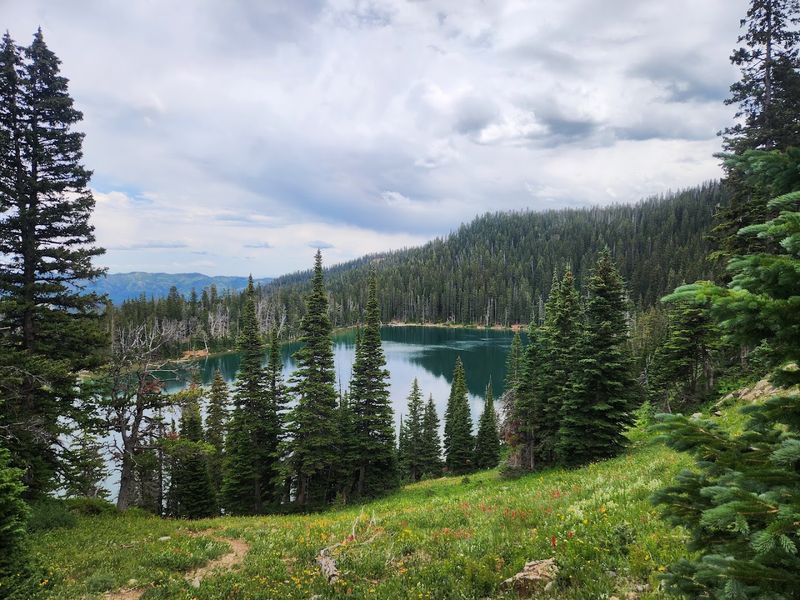
Deep within the rugged embrace of the Custer Gallatin National Forest, alpine lakes shimmer like jewels, often revealing themselves only after a significant trek beyond the last easy turnaround. Many of these pristine bodies of water, particularly the estimated 950 alpine lakes scattered throughout the Absaroka-Beartooth Wilderness, reward hikers with breathtaking beauty and profound solitude.
Imagine the satisfaction of reaching the shores of Mystic Lake or the serene Emerald and Heather Lakes, nestled amidst towering peaks, after navigating miles of winding trails. These aren’t lakes you simply drive up to.
They are destinations earned through effort, offering a genuine backcountry experience in Montana.
The journey often involves ascents through subalpine forests and meadows, where the air grows crisp and the views become ever more expansive, culminating in the serene sight of a high-elevation lake mirroring the vast Montana sky.
Razor Ridges And Glacial Peaks Replace Roads In The Lee Metcalf Wilderness
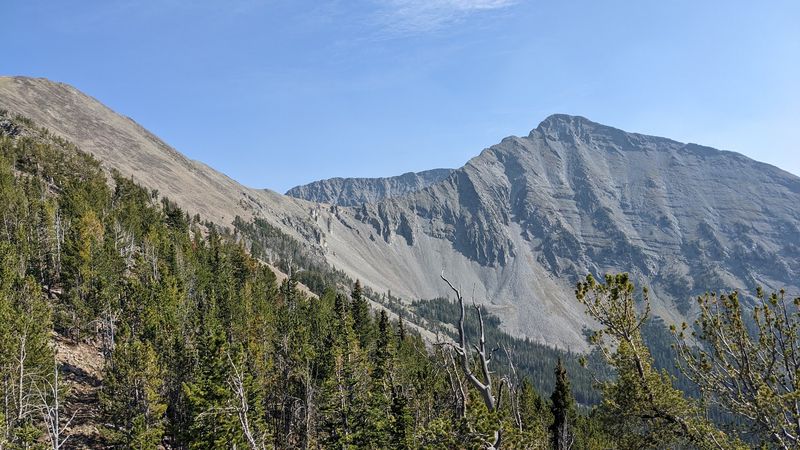
In the Lee Metcalf Wilderness, part of the larger Custer Gallatin National Forest in southwest Montana, the landscape dramatically transforms, replacing any semblance of roads with a majestic world of razor-like ridges and glacially carved peaks. This wilderness area, divided into four distinct units within the Madison Range, boasts some of Montana’s most rugged and high-elevation terrain.
Peaks such as Hilgard Peak, soaring to 11,316 feet, dominate the skyline, a testament to the powerful forces of ancient glaciers that sculpted U-shaped valleys, dramatic cirques, and sharp, knife-like ridges. Within its approximately 242,000 acres, you’ll find an astonishing 25 peaks rising above 10,000 feet.
The Bear Trap Canyon unit, notably the nation’s first BLM Wilderness, features wild canyon country along the Madison River. With 300 miles of trails and 28 trailheads, this Montana wilderness invites you to explore a world where the wild reigns supreme.
Grizzlies Moose And Bighorn Sheep Share These Remote Trails
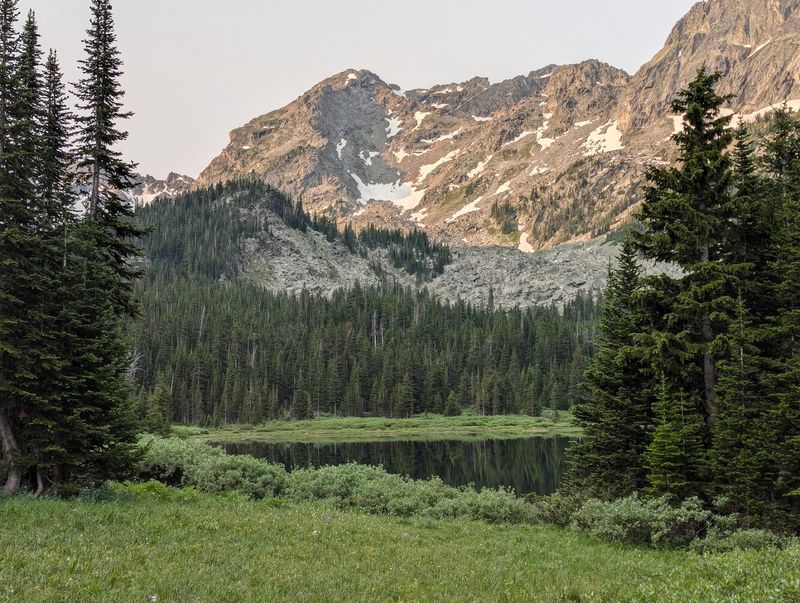
When you venture onto the remote trails of the Custer Gallatin National Forest, you’re not just entering a scenic landscape. You’re stepping into the home of an incredible array of wildlife.
This part of Montana is a critical habitat for iconic species, and encounters are a distinct possibility, making every hike an adventure in observation.
Grizzlies and black bears roam these woods, necessitating strict bear awareness and food storage protocols to ensure safety for both humans and wildlife. Imagine the thrill of spotting a majestic moose silently browsing in a willow thicket or catching a glimpse of a bighorn sheep gracefully navigating steep cliffs.
Elk, mountain goats, deer, and even elusive predators like cougars and wolves also call this diverse ecosystem home. The Absaroka and Beartooth ranges are known for their abundant wildlife populations, offering unparalleled opportunities for viewing these magnificent creatures in their natural Montana environment.
Eastern Montana Holds Motor Free Country With No Developed Paths
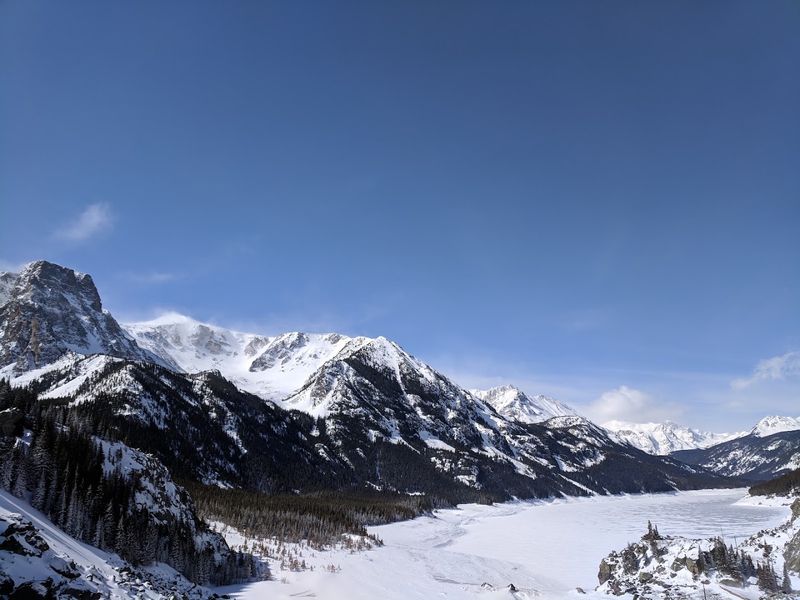
Shifting to the eastern stretches of the Custer Gallatin National Forest reveals a different, yet equally wild, side of Montana. The Sioux Ranger District, located in the southeastern corner of Montana and extending into South Dakota, offers expansive motor-free country where traditional developed paths are largely absent.
Instead of marked trails, hikers are invited to explore open ridges, which provide spectacular panoramic views across the rolling grasslands and islands of green. These are the ponderosa pine hills and mesas that rise above the prairie.
This region offers a unique sense of raw, undeveloped wilderness, far removed from the more mountainous terrain to the west.
For those seeking true solitude and a path less traveled, the Chalk Buttes Land Unit within this district is particularly known for its remote and undeveloped character. It’s a landscape where your own footsteps define the trail, offering a profound connection to Eastern Montana’s untamed beauty.
Backcountry Campsites Trade Convenience For Complete Quiet
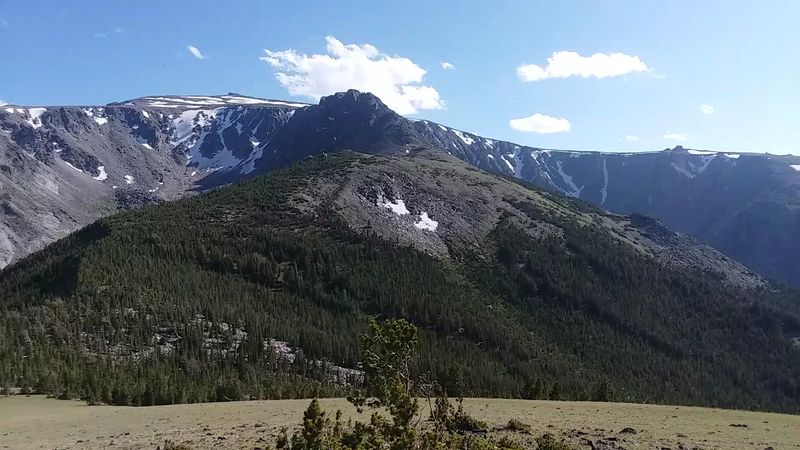
For many, the ultimate way to experience the Custer Gallatin National Forest is by immersing oneself fully in its backcountry, and that means embracing dispersed camping. While this choice means trading traditional campground conveniences for complete quiet, the reward is an unmatched sense of solitude under a vast Montana sky.
Dispersed campsites, often found along forest service roads like Taylor Fork Road, generally lack amenities such as toilets, water, or trash service, requiring campers to be fully self-sufficient and committed to Leave No Trace principles. However, many spots come equipped with established fire rings, inviting evenings spent beneath a canopy of stars.
Imagine waking up to the sounds of nature, with mountain views and a creek nearby, far from any neighbors. There are no permits required for backcountry camping, making it an accessible option for those prepared to embrace a primitive Montana experience and a deeply satisfying return to simplicity.
The Deeper You Hike The More Montana Seems To Disappear Around You
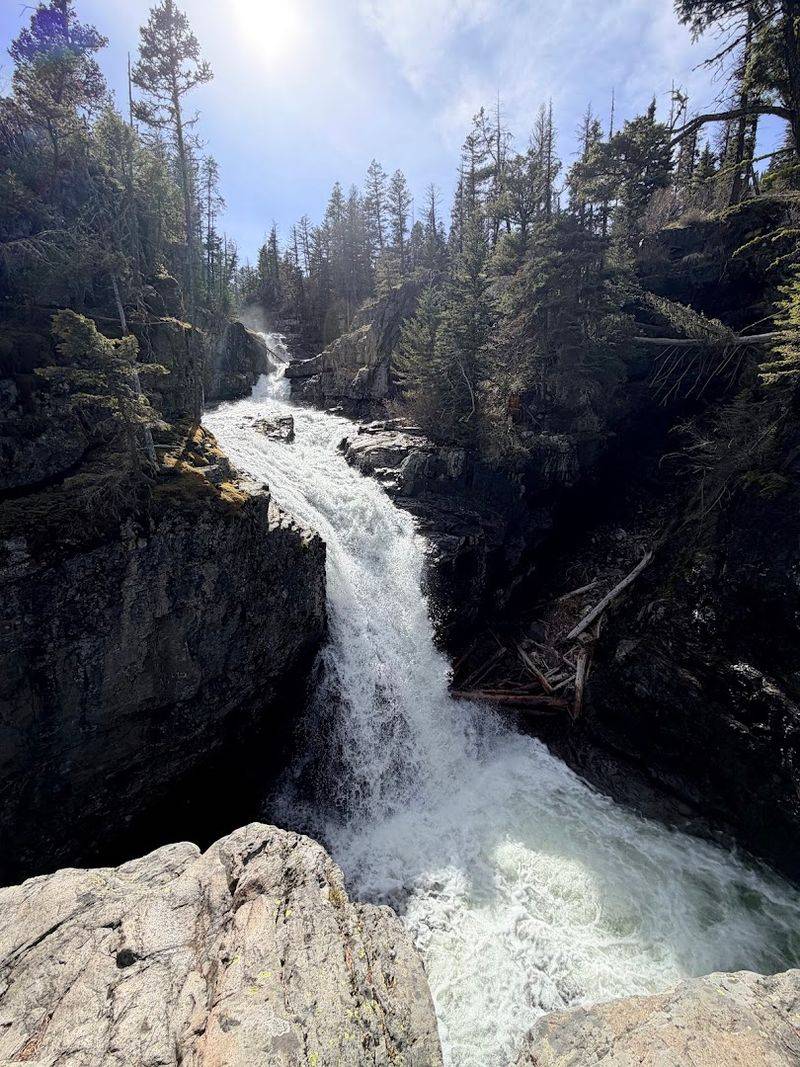
As you delve further into the Custer Gallatin National Forest, a curious thing happens: the modern world begins to melt away, and a timeless Montana seems to emerge all around you. Each step deeper into the wilderness, whether through dense pine forests or across high alpine plateaus, strips away the distractions of daily life, leaving you with nothing but the raw, unfiltered beauty of nature.
The sheer scale of the landscape, from the towering peaks of the Absaroka-Beartooth to the expansive, silent stretches of the Sioux Ranger District, creates an overwhelming sense of immersion. You become a small, yet integral, part of this vast ecosystem, where the calls of wildlife replace sirens and the scent of pine needles fills the air.
This feeling of disappearing into Montana’s wild embrace is the true magic of the Custer Gallatin. It’s a journey not just through space, but through a state of mind, leaving you refreshed and utterly captivated.