
This Mystical Tennessee Lake Is So Otherworldly, You’ll Feel Like You’re In Another Dimension
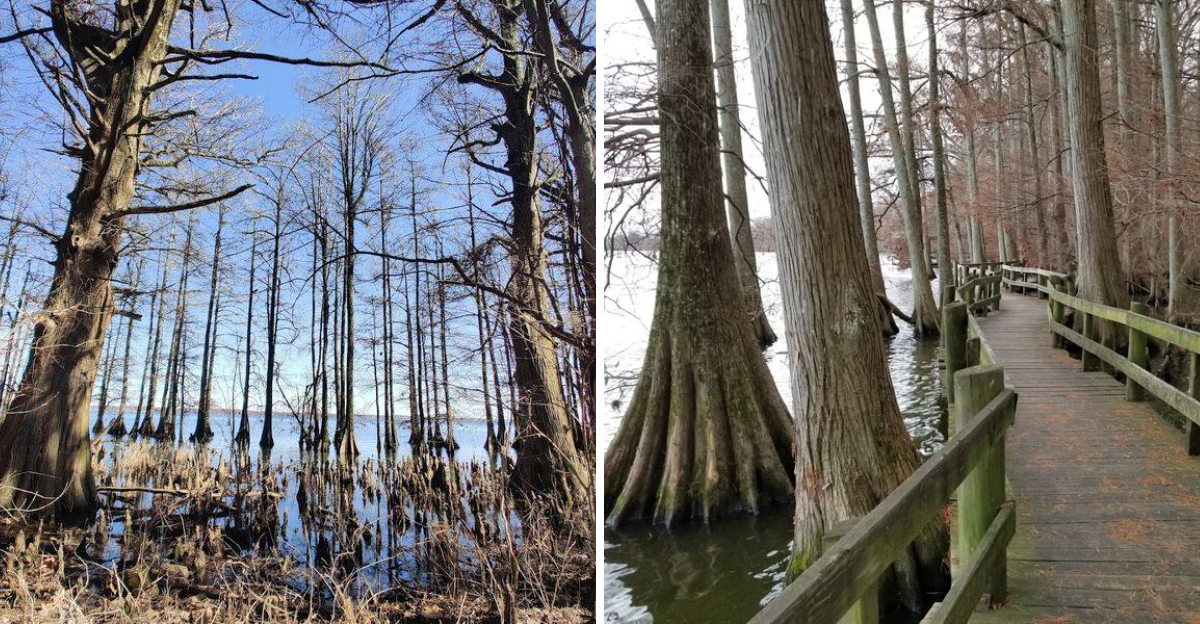
Mist rises gently across the water as the morning sun turns the surface into liquid gold. Cypress trees stretch out of the lake like something from a dream, their knobby knees creating shapes that look almost unreal.
For a moment, it hardly feels like Tennessee at all. The quiet, the strange beauty, the feeling that time moves differently here – it all adds up to an experience that feels almost otherworldly.
Birds glide low over the water while fishermen drift slowly between the trees, soaking in a scene unlike any other lake in the state. Spend a little time here and you may start to wonder if you have wandered into another dimension entirely.
The Earthquake That Created A Lake Overnight
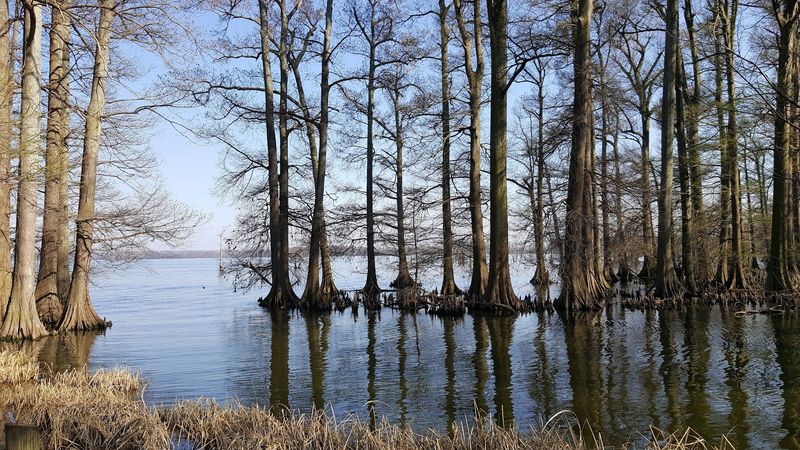
Most lakes take thousands of years to form, while this one took a few violent weeks. Between December 1811 and February 1812, a series of catastrophic earthquakes struck the New Madrid Seismic Zone, shaking an area so massive that church bells reportedly rang as far away as Boston.
The ground in northwest Tennessee buckled and sank, and the Mississippi River surged backward into the newly formed depression, filling it with water.
What emerged was a shallow, sprawling lake roughly 15 miles long and up to 5 miles wide, sitting at an elevation low enough to trap an entire ecosystem in its basin. The lake averages only about five feet in depth, which explains the extraordinary density of aquatic vegetation and the forest of cypress trees that took root directly in the water.
This lake preserves this geological wonder with tremendous care. The visitor center includes exhibits that walk you through the seismic events in vivid detail.
Standing at the edge of the lake knowing its violent origin gives the whole landscape a charged, almost reverent atmosphere that is impossible to replicate anywhere else.
Cypress Trees Standing In The Water Like Ancient Guardians
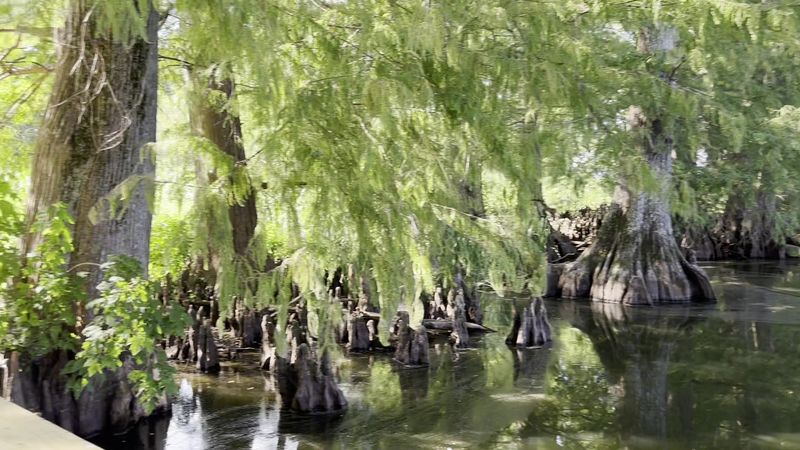
There are trees here that have been standing in water for over a century, and they show no signs of leaving. The bald cypress forests of Reelfoot Lake are among the most visually arresting natural features in all of Tennessee.
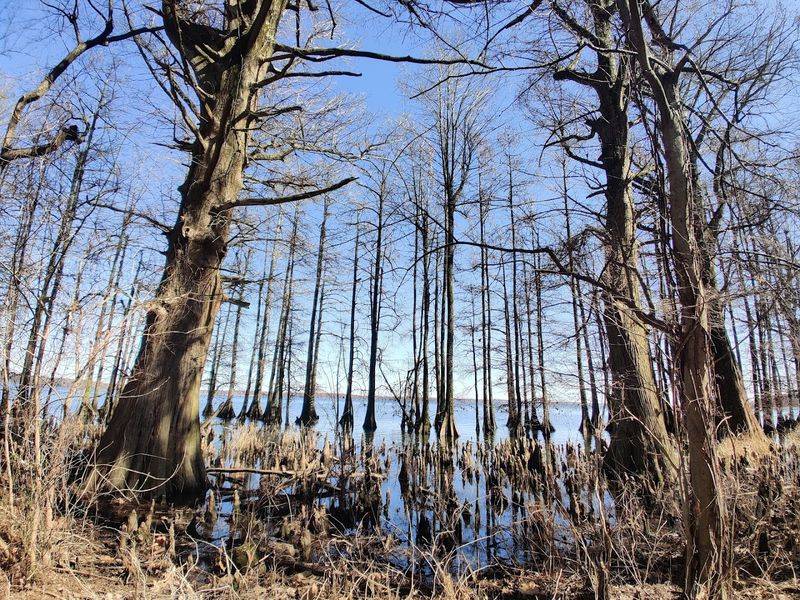
Their trunks swell dramatically at the base, and their knobby root structures, called cypress knees, protrude upward from the waterline in irregular clusters that look almost architectural.
During autumn, the cypress needles turn a burnished copper-red before dropping, leaving skeletal silhouettes against pale winter skies. In summer, the canopy creates a layered green ceiling over the water that filters sunlight into shifting, amber-colored columns.
Photographers and painters return to this lake repeatedly because the light behaves differently here than almost anywhere else in the region.
The new wooden boardwalk at the state park extends directly over the water and weaves between the cypress trunks, putting visitors at eye level with the knees and the waterline. Reviewers consistently describe this walk as a highlight of the entire visit.
The combination of still water, ancient trees, and reflected sky creates a visual depth that feels more like a painting than a real place you can stand inside.
Bald Eagles That Return Every Winter Without Fail
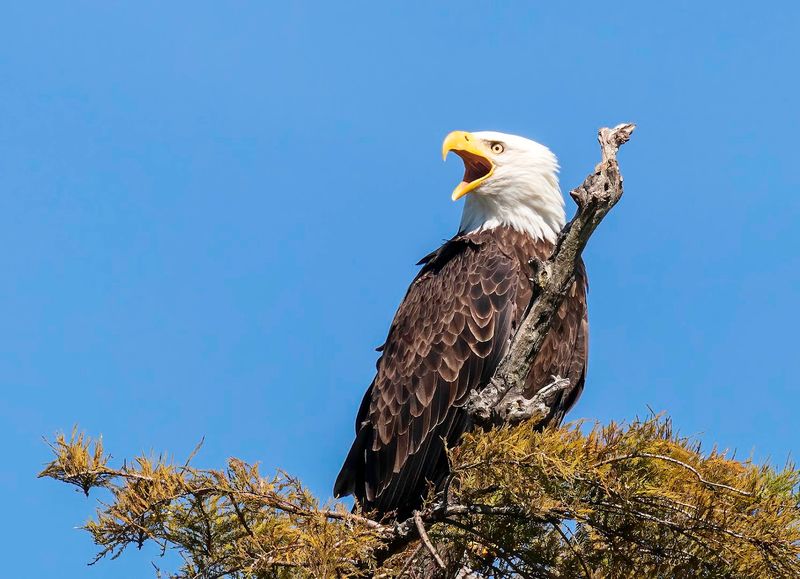
January and February transform Reelfoot Lake into one of the finest eagle-watching destinations in the eastern United States. Bald eagles migrate here in significant numbers every winter, drawn by the lake’s shallow, fish-rich waters.
At peak season, it is not unusual to spot ten or more eagles feeding together in an open field or perched in the bare upper branches of cypress trees along the shoreline.
The state park organizes guided eagle-watching tours during these months, and visitors frequently describe them as genuinely memorable experiences. Rangers lead groups along well-maintained gravel roads where eagles can be observed from the comfort of a vehicle, a setup that keeps the birds undisturbed while giving people remarkably close views.
The tours are informative without feeling scripted, and the rangers clearly know this landscape with deep familiarity.
Park staff also maintain a small group of resident birds of prey, including bald eagles, hawks, and several owl species, that serve as animal ambassadors for educational programs. Watching a ranger feed these birds in person is an experience that visitors consistently single out as something they did not expect and cannot stop thinking about afterward.
For any wildlife observer, this lake in winter is a serious destination.
Fishing On A Lake Unlike Any Other In The South
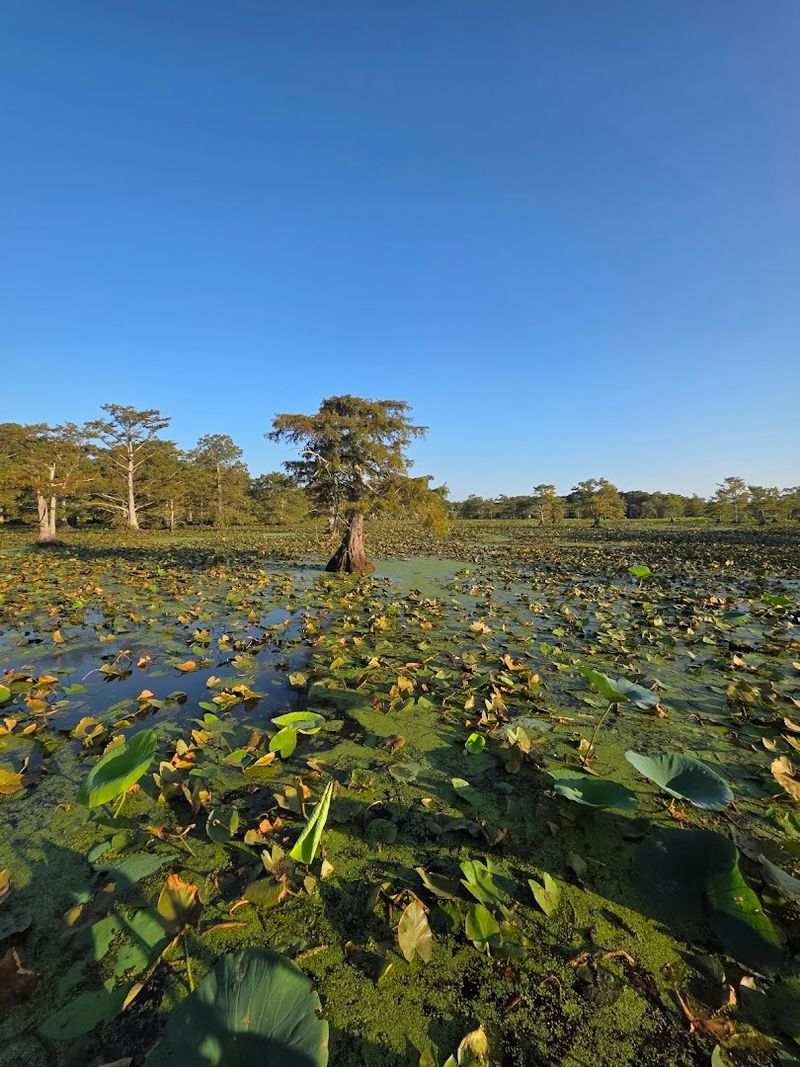
Reelfoot Lake in Tiptonville has a fishing reputation that extends well beyond Tennessee’s borders. The combination of shallow water, dense aquatic vegetation, and a lake bottom softened by centuries of organic material creates ideal habitat for bass, crappie, bluegill, and catfish.
Local guides have been leading anglers through the lake’s maze of channels and bayous for generations, and that accumulated knowledge shows in the results.
The lake’s layout rewards patience and local expertise. Because the water is so shallow and the vegetation so thick, navigation requires flat-bottomed boats or specialized shallow-draft vessels.
Larger motorboats are restricted, which keeps the water calm and the fishing experience unusually peaceful. Early mornings on Reelfoot are quiet in a way that feels almost deliberate, the kind of quiet that settles into you after a few hours on the water.
Bank fishing is possible in certain public areas around the state park, though most serious anglers prefer to be out on the water where access to the best spots is considerably better. Nearby bait shops and outfitters can point first-time visitors toward reliable launch points and reputable local guides.
The fish here are plentiful, the scenery is extraordinary, and the whole experience carries a satisfying unhurried quality that is increasingly rare.
The Boardwalk That Puts You Right On Top Of The Water
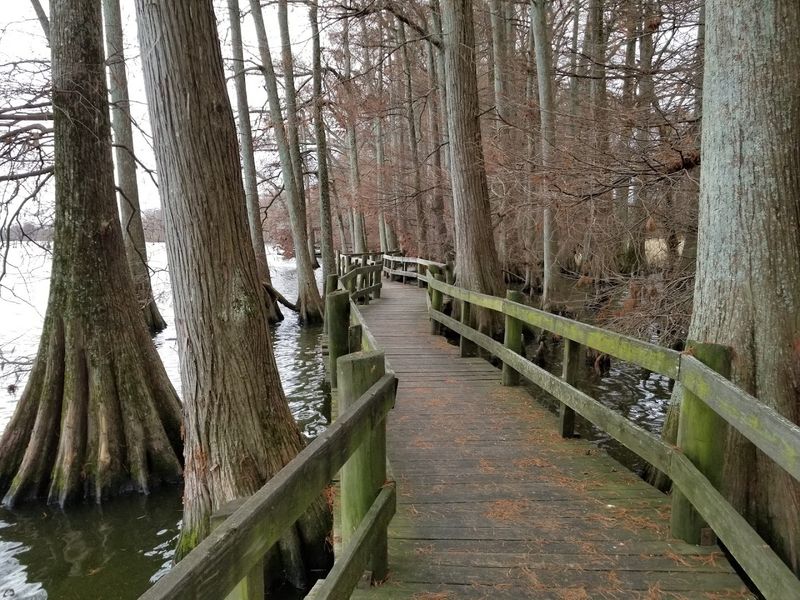
Walking the boardwalk at Reelfoot Lake State Park is one of those experiences where the environment works on you gradually. You step off solid ground and onto wooden planks, and within a few steps the water is directly beneath you, dark and clear enough in places to see the cypress roots and submerged vegetation below the surface.
The sensation is unexpectedly immersive.
The recently renovated boardwalk is well-designed, with observation gazebos positioned at intervals that frame particularly striking views of the lake and tree canopy. The structure sits low over the water, which means the cypress knees rise up to meet you at roughly knee height, close enough to examine their strange, sculptural forms in detail.
Herons often stand motionless nearby, apparently unbothered by foot traffic.
Visitors who come during different seasons report dramatically different experiences on the same stretch of boardwalk. In spring, the surrounding vegetation is lush and loud with bird activity.
In winter, the bare trees open up long sightlines across the lake and the light is clean and cool. Morning visits tend to offer the calmest water and the best chances of spotting wildlife before the midday activity picks up.
Plan at least an hour here, and bring a camera with a decent zoom.
Pontoon Boat Tours That Show You What You Would Otherwise Miss
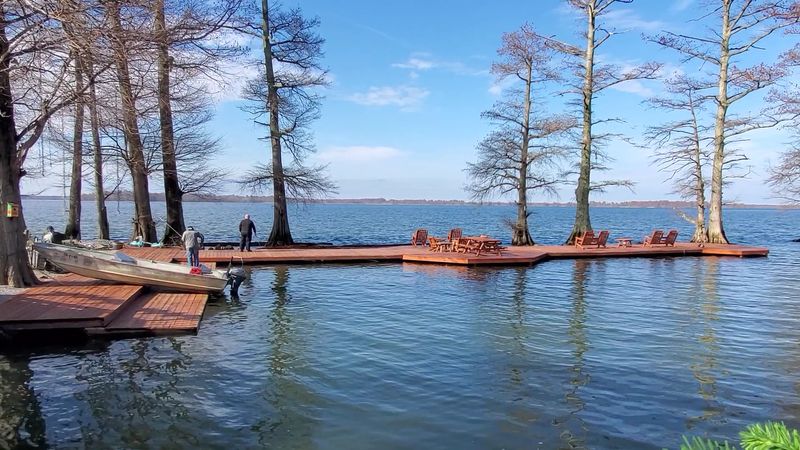
Seeing Reelfoot Lake from the shore is one thing. Seeing it from the water is a completely different conversation.
The state park runs guided pontoon boat tours led by interpretive rangers who know the lake’s history, ecology, and wildlife with impressive depth. These tours move through channels and open water sections that are simply not accessible on foot, revealing the full scale and character of the lake in a way that a boardwalk walk cannot.
Seasonal tours focus on different themes throughout the year. During winter, the eagle-watching tours are the main draw, with rangers navigating toward known feeding and roosting areas.
In warmer months, the focus shifts to aquatic birds, native plants, and the lake’s general ecosystem. One reviewer memorably described a jumping Asian carp landing in the boat during a summer tour as an event that the entire group talked about for the rest of the day.
The Fourth of July sunset cruise has developed a loyal following among visitors who return annually for the combination of fireworks, open water, and the particular quality of summer light over the cypress canopy. Booking in advance is strongly recommended for peak season tours.
The rangers running these programs are knowledgeable, personable, and genuinely enthusiastic about the place they work, which comes through immediately.
Birds That Fill The Sky In Numbers You Have To See To Believe
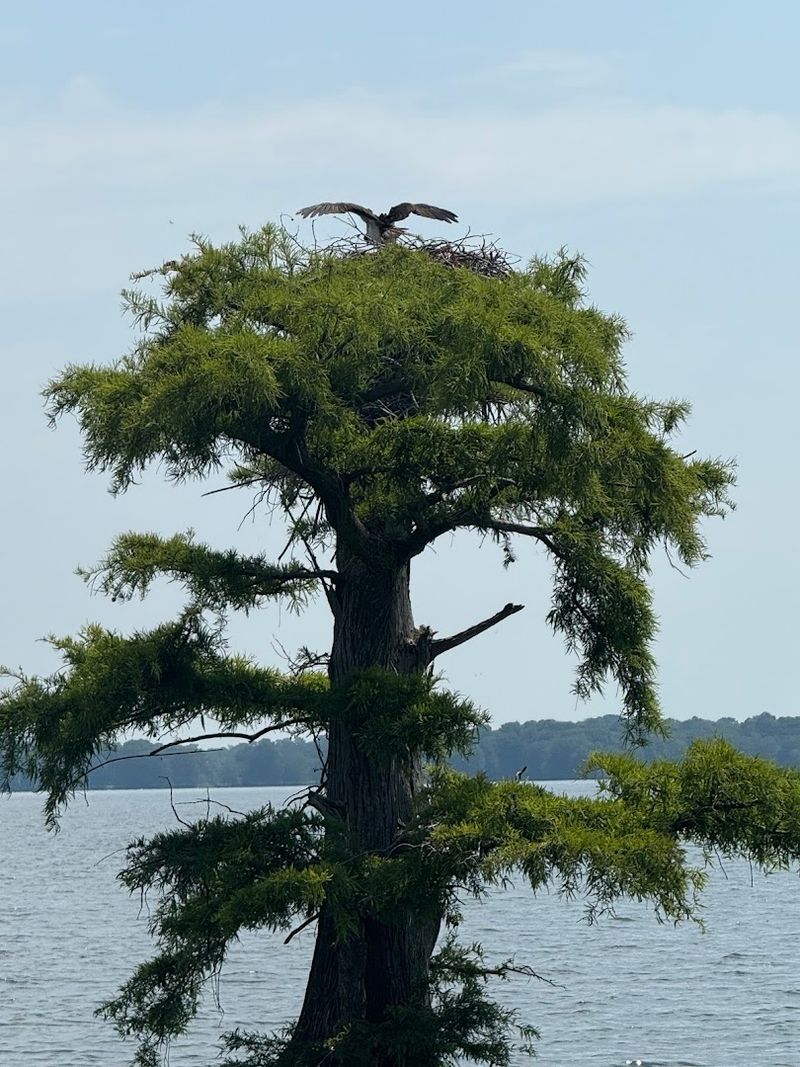
Reelfoot Lake sits along a major migratory bird corridor, and the diversity of species passing through or residing here year-round is genuinely extraordinary. Great blue herons, egrets, wood ducks, anhingas, ospreys, and multiple species of owls all use the lake and its surrounding wetlands as habitat.
During migration season, the numbers swell considerably, and birders with binoculars can spend an entire day along the lake’s edges without running short of subjects.
The annual Pelican Festival brings a particular kind of excitement to the area. American white pelicans stop at Reelfoot during their migration in significant concentrations, and the state park organizes bus tours specifically to find and observe them.
One ranger, Christian Rhodes, has developed a reputation among regular visitors for his determination and good humor during these tours, including one occasion when he successfully located pelicans despite two straight hours of rain.
The state park also maintains an aviary where injured and non-releasable birds of prey are housed and cared for. Visitors can observe these birds up close, and staff members occasionally bring them out for educational presentations.
For anyone even casually interested in birds, Reelfoot Lake offers more variety, access, and atmosphere than most dedicated birding destinations manage to provide.
Camping And Cabins Where The Lake Is Your Backyard
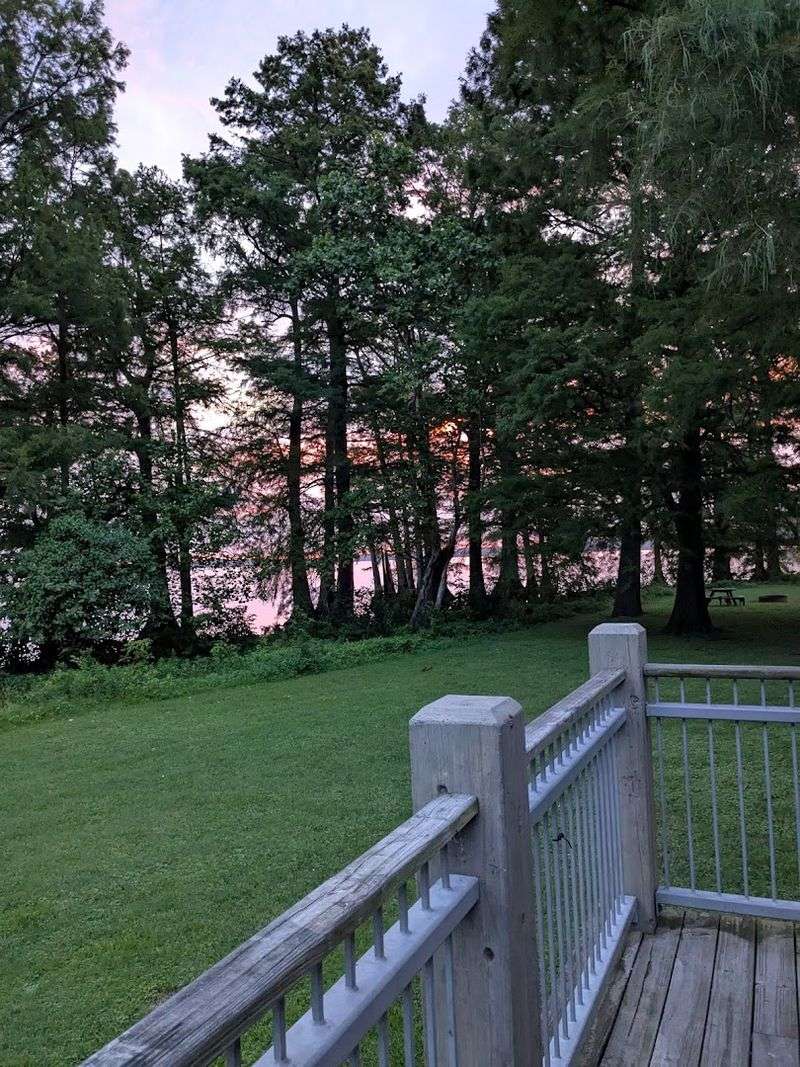
Spending a night at Reelfoot Lake changes your relationship with the place. The sounds shift after dark, the frogs grow louder, the water reflects whatever stars are overhead, and the cypress silhouettes take on a different quality entirely.
The state park offers both campground sites and premium cabins, and both options put guests within easy walking distance of the lake itself.
The park cabins sit directly on the water, and multiple visitors have noted that the view from the cabin deck is one of the better things they have experienced at any state park in Tennessee. The cabins are well-maintained and cleaned to a standard that earns consistent praise in visitor reviews.
Families frequently use them as a base for multi-day visits combining eagle watching, fishing, boardwalk walks, and boat tours.
The Airpark Campground is a spacious, shaded facility with paved and level sites, clean bathhouses, and a generally peaceful atmosphere that suits both tent campers and RV travelers. The surrounding area has a small but functional selection of restaurants, gas stations, and a grocery store within a short drive.
Boyette’s Restaurant, directly across from the state park, is a local institution known for its fried fish and has been feeding hungry visitors for decades.
Wildlife That Wanders Freely All Around The Park
The wildlife at Reelfoot Lake does not require much searching. Deer move through the tree lines at dusk with unhurried confidence.
Raccoons appear near the water’s edge with the casual air of animals that have never been seriously bothered by human presence. Turtles line every available log and root system during warm afternoons, stacked in rows that stretch the full length of any sunny surface they can find.
The lake’s shallow, vegetation-rich waters support an enormous population of frogs, which makes the soundscape after dark particularly vivid during spring and summer. Snakes, including several water species, are present throughout the park and are featured in the nature center, where live specimens are displayed in well-maintained enclosures.
The reptile building consistently draws curious visitors of all ages, and the staff there are knowledgeable and happy to answer questions.
Pelicans, hawks, wood ducks, and the occasional river otter round out an already impressive roster of observable species. The park’s auto tour on Grass Island provides a low-effort way to cover more ground and spot animals in open habitat without leaving your vehicle.
Visitors who take their time and move quietly through the park almost always encounter something unexpected, which is a quality that keeps people coming back season after season.
A Landscape That Photographers Keep Coming Back To Capture
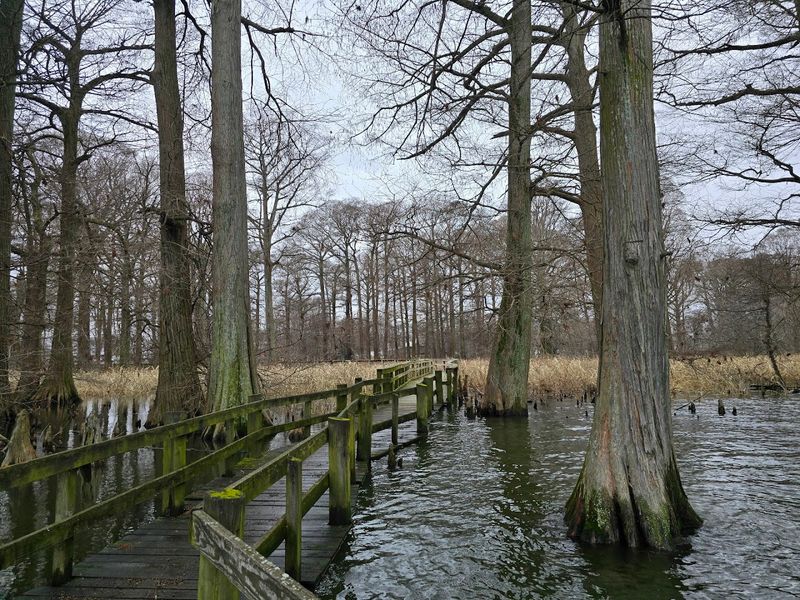
Reelfoot Lake has a quality that is difficult to describe accurately in words but photographs remarkably well. The combination of still dark water, reflected sky, vertical cypress trunks, and horizontal root structures creates a composition that practically organizes itself.
Photographers working at dawn find the lake at its most cooperative, when the surface is undisturbed and the light comes in at a low angle that emphasizes texture and depth.
Pre-spring visits, when the cypress trees are bare and the water is at its clearest, produce a stark, almost monochromatic landscape that experienced photographers specifically seek out. The bleached white trunks of dead trees standing in the shallows add a structural element that gives winter images an architectural quality.
Summer photography leans toward lush greens, dramatic storm clouds, and the warm gold of late afternoon light filtering through dense canopy.
The boardwalk and the open water sections accessible by boat both offer strong compositional opportunities. Subjects are abundant: eagles, herons, turtles, water lilies, cypress knees, and the lake’s own reflective surface all reward patient observation with a camera.
Several visitors have described Reelfoot as one of the most photogenic state parks they have ever visited, and based on the evidence the lake consistently provides, that assessment is entirely fair.