
This Nevada Animal Sanctuary Lets Families Walk Past Wolves, Big Cats, And Bears
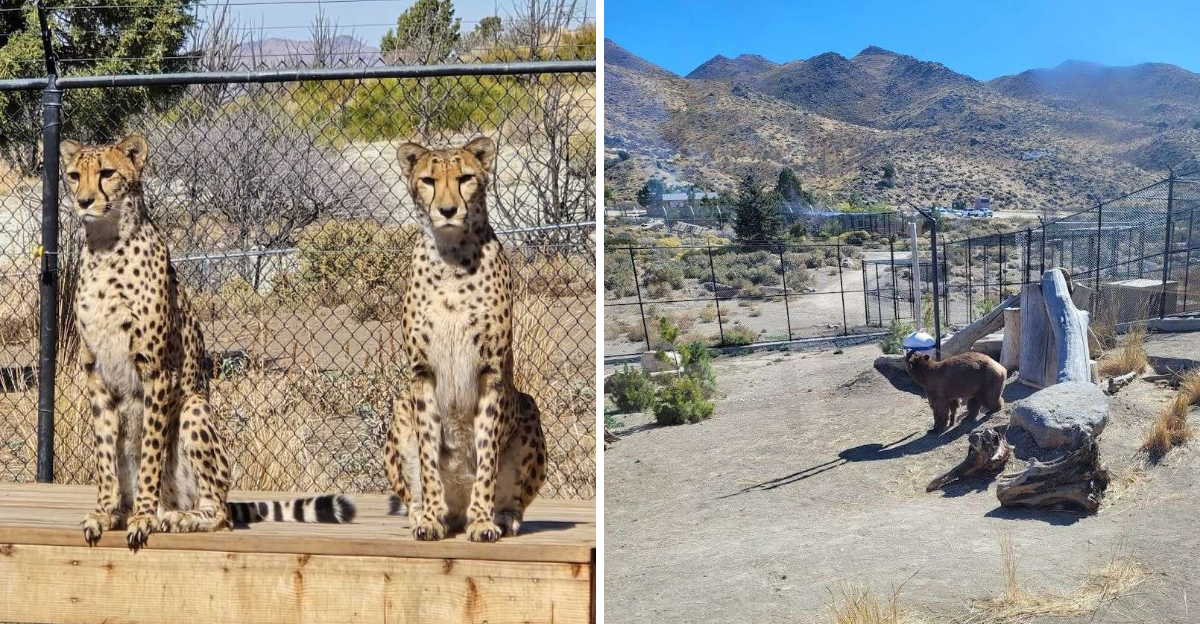
Just north of Reno, the Nevada desert holds a family outing with teeth, paws, claws, and plenty of wow moments. A casual walk here can put you near wolves pacing with quiet confidence, bears lumbering through roomy habitats, and cheetahs showing off their sleek, watchful energy.
It feels exciting, but not in a noisy theme-park way. The focus stays on rescue, care, and helping people understand animals that cannot safely return to the wild.
Kids get the thrill of seeing powerful creatures up close, while adults get a place that feels thoughtful, open, and surprisingly peaceful. For a day trip that mixes learning with wide-eyed reactions, this Reno-area sanctuary makes Nevada’s wild side feel unforgettable.
Animal Ark Gives Non-Releasable Wildlife A Permanent Home
Rescuing animals from situations beyond their control has been the core mission of this sanctuary since its founding. Many residents arrive after injuries, illegal captivity, or circumstances that make survival in the wild impossible.
Each animal receives individualized care tailored to its species and history.
The facility operates as a true refuge rather than a zoo. Staff members prioritize the comfort and dignity of every creature under their watch.
Spacious enclosures allow natural behaviors to emerge without the stress of confinement.
Located at 1265 Deerlodge Road, the sanctuary spans dozens of acres. Visitors quickly notice the difference between this place and traditional animal parks.
Animals here live out their years in peace, receiving medical attention, proper nutrition, and respect from dedicated caretakers who understand their complex needs.
Families Can See Wolves, Bears, Foxes, Raptors, And Big Cats
Walking the pathways offers encounters with species rarely seen up close. Gray wolves patrol their territories with keen awareness.
Black bears amble near viewing areas, occasionally glancing toward onlookers. Arctic foxes display their remarkable adaptations to cold climates.
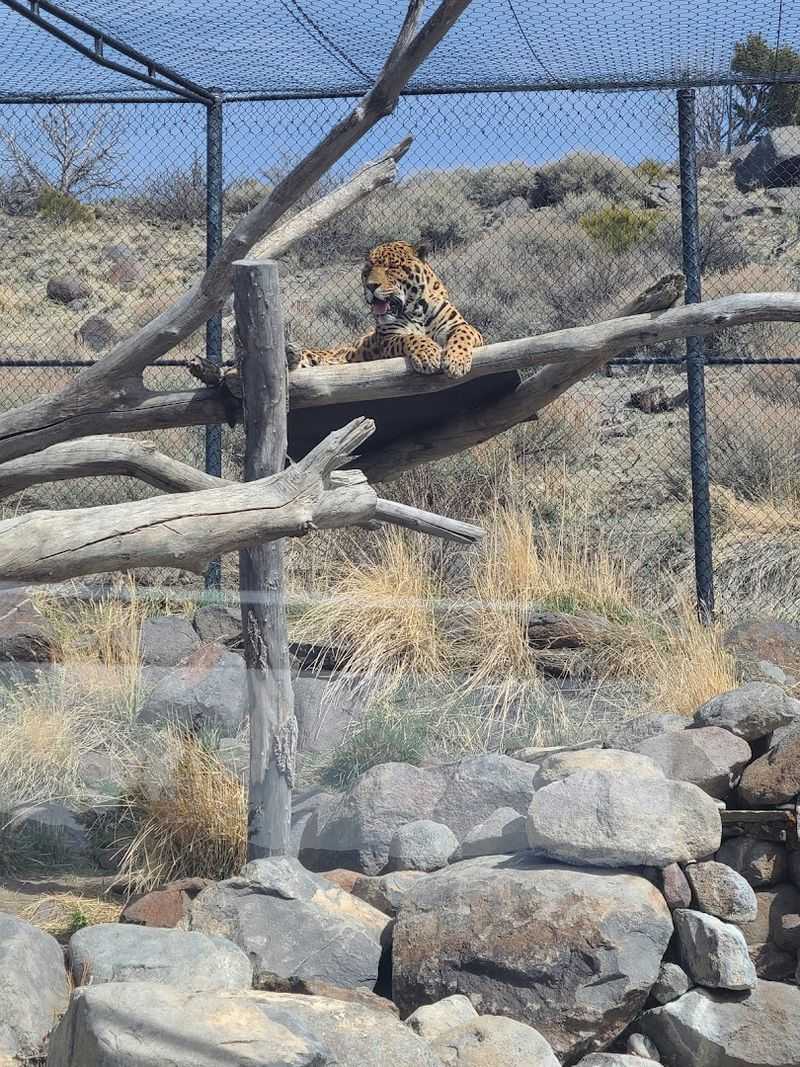
Raptors perch on branches within their aviaries, their sharp eyes tracking movement below. Big cats such as tigers and servals rest in shaded spots during warm afternoons.
Each habitat includes covered viewing areas where families can pause and observe without disturbing the animals.
The self-guided route allows visitors to move at their own pace. Signage explains how each animal arrived and what makes their situation unique.
Children often press against viewing windows, captivated by the size and beauty of creatures they have only seen in books or documentaries before this moment.
Cheetah Runs Are One Of Its Most Exciting Visitor Experiences
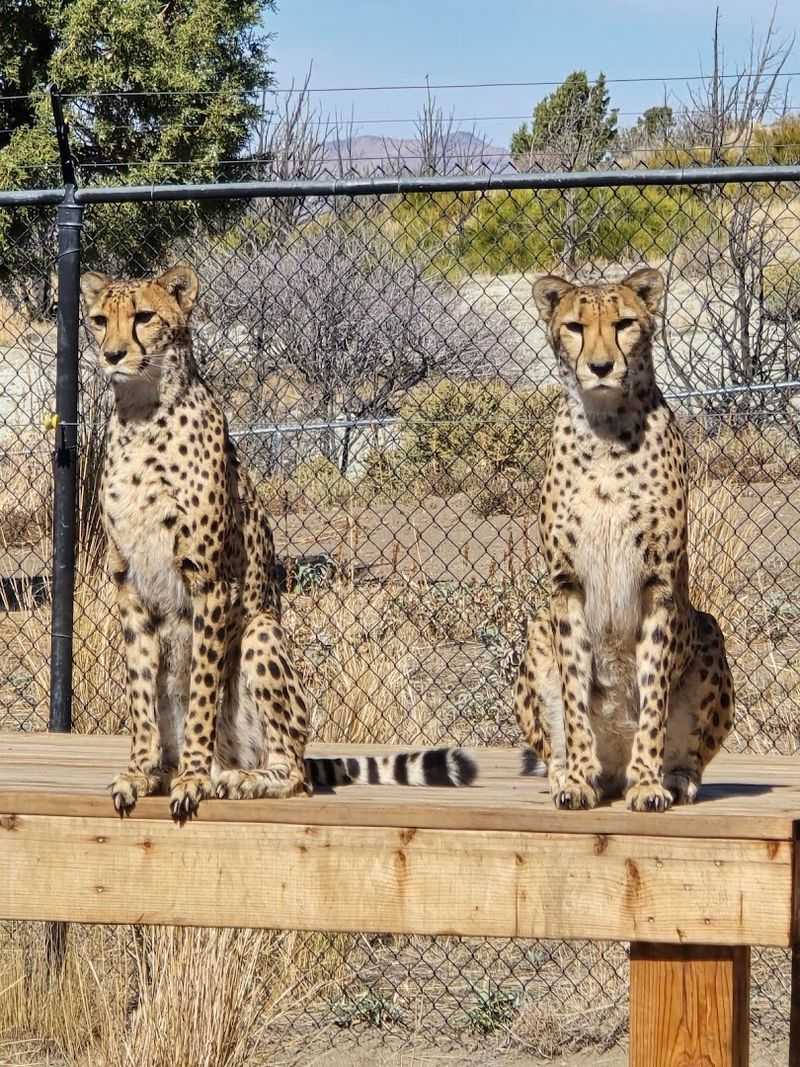
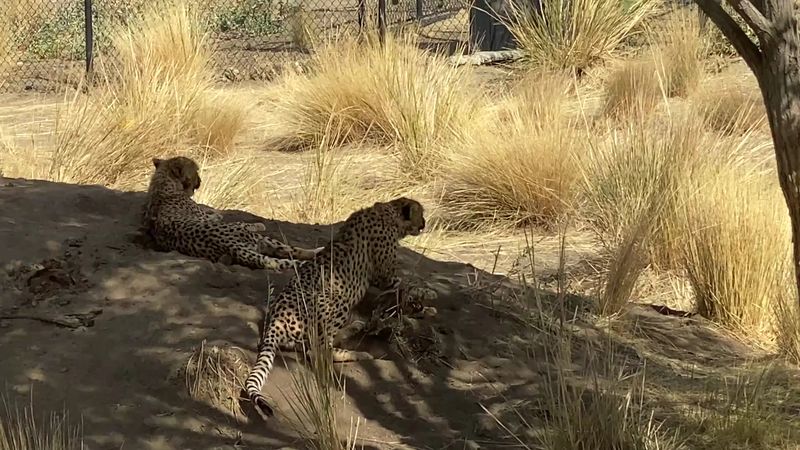
Watching a cheetah sprint reveals the pure athleticism that makes this species extraordinary. During scheduled demonstrations, keepers encourage the cats to chase lures across their enclosures.
The burst of speed happens in seconds, leaving spectators breathless.
These runs serve dual purposes. They provide essential exercise that keeps the cheetahs healthy and mentally engaged.
Simultaneously, visitors gain appreciation for the physical capabilities that define these animals in their native African habitats.
Keepers explain the mechanics of cheetah locomotion during the event. Flexible spines, large nasal passages, and lightweight frames all contribute to their status as the fastest land mammals.
The experience transforms abstract knowledge into vivid memory as the animal streaks past, muscles rippling beneath spotted fur in a display of natural power.
Wolf Howl Nights Make The Sanctuary Feel Wild After Dark
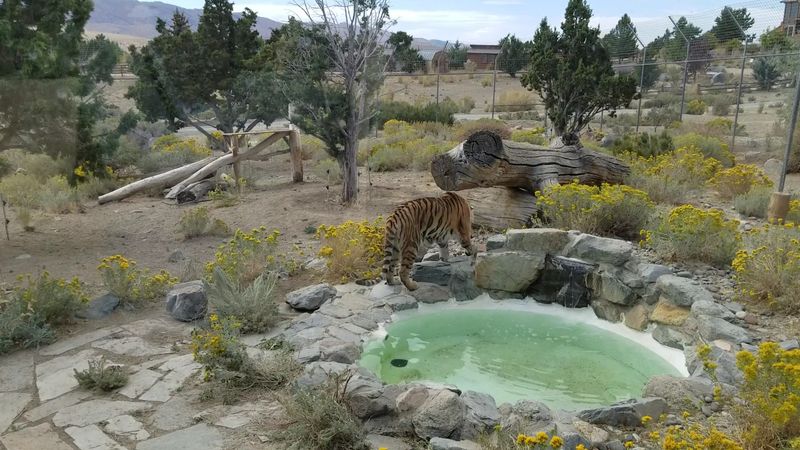
Special evening events transform the sanctuary into something primal and unforgettable. As darkness settles over the desert, the wolves begin their vocal exchanges.
Their howls carry across the landscape, echoing off nearby hills.
Families gather near the wolf enclosures during these scheduled nights. Keepers share information about wolf communication and pack dynamics.
Then comes the moment when human voices join the chorus, prompting responses from the animals.
The sound of wolves howling under Nevada stars creates an atmosphere impossible to replicate during daylight hours. Participants leave with a deeper understanding of how these predators communicate across vast distances.
The experience connects modern visitors to ancient rhythms that once filled wilderness areas throughout North America before human expansion changed the landscape forever.
Black Bear Feedings Show How Keepers Encourage Natural Behaviour
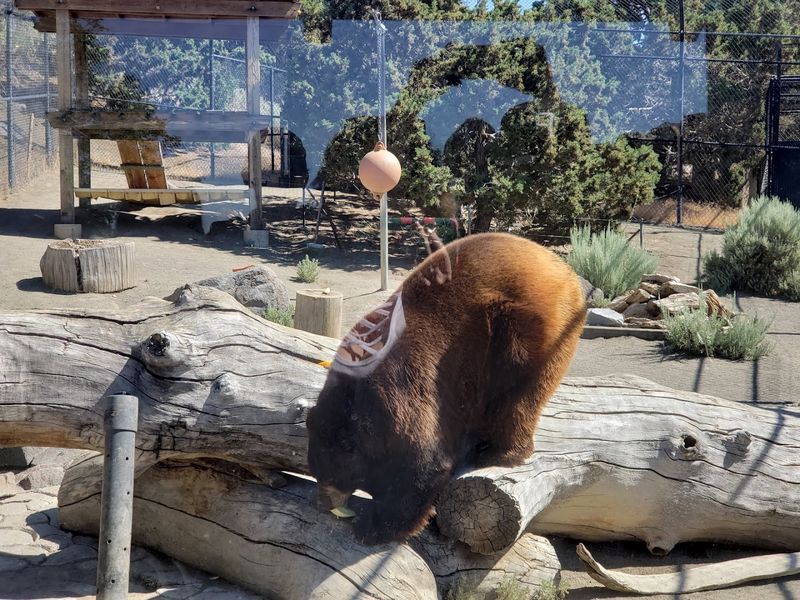
Morning feedings demonstrate the care that goes into maintaining animal welfare. Keepers scatter food throughout the bear enclosures rather than placing it in bowls.
This method requires the bears to search and forage as they would in forests.
Hidden treats encourage problem-solving and physical activity. Bears overturn logs, investigate crevices, and use their remarkable sense of smell to locate every morsel.
Visitors watching these sessions see intelligence and curiosity on full display.
Staff members explain the importance of enrichment during feeding times. Scheduled sessions typically occur mid-morning when the animals are most active.
The approach prevents boredom and promotes behaviors that keep the bears mentally sharp and physically fit throughout their years at the sanctuary, maintaining dignity and purpose in their daily routines.
The Habitats Include Rocks, Trees, Native Plants, And Room To Roam
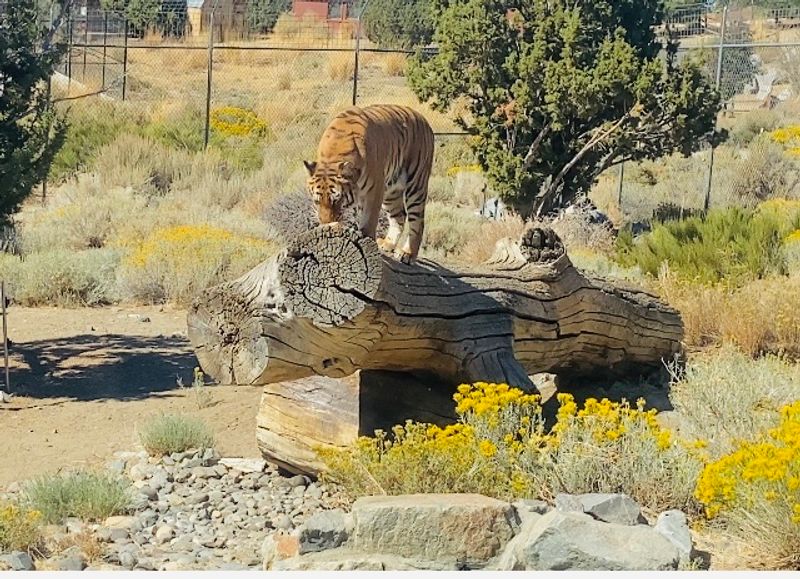
Enclosure design reflects serious commitment to animal welfare. Large territories give residents space to establish routines and retreat from view when desired.
Natural elements dominate the landscapes rather than artificial structures.
Boulders provide climbing opportunities and vantage points. Native plants offer shade and visual barriers that allow animals to feel secure.
Trees give raptors appropriate perches while big cats use them for scratching and territorial marking.
The sloping terrain of the property creates varied elevations within habitats. This topography mimics the complexity of wild environments.
Visitors appreciate the beauty of these spaces while animals benefit from the physical and psychological advantages. Each habitat receives regular maintenance and seasonal adjustments to ensure it continues meeting the specific needs of its residents throughout changing weather conditions and temperatures.
The Sanctuary Does Not Breed, Sell, Or Trade Its Animals
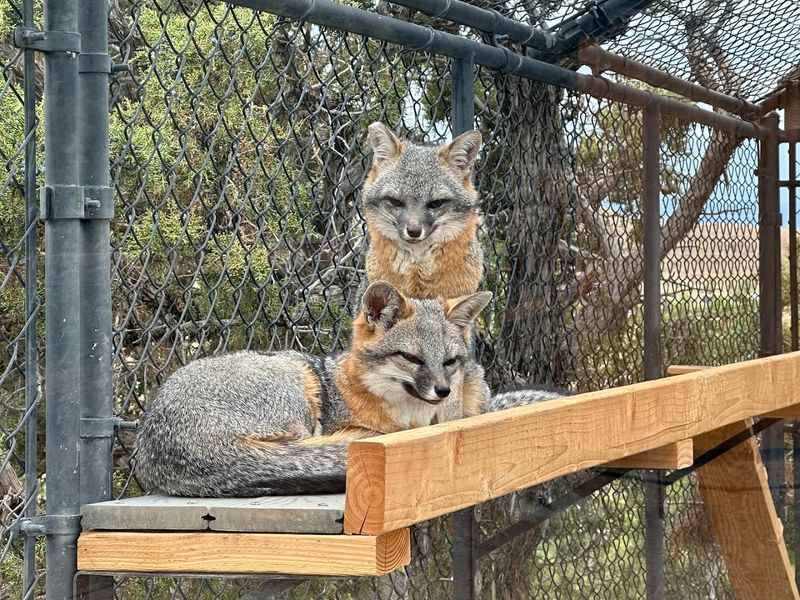
Ethical standards guide every decision made at this facility. The sanctuary refuses to breed animals for profit or trade them with other institutions.
This policy distinguishes it from commercial operations that prioritize entertainment value over animal welfare.
Every resident arrives through rescue or placement from situations requiring intervention. Injured wildlife, confiscated exotic pets, and animals from failed breeding programs all find refuge here.
Once they arrive, they stay for life.
This approach prevents the exploitation common in the exotic animal trade. Staff members focus entirely on providing quality care rather than generating offspring for sale.
The philosophy resonates with visitors who appreciate the integrity behind the operation. Donations and admission fees support the ongoing work rather than funding breeding programs that would compromise the sanctuary’s mission.
Animal Ark Has Been Caring For Wildlife Since The Early 1980s
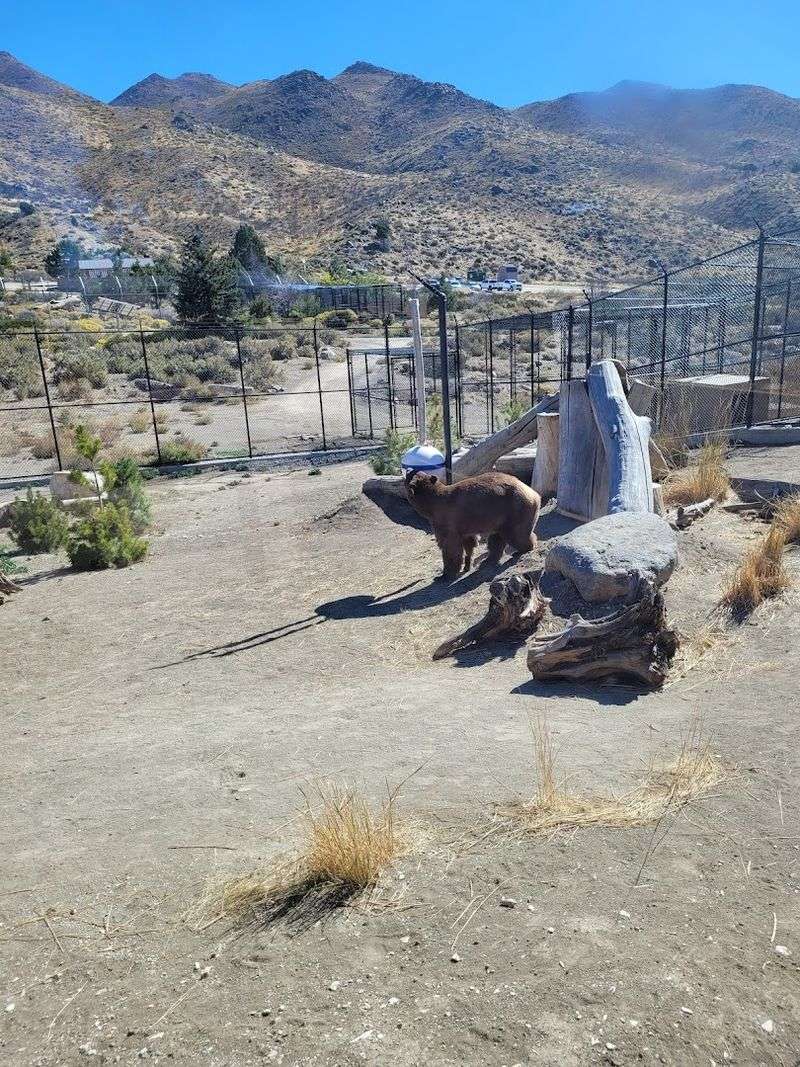
Four decades of operation have established this sanctuary as a regional institution. Founders began with a simple goal of providing homes for animals with nowhere else to go.
Over the years, the facility expanded its capacity and improved its infrastructure.
Early efforts focused on basic care and education. As experience grew, so did the sophistication of habitat design and veterinary protocols.
The organization developed relationships with wildlife agencies and rescue networks across the western United States.
Generations of families have visited during this long history. Some adults bring their own children after visiting as youngsters themselves.
The continuity of mission and quality of care has built trust within the community. Longevity proves the sustainability of the model and the dedication of staff and volunteers who have maintained standards throughout changing times.
Visitors Can Explore Through Self-Guided Or Guided Tours
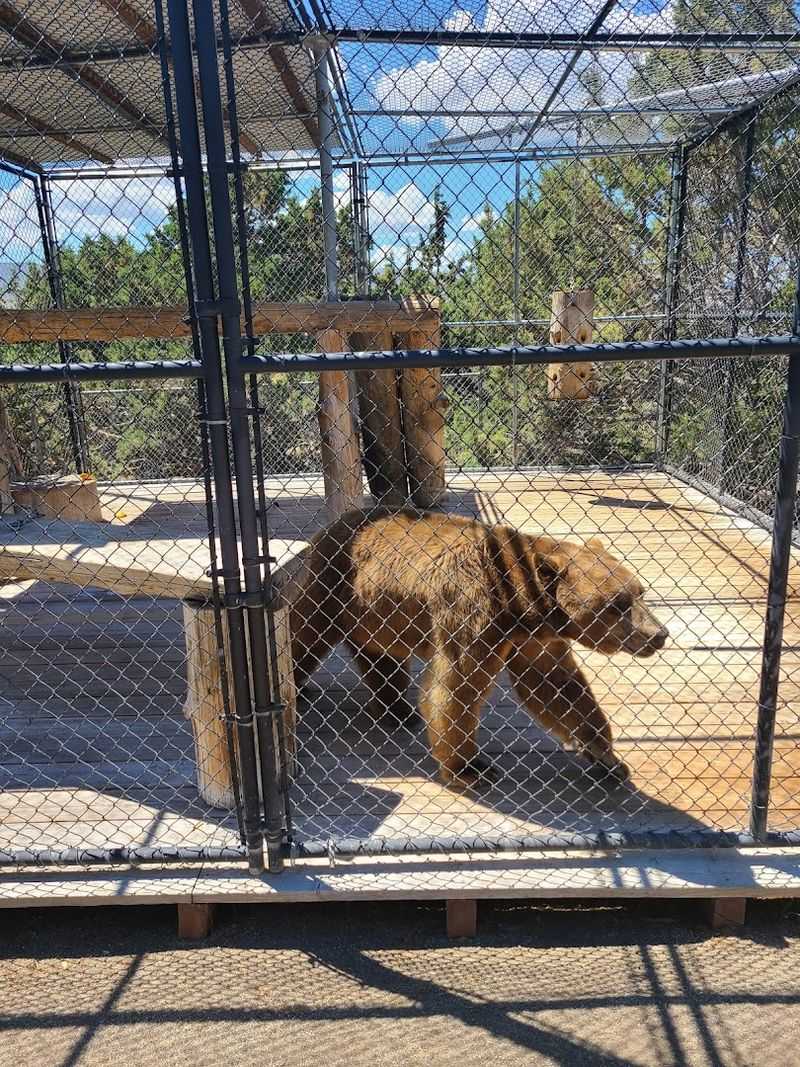
Two touring options accommodate different preferences and schedules. Self-guided visits allow families to proceed at their own rhythm, spending extra time at favorite exhibits.
Maps and signage provide information at each habitat along the route.
Guided tours offer deeper insights from knowledgeable staff members. These educators share stories about individual animals, explain conservation challenges, and answer questions that arise during the walk.
Tours typically last about ninety minutes and cover the entire facility.
Golf cart rentals provide accessibility for visitors with mobility concerns. The hilly terrain can challenge some guests, but powered transportation ensures everyone can participate fully.
Operating hours run Tuesday through Sunday, with the sanctuary opening at ten in the morning. Arriving early offers the best chance to see animals during their most active periods.
The Reno Sanctuary Covers Dozens Of Acres In A Desert Setting
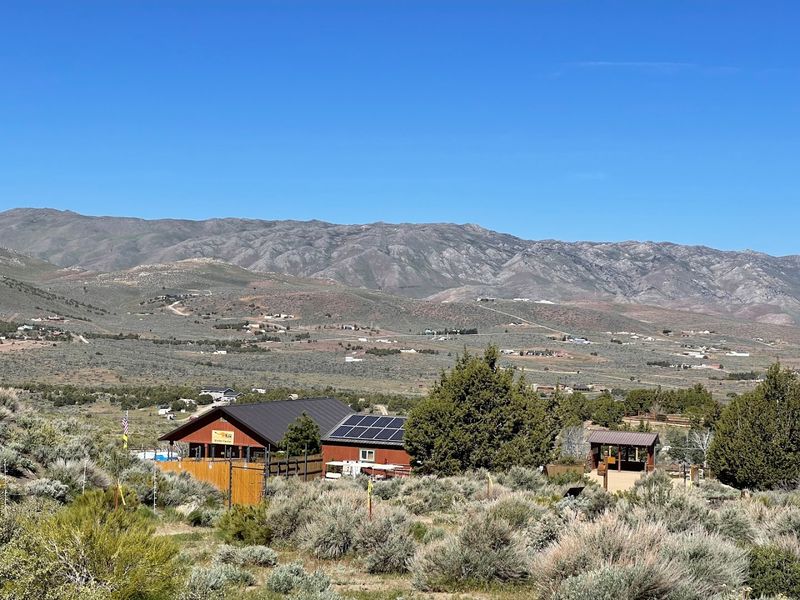
Desert landscape surrounds the entire property, creating an environment distinct from typical zoo settings. Sagebrush and native grasses cover the hillsides.
Mountains rise in the distance, framing views from various points along the visitor route.
The remote location benefits both animals and guests. Distance from urban noise reduces stress on sensitive species.
Visitors experience a sense of escape from city life as they walk pathways that wind through natural terrain.
Summer heat requires preparation. Bringing water, wearing sunscreen, and choosing morning hours all improve comfort during visits.
Limited shade along certain sections of the path makes these precautions necessary. The gift shop stocks refreshments and supplies for those who arrive unprepared.
Despite the challenging climate, the desert setting provides authentic context for understanding how wildlife adapts to harsh conditions.