
This Nevada Butterfly Conservatory Lets Visitors Walk Among Hundreds Of Free-Flying Wings
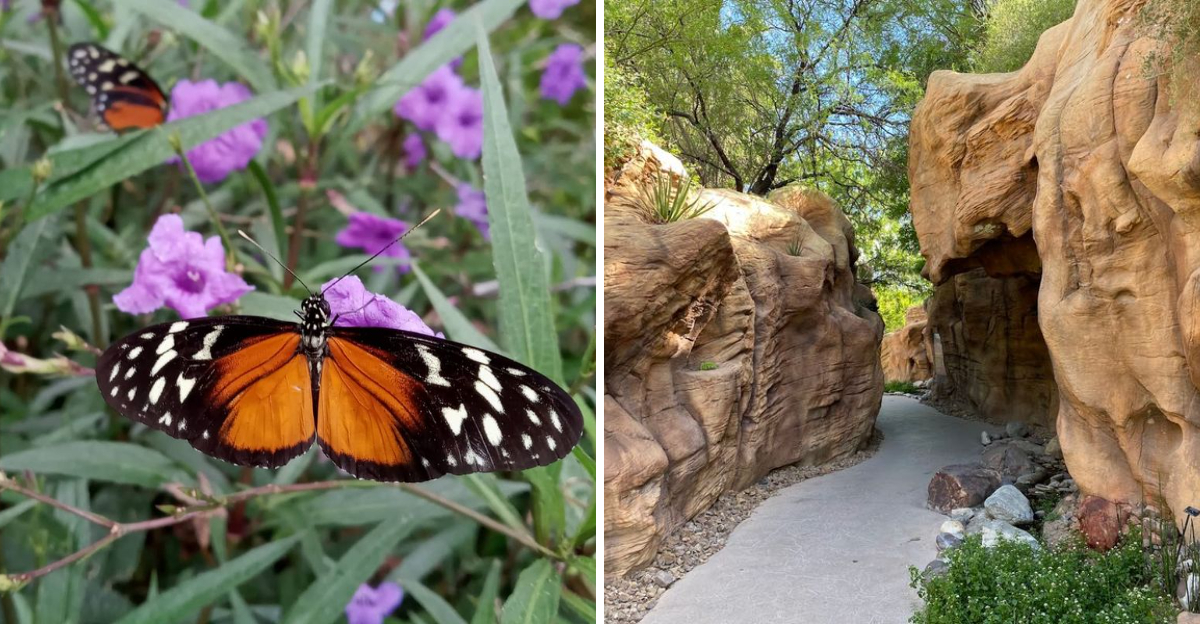
Bright wings replace neon for a while at one peaceful Nevada escape near the heart of Las Vegas. Spring and fall bring hundreds of butterflies into a flower-filled greenhouse where every step reveals another flash of color.
Tiny visitors drift past at eye level, settle on leaves, and occasionally make people freeze mid-walk just to watch. The setting feels calm, but never dull.
Kids can spot patterns, adults can slow down, and everyone gets a closer look at how pollinators move through their world. Careful footsteps matter here because delicate wings may land almost anywhere.
A few miles away, the city keeps buzzing. Inside, the pace softens completely, turning a simple visit into something surprisingly memorable.
Hundreds Of Butterflies Fill The Habitat With Constant Movement
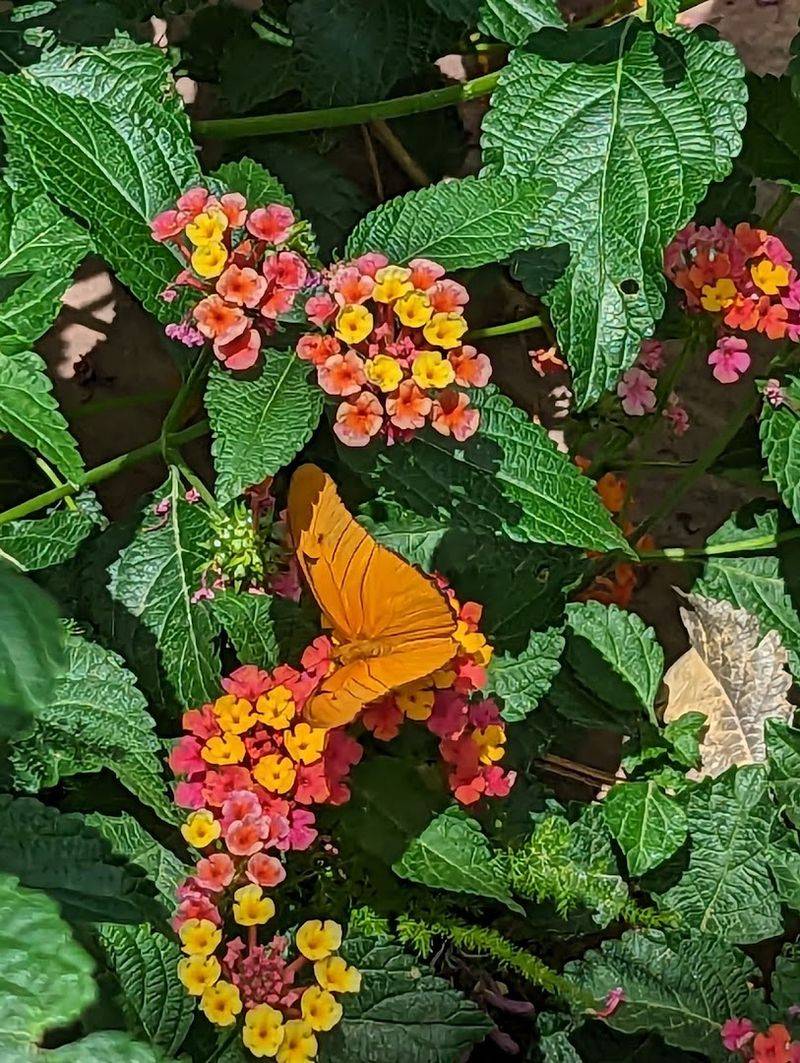
Step inside the greenhouse and the air itself seems alive. Butterflies drift past shoulders, circle overhead, and settle on blooms with a precision that suggests they know exactly where they belong.
The habitat maintains conditions that allow these insects to thrive, creating an environment where movement never really stops.
Some butterflies glide in lazy arcs while others dart between plants with surprising speed. The sheer number of individuals creates layers of activity at different heights, from ground-level flowers to the upper reaches of the enclosure.
Watching them navigate the space reveals how attuned they are to light, temperature, and the availability of nectar.
Visitors quickly learn to move slowly and keep their eyes open. A butterfly resting on the path can easily blend into its surroundings, and the staff reminds everyone to watch their step.
The constant motion makes every visit feel different, as the butterflies respond to conditions that shift throughout the day.
Visitors Can Walk Among Free-Flying Species From The Americas
The species here come from regions across North, Central, and South America, each one adapted to different climates and plant communities. Walking among them offers a chance to see diversity that would otherwise require extensive travel.
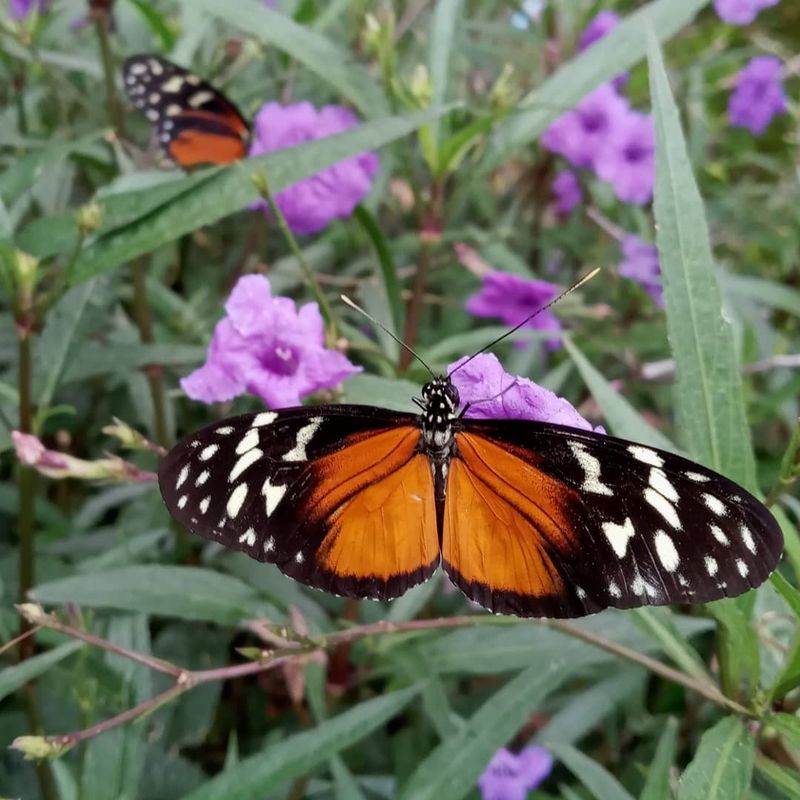
Some butterflies display bold patterns in black and orange, while others show iridescent blues or subtle earth tones that help them disappear against bark and leaves.
Each species has its own behavior and preferences. Larger butterflies tend to patrol the upper sections of the habitat, while smaller ones hover closer to the ground.
Observing these differences gives visitors insight into how butterflies occupy ecological niches and avoid competition for resources.
The habitat rotates species based on availability and seasonal timing, so repeat visits can introduce entirely new encounters. Staff members often stand ready to answer questions about identification, range, and the specific plants each butterfly depends on for survival.
Colorful Wings May Pass Close Enough For Incredible Photos
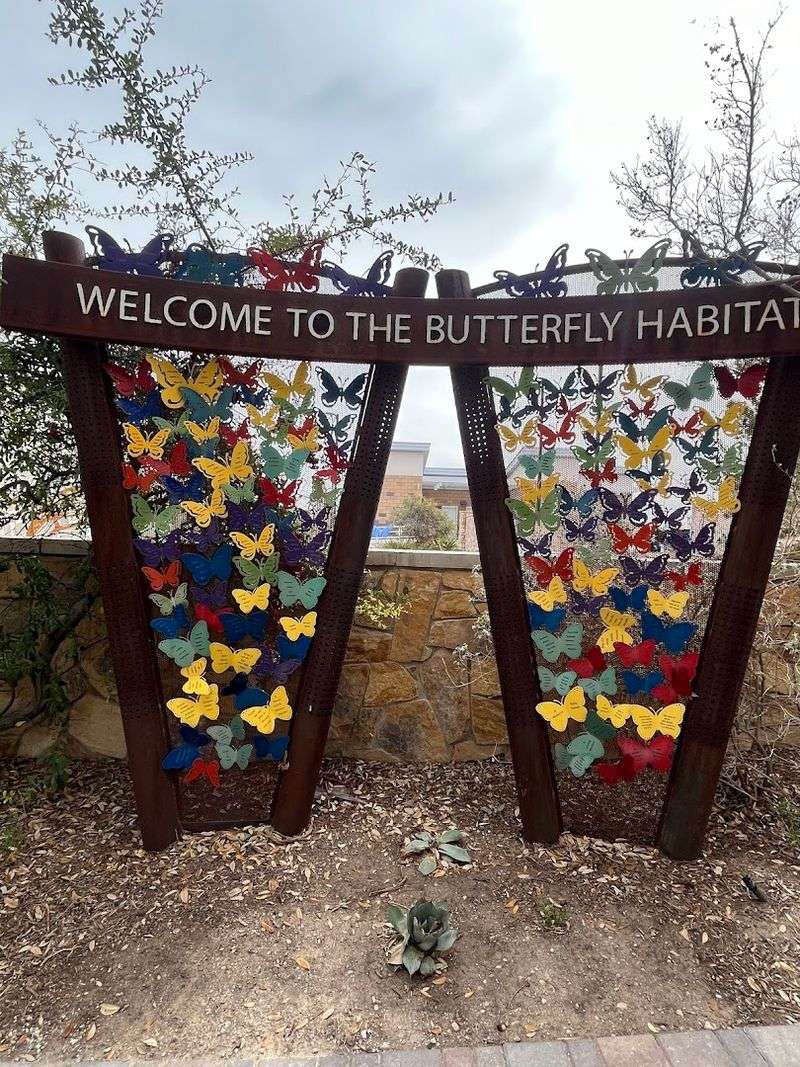
Patience pays off for anyone hoping to capture a good image. Butterflies land on clothing, hover near faces, and sometimes settle on extended hands, offering photo opportunities that would be nearly impossible in the wild.
The greenhouse lighting filters through glass and foliage, creating conditions that work well for photography without harsh shadows.
Bringing a camera with a decent zoom or macro capability helps, but even smartphones can capture striking images when a butterfly cooperates. The key is to stay still and let the butterflies come to you rather than chasing them around the enclosure.
Movement tends to send them fluttering away, while stillness often invites curiosity.
Some of the most memorable shots happen unexpectedly. A butterfly might land on a shoulder or pause on a water dish just long enough for someone to frame the shot.
The unpredictability adds to the experience, making each successful photo feel like a small triumph.
Flowering Plants Give The Butterflies Places To Feed And Rest
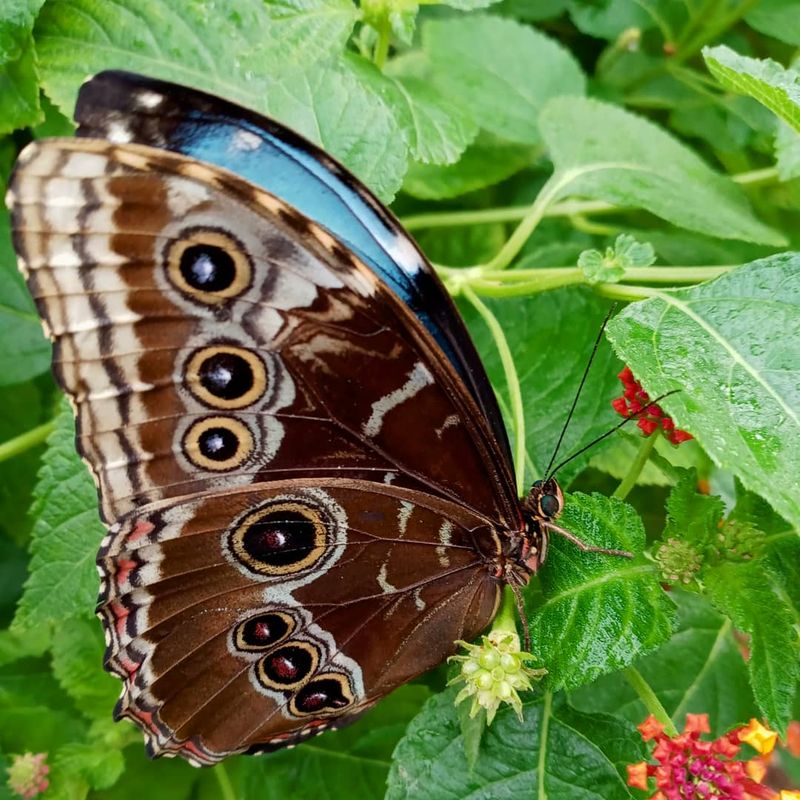
Every plant in the habitat serves a purpose. Flowering species provide nectar, while host plants offer places for butterflies to lay eggs and for caterpillars to feed.
The arrangement creates a layered ecosystem where butterflies can complete their life cycle, not just survive as adults. Reds, purples, and yellows dominate the palette, colors known to attract pollinators.
The plants also create microclimates within the greenhouse. Shaded areas under broad leaves offer cooler spots where butterflies rest during the warmest parts of the day.
Sunny patches draw them out when they need to warm their wings before flight. This careful design mimics natural habitats and allows visitors to see how butterflies interact with their environment.
Staff maintains the plantings throughout the season, removing spent blooms and ensuring that nectar sources remain abundant. The result is a space that looks carefully tended but never artificial, a balance that supports both the butterflies and the visitor experience.
The Habitat Shows How Butterflies Support Healthy Ecosystems
Pollination happens constantly here, visible in a way that helps explain why butterflies matter beyond their appearance. As they move from flower to flower seeking nectar, pollen grains stick to their legs and bodies, transferring genetic material between plants.
This process supports plant reproduction and maintains the diversity that healthy ecosystems require.
The habitat demonstrates these connections through both observation and interpretation. Visitors see butterflies working the flowers, and staff members explain how this behavior supports food chains, provides resources for other species, and maintains plant communities.
The lesson becomes tangible rather than abstract.
Understanding pollination shifts how people view butterflies. They stop being simply decorative and become functional components of natural systems.
The habitat makes this clear without heavy-handed messaging, letting the butterflies themselves tell the story through their behavior. Children especially seem to grasp the concept quickly, watching with new attention as butterflies visit bloom after bloom.
Guests Can Watch The Connection Between Butterflies And Their Host Plants
Host plants play a different role than nectar sources. These are the specific species where adult butterflies lay eggs and where caterpillars feed after hatching.
The relationship is often exclusive, with certain butterflies depending entirely on particular plants for reproduction. The habitat includes these plants alongside the flowering species, allowing visitors to see both stages of the life cycle.
Finding caterpillars requires a careful eye. They blend into foliage by design, using camouflage to avoid predators.
Staff members sometimes point them out, showing how they chew through leaves and grow rapidly before forming chrysalises. Watching this process unfold adds depth to the experience, revealing butterflies as creatures with complex lives rather than just pretty wings.
The presence of host plants also means the habitat can sustain itself to some degree, with new generations emerging as older butterflies complete their life spans. This cycle continues throughout the season, ensuring that the population remains robust.
The Exhibit Sits Inside The Springs Preserve Botanical Garden
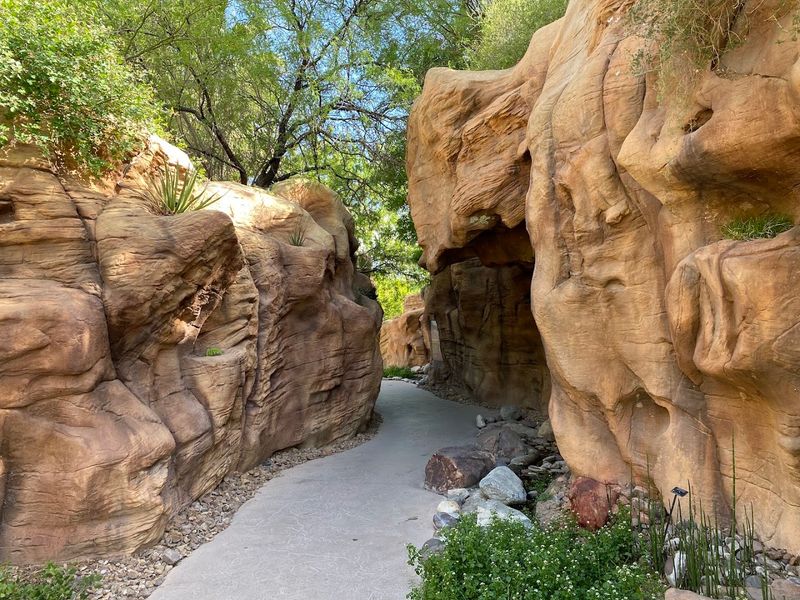
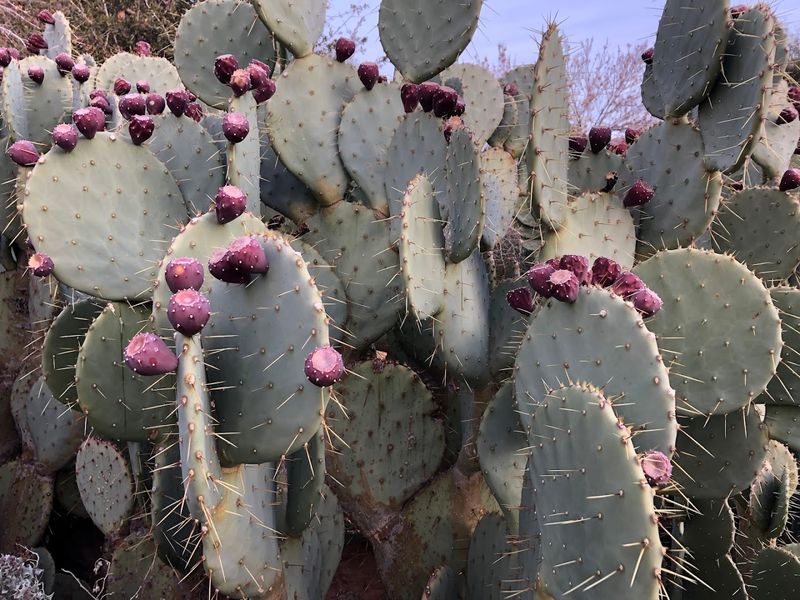
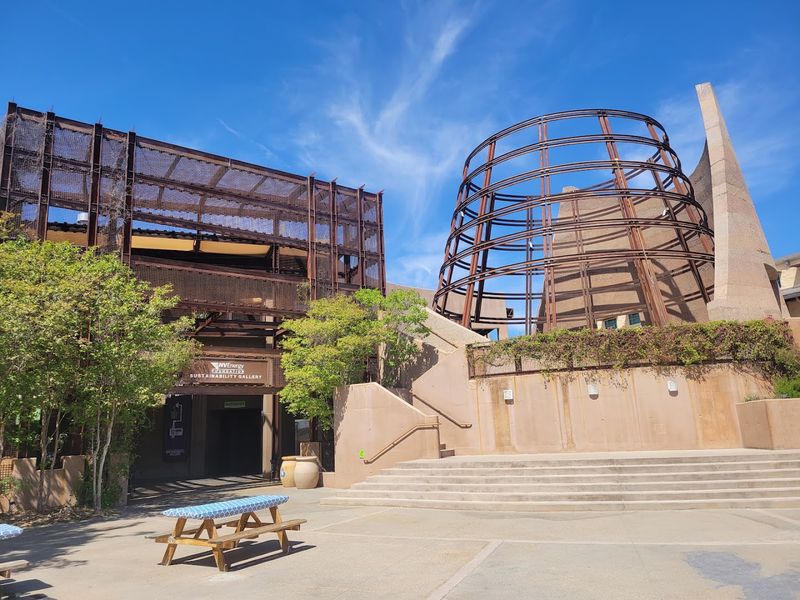
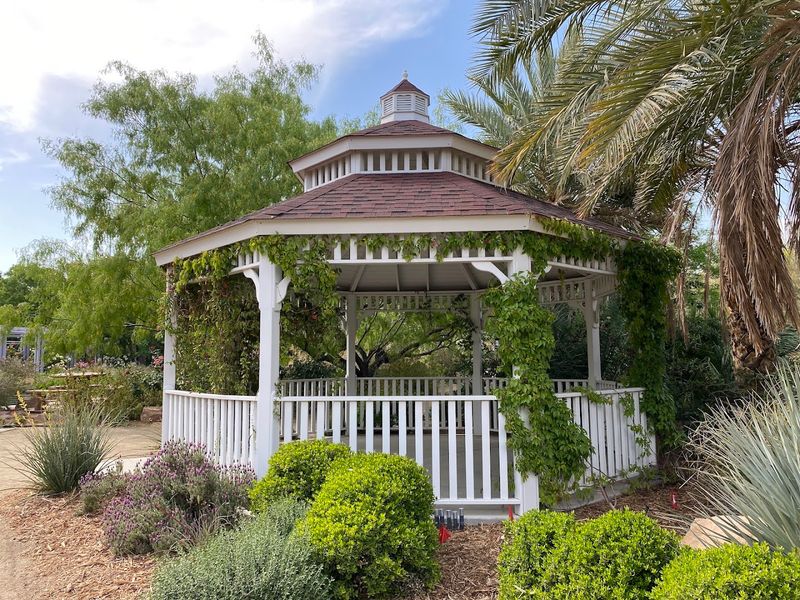
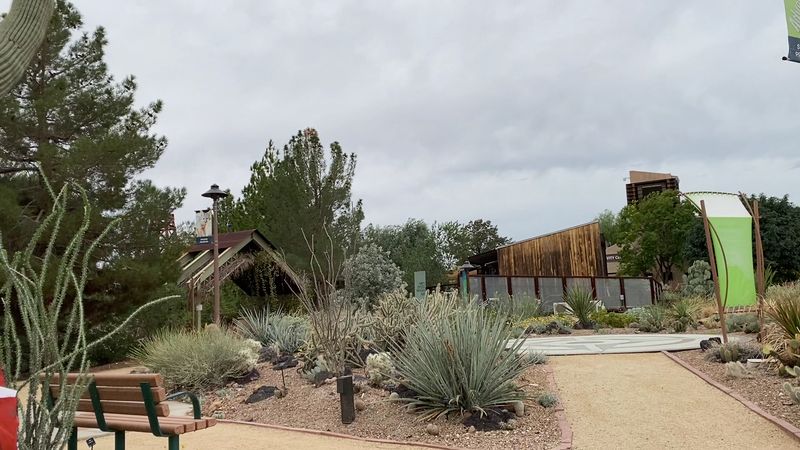
Springs Preserve encompasses 180 acres dedicated to sustainability, history, and natural science. The Butterfly Habitat occupies one section of this larger complex, which includes museums, walking trails, and gardens showcasing desert plants adapted to Southern Nevada conditions.
Visitors often combine the butterfly experience with exploration of the preserve’s other attractions, making it a full-day destination.
The preserve sits on land that once provided water for Las Vegas through natural springs. That history informs much of the interpretation here, connecting past ecology with current conservation efforts.
The botanical gardens demonstrate how native plants thrive with minimal water, a lesson that resonates in a region where water scarcity shapes daily life.
Parking is straightforward, and admission to the preserve includes access to the Butterfly Habitat during its seasonal operation. The grounds offer shade, benches, and facilities that make extended visits comfortable even when desert temperatures climb.
The butterfly greenhouse provides a climate-controlled respite from the heat outside.
Its Seasonal Schedule Follows Nevada’s Milder Spring And Fall Weather
The habitat operates during spring and fall, typically from March through May and again from September through November. These periods align with Nevada’s most temperate weather, when outdoor exploration becomes pleasant and butterflies can thrive without extreme heat stress.
Summer temperatures in Las Vegas regularly exceed 110 degrees, conditions that would prove fatal for many butterfly species even inside a greenhouse.
Winter closures allow staff to prepare for the next season, ordering new butterflies, refreshing plantings, and maintaining the structure. The cyclical nature means that planning a visit requires checking the preserve’s schedule, as the habitat remains closed for roughly half the year.
Current operating hours run from 10 AM to 3 PM Thursday through Monday, with closures on Tuesday and Wednesday.
The seasonal approach also means that each opening feels like an event. Local families return year after year, treating it as a marker of spring’s arrival or fall’s cooling temperatures.
This rhythm creates anticipation and makes each season’s run feel special rather than routine.
Weather Conditions Can Change The Habitat’s Daily Availability
Rain, high winds, or unseasonable cold can affect operations even during the regular season. Butterflies become less active in cool weather, and opening the habitat in poor conditions risks losing individuals or creating suboptimal experiences for visitors.
The preserve monitors conditions closely and occasionally closes the habitat for a day or adjusts hours based on forecasts.
Calling ahead or checking the website before visiting helps avoid disappointment. The phone number, 702-822-7700, connects to staff who can confirm whether the habitat is open and how active the butterflies are on any given day.
These variables mean that flexibility serves visitors well, particularly those traveling from out of town.
On ideal days, when temperatures hover in the 70s and sunshine brightens the greenhouse, butterfly activity peaks. They fly more, feed more actively, and generally put on a better show.
Timing a visit to coincide with these conditions requires some luck, but the reward is an experience that feels fully alive.
The Peaceful Garden Feels Far Removed From The Las Vegas Strip
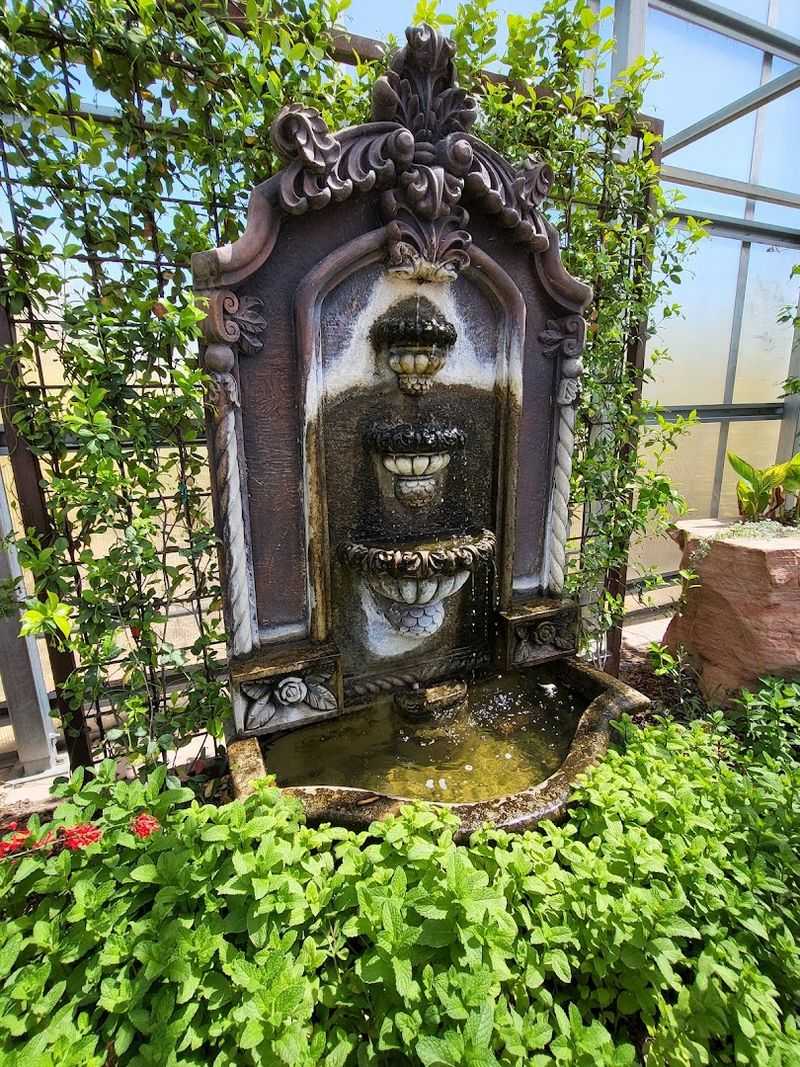
Las Vegas Boulevard lies only a few miles east, but the Butterfly Habitat exists in a different world entirely. The greenhouse muffles outside noise, replacing slot machine chimes and traffic with the rustle of leaves and the occasional flutter of wings.
Visitors speak in hushed tones, respecting the space and the creatures that inhabit it. The atmosphere encourages contemplation rather than stimulation.
Families with young children find it particularly valuable. Kids who might bounce off walls in a casino environment often settle down here, focusing on finding butterflies and learning to move gently.
The habitat teaches patience and observation in ways that feel natural rather than forced. Adults appreciate the break from Las Vegas’s intensity, finding a few moments of calm before returning to the city’s energy.
The contrast makes the experience memorable. Stepping from the bright desert light into the cool greenhouse, then emerging again after an hour among the butterflies, creates a journey that feels both physical and mental.
It serves as a reminder that Las Vegas contains more than entertainment and excess.