
This Nevada Ghost Town Feels Even Eerier Beneath An Autumn Sky
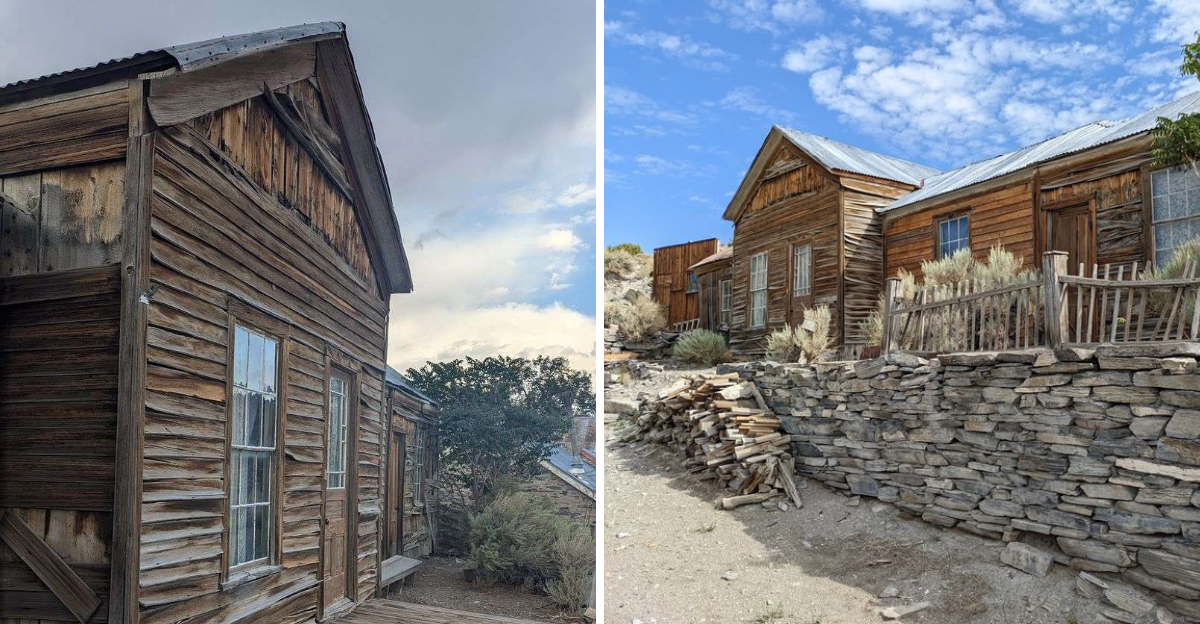
Roofless walls stand open to a sky that used to be a ceiling, brick and timber gone quiet. Nevada keeps one ghost town waiting exactly for October light.
Brick walls glow amber as the sun drops low across the valley. Wind through sagebrush fills silence where footsteps once echoed on wooden walkways.
A two-story courthouse still stands defiant against crumbling neighbors nearby. Cold mountain air arrives fast once afternoon slides toward evening.
Fall color creeps across distant slopes in patches of gold and rust. Cameras linger here longer than planned, chasing light that keeps shifting.
Nevada saves its eeriest mood for shorter days and colder nights. Shadows stretch across rubble, and quiet settles between peaceful and unsettling.
Autumn might be the season this place has been waiting for all along.
Silver Fever Puts A Camp On The Map
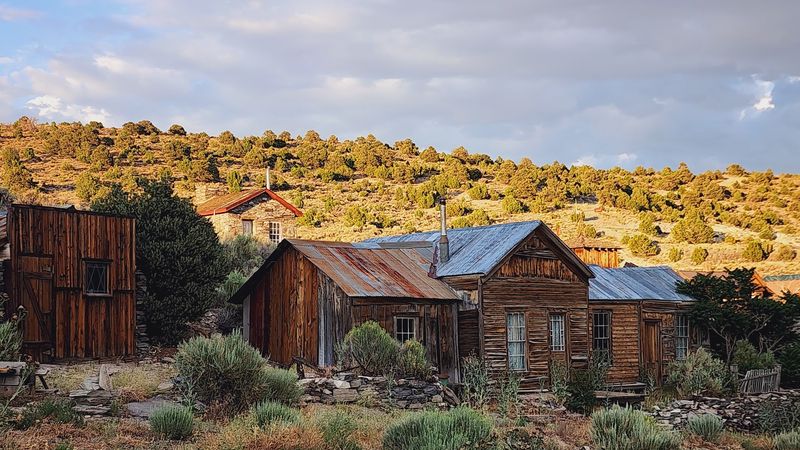
1865 changed everything for this stretch of central Nevada. Prospectors found rich silver ore in the hills nearby, and word traveled fast.
The Silver Bend district pulled in miners hungry for a break. High-grade surface ore did the rest.
Within months, a rough camp turned into an actual town. Stores opened.
Homes went up. Public buildings followed close behind.
Investors arrived with money and big plans. Belmont became one of the more important mining centers in this part of the state.
Long before any of that, Indigenous peoples used the area’s springs and desert resources. The Shoshone gathered here thanks to reliable water year-round.
That history layers under the mining story, and it deserves the same attention.
Visitors today can find the site along Main Street, Manhattan, NV 89022, reachable by a long stretch of backroad driving.
Autumn light hits the old brick walls at a low angle. The whole scene looks like the 1860s barely stepped away.
When The Ore Ran Thin
Booms rarely last. Belmont’s biggest years ran between 1866 and 1887, with silver production estimated around fifteen million dollars.
By the late 1880s, the rich ore bodies thinned out. Mines stopped paying.
Owners shut them down one after another.
People left for the next big strike. Businesses closed their doors and never reopened.
Here is the detail that explains so much of what stands today. Timber was scarce and valuable in this high desert country.
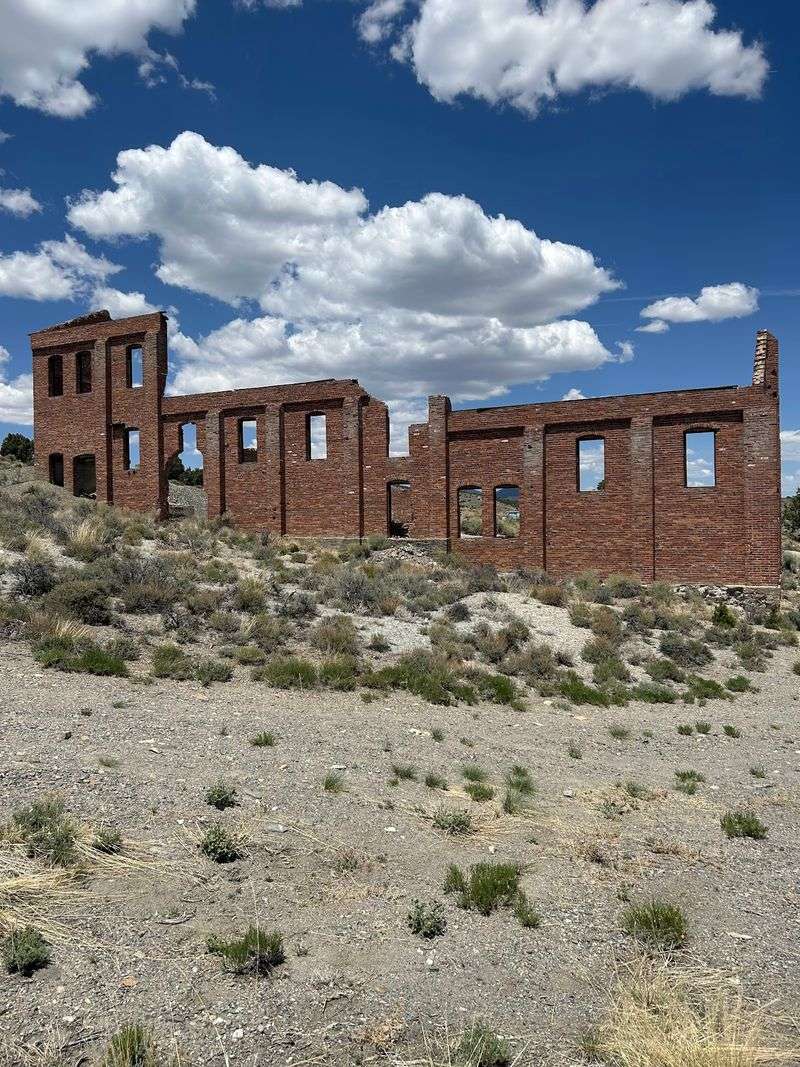
Departing families pulled the roofs right off their houses and shops. Those beams went straight to the next boomtown.
That is why so many walls stand open to the sky. The buildings were not wrecked by storms.
They were carefully picked apart.
Stand inside one of those roofless shells in October. Clouds drift overhead where a ceiling used to be.
The quiet feels heavier when a person understands why it got so quiet in the first place.
The Courthouse That Refused To Fall
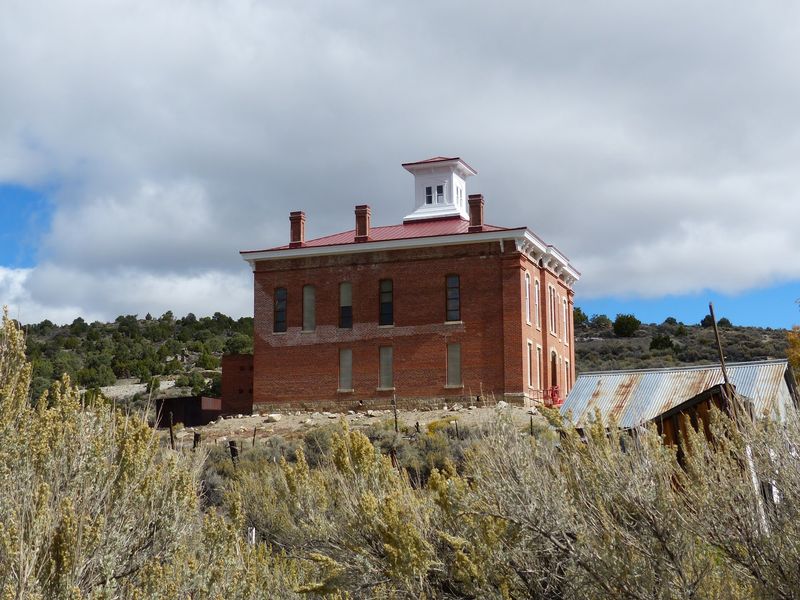
One building steals the show every single time. The two-story Belmont Courthouse went up in 1876 and still stands largely intact.
Belmont held the Nye County seat from 1867 until 1905, with the courthouse serving out the final 29 of those years.
Brick walls, tall windows, solid presence. It served as the Nye County seat from 1867 to 1905.
A nonprofit group, the Friends of the Belmont Courthouse, works to restore and protect the structure. Progress moves slowly out here, which is understandable.
Guided tours of the interior are generally offered on select weekends during the warmer months, roughly May through September. Access can change, so confirming ahead makes sense.
The courthouse now carries recognition as a Nevada state historic site. It anchors the whole town visually.
Against a backdrop of crumbling walls, the building looks almost defiant. Autumn shadows stretch long across its brickwork by late afternoon.
Photographers tend to circle it two or three times before leaving. Every angle offers something different.
Even from the outside, the scale of it hints at how much money once moved through these streets.
Rowdy Days And Frontier Trouble
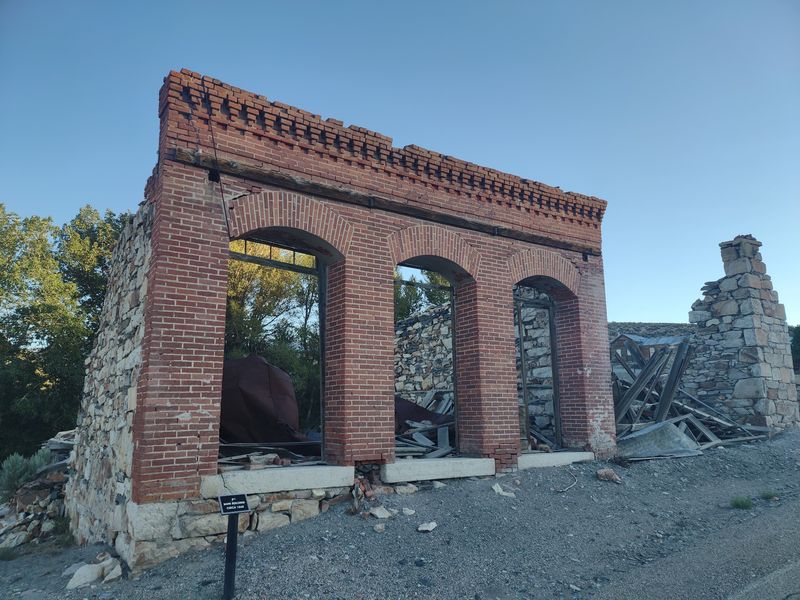
Peaceful now. Rough back then.
Belmont earned a reputation as a boisterous place during its peak years. Rowdy nights, quick tempers, and thin law enforcement gave the town a notorious edge.
Feuds simmered between rival groups and added to the town’s notorious edge. Frontier mining camps across Nevada shared that same restless energy.
Silver drew ambition and lawlessness in roughly equal measure. Thousands of people crowded into a remote valley chasing the same dream.
Tension was practically built into the setup. Law enforcement stretched thin across enormous distances.
Those stories change how the ruins read. A collapsed wall stops being just old masonry once someone knows what happened around it.
Standing on the main road at dusk, imagination fills in the missing noise. Wagons, arguments, footsteps on wooden walkways.
Autumn wind rattling through sagebrush does an unsettling job of covering the gap.
Nothing about the town feels staged, which is exactly why the old tales land so hard.
Mill Ruins Scattered Across The Slopes
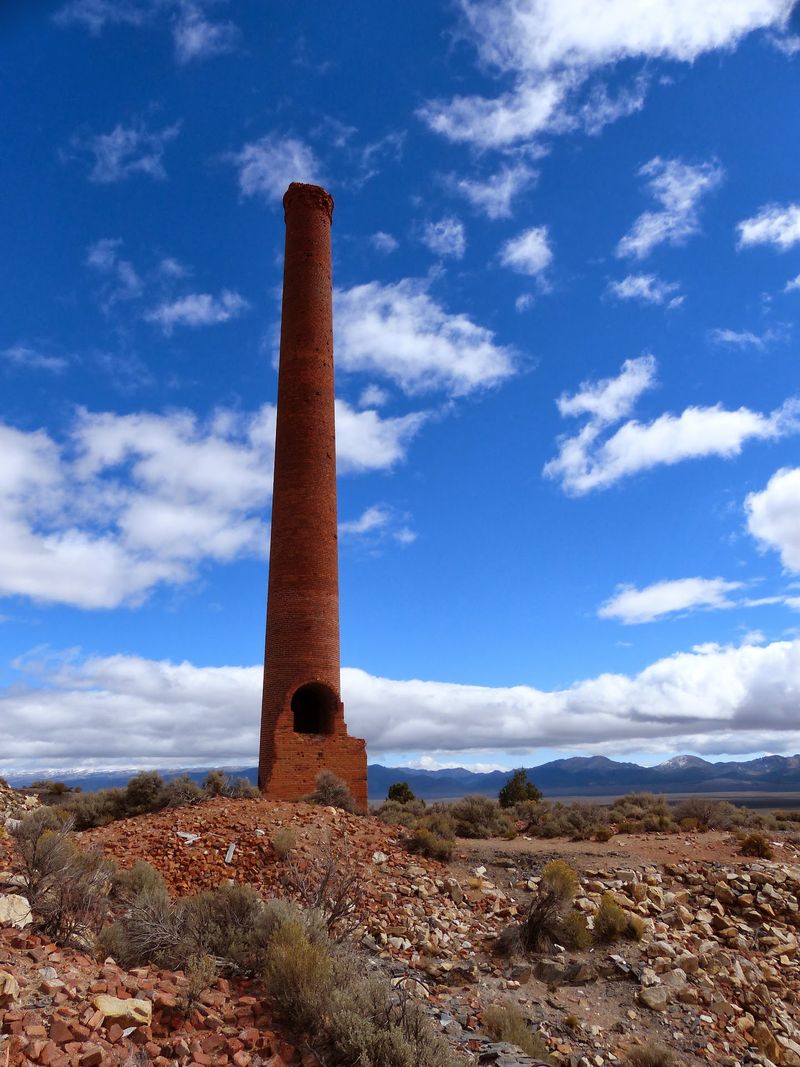
Look past the courthouse and the real industrial story appears. Stamp mill remains sit on the edges of town and up the nearby slopes.
The Molitor Mill, the Monitor-Belmont Mill, and the Combination Mill all left traces behind. Stone terraces.
Thick foundation walls. Scattered rock platforms.
Crushing ore took serious machinery and serious labor. These foundations show the scale of that work better than any plaque could.
A preserved church building also stands in town, quietly restored and often mentioned by visitors as a highlight.
Walking between the ruins takes time. Distances are longer than they look from the road.
Sturdy shoes matter. Loose rock, old nails, and uneven ground come with the territory.
Nothing here has been rebuilt for show. The site sits close to how it was left, which gives the place its honesty.
Autumn keeps the temperature comfortable for that kind of slow, curious wandering. Summer heat makes the same walk far less pleasant.
Mountain Air At 7,400 Feet
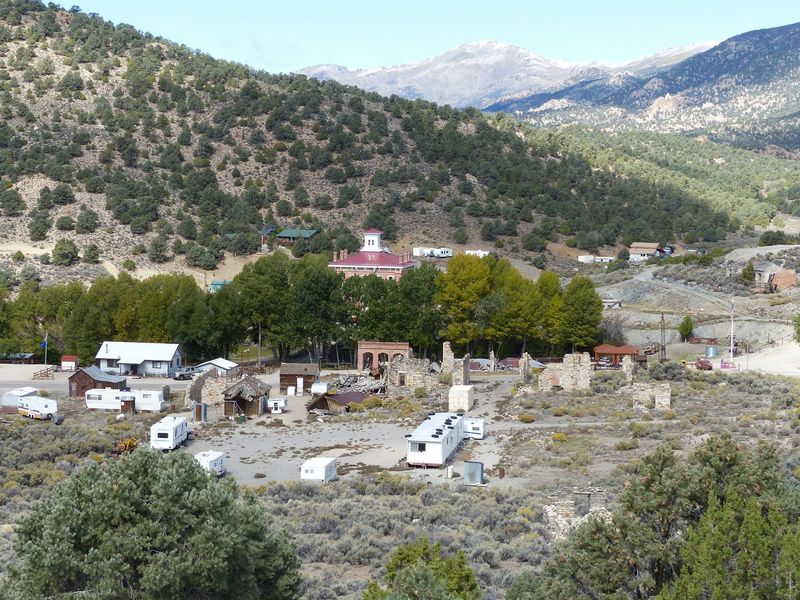
Forget the flat, bare desert picture. Belmont sits at roughly 7,400 feet along the eastern edge of the Toquima Mountains.
The southern end of Monitor Valley opens up right here. Views run for miles across open country.
Trees grow around the townsite, which sets it apart from many Nevada ghost towns baking on open flats. Pinyon and juniper soften the hillsides.
A year-round spring made the location valuable long before silver mattered. Shoshone people gathered here because of that water.
Elevation shapes the visit in practical ways. Nights turn cold fast in autumn, even after a mild afternoon.
Layers help. So does a jacket left in the vehicle just in case.
Fall color shows up in patches across the slopes. Gold and rust tones against gray brick make for striking photographs.
Mornings can start frosty and clear. That crisp air carries sound strangely far across the empty valley floor.
A Quiet Cemetery Down A Dirt Road
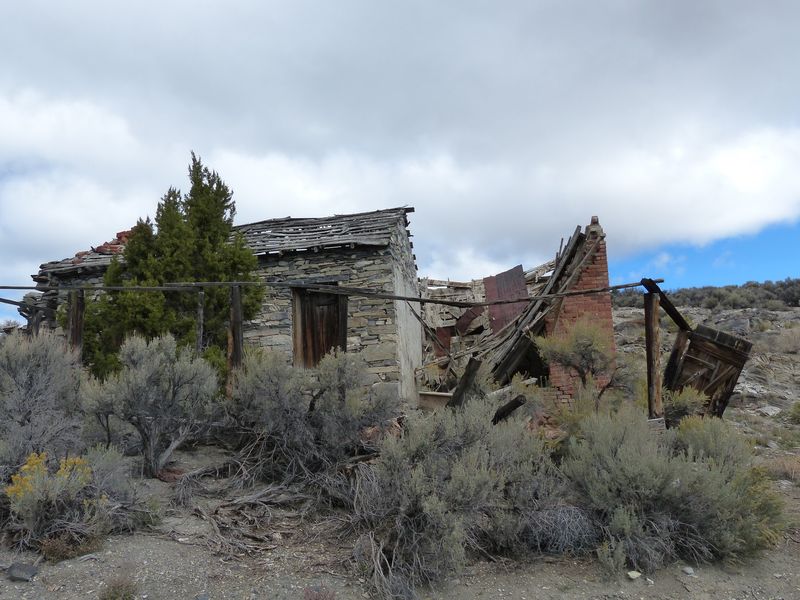
Cemetery Road branches off near the southwest entrance to town. Follow it and the mood shifts.
Weathered headstones mark the resting places of early settlers. Family plots sit grouped together under open sky.
Many markers are small. Frontier communities faced high infant mortality, and illnesses swept through remote camps with little warning.
Those small stones say more about daily hardship than any statistic. Families built lives here with very little safety net.
The setting is peaceful rather than grim. Sagebrush grows between the plots, and wind moves steadily through it.
Respect goes a long way. Staying on paths, leaving markers untouched, and keeping voices low all count.
Autumn light late in the day turns the whole area soft and amber. Photographs from that hour feel almost painted.
Visitors often describe this spot as the moment the town stopped being a curiosity and started feeling personal.
It closes the loop on the boom-and-bust story better than the mills ever could.
Neighbors Among The Ruins
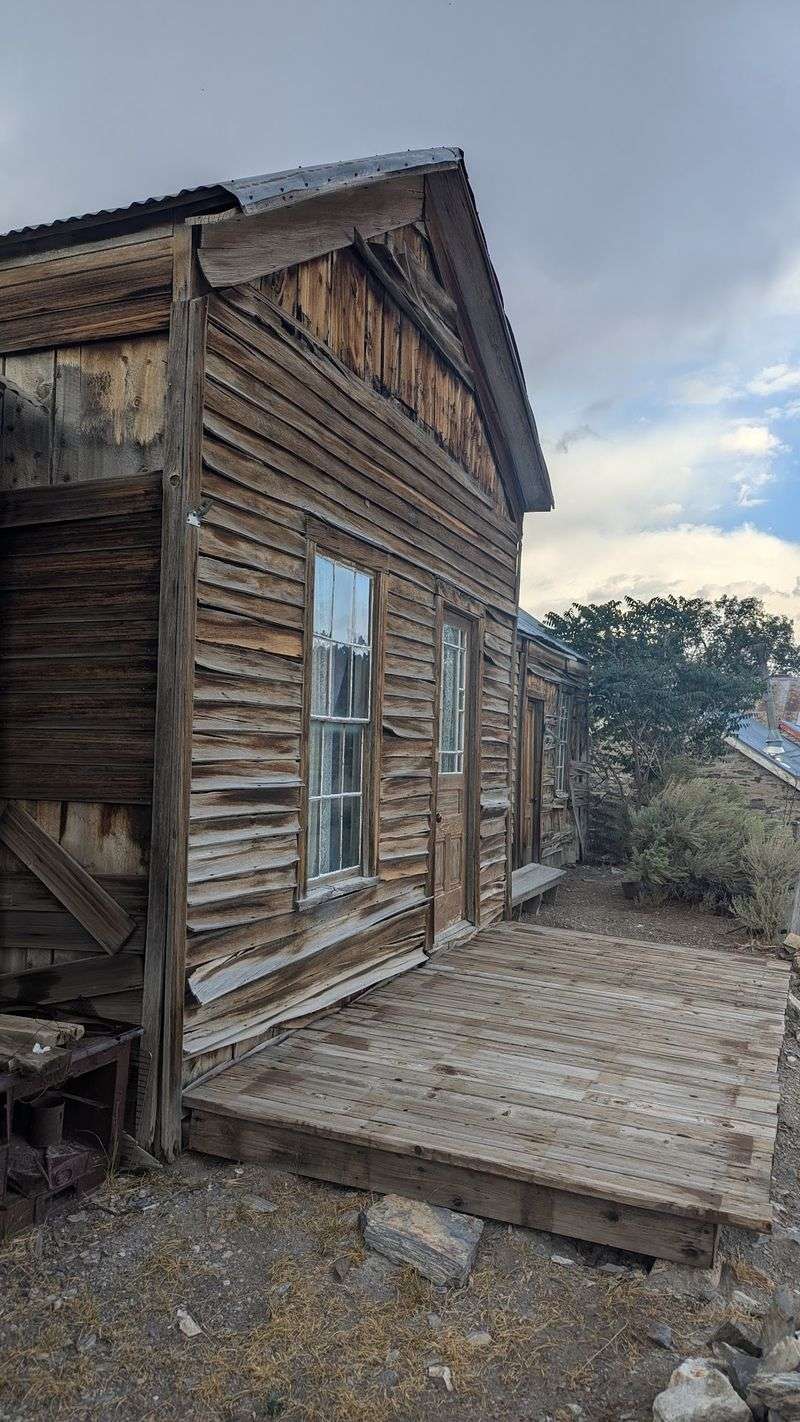
Empty is not the right word here. A small number of residents still call Belmont home.
That makes it a semi-ghost town, and the distinction matters for anyone planning a visit. Occupied homes sit near the ruins.
Some property in the area is privately held. Fences and posted signs deserve full attention.
Locals take real pride in caring for the historic buildings. The restored church stands as proof of that effort.
Visitors frequently mention friendly greetings from people around town. A little courtesy earns a lot of goodwill.
Peeking into windows of lived-in houses crosses a line. So does wandering through yards.
Stick to public roads and clearly open areas. Ask before poking around anything uncertain.
Community events pop up occasionally, which surprises people expecting total silence. Weekends can feel livelier than weekdays.
Autumn brings fewer crowds and a slower pace. The town settles into itself once the summer travelers thin out.
Dirt Roads And Long Distances
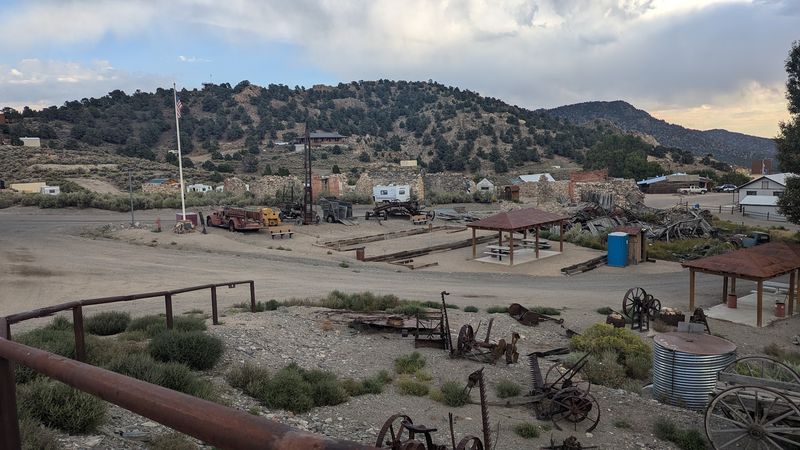
Pavement runs out well before the town does. Reaching Belmont usually means dirt and gravel road driving.
Conditions vary with weather. Rain, snow, or washboard ruts can change a route quickly.
Tonopah serves as the nearest hub for fuel, groceries, and lodging. Visitors commonly describe that drive as taking around an hour or more.
Filling the tank beforehand is basic common sense out here. There are no services in town.
Cell coverage is unreliable across this part of Nevada. Downloading maps ahead of time removes a lot of stress.
Water, snacks, a spare tire, and warm layers all belong in the vehicle. Autumn weather flips fast at elevation.
Telling someone the plan and expected return time is smart practice for remote travel anywhere.
Daylight shrinks in fall, so an early start pays off. Nobody wants to navigate unfamiliar dirt roads after dark.
Prepared travelers find the journey half the reward.
Why Photographers Keep Coming Back
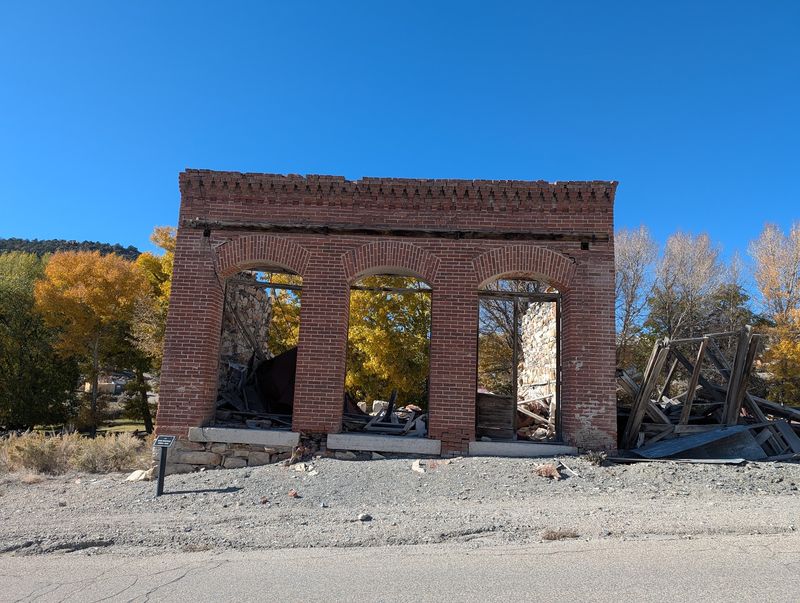
Old brick, big sky, zero clutter. Belmont hands photographers a ready-made subject.
Crumbling walls frame distant mountains. Empty window openings catch changing light through the day.
Autumn helps in several ways. The sun sits lower, shadows grow longer, and harsh midday glare eases up considerably.
Golden hour stretches out beautifully in the valley. Warm light on cool brick creates real contrast.
Clear high-desert nights open the door to star photography. Light pollution barely exists in this corner of Nevada.
A tripod earns its keep after sunset. So do extra batteries, since cold air drains them faster.
Details reward patience. Rusted hardware, hand-laid stonework, and wood grain worn smooth by decades of wind all tell part of the story.
Leaving artifacts exactly where they sit preserves those details for the next person with a camera.
Plenty of visitors arrive planning an hour and stay through sunset instead.
That Uneasy Feeling After Dark
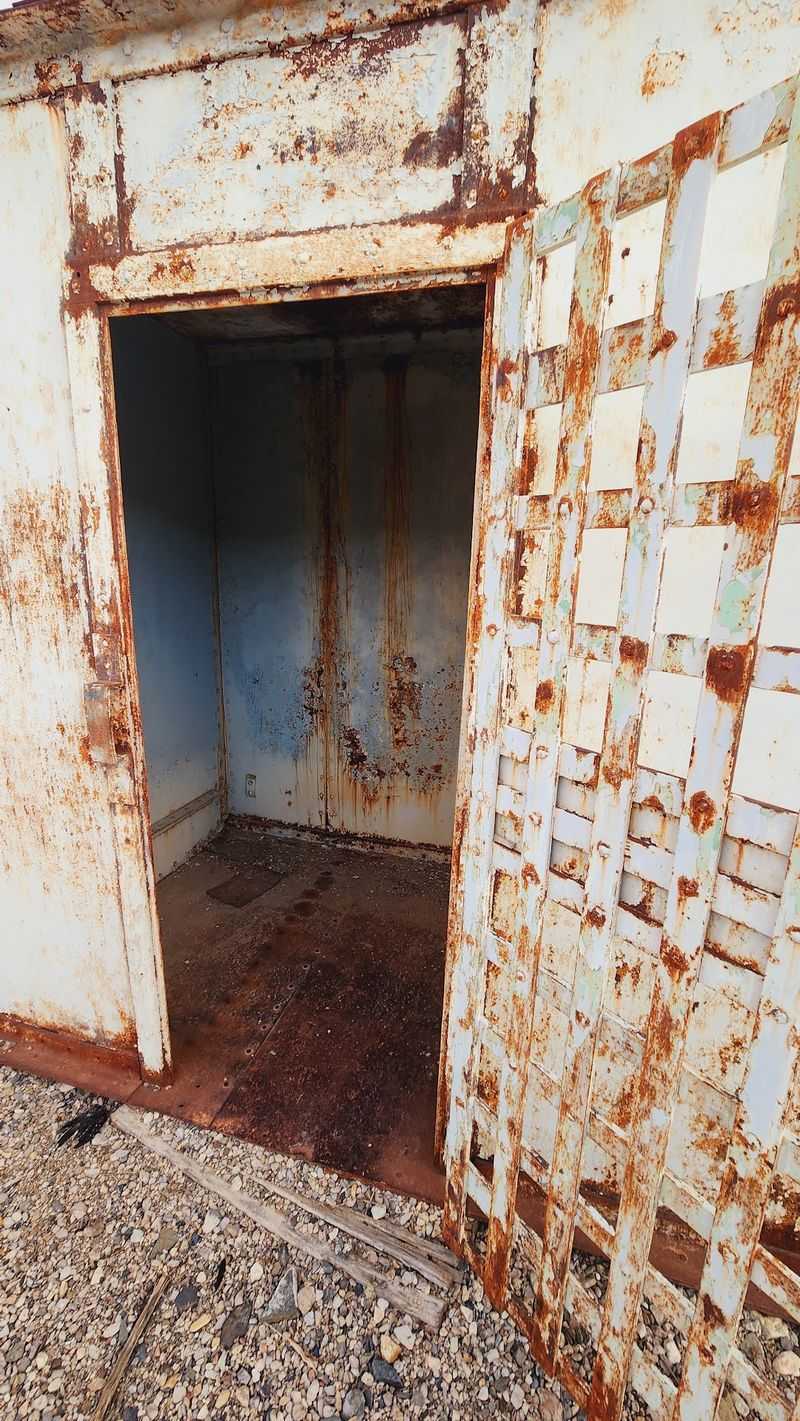
Daytime here is calm. Nighttime is another story entirely.
Visitors often describe the town as peaceful under sunshine and distinctly spooky once the light fades. Sound carries oddly across open ground.
Wind through trees and brush produces noises with no obvious source. Shadows shift across rubble piles.
Autumn stretches the darkness longer, which amplifies all of it. Sunset arrives earlier than most people expect.
Caution belongs in the plan. Uneven ground, open foundations, and loose rock become genuine hazards without daylight.
Emergency help sits far away. A twisted ankle out here turns serious quickly.
Flashlights, headlamps, and a companion make evening exploring far safer. Staying near the main road is wise.
The atmosphere is memorable without any need for risk-taking. Sitting still and simply listening does the job.
Some travelers find the whole experience thrilling. Others head back toward Tonopah before dusk and sleep just fine.
Leaving It Better Than Found
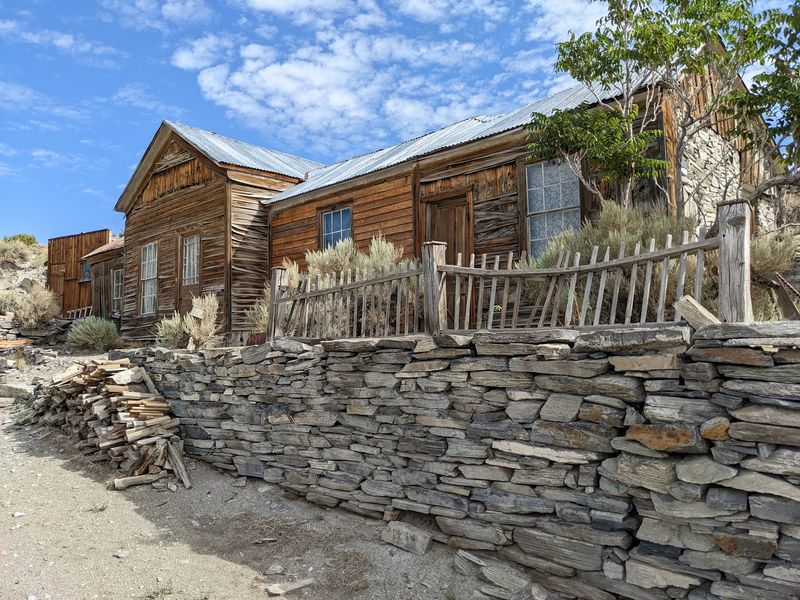
Every visit shapes what the next person sees. Belmont survives because people treat it carefully.
Removing artifacts strips away context permanently. A rusted nail means little in a pocket and a lot on the ground where it fell.
Climbing on unstable walls damages fragile masonry and endangers the climber. Old mortar gives way without warning.
Sticking to established paths keeps erosion in check. Vehicles belong on roads, not across open ground.
Mine openings in the surrounding area can be dangerous. Staying well clear is the only sensible approach.
Packing out every scrap of trash goes without saying. Dry camping options exist nearby, with no hookups or services.
Supporting preservation groups helps the courthouse restoration continue. Small contributions add up over years.
Autumn visitors get the site at its most photogenic and least crowded. Treating it gently keeps that true.
A century and a half of history sits here, quietly holding on. Belmont rewards anyone willing to drive far, walk slow, and look closely.