
This Nevada Railroad Museum Is One Of The State’s Most Fascinating Historic Stops
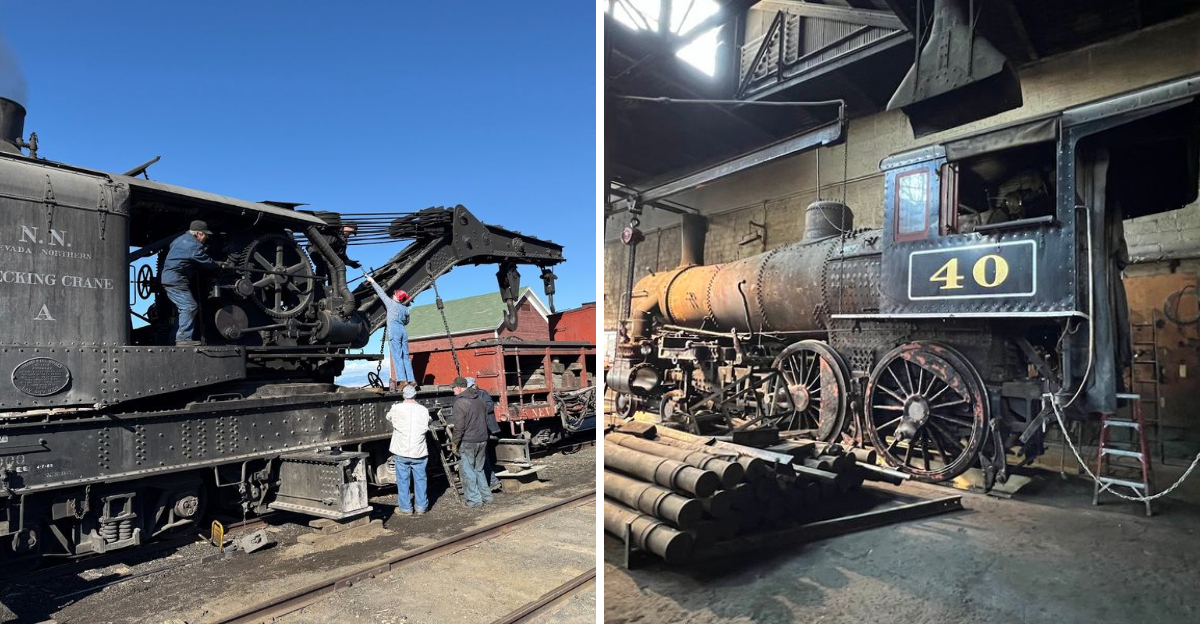
Old locomotives do not feel very quiet when they still look ready to thunder out of the yard. Out in Nevada, this railroading stop swaps glass cases for grease, steel, desert air, and real tracks with stories baked into every tie.
Visitors can wander past historic engines, peek into machine shops, and imagine copper ore rolling through rugged canyons when mining towns depended on the rails. The place feels less like a polished museum and more like a working railroad that simply paused mid-shift.
Massive equipment, vintage buildings, and rideable rails give the whole visit a hands-on spark. For anyone who loves old machinery, desert history, or unusual road trip stops, this Nevada destination delivers plenty of steam-powered personality.
The Museum Preserves A Real Early 1900s Railroad Yard
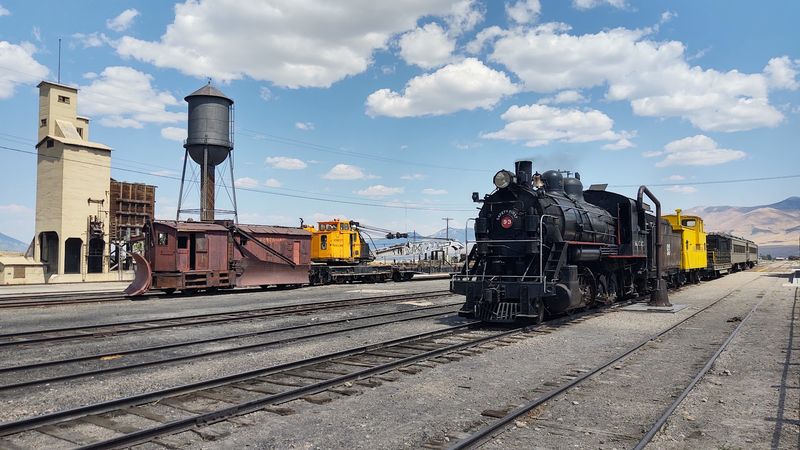
Walking through the gates feels like stepping onto a film set, except everything here is authentic. The Nevada Northern Railway Museum occupies a genuine early 1900s railroad yard that has remained largely untouched since its working days.
Original depot buildings, maintenance shops, and storage structures still stand where they were first constructed, creating an atmosphere that no reconstruction could replicate.
Visitors can explore the entire 56-acre complex at their own pace, wandering past vintage rolling stock and peering into workshops where craftsmen once kept the railroad running. The yard includes everything from the superintendent’s office to the turntable where locomotives were rotated for their next journey.
Admission costs just ten dollars, granting access to most areas including places where restoration work continues today.
The authenticity extends beyond the buildings to the tools, equipment, and even the dust that settles on workbenches between projects. This preservation of place and purpose makes the museum exceptional among American railroad sites.
It Was Built To Serve Nevada’s Copper Mining Boom
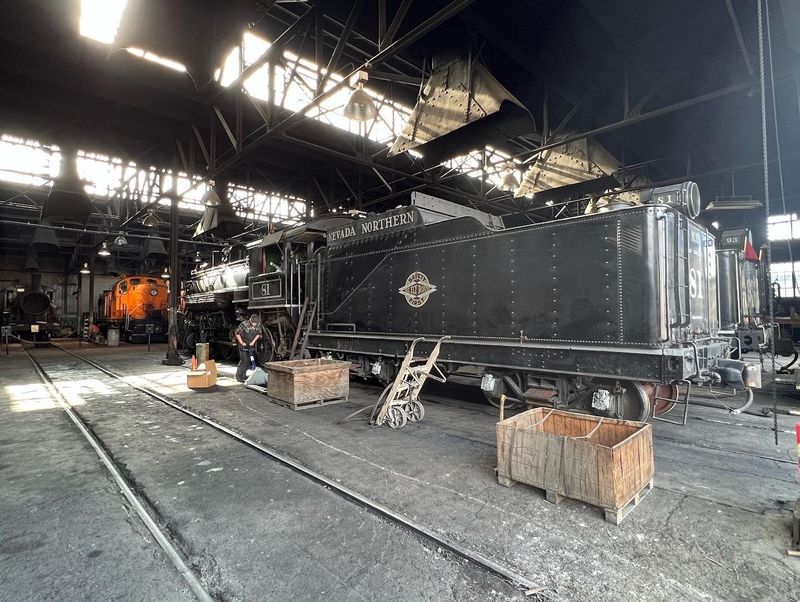
Copper drove the creation of this railroad, not passenger travel or agricultural transport. The Nevada Northern Railway came into existence specifically to haul copper ore from the mines around Ely to smelters and beyond.
During the early 20th century, Nevada’s copper boom transformed the region, and railroads became the essential arteries that kept the mining operations profitable and connected to distant markets.
The relationship between mining and railroading shaped every aspect of the railway’s design and operation. Heavy locomotives were needed to pull ore cars up steep grades, and the route was engineered to reach remote mining sites scattered across rugged terrain.
Understanding this purpose helps visitors appreciate why certain equipment looks so robust and why the tracks wind through such challenging landscape.
Today, the museum interprets this industrial heritage through exhibits, preserved equipment, and train rides that follow the original mining routes. The connection between copper and rails remains central to every story told here.
The East Ely Yard Is A National Historic Landmark
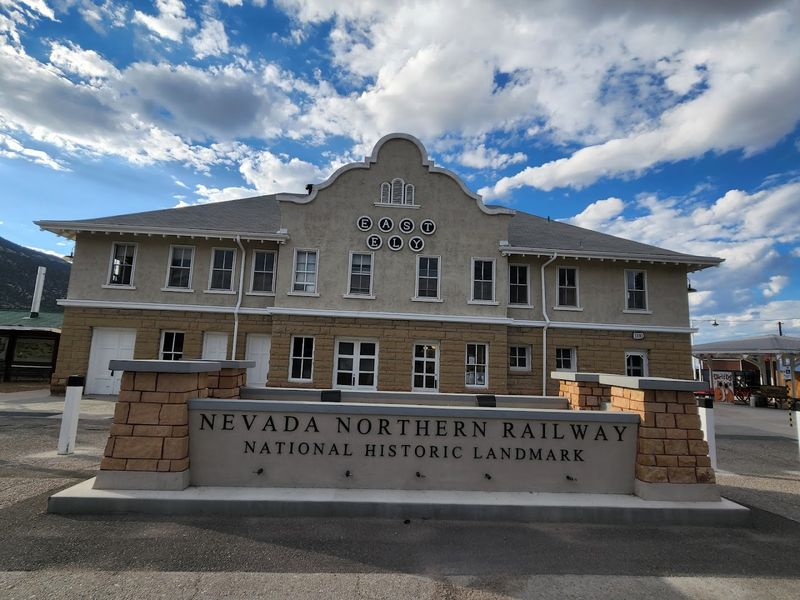
Recognition as a National Historic Landmark confirms what railroad enthusiasts have long known about this place. The East Ely Yard earned this prestigious designation because it represents one of the most complete and authentic railroad complexes surviving from the early industrial era.
Few sites in America preserve such a comprehensive snapshot of railroading operations from this period.
The landmark status reflects not just the age of the buildings and equipment, but their condition and completeness. Machine shops still contain the original tools used to maintain locomotives a century ago.
The depot retains its period furnishings, and even administrative records remain filed in their original cabinets, creating an archival treasure alongside the physical artifacts.
This official recognition helps protect the site for future generations while validating the work of volunteers and staff who maintain it. The designation also attracts serious historians and railroad scholars who study the complex as a primary source for understanding early 20th-century industrial transportation.
Visitors Can Ride Historic Steam And Diesel Trains
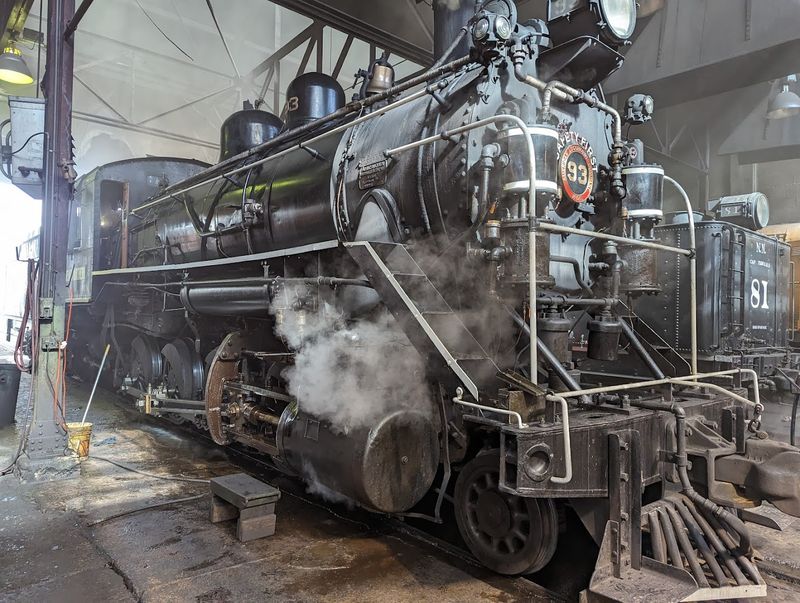
Riding a working steam locomotive transforms the museum experience from observation to participation. The Nevada Northern Railway operates regular excursions using authentic steam and diesel engines that pull vintage passenger cars along the original tracks.
These are not replicas or tourist gimmicks but actual historic locomotives maintained in operating condition through skilled restoration work.
The 90-minute canyon excursion takes riders through desert scenery that has changed little since mining days, passing through tunnels and climbing grades that test the power of these magnificent machines. Open-air cars let passengers feel the desert wind and hear the unmistakable sound of a steam whistle echoing off canyon walls.
Guides share stories about the railroad’s history and the landscape’s mining heritage during the journey.
Train rides cost $39 for the first excursion, with a second trip available at half price if purchased together. The experience appeals to all ages, from railroad enthusiasts who appreciate the mechanical details to families creating memorable adventures together.
The Railroad Still Uses Original Tracks, Cars, And Buildings
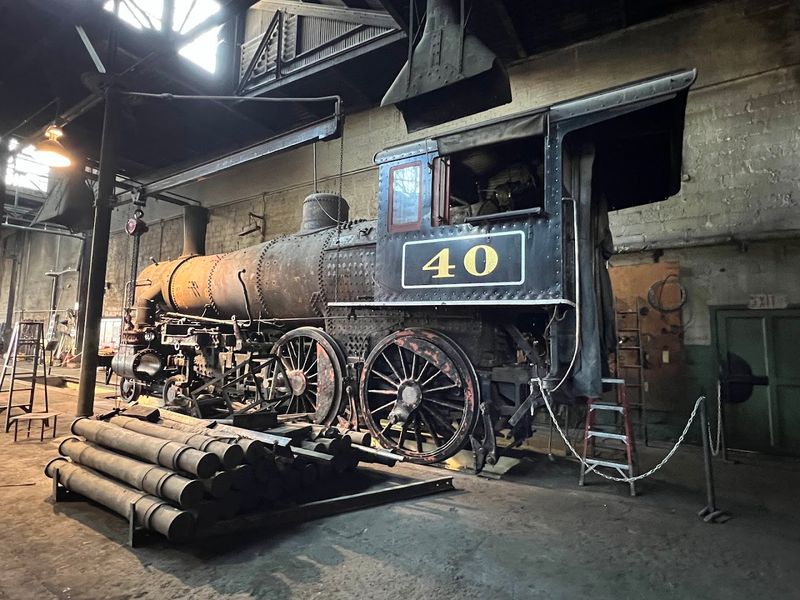
Authenticity defines every aspect of the Nevada Northern Railway, from the rails beneath the trains to the roofs overhead. The museum operates on the same tracks laid down during the railroad’s construction, using rolling stock that actually served the mining industry and maintaining operations from buildings that housed railroad workers over a century ago.
This commitment to preservation creates an experience impossible to replicate.
The machine shop remains particularly impressive, filled with specialized lathes, presses, and tools that continue performing their original functions. Craftsmen use this equipment to repair and restore locomotives, demonstrating techniques that modern facilities have abandoned.
Even the blacksmith shop operates as it did when railroad work required constant metal fabrication and repair.
Visitors often express amazement at being allowed to walk through active work areas and touch equipment that museums elsewhere would protect behind barriers. This accessibility, combined with authentic surroundings, makes the Nevada Northern Railway feel less like a museum and more like a working railroad that welcomes curious guests.
Specialty Train Rides Make The Museum More Than A Static Display
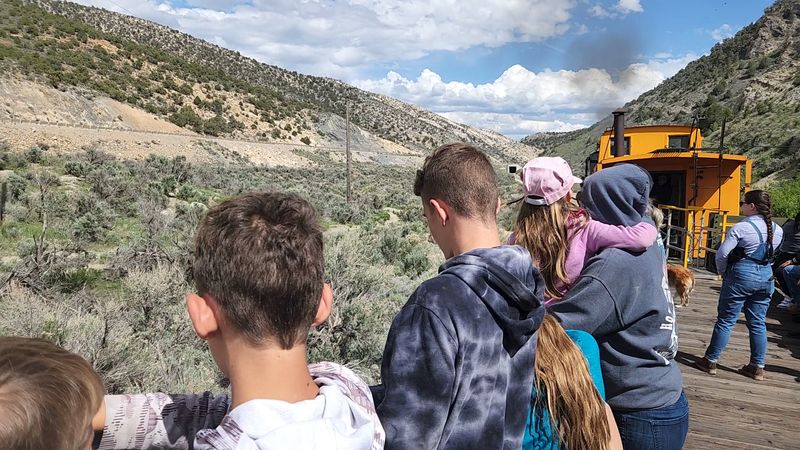
Regular excursions tell only part of the story, as the museum schedules specialty rides throughout the year that transform the railroad into something magical. The Christmas train remains particularly popular, featuring visits from Santa, hot chocolate service, and a snowball fight aboard the moving train that delights children and adults alike.
These themed experiences sell out quickly, drawing families from across Nevada and beyond.
Other specialty rides include photography charters for serious railroad enthusiasts, sunset dinner trains, and special events timed to holidays and local celebrations. Each offers a different perspective on the railroad and its capabilities, showing how versatile these historic trains remain when imagination combines with careful planning.
The variety of experiences means visitors can return multiple times throughout the year without repeating the same adventure. First-time guests often become regular participants, building traditions around specific annual events and introducing friends to the railroad’s unique charm.
This dynamic programming keeps the museum vibrant and financially sustainable while honoring its historic mission.
Its Locomotive Collection Includes Steam, Diesel, And Electric Engines
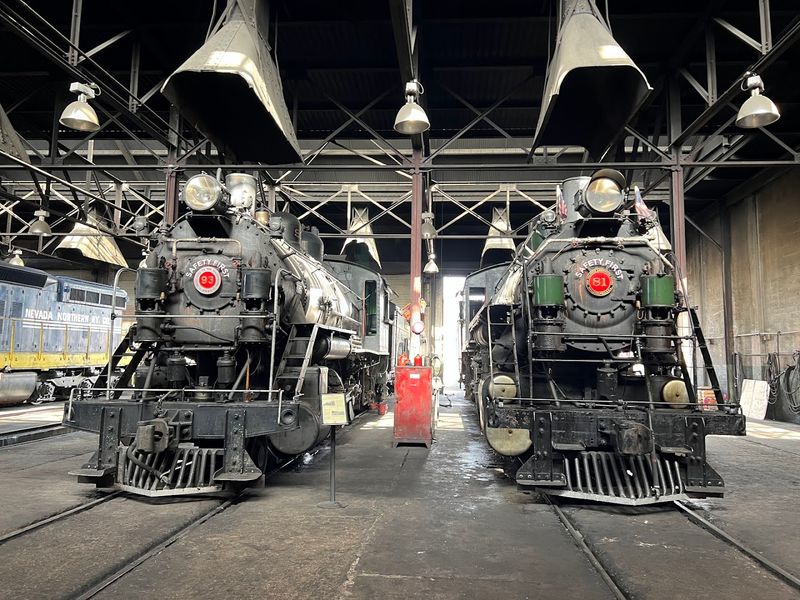
The locomotive roster reads like a timeline of railroad technology, spanning from steam power through diesel and including rare electric engines. This diverse collection allows the museum to demonstrate how railroad propulsion evolved during the 20th century, with each type of locomotive representing different engineering approaches to moving heavy loads across difficult terrain.
Steam locomotives remain the stars, their massive boilers and driving wheels embodying the romance of early railroading. Several diesel engines show the transition period when railroads modernized their fleets, while electric locomotives represent a brief experiment with alternative power that few American railroads pursued.
Some engines sit in various stages of restoration, offering visitors a chance to see inside these mechanical marvels.
Knowledgeable staff and volunteers can explain the technical differences between engine types and share stories about specific locomotives that worked these rails. Their enthusiasm proves contagious, helping visitors appreciate the engineering brilliance required to make these machines function reliably in harsh desert conditions year after year.
The Route Connects Ely To Nevada’s Rugged Mining Landscape
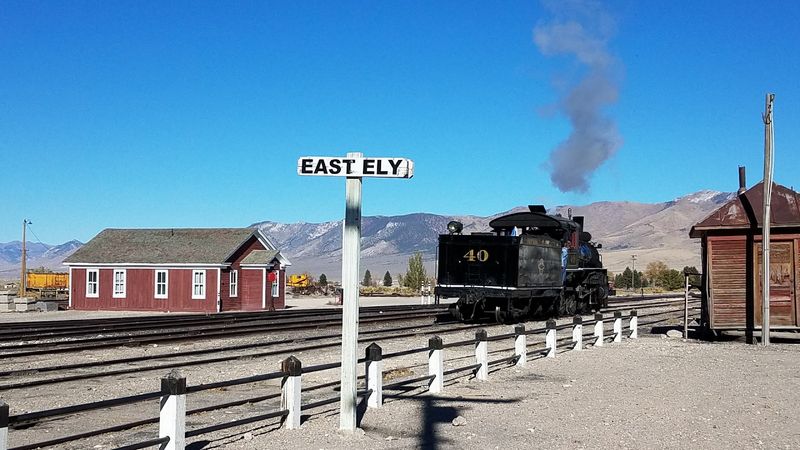
The scenery along the railroad route tells Nevada’s mining story as clearly as any museum exhibit. Train rides depart from Ely and wind through desert terrain marked by abandoned mining operations, ore dumps, and the stark beauty of high desert country.
This landscape has changed remarkably little since the railroad’s heyday, allowing passengers to see the environment that shaped both the mining industry and the railroad that served it.
Tunnels carved through solid rock demonstrate the engineering challenges faced by railroad builders working in mountainous terrain. Grades that test locomotive power show why such robust engines were necessary for profitable operations.
The route passes close enough to old mining sites that guides can point out specific features and explain how ore moved from mine to mill to market.
Photographers particularly appreciate these excursions, as the combination of vintage trains and authentic mining landscape creates images that capture a vanished era. The desert light, especially during morning and evening rides, adds drama to scenes that already possess considerable visual power.
The Museum Offers Hands-On Railroad History
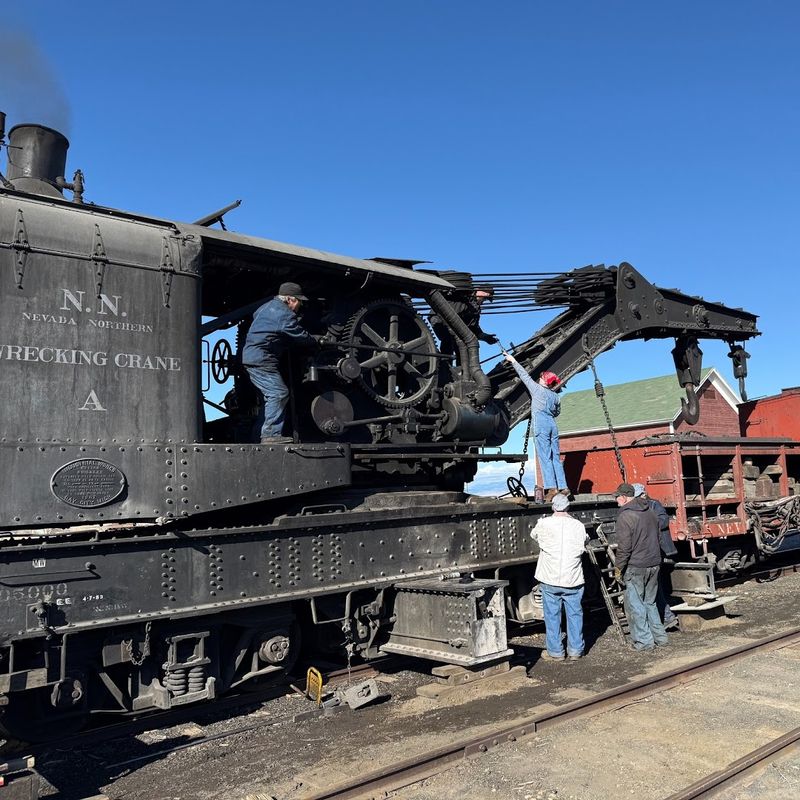
Barriers between visitors and history disappear at this museum, where touching artifacts and exploring work areas is encouraged rather than forbidden. The self-guided tour allows guests to wander through the machine shop, peer into locomotive cabs, and examine tools that remain in active use.
This accessibility creates engagement that passive observation cannot match, particularly for younger visitors who learn best through direct interaction.
The “Be The Engineer” program takes hands-on experience to another level, allowing participants to actually operate locomotives under expert supervision. This premium experience teaches the basics of train handling, including brake operation and throttle control.
Participants who choose the option of hauling a full train rather than running the engine solo gain practical understanding of how weight and momentum affect railroad operations.
Even standard admission grants access to areas that other museums would restrict, including workshops where restoration projects continue. Watching skilled craftsmen work on century-old machinery provides insights that no exhibit label could communicate, making every visit educational in unexpected ways.
Seasonal Rides Turn The Historic Railroad Into A Year-Round Attraction
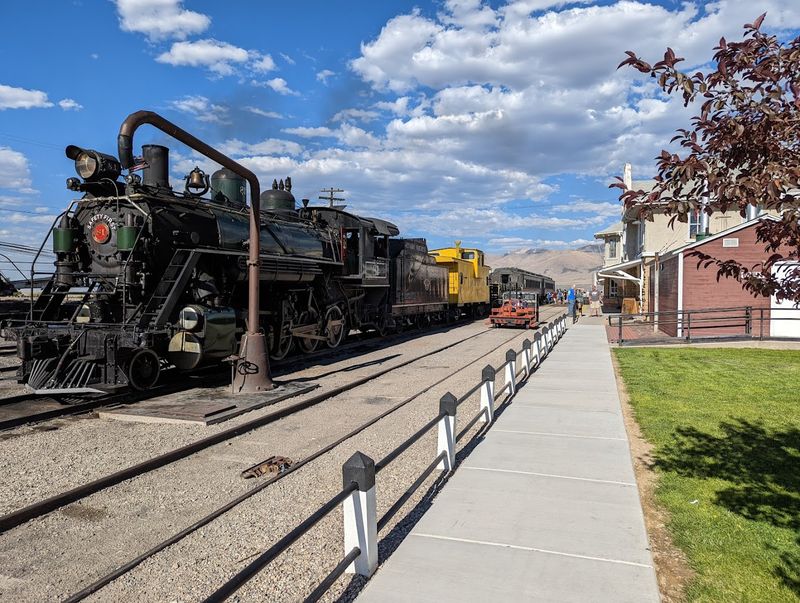
Operating schedules adapt to Nevada’s seasons, ensuring the railroad offers compelling experiences throughout the year. Summer brings longer days perfect for extended excursions through sun-baked desert landscapes.
Fall colors, though subtle in this high desert environment, add warmth to the scenery while temperatures moderate to comfortable levels. Winter transforms the railroad into a holiday wonderland, with special Christmas trains creating memories for families bundled against the cold.
Spring rides showcase wildflowers that briefly carpet the desert following winter moisture, offering photographers and nature enthusiasts a different perspective on the landscape. Each season brings unique light, weather, and atmosphere that change how the railroad looks and feels, rewarding repeat visitors with fresh experiences even along familiar routes.
The museum remains open year-round, with operating hours from 8 AM to 5 PM most days and slightly shorter Sunday hours. Calling ahead at 775-289-2085 or checking the website helps visitors plan around special events and seasonal ride schedules that vary throughout the year.