
This Nevada Railway Still Runs A Real Steam Train Across The High Desert
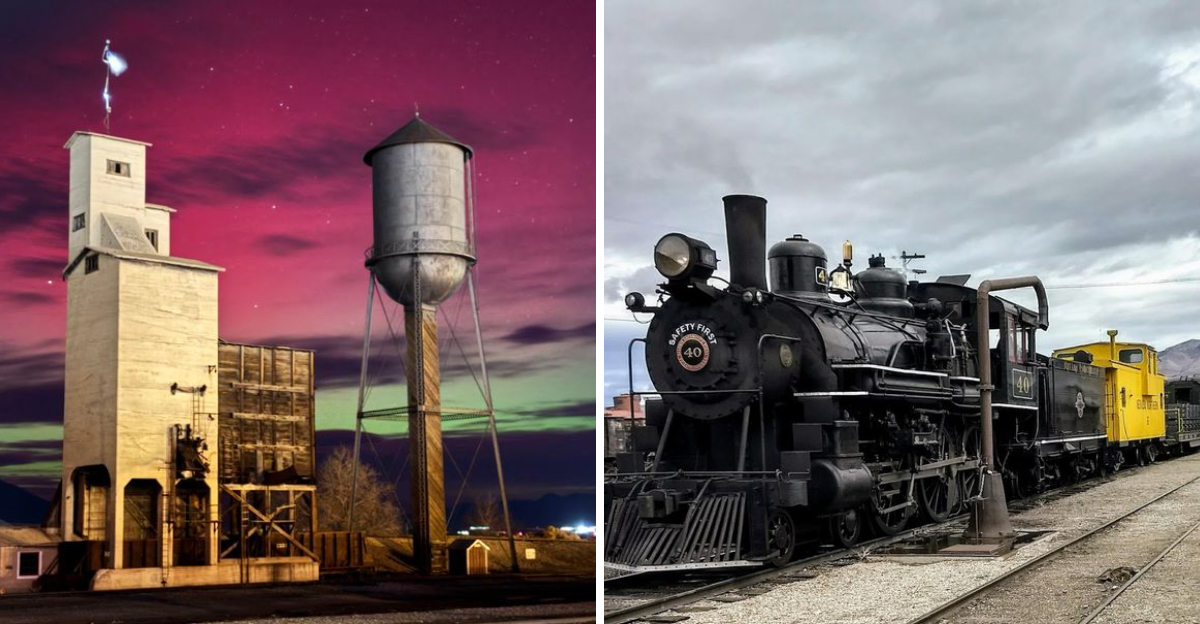
Real steam still rolls through this high desert, and no, that is not a typo. A working train yard from the 1900s never got the memo to modernize.
Nevada holds onto its railroad past better than almost anywhere else in the country. Rust, grease, and coal smoke still fill the air here.
Curious what it feels like to stand inches from a moving locomotive? Most museums would never let you get that close.
Machine shops still hum, and engines still get repaired by hand. A resident rail yard cat runs the place with quiet authority.
Bring a jacket, since Nevada evenings cool fast once the sun dips behind the canyon. Book ahead, because this kind of history sells out fast.
A Railroad Frozen In Time
Picture a railroad yard that closed its doors in 1983 and simply stayed that way. No bulldozers.
No developers. Just decades of dust settling over machinery that still worked.
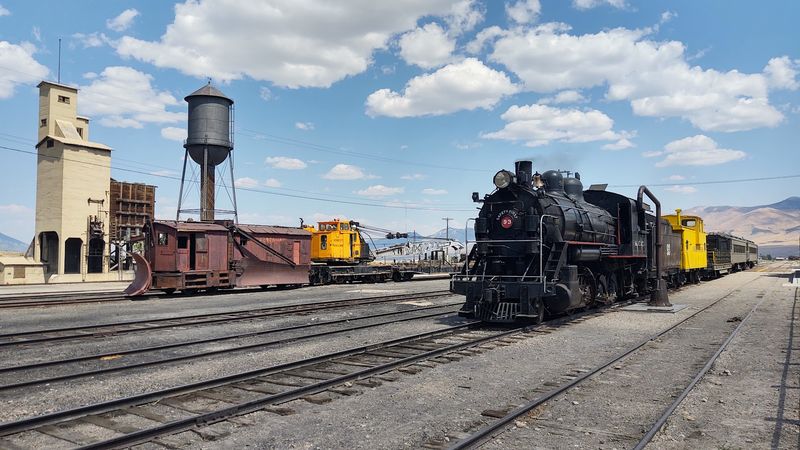
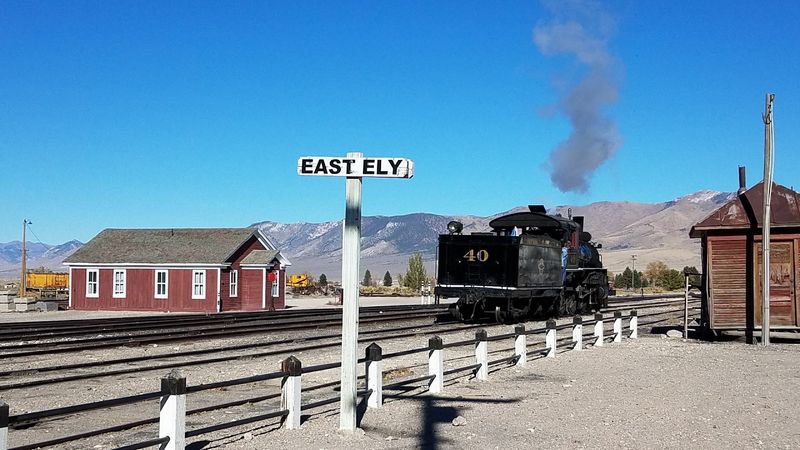
That is exactly what greets visitors at the Nevada Northern Railway Museum in Ely, Nevada. The East Ely Yards were donated to a local non-profit after mining operations declined, and the entire complex was preserved almost exactly as it had been left.
The original East Ely Depot, built in 1907, still stands at the heart of the site. The grounds hold between 66 and 70 historic buildings, and the East Ely Yards earned designation as a National Historic Landmark District in 2006.
Historians and railway experts consistently recognize this site as one of North America’s most complete, authentic, and well-preserved early 20th-century railroad facilities. The address is 1100 Avenue A, Ely, NV 89301, and the moment visitors step through the gate, the calendar feels like it rewinds about a hundred years.
Steam Power Still Lives Here
Steam locomotives are supposed to be museum pieces. At the Nevada Northern Railway, they are still doing their job.
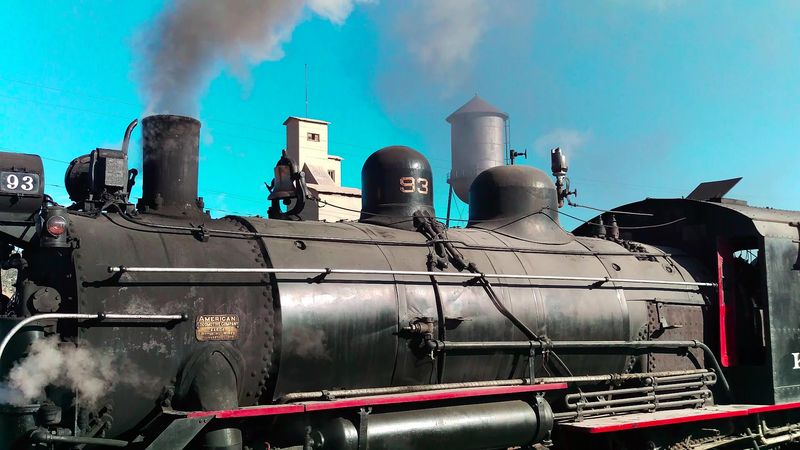
The museum’s collection includes three original steam locomotives, an electric locomotive, and several diesel-electric engines. Locomotive #93, a 2-8-0 Consolidation type built in 1909, was engineered to haul heavy loads across rugged terrain.
Locomotive #40, a 4-6-0 built in 1910, was prized for its speed and holds the distinction of being the official State Locomotive of Nevada.
Currently, steam locomotive #81 is operational and pulling passengers across the Nevada desert, with Locomotives #40 and #93 undergoing repairs and expected to rejoin the active roster.
The museum also preserves an extraordinary fleet of original rolling stock, including passenger cars, wood-sided boxcars, ore cars, and work trains. Many of these date from the 1910s.
The oldest operating tank car and the oldest operating coal-fired steam crane on any American railroad both call this yard home.
A Living Museum You Can Actually Touch
Most museums post signs that say do not touch. This one hands visitors a flashlight and tells them to look closer.
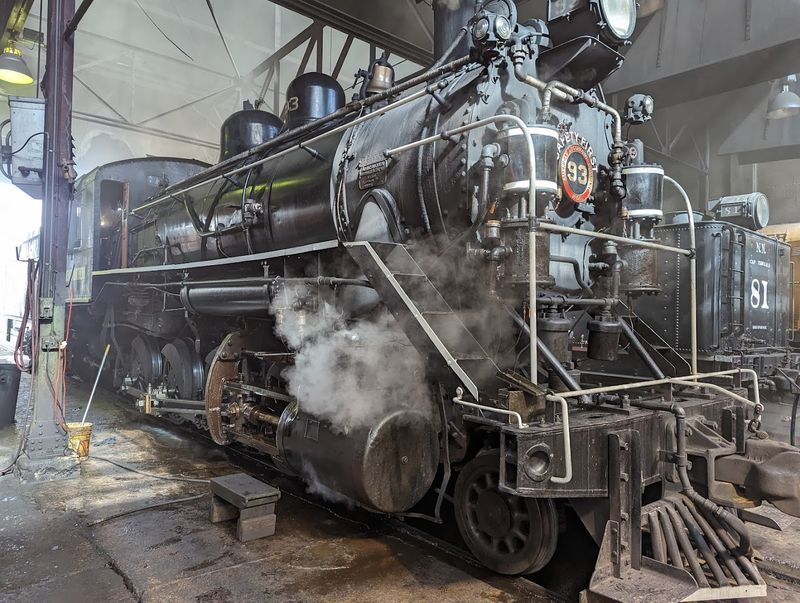
The Nevada Northern Railway Museum operates as a fully open-air facility. Guests can walk freely through the maintenance shops, peer into engine pits, and stand alongside locomotives that are actively being repaired.
The smell of oil, metal, and old wood fills the air in a way that no exhibit label could ever replicate.
Signage throughout the 56-acre complex supports self-guided exploration. Guided tours of the shops and grounds are also available for those who want deeper context.
The East Ely Railroad Depot Museum adds another layer of historical detail on the same grounds.
The machine shop is a particular highlight. Visitors can see century-old lathes, presses, and blacksmith tools still in use.
Locomotives in various stages of repair sit in the shop bays. It is the kind of place where history is not just displayed.
It is actively maintained, one wrench turn at a time.
How Copper Built A Railway
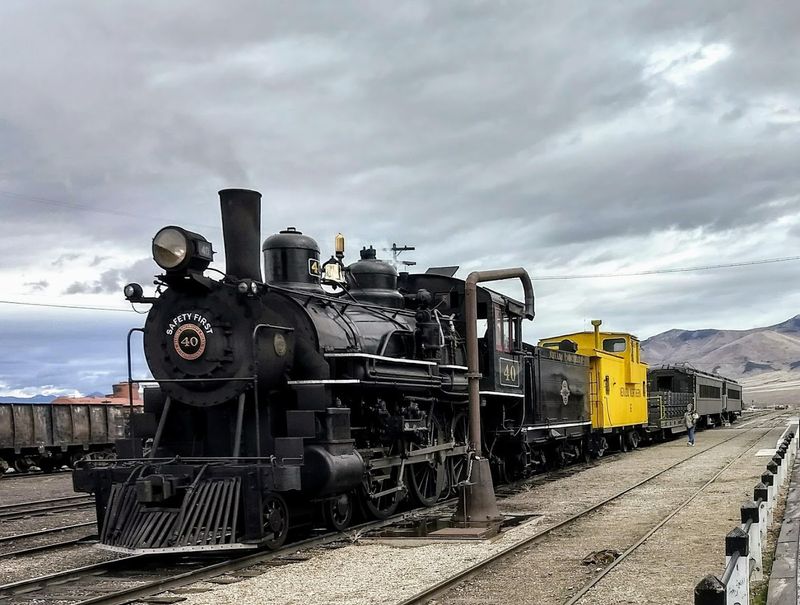
The railway did not start as a tourist attraction. It was born from necessity and built on copper.
Construction began between 1905 and 1906, driven by the need to move copper ore from mines near Ruth to smelters and onward to transcontinental rail connections. The Nevada Consolidated Copper Company funded the original build, and the line later transferred to Kennecott Copper Company.
Passenger service ran until 1941, and the railway continued freight operations until mining declined and the line shut down in 1983. That copper rush transformed Ely, Nevada, from a quiet desert outpost into a bustling industrial town.
The railway was the economic backbone of the entire region for decades. Without it, ore could not move, workers could not travel, and the town could not grow.
Understanding this history makes every creak of the old depot floorboards feel more meaningful. The railway did not just haul freight.
It built a community from the ground up in the middle of the high desert.
Be The Engineer For A Day
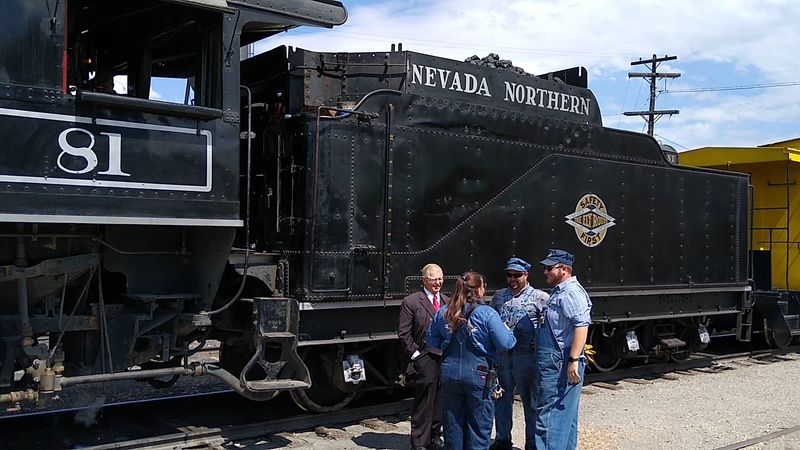
Watching a steam locomotive move is impressive. Actually driving one is something else entirely.
The “Be the Engineer” program at the Nevada Northern Railway Museum lets adults take the controls of a real steam or diesel locomotive. Participants must be at least 18 years old, hold a valid driver’s license, and pass a written test before climbing into the cab.
Advanced planning and booking are required, as spots fill quickly. The experience is not a simulation.
Participants operate actual equipment on real track under staff supervision. The weight of the throttle, the hiss of steam, and the slow lurch of tons of iron responding to a gentle push create a sensation that stays with people long after the ride ends.
For those wanting an even deeper experience, the “Railroad Reality Week” program offers a comprehensive look into full railway operations over several days. The Handcar Experience provides a lighter but equally entertaining option, letting visitors pump their way along the rails under their own power.
Riding Robinson Canyon By Rail
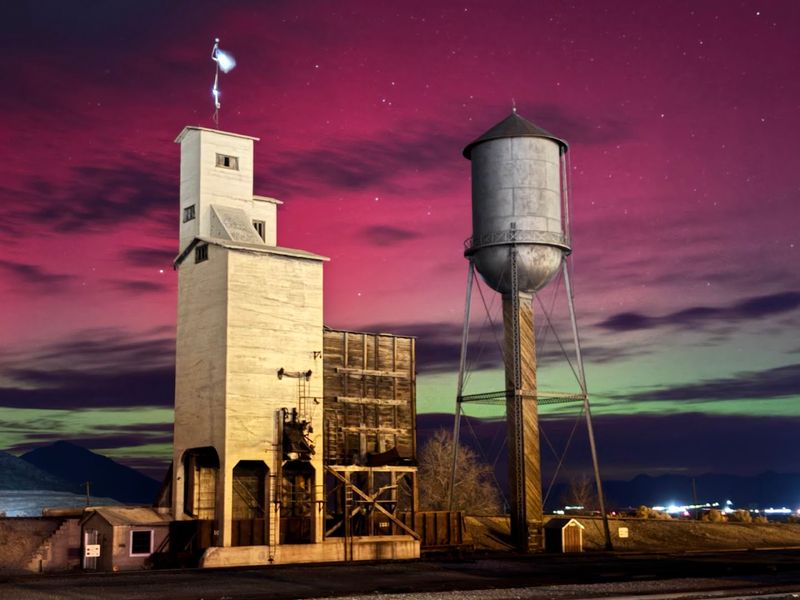
Few train rides in the American West match what this route offers. The journey through Robinson Canyon is a slow-burn reveal of dramatic high desert scenery.
Visitors board for a 90-minute excursion that traces the original route toward the historic Ruth mining district. The track winds through canyon terrain that feels completely untouched by modern development.
Passengers can choose between traditional coach cars or open-air seating, where the wind carries the scent of sagebrush and coal smoke in equal measure.
The landscape shifts from flat desert scrub to canyon walls as the train picks up a steady rhythm on the rails. A knowledgeable guide narrates the history of the mining district and the railway’s role in shaping this corner of Nevada.
The experience works for first-time visitors and seasoned rail fans alike. Open-air seating is especially popular on clear days, when the sky above the canyon stretches wide and uninterrupted.
Riders are encouraged to bring a hat and sunscreen, as the high desert sun shows no mercy at elevation.
Special Trains That Light Up The Calendar
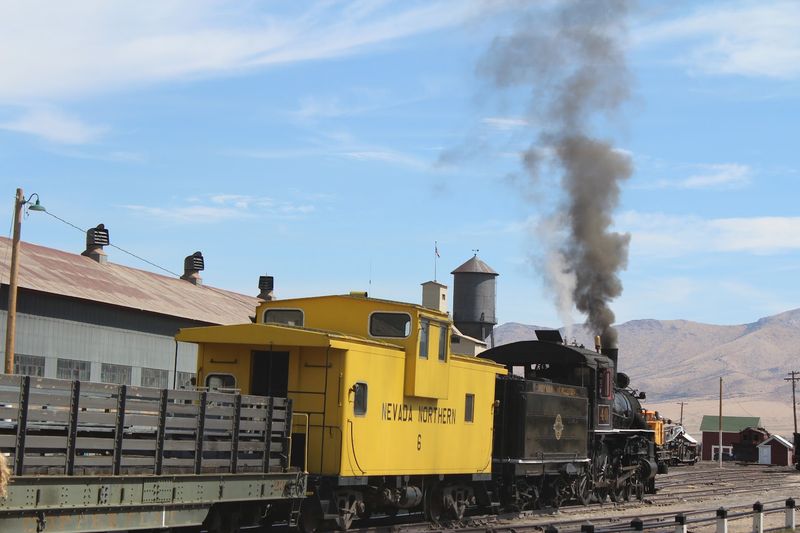
The regular excursions are already memorable. The special event trains push the experience into a completely different category.
Throughout the year, the Nevada Northern Railway runs a rotating lineup of themed rides that draw visitors from across the region. The Sunset, Stars and Champagne train takes advantage of Nevada’s famously dark skies, turning the high desert into a natural planetarium after the sun drops below the canyon rim.
The Haunted Ghost Train brings spooky fun to autumn evenings. The Wild West Limited leans into the frontier history of the region.
Geology trains offer a more educational angle, focusing on the dramatic rock formations visible along the route. Anniversary trains mark the railway’s milestones with special programming.
Winter brings the Santa-themed rides, which pack coaches with families, hot chocolate, and enough holiday cheer to warm even the coldest high desert night. Children and adults alike board these rides and step into something that feels genuinely festive and personal, far removed from anything mass-produced or commercial.
Meet Dirt, The Rail Yard Cat
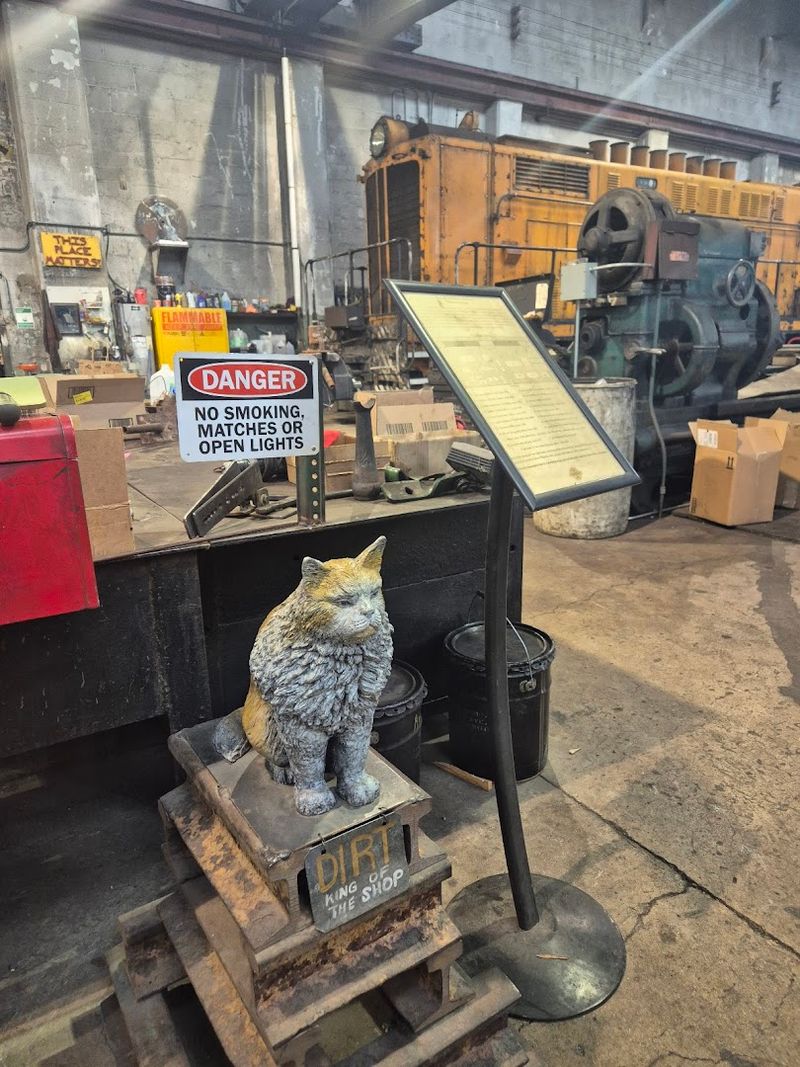
Every great institution has its mascot. The Nevada Northern Railway Museum had one that became genuinely legendary.
Dirt was the resident rail yard cat who ruled the 56-acre complex for years. Named with perfect blue-collar honesty, Dirt became one of the most beloved figures associated with the museum.
Visitors made special trips just to meet him. His reputation spread far beyond Ely, Nevada, earning him a dedicated following online and among railway enthusiasts.
A memorial to Dirt now stands on the museum grounds, honoring his years of loyal service keeping the yard company. Visitors can stop by the memorial and pay their respects to a cat who somehow captured the spirit of the place better than any brochure could.
Today, a new generation of rail yard cats continues the tradition. The current resident reportedly welcomes visitors warmly, provided breakfast has already been served.
The torch has been passed, and the rail yard remains properly supervised by four-legged staff with impeccable standards and zero tolerance for mice.
Sleeping In A Caboose Under Nevada Stars
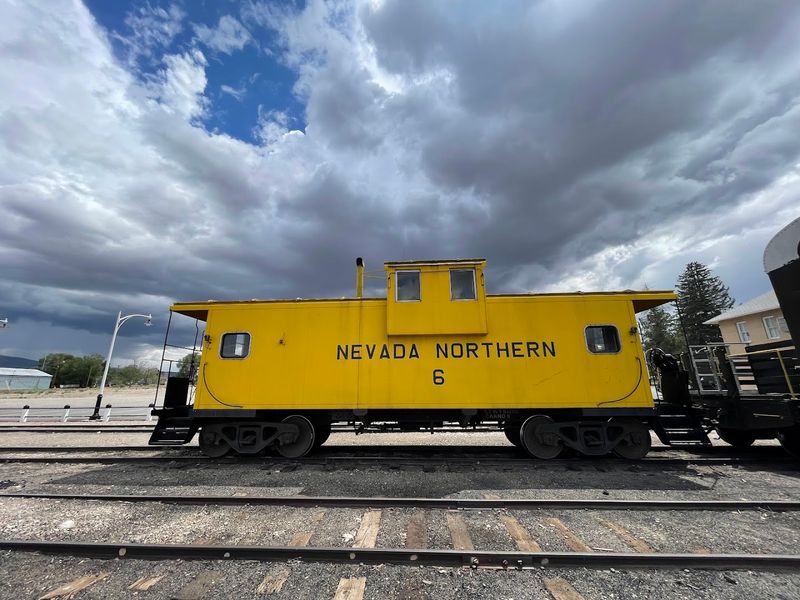
Visiting the museum for a few hours is rewarding. Spending the night inside a historic caboose takes the experience to a completely different level.
The Nevada Northern Railway Museum offers overnight accommodations in both a historic bunkhouse and a caboose. These options place guests directly inside the working rail yard, surrounded by the same equipment and structures that have defined the site for over a century.
Waking up inside a caboose, with the quiet of the high desert outside and the silhouette of old locomotives visible through the window, is the kind of experience that travel writers run out of adjectives trying to describe. Ely, Nevada, sits at over a mile above sea level, and the night sky above the yard is extraordinary on clear evenings.
The bunkhouse option suits those who prefer a bit more space, while the caboose appeals to anyone who has ever wondered what it felt like to be a railroader bunking down after a long shift. Both options book out quickly during peak season.
Planning Your Visit To Ely
Getting to Ely takes commitment, and that is part of the charm. The town sits roughly 245 miles from both Las Vegas and Salt Lake City, accessible via well-maintained two-lane roads through open desert.
No interstate highways run directly to Ely, Nevada, so the drive itself becomes part of the adventure. The high desert landscape rolling by on the approach sets the mood perfectly for what awaits at the museum.
Elevation plays a role in planning. Ely sits at over a mile high, which means temperatures can swing dramatically between day and evening.
Visitors heading out on the canyon excursion or the evening stargazing train should pack a jacket regardless of the season. A hat and sunscreen are equally important during daytime visits.
The 56-acre complex rewards those who give it time. A single afternoon covers the basics, but a full day allows exploration of every building, a train ride, and a proper shop tour.
For the deepest experience, booking overnight accommodations in the rail yard turns a day trip into something far more memorable.