
This Nevada Rescue Sanctuary Lets Families Watch Black Bears And Wolves In Large Habitats
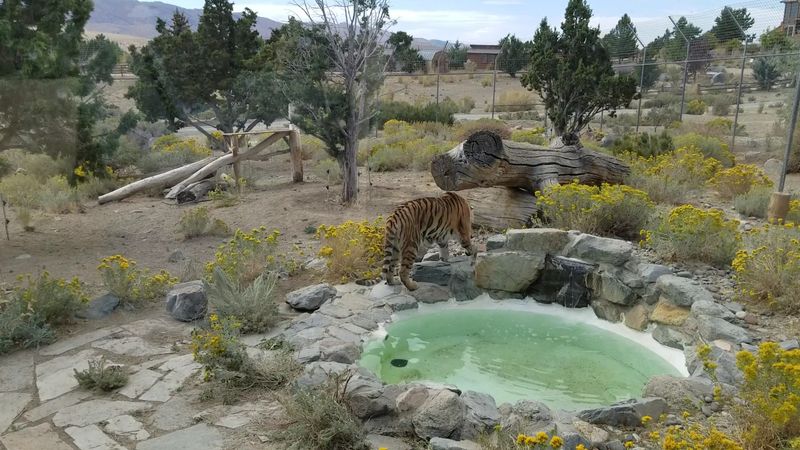
A dirt road in the high desert of Nevada does not look like it leads anywhere special. Then a black bear lumbers past a boulder, a wolf trots along a fence line, and suddenly the afternoon plans are gone.
Every animal here was once orphaned, injured, or unable to live in the wild, and each one has a story posted right by its home. For families watching their budget, it turns into a full day of walking, learning, and quiet wonder for less than the cost of a movie night.
A Wildlife Refuge in the Foothills North of Reno
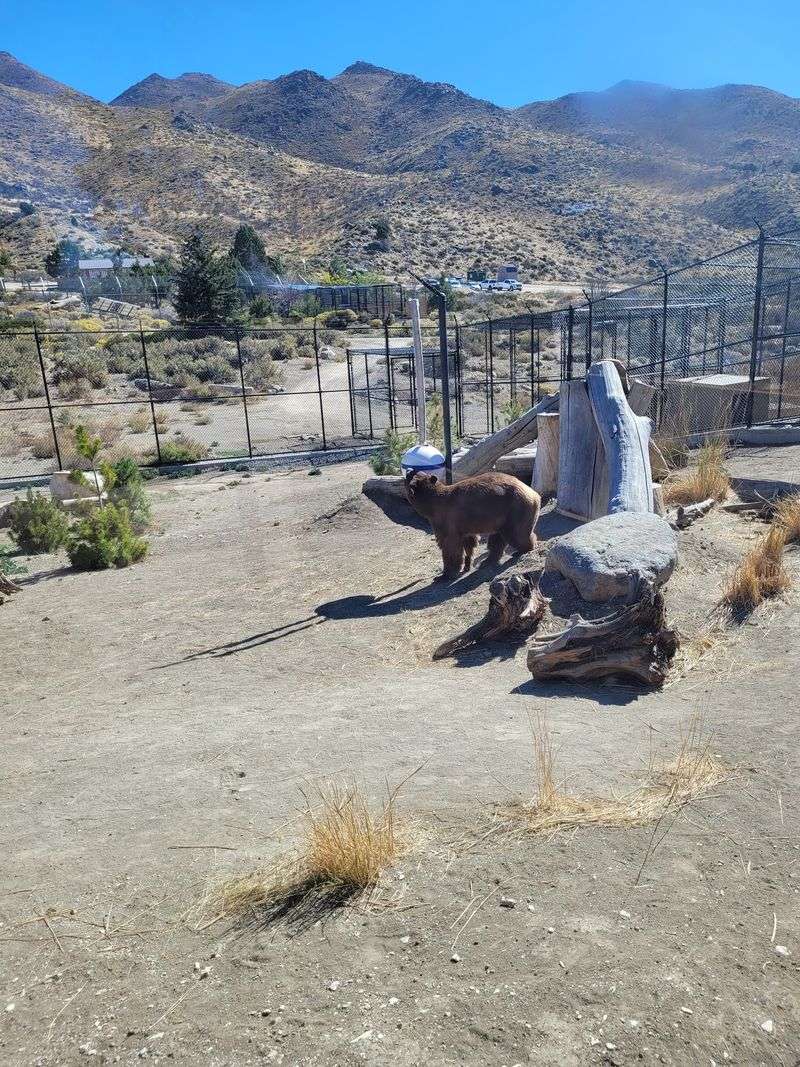
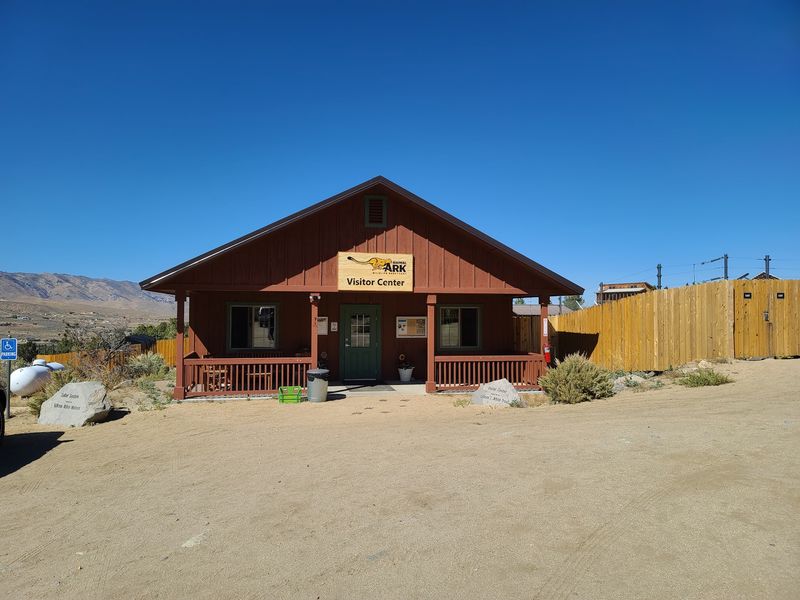
Drive north out of Reno and the houses thin out fast. Sagebrush takes over, the hills roll higher, and within a short stretch you reach Animal Ark at 1265 Deerlodge Rd, a nonprofit wildlife sanctuary and education center tucked into the Northern Nevada foothills.
What exactly is it? Animal Ark serves as a permanent home for wild animals that were orphaned, injured, or cannot be safely returned to the wild.
It is not a commercial zoo, and that difference shapes everything about a visit, from the size of the enclosures to the signs explaining how each resident arrived.
The property covers about 38 acres. A roughly 1-mile dirt trail loops through it, passing habitats built with native trees, boulders, and natural plants so animals can roam, hide, and behave the way they would outdoors.
The mission is simple but meaningful: inspire people to care for the environment by teaching them about wildlife. Kids read backstories, adults ask keepers questions, and everyone leaves knowing a little more about the creatures sharing Nevada with them.
For locals in Reno, Sparks, or Carson City, it makes an easy day trip. Visitors from farther away often fold it into a Northern Nevada weekend.
Second Chances for Orphaned and Injured Animals
Picture a bear cub found alone, or a hawk that can no longer fly well enough to hunt. Out in the wild, those animals would struggle.
At Animal Ark, they get a safe place to live out their lives with steady care.
The sanctuary takes in animals that are not safe to return to nature. Some arrived hurt, some were orphaned young, and others came from situations where living free was never an option.
Once they settle in, the sanctuary becomes their forever home.
That permanence creates something special for nearby families. Because residents stay for years, return visitors can watch the same animals grow and change over time, almost like checking in on old neighbors.
Staff members clearly know each animal personally. Visitors often mention keepers who light up when talking about the bears, the porcupine, or the cheetahs, sharing stories with real enthusiasm.
Every habitat has signs explaining the resident’s background. Some animals are rescues, while others serve as ambassadors for their species, helping people understand why wildlife matters.
For children, reading those stories can spark big conversations about kindness, responsibility, and how humans affect the natural world. Parents frequently note it becomes a lesson their kids keep talking about days later.
Black Bears and Their Twice-Daily Feedings
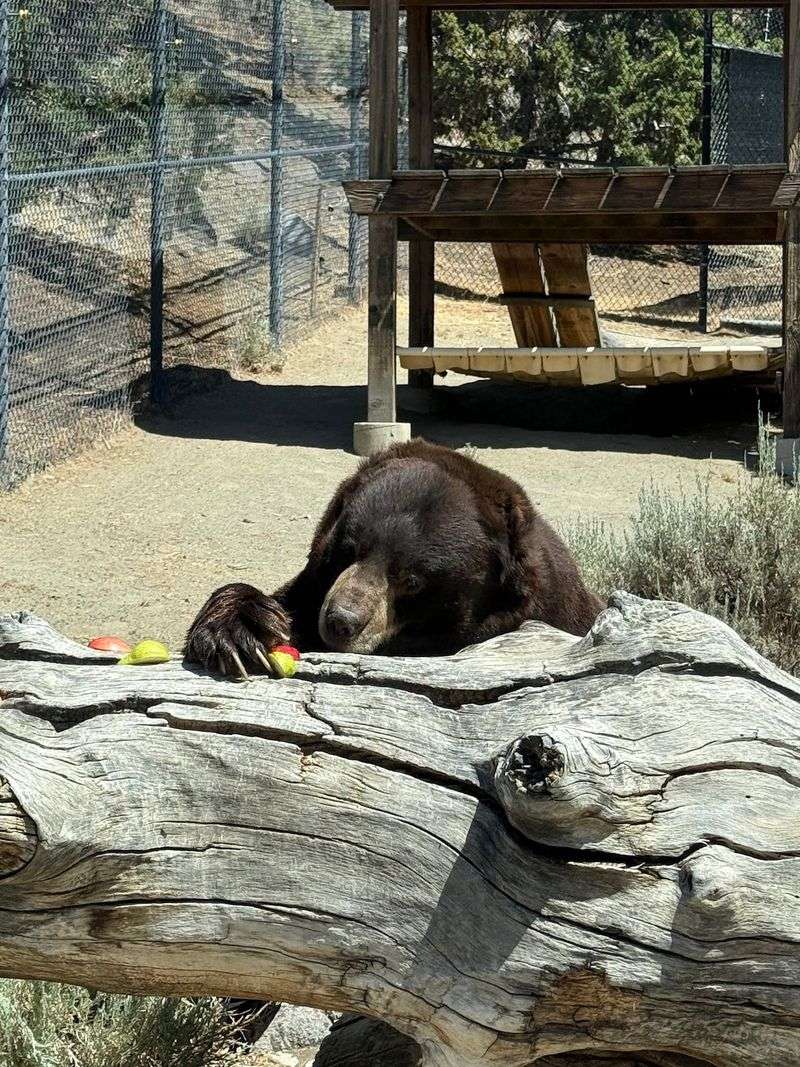
Chipmunks have figured out a clever trick here. Visitors have watched them sneak into the bear habitat and run off with apples, a small comedy act that plays out while the bears forage nearby.
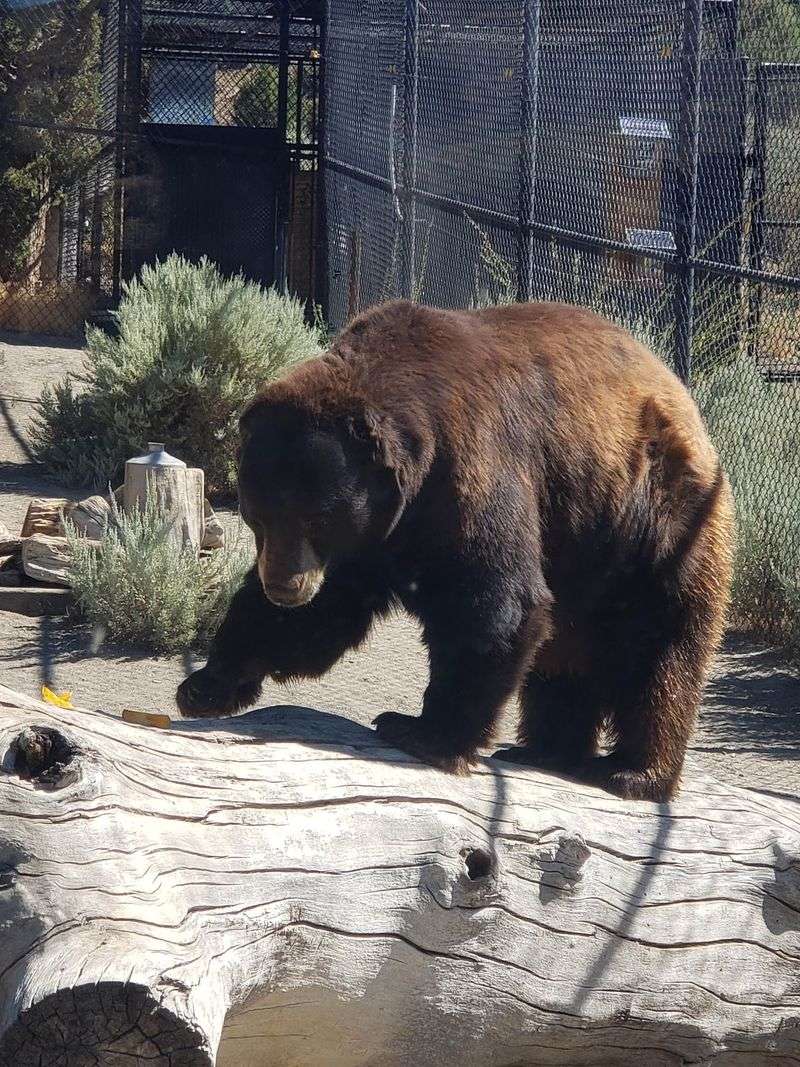
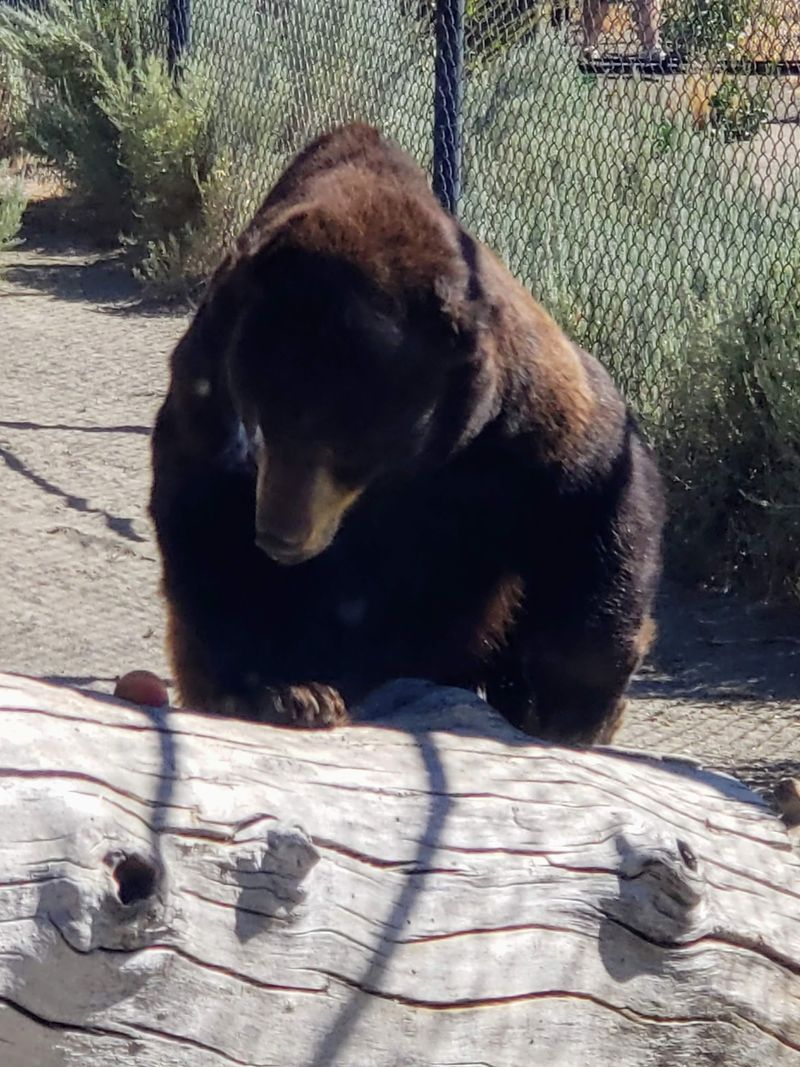
The black bears are a top reason families make the drive. Their large habitat includes trees, rocks, and plenty of room to wander, so you might spot one climbing, digging, or resting in the shade.
Timing matters most for bear watching. Daily feedings usually happen at 10:30 AM and 1:30 PM, giving guests a chance to see the bears search for food the way they would in the wild rather than simply eating from a bowl.
Keepers are often nearby during these times. Some visitors have chatted with caregivers who answered question after question about the bears and their personalities, which makes the moment feel personal.
Want the best odds of seeing lots of movement? Arrive early and head toward the bears first.
The morning feeding pairs nicely with cooler temperatures, when animals across the sanctuary tend to be more active.
Kids especially love it. Watching a bear sniff out treats among the boulders offers a closer look at real wildlife behavior than any picture book can.
Gray Wolves on the Move
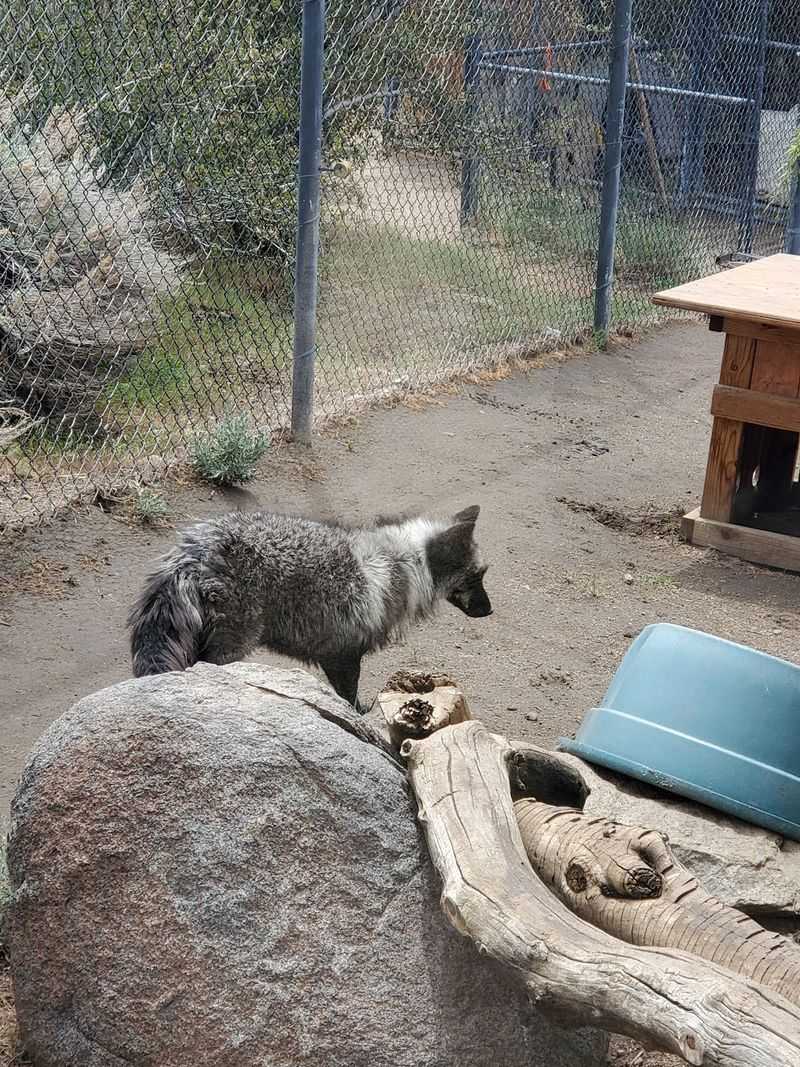
Few sounds match the feeling of standing near a wolf habitat while the pack shifts and watches you back. Their calm, steady gaze can make even chatty kids go quiet for a moment.
Gray wolves rank among the favorite residents at Animal Ark. Their roomy enclosure lets them trot, rest, and explore across natural ground, so visitors can see them acting much like they would in open country.
Families often split their attention here. One parent mentioned that while a daughter was thrilled by the foxes, the wolves stole the show for the grown-up side of the trip.
Staff and volunteers sometimes stand near the wolf area too. Guests have described a friendly volunteer by the gray wolves sharing plenty of facts, adding depth that signs alone cannot provide.
Patience pays off with wolves. They may nap in a shady spot for a while, then suddenly get up and pace the fence line, so lingering a few extra minutes is a smart move.
Covered viewing areas help on warm days. You can stand in the shade, let the kids watch, and read the educational signs about how these animals came to the sanctuary and what their wild cousins face in North America.
Big Cats From Near and Far
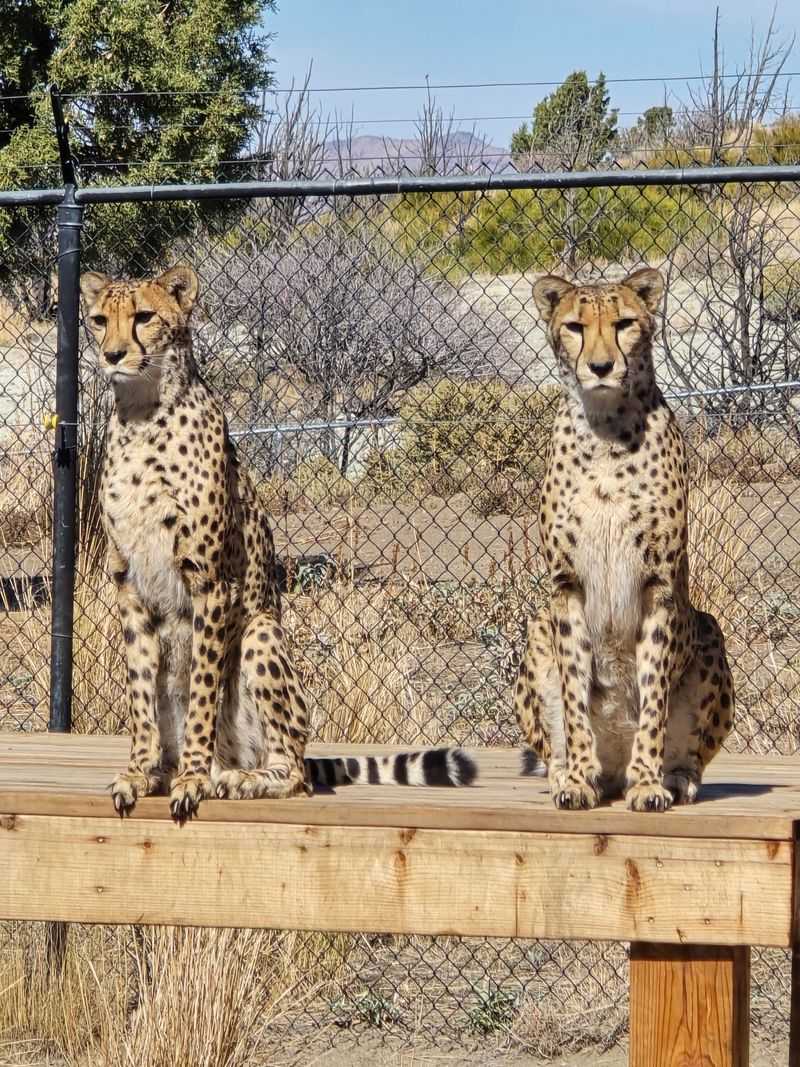
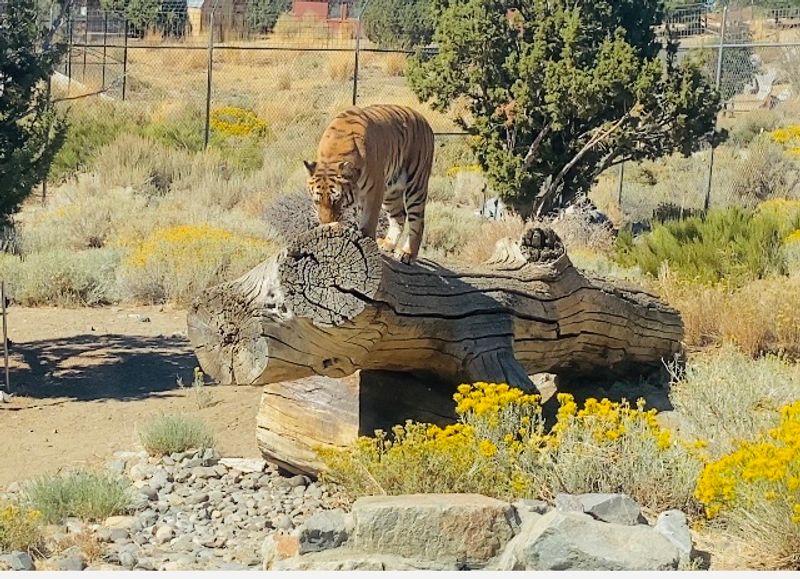
Not every resident is a Nevada native. Alongside mountain lions and coyotes, the sanctuary houses exotic species including Bengal tigers, jaguars, African servals, and cheetahs.
Cheetahs draw a lot of attention. For an extra experience, some guests schedule a meet and greet with cheetahs and their handlers, watching them get fed up close while learning about conservation efforts.
Details and pricing for that kind of add-on should be confirmed ahead of time.
The servals bring surprises of their own. One visitor watched a serval catch a lizard right at the front of the enclosure, while others have caught a serval training session that shows how keepers work with these spotted cats.
A tiger often keeps kids glued to the glass. Seeing that striped body stretch out in the sun feels very different from watching a nature show at home.
Mountain lions offer a local connection. These cats roam parts of Nevada, so seeing one safely gives families a sense of the wild animals living in their own state.
Like every habitat, the big cat areas use boulders and native plants for shade and cover. Animals sometimes hide during hot hours, which turns spotting them into a gentle game.
Birds of Prey, Porcupines, and Smaller Stars
Some of the biggest smiles come from the smallest residents. A porcupine has become a crowd favorite, and visitors have spotted him doing a happy little dance when his keeper arrives.
Porcupine feedings and other keeper sessions pop up during the day. Staff usually hand out a map at the entrance with that day’s scheduled activities, so check it early and plan your walk around the moments you most want to see.
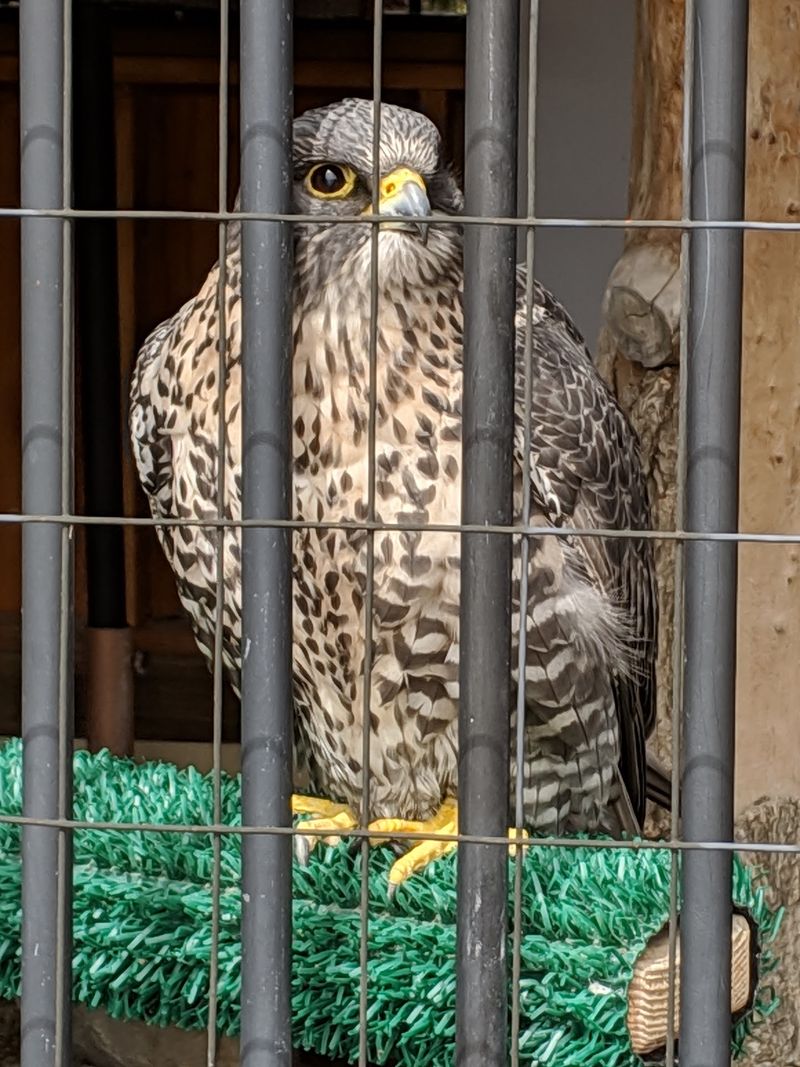
Raptors get serious praise too. One family visiting in winter said watching staff feed hawks and eagles up close was the highlight for their kids, even topping the bears and cats.
Foxes charm younger visitors, and their quick movements make them fun to follow. Smaller creatures help balance out a trip so it is not all about the large animals.
Special themed days sometimes add hands-on fun. During one invertebrate day, interactive stations let children explore bugs and other small creatures with help from friendly staff.
Because offerings change, ask at the front about any extra sessions. A quick question can mean catching a feeding you might otherwise have walked right past, and those close encounters often stick with kids the longest.
The Mile-Long Dirt Trail Experience
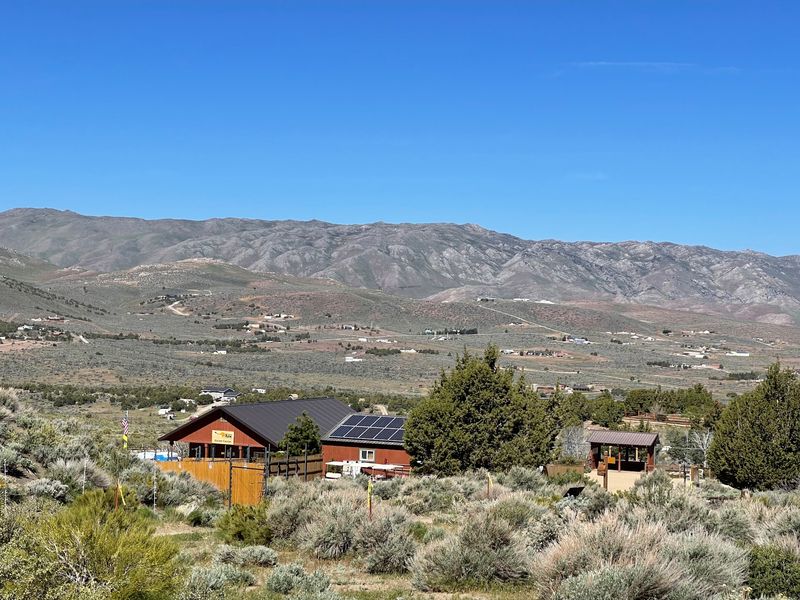
Comfortable shoes are not optional. The self-guided route runs about a mile on dirt and gravel, with some steep uphill sections that give legs a real workout.
That said, the trail is wide and clearly laid out. Many visitors find it manageable with a sturdy stroller, though one parent suggested leaving flimsy strollers at home and wearing solid sneakers or boots.
Benches appear along the way. They offer a place to rest, sip water, or enjoy a small snack while kids catch their breath between habitats.
How long does it take? Visits vary widely.
Some groups finish in about 90 minutes, while others stay three or four hours reading every sign and waiting for animals to come out.
Covered viewing areas break up the sun. Combined with educational signage at each stop, the walk feels more like a guided story than a simple stroll.
Little ones may tire on the hills. Planning breaks, bringing water bottles, and pacing the route slowly can help everyone finish happy instead of grumpy.
Hats and sunscreen are wise in the high desert. Shade exists, but long stretches of trail sit under open sky, especially during summer months.
Wagons, Golf Carts, and Easier Access
Red wagons wait near the start for families with young children. They are free and offered on a first-come, first-served basis, which makes arriving early even more helpful.
For guests with bad knees, hip pain, or other mobility challenges, golf cart rentals open up the whole trail. Many visitors describe the carts as a game changer, letting them see everything without struggling on the hills.
One group of four rented a cart because of a knee issue and found the ride itself added some fun. Others with limited walking ability said the rates felt reasonable for the freedom it gave them.
Bring a disabled parking placard if you have one. Visitors have mentioned it serves as proof when arranging a cart for disabled guests, so keeping it handy can smooth the process.
Retirees often appreciate this option most. A fixed income does not have to mean skipping outings, and carts make a long walk feel easy.
Cart availability and current prices can change, so confirm at the visitor center or before you drive out. Asking early in the day may improve your chances on busy weekends, when wagons and carts get claimed fast.
Picnic Spots, a Playground, and a Little Gift Shop
Packing lunch might be the smartest money move of the day. Picnic tables sit on site, and visitors often spread out under the trees to eat with animals nearby.
An outdoor play area gives kids a different kind of break. After a long walk, letting them climb and run for a bit can reset moods before heading home.
Food options on site are limited. The shop sells some cold drinks, but bringing your own water bottles and snacks is a good plan, especially in warmer months.
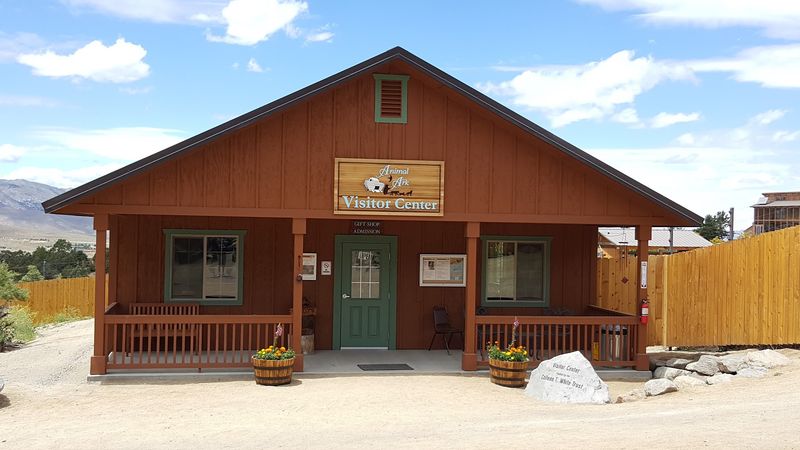
Speaking of the shop, it gets warm praise. Guests describe a cute visitor center and gift shop stocked with items for kids and adults alike, and clean restrooms are available too.
Purchases help support the sanctuary’s work. If a souvenir fits the budget, it doubles as a way to contribute to animal care.
Families stretching every dollar can easily turn this into an all-day outing. Walk the trail in the morning, picnic at noon, let the kids play, and then circle back to favorite habitats.
That rhythm can fill an afternoon without extra spending beyond admission, which is exactly what makes the visit feel like such good value.
Hours, Ticket Prices, and Timing Tips
Here is the good news for budgets: general admission runs $14 for adults, $12 for seniors 62 and up, and $9 for children ages 3 to 12. Kids 2 and under get in free.
A family of two adults and two school-age kids would spend about $46 before any extras. For a few hours of fresh air and learning, many visitors feel the price is more than fair.
The sanctuary operates seasonally, usually from March through November. Hours typically run 10 AM to 4:30 PM Tuesday through Sunday, with closures on Mondays and holidays.
Summer heat can shift things. Visitors have noticed adjusted hours on very hot days, so checking the current schedule before driving out saves frustration.
Morning is the sweet spot. Animals tend to move more in cooler temperatures, and arriving at opening lets you catch the 10:30 AM bear feeding.
Afternoon visits still work. Animals may hide in the shade, though some parents say searching for them became part of the fun.
Prices, hours, and seasonal dates can change from year to year. Confirming before you leave home is always a smart step, especially for weekday or shoulder-season trips.
Getting There and Final Thoughts
One practical warning comes up often. Visitors who took a rideshare out found it hard to get a ride back, so driving your own car or riding with someone is strongly encouraged.
The sanctuary sits north of Reno in the foothills, making it a short trip for Reno and Sparks residents. Families from Carson City or other Northern Nevada towns can make it a relaxed day outing, and parking is right on site.
So who will enjoy it most? Families wanting a screen-free day, grandparents bringing grandkids, and animal lovers curious about rescue work all find something here.
Mobility options mean slower walkers do not have to sit it out.
Small details make it feel personal. Animals have names, keepers share stories, and kids leave able to tell you exactly why a certain bear or porcupine lives there.
Winter visits are not typical since the season usually wraps in November, so plan between spring and fall. Bring water, sun protection, good shoes, and maybe a packed lunch.
For a modest ticket, you get large natural habitats, real rescue stories, and an afternoon that teaches kindness without trying too hard. That combination is hard to beat in Nevada.