
This Nevada Restaurant Sits Right On The Lake And The Food Is Just As Good As The View
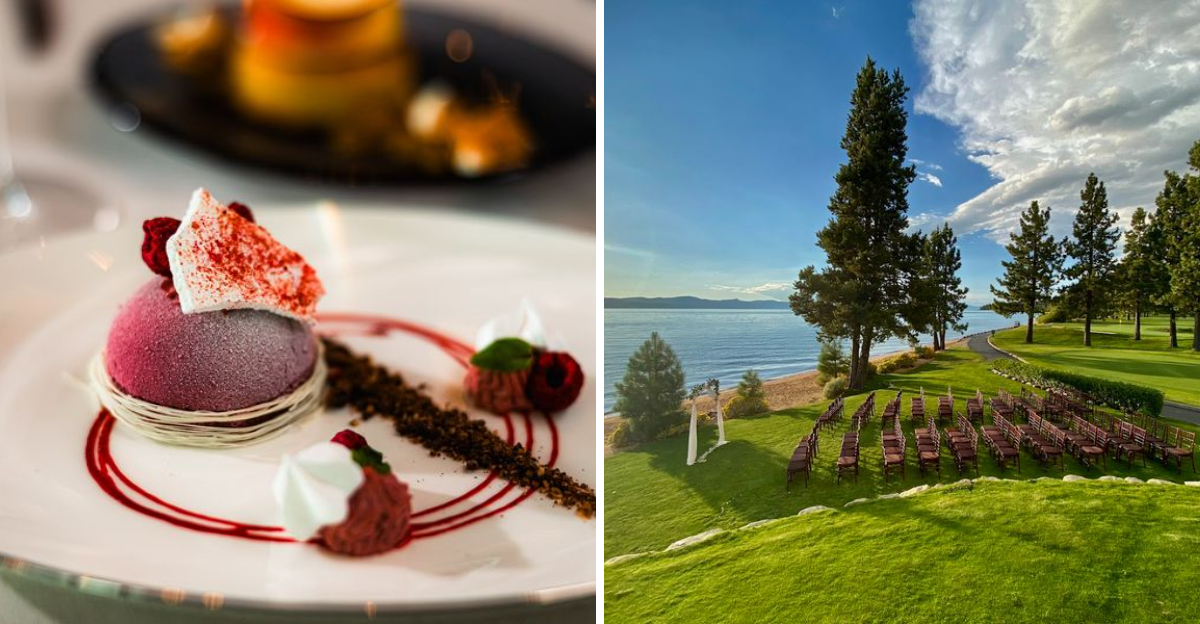
Lake views can be sneaky. They pull you in with glittering water, pine-covered slopes, and that clean mountain air, then suddenly dinner feels like part of the vacation instead of just a reservation.
Nevada has a way of doing that near Tahoe, where the table can feel almost as dramatic as the menu. One minute you are looking at the shoreline. The next, a plate arrives that actually deserves your attention too. That is the magic here.
No sad tourist food riding on a pretty backdrop. No stiff fine-dining mood either. Just polished plates, big alpine views, and the kind of meal that makes you slow down, take another bite, and maybe pretend you planned the whole thing perfectly.
The Lake Tahoe View Is Part Of The Meal
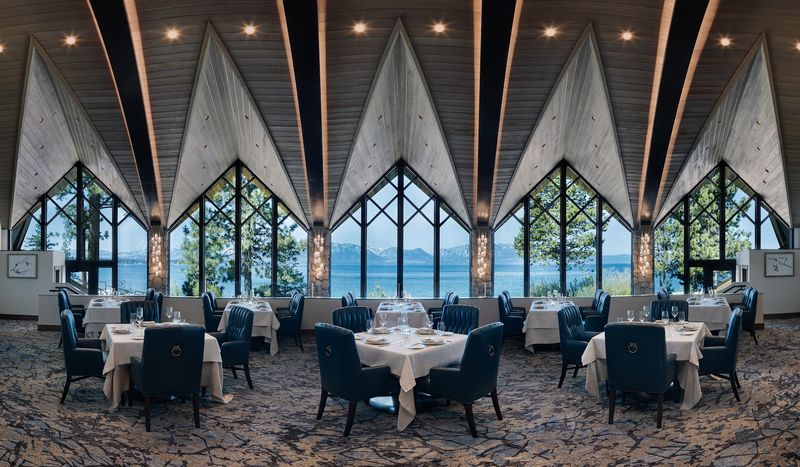
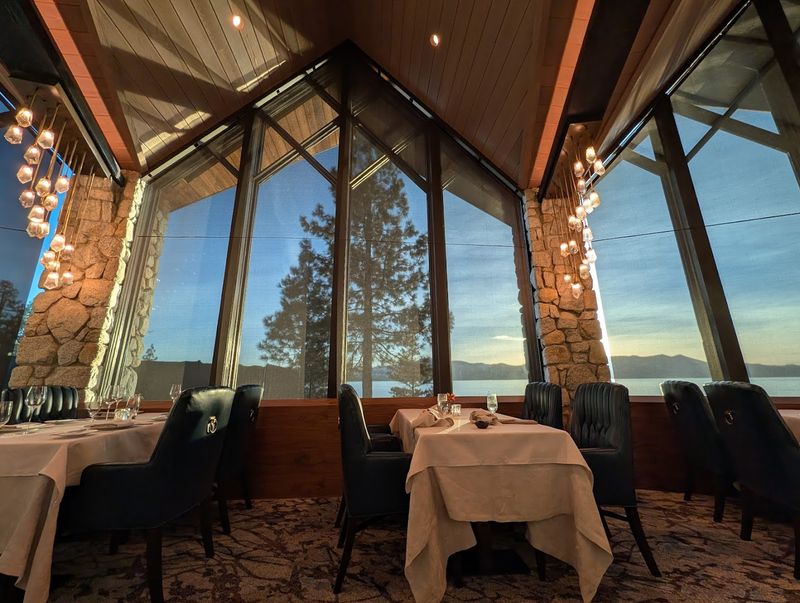
Sitting down at The Edge means looking straight out at one of the most stunning alpine lakes in North America. Floor-to-ceiling windows frame the water in every direction, and the dining room design makes sure nobody misses out.
Tiered seating ensures that even tables farther from the glass still get an unobstructed look at the shoreline and mountains beyond.
Sunset reservations book up fast for good reason. Watching the light shift across the water while your first course arrives feels like dinner theater without the performance anxiety.
The natural beauty outside becomes part of the rhythm of the meal, not just background decoration.
Visiting during different seasons changes the view completely. Summer brings deep blue water and green pines, while winter covers the surrounding peaks in snow.
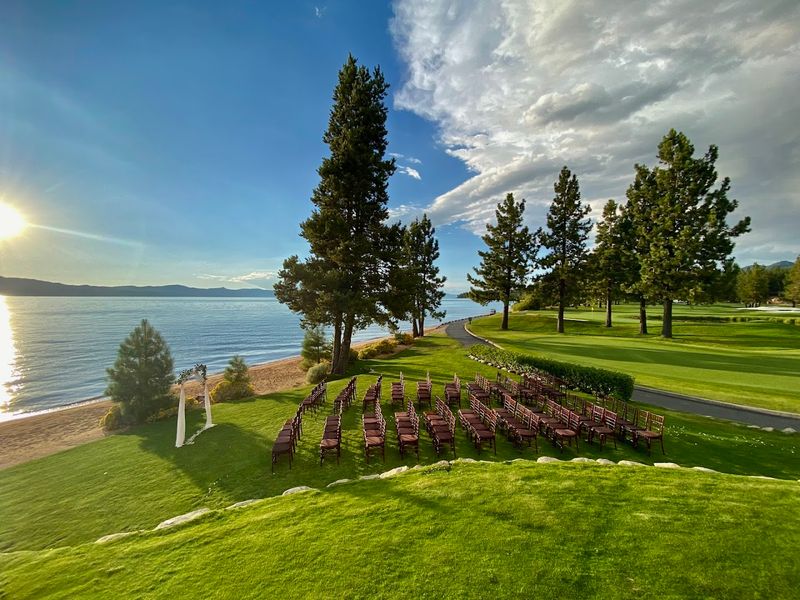
The restaurant sits at 180 Edgewood Tahoe Parkway in Stateline, Nevada, positioned to take full advantage of the lakefront setting year-round.
Every Table Gets A Look At The Water
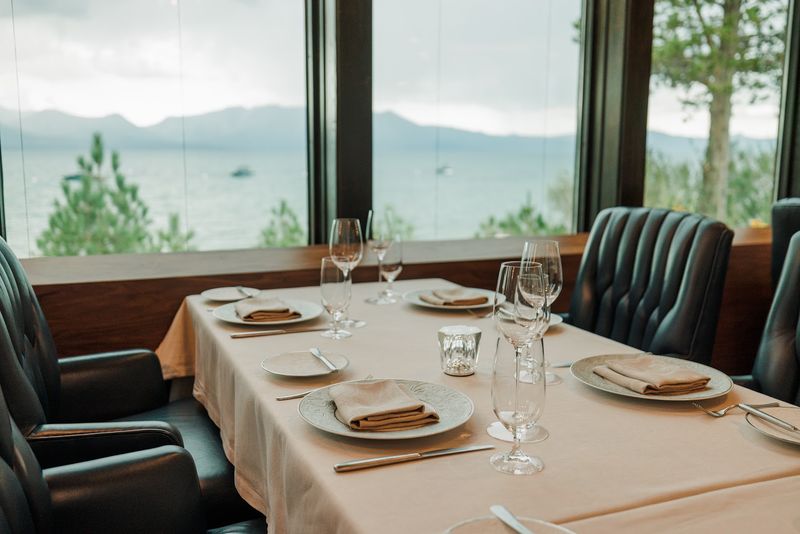
Architectural planning went into making sure sightlines work from every angle. The dining room uses a stepped layout, with each level slightly elevated from the one closer to the windows.
This means guests seated toward the back still get clear views of the lake instead of staring at the back of someone’s head.
Reserving a window table feels like winning the lottery, but honestly, the difference is smaller than you might expect. The room is designed with enough thought that even interior tables feel connected to the scenery.
Lighting stays subtle enough that reflections on the glass stay minimal after dark.
Spacing between tables also matters here. The Edge gives diners enough room to feel comfortable without sacrificing capacity.
Conversations stay private, and servers can move through the space without constant apologies or awkward reaching. The layout supports both the view and the overall dining experience without compromise.
It Sits Inside Edgewood Tahoe Resort
The Edge operates as part of the larger Edgewood Tahoe Resort, a property known for its golf course and upscale accommodations. This connection means the restaurant benefits from resort-level service standards and infrastructure while maintaining its own distinct identity.
Guests staying at the resort can walk over easily, but the restaurant draws plenty of visitors from outside the property too.
Parking happens through valet service only, which some find convenient and others consider an added expense. The resort grounds stretch along the lakefront, and walking from nearby hotels takes about ten to fifteen minutes depending on your starting point.
Some guests have mentioned getting offered rides by resort shuttles even when not staying on property, which speaks to the hospitality culture here.
Being part of a resort also means access to professional support staff, from sommeliers to pastry chefs. The Edge benefits from these resources without feeling like just another hotel restaurant.
The kitchen operates independently with its own culinary direction and seasonal menu planning.
The Restaurant Opened As A New Fine Dining Concept
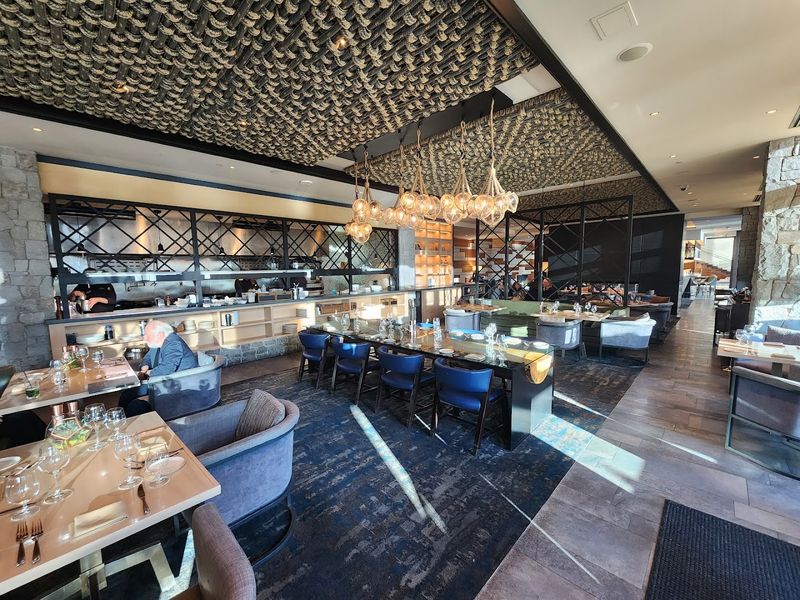
The Edge represents a complete reimagining of the dining space at Edgewood Tahoe. After an extended construction period, the restaurant opened with a focus on elevated cuisine and refined presentation.
The redesign brought in modern architectural elements while keeping the focus on the natural surroundings visible through the windows.
Early feedback pointed to some expected growing pains as the team found its rhythm. Service timing and kitchen coordination improved steadily as staff settled into their roles.
The menu evolved too, with the culinary team adjusting dishes based on ingredient availability and guest response.
What emerged is a restaurant that takes fine dining seriously without losing sight of the relaxed mountain environment. The dress code leans toward smart casual, and while you’ll see plenty of polished outfits, the atmosphere never feels stuffy.
The Edge balances formality with the easygoing spirit of a lake vacation, which is harder to pull off than it sounds.
Seasonal Flavors Shape The Menu
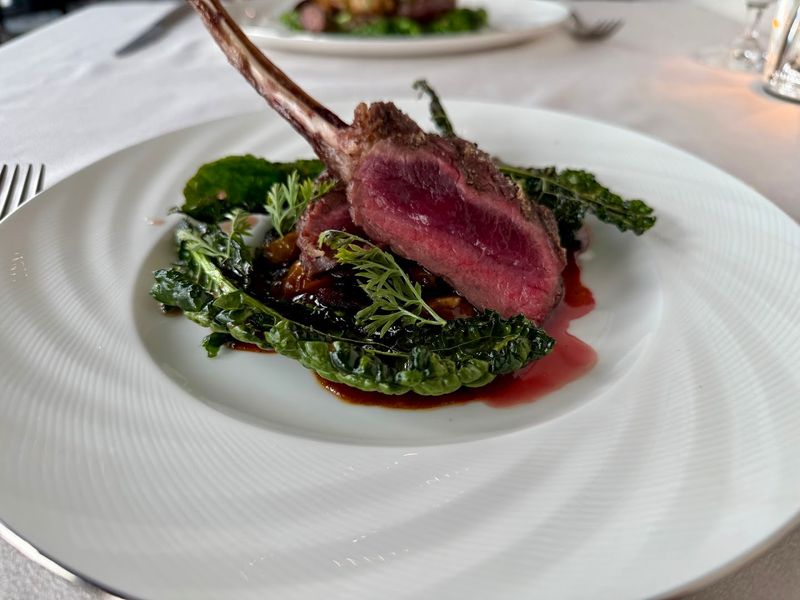
Menus here shift with what grows, swims, or becomes available at different times of year. Spring might bring morel mushrooms and asparagus, while summer leans into local produce and lighter preparations.
Fall introduces heartier proteins and root vegetables, and winter menus feature comfort-driven dishes that match the colder weather outside.
The kitchen works with quality ingredients and lets them speak for themselves rather than burying everything under complicated sauces. Trout appears frequently, prepared with delicate accompaniments that complement rather than compete.
Vegetables get treated with the same care as proteins, often roasted or prepared in ways that bring out natural sweetness or earthy depth.
Seasonal cooking also means some dishes disappear for months at a time. Regulars know to order favorites when they appear because the menu will change again before long.
This approach keeps the dining experience fresh and gives the culinary team room to experiment with new combinations and techniques throughout the year.
Tasting Menus Make Dinner Feel Special
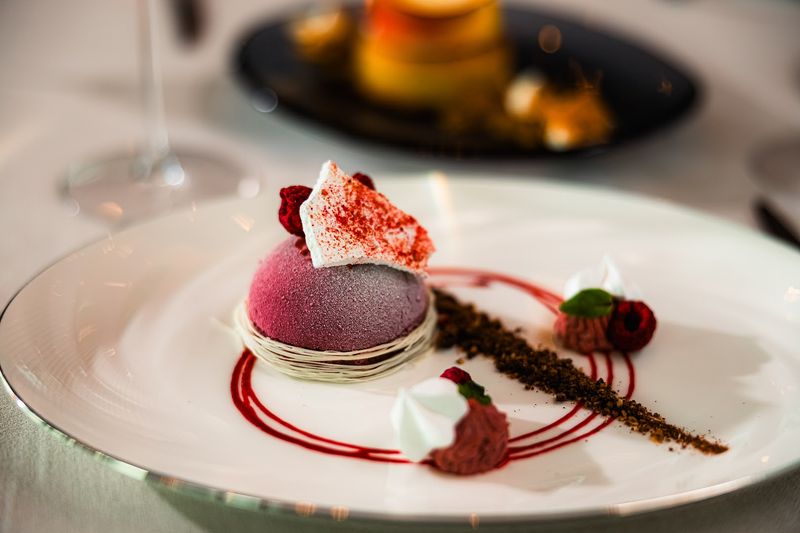
For guests looking to turn dinner into an event, tasting menus offer a structured way to experience the kitchen’s range. These multi-course options typically include an appetizer, entree, and dessert.
Pricing reflects the premium nature of the experience, but portion sizes and quality aim to justify the investment.
Tasting menus also remove decision fatigue. Instead of debating between dishes, you get a curated progression that shows off different techniques and flavor profiles.
The kitchen can showcase both popular items and more adventurous preparations that might not make it onto the standard menu.
Timing matters with these longer meals. Courses arrive with enough space between them to appreciate each dish without feeling rushed, but the pacing keeps things moving.
The whole experience leans into the ceremonial aspects of fine dining while keeping the mood approachable and genuinely enjoyable rather than intimidating.
Tableside Presentations Add To The Experience
Some dishes arrive at the table with a bit of theater built in. Tableside presentations might include carving, finishing sauces, or assembling components in front of guests.
These moments add visual interest and give diners a closer look at the craft involved in preparing their meal.
Bread service gets mentioned frequently, and for good reason. Soft, warm bread arrives with a selection of flavored butters that change based on the kitchen’s current inspiration.
This small touch sets the tone early and signals that attention extends to every part of the meal, not just the main courses.
Charcuterie and cheese presentations also happen tableside, with servers explaining selections and offering pairing suggestions. These interactive elements break up the standard rhythm of ordering and waiting, turning dinner into something more engaging.
The approach works best when servers know their material well and can answer questions without hesitation, which generally seems to be the case here based on guest feedback.
The Lounge Brings A More Relaxed Side To The Setting
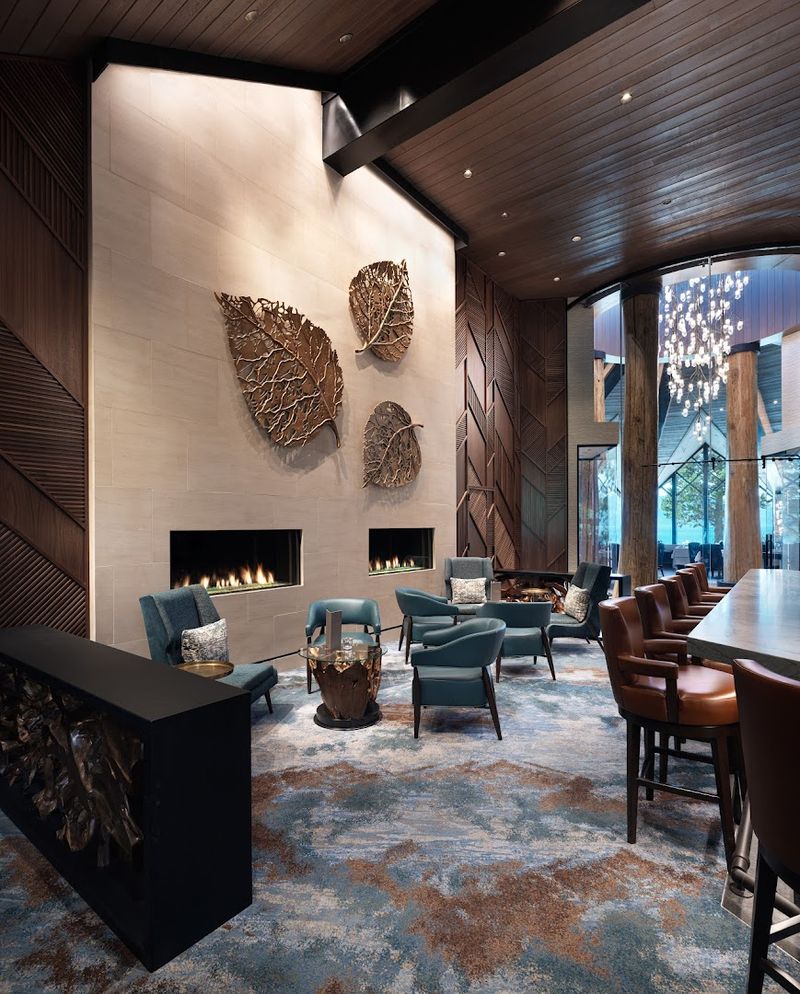
Not every visit needs to involve a full multi-course dinner. The lounge operates as a separate space with its own vibe, offering a lighter menu in a less formal environment.
Seating here tends to be more casual, with bar stools and lounge chairs instead of traditional dining tables.
Drinks lean toward balanced rather than overly sweet, and the menu includes both classic preparations and original creations. Mocktails also get real attention, which matters for guests avoiding alcohol but still wanting something more interesting than soda or juice.
The lounge accepts walk-ins more readily than the main dining room, making it a good option for spontaneous visits or pre-dinner drinks. Service stays professional but feels less scripted than in the formal dining area.
The space works well for guests who want the Edge experience without committing to a full tasting menu or extended meal.
The Dining Room Feels Elegant Without Losing The Lake
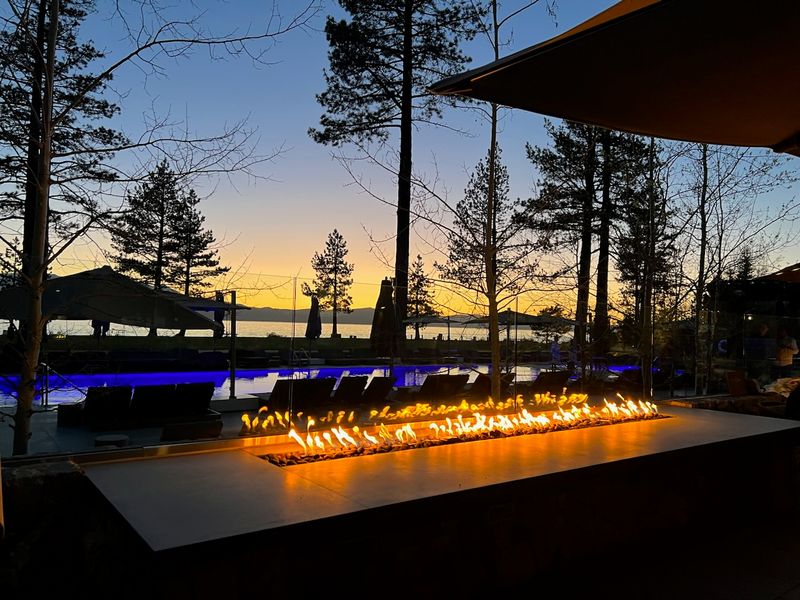
Interior design walks a careful line between polish and place. The dining room incorporates contemporary materials and clean lines while keeping the focus on the natural scenery outside.
Lighting stays warm and subdued, creating atmosphere without overwhelming the space or washing out the view after sunset.
Table settings use quality linens and glassware without feeling overly precious. The room feels grown-up and refined, but not so formal that guests worry about using the wrong fork.
Acoustics work well enough that conversations stay contained to individual tables even when the room fills up.
Decor choices avoid obvious mountain lodge clichés. Instead of rustic wood and antler chandeliers, the Edge opts for a more modern aesthetic that complements rather than competes with the lake outside.
The result is a space that feels current and sophisticated while still honoring its location on the Tahoe shoreline at 180 Edgewood Tahoe Parkway in Stateline, Nevada.