
This New York Architectural Salvage Warehouse Is Filled With Old Doors, Fixtures, And Bargains Worth Digging Through
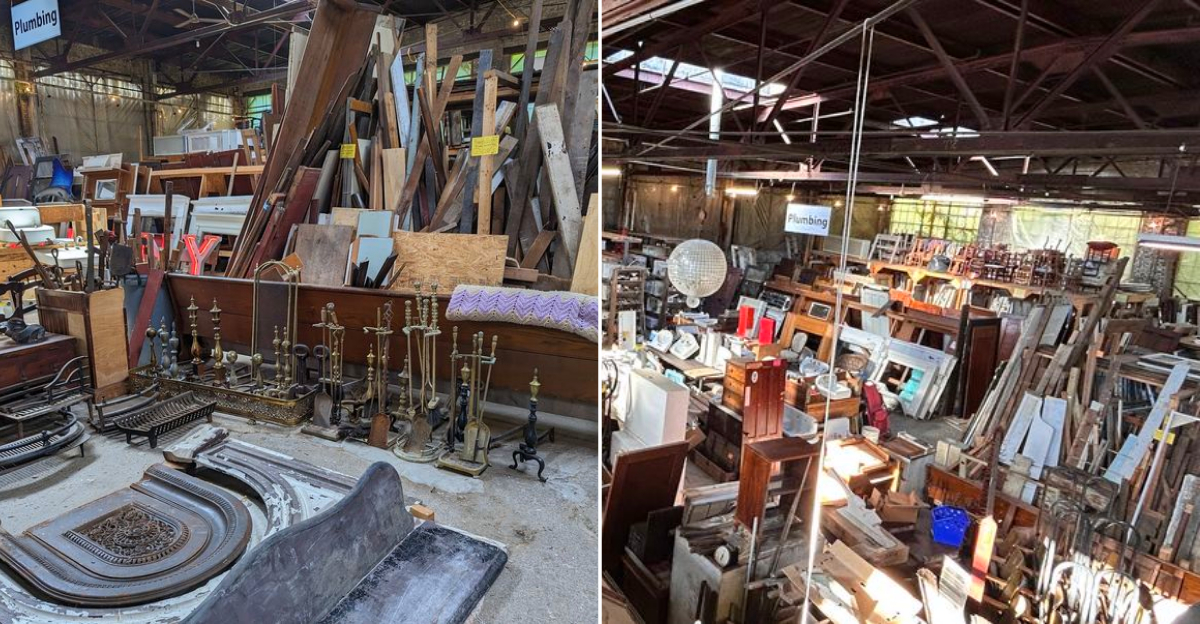
Somebody drove home with a Victorian door strapped to the roof rack. That happens here regularly, and it is a fair summary of what the place does to people.
Nearly fifty years of rescuing doors, mantels, and light fixtures out of historic houses in New York before the wrecking crews get to them. Decades of life left in all of it.
Old buildings leave behind more than memories. My weakness is hardware, which is a cheap habit until you own forty doorknobs and no doors.
Aisles here run dusty and cluttered in the best possible way, the kind of clutter that rewards anyone willing to dig instead of browse.
Nothing is arranged for your convenience. That is the arrangement. Come with time, come with a vehicle bigger than you think you need, and expect to leave with something you cannot yet explain.
A Building Where Rescued History Waits On Every Shelf
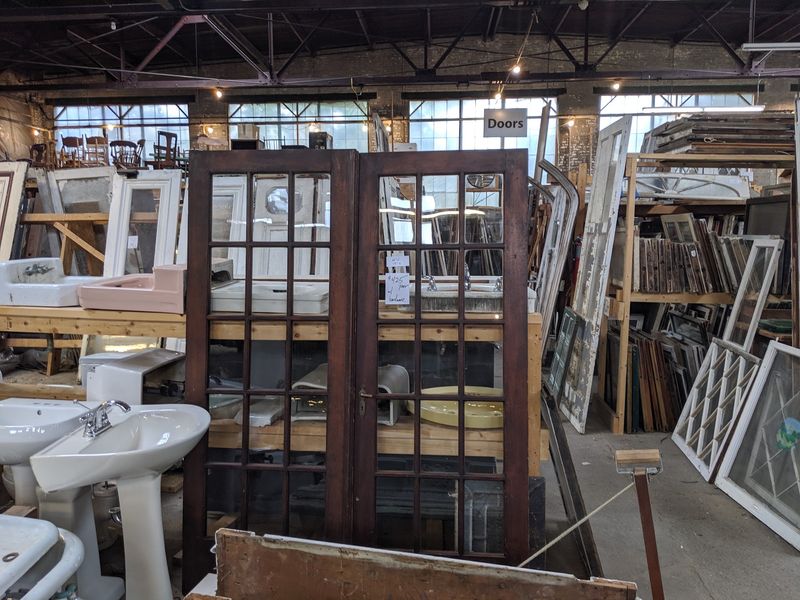
Salvage shopping rewards the patient, and few places prove that better than this Albany warehouse. Rows of doors stand shoulder to shoulder like a wooden library. Windows lean in stacks, their old glass rippling the light in ways modern panes never manage.
The magic here comes from the sourcing. Nearly everything was pulled from real buildings around the Capital District before demolition crews arrived.
That means a mantel might have warmed a parlor in 1890, and the doorknob in your hand may have been turned thousands of times by people long before you.
Inventory shifts weekly, which turns each visit into a genuine hunt. What sat in aisle three last month is gone, replaced by something stranger and often better. Regulars learn to move quickly when they spot the right piece.
Curiosity is the real currency. Shoppers wander in looking for one hinge and leave asking themselves what they could build with a stack of shutters. That question follows people home.
Bargains exist for those willing to dig, and digging is half the fun. Bring gloves, bring a tape measure, and bring an open mind.
Meet The Historic Albany Architectural Parts Warehouse
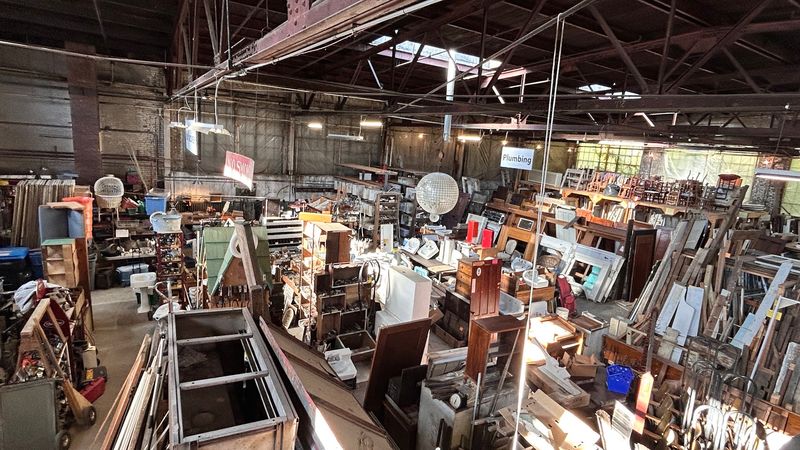
Name and address matter when you are hauling a cast iron tub, so write this one down. The Historic Albany Architectural Parts Warehouse sits at 89 Lexington Ave, Albany, NY 12206, in a working neighborhood a short drive from downtown.
The building itself sets the tone. It looks like a warehouse because it is one, with concrete floors, tall ceilings, and shelves that climb toward the rafters. No polished showroom lighting here, just honest space filled with honest materials.
Operating hours run Wednesday through Friday from ten in the morning until six in the evening, plus Saturday from nine until four. Sunday through Tuesday the doors stay shut, so plan around it.
Parking rarely causes a headache. Free street spots line the surrounding blocks, and CDTA bus routes 10 and 18 stop nearby for anyone skipping the car.
Give yourself an hour minimum. Most people badly underestimate how long browsing takes.
Doors With Decades Of Stories In Their Grain
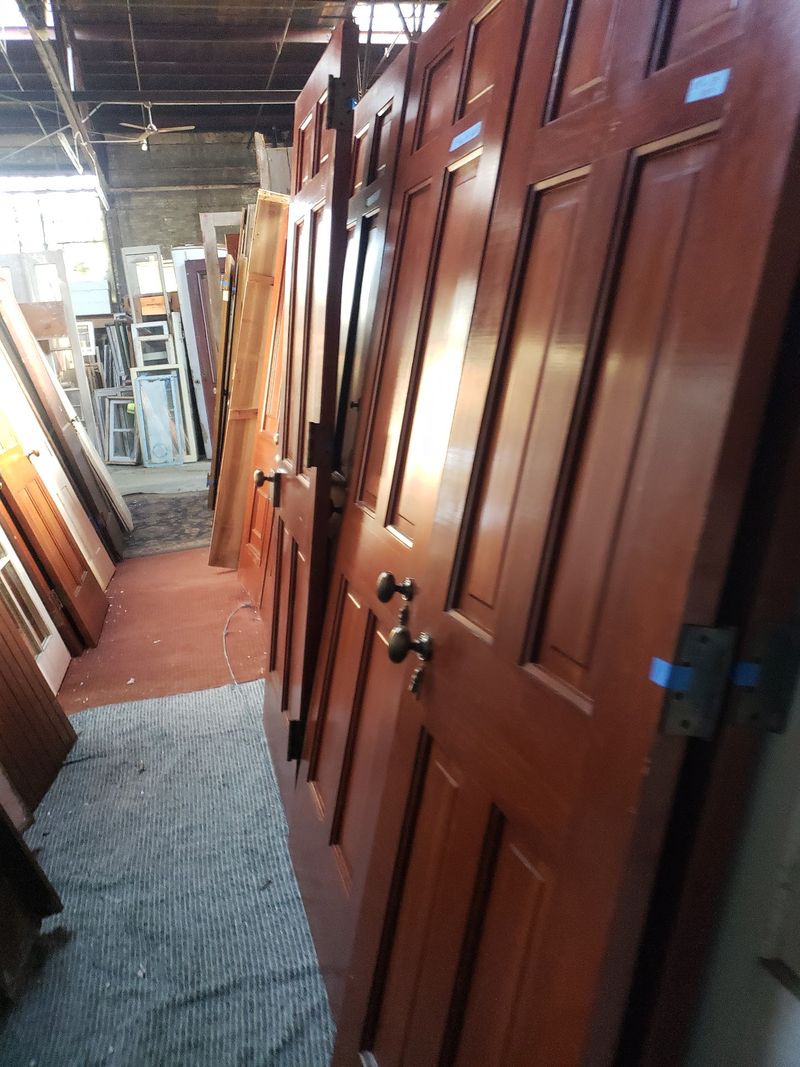
Doors are the headline act, and there are enough of them to make a carpenter dizzy. Victorian panel doors, French doors with wavy glass, heavy pocket doors that once slid between formal rooms, all standing in organized rows.
Old doors carry weight that new ones simply do not. Solid wood construction, deep moldings, and joinery built to last a century mean these pieces still function beautifully once cleaned and rehung.
Measuring before you shop is the single smartest move. Old openings rarely match modern standard sizes, so bring the height, width, and thickness of your frame written down. Note the hinge side too.
Prices land where salvage prices should, which is to say reasonable for anyone comparing them to custom millwork. A few windows and a set of French doors have gone out the door for a few hundred dollars.
Some doors arrive with their original hardware attached, which feels like finding a bonus prize. Others need new knobs, and the warehouse stocks plenty.
Take your time walking the rows. The right door usually announces itself once you slow down.
Windows, Shutters, And Glass That Filter Light Differently
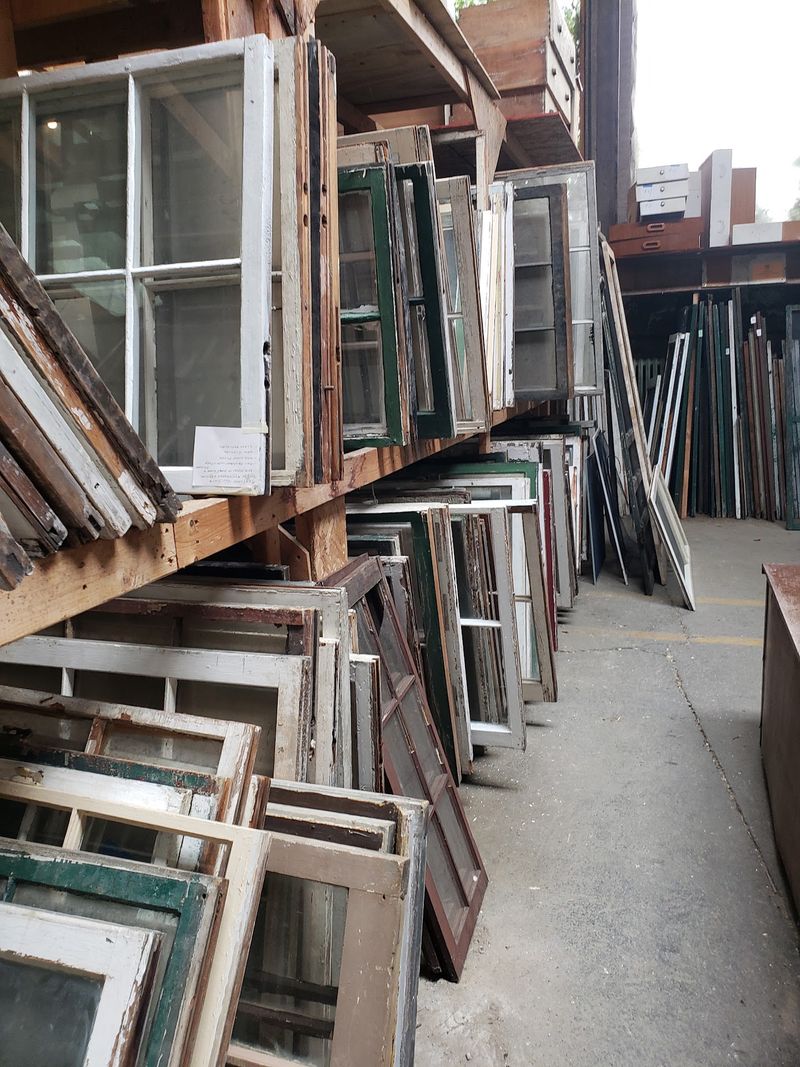
Wavy old glass does something modern float glass cannot. Light passing through a nineteenth century pane bends slightly, softening whatever sits behind it. Once you notice it, new windows look flat forever after.
The warehouse keeps wooden sash windows, storm windows, shutters, and loose panes of salvaged glass. Sizes run all over the map, which is exactly why homeowners restoring older properties keep coming back.
Not every buyer plans to install them. Old sash windows get turned into picture frames, greenhouse walls, headboards, and garden features. Shutters become room dividers or wall art with almost no work.
Window hardware fills its own section. Sash locks, pulls, weights, and pulleys sit sorted in bins, which spares you the misery of searching online for a part nobody reproduces well.
Condition varies honestly across the stock. Some frames need glazing and paint, others are ready to hang. Inspect the joints and check for rot before committing.
Bring an old blanket for transport. Vintage glass survives a hundred winters but rarely survives a bumpy back seat unpadded.
Lighting Fixtures That Once Lit Albany Parlors
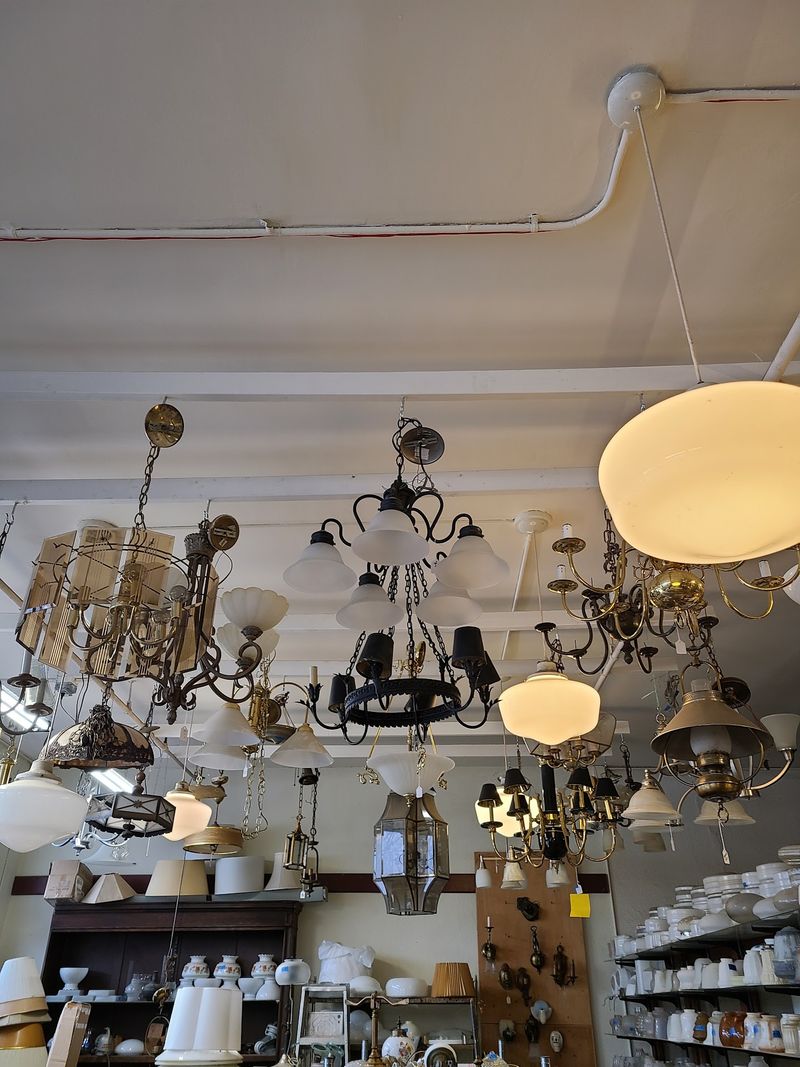
Look up in the lighting section and a small constellation of chandeliers hangs overhead. Brass sconces line the shelves below, some polished, some wearing a green patina that collectors actually prefer.
Glass globes and shades fill their own crowded corner. Milk glass, etched patterns, ribbed schoolhouse styles, and colored shades sit waiting for someone with a matching fixture at home.
Replacement parts are the quiet treasure here. Sockets, canopies, chain, and finials rarely turn up anywhere else in the Capital Region, and finding the correct period piece can rescue a fixture you thought was finished.
Rewiring is usually part of the deal. Old cloth wiring should always be replaced by someone who knows their way around a junction box, and staff will tell you straight what a fixture needs.
Mid century desk lamps show up alongside the Victorian material, so the range stretches wider than most people expect. Styles from several eras share the same shelves.
Ask questions freely. Volunteers here know their fixtures and enjoy explaining what you are holding and roughly when it was made.
Bathroom Fixtures From Another Century
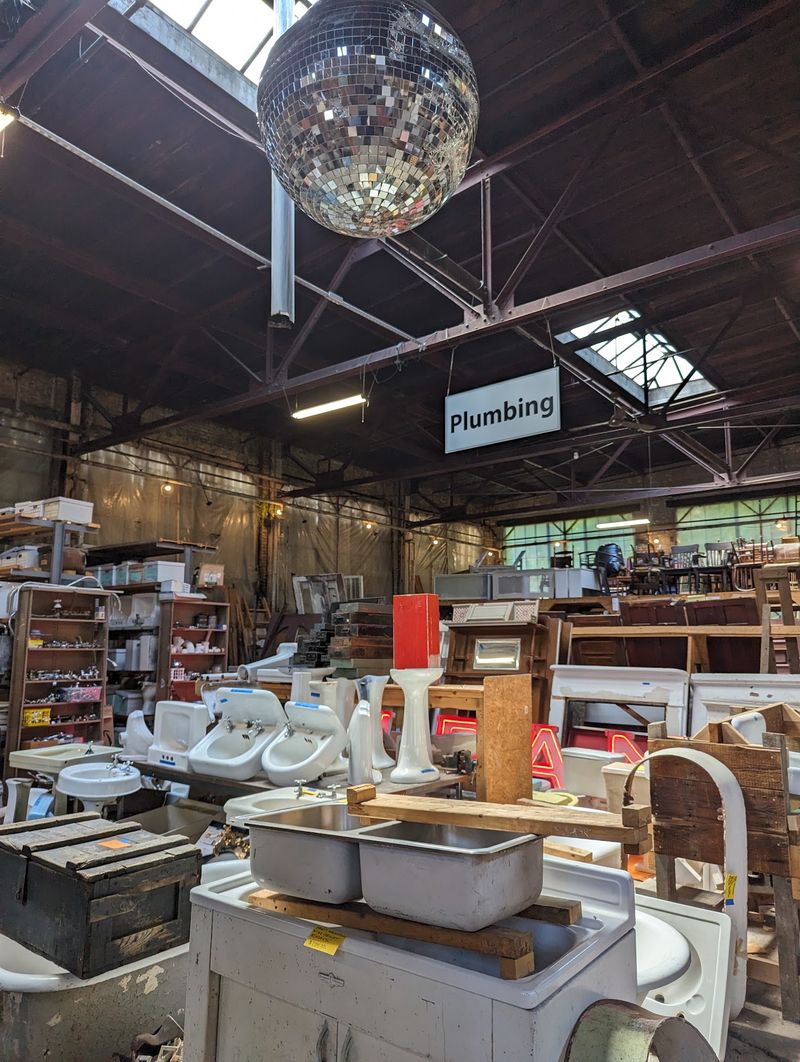
Clawfoot tubs sit in a row like heavy porcelain sculptures. Pedestal sinks, wall mounted basins, toilet tanks, and old faucets crowd the same section, and the selection genuinely surprises first time visitors.
Anyone restoring a bathroom in a period home will understand the value immediately. Reproduction fixtures cost a fortune and rarely match original proportions. The real thing sits here at salvage prices.
Tank hunting brings people from far outside New York. Pieces from old Standard, Crane, Kohler, and Mott units turn up regularly, and matching an original tank to an existing bowl saves an entire renovation.
Weight deserves respect. A cast iron tub can top three hundred pounds, so bring a second set of hands, moving straps, and a vehicle that can handle the load.
Check porcelain surfaces carefully under good light. Small chips are common and often cosmetic, but cracks near drains matter much more.
Vintage tile sometimes appears too, in hexagon and subway patterns that modern versions never quite copy. Buy extra if you find a batch you love.
Hardware Bins Built For Serious Rummaging
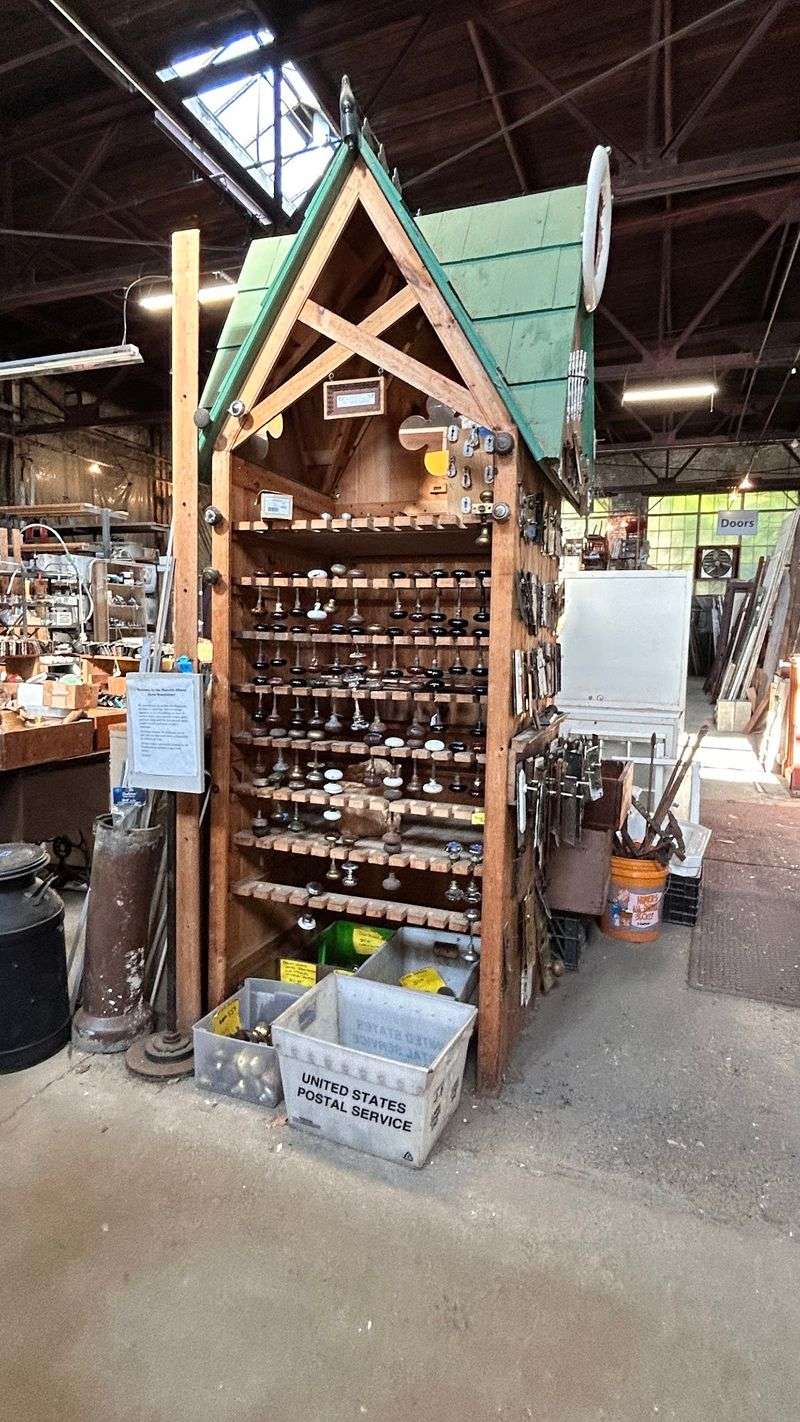
Small parts, big payoff. Bins of doorknobs, mortise locks, ball hinges, escutcheons, keys, and porcelain pulls line the shelves, and sorting through them is oddly relaxing work.
Old hardware was made from solid brass and iron, cast with detail that modern budget versions skip entirely. A single restored knob set can change the whole feel of a room.
Bring a sample when possible. Carrying one original hinge or lock plate makes matching far easier than describing it from memory, and staff can point you to the right bin in seconds.
Mortise locks deserve special mention. Older homes across Albany still use them, and finding a working replacement anywhere else usually means paying auction prices online.
Cleaning is straightforward. Most brass responds well to a soak and gentle polishing, revealing detail hidden under a century of paint and grime.
A free section exists for certain items, which rewards anyone willing to look closely at what others walked past.
Gloves help. The bins hold sharp edges, old paint, and a fair amount of dust.
Mantels, Millwork, And Stair Parts For Real Restoration
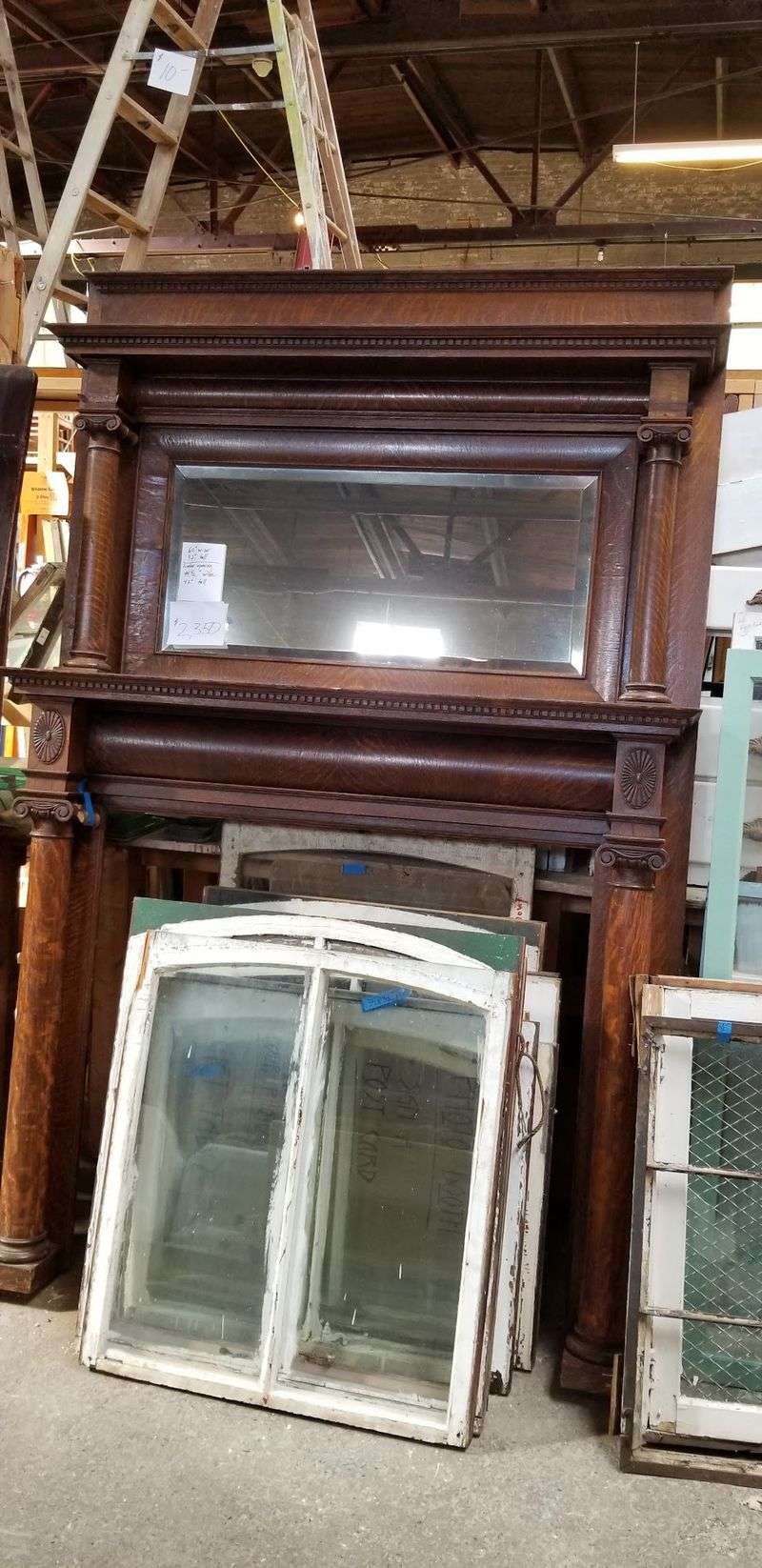
Carved mantels lean against the walls like retired stage sets. Some are simple painted pine, others show elaborate oak carving that would cost thousands to reproduce today.
Balusters, newel posts, stair railings, and stair parts fill nearby racks. Anyone who has tried to replace three missing spindles on an 1880s staircase knows exactly how valuable that inventory is.
Millwork, baseboard, casing, and salvaged flooring round out the offering. Matching an existing trim profile is nearly impossible with new stock, so finding the original pattern here feels like winning something.
Timber turns up as well, including old growth lumber with tight grain that modern mills cannot supply. Woodworkers treat it accordingly.
Design possibilities stretch beyond restoration. Mantels get repurposed as headboards or shelf units, and salvaged balusters become table legs or garden trellises.
Measure the wall or opening before shopping, then measure again. Mantels vary wildly in width and firebox opening size.
Bring a helper and a truck. These pieces are longer and heavier than they look sitting in a rack.
Odd Treasures Nobody Expects To Find
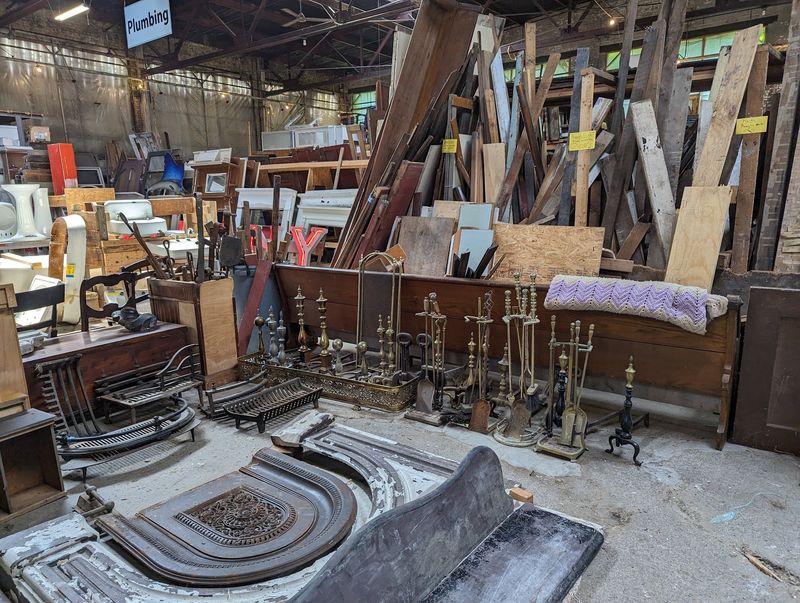
Not everything here came off a wall. The front room holds a rotating cast of oddities that have almost nothing to do with construction and everything to do with fun.
Past finds have included vintage photo enlargers, nineteenth century chests, wooden yokes, antique stoves, sleds, old books, and photographs. The mix changes constantly, which keeps repeat visitors curious.
Browsing this section works best without a shopping list. People walk in hunting a hinge and walk out with a mid century desk lamp they never knew they wanted.
Gift shoppers do surprisingly well here. Unusual objects with genuine age make better presents than anything you can order with two day shipping.
Pricing on the miscellaneous stock varies by item, so simply ask. Staff know the inventory cold and can explain what something is and where it came from.
The charm lies in unpredictability. Two visits a month apart can feel like two entirely different stores.
Give the front room a full pass before heading into the main warehouse. Plenty of the best small finds hide right up front.
Nonprofit Roots, Knowledgeable Volunteers, And A Tool Library
Every dollar spent here does double duty. The warehouse operates as part of the Historic Albany Foundation, a 501(c)(3) nonprofit founded in 1974, with the warehouse itself opening in 1978.
Its origin story is straightforward. Too many historic Albany buildings were coming down, and their materials were headed for landfills. Saving those parts for reuse in surviving structures became the mission.
All inventory arrives through donation. The organization does not purchase items, which is part of why the stock feels so wonderfully unpredictable.
Staff and volunteers are the real asset. They know the shelves, the eras, and the quirks of old houses, and they will happily explain the history behind a piece you are holding.
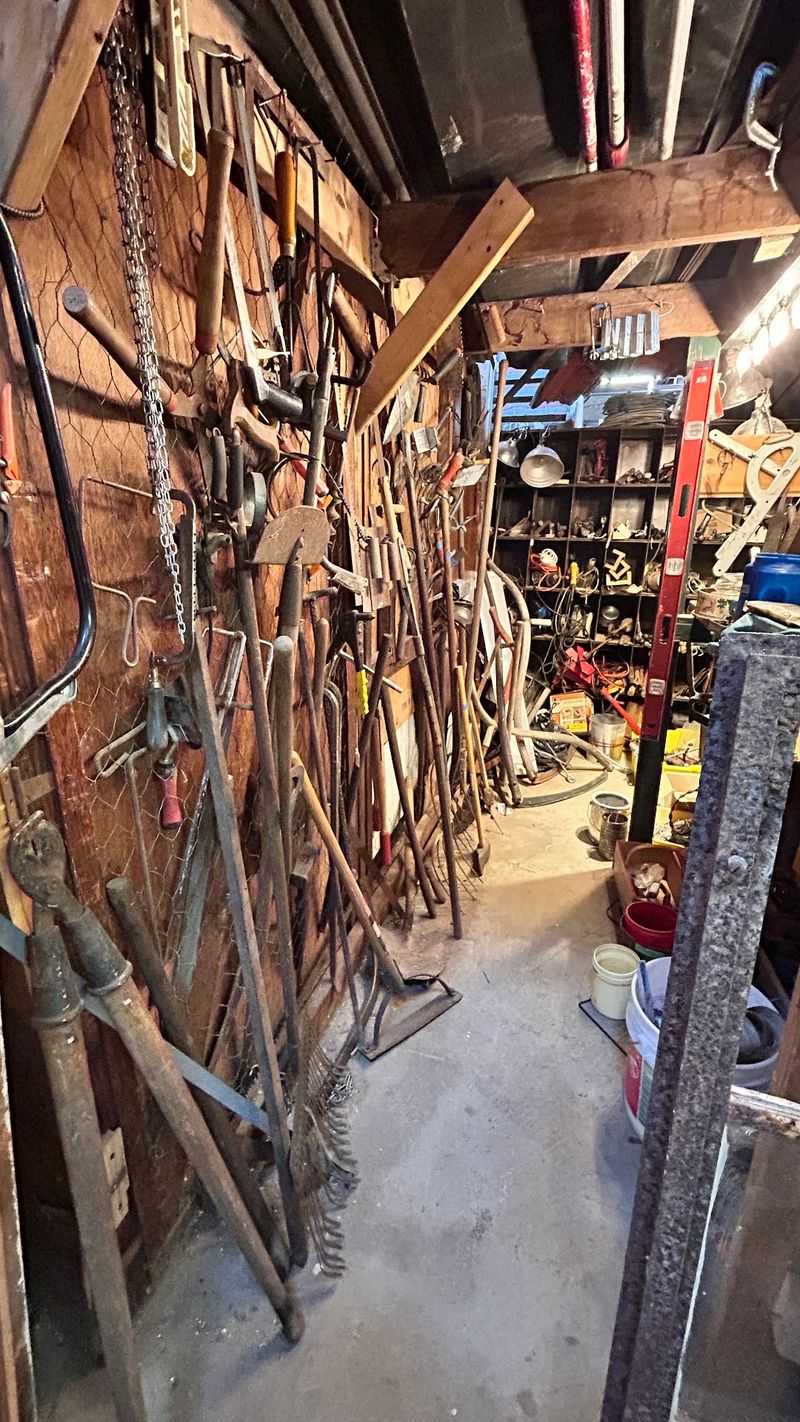
Tool library membership adds another layer. Members borrow power tools for projects and gain access to free hardware, which is a serious perk for anyone restoring a home on a budget.
Wear closed shoes and sturdy clothes. Floors are uneven, dust is plentiful, and old paint means this outing suits adults far better than small children.