
This New York Coastal Town Is Quietly Becoming A 2026 Favorite For People Who Hate Crowds
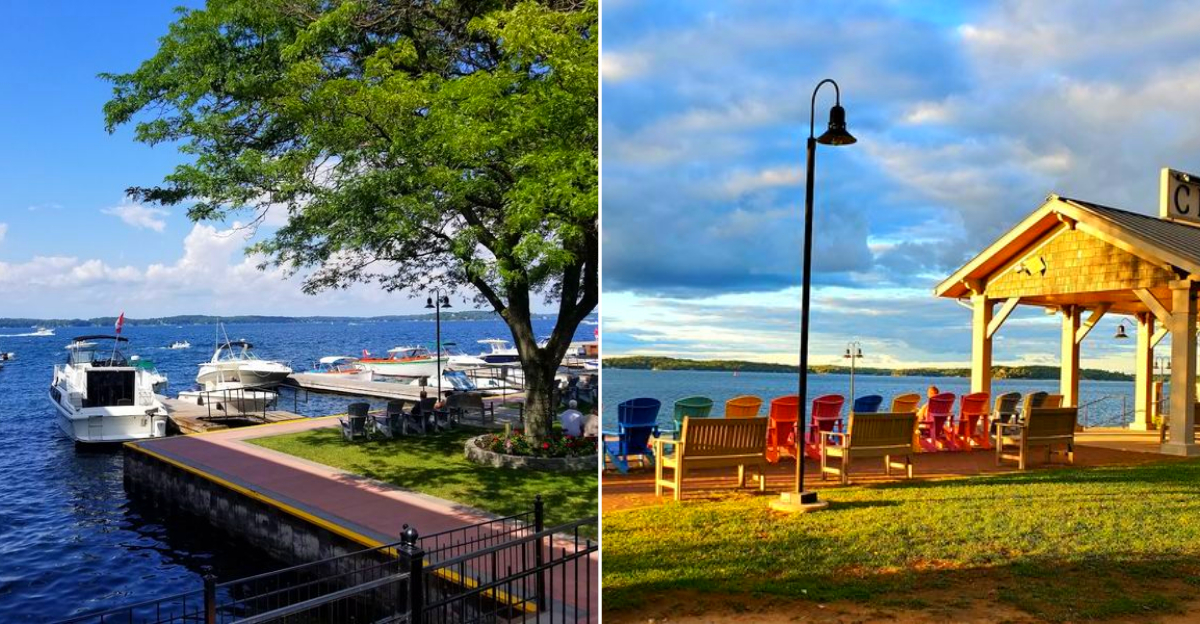
Crowds might define many New York destinations, but along the coast, a different kind of place is starting to stand out. This quiet town offers a slower, more relaxed atmosphere where wide beaches, gentle ocean breezes, and peaceful streets replace packed boardwalks and busy tourist spots.
It is the kind of setting that feels refreshing the moment you arrive.
In 2026, more people are beginning to notice the appeal. Visitors come for the calm, the scenic shoreline, and the chance to enjoy the coast without the usual noise and rush.
Cafés feel easygoing, walks along the water feel unhurried, and the overall experience invites you to truly slow down. For anyone who prefers serenity over crowds, this New York coastal town is quickly becoming a favorite escape.
A Waterfront Town That Feels Like A Well-Kept Secret
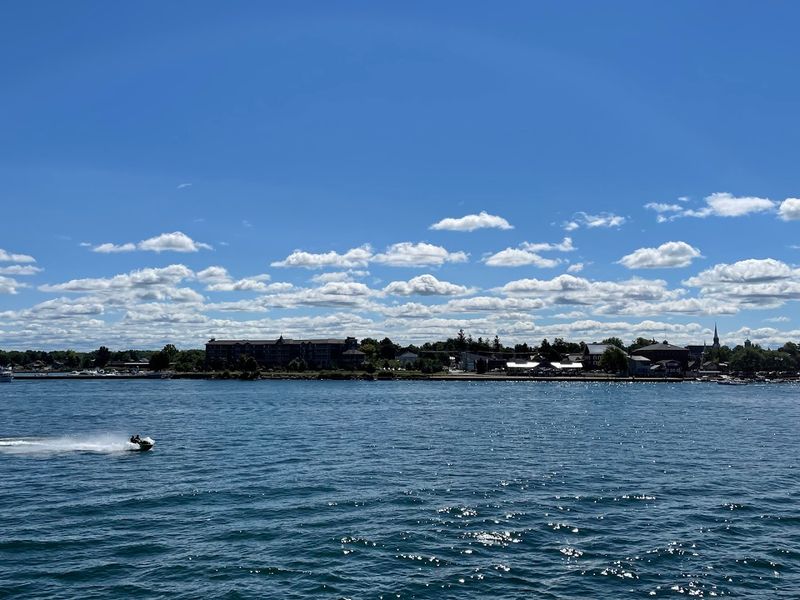
Few places along the northeastern waterfront manage to hold onto their character the way this town does. Sitting at the gateway to the Thousand Islands, this small village in Jefferson County carries itself with the kind of quiet confidence that only comes from having something genuinely worth offering.
The population hovers around 1,700 residents, which means the streets never feel overwhelmed even during peak summer months.
The St. Lawrence River serves as both backdrop and centerpiece here. On calm mornings, the water reflects the sky in ways that feel almost too composed to be accidental.
Boats drift past at unhurried speeds, and the shoreline hum is more birdsong than engine noise.
Clayton is located at Clayton, NY 13624, nestled within the town of Clayton in Jefferson County. Getting there from Syracuse takes roughly two hours, and the drive north through rolling farmland and river-view roads is already part of the experience.
Visitors who arrive expecting a scaled-down version of a busier resort town often leave pleasantly surprised by how complete and self-sufficient Clayton actually feels as a destination.
The Antique Boat Museum And Why It Draws More Than Just Boat Enthusiasts
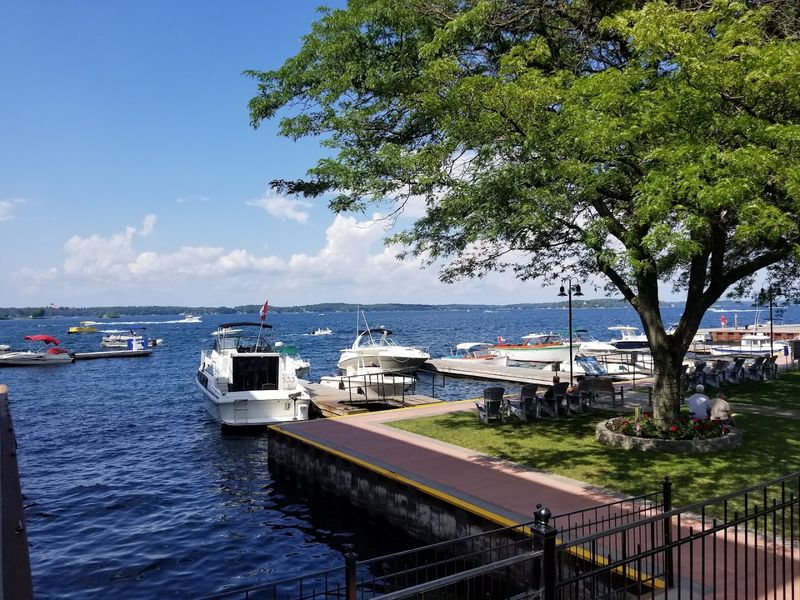
The Antique Boat Museum stands as one of the most genuinely fascinating cultural institutions in all of upstate New York. Founded in 1964, it holds the largest freshwater antique boat collection in North America, with vessels dating back to the 1800s that have been preserved with extraordinary care.
Walking through the exhibits feels less like touring a museum and more like stepping into a different chapter of American leisure history.
Wooden boats lined up in careful rows tell stories about craftsmanship, speed, and the golden age of river recreation on the St. Lawrence. The museum also hosts boat shows and educational programs that bring the collection to life in ways that static displays alone cannot accomplish.
Children tend to gravitate toward the interactive sections while adults linger near the fully restored mahogany launches.
The museum sits right on the waterfront, making it easy to combine a visit with a walk along the river afterward. Admission is reasonably priced and the staff are notably knowledgeable without being overbearing.
Even people who have never once thought about antique watercraft tend to find themselves genuinely absorbed by the stories embedded in every hull and steering wheel on display.
The Cultural Life You Did Not Expect To Find Here
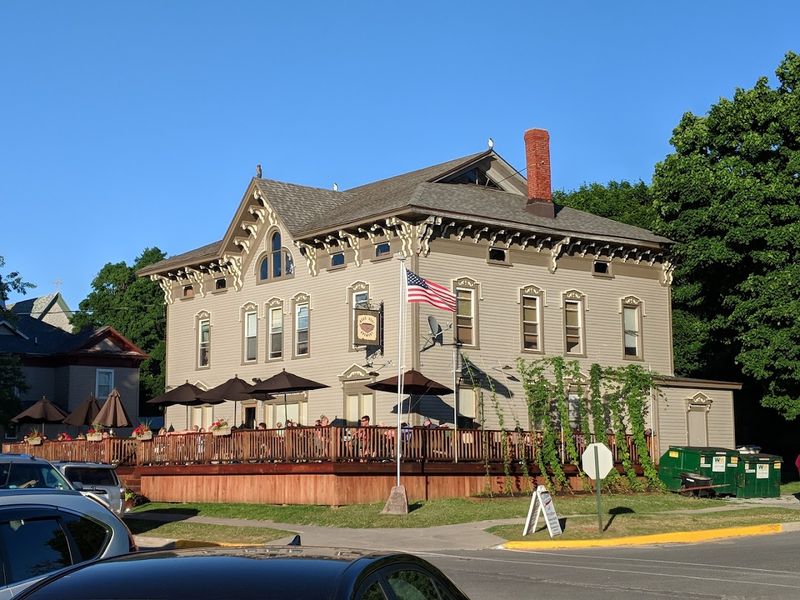
Small towns with active performing arts venues tend to have a certain energy that larger cities sometimes lose beneath layers of commercial noise.
The Clayton Opera House delivers exactly that kind of energy, offering a year-round calendar of performances that range from live music and theatrical productions to community events that fill the seats with locals and visitors alike.
The building itself carries history in its walls, having served the community since the late 1800s.
Attending a performance here feels personal in the best possible way. The venue is intimate enough that there is no bad seat in the house, and the acoustics reward that closeness with a clarity that larger concert halls often struggle to replicate.
Local performers share the stage with visiting artists, creating a program that feels both rooted and adventurous.
The Opera House also functions as a gathering point for the broader Clayton community throughout the year, not just during tourist season. That continuity gives it a vitality that purely seasonal attractions sometimes lack.
For visitors who enjoy cultural experiences alongside outdoor ones, an evening at the Clayton Opera House adds a layer of depth to the trip that stays with you long after the river views have faded from memory.
Galleries And Boutiques That Reward Slow Browsing
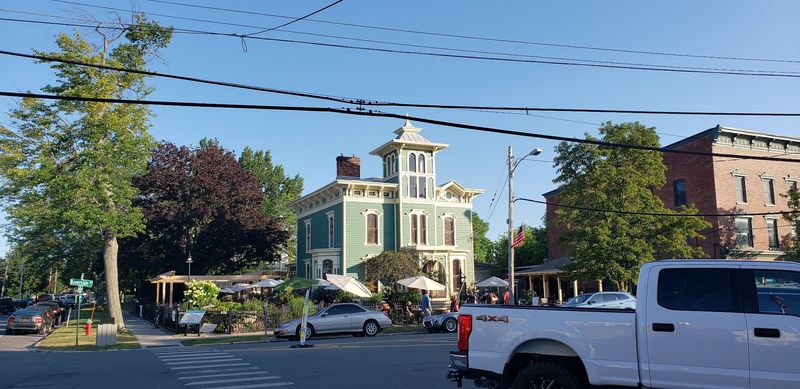
A town that caters to summer visitors without losing its own identity tends to develop a retail and arts scene that feels curated rather than manufactured.
Clayton has done exactly that, with a collection of galleries and boutiques along its main corridor that reward the kind of unhurried browsing that crowded shopping districts rarely allow.
The work on display in local galleries skews toward regional artists whose subject matter often includes the river, the islands, and the surrounding landscape.
Boutique shops carry a mix of handcrafted goods, locally made products, and thoughtfully selected items that reflect the character of the region rather than the generic souvenir aesthetic found in more heavily trafficked destinations. Spending an afternoon moving between these spaces feels genuinely pleasant rather than obligatory.
The shop owners are present and engaged, often willing to share the story behind a piece or a product without any pressure to buy.
The overall shopping experience in Clayton carries a relaxed rhythm that matches the rest of the town. You are unlikely to find international luxury brands or chain retailers here, and that absence turns out to be a feature rather than a limitation.
What Clayton offers instead is a more personal kind of commerce that feels connected to the place itself.
The Thousand Islands Region And What It Actually Looks Like Up Close

The name Thousand Islands sounds like marketing language until you actually see it. The region stretches across the St. Lawrence River between New York and Ontario, Canada, and contains more than 1,800 islands of varying sizes, from large landmasses with historic estates to small rocky outcroppings barely wide enough to hold a single tree.
Clayton sits at the heart of this geography, making it one of the best access points for exploring the area by water.
Boat tours depart from the Clayton waterfront regularly during the summer months, offering narrated trips through the islands that cover both the natural and human history of the region.
The tours are well-organized and genuinely informative, covering everything from the geology that created the islands to the stories of the wealthy families who built summer retreats on them during the Gilded Age.
Boldt Castle on Heart Island is among the most visited landmarks in the region and is easily accessible from Clayton.
The landscape rewards attention at every scale. From a distance, the islands create a fragmented, painterly horizon across the water.
Up close, each one has its own character, its own tree line, its own particular quality of light in the afternoon. Spending time on the river here leaves most visitors with a strong desire to return.
Fresh Seafood And Local Dining Worth Planning Around
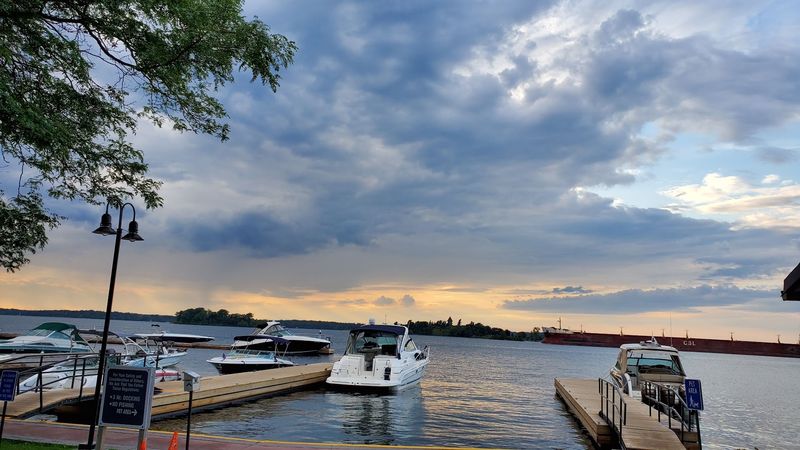
Dining in Clayton carries a straightforward appeal that suits the town’s overall character. The restaurant scene is not large, but it is consistent, with several establishments that have earned loyal followings by focusing on quality ingredients and honest preparation rather than elaborate presentation.
River fish features prominently on many menus, prepared in ways that let the freshness do most of the work.
The waterfront dining options offer views that make even a simple meal feel like an occasion. Tables positioned near the windows or on outdoor terraces overlook the marina and the river beyond, providing a backdrop that shifts with the light throughout the day.
Lunch service tends to be relaxed and unhurried, which fits well with the pace that most visitors adopt after a morning on the water.
Local diners and family-owned spots in Clayton carry a warmth that comes from serving the same community year after year. The menus reflect seasonal availability, and the portions are generous without being excessive.
For travelers who plan their days around meals, Clayton offers enough variety to satisfy without overwhelming. The food here does not chase trends or attempt to compete with urban dining scenes, and that restraint turns out to be one of its most appealing qualities.
What Makes Clayton Different From Other Waterfront Towns In New York
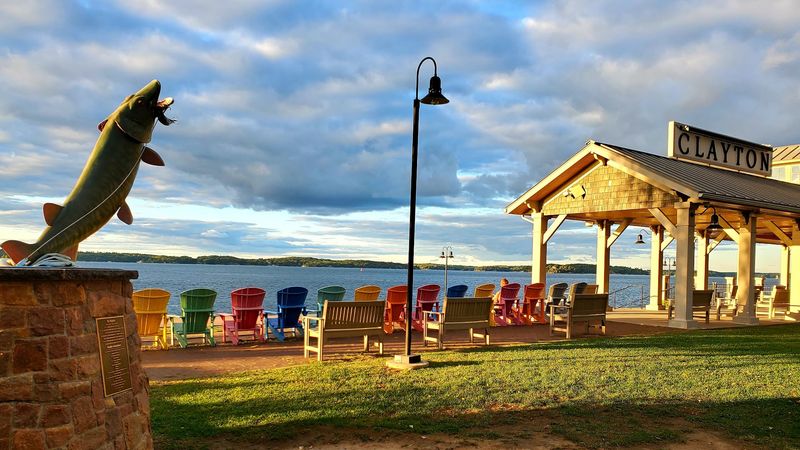
Plenty of waterfront towns exist along the New York coastline and lakeshore, each with its own version of charm and its own reasons for drawing visitors. Clayton occupies a distinct position among them because its appeal is not built around a single attraction or a concentrated strip of commercial activity.
The town works as a whole, with its museum, its performing arts venue, its dining scene, and its river access all contributing to an experience that feels balanced and unhurried.
The crowd levels here remain noticeably lower than at comparable destinations even during peak season. That is partly a function of geography, since Clayton requires a deliberate detour from major highway routes, and partly a result of the town’s measured approach to tourism development.
Growth has happened gradually rather than all at once, which has allowed the infrastructure to keep pace with demand without overwhelming the character of the place.
Long-time visitors to the Thousand Islands region often describe Clayton as the destination they return to most consistently.
The town has a way of meeting visitors where they are, offering enough activity for those who want a full schedule and enough stillness for those who simply want to sit by the water and watch the river move.
That flexibility is rarer than it sounds and harder to maintain than most towns manage.
The Kind Of Quiet That Actually Restores You
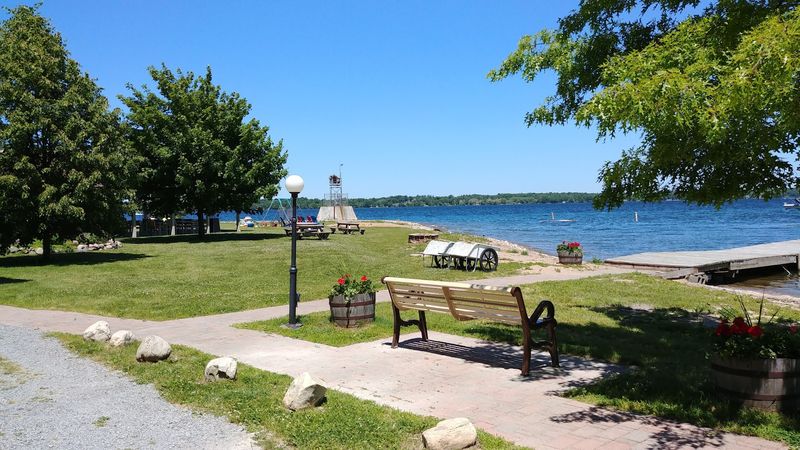
There is a particular quality of quiet that certain places produce, and it has less to do with the absence of sound than with the absence of urgency. Clayton generates that quality consistently, and it is one of the reasons visitors tend to describe their time here in terms of restoration rather than entertainment.
The town does not demand anything from you. It simply offers itself, and what it offers turns out to be more than enough.
Mornings along the waterfront carry a stillness that feels earned rather than engineered. The light over the river in the early hours has a particular quality that photographers and non-photographers alike tend to notice and remember.
Sitting on a dock with a cup of coffee as the mist lifts off the water is not a dramatic experience, but it is a deeply satisfying one that recalibrates something most people did not realize needed recalibrating.
The evenings in Clayton are equally gentle. The absence of a loud nightlife scene is not a deficit but a defining characteristic.
Dinner stretches into conversation, and conversation gives way to a walk along the waterfront as the light fades.
The pace of a Clayton evening feels like something from an earlier era of travel, when destinations were chosen for the quality of rest they provided rather than the volume of activity they promised.
Why Clayton Rewards Visitors Who Return More Than Once
First-time visitors to Clayton often leave with the distinct sense that they have only seen a portion of what the town has to offer. That feeling turns out to be accurate.
The Thousand Islands region surrounding Clayton is large enough and varied enough that multiple visits across different seasons reveal genuinely different experiences.
The summer crowds, modest as they are, give way to an even quieter autumn when the foliage along the river reaches its peak and the light takes on a different quality entirely.
Returning visitors develop a familiarity with Clayton that deepens the experience in ways that are difficult to replicate on a first trip.
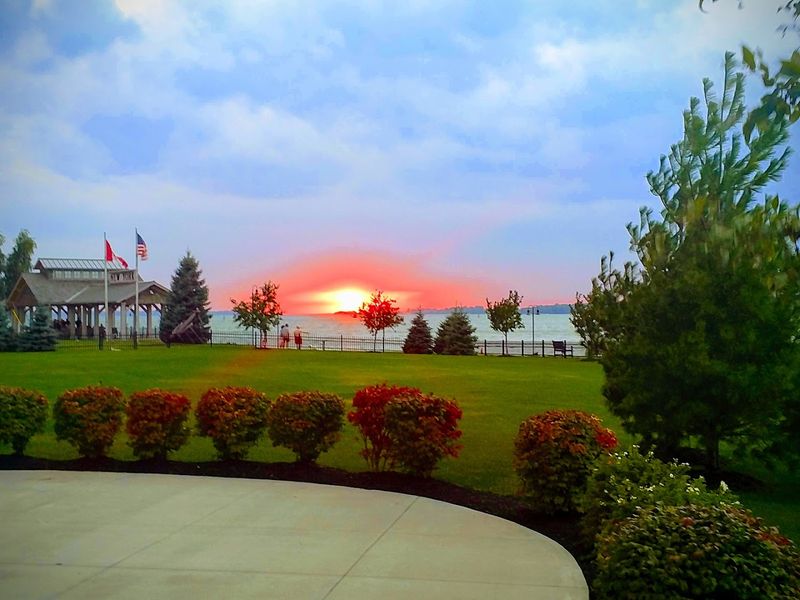
Favorite tables at particular restaurants, preferred launch points for morning kayaking, the specific dock from which the sunset looks best in late July, these details accumulate into something that resembles a personal relationship with a place.
Clayton is the kind of town that rewards that kind of attention with consistent, low-key satisfaction.
The town’s ongoing investment in its cultural institutions and waterfront infrastructure suggests that the experience will continue to improve incrementally without losing the character that makes it worth visiting in the first place.
For travelers who are tired of destinations that peak on the first visit and disappoint on the second, Clayton offers a genuinely refreshing alternative built on substance rather than spectacle.