
This New York Monastery Is Home To The Largest Indoor Buddha Statue In The Western Hemisphere And It’s Surrounded By 10,000 Smaller Ones
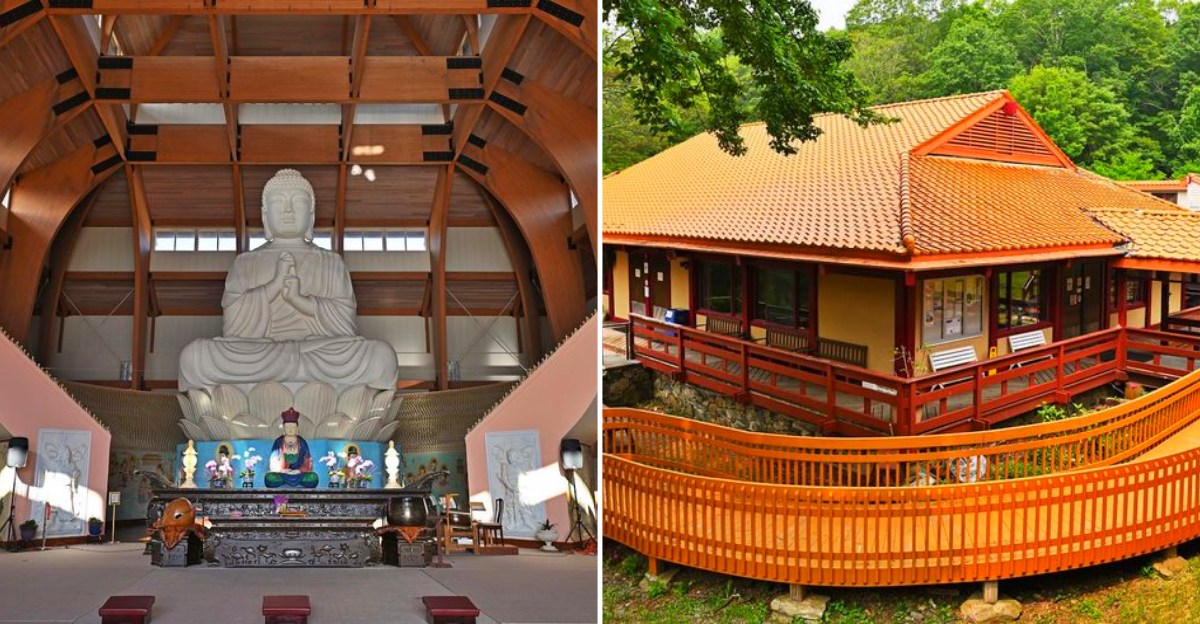
An hour from Manhattan, the noise drops away and New York suddenly feels much farther from the city than the mileage suggests.
A peaceful monastery in the hills holds a sight most first-time visitors never expect: a 37-foot golden Buddha seated inside a grand hall, surrounded by 10,000 smaller figures lining the curved walls.
The scale is impressive, but the quiet may be what stays with you longest. Shoes soften against the floor, voices lower without anyone asking, and the whole space seems built to slow your breathing.
This is not just a quick photo stop or a strange roadside claim. It is a place where art, faith, architecture, and stillness meet in a way that feels rare so close to the city.
Come curious, and you may leave calmer than you planned.
A Record That Stands Taller Than You Think
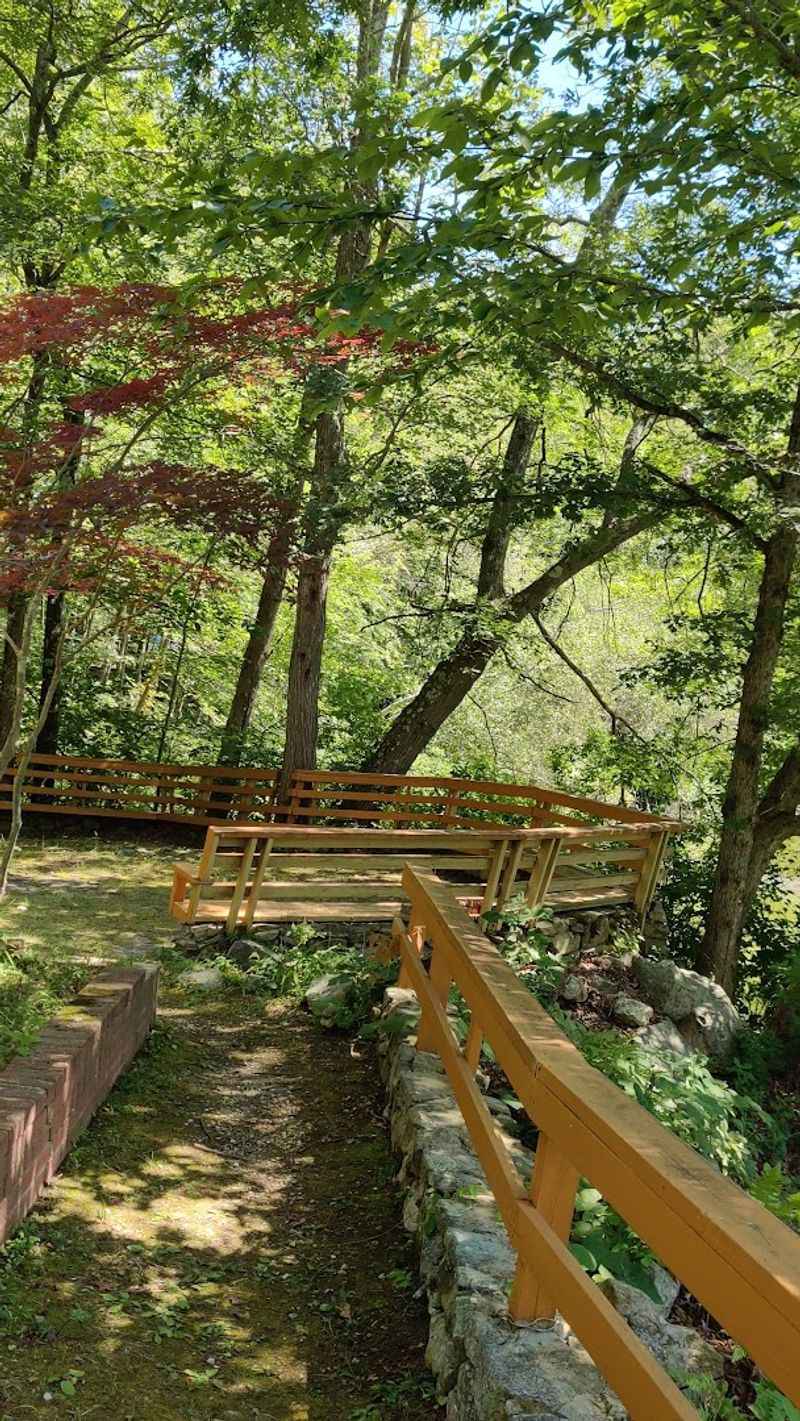
Records are made to be broken, but few feel as awe-inspiring as this one. The Great Buddha Hall at Chuang Yen Monastery houses the largest indoor Buddha statue in the entire Western Hemisphere, and standing before it is a genuinely humbling experience.
The central figure is Buddha Vairocana, also called the Cosmic Buddha. He rises 37 feet tall, and when you factor in the base and pedestal, the total height reaches around 55 feet.
That is roughly the size of a five-story building, all indoors.
What makes the record even more striking is where it sits. Most people expect record-breaking monuments to be in major cities or famous tourist corridors.
Finding one tucked into the quiet hills of Putnam County, New York, feels like discovering a secret the world forgot to share. The hall itself was inaugurated by the 14th Dalai Lama, which adds a layer of spiritual weight that no guidebook can fully capture.
Visiting feels less like sightseeing and more like bearing witness to something rare and carefully preserved for generations to come.
Chuang Yen Monastery: Where Majesty Meets Serenity
The name says it all. Chuang Yen translates to Majestically Adorned, and the monastery earns that title every single day.
Spread across 225 acres in Kent, Putnam County, the grounds feel more like a sacred landscape than a simple religious compound.
Chuang Yen Monastery at 2020 Route 301, Carmel, NY 10512, sits about an hour north of Manhattan by car. The drive through wooded roads and past quiet lakes is already a kind of decompression before you even arrive.
Many visitors say the journey itself begins to calm the mind.
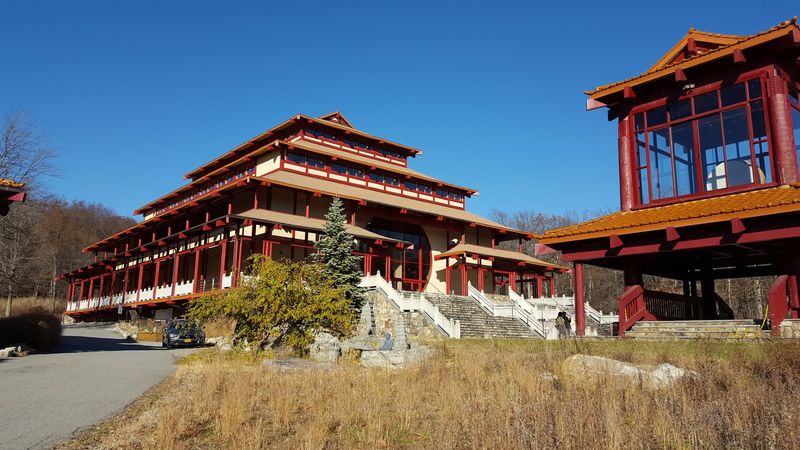
The buildings follow the architectural style of China’s Tang Dynasty, a period celebrated for its grandeur and refined aesthetics. The rooflines curve upward with characteristic elegance, and stone pathways connect the various halls, pavilions, and gardens across the property.
Everything about the layout feels intentional and unhurried. Visitors are welcome from Monday through Sunday between 10 AM and 3 PM, making it an accessible destination for a weekday escape or a relaxed weekend outing.
The monastery carries a 4.8-star rating from over a thousand visitors, a number that speaks clearly without needing any further explanation.
Ten Thousand Reasons To Look Up
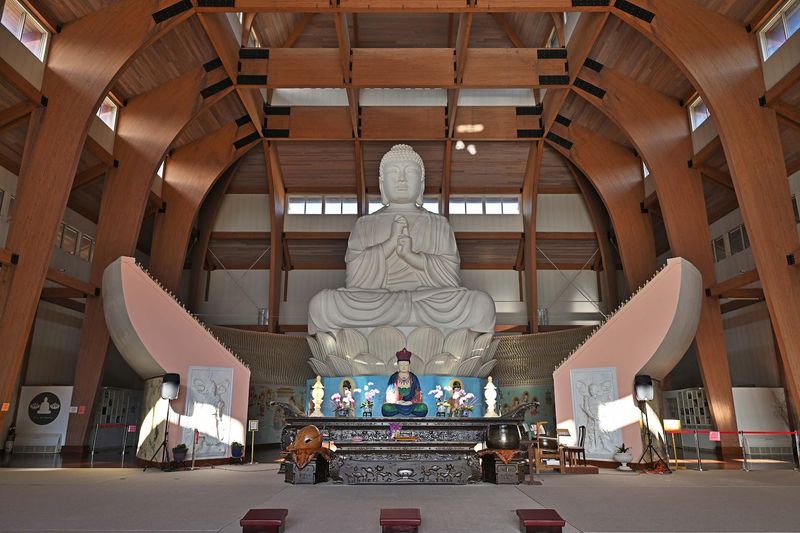
Numbers can feel abstract until you see them in person. Ten thousand smaller Buddha statues surround the central Vairocana figure inside the Great Buddha Hall, each one seated in the lotus position along the curved walls of the hall.
The visual effect is staggering.
Every small Buddha is part of what is called the lotus terrace arrangement. The figures rise in rows from floor level all the way up to the upper reaches of the hall’s interior walls.
Looking up while standing at the center of the room feels like being at the heart of something ancient and deeply considered.
Each figure is crafted with care, and the repetition creates a meditative rhythm that is hard to describe but easy to feel. The sheer density of the display does not feel cluttered.
Instead, it feels complete, as though every inch of the hall was designed with deliberate spiritual purpose.
For anyone who appreciates art, architecture, or spiritual symbolism, the interior of the Great Buddha Hall is one of the most visually arresting spaces in all of New York.
It rewards slow observation far more than a quick glance ever could.
The Hall That Holds It All
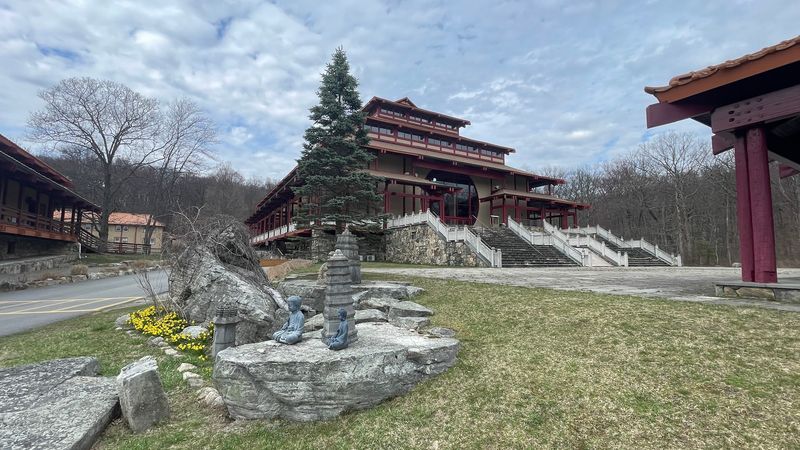
Architecture can carry meaning just as powerfully as any spoken word. The Great Buddha Hall is the tallest structure on the monastery grounds, and its interior was designed to make visitors feel the weight of something larger than everyday life.
It succeeds completely.
The hall’s construction follows Tang Dynasty principles, which means clean lines, sweeping rooflines, and proportions that feel both massive and balanced. Nothing about the design feels accidental.
Every column, every beam, and every carved detail points toward the central figure of Vairocana with quiet authority.
Visitors are asked to remove their shoes before entering the hall, a simple act that immediately changes the atmosphere. The floor is cool and smooth underfoot, and the air inside carries the faint trace of incense.
Sound behaves differently in a space that large, and voices naturally drop to hushed tones without anyone needing to ask. The hall was opened with the blessing of the 14th Dalai Lama, a historical moment that still resonates in the spirit of the place.
Spending even thirty minutes inside the Great Buddha Hall has a way of resetting the mental noise that follows most people around on a regular day.
225 Acres Of Pure, Uncrowded Peace
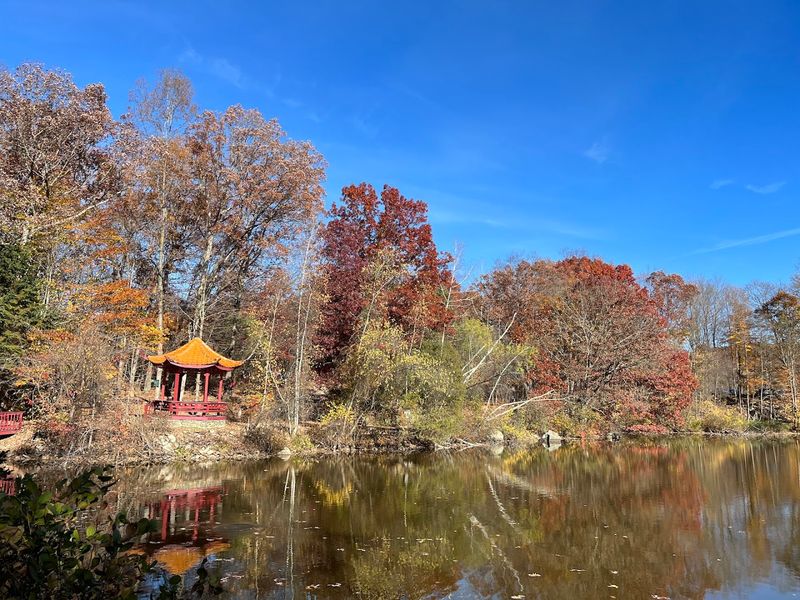
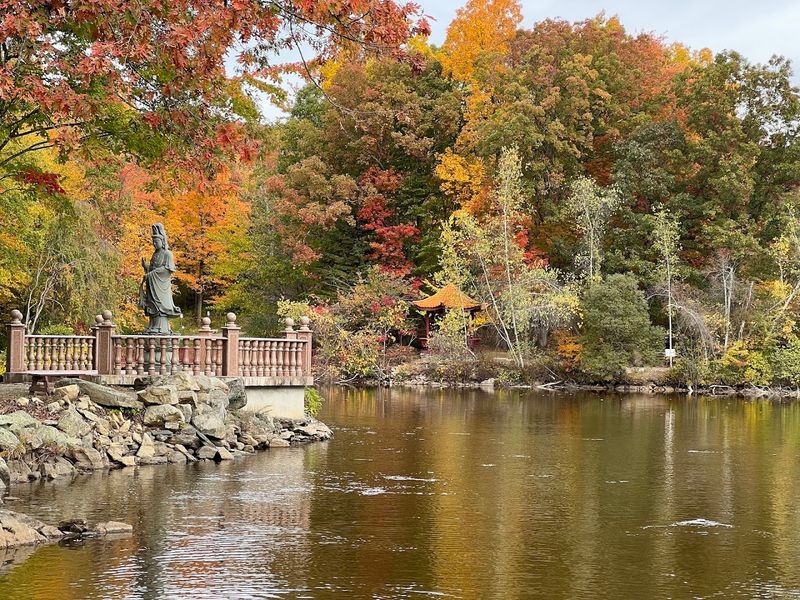
Space matters more than most people realize until they no longer have it. The monastery grounds span a full 225 acres, offering walking paths, a picturesque lake, stone bridges, and open fields that invite slow, unhurried movement.
It is the kind of space that makes city life feel very far away.
The property is populated with traditional Buddhist statues positioned along shaded walkways. Deer have been spotted crossing the open fields on quieter days, adding an unexpectedly gentle quality to an already calm environment.
The lake reflects the surrounding trees and temple rooflines with the kind of stillness that feels almost theatrical in its beauty.
Picnic tables are available for visitors who want to sit and absorb the surroundings at their own pace. Walking bridges span portions of the lake, and small pavilions offer shaded spots for rest or quiet reflection.
The grounds require about a half-mile to a full mile of walking to explore properly, so comfortable shoes are a practical choice.
For families, solo travelers, or anyone who simply needs to breathe without a schedule pressing down on them, the outdoor spaces at Chuang Yen Monastery are as restorative as the temple itself.
Tang Dynasty Style In The Hudson Valley
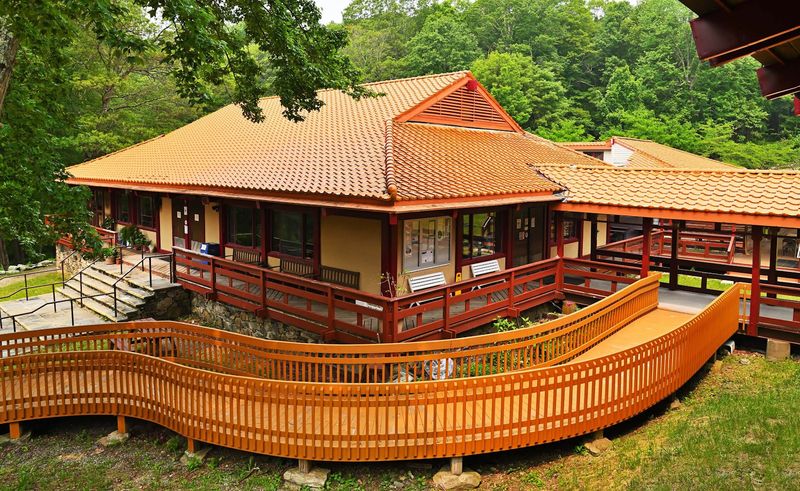
Most people associate the Hudson Valley with covered bridges and apple orchards.
Finding Tang Dynasty architecture there feels genuinely surprising, and that surprise is part of what makes Chuang Yen Monastery so memorable as a destination.
The Tang Dynasty, which flourished in China roughly between the 7th and 10th centuries, is widely considered a golden age of Chinese art and architecture. The style is marked by strong symmetry, upswept roof corners, and an overall sense of dignified grandeur.
The monastery’s builders brought that tradition faithfully to the hills of New York.
The contrast between the surrounding American landscape and the classical Chinese architecture creates a visual experience that is hard to replicate anywhere else in the region.
Red pillars, ornate carvings, and sweeping rooflines appear around every corner of the grounds.
Photographing the buildings against a backdrop of autumn foliage or winter snow produces images that look almost unreal. Even visitors with no background in architecture tend to slow down and look more carefully at the details.
The craftsmanship reflects decades of dedication to preserving a cultural legacy that many communities in the diaspora have worked hard to maintain with great pride and consistency.
An Hour From Manhattan, A World Away
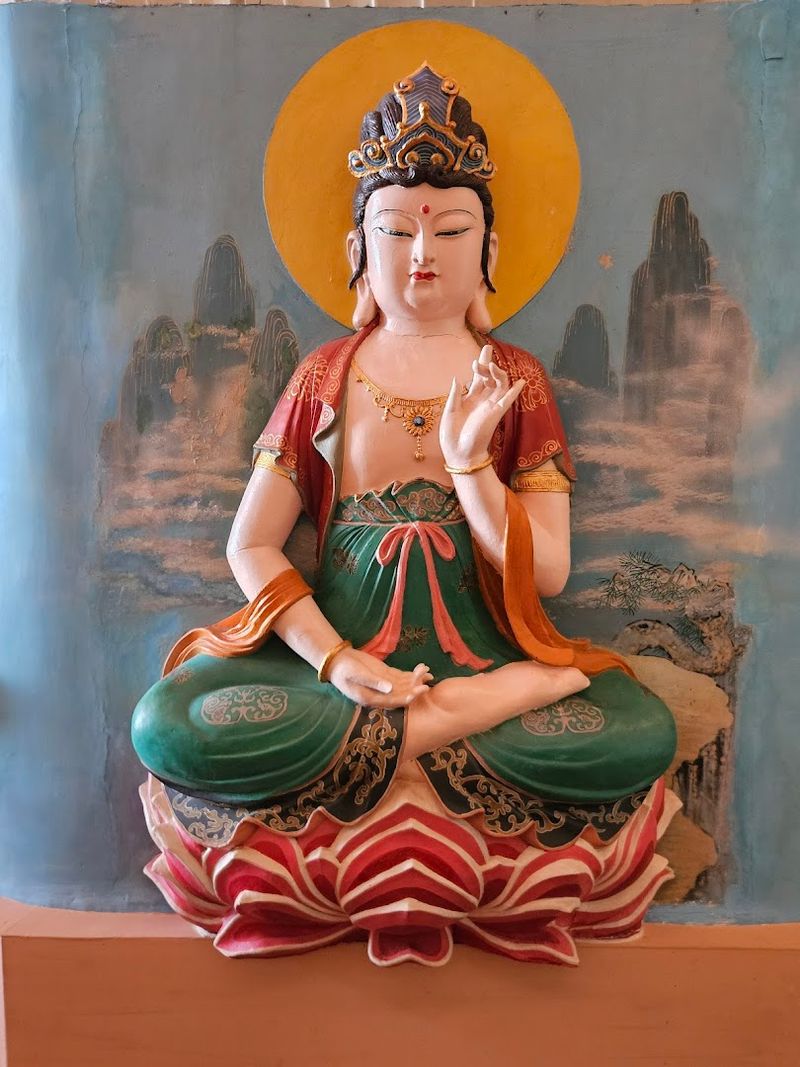
Proximity is one of the monastery’s most underrated qualities.
The drive from Manhattan to Chuang Yen Monastery takes roughly an hour under normal traffic conditions, making it one of the most accessible spiritual retreats available to anyone living in the New York metropolitan area.
The route passes through the kind of landscape that reminds you how quickly the city gives way to open country once you cross certain invisible lines.
Lakes appear beside the road, forests close in from both sides, and the ambient noise of urban life fades so gradually that you barely notice it leaving.
For those without a car, the nearest train station connects to the area, though a rideshare from the station to the monastery is the most practical final step.
The monastery is open Monday through Sunday from 10 AM to 3 PM, which makes planning a day trip straightforward.
Arriving early gives visitors the most time to explore both the indoor halls and the outdoor grounds without feeling rushed. The combination of easy access and genuine remoteness is unusual enough that it feels like a small geographic gift.
New York has no shortage of day trip options, but few deliver this particular quality of quiet.
Koi Ponds, Stone Bridges, And Living Stillness
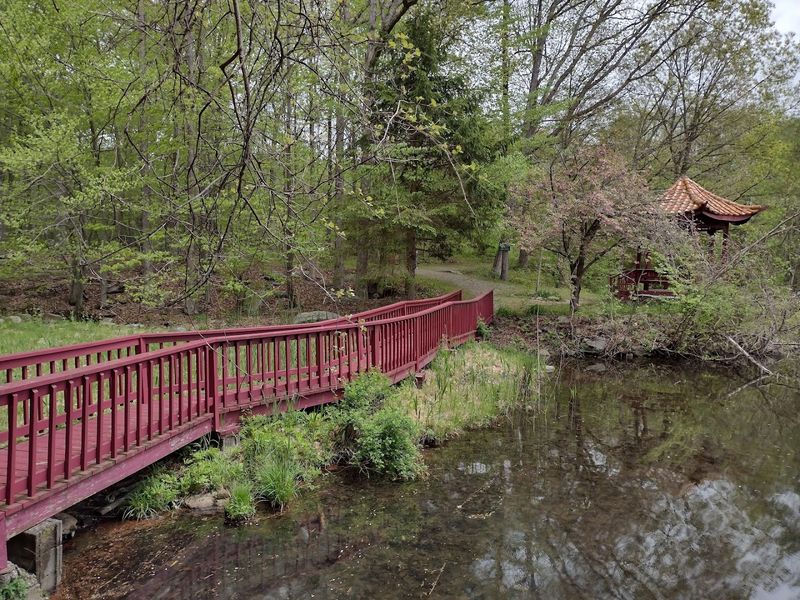
Water has a reliable way of slowing people down. The koi pond at Chuang Yen Monastery is one of those spots where visitors tend to stop walking and simply stand for a while, watching the large, colorful fish move through the clear water with an ease that feels almost instructional.
The fish are notably large and healthy, a detail that has not gone unnoticed by many who have spent time at the pond.
Stone bridges arch over the water at various points, and the reflections of temple rooflines and surrounding trees create a composition that photographers genuinely struggle to do justice to in a single frame.
Signs ask visitors not to feed the fish, a rule that protects their health and preserves the natural balance of the pond ecosystem. The area around the water is planted with care, and benches nearby offer a place to sit without any particular agenda.
For children visiting with families, the koi pond tends to become a highlight of the trip, though adults rarely leave the spot quickly either.
There is something about watching living things move with that kind of unhurried grace that communicates the spirit of the monastery more directly than any sign or pamphlet ever could.
Open To All, Rooted In Respect
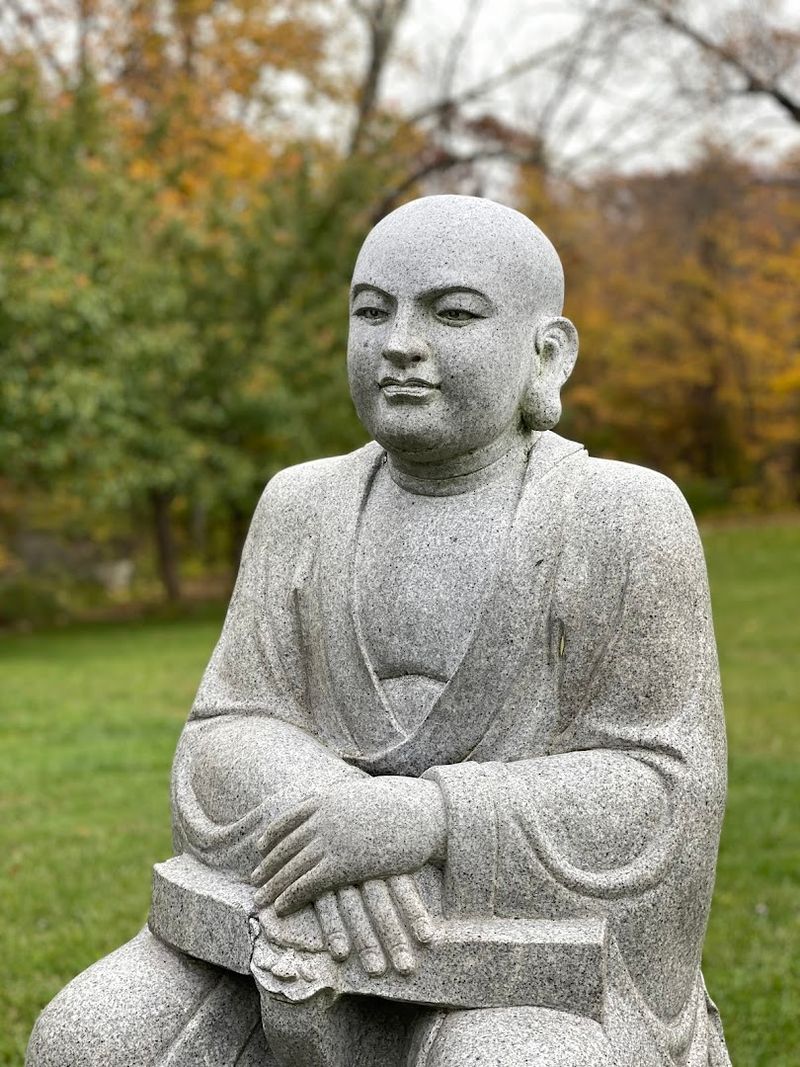
Openness is built into the monastery’s identity. Chuang Yen Monastery welcomes visitors of all backgrounds, beliefs, and ages, asking only for basic respect in return.
That exchange has made it a genuinely beloved destination for a remarkably wide range of people over the decades.
A few simple guidelines shape the visit. Shoes must be removed before entering the Great Buddha Hall.
Voices naturally lower inside the temple spaces. Photography is generally permitted on the grounds, though visitors are encouraged to be mindful of monks and residents who live and practice there full time.
The monastery also hosts a summer camp program for children and adults, a library, and periodic ceremonies that the public is welcome to observe.
The Buddhist Association of the United States, which operates the monastery, recently celebrated its 60th anniversary, and the community gathered from across the country to mark the occasion.
That kind of institutional history gives the place a depth that goes beyond its visual appeal. First-time visitors sometimes arrive expecting a museum-style experience and leave having participated, however briefly, in something that feels genuinely alive.
The monastery does not perform its traditions for tourists. It simply continues practicing them, and visitors are invited to witness that with appreciation.
Why This Place Stays With You Long After You Leave
Some places leave a mark that has nothing to do with novelty or spectacle. Chuang Yen Monastery is that kind of place.
Visitors who came as teenagers still return decades later, and the experience tends to settle into memory in a way that is difficult to fully articulate but easy to recognize.
The combination of record-breaking art, centuries-old architectural tradition, open natural landscape, and genuine spiritual practice creates an environment that engages every part of a person’s attention simultaneously.
That kind of layered experience is rare, and it explains why the monastery holds a 4.8-star rating from over a thousand visitors without any marketing machinery behind it.
New York has museums, galleries, parks, and landmarks that compete fiercely for attention and admiration. Chuang Yen Monastery operates on a different frequency entirely.
It does not compete. It simply exists with a quiet confidence that makes everything else seem slightly louder by comparison.
Returning visitors often say the grounds feel familiar in a way that surprises them, as though the place remembers them back.
That quality, whatever name you choose to give it, is precisely what makes the monastery worth the hour-long drive and every quiet minute spent inside its walls.