
This New York Park Has A Treetop Walkway Where You Can Stroll Through The Canopy
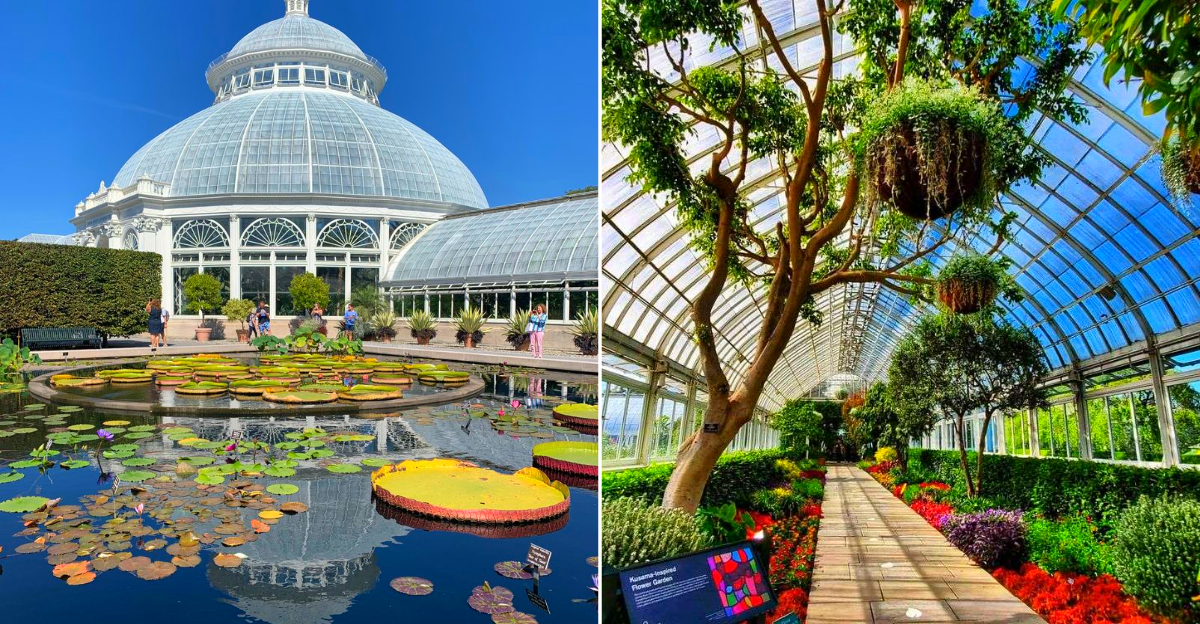
You feel the shift almost right away.
Once inside the New York Botanical Garden, the city noise fades into something softer and more patient. Paths narrow, tree cover thickens, and the light changes in ways you do not notice until you slow down.
The pace here feels intentional, as if the grounds are quietly asking you to match it.
Then the treetop walkway appears. It lifts you gradually into the canopy, steady underfoot, opening angles usually reserved for birds and leaves.
Branches move at eye level. The garden looks different from above, calmer and more layered.
Keep wandering after the walk. The reward comes in small moments, filtered light, distant birdsong, and the simple pleasure of seeing New York from a height that encourages lingering rather than rushing.
A Forest Escape Inside The City
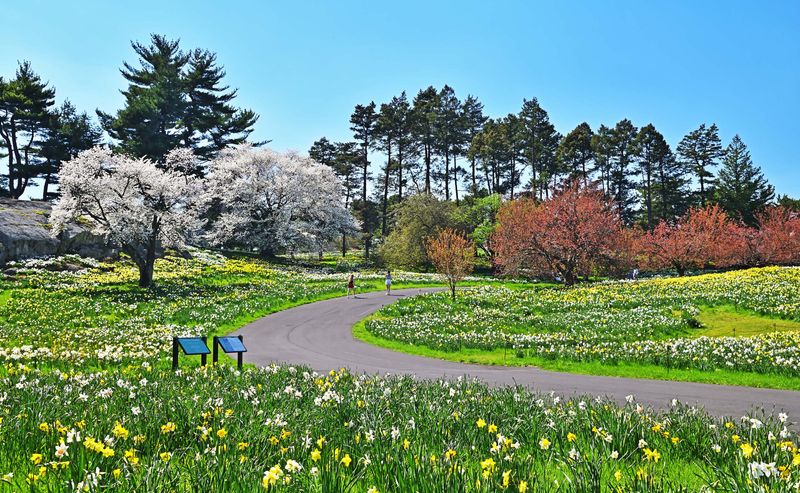
First impressions here are built from small signals that gather weight with each step. Gravel softens underfoot, air cools noticeably, and the canopy starts to speak in leaves rather than traffic.
The Garden’s 250 acres expand in measured increments, never demanding urgency, always suggesting a slower clock.
Later in the walk, the address at 2900 Southern Boulevard, Bronx, NY 10458 lands with quiet clarity. The location matters because it underscores what the Garden makes possible within city bounds.
That contrast sharpens the senses and tempers expectations in a useful way, keeping attention where it belongs.
Finally, the treetop walkway reads as invitation rather than headline. It rises lightly above the forest floor and gives you a new angle on an old landscape.
The city remains present but politely distant, a reminder rather than a distraction.
Walking Through The Tree Canopy
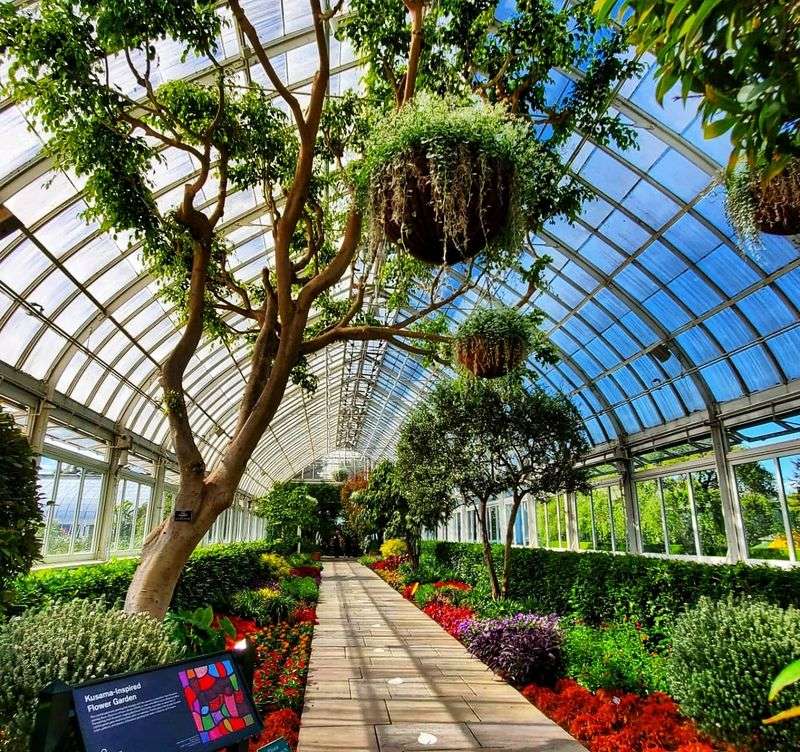
Early on the ascent, nothing feels rushed or engineered for spectacle. The walkway climbs almost imperceptibly, exchanging ground views for layered foliage.
With each turn, branches begin to frame sightlines, and the forest’s upper stories come forward.
Midway through, the mood settles into a steady rhythm of step and glance. Birds occupy parallel routes that now share your elevation, and squirrels appear to accept the treaty.
The structure supports without insisting on itself, a quiet companion to the trees.
By the highest reach, the canopy holds most of the horizon. You notice how wind moves in ripples rather than gusts, and how light favors one leaf, then another.
Up here, time feels precise yet unhurried, measured by the shadows sliding across bark.
Why The View From Above Matters
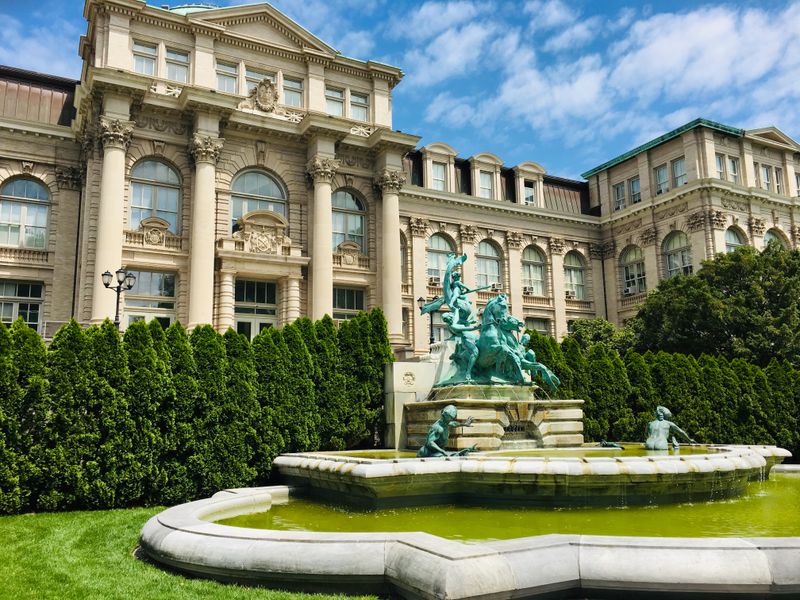
Because from above, patterns that once looked accidental show their logic. Crowns negotiate space with polite distance, admitting sun in angled parcels.
The understory’s patchwork makes sense when seen as the product of those quiet trades.
Farther along, the Bronx skyline edges into view like a discreet neighbor. It never steals the scene, it simply points to context.
That reminder anchors the experience and keeps it honest, a city garden staying true to its setting.
Near the descent, subtle observations begin to accumulate. You catch microclimates shifting with height and orientation, and you recognize how water and wind shape the canopy’s tone.
This perspective rewrites the map of the grounds without overwriting their character.
Built To Fit The Landscape
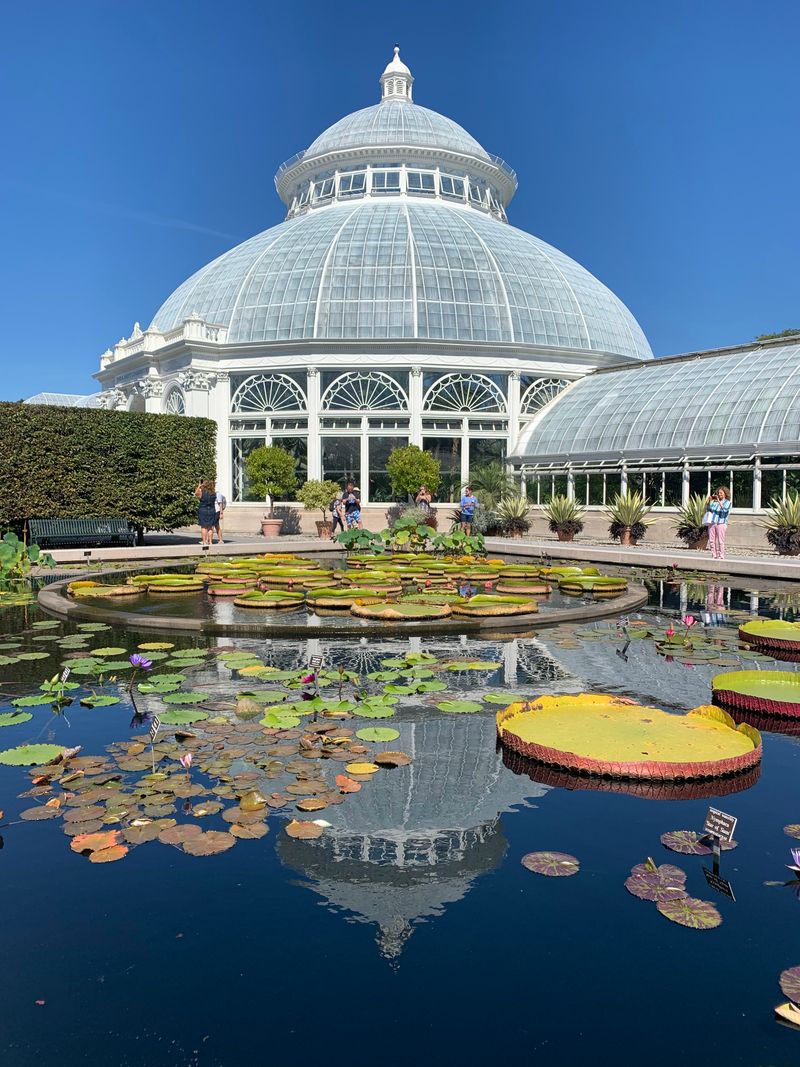
The structure’s restraint is its calling card. Supports step lightly between trunks, and spans follow terrain as if taking cues from roots.
Materials wear a quiet palette that keeps the eye on living textures rather than hardware.
Farther along the route, the engineering shows its patience. Joints sit where forces meet cleanly, and railings keep lines low so branches remain the story.
Everything signals durability without bravado, the kind that earns trust over time.
On exit, the walkway dissolves back into soil and leaf litter. That soft landing makes the intervention feel inevitable, like a missing thread woven in at last.
The Garden reads the result as continuity, not interruption.
What You Notice Up There
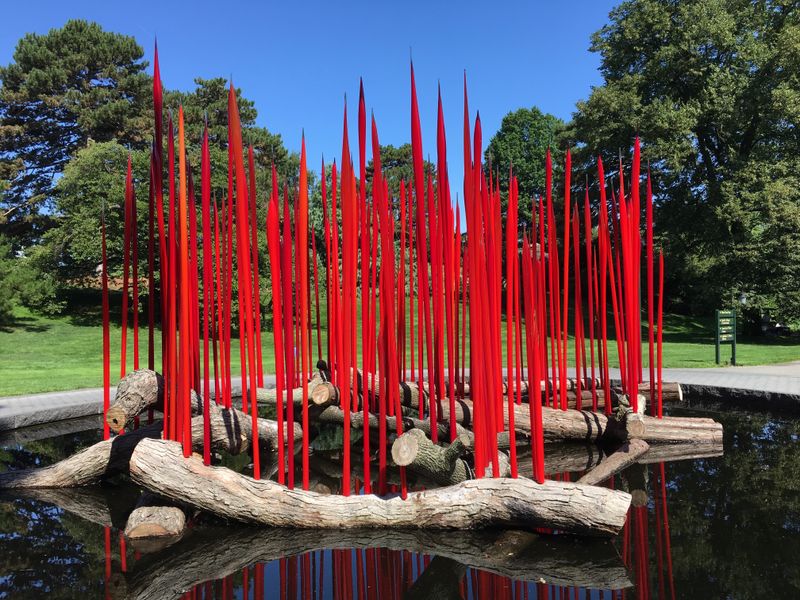
At canopy level, bark stops being background and becomes a map. Lichens mark territory, insects leave ciphered routes, and age announces itself in small, exact lines.
Nests reveal tidy engineering that rewards an unhurried glance.
Moving slowly, light takes on personality. It filters, bounces, and edges each leaf with a transient rim that never repeats.
Shade no longer feels like absence but like a separate layer with its own voice.
By the time you circle back, familiar species show new manners. Oaks hold their composure, maples tilt to catch every spare lumen, and pines speak in resin and quiet.
The walkway does not create these traits, it simply brings you to them.
How The Walkway Was Designed
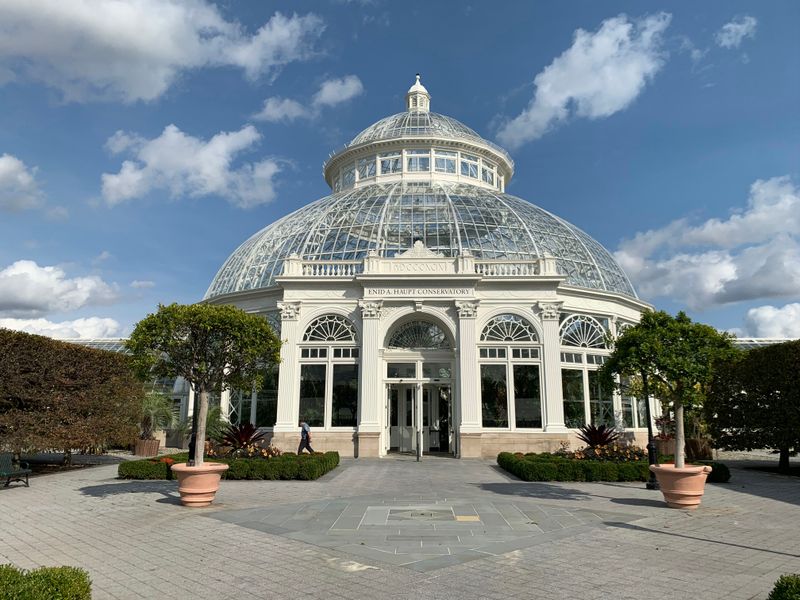
Accessibility sits at the core rather than the margin. Slopes keep grades reasonable, railings feel sure under hand, and pull outs allow a pause without blocking the flow.
These choices open the canopy to more visitors without diluting the experience.
Further on, the social tone shifts toward shared ease. Families move beside solo walkers, and conversations adjust to the pace of a steady climb.
The walkway proves that thoughtful design can be both practical and generous.
Near the end, transitions return you to ground with the same care. Joints remain smooth, surfaces provide grip, and sightlines anticipate the next turn.
The result reads as a complete path rather than an attraction tacked onto the woods.
Learning Without The Lecture
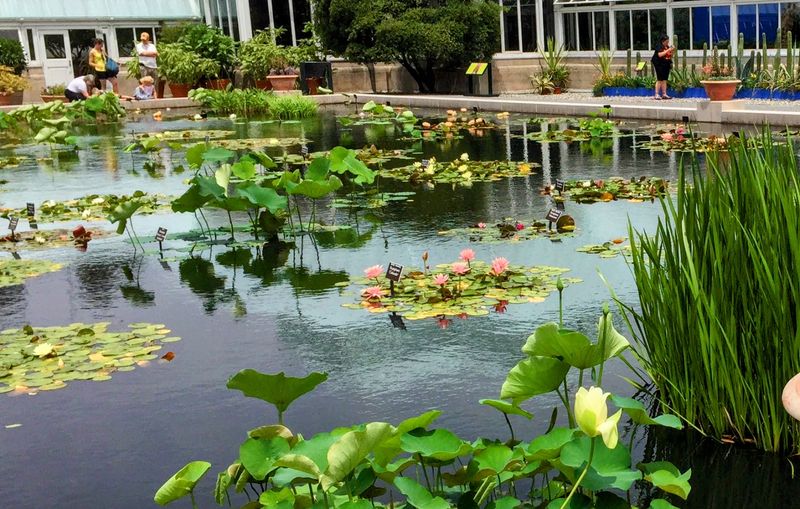
Information appears where curiosity would naturally land. Small panels name species, note relationships, and point to seasonal habits without dictating a route.
The tone is calm and confident, trusting visitors to decide when to linger.
As you move, the signs keep pace but never lead. They frame a question and then step back, leaving the forest to answer.
That restraint gives the material credibility and invites a return visit.
By the exit, you realize the lesson arrived by accumulation. Names stick because they met the trees at eye level, not a page.
The Garden keeps scholarship close but never lets it overshadow the living subject.
When To Visit For The Best Experience
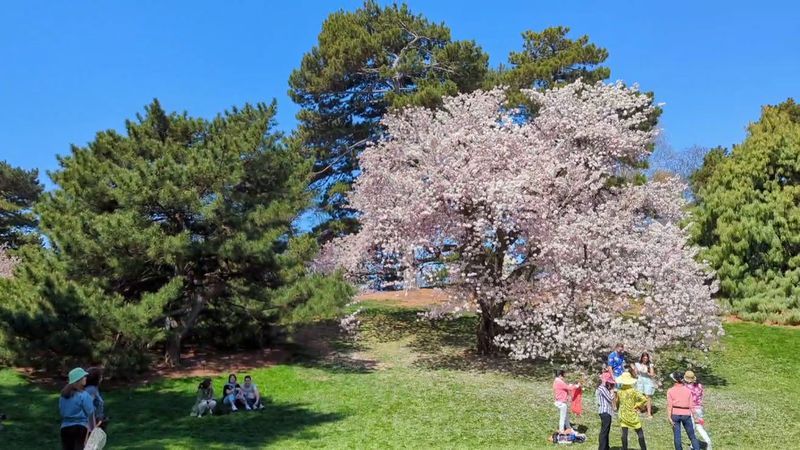
Spring sets a careful tone with tender greens and quick, optimistic birds. The walkway feels newly minted, and every breeze carries a draft of change.
Patience rewards you with first leaves unfolding at eye level.
Summer builds density and slows conversation to a comfortable murmur. Shade collects under broad crowns, and the hum of insects stitches the scene together.
Water breaks feel earned, and time lengthens between glances at a watch.
Autumn brings the generous theater, all amber, rust, and measured golds. Colors arrive unevenly, which makes each span a small surprise.
Winter, lean and precise, swaps color for structure and extends views down the Bronx River valley.
Places To Pause And Sit
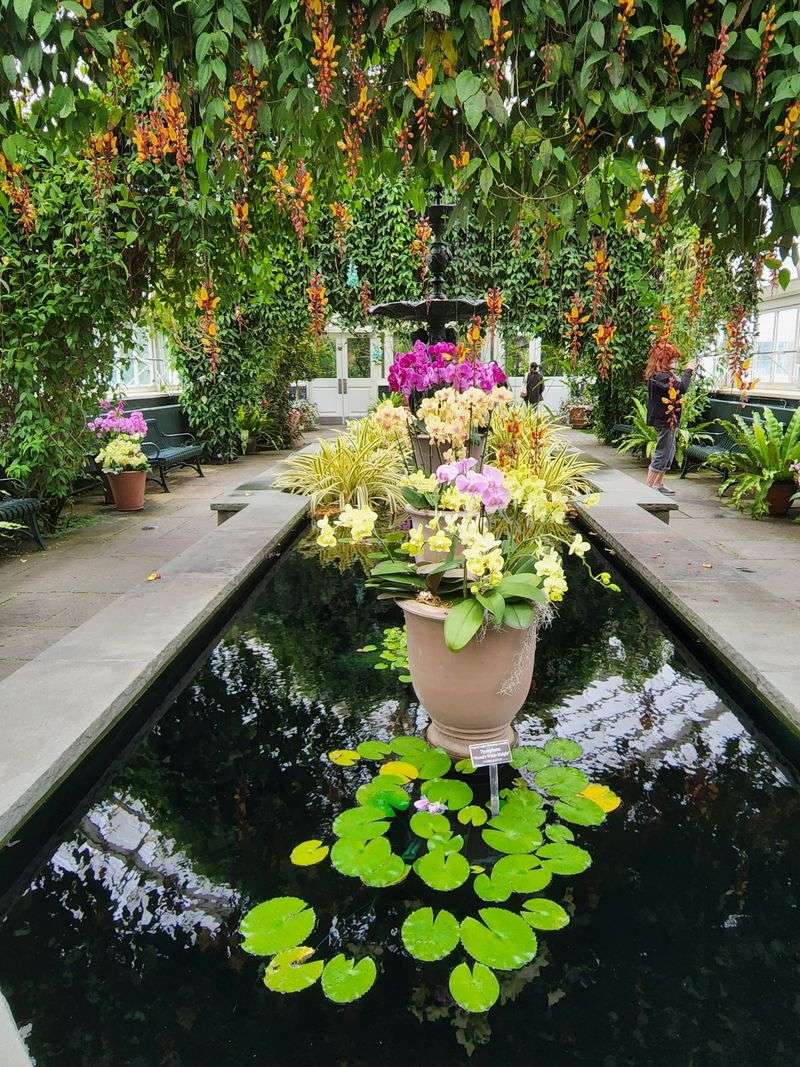
Benches tucked along adjacent paths invite an unhurried pause. The seating aims at views that reward stillness rather than spectacle, letting the canopy become a ceiling rather than a destination.
It is a good place to let impressions settle.
Across from one stop, the same trees you met at height stand with familiar assurance. Bark lines now carry names, and a breeze translates earlier whispers.
The shift from walking to sitting deepens the visit rather than interrupting it.
Near each bench, the landscape keeps conversation low. Leaves manage the acoustics, and distant tram bells offer a gentle timestamp.
Waiting here never feels like delay, only part of the design.
Easy To Walk For Nearly Everyone
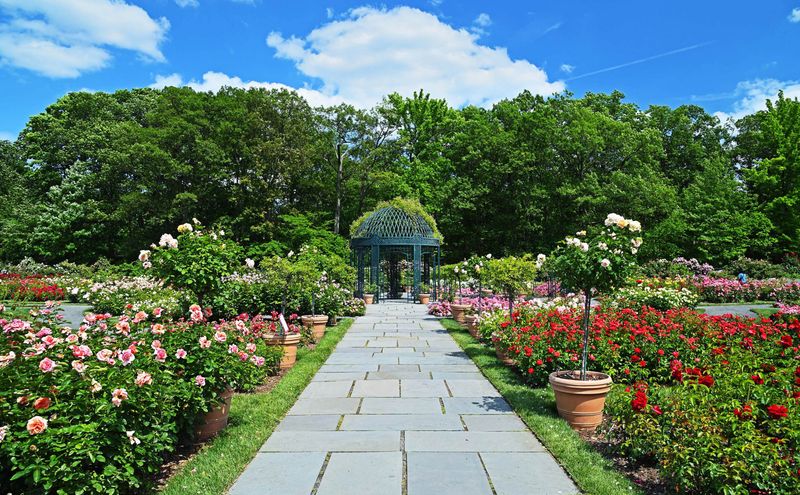
Approach routes make the experience accessible before you even see the first span. Paths are level, drainage is handled quietly, and signage trims the guesswork.
The emphasis on comfort allows attention to stay with the surroundings.
Throughout the grounds, maintenance shows up as consistency rather than interruption. Edges are clean without feeling fussy, and staff presence reads as available guidance, not oversight.
The result is a calm, confident rhythm that suits the setting.
By day’s end, the lack of friction shapes the memory. You recall trees and light rather than logistics or sore steps.
That ease reflects a broader commitment that reaches beyond any single feature.
Why The Bronx Location Adds Depth
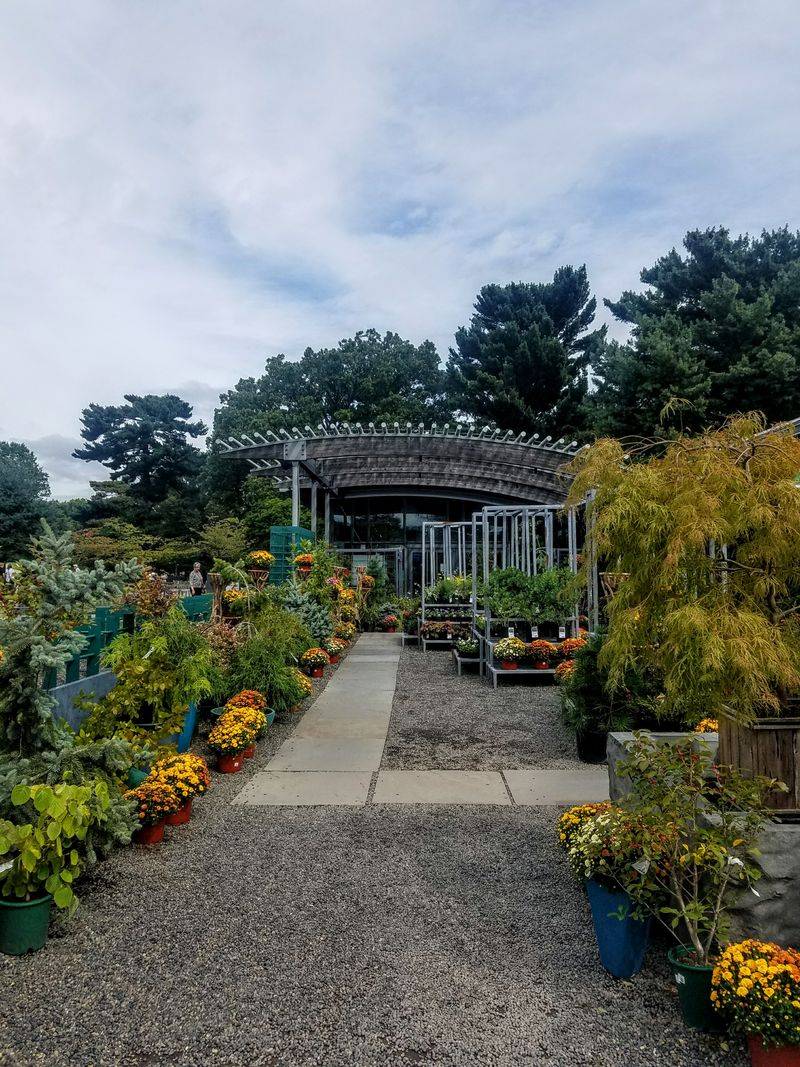
Setting shapes meaning, and the Bronx gives the Garden a firm anchor. Neighborhoods around Southern Boulevard carry long, layered histories that sit just beyond the fence.
Inside, the care taken with the landscape reads as stewardship rather than escape.
On certain turns, glimpses of streets and rooftops thread through branches. The contrast sharpens appreciation for what has been preserved and tended.
It also reframes the visit as part of the city’s living fabric, not a sealed retreat.
Leaving later, the walk to the gate restores everyday pace. Buses rumble, conversations quicken, and the calm lingers anyway.
The location does not compete with the Garden, it completes it.
A Thoughtful Way To Leave

Exits guide you from canopy to open lawns without fanfare. The path settles into familiar ground, and the experience gathers itself rather than fading.
It is an unhurried return that keeps the day intact.
Soon enough, the Pine Tree Cafe appears as a sensible stop. Located within the grounds at 2900 Southern Boulevard, Bronx, NY 10458, it offers a tidy menu that suits the mood.
A warm drink carries the walk’s quiet into conversation.
On the way out, the last turn frames one more stand of trees. You hesitate, not from regret, but from a wish to fix the scene clearly.
The Garden obliges with a final rustle that feels like a proper sendoff.