
This New York Thrift Store Is Filled With Dirt-Cheap Vintage Furniture And Unexpected Finds
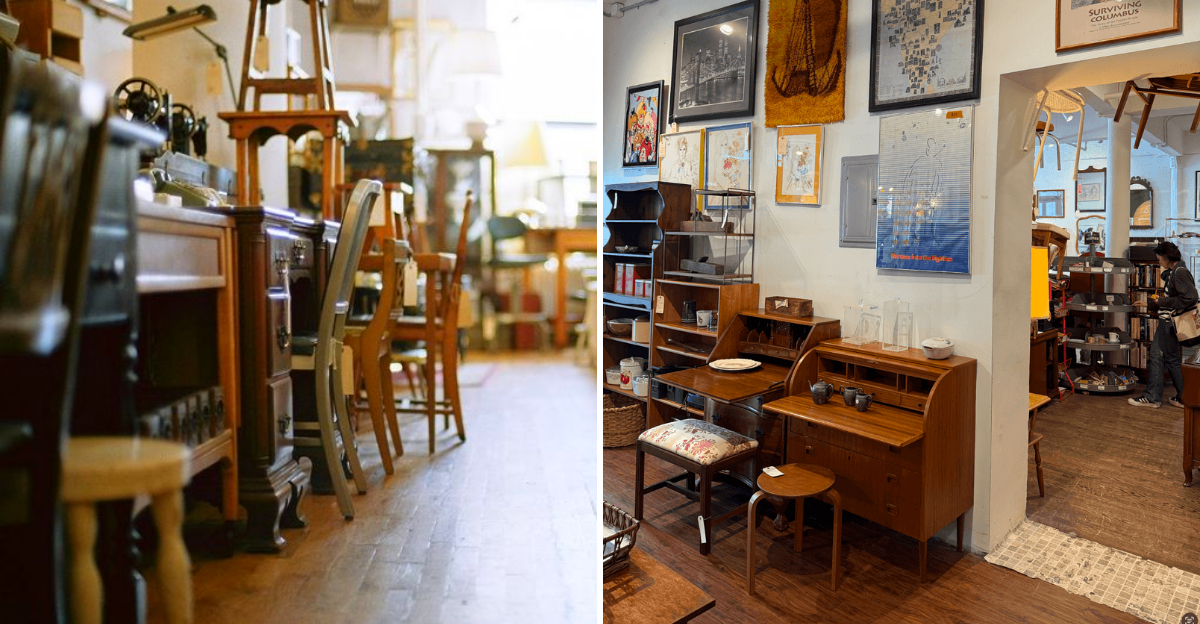
My roommate walked in for a lamp and came out with a dresser she had no way to carry. That is what happens at one shop in New York where the vintage furniture costs less than the delivery would. Green storefront, big window, chairs sitting out front like bait.
The stuff in the window is the least interesting part.
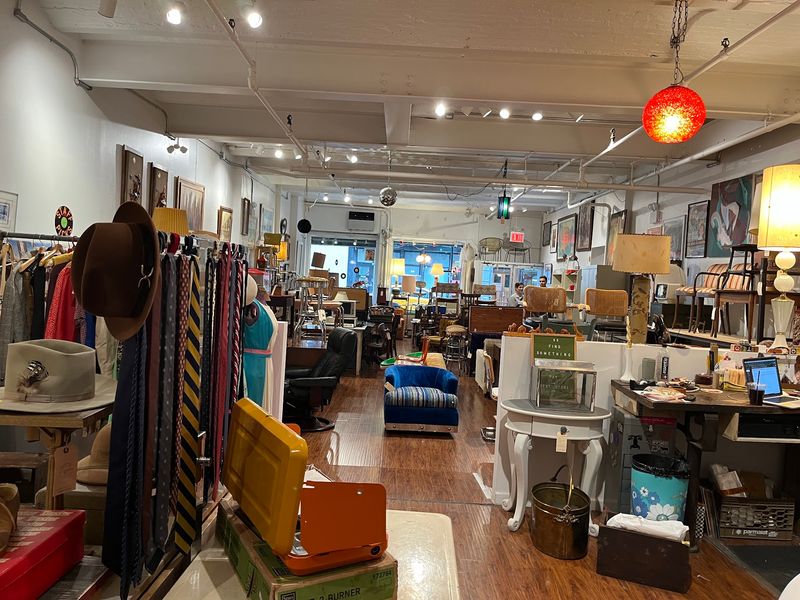
Inside, the floor changes constantly, since new pieces arrive on weekdays and get grabbed fast. A dresser you loved on Tuesday may belong to a stranger by Friday. There are tulip lamps sitting near stacks of old china, and a bin of odd little things that cost about a dollar.
I have dug through it and found a brass duck I did not need. The prices stay soft enough that you stop doing math in your head. Regulars come in twice a week for a reason, and they are not browsing so much as patrolling.
A Green Storefront With A Rotating Cast
Most furniture stores look the same in January as they did in June. Not here. Roughly 25 to 30 fresh vintage items land on the floor every weekday, which means the shop rearranges itself constantly.
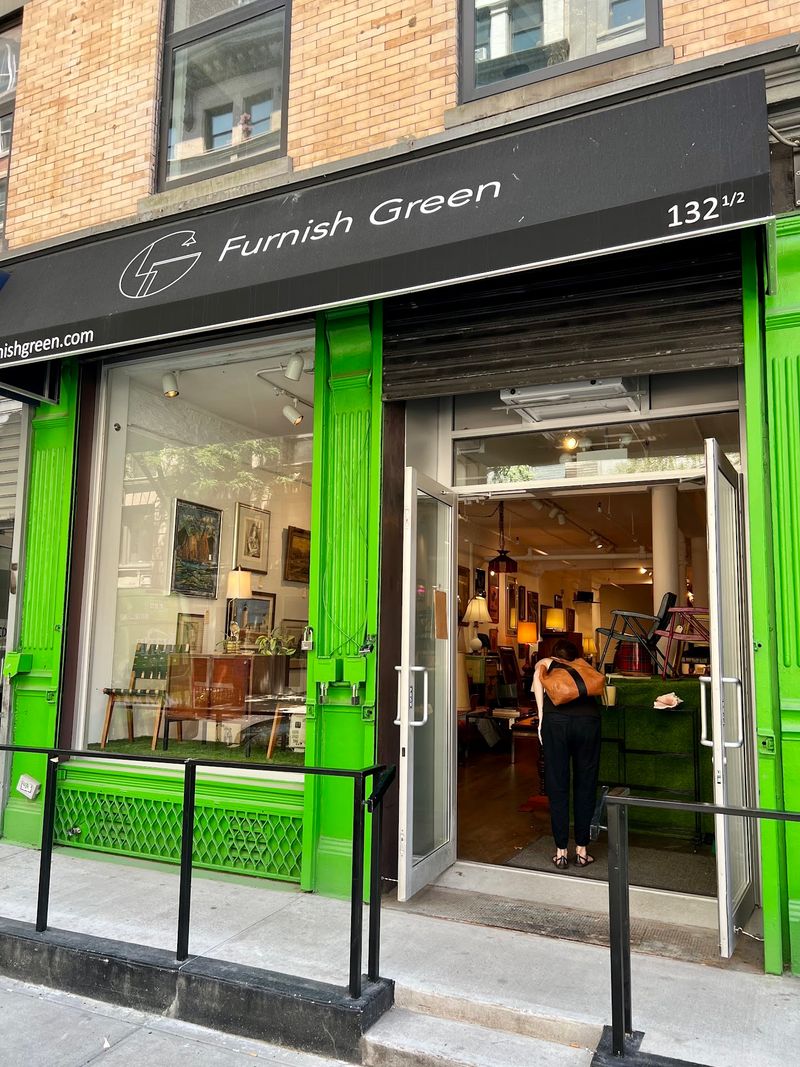
The green facade does the first bit of flirting. Retro chairs sit in the window like they are waiting for a bus, and passersby stop mid-stride to peek. Once you notice it, you cannot unsee it.
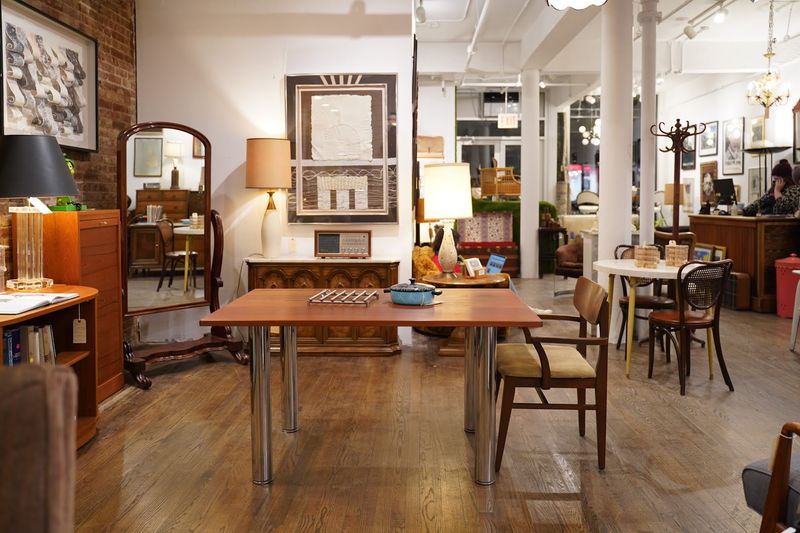
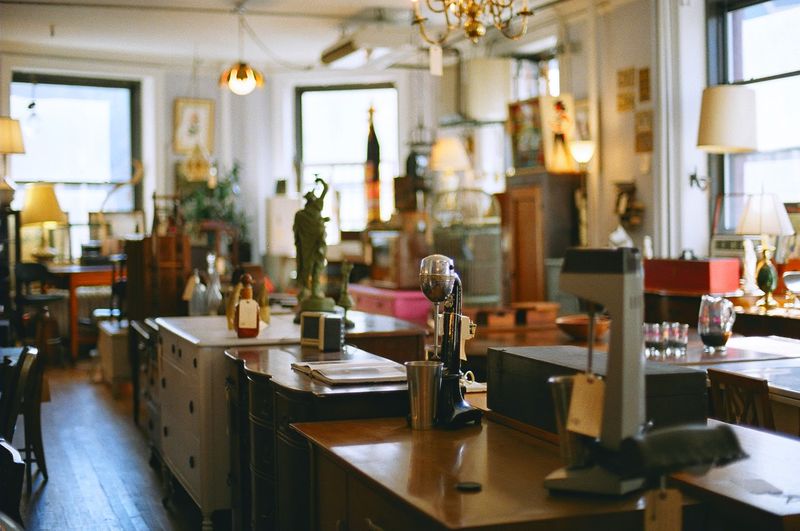
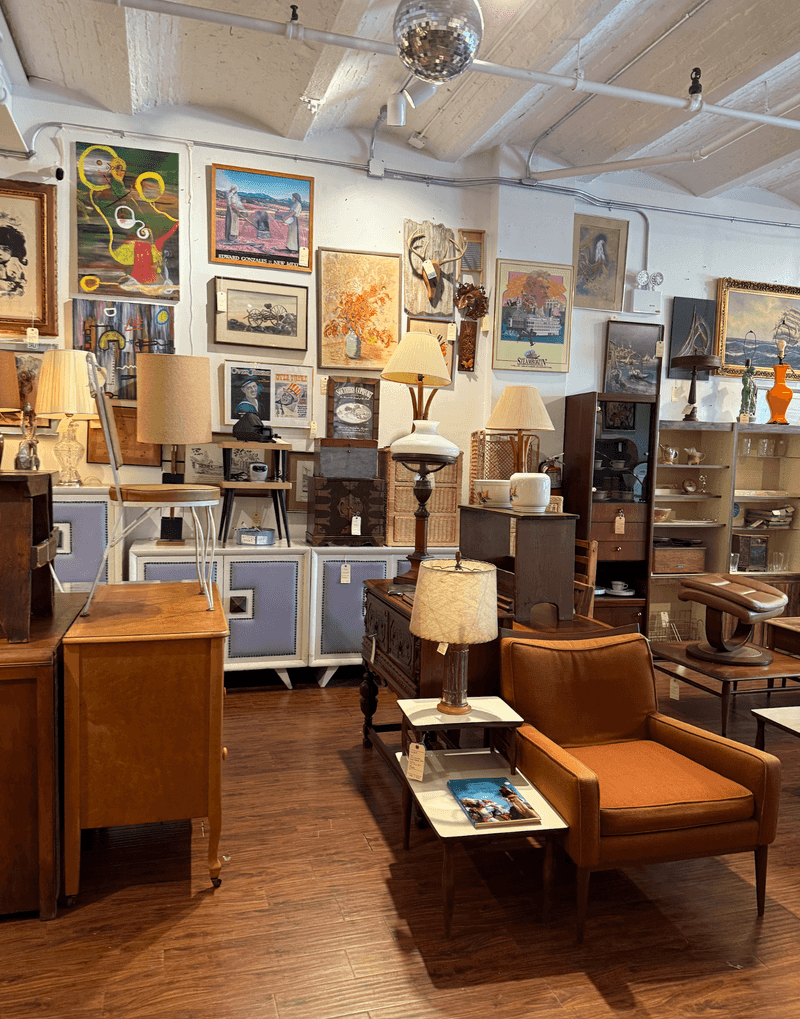
What follows inside is a mix of eras that somehow gets along. Mid century pieces lean against Art Deco mirrors. Industrial metal shelving stands near dainty china.
Funky retro shapes fill the corners where you least expect them.
Because stock moves fast, regulars treat visits like a weekly ritual. One trip might yield nothing but a good look around. The next might hand you the exact dresser you have been sketching in your head for months.
That unpredictability is the whole appeal. Shoppers who love certainty may squirm a little, but treasure hunters thrive on it. Every visit resets the board, and the odds always feel worth another roll.
Furnish Green Sets Up Shop On West 24th
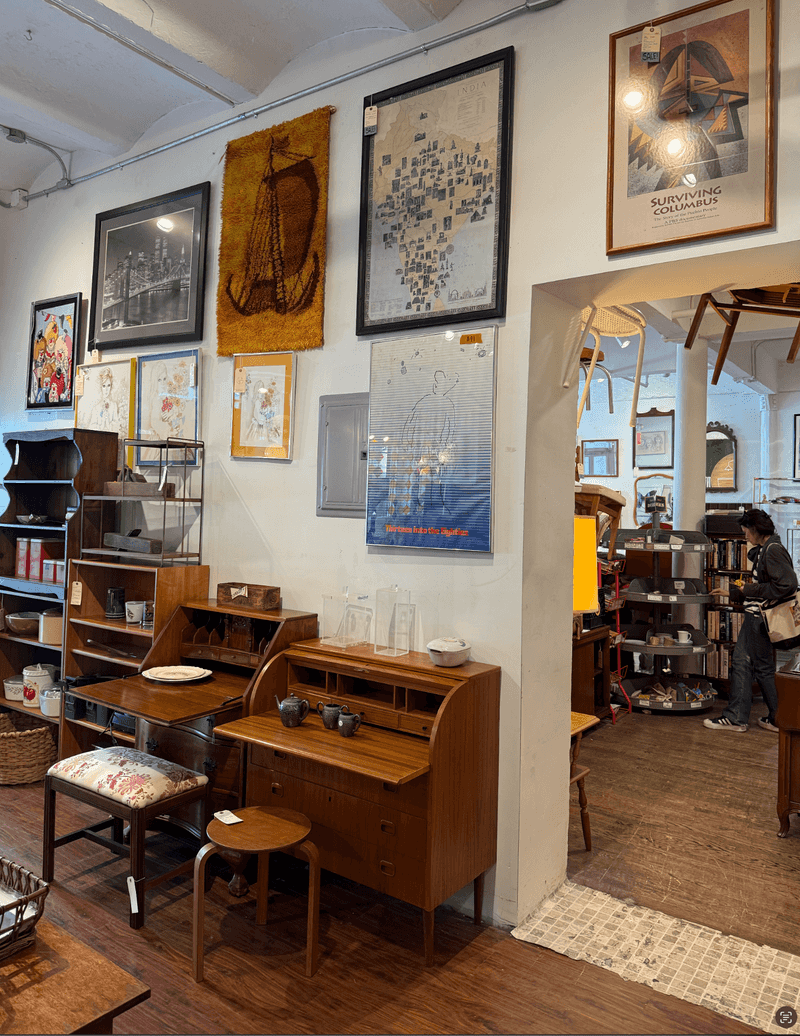
The name is Furnish Green, and the address worth writing on your hand is 132½ W 24th St, New York, NY 10011. That half number is not a typo. It is part of the charm.
Getting there is simple. Chelsea puts the shop within easy reach of the Flatiron District, the High Line, and a dozen good lunch spots. Doors open at 11 AM most days and stay open until 7 PM, with Monday starting a bit later at 1 PM.
Before 2021, the operation lived upstairs in an office building near Herald Square. Shoppers had to sign in with ID and ride an elevator to find it. The move to a ground floor storefront changed everything.
Now the whole showroom greets the sidewalk. You can window shop without commitment, then wander in when something catches your eye. No elevators, no clipboards, no fuss.
Phone ahead at 917-583-9051 if you are chasing something specific. The staff knows the floor well and will happily tell you what arrived that morning.
A Dance Studio Started All Of This
Origin stories rarely involve ballroom dancing, but this one does. Founder Nathan Hescock had a knack for spotting good vintage furniture at low prices, so he furnished his dance studio with retro chairs and antique decor.
Students noticed. Then students started asking to buy the furniture right out from under them. That was the signal.
Furnish Green officially opened in 2007. What began as a side effect of good taste turned into a full business, and the shop has kept its focus steady ever since.
The founding idea still holds up. Well-made older furniture outlasts most new pieces, and it should not cost a fortune to own. That belief runs through every price tag on the floor.
Knowing the backstory changes how the room feels. You are not browsing a corporate showroom built by a committee. You are browsing the extended result of one person’s habit of rescuing good things.
Nearly two decades in, the shop still moves like it did at the start. Curious, quick, and never precious about it.
Prices That Undercut Brand New Boxes
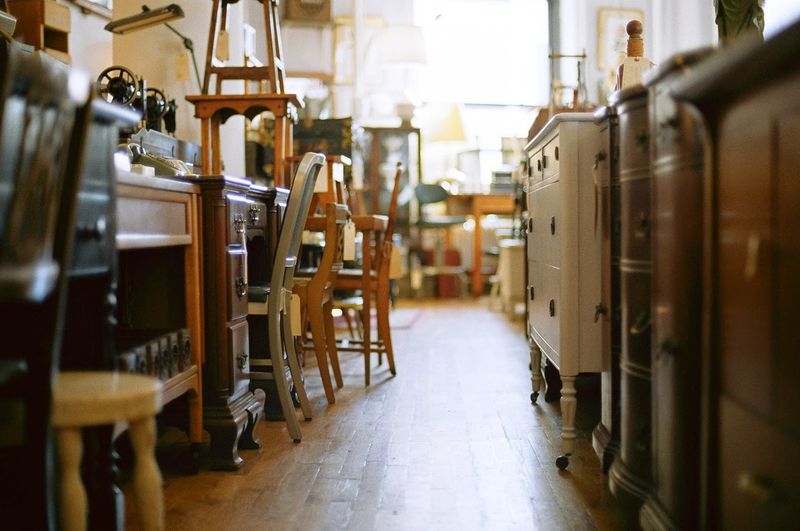
Here is the part that makes wallets relax. Many pieces have historically landed between $25 and $600, which puts real vintage in the same range as flat-pack furniture from a big box store.
Some items go for as little as a third of what comparable vintage shops charge nearby. That gap is not marketing talk. It is the whole business model.
The reasoning is refreshingly practical. A solid dresser from 1962 has already survived sixty years of use. It will likely outlive anything assembled with a tiny wrench and a diagram.
For students, first apartment renters, and anyone splitting rent three ways, that math matters. Furnishing a small New York bedroom without draining savings feels almost impossible until you find a place like this.
Delivery help is available too, which spares you the classic city struggle of wrestling a table onto a subway platform. The team works with a mover who handles the heavy lifting.
Cheap and cheerful, without the cheap part showing up in the quality. That balance is rarer than it sounds.
Mid Century Pieces Without The Markup
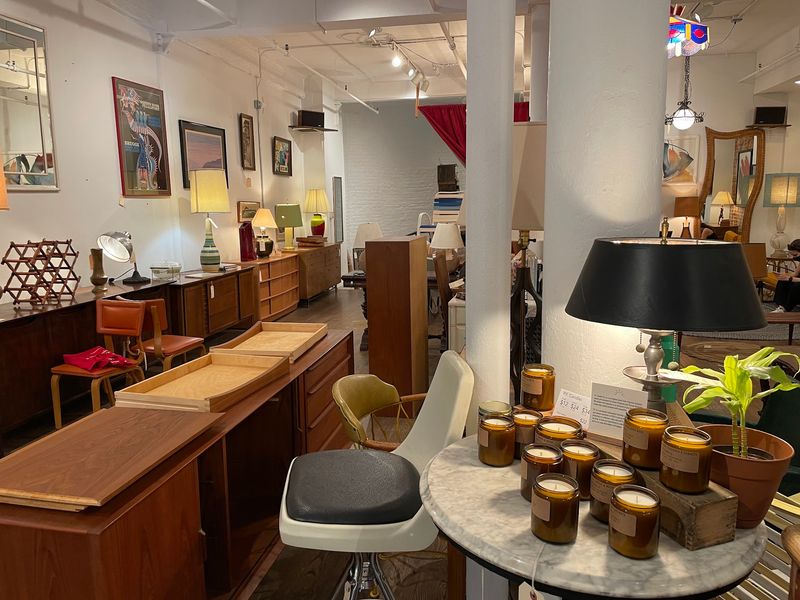
Fans of clean lines and tapered legs will feel their pulse quicken. Mid century modern shows up here often, and it comes without the eye-watering price tags that usually follow the label.
Credenzas, low dressers, sculptural chairs, and slim side tables cycle through regularly. Some arrive restored. Others wear their years honestly, which many buyers actually prefer.
The style earned its popularity for good reason. Compact shapes and raised legs make small apartments feel roomier, and warm wood tones soften a boxy studio fast.
Staff members know their way around the era and will explain what a piece is made from. Veneer over plywood was standard for mass-market furniture going back to the 1920s, so solid hardwood pieces get flagged as the unusual finds they are.
Ask questions before you buy. The team answers plainly and does not oversell, which builds trust quickly.
If mid century is your weakness, plan to come back more than once. The good pieces move fast, and patience usually pays off better than settling.
Lighting That Steals The Whole Room
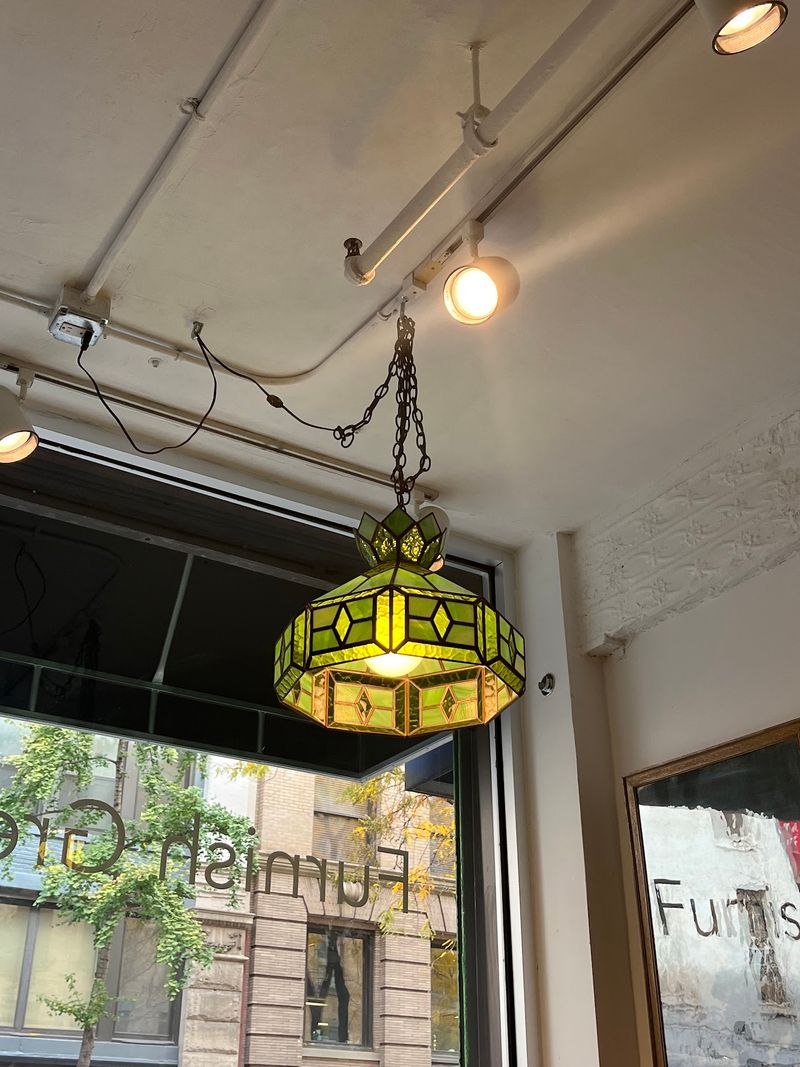
Lamps get overlooked until you own a great one. Then you understand. The lighting selection here runs through tulip lamps, hanging pendants, brass floor models, and shades in colors nobody manufactures anymore.
Prices stay friendly, so a statement lamp becomes an easy yes rather than a long debate. Shoppers frequently walk out with one under an arm and no plan for where it goes.
Older fixtures carry details modern lighting skips. Ribbed glass, weighted metal bases, and shapes that look sculpted instead of stamped out.
A single vintage lamp can reset an entire room. Swap a plain overhead bulb for a warm shaded fixture and suddenly the space feels considered.
Restored lighting fills a good chunk of the showroom, and the arrangement makes it simple to compare options side by side. Nothing is buried in a bin or stacked out of reach.
Bring a rough measurement of your table or corner. Scale matters more with lighting than with almost anything else, and the staff will help you avoid buying something twice the size you pictured.
Small Treasures Hiding Between The Big Ones
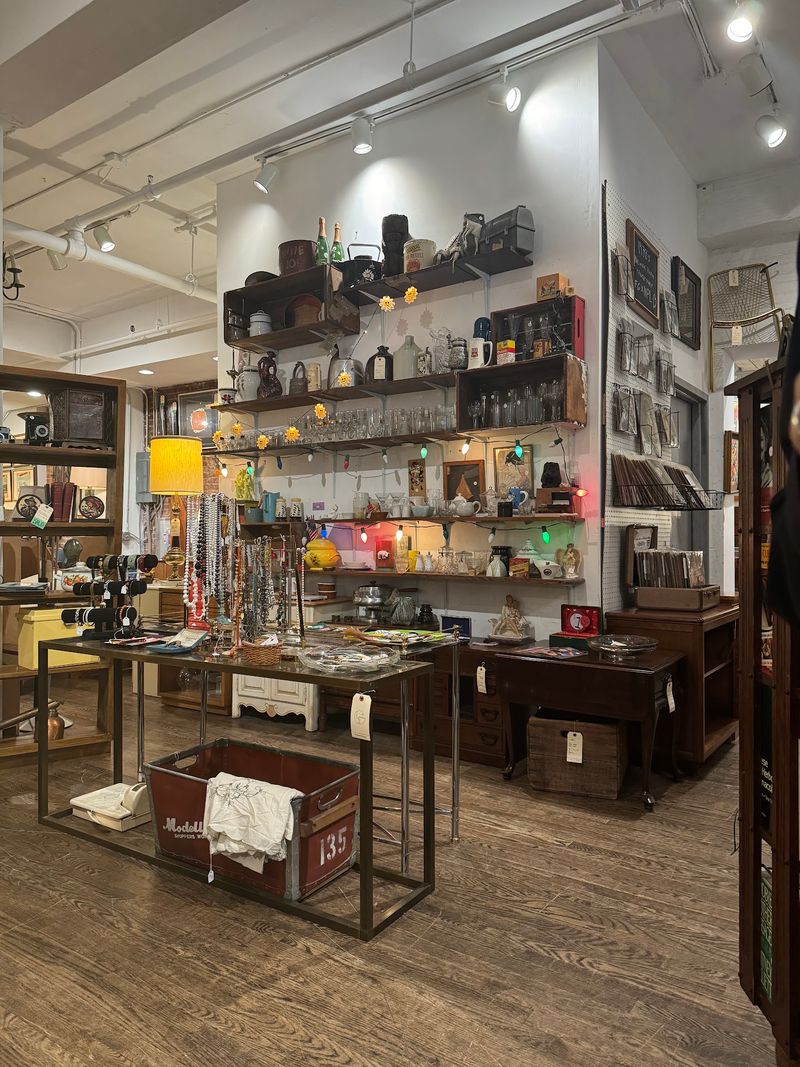
Not everyone shops for furniture, and that is completely fine. The shelves hold vintage cookware, glassware, dishes, small framed art, magazines, records, and stacks of old books.
Browsers with tight apartments love this section. You can leave with something genuinely special that fits in a tote bag.
China patterns from decades past turn up regularly, along with drinking glasses in shapes that feel almost cartoonish. Serving pieces and odd kitchen tools round things out.
The book collection deserves a slow pass. Titles range widely, and the spines alone make a good shelf look better.
Records and magazines pull in a different crowd entirely. Flipping through them is half the fun, even when you buy nothing.
There is also a bin culture here worth mentioning. Low-priced sections have included clothing and small oddities, and a vending machine near the front has dispensed quirky items like vintage trading cards.
Small finds make excellent gifts. A vintage glass set or an unusual dish beats another candle, and it costs about the same.
Staff Who Actually Want To Help
Thirty-two separate mentions of friendly staff say something real. Kindness has become part of this shop’s reputation, and it shows up the moment you walk the floor.
Nobody hovers. Nobody launches into a pitch. You get space to browse, and help arrives the second you ask for it.
The team knows the inventory well because it changes daily. Ask about a chair and you will hear where it fits, how it holds up, and what size room suits it best.
Practical assistance goes further than most stores bother with. Staff have helped shoppers wrestle awkward pieces to the curb and load them into waiting cars.
Delivery gets arranged smoothly too, which matters enormously in a city where staircases are narrow and elevators are moody.
Genuine care beats polished sales talk every time. Customers describe zero pressure and honest guidance, which explains the shop’s 4.7 star rating across more than 170 reviews.
Good service turns a one-time stop into a habit. That is exactly what has happened here for years.
Shop The Website Before You Ride The Train
Smart shoppers do homework first. New arrivals get posted online, so you can scan the day’s finds before committing to a trip across town.
The site works like a running catalog. Photos, details, and prices let you build a short list and walk in with purpose instead of wandering.
Instagram adds another layer. The shop shares fresh items regularly, often in evening story posts, which keeps followers current on what just hit the floor.
Online browsing does not replace the visit, though. Scale, wood grain, and small imperfections read differently in person, and the surprises you did not search for are usually the ones you buy.
Pickup in store after an online purchase is an option, handy for anyone driving in or double parked for five nervous minutes.
Reach out with questions before you buy if a detail matters to you. The team answers material and condition questions directly.
Combining both approaches works best. Scout online, then show up and let the room surprise you anyway.
Planning A Visit Worth Repeating
Timing shapes the experience. Doors open at 11 AM Tuesday through Sunday and close at 7 PM, with Monday running from 1 PM to 7 PM.
Weekday visits tend to feel calmer, which helps when you want to study a dresser from three angles without a crowd behind you.
Measure your space first. Write down door widths, hallway turns, and the exact spot the piece needs to fit. Nothing sours a great find faster than a table that will not clear the entryway.
Give yourself real time. Every corner holds something, and shoppers routinely lose an hour without noticing.
Chelsea makes an easy afternoon around the stop. Galleries, the High Line, and plenty of food sit within a short walk, so the shop slots neatly into a bigger day.
Come back often if you can. Fresh stock daily means the store rewards repeat visits more than almost any other in New York.
Bring patience and an open mind. The best pieces here are rarely the ones you planned on.