
This New York Town Is Close Enough To NYC For Lunch But Far Enough Away To Feel Like A Real Escape
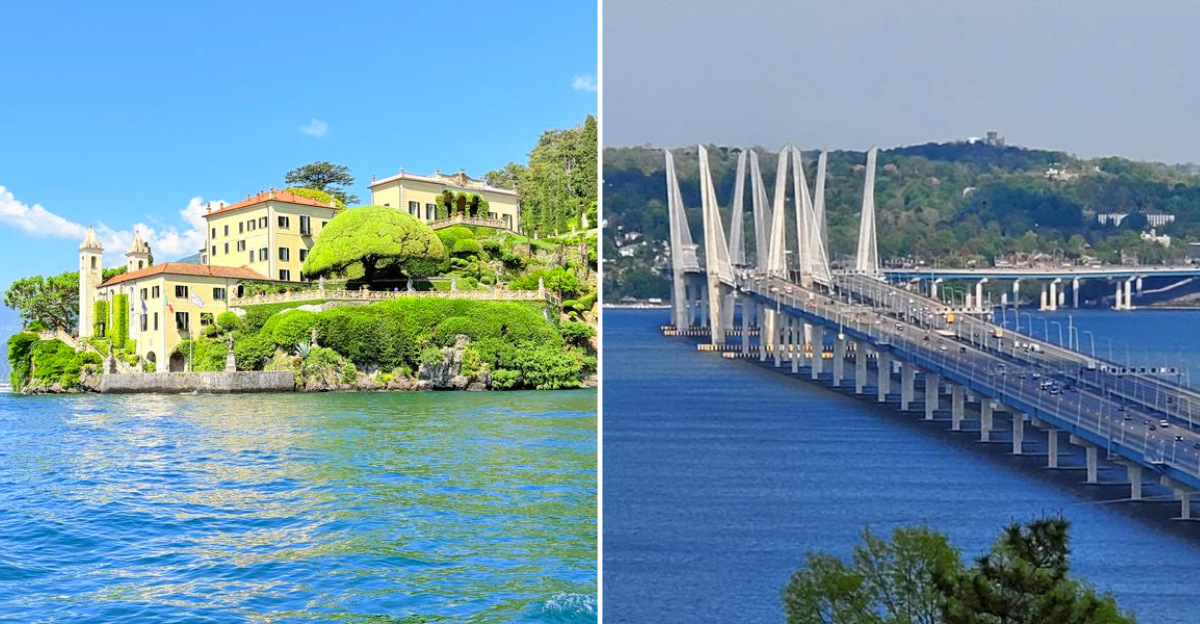
Twenty-five miles north of the city, a village sits on a wide stretch of river in New York and does something the distance alone cannot explain.
People arrive tense and leave loose. Whatever the mechanism is, it works fast enough that a weekday lunch trip is a reasonable idea.
Getting there is almost insultingly easy. Cars manage it in well under an hour. A direct bus takes a little longer and asks nothing of you but a seat.
On the other end there is a downtown you can walk end to end, storefronts occupied by painters and performers rather than the usual suspects, and water doing the heavy lifting on your mood.
Nine reasons follow. The short version is that you can be somewhere genuinely else by noon and still be home for dinner.
The Village That Trades Sirens For River Breeze
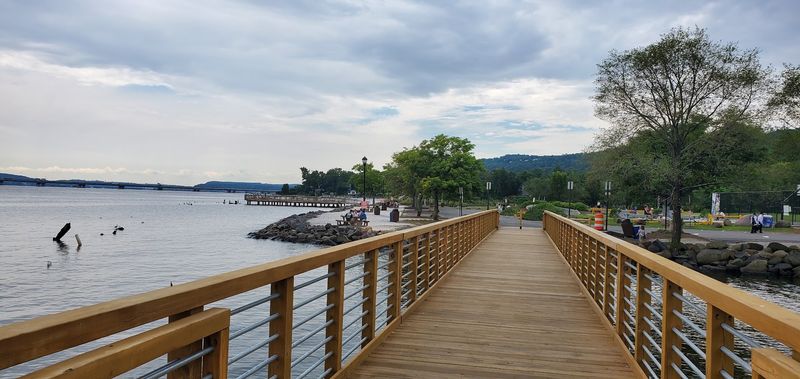
Something shifts about twenty minutes past the city line. The horizon opens up, the traffic thins, and the Hudson River appears wide enough to look almost oceanic.
The village sits on the western bank of the river, which means the water is not a bonus feature here. It shapes the streets, the sunsets, and the general pace of everybody walking around.
Downtown runs uphill and downhill in a way that keeps your legs honest. Storefronts hold galleries, bookshops, record stores, and bakeries, all within a few blocks of each other.
What makes the place unusual is the mix. You get a genuine small-town rhythm and a real arts community in the same square mile.
Artists have been coming here for generations, and that history still colors the mood. Murals, studio signs, and painted shop windows show up where you least expect them.
Lunch is easy, parking is manageable, and nobody rushes you along the sidewalk. The whole village feels like an exhale after a week of subway turnstiles.
Best part? You can be back in Manhattan before dinner, still carrying a paper bag of pastries.
Meet Nyack, Rockland County’s Riverside Charmer
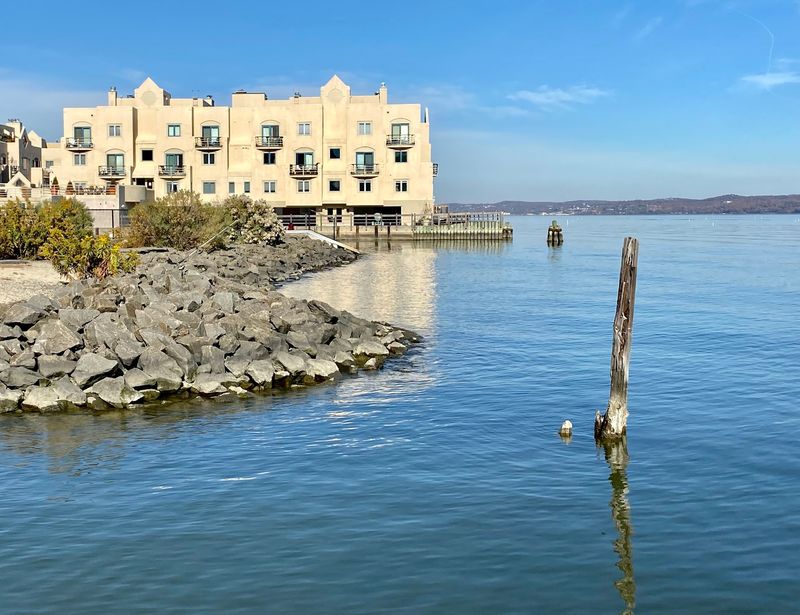
Officially, the village goes by Nyack, and its mailing address places it in Orangetown, NY 10960, in Rockland County, New York. Most of the village sits within Orangetown, with a small western slice falling inside Clarkstown.
The name comes from a Native American word, Nay-ack, which translates roughly to the fishing place. European settlement dates back to 1675, and the village was incorporated in 1872.
Population sits around 7,265 according to the 2020 census, so you are dealing with a village, not a city pretending to be one.
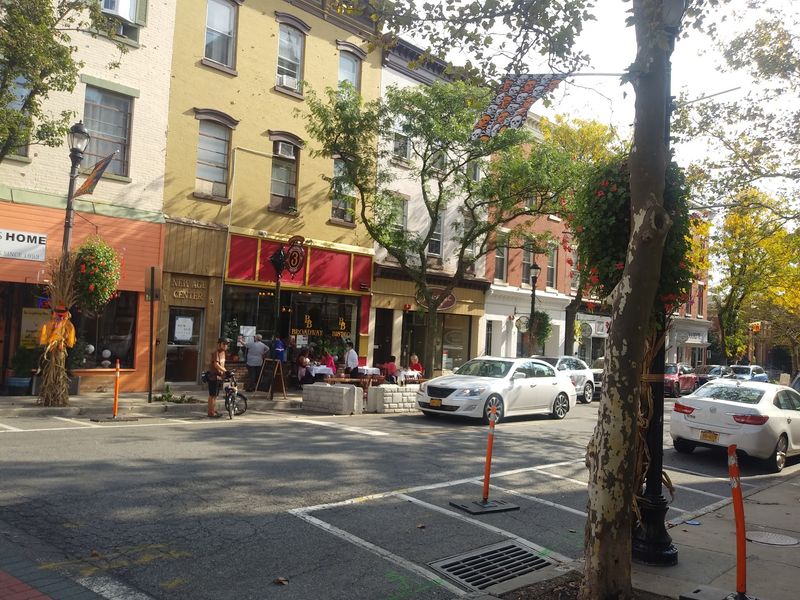
Main Street and Broadway form the backbone of downtown. Those two roads carry most of the shops, cafes, and galleries you will want to see.
Locals often call the place Art and Soul on the Hudson, and that nickname earns its keep. Creative energy runs through the storefronts and the sidewalks alike.
Getting around requires nothing but decent shoes. The compact layout means you can cover the core in an afternoon and still have time to sit by the water.
Consider the address a starting point rather than a destination. The village rewards wandering.
A Commute Short Enough For A Lunch Break
Roughly 36 to 43 minutes by car separates the village from Manhattan, covering about 25 miles. That is shorter than plenty of cross-borough trips inside the city itself.
Drivers usually take the Palisades Interstate Parkway or the New York State Thruway. Both routes deliver river views before you even arrive.
No car? A direct bus runs to Port Authority Bus Terminal, and the ride takes about an hour and fifteen to twenty-three minutes each way.
That timing makes some fun plans possible. You could leave the city at eleven, eat lunch by the Hudson, browse a few shops, and be home by evening.
Weekends bring more traffic, so earlier departures pay off. Mornings feel calmer downtown anyway, with bakeries pulling trays and shopkeepers opening doors.
Parking exists in lots and on the street, though spots fill up on sunny Saturdays. Arriving before noon usually solves that puzzle.
The short trip is the whole trick. Close enough for a spontaneous day out, far enough that the city noise fades completely from your head.
Check current bus schedules before you go, since service varies by day.
Downtown Strolling With Storefront Surprises
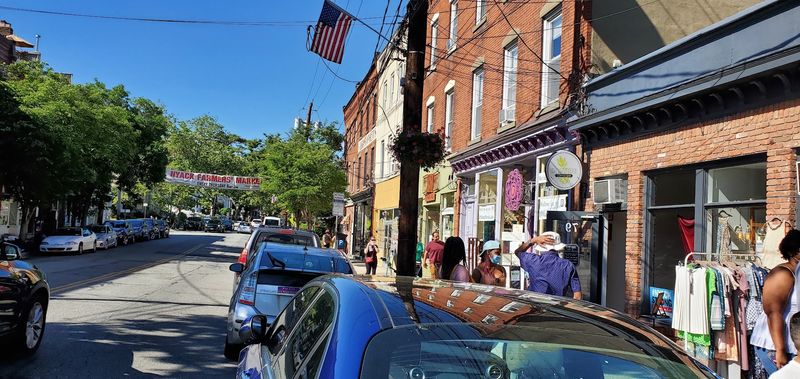
Shopping here feels closer to treasure hunting than errand running. Independent stores line Main Street and Broadway, each one stocked by somebody with opinions.
Galleries share sidewalks with vintage clothing racks, book collections, and shelves of handmade goods. Chain stores barely register in the mix.
Half the pleasure comes from the buildings themselves. Older brick and clapboard facades hold up awnings and hand-painted signs that have earned their character.
Foot traffic keeps things lively without turning chaotic. Conversations spill out of doorways, and shop owners tend to chat rather than hover.
Plan your route loosely. The grid is small enough that backtracking costs you nothing, and the side streets hide worthwhile stops.
Cafes appear right when your arms get full. Coffee counters and bakeries give you a reason to sit, regroup, and study your loot.
Hours vary from shop to shop, especially early in the week, so a quick check online saves disappointment. Weekends bring the fullest lineup of open doors.
Bring a tote bag. You will find something you did not know you wanted, which is exactly the point.
Edward Hopper’s Boyhood Home, Still Standing
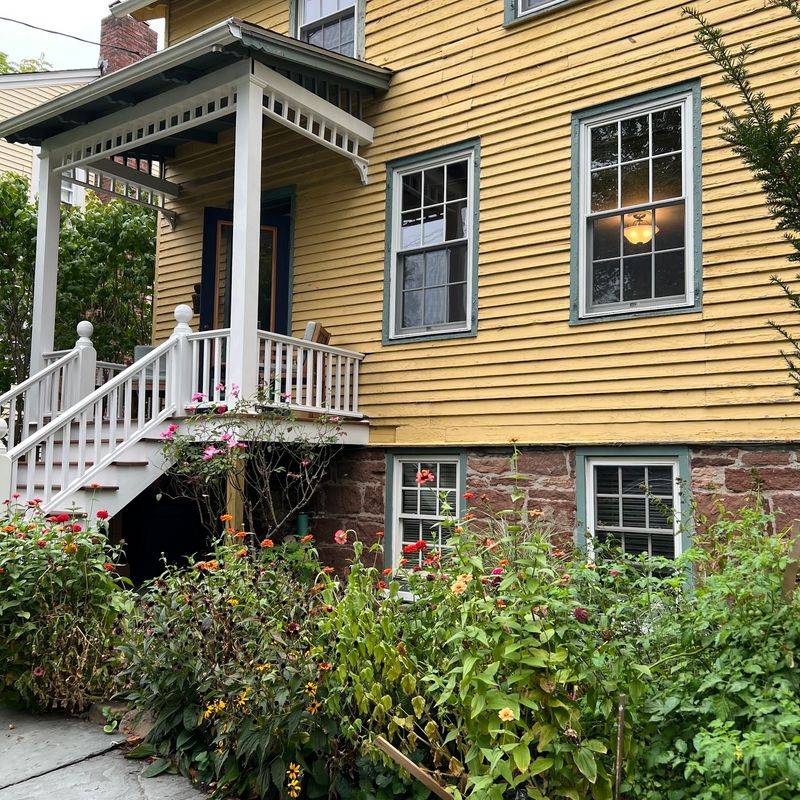
One of America’s most recognizable painters grew up in this village, and his family home survives on North Broadway. Edward Hopper was born there in 1882, in a house built in 1858.
Today the property operates as the Edward Hopper House Museum and Study Center. Exhibits fill the rooms, and the space hosts rotating shows by contemporary artists.
The building itself carries a quiet weight. Wooden floors, modest rooms, and tall windows give you a sense of the light he grew up watching.
Anyone who loves his paintings of empty diners and lonely rooms will find the connection worth making. Seeing the source shifts how you read the work.
A garden behind the house holds outdoor programs and performances during warmer months. It is a pleasant place to sit even without a scheduled event.
Admission is modest, and the whole visit fits comfortably into an hour. Pair it with lunch downtown and you have a solid afternoon.
Hours change seasonally, so confirm before making the trip. Exhibition schedules rotate throughout the year, which gives repeat visitors something new.
Live Theater And Late Notes On The Hudson
Performances keep this village humming after the shops lock up. Elmwood Playhouse stages comedies, dramas, and musicals in a setting where the back row still feels close to the action.
Community theater at its best has a particular warmth, and that comes through here. Productions are ambitious, and the audiences show up genuinely invested.
Music has its own address. Maureen’s Jazz Cellar brings live jazz downtown, giving evenings a soundtrack that suits the riverside setting.
Sitting a few feet from a horn player changes how you hear a standard. The rooms are compact enough that nothing feels distant.
Ticket prices tend to stay reasonable compared with city venues, which makes an impromptu night out easier to justify.
Schedules run in seasons and rotate often. Checking listings ahead of your visit is the smart move, since showtimes and dark nights shift.
Pairing a matinee with an afternoon by the water makes for a full, unhurried day. Or eat first, then catch an evening set.
For a village of about seven thousand people, the cultural lineup punches well above its weight class.
Memorial Park And The Marina Out Front
Green lawns meet the Hudson at Memorial Park, and the view does most of the talking. Playgrounds, sports courts, and open grass sit right at the water’s edge.
Families claim the benches, kids claim the swings, and everybody else claims a patch of shade. The park works equally well for picnics and for doing absolutely nothing.
Right beside it, Nyack Marina handles boating activity and keeps a seasonal kayak rack for paddlers. Watching boats come and go is its own low-effort entertainment.
Sunsets here are the main event. The river runs wide at this point, and the light spreads across the water in a way that empties your camera roll of standards.
A weekly farmer’s market brings produce, baked goods, and artisan items, often with live music alongside. Market days give the waterfront a festival feel.
Bring a blanket and something from a downtown bakery. That combination has never once disappointed.
The park sits an easy walk from Main Street, which means no second parking hunt. Just follow the slope toward the water and you will get there.
Riverfront Trails At Nyack Beach State Park
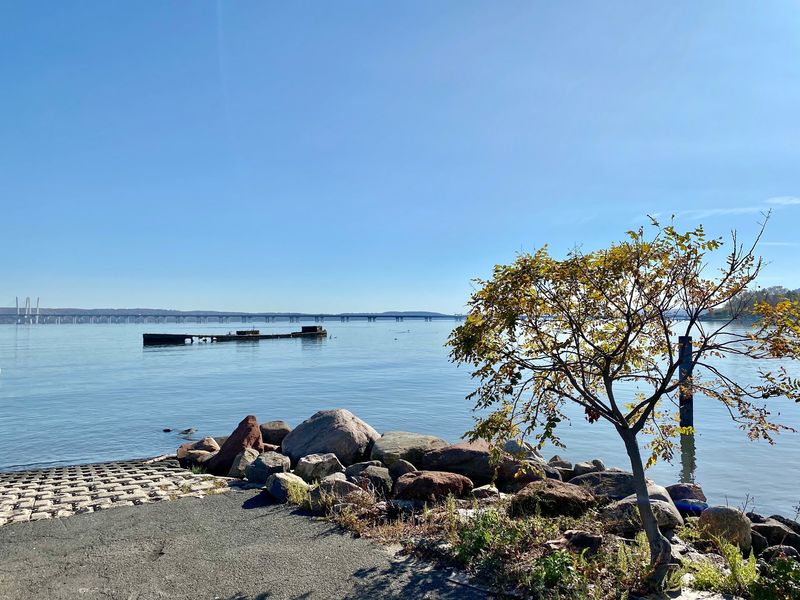
Just north of the village center, Nyack Beach State Park covers 61 acres along the Hudson. The main draw is a flat riverfront trail with the water on one side and rock cliffs on the other.
Walkers, joggers, and cyclists all share the path, and the grade stays friendly for almost everybody. Strollers roll fine on it too.
Fishing draws a steady crowd, and kayakers use the shoreline for launching. Anglers seem to favor early mornings, when the river sits glassy.
Autumn turns the surrounding slopes into a color show, which makes October the busiest and most photographed month. Spring runs a close second for pleasantness.
Parking fees apply seasonally, and the lot fills fast on clear weekends. Arriving before ten usually secures a spot.
Bring water and sturdy shoes. The trail surface is packed gravel, comfortable but not sneaker-delicate.
Connecting paths continue north toward Hook Mountain for anyone wanting a longer outing with real elevation. That option turns a gentle stroll into a proper hike.
Either way, the river stays in sight the entire time, which is the whole appeal.
Walking The Cuomo Bridge Path Over The Hudson
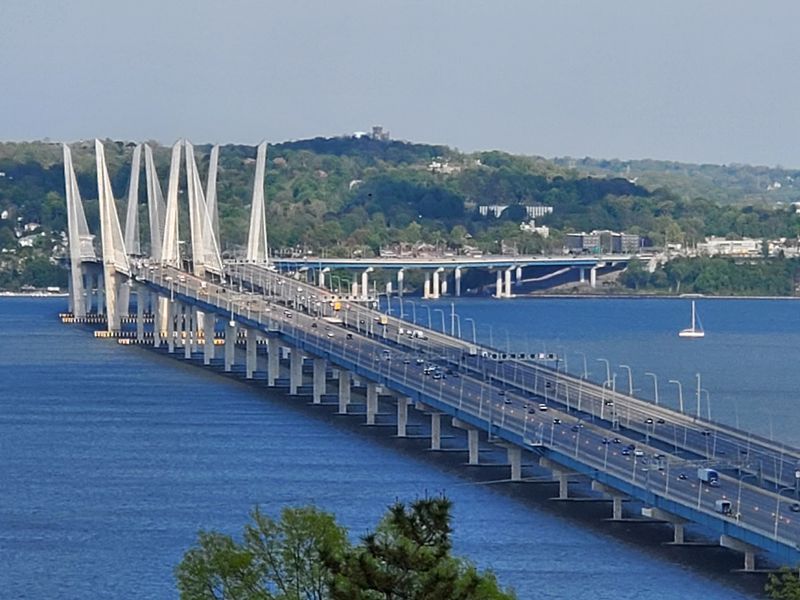
Crossing a river on foot changes your relationship with it. The Governor Mario M. Cuomo Bridge Path lets pedestrians and cyclists travel above the Hudson with nothing but railing between them and the view.
Overlooks appear along the way, each one built for stopping and staring. Art installations and interpretive displays give you reasons to slow down further.
The scale hits hardest around the middle. Water stretches for miles in both directions, and the hills on the eastern shore look painted in.
Wind picks up out there, so a jacket is smart even on mild days. Sunglasses help too, since the water throws light back at you.
Access points and hours are seasonal, and the path closes during severe weather. A quick look at current operating information prevents a wasted drive.
Cyclists should watch their speed, since foot traffic clusters near the overlooks. Everybody gets along fine with a little courtesy.
Combine the walk with a downtown lunch and you have covered the two best things about the area: the village and the river it grew up beside.
Honestly, the crossing alone justifies the trip north.