
This No-Frills Restaurant In New York Has A Prime Rib Known Around The World
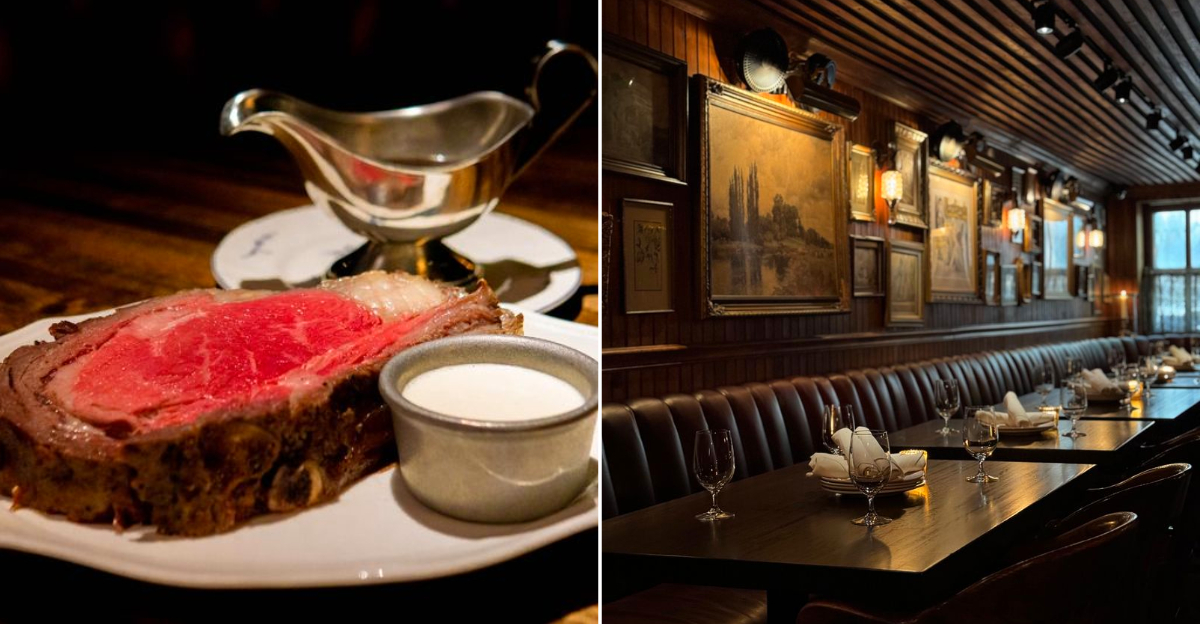
New York knows how to spot confidence long before a menu lands on the table. Step into 4 Charles Prime Rib and diners instantly recognise the quiet authority that comes from doing one thing exceptionally well.
The room glows with low light and polished wood, conversations soften naturally, and guests settle in with the sense that leaving too quickly would miss the point. Nothing here feels rushed or overstated, which only heightens the anticipation building around each table.
Across New York, steak traditions often rely on legacy and loyal regulars, and this West Village favourite thrives on both. The prime rib has become the centre of whispered recommendations, special occasion reservations, and return visits that feel almost ritualistic.
Plates arrive with calm precision, service moves with careful timing, and the entire experience feels grounded rather than theatrical. What gives a restaurant this understated the power to draw attention far beyond New York?
A Modest Exterior, A Serious Reputation

Slip down a quiet block and the façade hardly raises its voice, which is precisely the intention. Past the threshold, warm lamps bounce off dark wood and framed photographs that look collected rather than curated.
Soft jazz hums, conversations hover at table height, and the room feels almost conspiratorial in the best way. More than one guidebook has noticed, and for once the accolades do not spoil the mood.
The MICHELIN Guide acknowledges the intimacy, while global lists nod from afar and then keep moving, as if trying not to crowd the doorway. That restraint mirrors the kitchen’s ethos, where tradition sets the tempo and technique follows closely behind.
You settle in, hang your coat, and sense the staff guiding the evening with steady hands and unhurried steps. What emerges is a reputation burnished by reliability rather than noise.
Tables turn, plates return wiped clean, and the bar never loses its poise. You feel looked after without being fussed over, a rare equilibrium in Manhattan.
By dessert, the room’s modesty reads like confidence.
The Prime Rib That Built The Legend
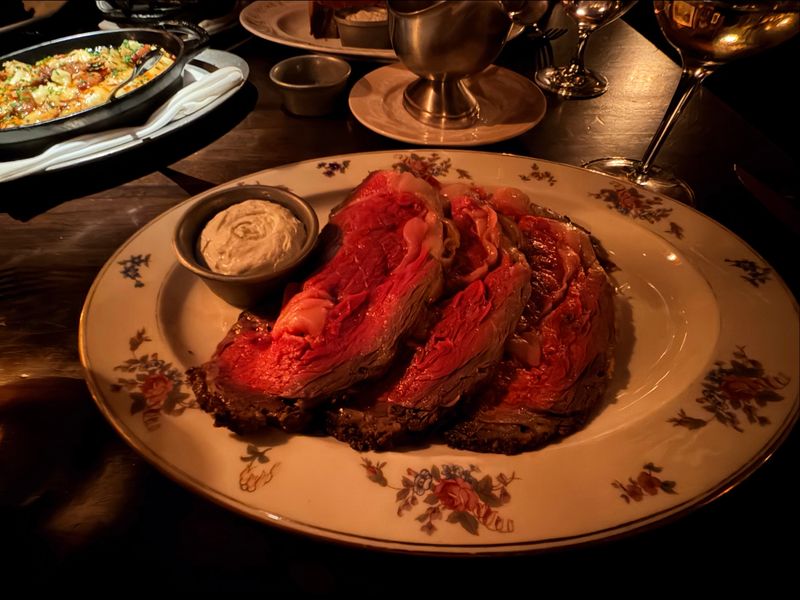
Some plates introduce themselves politely, but this one arrives like a thesis statement in carved form. The prime rib glows rosy at the center, its edges lacquered from a deliberate salt crust, with jus shimmering like a well-kept secret.
A cool plume of horseradish cream waits to lift the richness rather than bulldoze it. Your fork slides through with the ease of a practiced handshake, proof that the roasting schedule is treated like scripture.
Plenty of steakhouses boast signature cuts, yet few make a ritual feel this relaxed. Slices land on warm plates, and the team quietly calibrates portions, whether a slimmer English cut or a heartier house favorite, without ceremony.
You taste patient seasoning, careful resting, and the discipline of doing the same thing correctly every night. The appeal travels because the flavor does not waver.
Travelers chase it, locals protect it, and repeat visits sharpen the affection rather than drain it. No fireworks, no garnish acrobatics, just craft honed to a fine edge.
That steadiness is what makes the legend durable.
Why No-Frills Feels Luxurious Here
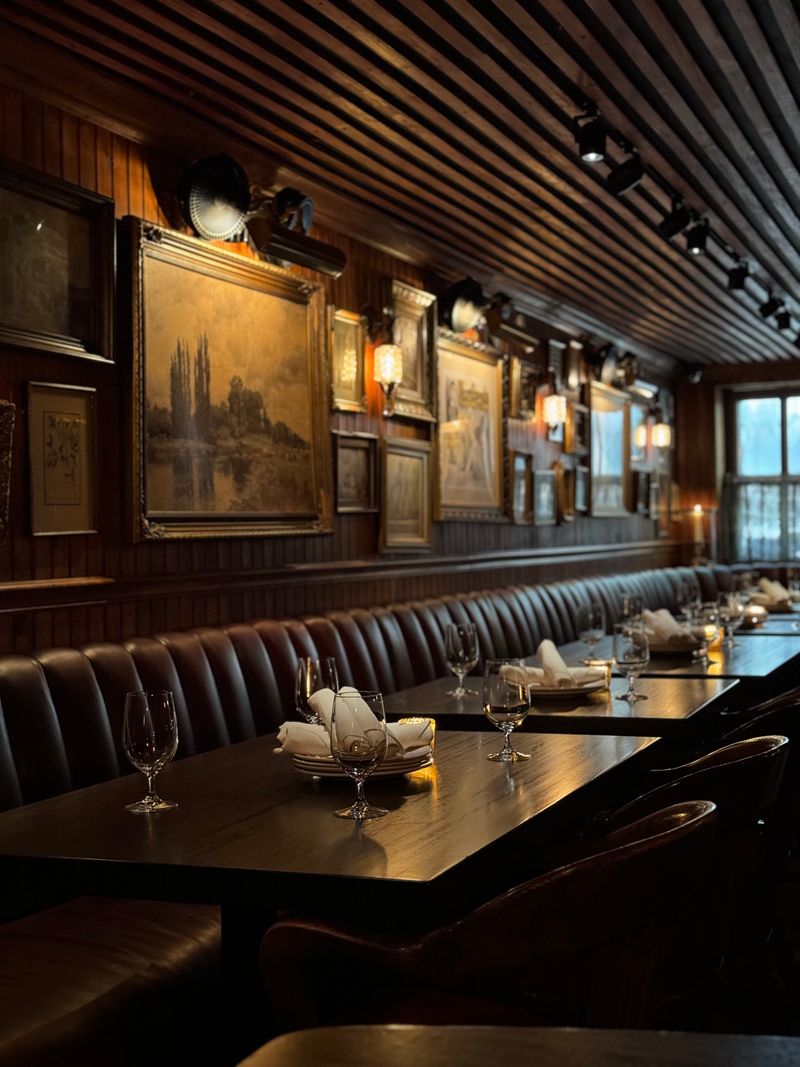
Look around and the luxuries announce themselves quietly: heavy glassware, proper lighting, and chairs that respect your posture. The bar mixes with assurance rather than bravado, favoring balance over fireworks and conversation over spectacle.
Menus read like a handshake with history, nodding to shrimp scampi, creamed spinach, and that distinguished burger without overexplanation. A certain calm prevails, the kind that says there is no rush and certainly no need to show off.
This is where no-frills becomes a compliment, not a caveat. Service paces the room so you can actually finish a thought, then a course, then a drink, and then another thought.
Details fall into place because repetition has made them reliable, from warmed plates to quietly refreshed water. Even the sides support the thesis without stealing the microphone.
Truffle mac whispers richness, broccoli gets its char just right, and mashed potatoes arrive with a gloss that suggests discipline, not indulgence alone. Nothing shouts, everything functions.
Somehow the absence of theater becomes the show.
How To Actually Get A Table And Enjoy It
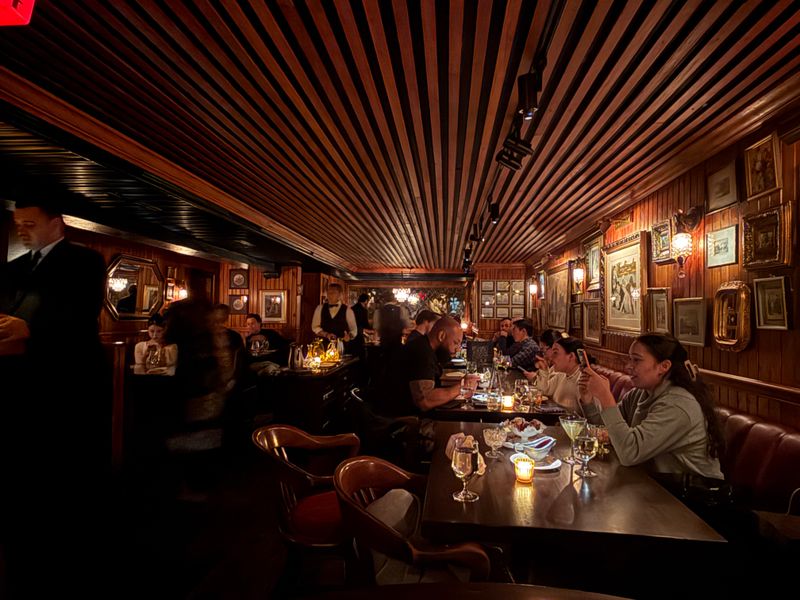
Here is the part everyone asks about, and yes, planning helps more than bravado. Seats are limited, demand runs high, and spontaneity sometimes needs a backup plan.
Flexibility becomes your friend, whether you set alerts, consider shoulder times, or explore the walk-in line with pragmatic optimism. When the door opens, hospitality takes over, and the evening softens at once.
Several regulars will suggest arriving early for walk-in possibilities, especially as doors open in late afternoon. Coordinating a party of two or four seems wisest, and keeping appetites reasonable ensures you can enjoy more than a single marquee plate.
There is comfort in knowing the dining room, so finding it is the least of your concerns. Once seated, resist the urge to overreach too quickly, and let courses find their rhythm.
Order a cocktail, share a starter, and give the prime rib the time it deserves. Save space for sides that genuinely complement rather than overwhelm.
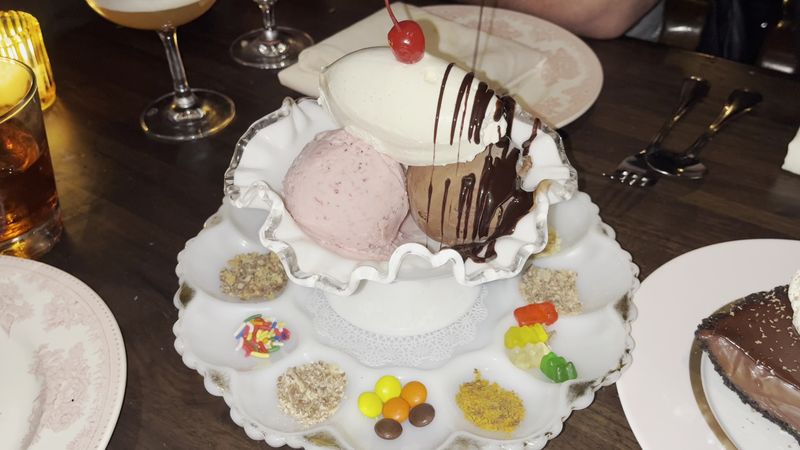
If dessert calls, the chocolate cream pie answers with old-fashioned charm. Walk out satisfied, amused by how a low-key room made such a high-impact memory.
The Cuts Behind The Curtain
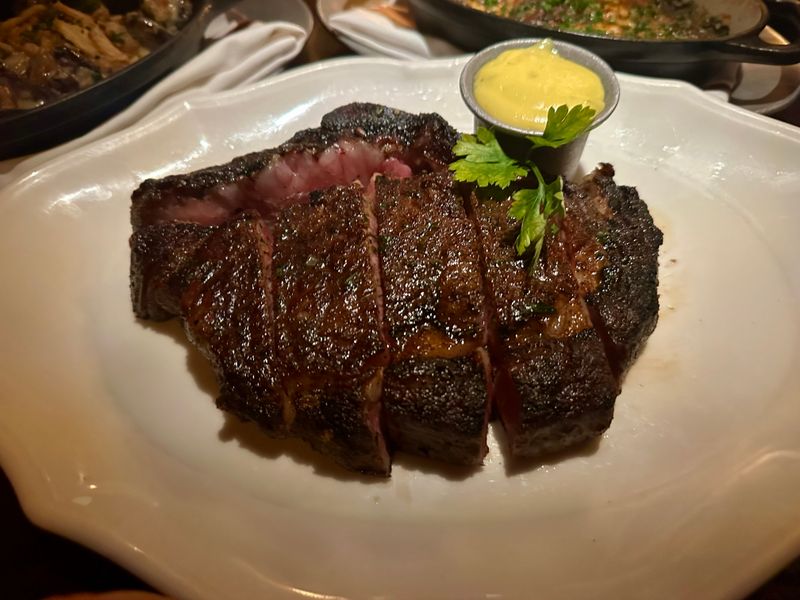
Before the dining room opens, preparation starts with precise, repetitive work. The roast is trimmed carefully, excess fat reduced to the level that protects moisture without overwhelming the cut.
The smell of aged beef and clean steel sets the tone, while steady hands move with quiet confidence built through years of repetition. The butcher focuses on temperature, weight, and structure rather than presentation.
Each rib is separated with attention to grain and connective seams, ensuring the meat cooks evenly and slices cleanly later. Resting time is treated as seriously as roasting time, allowing juices to settle instead of escaping when carved.
Questions are answered directly and practically, reflecting pride in consistency rather than performance. This is where the dish gains its reputation, long before it reaches a plate.
Technique and patience do most of the talking.
Sides That Respect The Roast
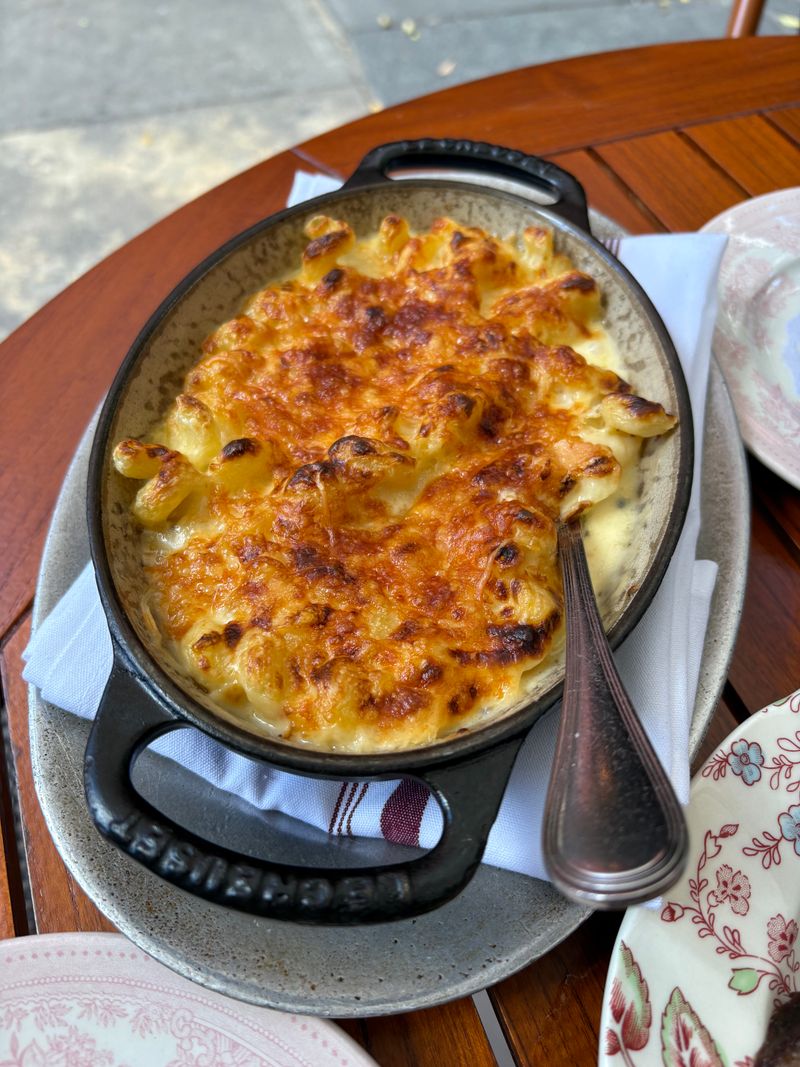
The supporting dishes stay focused on balance instead of attention seeking. Creamed spinach arrives thick and smooth, seasoned enough to stand beside the roast without masking it.
The flavour leans savoury and warm, acting as contrast rather than competition. Yorkshire pudding holds its shape with a crisp shell and soft centre, functioning as both bread and sauce catcher.
Horseradish adds controlled heat that sharpens each bite without overwhelming the meat. Potatoes arrive properly seasoned and buttered, offering familiarity while maintaining clean flavour.
Together, the plate feels deliberate. Jus is added slowly, enhancing the roast without flooding it.
Bread breaks easily and absorbs sauce naturally. The result is a meal where each element reinforces the centrepiece rather than distracting from it.
The Ritual Of Carving And Service
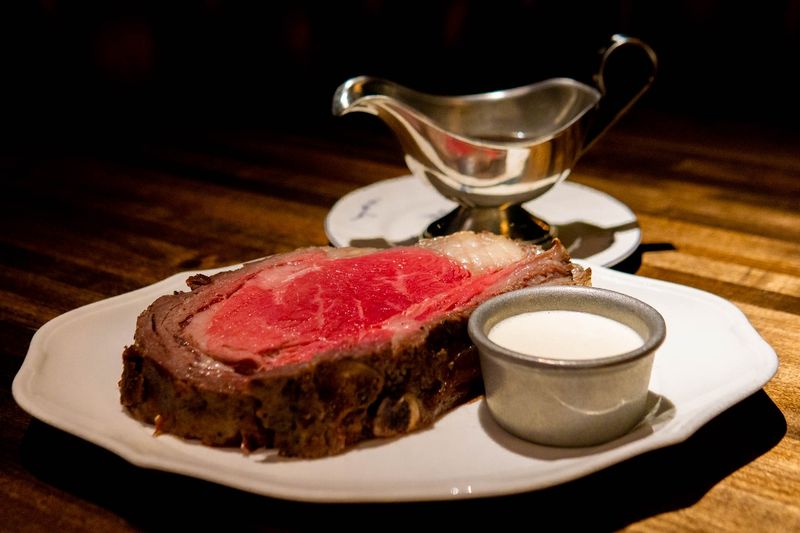
Service moves with quiet precision. A carving cart arrives without fanfare, and the knife work remains steady and efficient.
Steam lifts from the roast as slices are portioned, showing a centre that remains structured while staying tender. The process reflects routine built through consistency rather than showmanship.
Plates arrive hot enough to preserve texture and aroma. Servers confirm doneness quickly and clearly, then step back to let the meal continue uninterrupted.
Jus is spooned carefully, finishing the plate without excess. Timing remains controlled, keeping food at its peak.
The experience feels polished without appearing rehearsed, allowing the food to remain the focus.
What To Drink Without Overthinking It
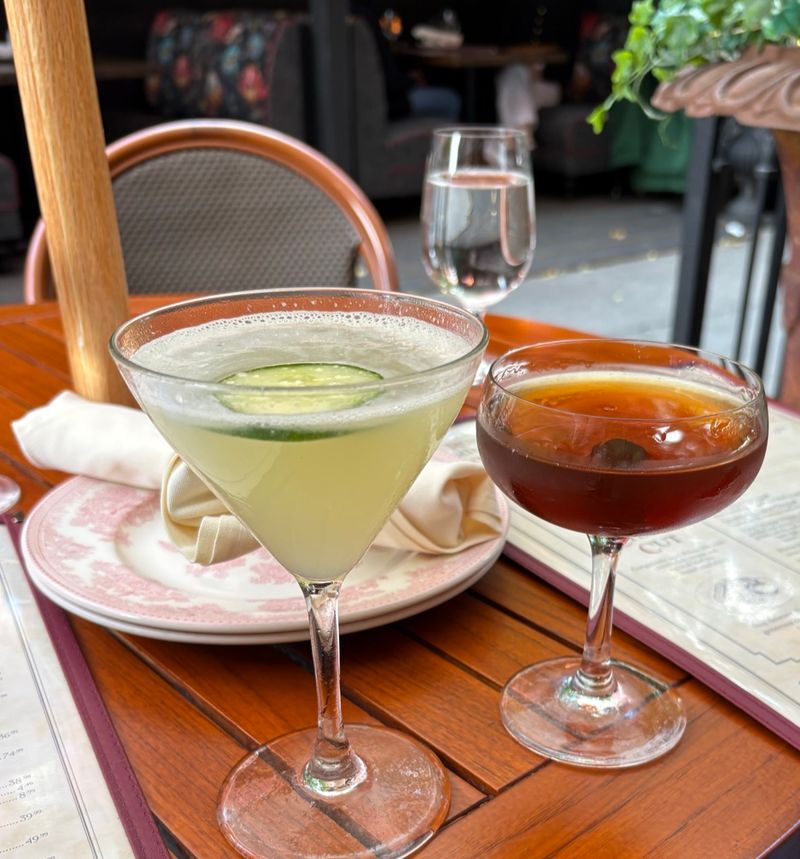
The beverage approach emphasises compatibility over complexity. A structured cabernet complements the roast with dark fruit and moderate tannin that supports richness without drying the palate.
Zinfandel introduces subtle spice and slightly brighter acidity, which can lift fattier cuts and keep the flavour progression steady. Bordeaux offers a more restrained profile, providing balanced structure and earthy notes that reinforce the savoury qualities of the meat rather than competing with them.
Each option is chosen to maintain clarity and rhythm throughout the meal. Beer works equally well, particularly malt-forward styles that round out salt and fat while offering refreshing carbonation between bites.
Brown ales and amber lagers tend to perform especially well because they mirror the roast’s caramelised exterior. Non-alcoholic options like unsweetened tea or bitter sodas maintain contrast and reset the palate without adding sweetness that could interfere with savoury depth.
Sparkling water with a slice of lemon can also perform this role effectively, clearing lingering richness and keeping the next bite distinct. The goal remains straightforward: choose drinks that support the meal instead of competing with it.
Pairings are offered as guidance, not instruction, allowing diners to stay comfortable with their choices. Staff typically suggest options based on flavour preference rather than prestige, which keeps the experience relaxed and accessible.
This approach encourages diners to focus on taste progression and pacing, ensuring each course maintains balance without becoming overwhelming or repetitive.
The Afterglow And What You Remember Later
Leaving the restaurant feels gradual rather than abrupt. The warmth of the dining room contrasts with the cooler street, extending the experience beyond the table and allowing time for reflection.
Leftovers become part of the memory, often turning into the next day’s meal, where the flavour holds steady even after reheating. The ability of the roast to maintain texture and seasoning outside the restaurant reinforces the care taken during preparation.
Details return later in short, clear impressions. The texture of the crust, the balance of jus, and the steady carving routine remain easy to recall because each element was handled with precision.
The meal satisfies without heaviness, leaving a sense of completion rather than excess, which is increasingly rare in steakhouse dining. Even hours later, diners often remember the consistency of temperature and seasoning across the plate, demonstrating how closely execution is monitored throughout service.
What stands out most is the consistency. The restaurant avoids distraction and focuses on execution, creating a meal that feels dependable and carefully maintained.
That reliability encourages repeat visits, especially for diners who value familiar quality over experimentation. Over time, the experience becomes associated with specific occasions, celebrations, or personal rituals, which strengthens loyalty beyond a single meal.
The restaurant’s strength lies in delivering the same level of precision each visit, ensuring expectations are met without needing reinvention.