
This Northern Maine Town Is A Beautiful Hidden Spot For Sunflowers And The First Signs Of Fall
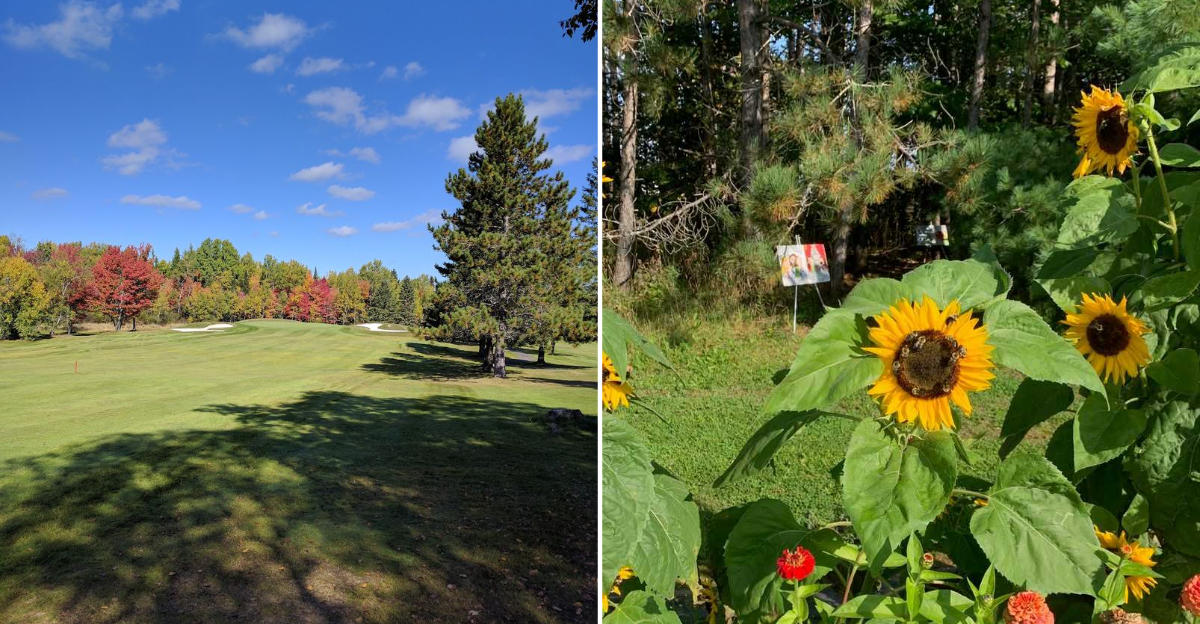
Sunflowers rarely announce themselves loudly, and this Northern Maine town keeps that quiet beauty going right into the first signs of fall. Fields stretch out wide enough to make an entire afternoon out of just walking through them.
Photography opportunities exist around nearly every turn, especially during the golden hour before sunset. Nothing about the town feels overrun despite its growing appeal this time of year.
Regulars know the best times to visit, catching sunflowers just before autumn colors start creeping in. Families often turn the visit into a relaxed outing, comparing favorite photo spots by the end of it.
This town proved that summer and fall can briefly overlap in the most beautiful way.
Sunflower Growth Stages In Northern Maine
Growing sunflowers this far north is a race against the calendar, and farmers here know it. Seeds usually go into the ground during the first week of June, once the soil finally warms up enough to cooperate.
From there, things move fast. The seed drinks up water, sprouts, and pushes its first true leaves toward the sky within days.
Then comes the long middle stretch, the vegetative stage, where the plant builds stem height and stacks on leaves. It looks boring, but this is where all the muscle gets made.
A small bud eventually forms and stretches upward until it clears the top leaves. Blooming occurs roughly 60 to 90 days after planting, which puts peak color between mid-August and mid-September.
After pollination, the flower heads swell and start packing in seeds. Petals fade, heads droop, and the whole field shifts from bright yellow to a mellow brown.
Start to finish, a sunflower here needs somewhere between 85 and 120 days to fully mature. That is a tight window in a place where winter shows up early and stays late.
Watching the stages back to back is honestly half the fun. Fields visited two weeks apart can look like completely different places.
You will find these golden fields scattered around the farmland of Caribou, Maine 04736.
Impact Of Seasonal Changes On Local Flora
Four real seasons, no shortcuts. That is the deal in this corner of Aroostook County, where summers stay comfortable and partly cloudy while winters go full freezing and snowy.
Plants growing here have adapted to swings that would flatten a garden farther south. They sprint through the warm months and shut down hard when the cold arrives.
Warmer temperatures in recent years have stretched the growing season, which sounds like great news for farmers. Longer seasons can mean bigger harvests and more flexibility with planting dates.
But there is a catch. Heat stress and unpredictable rainfall throw off the rhythm plants depend on, and too much of either can undo a good year.
Plant hardiness zones across the region are shifting too. Over time, that could change which crops make sense to grow and which ones quietly disappear from local fields.
Spring snowmelt is also arriving earlier than it used to. Earlier melt nudges the whole calendar forward, from when seeds go in to when blooms peak.
All of that churning is exactly why the landscape looks a little different each year. One September might deliver sunflowers next to bare branches; another might hand you flowers and full color at once.
Nature keeps rewriting the schedule. Visitors just get to enjoy whatever version shows up.
Best Times To See Sunflowers And Fall Leaves
Catching both shows at once takes a little strategy. The sunflowers hit their peak from mid-August into early September, when the fields look bright, tall, and almost aggressively cheerful.
Fall color runs on a separate clock. Northern Maine usually peaks during the last week of September and the first week of October.
In colder years, the leaves jump the gun. Reds and oranges can start showing up as early as mid-September, which is where the magic overlap happens.
Mid to late September is the sweet spot most people aim for. Sunflowers are still standing, and the tree lines behind them are beginning to blush.
The window is narrow, sometimes only a week or two. Weather can shift it in either direction, so checking on conditions before a long drive is smart.
Photos from that overlap look almost edited. Golden blooms in front, warm autumn tones behind, all under that clear northern sky.
Arriving a bit early beats arriving late. Sunflowers past their prime droop and brown quickly, while early foliage still looks lovely even if it is not at full strength.
Weekdays tend to be quieter on the back roads. Fewer cars means easier pull-offs when a field demands attention.
Pack a jacket regardless of the calendar. September mornings up here do not care that summer technically has not ended.
Local Wildlife Interactions Within Sunflower Fields
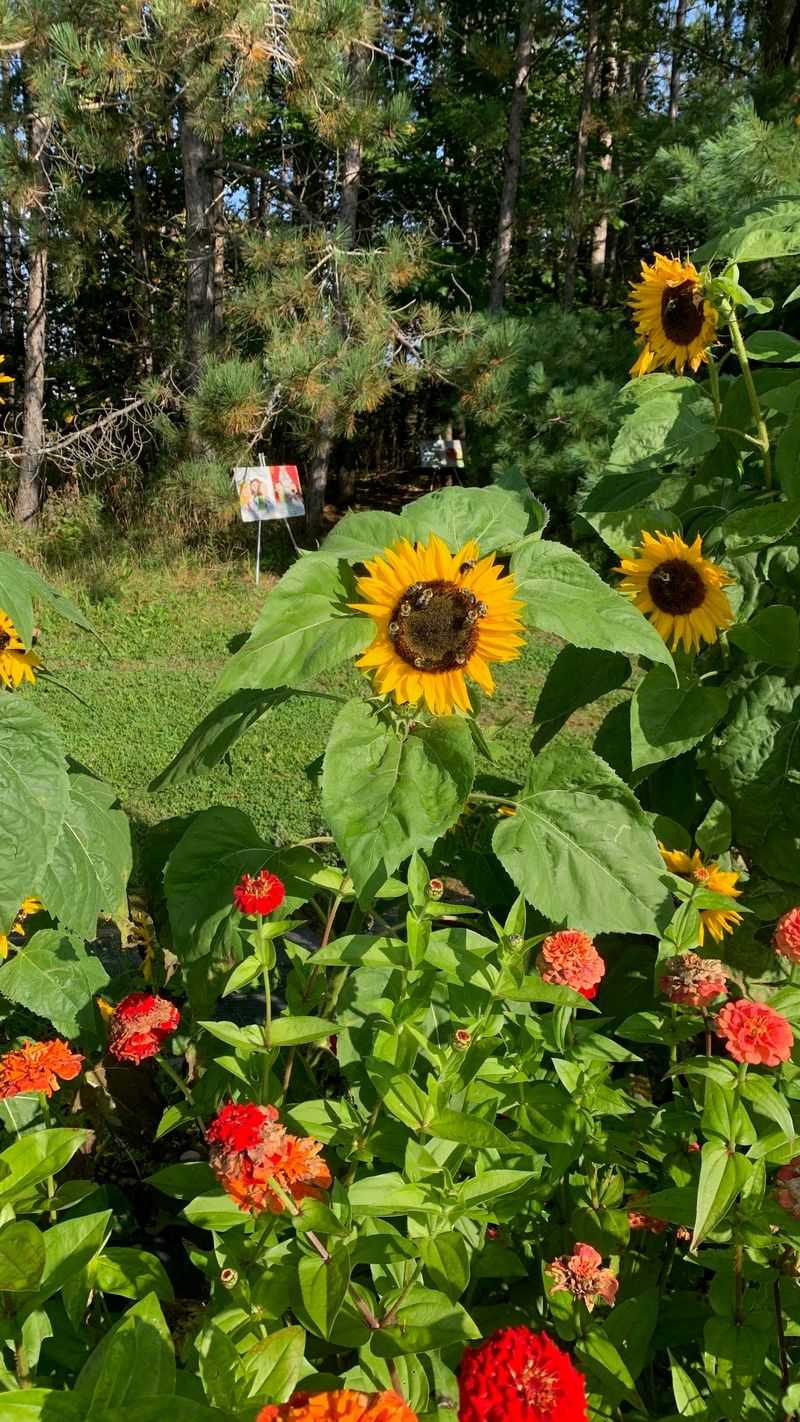
Sunflower fields are pretty, sure, but they are also a buffet. Birds and small mammals treat those seed-heavy heads like an open invitation once the petals fade.
The larger area around town holds serious wilderness. Aroostook National Wildlife Refuge sits nearby and is known for moose sightings along with plenty of other wild residents.
Farm fields do not exist in a bubble. They sit right where forest meets cropland, and that edge habitat is where animals love to travel.
Songbirds are the most obvious visitors. Finches and sparrows work the flower heads with the focus of tiny construction crews.
Smaller mammals move through too, using tall stalks as cover between wooded patches. Nobody is hosting a formal wildlife tour in the sunflowers, but the activity is real.
Pollinators deserve credit as well. Bees and other insects do the unglamorous work that turns bright petals into actual seeds.
If wildlife watching is the goal, dawn and dusk are the reliable hours. Animals move most when the light is low and the roads are quiet.
A few ground rules help. Stay on public roads or designated paths, respect fences, and never walk into a planted field without permission.
Binoculars beat getting closer. The animals here are wild, not props, and keeping distance is the whole point.
Photographing Natural Landscapes During Autumn
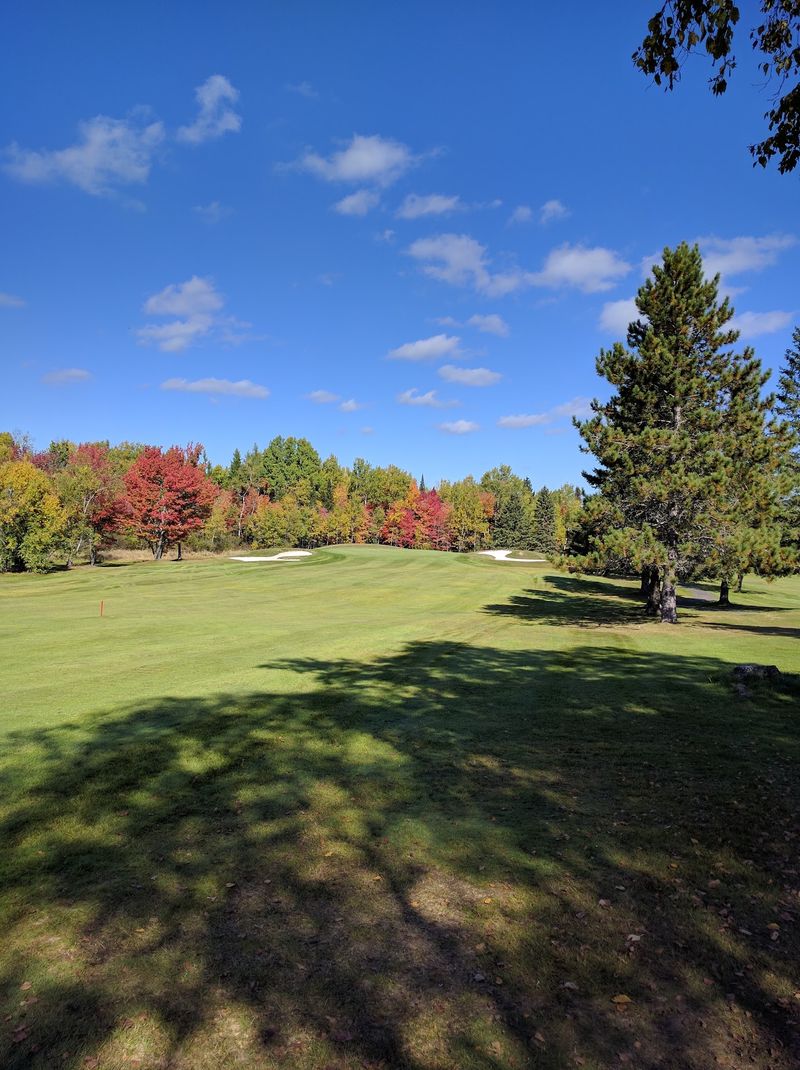
Golden hour was practically invented for this landscape. Low sun turns sunflower petals translucent and makes fall foliage glow instead of just sitting there.
Water changes everything. Ponds and slow river stretches double the color with mirror reflections, and calm mornings give the cleanest surface.
Early morning is the underrated winner. Less traffic, fewer people, and air that has not started moving yet, which matters when you want crisp shots of leaves.
Wind is the real enemy of foliage photography. A breeze that feels pleasant on your face turns delicate branches into a blurry mess.
Elevation helps more than most people expect. Even a slight rise in the road can unlock a sweeping view across fields and forest.
Waterfalls and winding rivers make excellent anchors for a composition. They give the eye somewhere to land in a scene full of competing color.
Shooting into the light through sunflower petals creates a warm, backlit effect that flatters almost any camera. Phones handle it surprisingly well.
Fog is a bonus, not a setback. Morning mist over farmland softens the background and makes single sunflowers stand out.
Bring layers and something to kneel on. Wet grass at sunrise is a guarantee, not a possibility.
Most importantly, shoot from the roadside or public land. A great photo is never worth trampling someone’s crop.
Cultural Festivals Celebrating Autumn And Nature
Fall here is not just scenery; it is a social calendar. The County’s Oktoberfest lands in town every September and turns part of the Caribou Municipal Airport into a festive gathering space.
An airport as a festival ground is a wonderfully practical idea. Wide open, easy parking, and plenty of room for tents and music.
Just up the road in Van Buren, the Harvest Festival at Acadian Village runs in September as well. It celebrates Acadian and Québécois heritage with live music, food, and demonstrations of old village skills.
Watching traditional crafts in a restored village setting connects the harvest to actual history. Kids tend to get weirdly into the demonstrations.
October brings the annual Craft Fair in town, where local artisans set up with handmade goods. It is the kind of event where you go in for a look and leave with three gifts.
These gatherings say a lot about the area. Farming shaped the culture, so celebrating the harvest is not a marketing angle here; it is tradition.
Dates shift slightly year to year, so a quick check before traveling saves disappointment. Community pages and the city site keep schedules current.
Pairing a festival with a field drive makes for a full weekend. Flowers in the morning, music and crafts in the afternoon.
Conservation Efforts For Native Plant Species
Behind the pretty views, there is quiet work happening to protect Maine’s native plants. Coastal Maine Botanical Gardens and the Maine Natural Areas Program have teamed up on a statewide assessment of every native species.
The goal is straightforward. Figure out which plants are abundant, which are struggling, and what threats are pushing them around.
Climate shifts and development pressure both show up in that research. Knowing the baseline now makes it possible to spot trouble later.
The Natural Resources Council of Maine adds another layer, supporting conservation of farmland, working waterfronts, and forests. Protecting agricultural land matters a lot in a county built on farming.
There is also a growing push toward native plants in everyday landscaping. Swapping ornamental imports for local species gives pollinators and birds something they actually recognize as food.
Skipping chemical treatments helps too. Fewer sprays means healthier soil, more insects, and a food chain that functions the way it should.
Visitors can pitch in without much effort. Staying on established trails, avoiding picking wildflowers, and not moving plants between areas all prevent damage.
Invasive species spread easily on boots and tires. A quick knock of the mud before leaving a trail is a small habit with real payoff.
Healthy native plants are exactly what keeps the fall color show worth driving north for.
Outdoor Activities Amidst Fall Sunflower Blooms
Once the sunflowers start winding down, the outdoor options actually get better. Cooler air makes hiking and biking far more pleasant than a humid August afternoon.
The Aroostook Valley Trail runs 28 miles of multi-purpose pathway through this part of the county. It handles walkers, cyclists, and anyone who just wants a long quiet stretch of woods.
Aroostook National Wildlife Refuge adds more trail options nearby. The paths there lean natural and low-key, which is exactly the appeal.
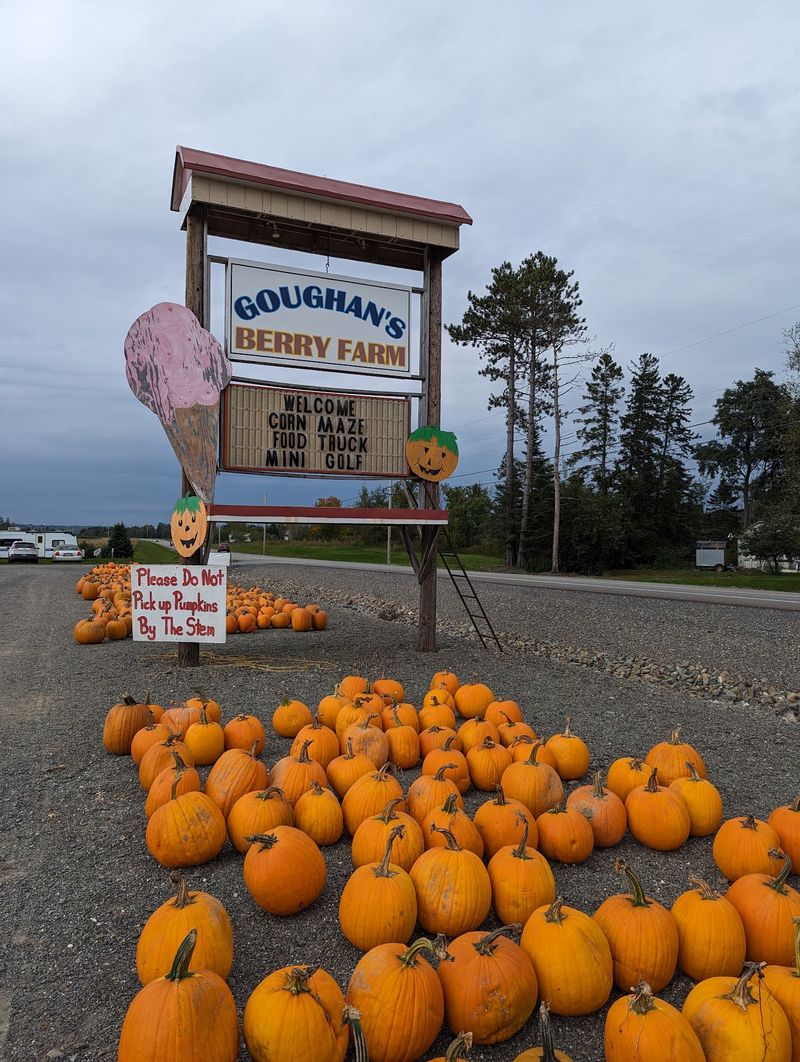
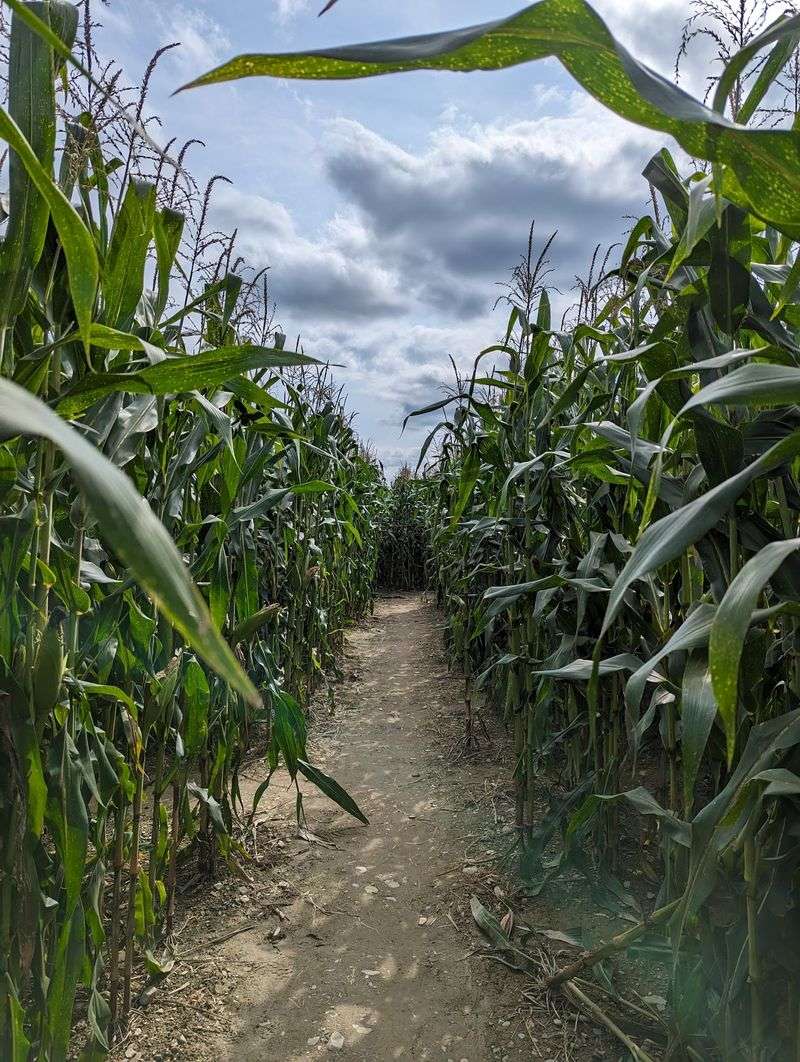
For something more hands-on, Goughan’s Berry Farm in town runs classic fall activities including a corn maze. Getting lost on purpose is an underrated autumn tradition.
Some area farms host sunflower strolls and similar events during peak bloom. Walking between rows of eight-foot flowers puts the scale into perspective in a way photos never manage.
Bringing water and decent shoes covers most needs. Trail surfaces vary, and northern Maine mud has a long memory after rain.
Mornings tend to be crisp and calm, afternoons warmer and brighter. Layers solve the whole problem.
Cell service can get thin outside town, so downloading a map ahead of time is a good move.
Between the trails, the fields, and the farm stops, a single weekend fills up quickly. That is a nice problem to have.