
This Often-Missed Nevada State Park Is One Of The Desert’s Best Surprises
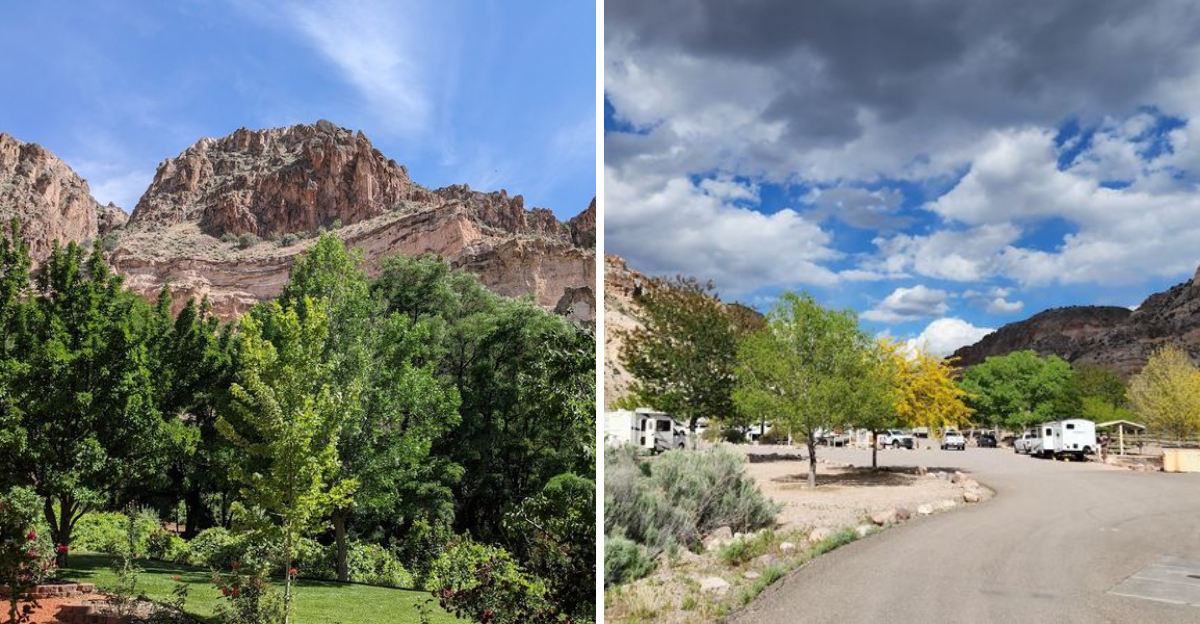
A desert road trip gets much more interesting when the landscape suddenly decides to surprise you. One minute, everything feels wide open, dry, and sunbaked.
Then a canyon appears with leafy shade, spring-fed scenery, and colors that feel almost too soft for such a rugged Nevada setting. It is the sort of place that makes you slow down, look twice, and wonder how many travelers drive right past without knowing what they missed.
Instead of flashy crowds or oversized attractions, this park offers quiet trails, canyon walls, picnic spots, and a peaceful garden-like feel. It is small, scenic, and full of unexpected charm, proving that some desert stops do not need to shout for attention.
This Park Feels Like A Desert Oasis
Pulling into Kershaw-Ryan State Park at 300 Kershaw Canyon Road feels like discovering a mirage that turned out to be real. The contrast hits you immediately as the dusty desert road gives way to manicured lawns, towering shade trees, and the kind of greenery you simply don’t expect in southern Nevada.
Natural springs feed this entire canyon sanctuary, creating an environment that thrives year-round. The grass grows thick enough for barefoot picnics, and the air carries a coolness that defies the surrounding desert heat.
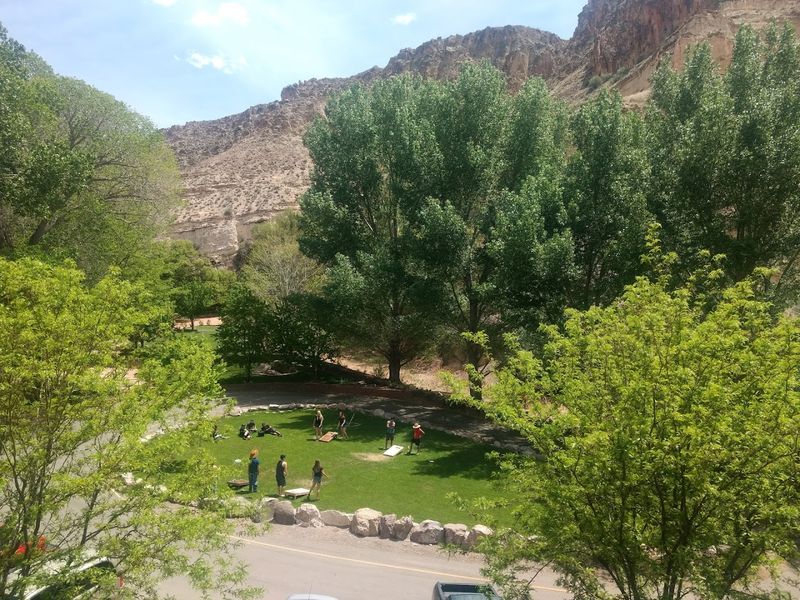
Families spread blankets under cottonwoods while kids run between fruit trees and flowering plants. The park maintains this green space with obvious care, keeping it pristine without making it feel overly manicured or artificial.
You can actually hear water trickling through the grounds, a sound so rare in Nevada that it almost feels exotic.
Natural Springs Keep The Landscape Surprisingly Green
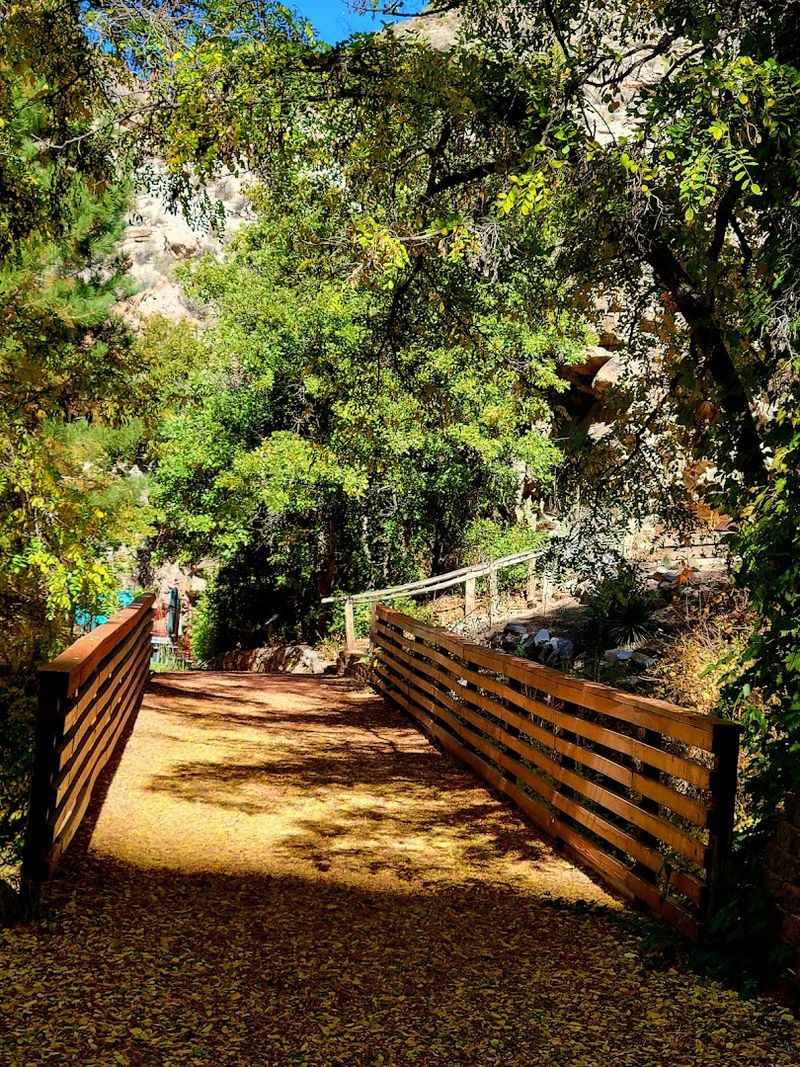
The secret behind this park’s impossible greenery lies in the springs that bubble up from deep underground. These natural water sources have sustained life in this canyon for thousands of years, long before anyone thought to create a park here.
The springs maintain a constant flow regardless of season, feeding everything from the grass to the old grape arbors that climb the canyon walls. This reliable water supply transforms what would otherwise be another dry Nevada canyon into something genuinely special.
Walking through the park, you’ll notice wild mint growing along the water channels and moisture-loving plants thriving in spots that would normally be bone dry. The springs keep temperatures noticeably cooler than the surrounding desert, sometimes by ten or fifteen degrees.
Park staff have worked with this natural blessing rather than against it, designing the landscape to make the most of every drop while preserving the springs’ integrity for future generations.
The Canyon Setting Makes It Feel Instantly Different
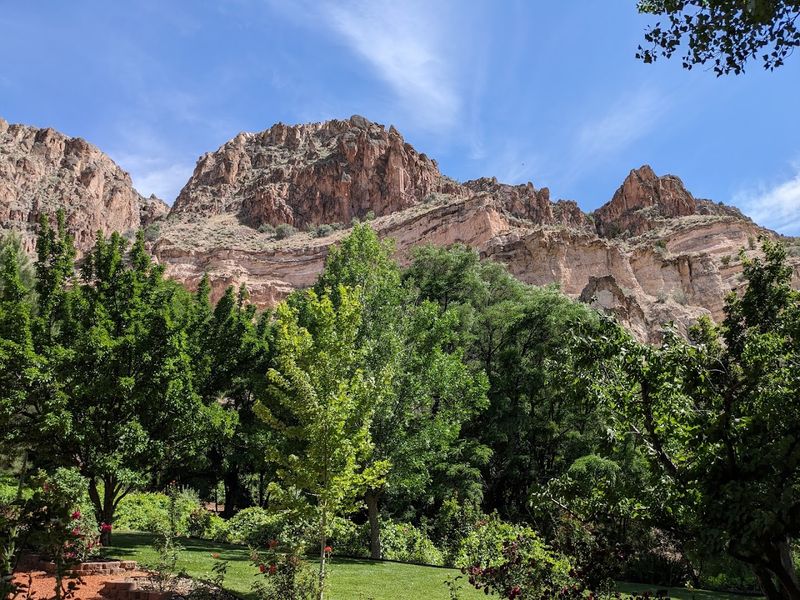
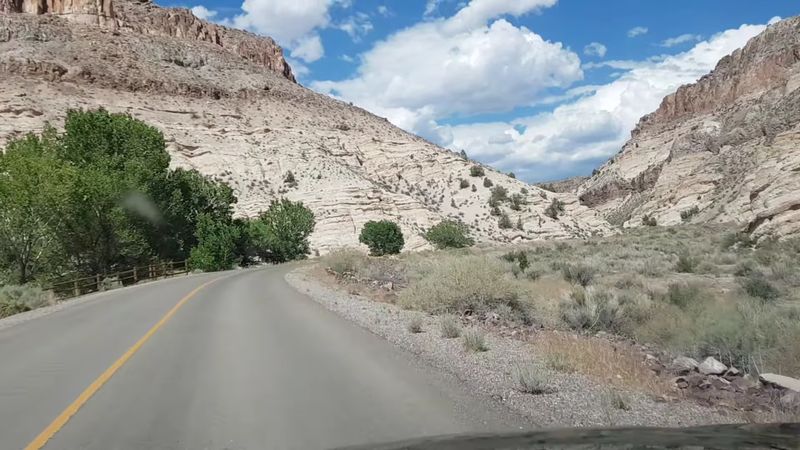
Rainbow Canyon wraps around Kershaw-Ryan like a protective embrace, with striated walls that shift from deep red to pale cream depending on the light. These towering cliffs create an enclosed feeling that sets this park apart from Nevada’s wide-open desert landscapes.
The canyon walls show millions of years of geological history in their layers, pockmarked with small caves and alcoves that swallows claim as nesting sites. Morning light hits the eastern wall first, setting the red rocks ablaze while the western side remains in cool shadow.
This natural amphitheater traps sounds in interesting ways, making the park feel quieter and more intimate than its actual size. Birds echo off the stone faces, and conversations carry differently than they would in open desert.
The canyon also provides natural windbreaks, creating microclimates where certain plants flourish. Standing at the base of these ancient walls with green grass underfoot creates a surreal combination that your brain needs a moment to process.
Wild Grapevines, Orchards, And Roses Add To The Surprise
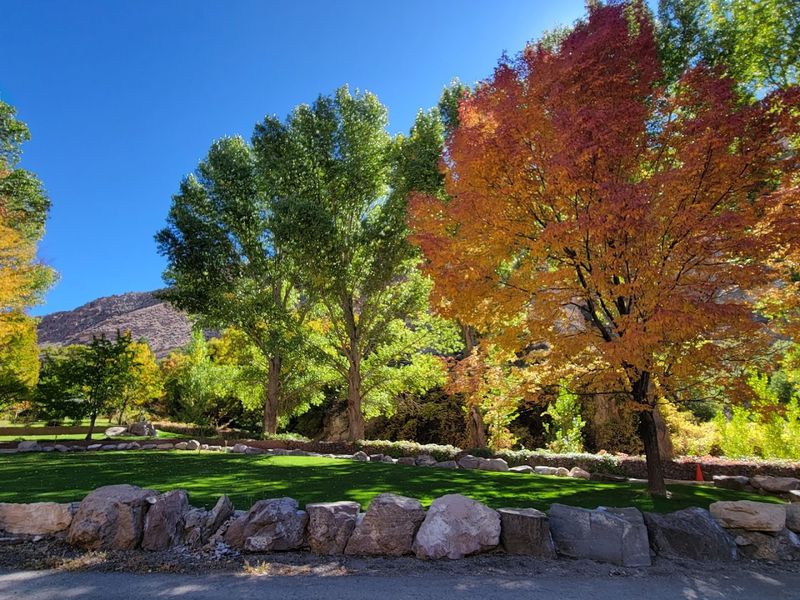
The botanical surprises at Kershaw-Ryan tell stories of different eras and ambitious planting projects. Wild grapevines cascade down the canyon walls, descendants of vines planted decades ago that have since claimed the rocks as their own territory.
Small orchards scattered throughout the park include apples, pears, and other fruit trees that bloom spectacularly in spring and bear fruit by late summer. These aren’t carefully pruned specimens but rather half-wild trees that have adapted to canyon life.
Rose bushes pop up in unexpected places, some clearly planted with intention and others that have naturalized and spread on their own. The combination feels more like stumbling onto an abandoned estate garden than visiting a typical state park.
Autumn brings particular magic when the grapevines turn brilliant gold and red, creating stunning contrasts against the canyon’s stone. The fruit trees attract all manner of wildlife, from deer browsing fallen apples to dozens of bird species feasting on the seasonal bounty.
The Overlook Trail Shows Off Rainbow Canyon Views
Starting near the volleyball court, the Overlook Trail climbs steadily through a series of tight switchbacks that gain elevation quickly. The first section demands attention as you pick your way up the rocky path, but the payoff comes soon enough.
Reaching the overlook feels like breaking through to another world, with Rainbow Canyon spreading out below and distant mountain ranges visible in every direction. The perspective shift is dramatic, showing you how this green pocket sits isolated in an otherwise arid landscape.
Benches placed at strategic viewpoints carry thoughtful quotes from writers like Thoreau and Emerson, adding contemplative moments to the physical challenge. The trail continues beyond the main overlook for those wanting more distance, eventually connecting to longer regional routes.
Most visitors spend considerable time at the viewpoint, watching light change across the canyon walls and spotting their cars looking tiny far below. The descent requires careful footing but goes much faster than the climb up.
There Are Around Fourteen Miles Of Hiking And Biking Trails
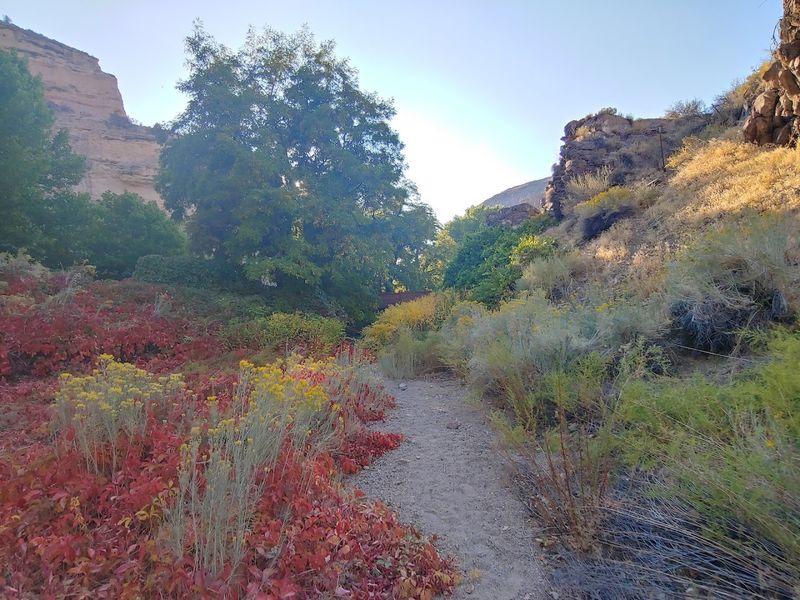
The trail network at Kershaw-Ryan extends well beyond what first-time visitors expect from such a small park. Roughly fourteen miles of paths wind through the canyon and up into surrounding hills, ranging from easy strolls to challenging climbs.
Mountain bikers particularly appreciate the newer trails built with cycling in mind, featuring flowing turns and technical sections that take advantage of the terrain. The system connects to even longer regional trails, making this park a gateway to extended backcountry adventures.
Trail conditions vary seasonally, with spring offering the most comfortable temperatures and wildflowers along the paths. Summer hiking requires early starts to beat the heat, though the canyon’s elevation provides some relief.
Some routes follow old roads while others are purpose-built singletrack carved into hillsides. Signage helps keep you oriented, though bringing a trail map from the entrance station makes navigation simpler.
The variety means both casual walkers and serious athletes find appropriate challenges without leaving park boundaries.
Shaded Picnic Areas Make It Perfect For A Slow Afternoon
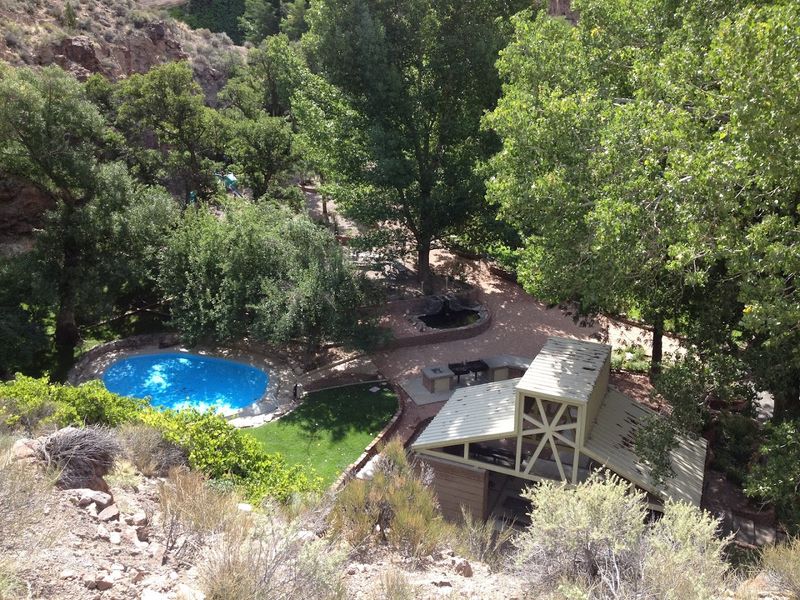
Dozens of picnic tables spread throughout the park’s day-use area, most positioned under mature trees that provide genuine shade. These aren’t token saplings but substantial cottonwoods and other species that create cool pockets even on hot afternoons.
Each table sits near a grill, and the park maintains covered ramadas that can be reserved for larger gatherings or special events. The setup encourages lingering rather than quick stops, with horseshoe pits and a volleyball court adding entertainment options.
Families often claim a table early and spend entire afternoons rotating between eating, playing, and exploring the nearby trails. The grass areas between picnic spots stay green enough for blankets and lawn games.
Running water and clean restrooms nearby eliminate the usual camping discomforts. The park operates from eight in the morning until five in the evening, giving you plenty of daylight hours to enjoy the facilities.
Many visitors pack elaborate picnic spreads, treating their visit more like an outdoor dining experience than typical park fare.
The Small Pool And Koi Pond Add An Unexpected Touch
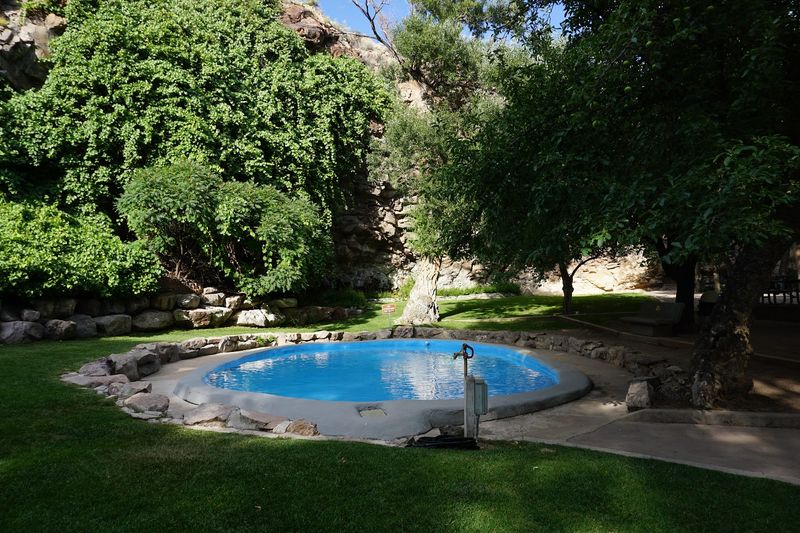
A shallow wading pool fed by the park’s springs offers relief on scorching summer days, though it stays closed during cooler months. The pool reaches maybe eighteen inches at its deepest, making it perfect for young children to splash safely.
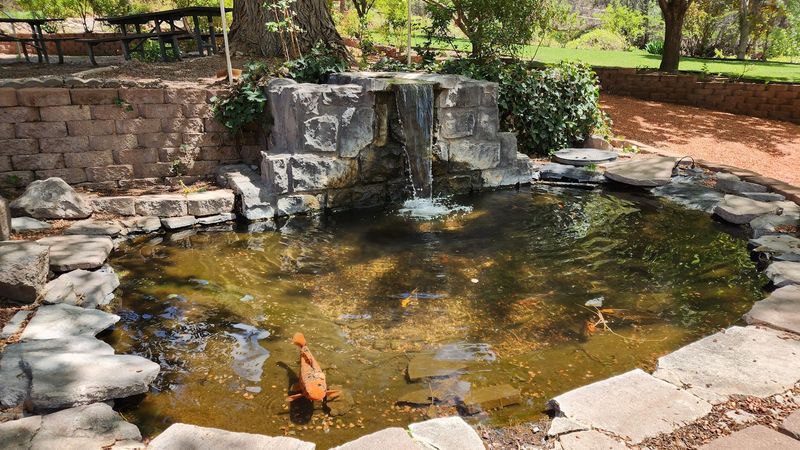
Spring water keeps it naturally cool and remarkably clear, a refreshing contrast to chlorinated public pools. Nearby, a small koi pond adds an almost zen-like element, with colorful fish gliding between water plants and a gentle waterfall providing background music.
The pond sits along one of the main walking paths, and visitors invariably stop to watch the fish. Kids especially love spotting the different colored koi and trying to count them all.
These water features feel borrowed from a formal garden rather than a Nevada desert park, adding to the overall sense of pleasant disorientation. The combination of practical recreation and ornamental beauty shows thoughtful planning by whoever designed this space decades ago.
It Sits Just A Few Miles From Caliente
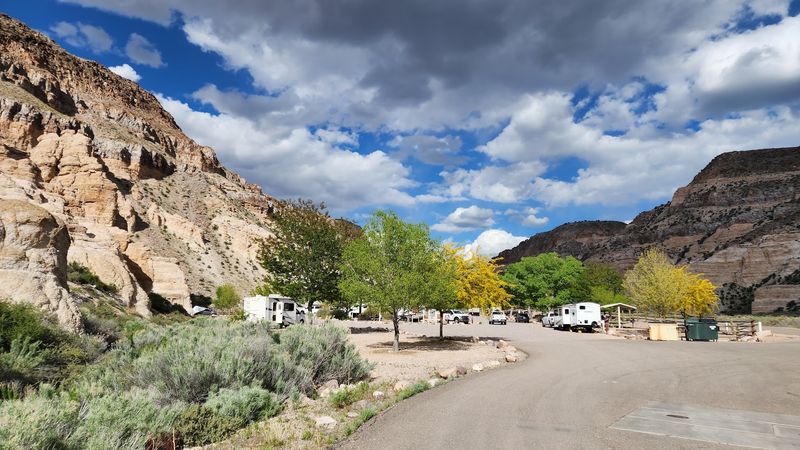
The park’s location just outside Caliente means you’re never far from supplies, restaurants, or emergency services. This small railroad town offers several diners and cafes serving solid food without pretension, plus a grocery store for picnic provisions.
Caliente itself deserves a look, with historic buildings dating from the railroad’s heyday and a pleasantly slow pace that matches the park’s vibe. The drive from town to the park takes maybe five minutes along a well-maintained road.
Having civilization this close makes Kershaw-Ryan practical for families or anyone who prefers easy access to amenities while enjoying nature. You can grab breakfast in town, spend the day at the park, then return for dinner without any epic journey.
The proximity also means the park sees regular local use, giving it a community feel rather than purely tourist traffic. Cell service works reasonably well in both locations, though the canyon can create dead spots.
This balance between wilderness and accessibility makes the park especially appealing for those testing their camping comfort levels.
The Park Has A Peaceful, Almost Garden-Like Feel
Everything about Kershaw-Ryan’s atmosphere suggests care and intention rather than wild preservation. The grounds receive regular maintenance that keeps them tidy without feeling sterile, striking a balance between natural and cultivated that works surprisingly well.
Walking the paved paths that wind through the day-use area feels more like strolling through a botanical garden than hiking in typical Nevada terrain. The park attracts visitors seeking tranquility rather than adrenaline, creating a mellow social atmosphere.
You’ll see people reading under trees, sketching the canyon walls, or simply sitting quietly watching birds. The small size prevents crowds even during busy periods, and the canyon walls contain sounds in a way that maintains peacefulness.
Staff clearly take pride in the park, evident in details like well-placed benches and thoughtfully chosen plantings. This garden-like quality makes Kershaw-Ryan especially appealing for those who find typical wilderness camping too rustic but still want genuine outdoor time.
The park offers proof that nature and human design can coexist beautifully when approached with respect and restraint.