
This Ohio Farm Park Lets Kids Milk A Cow And Ride A Wagon Behind Draft Horses
The plan was just to find a place for the kids to burn off energy, and a farm in northeast Ohio seemed simple enough. Nobody expected a six-year-old to walk out of a barn beaming because she had just milked a real cow.
Then came a wagon ride behind a pair of huge draft horses, and the whole family was hooked. For parents hunting a day trip that mixes fresh air, animals, and a little learning, this spot delivers far more than its quiet entrance suggests.
A Working Farm Park in Lake County
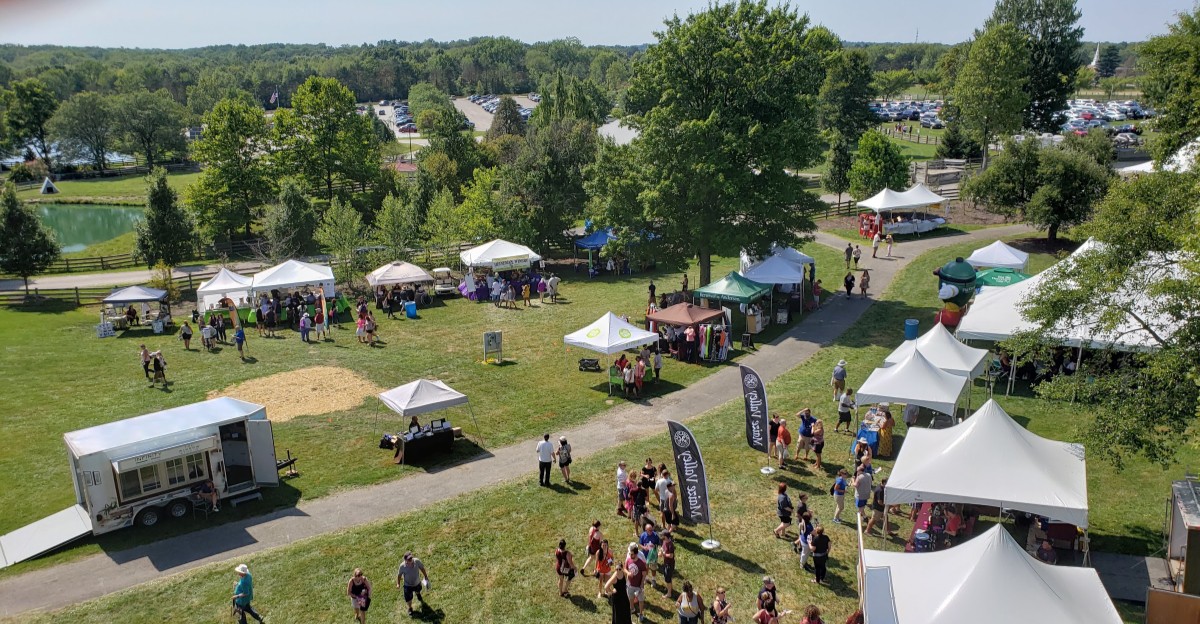
Picture 235 acres of pasture, barns, and gardens about 25 miles east of downtown Cleveland. Lake Metroparks Farmpark sits at 8800 Euclid Chardon Road in Kirtland, a small Lake County city in the rolling northeast corner of Ohio.
From most Cleveland neighborhoods, the drive runs around 35 minutes, depending on traffic and your starting point.
What exactly is it? Think of a real farm that was designed from the start for visitors, especially kids.
Instead of looking at animals from behind glass, families walk among barns, step into a dairy parlor, and climb aboard wagons pulled by horses.
The park is run by Lake Metroparks, the county park system, so the grounds feel tidy and well planned rather than rough around the edges. Families from Akron and beyond make the trip, and many say it turned out bigger than they pictured.
Plan on at least two hours to see the main exhibits, and longer if the playground grabs your crew. Hours can change seasonally, so a quick check before leaving home saves headaches.
Everything else in this guide builds on one simple idea: a farm you can actually touch.
Roots in Generations of Field Trips
Ask a northeast Ohio adult about the Farmpark, and there is a good chance you will hear about a school field trip. Plenty of parents now bringing their own children first came here as grade schoolers, clutching a lunch bag and a permission slip.
Some have even returned as chaperones on their kids’ first field trip, watching the same nervous grin they once wore.
That long memory gives the place a comfortable, lived-in feel. The mission has stayed focused on connecting people with agricultural roots, which matters more every year as fewer families have a grandparent with a barn.
Here, the basics of where milk, wool, eggs, and vegetables come from are laid out in plain sight.
The setting helps tell that story. Open pastures roll away from the main buildings, and wide paths link barns, gardens, and arenas across the property.
Visitors often mention how peaceful the grounds feel, even when school buses fill the lot.
Many of the people guiding you are volunteers, and they tend to know their animals by name. That personal touch keeps the experience from feeling like a museum.
It feels more like stopping by a neighbor’s very large, very organized farm on a sunny afternoon.
The Dairy Parlor and a First Squeeze
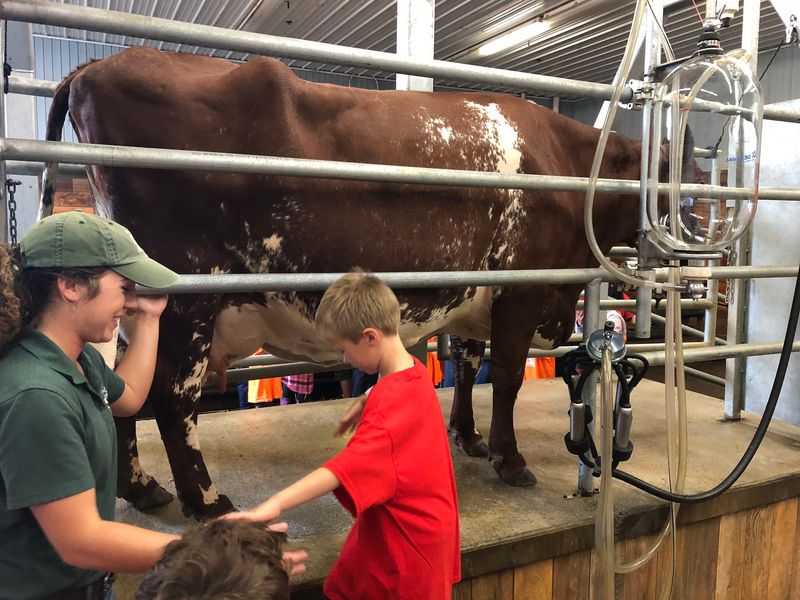
Small hands, a warm cow, and a stainless steel pail. For many kids, that scene in the dairy parlor becomes the story they repeat all the way home.
Cow milking is one of the most talked-about activities at the Farmpark, and it is easy to see why.
Staff walk young visitors through the process step by step. Children usually start out a little unsure, since a dairy cow looks enormous up close, but the nerves tend to melt once that first squirt of milk hits the bucket.
Parents describe the look on their kids’ faces as a mix of surprise and pride.
Did you know the cows have names? Regulars have met Maggie, Lola, Dot, and others, and the staff are happy to introduce them.
Knowing a cow’s name somehow makes the whole moment feel more personal for a child.
Demonstration times can vary through the day, so look for a posted schedule when you arrive. If milking is the main goal for your family, head toward the dairy area early.
That way you can build the rest of the visit around it without rushing.
It is a simple chore that farm kids have done forever. Here, it becomes a first.
Wagon Rides Behind Draft Horses
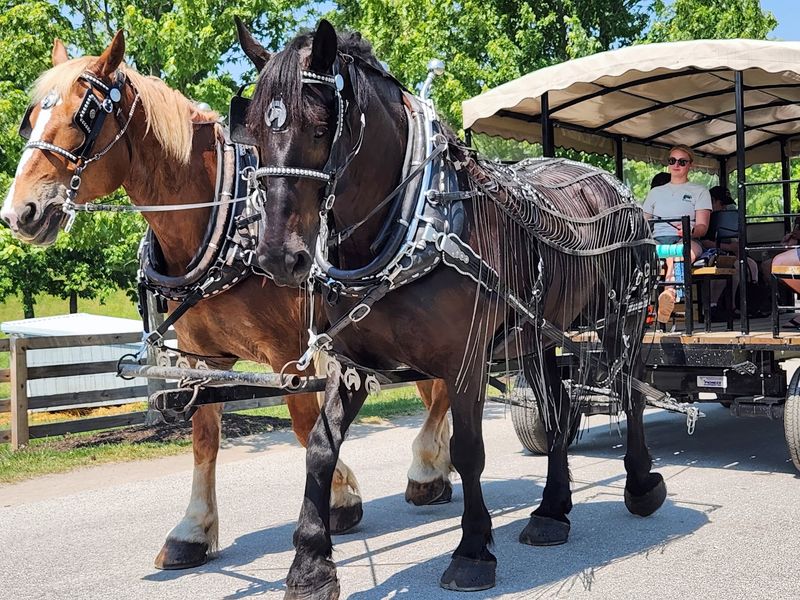
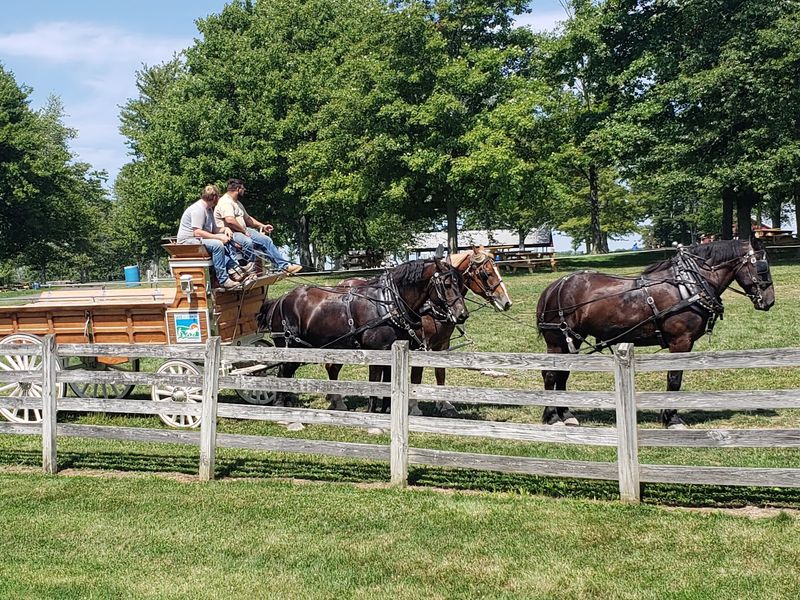
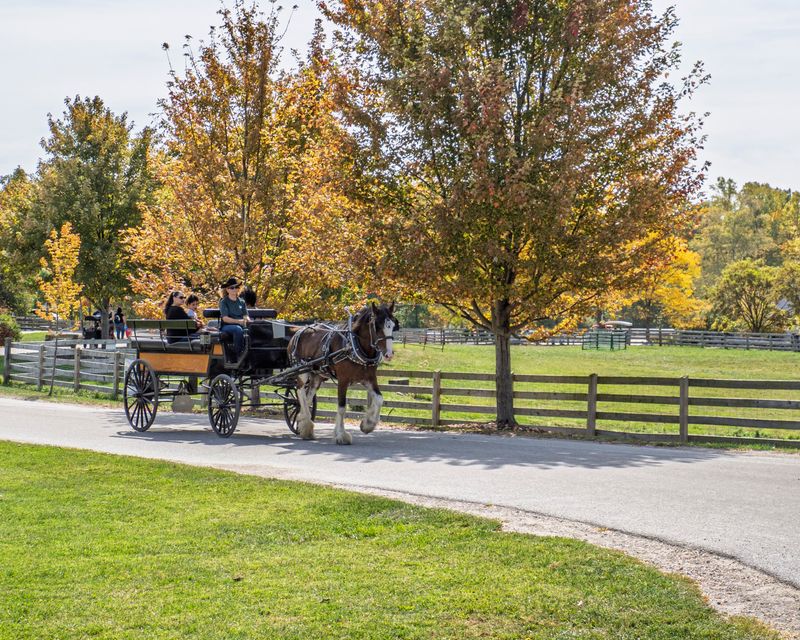
Clip, clop, creak. The sound of a big draft horse team pulling a loaded wagon down a farm lane is hard to beat, and it happens here all day long.
Horse-drawn wagons carry guests across the 235-acre property, linking pastures, gardens, and barns.
These rides do double duty. They are fun, but they also save little legs from long walks between exhibits.
Some wagons may be pulled by tractors instead of horses, depending on the day, so do not be surprised if your ride has an engine rather than a mane.
Accessibility is a strong point. The wagons are handicap accessible, which means grandparents, wheelchair users, and families with limited mobility can join in without worry.
Visitors with physical limitations have noted that they still enjoyed the park thanks to features like these.
Up front, the horses themselves are a sight. Draft breeds are among the largest horses around, built for pulling heavy loads, and their steady pace suits a wagon full of excited kids perfectly.
Staff near the horse area are known for sharing details about the animals without being asked.
For older kids hooked on horses, summer brings something extra. Children 10 and older may have the chance to join sessions focused on riding draft horses.
A Barnyard Roll Call
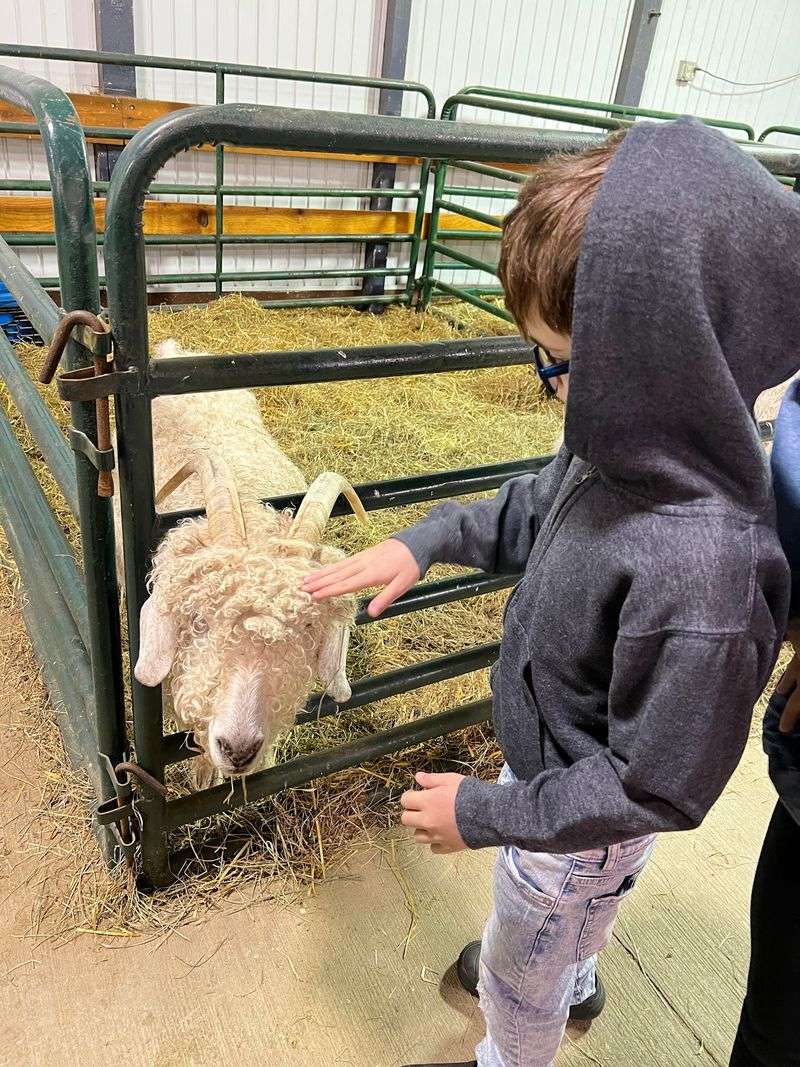
Pigs rooting, goats climbing, chickens fussing, alpacas staring back with that famously unbothered look. The animal lineup at the Farmpark covers most of what you would find on a classic Ohio farm, plus a few surprises.
Dairy cows, horses, pigs, sheep, chickens, rabbits, alpacas, and goats all call the barns home.
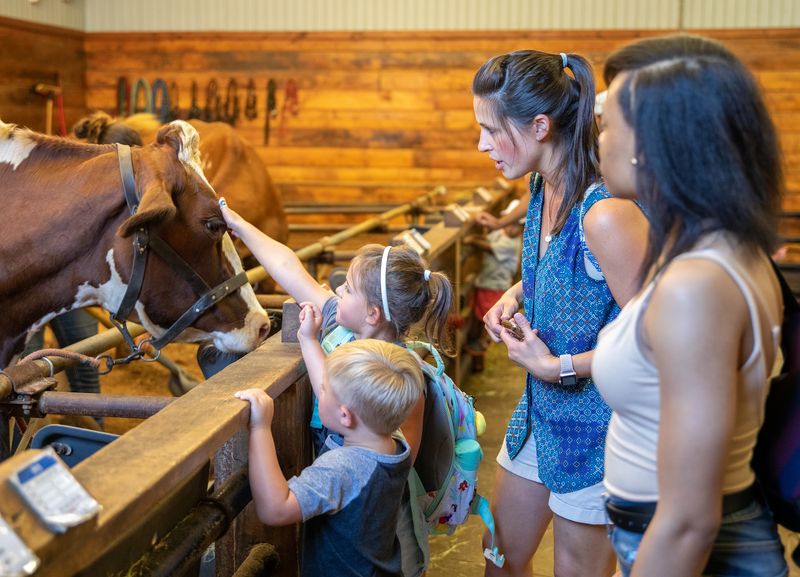
Petting is part of the plan. Several areas let children reach out and touch the animals, and staff often encourage kids to get close and say hello.
Goats and bunnies tend to be the most lively, and families have spent long stretches just enjoying their fuzzy company.
What about kids who are a bit scared? Staff have a knack for easing them in.
In one case, a team member gently brought out a bunny so hesitant children could warm up at their own pace, which says a lot about the patient style here.
Spring visits come with a bonus: baby animals. Guests who have seen the young ones often call them the highlight of the entire day.
Timing varies each year, so ask what is new in the barns when you arrive.
The animals look healthy and well cared for, and the barns stay clean. That matters when toddlers want to touch everything.
Border Collies on the Job
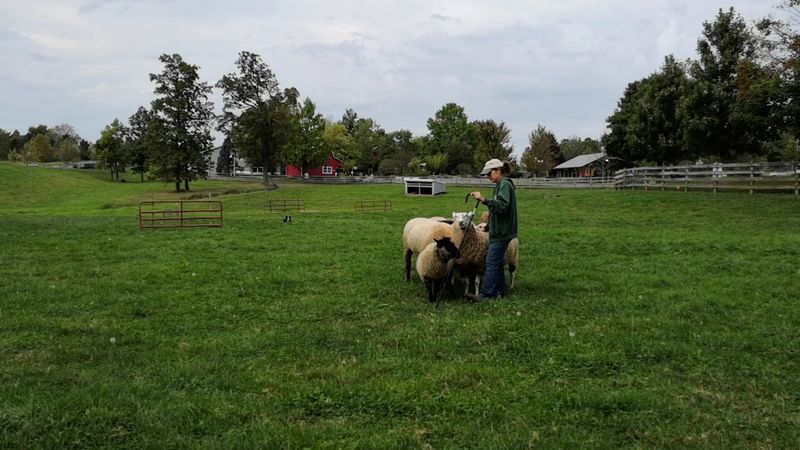
A whistle, a crouch, and suddenly a flock of sheep is moving exactly where the handler wants it. Border collie herding demonstrations are one of those Farmpark moments that even teenagers and adults stop to watch.
The dogs work fast, low, and focused, reading the sheep like a puzzle.
Watching a trained dog herd livestock gives kids a real look at how farms have long relied on animal partners. The collie is not chasing for fun.
It is doing a job, responding to voice and whistle signals while keeping the flock calm and together.
Families who have seen the show often list it among their favorite parts of the day. It pairs nicely with the barn visits, since kids can meet the sheep up close before or after watching them get rounded up.
Sheep shearing events also pop up at certain times, showing how wool comes off the animal before it becomes yarn.
Demonstrations run on a schedule that can change by season and day. Check the daily lineup near the entrance and plan your route so you catch at least one.
Missing a show is not a disaster, but the herding demo deserves a spot near the top of the list.
Seeds, Soil, and the Plant Science Center
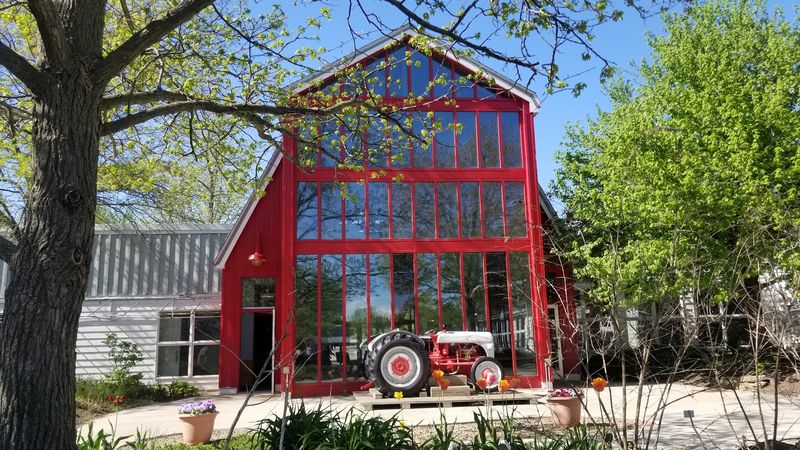
Not every farm lesson has fur or feathers. Inside the Plant Science Center, the focus shifts to crops, soil, and the growing side of agriculture.
It is a calmer space, which can be a welcome break after a noisy barn.
Educational programs here explain how food moves from seed to plate. Kids can see plants at different stages and learn why farmers care so much about sunlight, water, and healthy dirt.
Field trip groups often get to tour the greenhouse, a spot some parents had forgotten about until their own children went.
One fun detail: staff have mentioned that kids can plant vegetables like potatoes during certain programs. Getting fingers into the soil makes the connection between the garden and the grocery store click.
Availability likely depends on season and schedule, so ask at the entrance if planting is on your wish list.
Gardens outside add color during the warmer months. Wagons roll past them on the way to other stops, giving a quick look at what is growing that season.
For curious kids who ask endless questions about where things come from, this corner of the park gives real answers. It also offers adults a quiet moment to breathe.
Antique Engines and a Miniature Village
Gears, flywheels, and the smell of old machinery oil. The farm machinery exhibits show how the work of planting, harvesting, and hauling changed over generations.
Kids who love tractors will want to linger, and plenty of grown-ups do too.
How did farmers manage before modern equipment? The displays help answer that, putting older tools and machines side by side so the progress is easy to see.
It turns a tractor from a toy into a piece of history with a real purpose.
Once a year, an antique engine show brings even more vintage machinery to the grounds. Chugging engines and restored equipment draw collectors and curious families alike.
Dates change annually, so watch the park calendar if your kids get excited about anything with a motor.
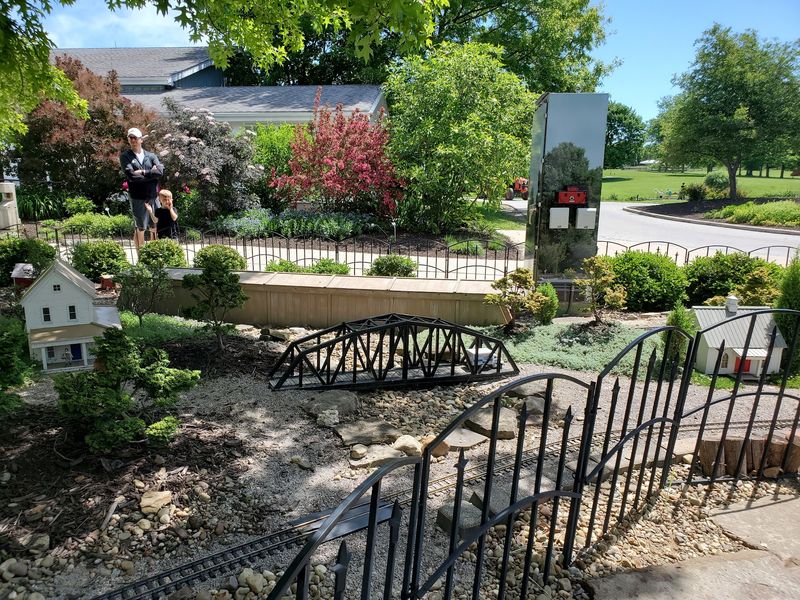
Then there is a sweet surprise for younger visitors: tiny train tracks and a little village. Guests describe this miniature setup as a fun spot to pause and point out details.
Small children especially enjoy spotting the trains making their rounds.
Together, these exhibits balance the animal-heavy side of the park. They show that farming is also about clever inventions and hard-won know-how.
For a machinery-obsessed kid, this may be the part of the day remembered longest.
Room to Run: Playgrounds and a Splash Pad
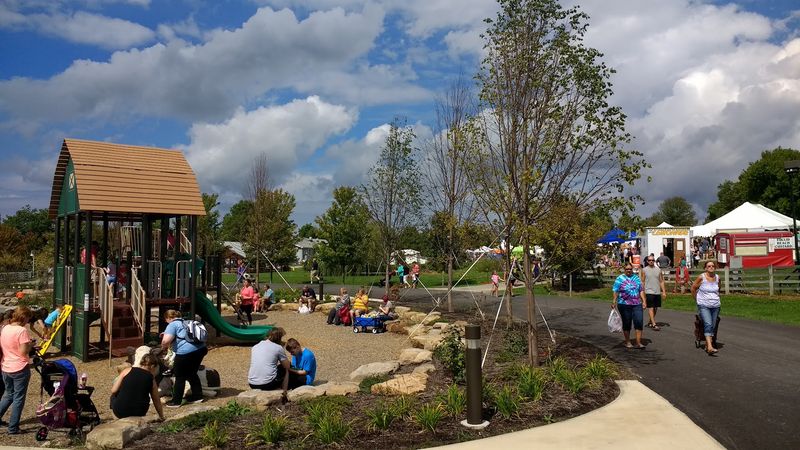
Sometimes a kid just needs to climb something. The Farmpark gets that, with a playground and shaded play areas that give children space to burn off energy between barns and demonstrations.
Visitors have also spotted what looks like a small splash pad on the grounds. On a warm Ohio afternoon, a quick splash can reset a cranky toddler’s mood faster than any snack.
Pack a towel and a spare set of clothes just in case.
Open space is another perk. The grounds are wide, with room for kids to run without bumping into crowds.
Families mention that the layout feels relaxed, and it rarely feels cramped even on busier days.
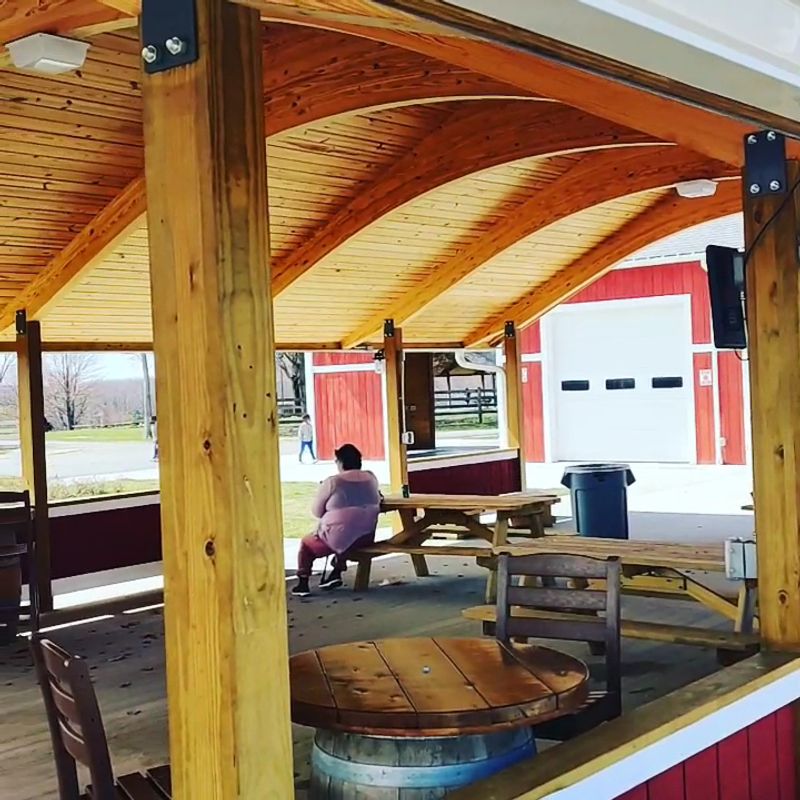
Picnic tables are spread throughout the park, making it easy to set up lunch wherever you happen to be. Many families bring their own food and turn the midday break into a mini picnic.
Timing deserves a thought. The main exhibits take about two hours, but playground time can stretch that a lot.
If your children love slides and swings, budget extra time so nobody feels rushed when it is time to head back to the car.
Ponies, Mini Carts, and a Tricky Corn Maze
Six dollars can buy a pretty big smile. That is roughly what families have paid for kids to ride a pony at the Farmpark, and it is often one of the first things young visitors beg to do.
Prices can change from season to season.
Pony rides are not offered every single day. On one visit when they were unavailable, guests instead found mini ponies pulling small carts in the indoor arena, and the children loved it just as much.
The indoor arena also means some animal action continues even when the weather turns.
Horses in training are another sight to catch. Watching handlers work with young horses gives kids a peek at the patience and skill that goes into raising a dependable farm animal.
Then comes the corn maze, usually part of the fall season. Do not assume it is easy.
Families have admitted it managed to get them thoroughly lost, which for most kids is exactly the point.
A maze outing pairs nicely with autumn weather in northeast Ohio, when the air turns crisp and the leaves change. Check whether the maze is open before promising it, since seasonal attractions come and go with the calendar.
A Year of Festivals, Lights, and Quilts
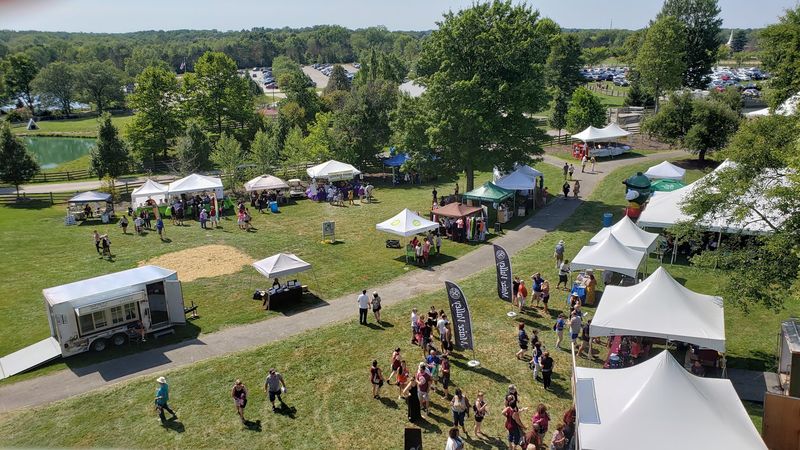
In June, Dairy Days shows how milk becomes cheese and ice cream. That is just one stop on a busy calendar that gives families reasons to return in every season.
Special events often add activities you will not find on a regular day.
Spring brings the annual quilt show, a favorite for crafters who come back year after year. Visitors describe the facility as clean and well organized for the event.
Larger gatherings, like the Village Peddler Festival, have also filled the grounds with vendors and shoppers.
Fall leans into Halloween. The park has hosted a daytime Halloween setup that makes walking the grounds even more fun, plus an evening Halloween drive-through event.
Kids who love costumes and pumpkins will find plenty to enjoy.
Winter, often a slow season for farm stops, gets a glow-up with a drive-through Christmas light display. One recent visitor paid $27 per carload and spent about 30 minutes driving the route.
A radio station plays music timed to each section, so you can tune in from the car.
Event dates, prices, and details can change year to year. Check the park calendar before planning a trip around any single festival, especially the popular holiday events.
Calm Enough for Every Kind of Kid
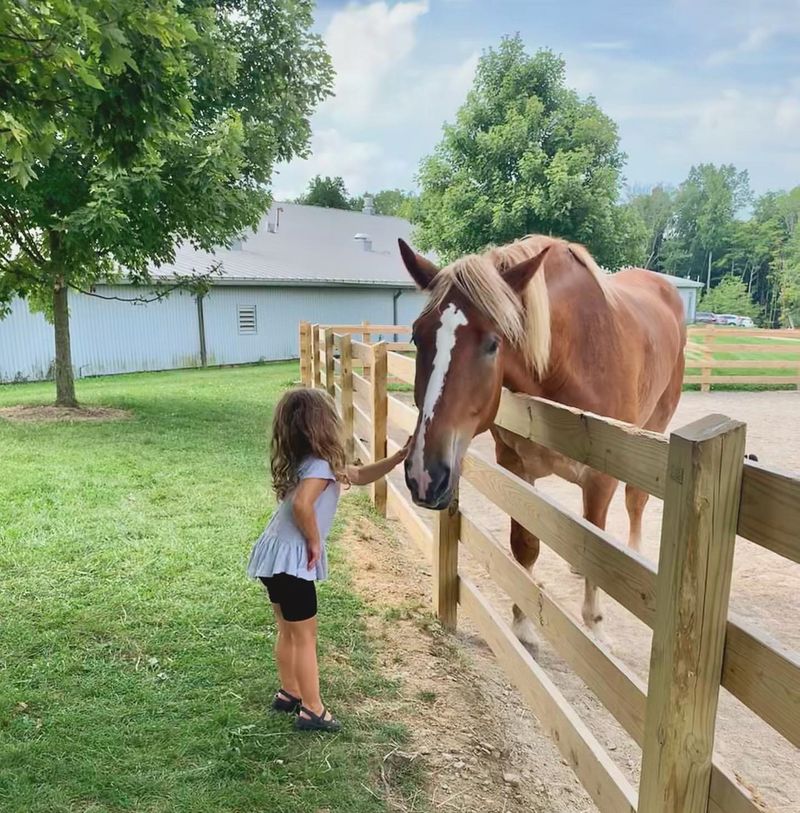
Crowded attractions can overwhelm some children fast. What sets the Farmpark apart is how open and quiet it feels, even on busier days.
The wide paths and tidy barns create a calm atmosphere that many families find easy to handle.
That calm has made it a good fit for neurodiverse kids. One caregiver who visited with a nonverbal teen on the autism spectrum described staff who made a real effort to include every child, verbal or not.
A camp for kids on the spectrum has even used the park for outings.
Toddlers do well here, too. A child under three can enjoy the animals until nap time calls, and the relaxed pace means it is fine to skip a demonstration or two.
Nobody feels pressure to see everything.
Is it only for little ones? Not at all.
Kids 12 and under may get the most out of it, but teens, parents, and grandparents enjoy the hands-on moments as well. Plenty of adults who visited as children come back and find it just as fun.
Friendly volunteers and knowledgeable staff tie it all together. They offer tips, share animal facts, and help each visitor feel welcome from the gate to the barns.
Hours, Admission, and Free Resident Days
Mondays are the one day to avoid. The Farmpark is closed that day and open Tuesday through Sunday from 9 a.m. to 5 p.m.
Hours can shift seasonally or for special events, so confirm before you pack the car.
Daily admission applies to most visitors. One caregiver reported paying about $10 or less per person, which many families consider a solid value for a full morning or afternoon of activities.
Exact prices can change, and extras like pony rides may cost a few dollars more.
Lake County residents have a nice perk. Admission is free on the first Sunday and third Tuesday of each month with proof of residency.
Locals who have used those days say it makes regular visits easy to fit into the budget.
Advance tickets are generally not required for daily admission, which makes spontaneous trips simple. Special events, like the holiday light drive-through, may have their own pricing.
Frequent visitors often go for an annual pass or a family pass. Grandparents who bring the grandkids several times a year have found that option especially handy.
If you expect to return in different seasons, the pass can pay for itself quickly.
Parking, Lunch Plans, and a Final Word
Pulling into the lot, you will notice it is a manageable size, smaller than big-city zoo lots but easy to navigate. Bus parking is available, which hints at how popular the park is with school groups.
On sunny Ohio summer weekends, arriving near opening time can make parking smoother.
Food takes a little planning. A cafe and some food vendors are listed as options, but at least one visitor noted that only snacks were available at the gift shop, and the park has suggested bringing lunch.
Packing sandwiches and plain snacks for picky eaters is the safest bet, and the picnic tables make eating outdoors easy.
Restrooms are clean and accessible. One caregiver noted changing tables in the men’s restroom, though a family-style bathroom was not spotted, a small but useful detail for parents.
So, is the trip east from Cleveland, or the longer drive from Akron, a smart choice? For families wanting animals, fresh air, and hands-on learning in one stop, the answer leans strongly yes.
Watching a child milk a cow for the first time, then ride behind massive draft horses, turns an ordinary Saturday into a story the whole family keeps retelling.