
This Old-School Restaurant In New York Serves Up The Best Pizza You’ll Ever Taste
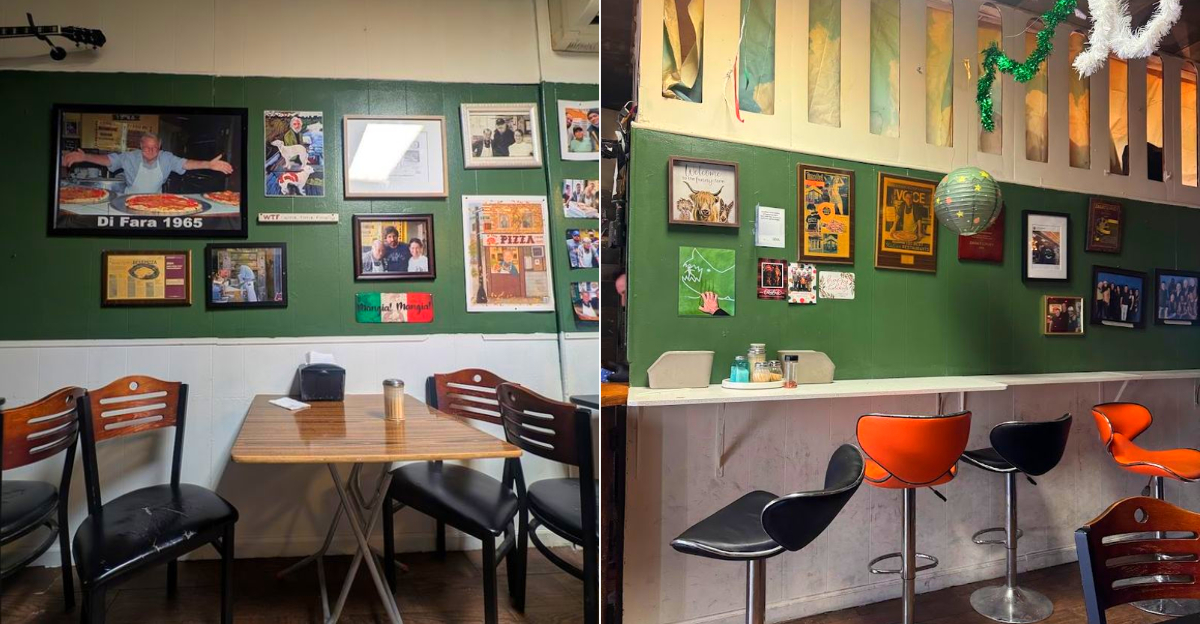
You know that pizza that makes you pause mid-bite and just stare at it like… wow? That’s what’s happening here. This old-school New York restaurant keeps things simple and does them properly.
The crust has that perfect crisp. The cheese stretches just enough to make it dramatic. The sauce tastes like it actually had time to think about its life.
It’s loud in the best way. Plates clinking. People arguing over the last slice.
Zero pretence. Just proper pizza done right.
And somehow, in a city famous for slices on every corner, New York still has a spot that makes you rethink what “best pizza” really means.
Order a whole pie. Trust me.
Why Old-School Still Matters Here
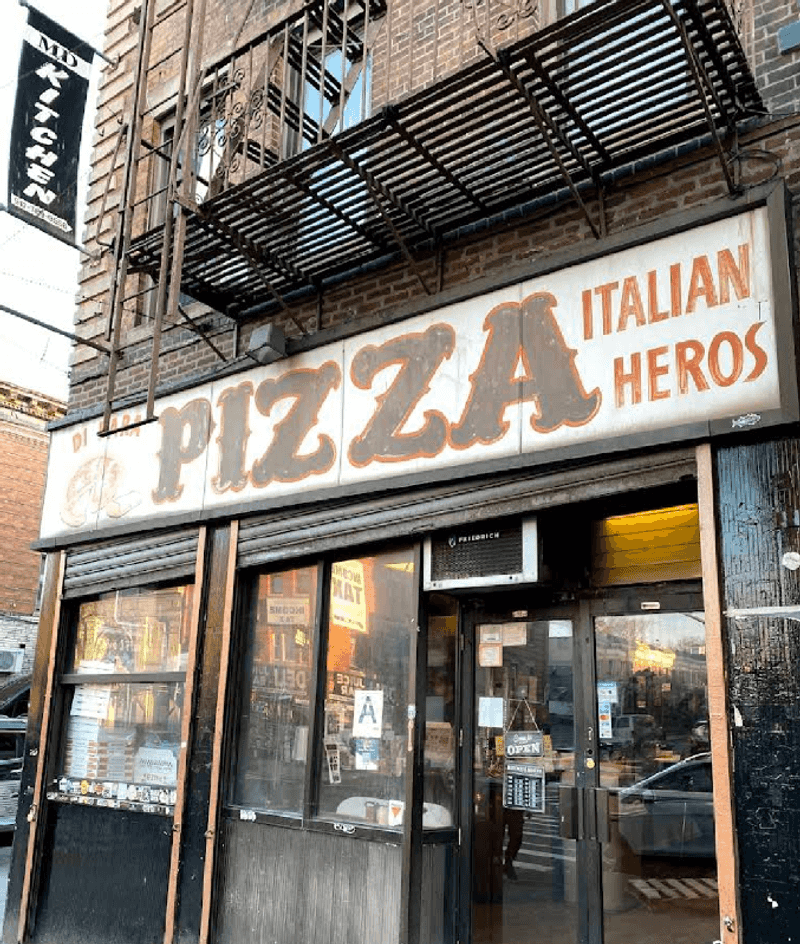
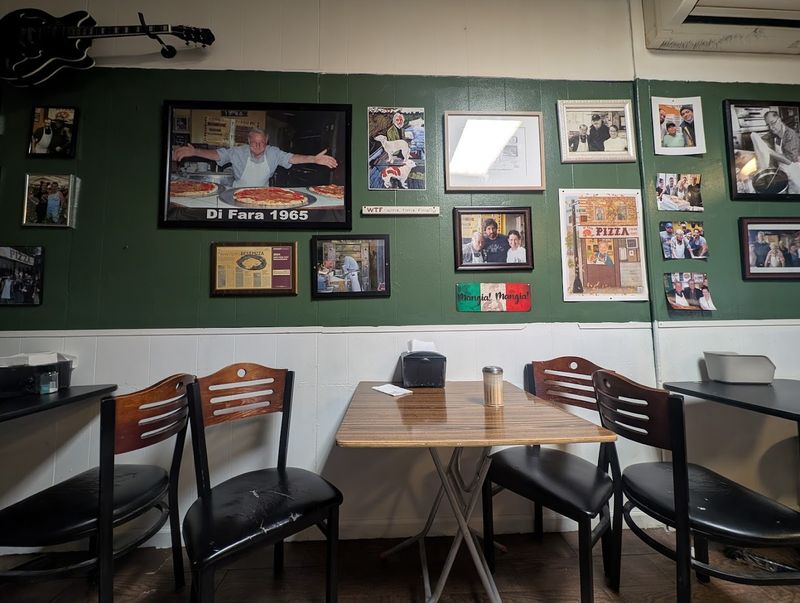
History lives in the details, and this small Italian spot has been practicing those details since 1965. The ethos predates branding trends and social-media theatrics, favoring repetition that refines rather than dulls. You watch the process and recognize discipline more than nostalgia.
Old-school means patience earned, not aesthetic borrowed.
Step inside and you will notice how little is wasted, from movement to ingredients to conversation. Techniques gained over decades become second nature, preserving standards that do not bend to convenience. This is the opposite of hurried abundance.
There is comfort in knowing the slice you loved ten years ago will greet you with the same balance today. Olive oil is drizzled with intention, basil cut at the last moment, and slices reheated just enough to reawaken structure. Nothing screams, everything aligns.
That constancy keeps Di Fara relevant without chasing relevance.
The Slice That Quietly Redefines Expectation
Taste memory forms quickly when balance is right, and this slice organizes flavors with uncommon clarity. The crust sets the agenda, thin yet confident, carrying weight without collapsing. Sauce lands lightly, bright and clean, as if edited by a careful hand.
Cheese follows, assertive enough to satisfy, restrained enough to leave room for everything else.
Somewhere around the second bite you notice the basil’s perfume bloom. Olive oil adds depth rather than gloss, threading richness through the crumb. Each component respects the next, refusing to crowd the palate.
Ask for the corner of a square if texture draws you in, or hold to the classic if you prefer a measured fold. Either path delivers a lesson in proportion. Nothing leans sweet, salty, or smoky for show; it simply resolves.
That restraint becomes its most persuasive argument.
What Place Are We Talking About Here?
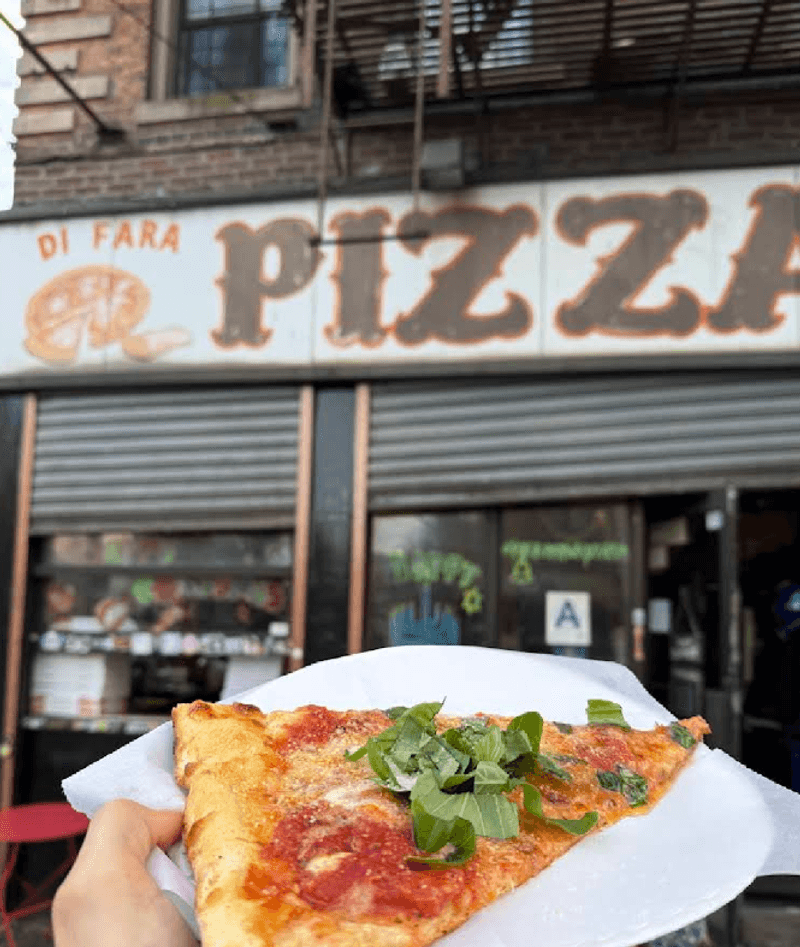
Some places whisper their significance through quiet consistency, and Di Fara Pizza does exactly that. Tucked into Midwood with a modest storefront, it invites curiosity before it satisfies hunger. You hear the rhythm of the room long before you taste anything, a cadence of orders called, pies turned, and basil trimmed with clipped precision.
Then the first slice arrives, and the city’s noise seems to pause.
The shop’s proportions are small, the ambitions anything but, and that tension creates its own charm. Heat, timing, and restraint steer every decision behind the counter, producing slices that feel studied without becoming stiff. You leave thinking about structure, not spectacle.
Friends will nudge you toward a regular slice first, though the square earns its admirers too. Expect a crackle at the edge, a measured sauce, and a cheese blend that knows when to yield. Fresh basil is not garnish here, it is punctuation.
Walk out with a satisfied quiet, already planning the next return.
Technique Over Speed, Every Single Time
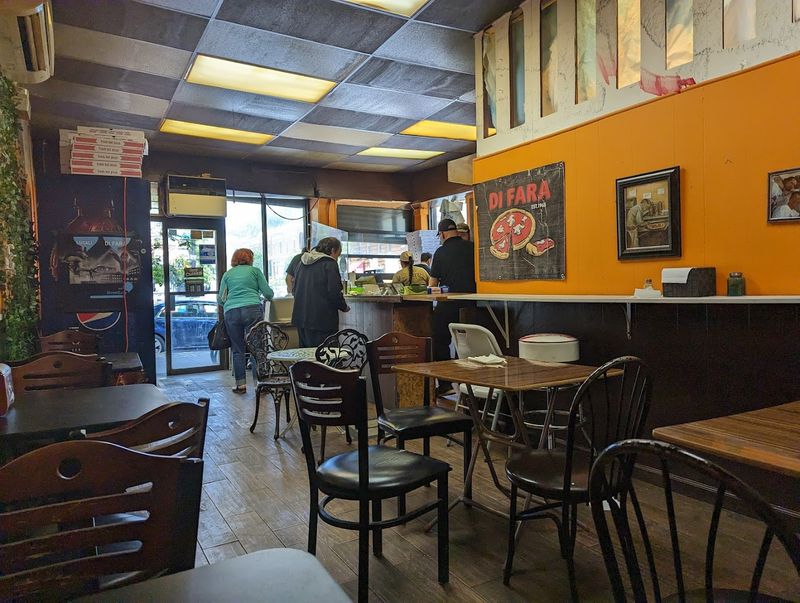
Craft loves a deliberate tempo, and Di Fara never rushes the small moments that shape a pie. You notice the measured stretch, the careful sauce ladle, the pause before cheese lands. Then there is the oven choreography, a quiet ballet of turning and positioning.
It is efficiency born from repetition, not haste.
Heat management dictates rhythm, and rhythm defines texture. Edges brown where they should, the underside carries gentle mottling, and the center stays disciplined. The timer is taste, not a buzzer.
No one pretends this is fast food, and thank goodness for that. You get pizza that feels considered, the opposite of assembly-line sameness. Even reheats receive attention, coaxing life back into the slice without drying.
The result is time you can actually taste.
A Room Built Around The Oven
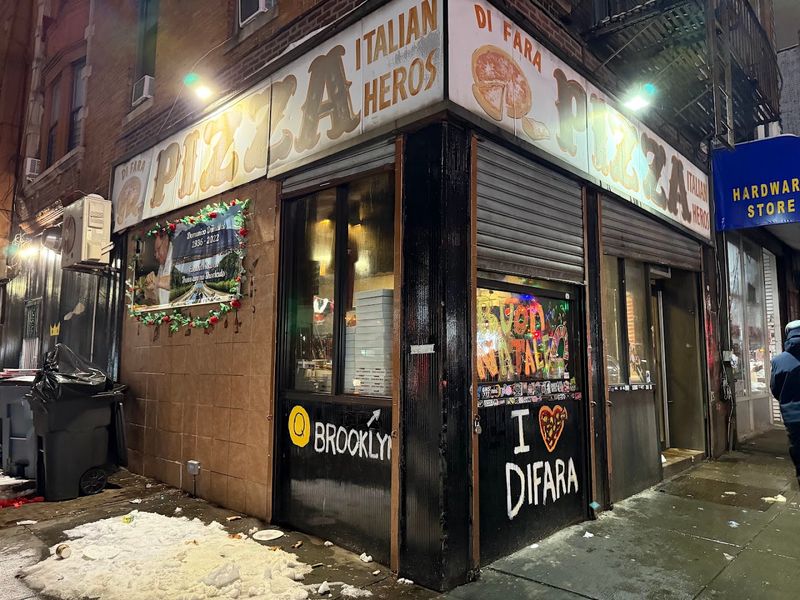
Design shows its hand through purpose, and everything here points toward the oven. Seating remains modest, counters carry the history of countless afternoons, and the line folds neatly against the wall. You stand close enough to hear basil hit the blade.
The space feels honest rather than curated.
Inside, there is no chase for ambience beyond what the work naturally generates. Staff move with practiced brevity, trading flour-dusted signals that keep orders flowing. The spectacle is simply the making.
That proximity builds trust because you witness the choices that shape your slice. Corners of the room carry warmth from the oven’s constant exhale. Even the paper plates feel right, pragmatic and unpretentious.
You eat, you watch, you learn what matters.
Ingredients That Speak In Full Sentences
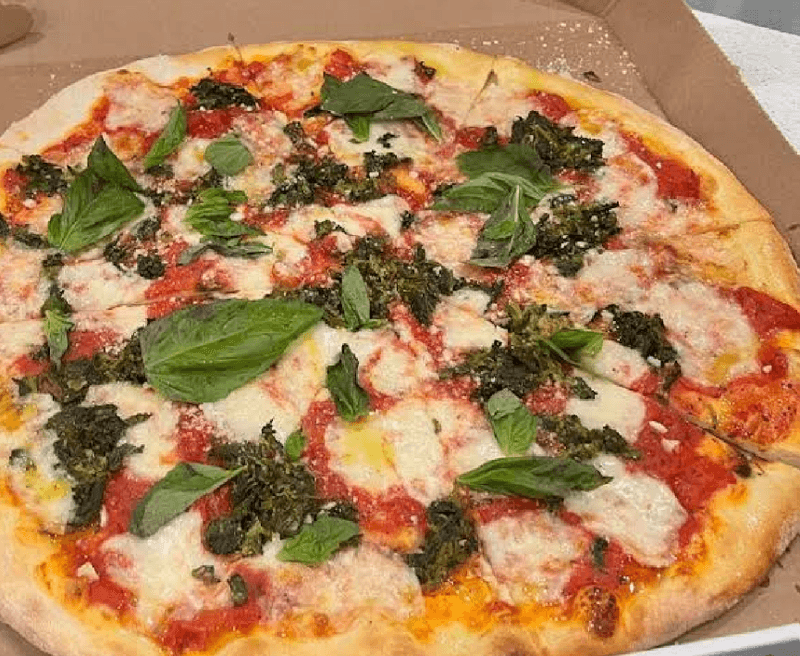
Quality here is not a flourish, it is the baseline. Olive oil arrives fragrant and peppery, cheeses harmonize rather than compete, and tomatoes taste bright without leaning sugary. Basil is cut fresh to release its best self at the last second.
The whole composition is a study in economy.
Ingredients do not shout; they converse, and the crust provides the stage. You taste distinctions with clarity because nothing is overloaded or hurried. The result lingers without weighing you down.
Ask for a plain slice to hear the ingredients clearly, then add pepperoni or artichoke on another pass if you are curious. Even then, the balance remains intact, anchored by the dough’s quiet strength. Olive oil finishes like a final brushstroke.
It is restraint that reads as confidence.
Why People Cross Boroughs For Certainty
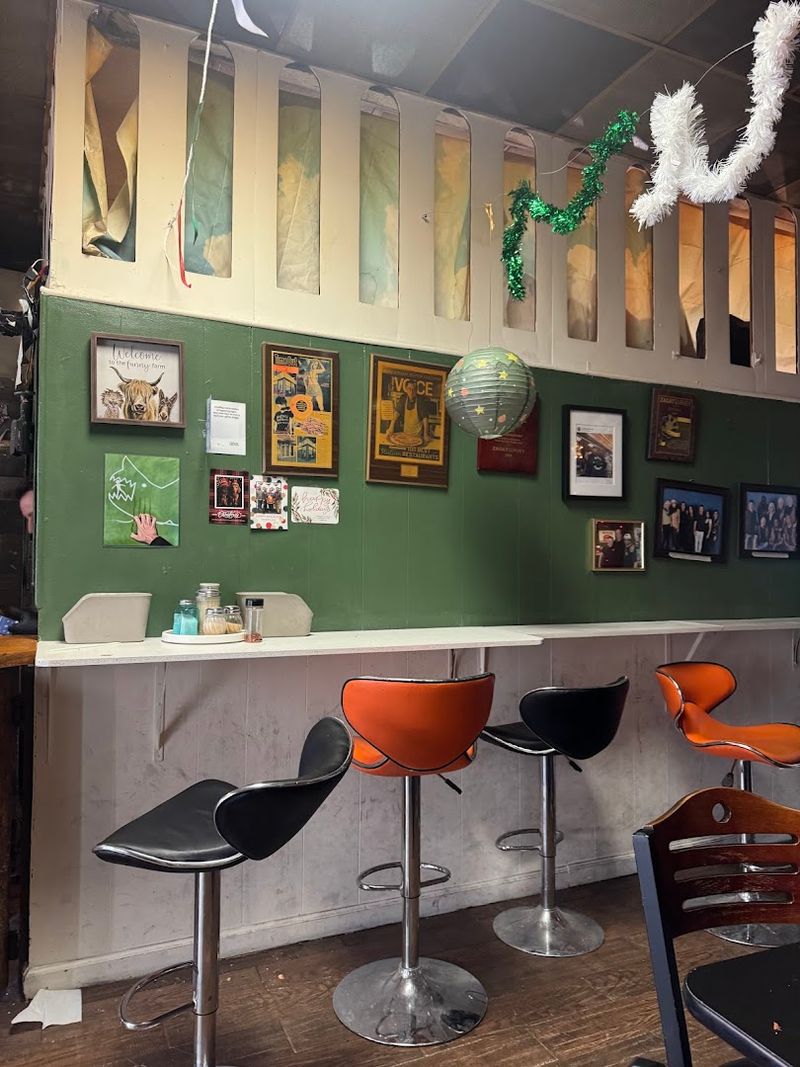
Reliability has its own magnetism, and Di Fara has cultivated it one slice at a time. The promise is simple: you will get a pie that tastes like intention. Week after week, the formula holds, and the regulars keep the secret barely secret.
Travelers turn the wait into a small ceremony.
You are not here for surprise; you are here for assurance. The first bite confirms what the line predicted, and the second seals it. The journey home always includes a mental note to return.
New Yorkers have options on every corner, yet the pilgrimage repeats because trust is hard to manufacture. This trust comes from decades of consistent choices, not slogans. Price, time, and distance fade when flavor meets memory.
Certainty tastes remarkably good.
The Experience Between Ordering And First Bite
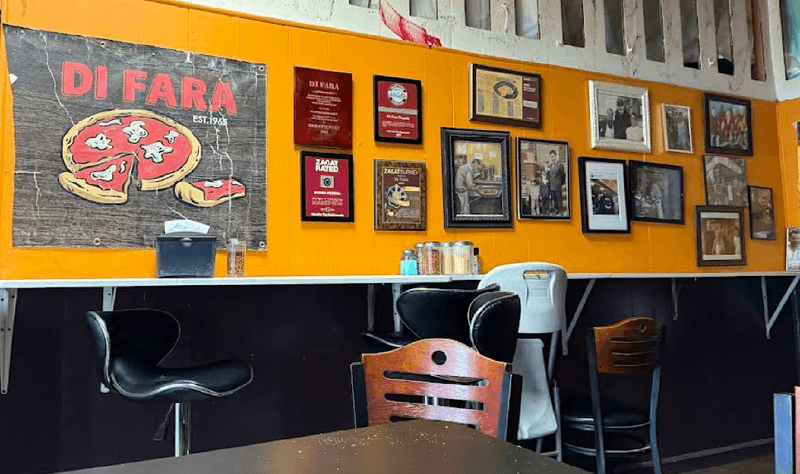
Waiting does strange, pleasant things to appetite when the goal is clear. Conversations spark between strangers about preferred corners, optimal toppings, and old visits. Someone mentions a square slice from last summer and the group nods knowingly.
Anticipation becomes a small community project.
You balance a paper plate, search for a windowsill, and practice a careful first fold. Steam carries basil and olive oil to your nose before the cheese settles. Time spent feels converted into flavor.
No one lingers out of indecision; they linger because the moment tastes better unhurried. You focus on texture, then on the clean finish that invites another bite. The rhythm becomes familiar quickly.
It is a ritual that rewards attention.
Why The Superlatives End Up Earning Their Keep
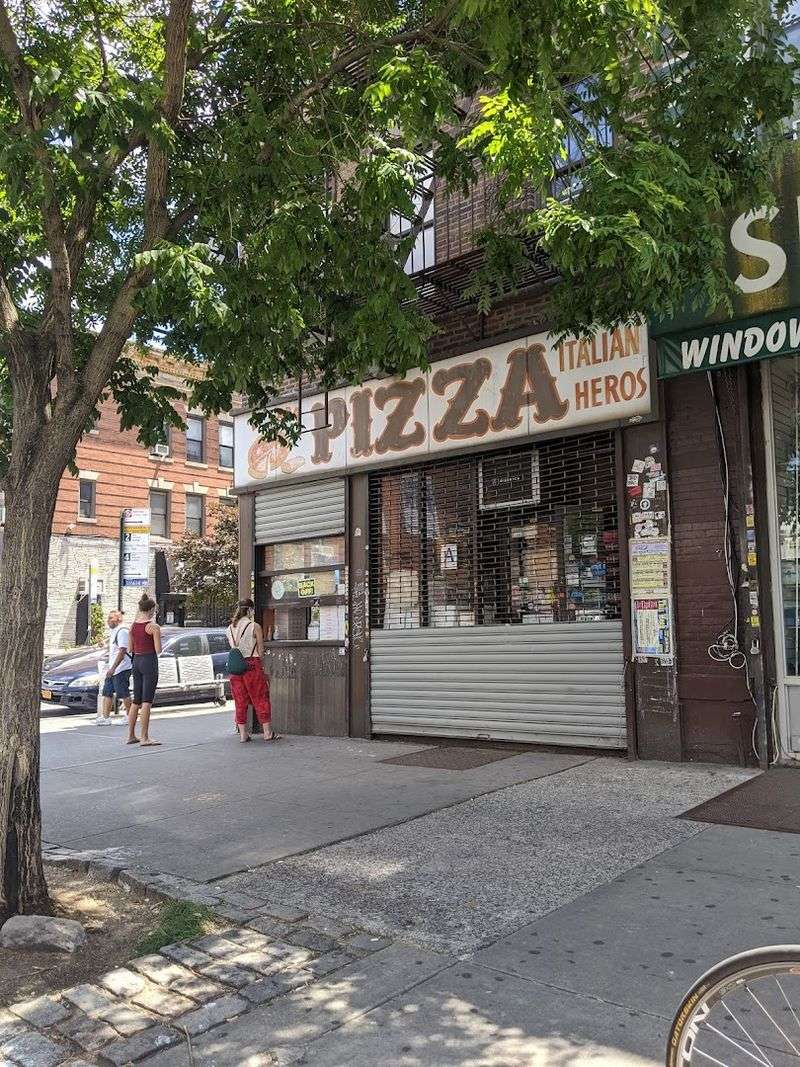
Bold claims usually wilt under scrutiny, yet Di Fara keeps meeting the mark through precision. The flavors do not crowd or jostle; they form a clean chord that rings true. You finish a slice and recall the structure more than any single flourish.
That is how reputations hold.
The room stays unadorned, the menu trimmed to essentials, and the work speaks plainly. When a place becomes your benchmark, it is because it solves a craving without theatrics. This one does exactly that.
Say the words best pizza carefully, then take a bite and let the slice close the argument. Balance, heat, and patience land together, leaving nothing harsh in the aftertaste. The memory lingers in a measured way.
Superlatives feel earned, not borrowed.
A Standard-Setter That Keeps Setting Standards
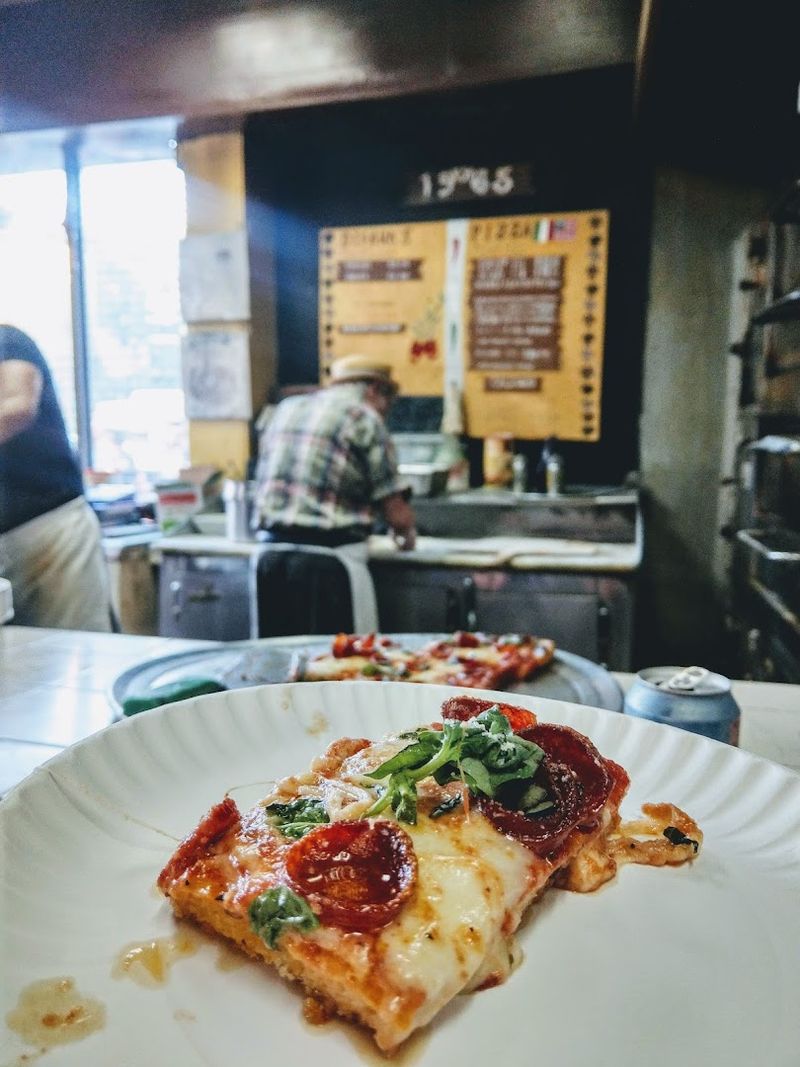
Longevity means little without evolution, and Di Fara refines within tradition rather than spinning away from it. Methods sharpen, ingredients stay exemplary, and the oven remains the axis. You see continuity in the gestures, from dough stretch to basil snip.
The result is progress that never feels trendy.
That rhythm values restraint and clarity, two virtues that age well. Regulars will tell you their orders barely change because the slice meets memory so reliably. It is a rare comfort in a restless city.
When conversations about New York pizza turn into lists, this shop anchors the top with calm authority. The standard does not shout; it calibrates expectations quietly. You leave feeling well-fed and oddly focused.
That is the mark of a place that knows exactly what it is.
The Counter Where Time Teaches You How To Wait
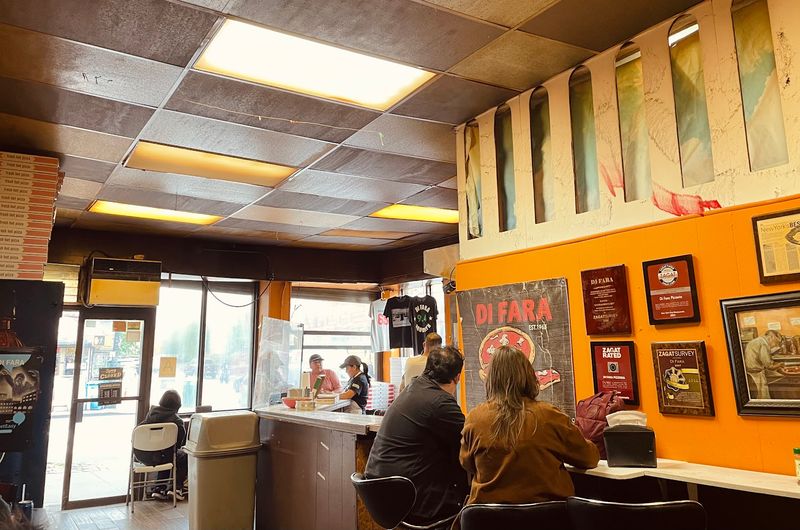
The counter does more than separate cooks from customers. It becomes a slow seminar in patience, where every glance at the bench tells you good pizza is a measured promise. You are not stalled, you are initiated, watching dough rest, oil bloom, and basil wait its turn.
Time gathers at this edge the way heat gathers near the oven mouth. The staff moves like a metronome, deliberate without drag, and your appetite learns their rhythm. You pick up small truths with each quiet minute, then taste them, transformed, the second your slice finally lands.
How Heat, Hands, And Restraint Finish The Story
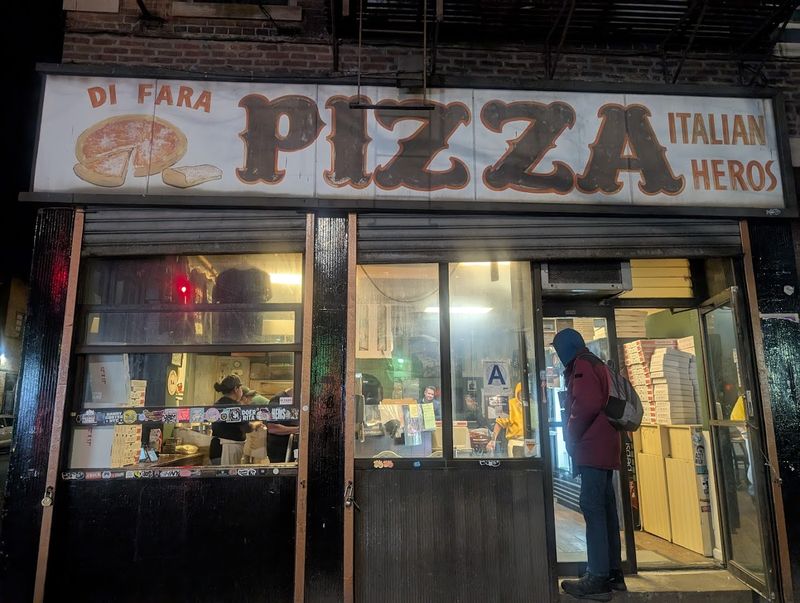
There is a final sequence that never rushes. Heat licks the underside until the crust speaks in crackles, then hands guide the peel like punctuation. Restraint shows up at the end, a drizzle of oil, a scatter of basil, and the wisdom to stop before the pie gets crowded.
You watch it happen and feel a kind of editorial clarity. Nothing shouts, everything says exactly enough, and the oven closes like a period. When you take that first bite, the finish reads clean and true, proof that discipline can taste like joy and not austerity.