
This Once-Peaceful Tennessee Lake Town Is Now A Favorite Playground For Visitors
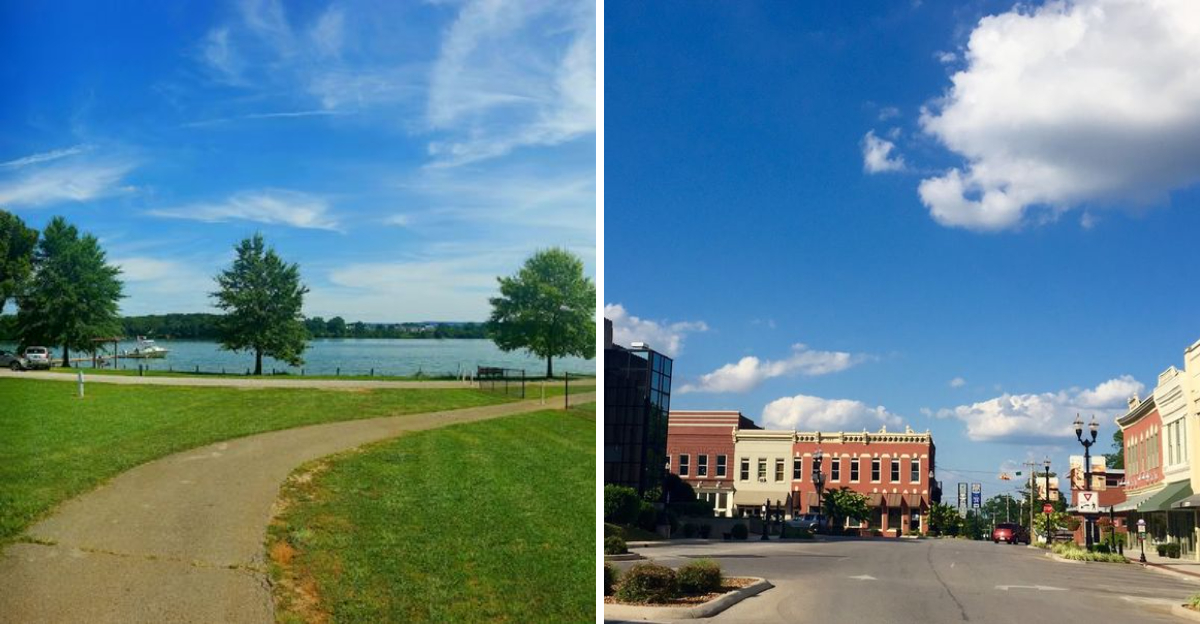
A quiet lake town can only stay quiet for so long once the water starts calling.
That is exactly what happened at this Tennessee favorite, where calm mornings, boat ramps, fishing spots, and easy shoreline fun have turned a peaceful place into a visitor magnet.
The appeal is not hard to understand. The lake gives people room to swim, paddle, cruise, fish, and spend long afternoons doing very little on purpose.
Add small-town streets, casual places to eat, and pretty views around almost every bend, and suddenly one simple getaway becomes a yearly tradition.
Locals may remember slower days, but travelers now see a place built for summer weekends and lake-life memories.
Among Tennessee’s scenic water escapes, this one keeps pulling people back again and again.
How Tims Ford Lake Turned This Quiet Town Into A Visitor Favorite
Before the water arrived, this part of Franklin County was farmland. Fertile, quiet, and largely overlooked by the outside world.
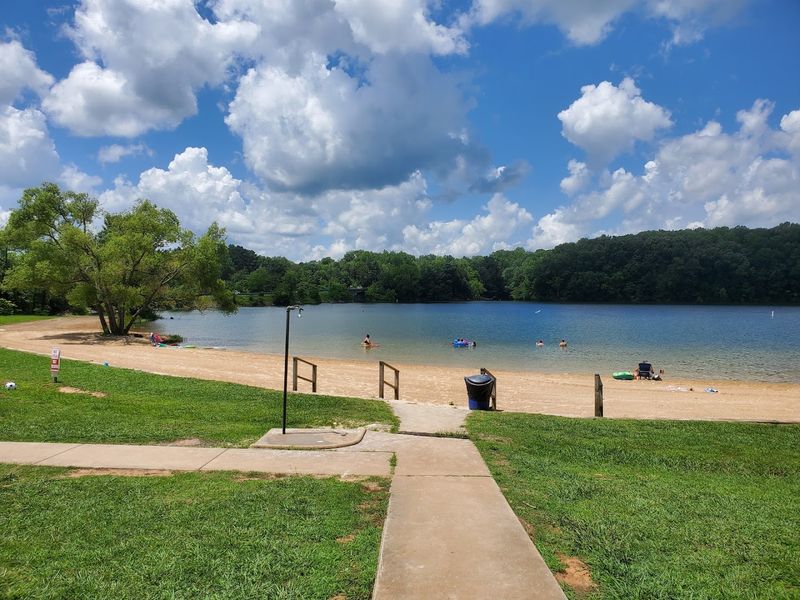
Then the Tennessee Valley Authority built Tims Ford Dam between 1966 and 1970, and the Elk River slowly filled into what is now a 10,700-acre reservoir with roughly 250 miles of shoreline.
The lake’s water runs remarkably clear and deep, a quality that sets it apart from many other Tennessee reservoirs.
That clarity draws swimmers, snorkelers, and photographers who want something more than murky brown water on a hot afternoon.
Boaters appreciate the spaciousness, while kayakers favor the quieter coves tucked along the wooded banks.
This town sits just minutes from the lake’s edge, making it the natural base camp for anyone spending time on or near the water.
The town’s position along Highway 41A places visitors within easy reach of multiple boat launches and marinas.
What was once a practical flood control and hydroelectric project has quietly become the defining feature of this entire region, reshaping the local economy and drawing a steady flow of visitors year after year.
Tims Ford State Park Offers More Than Just Scenery
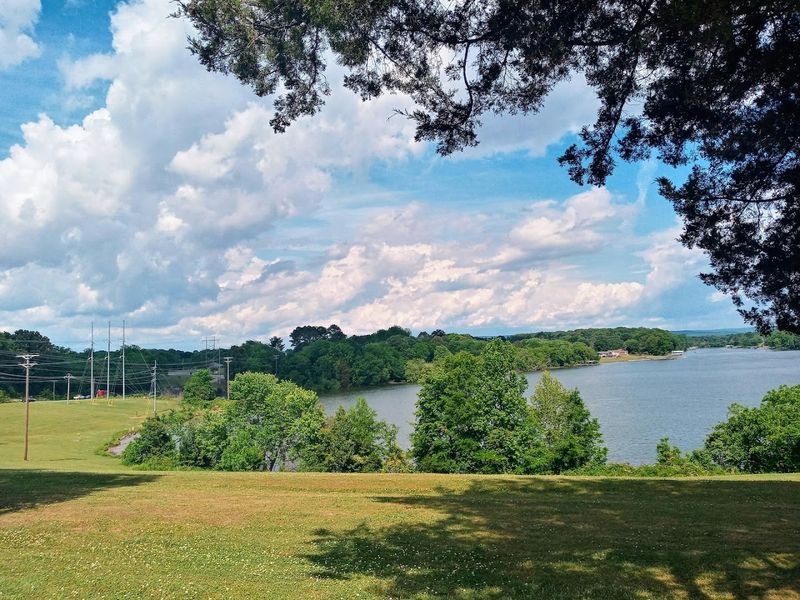
A state park that covers 3,546 acres has room for more than a picnic table and a parking lot.
Tims Ford State Park wraps around the lake’s shoreline and delivers a full roster of outdoor activities that can fill an entire weekend without repeating a single experience.
Hiking and biking trails wind through dense forest, offering both paved paths for casual riders and dirt trails for those who prefer a bit of challenge.
Birders find the park particularly rewarding during spring and fall migrations, when the tree canopy fills with warblers and other songbirds passing through south-central Tennessee.
Camping options range from standard tent sites to fully equipped cabins that look out over the water.
Families with children appreciate the structured amenities, while solo travelers often prefer the more remote corners of the park where foot traffic thins out considerably.
The park also connects to the Bear Trace at Tims Ford, an 18-hole golf course designed by Jack Nicklaus that has become a destination in its own right.
For a state park, it punches well above its weight in variety and overall quality of experience.
Bear Trace Golf Course Draws Players From Across The Region
Jack Nicklaus designed golf courses do not show up in small Tennessee towns very often.
The Bear Trace at Tims Ford is one of nine courses in the Bear Trace system across the state, but its setting along the lake gives it a visual character that players consistently mention long after the round is finished.
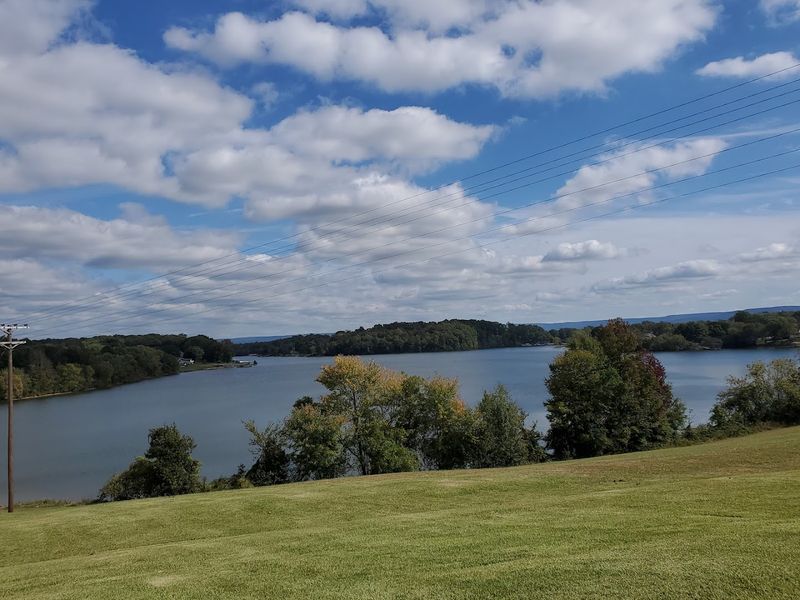
The 18-hole layout moves through rolling terrain, with several holes offering direct views of Tims Ford Lake. Water comes into play on multiple holes, demanding both accuracy and patience from golfers of all skill levels.
The course is public, which means visitors do not need a club membership or a local connection to get a tee time.
The clubhouse provides a comfortable place to review the round, and the pro shop carries equipment and apparel for anyone who forgot something at home.
Serious golfers often plan their Winchester trip specifically around a morning round here, pairing it with an afternoon on the lake to make the most of a single day.
The course sits within Tims Ford State Park, so the surrounding landscape stays forested and undeveloped, preserving the sense of playing inside genuine Tennessee wilderness.
Fishing On Tims Ford Lake Is Genuinely World-Class
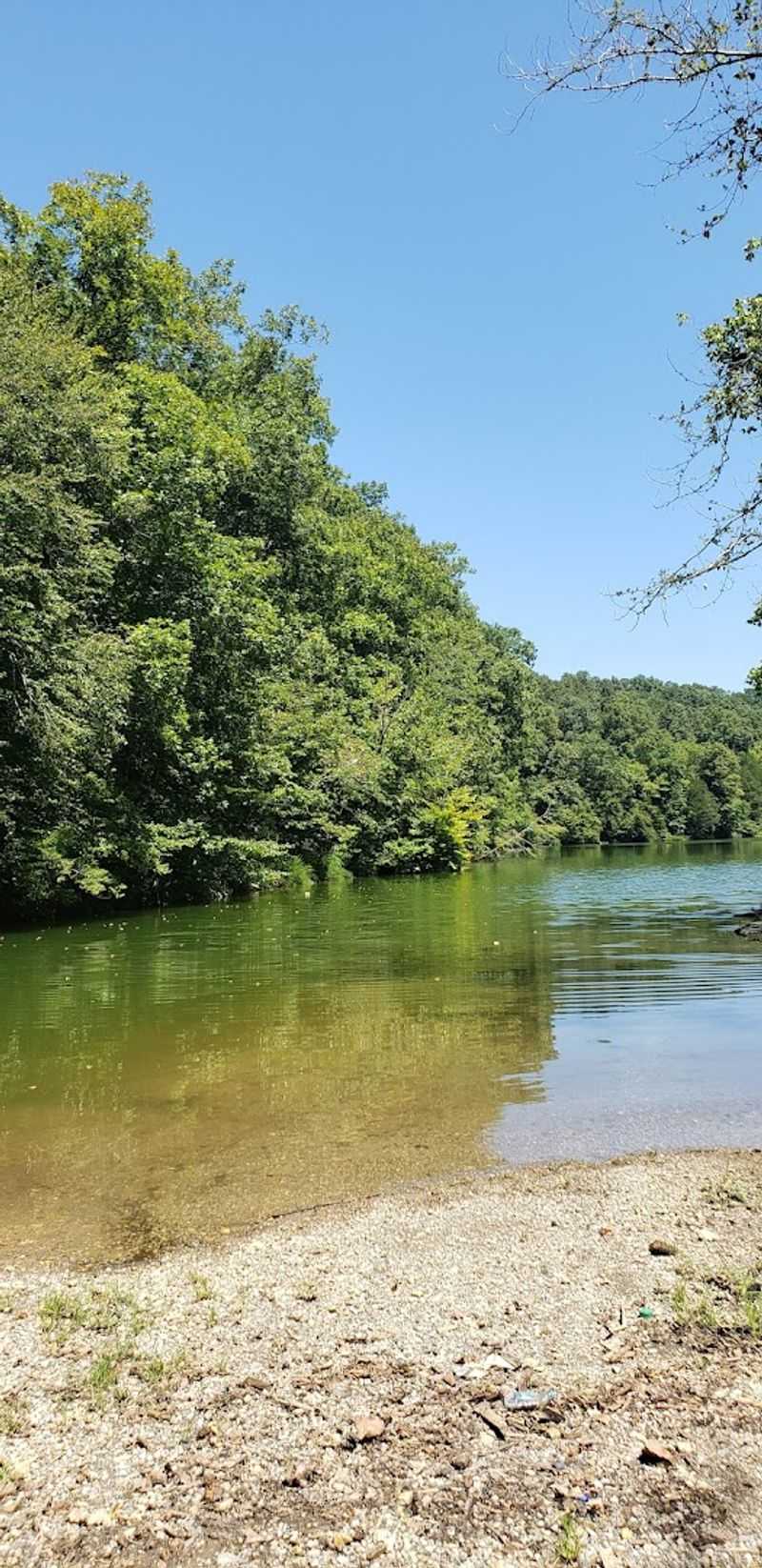
Serious bass fishermen have known about Tims Ford Lake for decades.
The reservoir has built a reputation as one of the premier bass fishing destinations in the entire Southeast, producing trophy-sized largemouth and smallmouth that keep tournament circuits coming back season after season.
The lake’s deep, clear water supports a healthy aquatic ecosystem, and the rocky points and submerged structure give bass plenty of places to hold and feed.
Local guides operate year-round, offering half-day and full-day trips for visitors who want to learn the water rather than spend three hours finding the right cove on their own.
Fishing does not stop at the lake’s surface. The tailwaters below Tims Ford Dam produce excellent trout fishing, with brown and rainbow trout thriving in the cold, oxygen-rich water that flows through the dam’s turbines.
Catfish anglers also work the tailwaters with consistent success.
Winchester, Tennessee at 35.1859 latitude sits in a climate zone that keeps water temperatures fishable for most of the calendar year, extending the productive season well beyond what northern destinations can offer.
Annual fishing tournaments bring competitive anglers and their support crews into town, filling local hotels and restaurants for days at a stretch.
Downtown Winchester Holds Onto Its Historic Identity
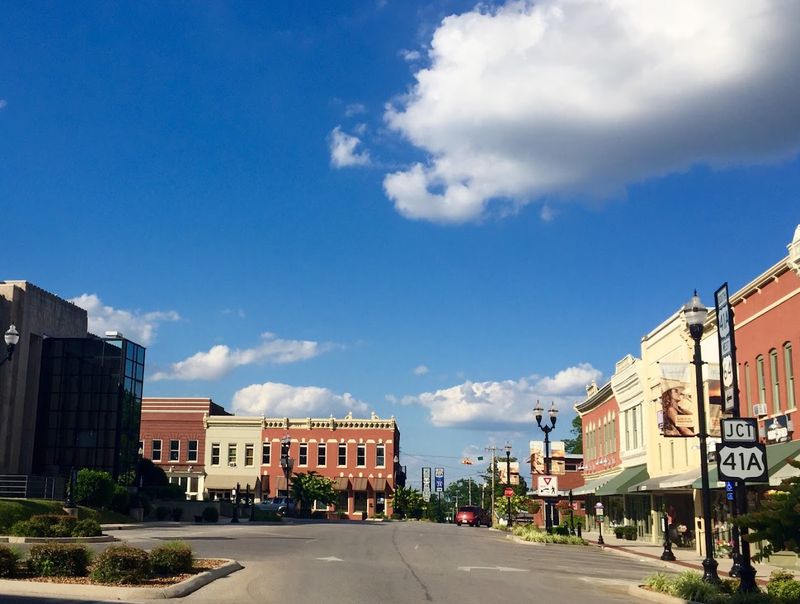
Not every town that gains tourist attention manages to keep its original character intact. Winchester has done a reasonable job of holding the line.
The downtown core still reads like a working county seat rather than a manufactured tourist village, with buildings from the 1800s and early 1900s lining the central streets.
The Franklin County Courthouse anchors the square with its Art Deco design, a style choice that feels slightly unexpected for a rural Tennessee town and makes it genuinely worth a slow walk around the exterior.
The Old Jail Museum nearby offers a more detailed look at the county’s history, with exhibits that cover the region’s development from early settlement through the twentieth century.
Local shops and restaurants fill the surrounding blocks, offering a mix of practical services and visitor-oriented retail.
Community events draw residents and tourists together throughout the year, giving the downtown a lived-in energy that distinguishes it from destinations that exist solely for outside consumption.
Winchester, Tennessee has a population of around 9,375 people, and that modest size means visitors interact with actual locals rather than a hospitality workforce imported from elsewhere. That authenticity is increasingly rare and genuinely worth seeking out.
Lakeside Dining Has Become A Destination In Itself
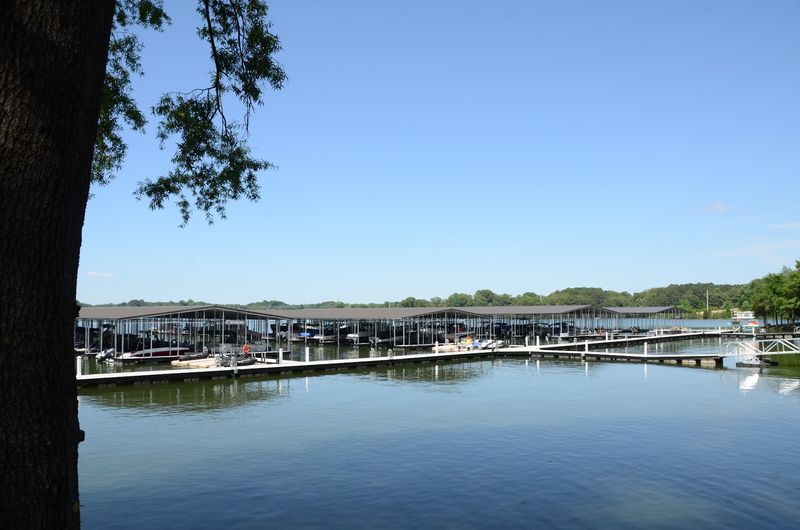
Eating lunch with a view of the water changes the experience considerably.
Winchester’s lakeside dining scene has grown alongside the tourism boom, and a few spots have earned genuine loyalty from both locals and repeat visitors who plan meals around the view as much as the menu.
Drafts and Watercrafts at Twin Creeks Marina serves food and drinks with direct sightlines over Tims Ford Lake.
The atmosphere leans casual, which suits the marina setting, and live music on certain evenings gives the place a social energy that extends well past the dinner hour.
Boats pull up to the dock while diners eat, creating a constant visual backdrop that keeps the experience from ever feeling static.
The Hard Dock Cafe at Tims Ford Marina offers a similar formula, pairing lake views with a menu that covers the standard comfort food bases with enough consistency to justify the return visits that regulars clearly make.
Neither spot tries to be a fine dining destination, and that honesty works in their favor.
The food is satisfying, the setting is genuinely lovely, and the overall experience feels appropriate for a town that built its new identity around water rather than pretension.
Water Sports And Marina Rentals Keep Visitors Moving
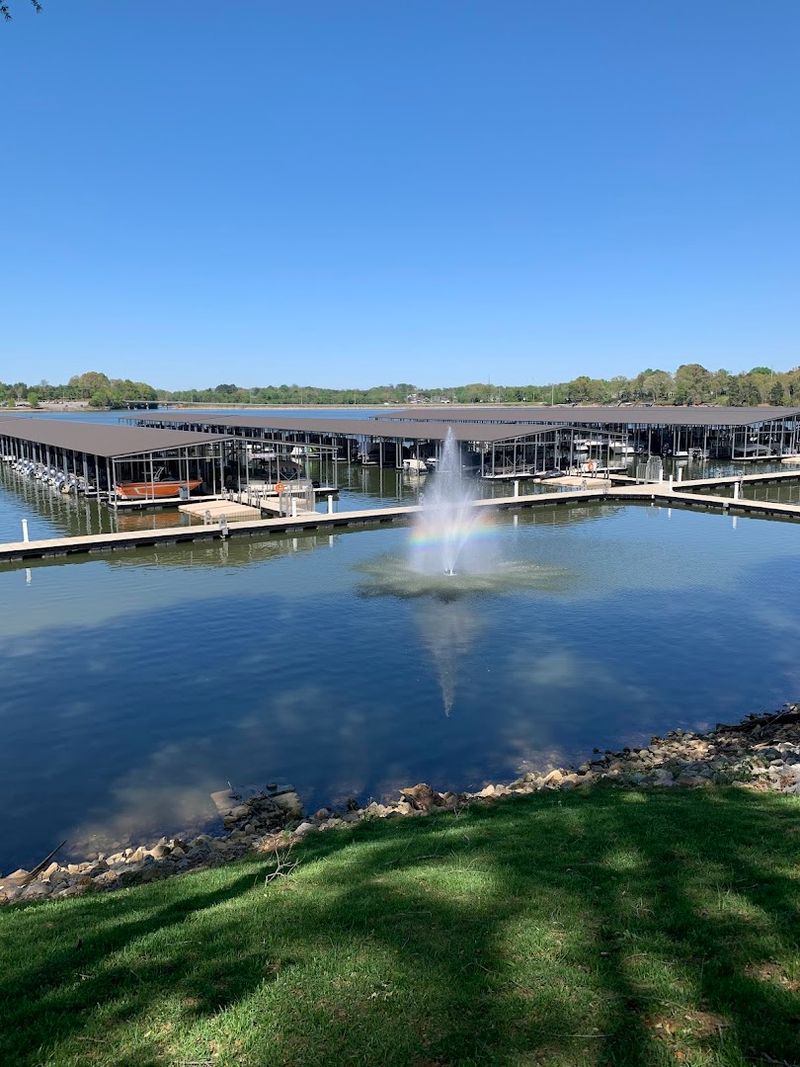
Arriving at a lake without a boat used to be a limiting factor.
The marina infrastructure around Tims Ford Lake has largely eliminated that problem, offering rental options that cover nearly every level of water enthusiasm from the mildly curious to the seriously committed.
Twin Creeks Marina and Tims Ford Marina both operate rental fleets that include pontoon boats, kayaks, stand-up paddleboards, and jet skis. Pontoon rentals suit families and groups who want to cruise the shoreline and anchor in a quiet cove for a few hours.
Jet skis attract younger visitors and those looking for something with a bit more speed and noise involved.
Kayaking the quieter inlets gives paddlers access to sections of the lake that motorized traffic avoids, and the clear water makes it easy to see the bottom in shallow areas.
Both marinas also provide boat slips for visitors who bring their own watercraft, along with fuel, supplies, and basic mechanical assistance when things go sideways on the water.
The combination of rental availability and marina services means that a spontaneous trip to Winchester, Tennessee can turn into a full day on the lake without any advance planning beyond showing up with sunscreen.
Winchester City Park Rounds Out The Recreation Picture
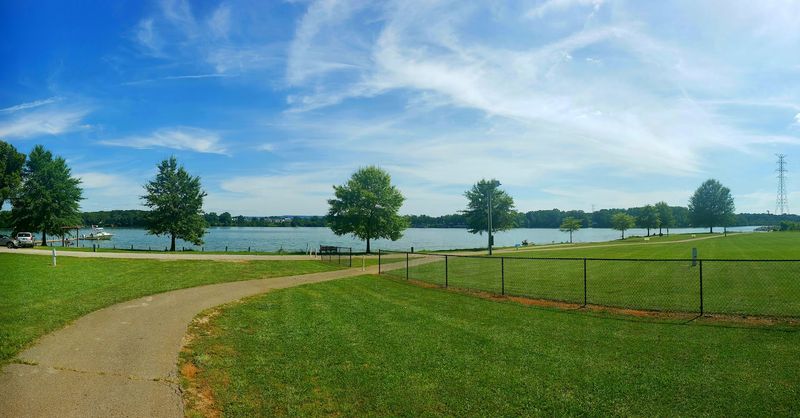
Not every visitor to Winchester spends the entire stay on the lake.
The city park provides a different kind of recreational space, one that serves both residents and tourists with a range of facilities that go well beyond a standard municipal green space.
The park’s indoor and outdoor swimplex is a particular draw during the warmer months, offering a controlled swimming environment for families with young children who may not be ready for open-water lake swimming.
The pool complex draws steady crowds from late spring through early fall, and its presence inside a city park keeps admission costs accessible for visitors on a modest travel budget.
Walking trails wind through the park’s grounds, providing a low-key option for morning exercise or an evening stroll.
Various sports courts handle basketball, tennis, and other activities for visitors who want structured recreation rather than open-ended exploration.
The park sits within Winchester’s residential fabric rather than on the lake’s edge, giving visitors a chance to see the town as its residents actually use it rather than through the filtered lens of a tourist zone.
That perspective adds texture to a Winchester visit, reinforcing that this is a real community first and a visitor destination second.