
This One-Of-A-Kind Music Museum In New York Takes You Straight Into The Sound Of The 1960s Again
There are museums that display history and museums that resurrect it. And the distance between those two is the difference between reading about a thunderstorm and standing in one.
This New York museum belongs emphatically to the second category. It does not ask visitors to imagine the 1960s.
It reconstructs the frequency of that decade with enough fidelity that something in the chest responds before the mind has fully caught up. The ground here remembers.
Half a million people converged on this patch of New York countryside at a moment when music and culture and a generation’s entire set of convictions arrived at the same place simultaneously.
The museum that grew from that history treats its subject with the seriousness it deserves and the joy it demands in equal measure.
Original artifacts, immersive sound, and a location that is itself the most compelling exhibit in the building. The 1960s ended.
What happened here never entirely did.
A Place Where The Ground Itself Tells The Story
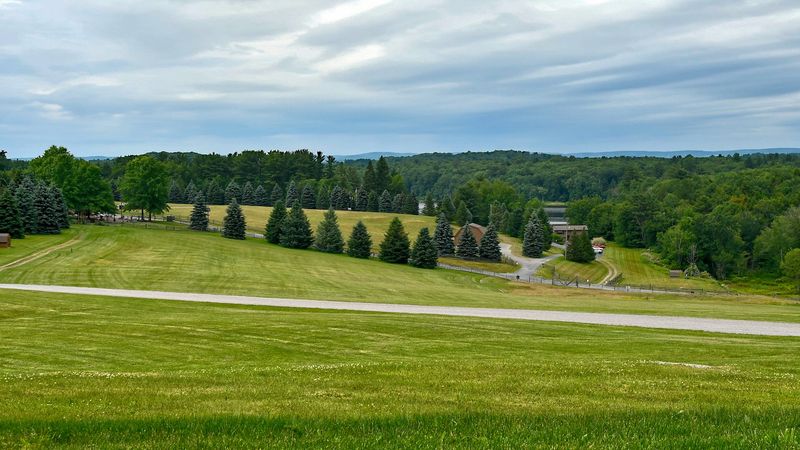
Some places carry a feeling you cannot quite explain. You walk across an open field and something in the air feels charged, like the echo of something enormous once happened right where you are standing.
That is exactly the sensation visitors describe when they first arrive at the grounds of this remarkable museum in the Catskill foothills of New York.
The land was originally Max Yasgur’s dairy farm. In August 1969, it became the gathering place for roughly 450,000 people who came for music and left with a shared memory that shaped a generation.
The soil beneath your feet is the same soil those people stood on, and that fact alone is genuinely extraordinary.
Outdoor interpretive spaces let visitors walk the preserved festival field at their own pace. A dedicated Woodstock Festival Monument marks the historic spot, offering a quiet moment of reflection.
The campus covers 800 acres, and the open landscape gives the whole experience a sense of scale that no indoor exhibit could replicate.
Arriving here feels less like visiting a museum and more like making a personal pilgrimage to a place that still radiates something rare and real.
The Museum At Bethel Woods Is Everything You Hoped It Would Be
The Museum at Bethel Woods opened in June 2008 and has been drawing curious visitors ever since.
Sitting at 200 Hurd Road in Bethel, NY, the building itself is thoughtfully designed to complement the natural landscape around it rather than compete with it.
The moment you arrive, the setting makes clear that everything here was built with intention.
Rated 4.8 stars, the museum has earned a reputation as one of the most meaningful cultural stops in New York State. Staff members are knowledgeable, warm, and genuinely passionate about the history they share.
A few of them actually attended the 1969 festival, which adds a layer of living history that no exhibit panel can fully replace.
The museum is open daily from 10 AM to 5 PM, making it an easy day trip from New York City or the surrounding region. Tickets are reasonably priced and can be purchased online in advance, letting you walk right in without waiting.
A cafe on site serves breakfast and lunch options, so you can fuel up before spending a full afternoon soaking in decades of cultural history.
The Permanent Exhibit That Puts You Inside The Sixties
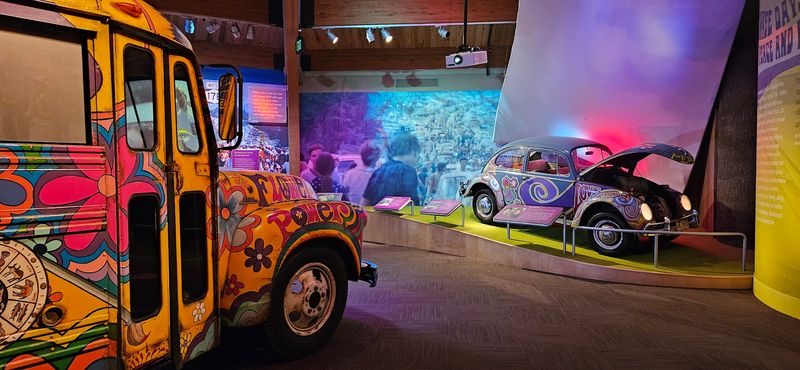
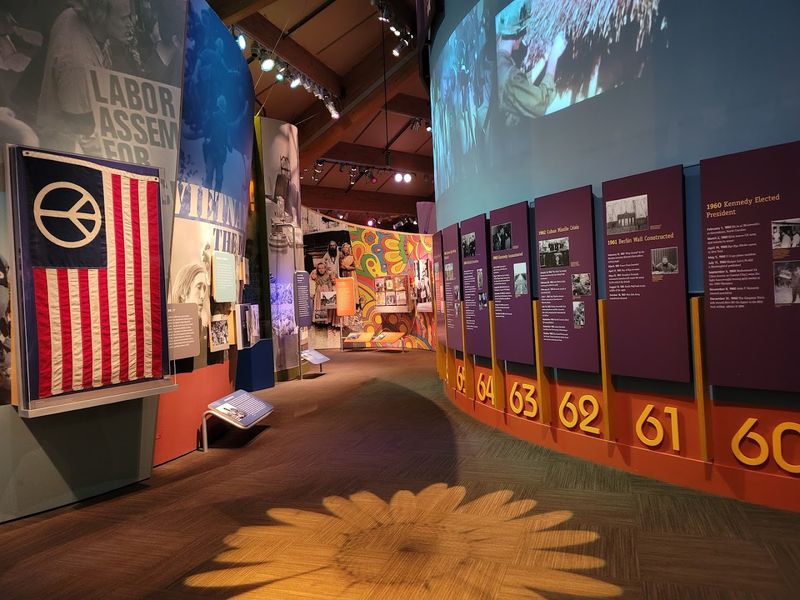
Few permanent exhibits anywhere in the country match the sheer scope of what is on display here. The Story of Woodstock and the Sixties covers 6,728 square feet of carefully curated space.
It features 20 films, five interactive productions, 164 artifacts, and more than 300 photographic murals. That is not a museum wing, that is a full sensory experience.
Iconic 1960s fashion fills display cases alongside original festival footage and era-defining music that plays throughout the space. The exhibit does not just celebrate Woodstock in isolation.
It places the festival within the broader social and political landscape of the decade. It’s covering topics like the civil rights movement, Vietnam, and the cultural shifts that made the 1960s one of the most turbulent and creative periods in American history.
Plan to spend at least two hours here if you want to do it justice. Rushing through would mean missing the details, and the details are where the real magic lives.
Every artifact has a story, every photograph carries weight, and every film clip feels like a window into a world that was raw, complicated, and deeply alive. Give yourself the time to actually feel it.
Thirty-Two Performers And The Stories Behind The Stage
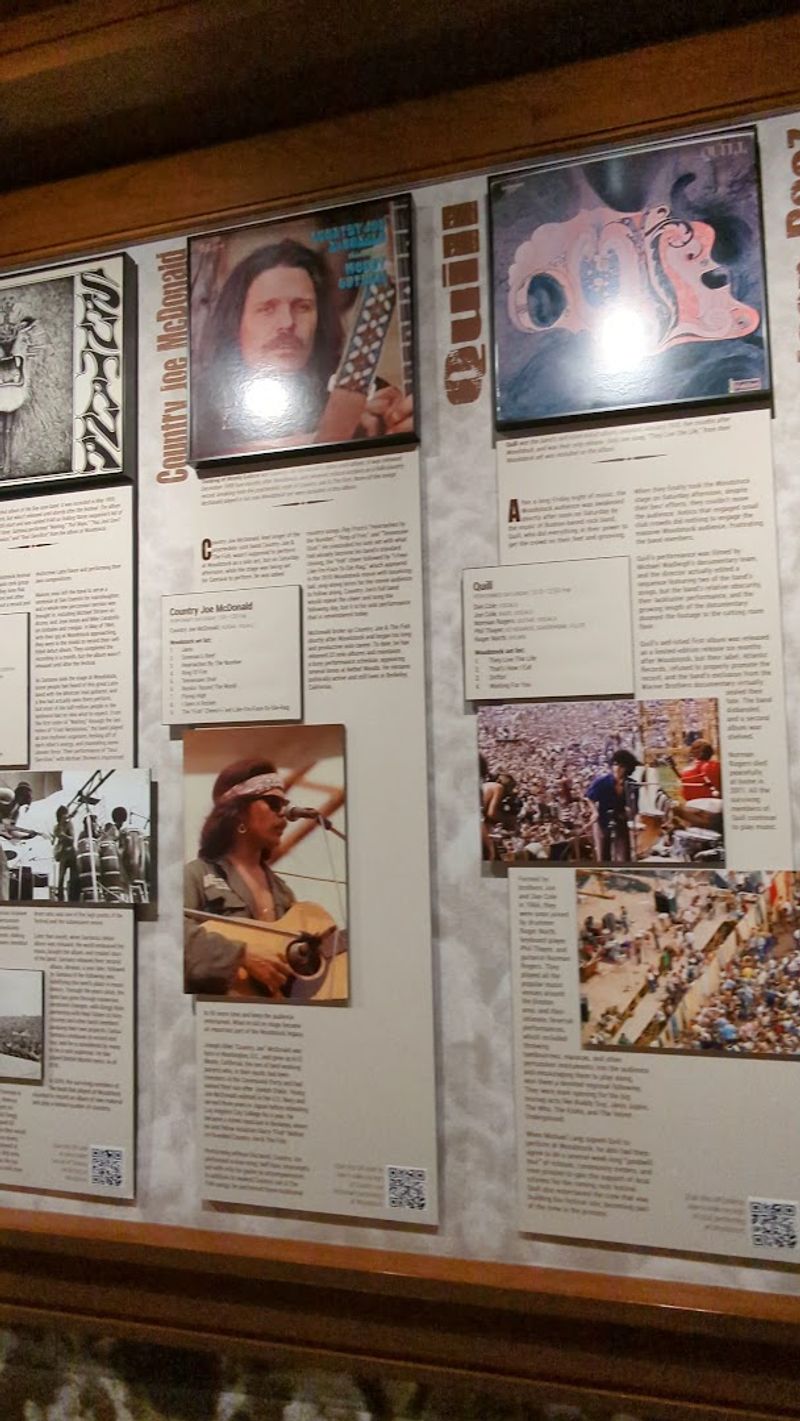
Every music fan knows the names: Jimi Hendrix, Janis Joplin, Jefferson Airplane, Sly and the Family Stone, The Who. But the full story of Woodstock includes 32 performing groups, and the museum gives each of them their proper moment.
The exhibit called Three Days of Peace and Music: The Performers of The Woodstock Festival offers individual vignettes on every act that took the stage.
Each vignette covers the performer’s journey before Woodstock, what the festival meant for their career, and how their music continued to shape popular culture long after the last note faded.
It is the kind of deep-dive music history that fans genuinely appreciate, because it treats the artists as full human beings rather than just names on a poster.
A separate presentation called Woodstock: The Music screens high-definition footage of actual festival performances. Watching those performances on a quality screen, with the sound turned up, is something close to electric.
You understand almost immediately why people who were there still talk about it the way they do.
The music was that good, the moment was that rare, and the museum captures both with a level of care that feels like genuine respect for the art.
Augmented Reality Brings The Festival Back To Life
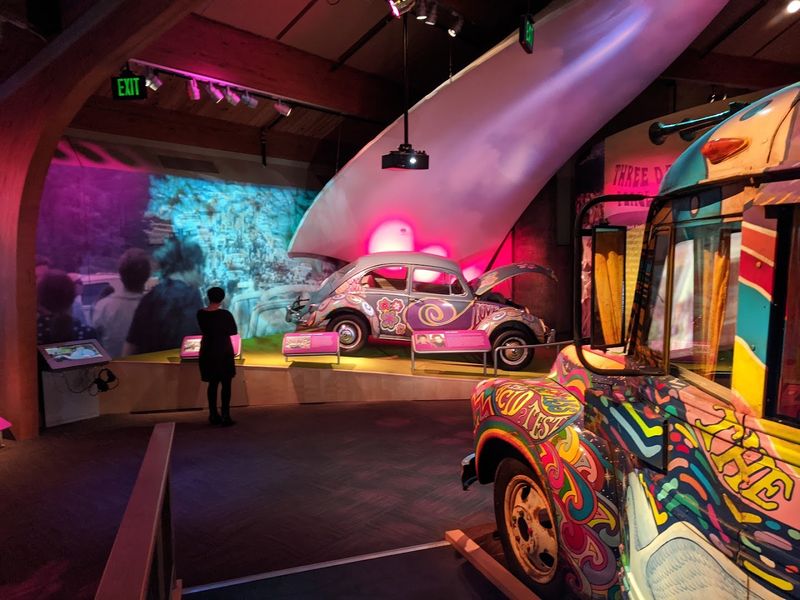
Technology and history make a surprisingly good team at Bethel Woods. The museum offers an augmented reality tour called Meet Me at Woodstock, and it is one of the more inventive ways any museum has found to close the gap between then and now.
The tour is narrated by Nick and Bobbi Ercoline, the couple famously photographed on the original Woodstock album cover.
Having the Ercolines guide visitors through the experience adds an authenticity that no hired narrator could replicate. They were there.
They lived it. Hearing their voices while watching history reconstruct itself around you through augmented reality creates a connection that feels personal rather than theatrical.
The technology is approachable and does not require any special expertise to enjoy. Families with kids, solo travelers, and older visitors who remember the era firsthand all find something to appreciate in the format.
It bridges generations in a way that feels organic rather than forced. The museum continues to evolve its programming and special exhibits annually, which means returning visitors always have something fresh to discover.
A place that keeps growing is a place worth returning to, and Bethel Woods has clearly committed to that philosophy.
Artifacts That Carry The Weight Of A Generation
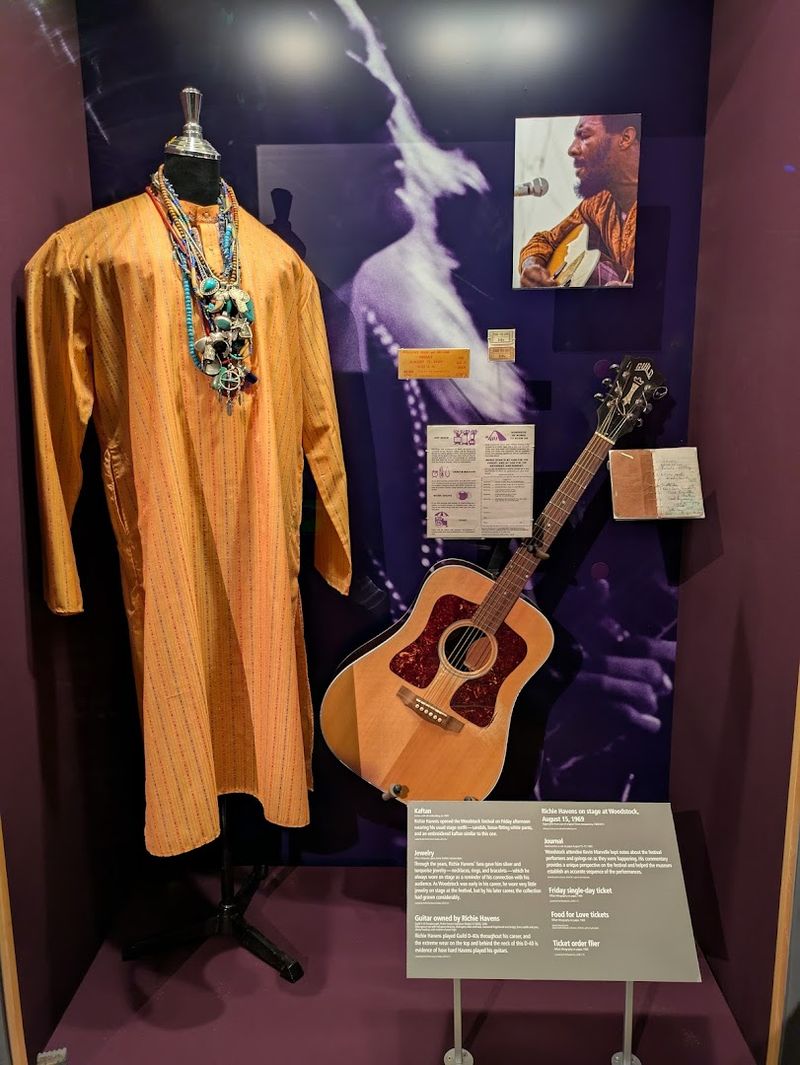
There is a difference between reading about history and standing in front of an object that was actually part of it.
The museum has built what it describes as the definitive collection of 1960s and Woodstock-related artifacts, and the range of items on display reflects years of dedicated collecting and preservation work.
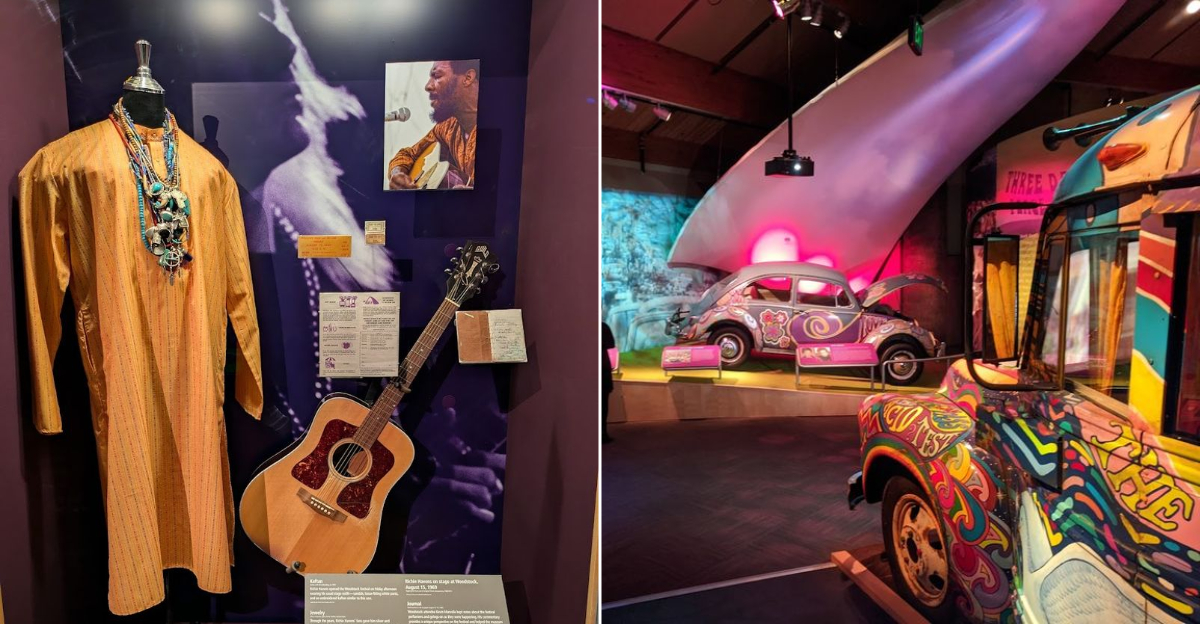
Clothing worn during the festival era sits alongside original musical instruments, handcrafted artwork, personal photographs, and home movies shot by ordinary people who just happened to be present at an extraordinary moment. Each piece carries a quiet weight.
These are not reproductions. They are the real thing, and that distinction matters more than most people expect until they are actually standing in front of them.
The collection gives the museum a credibility that goes beyond storytelling. Any institution can tell you what happened.
Far fewer can show you the actual objects that were part of it. For anyone with even a passing interest in American music history or the cultural upheavals of the 1960s, this collection is genuinely worth the trip.
Set aside enough time to read the labels and watch the accompanying footage. The context transforms each artifact from a curiosity into a conversation.
The Social And Political Heartbeat Of A Turbulent Decade
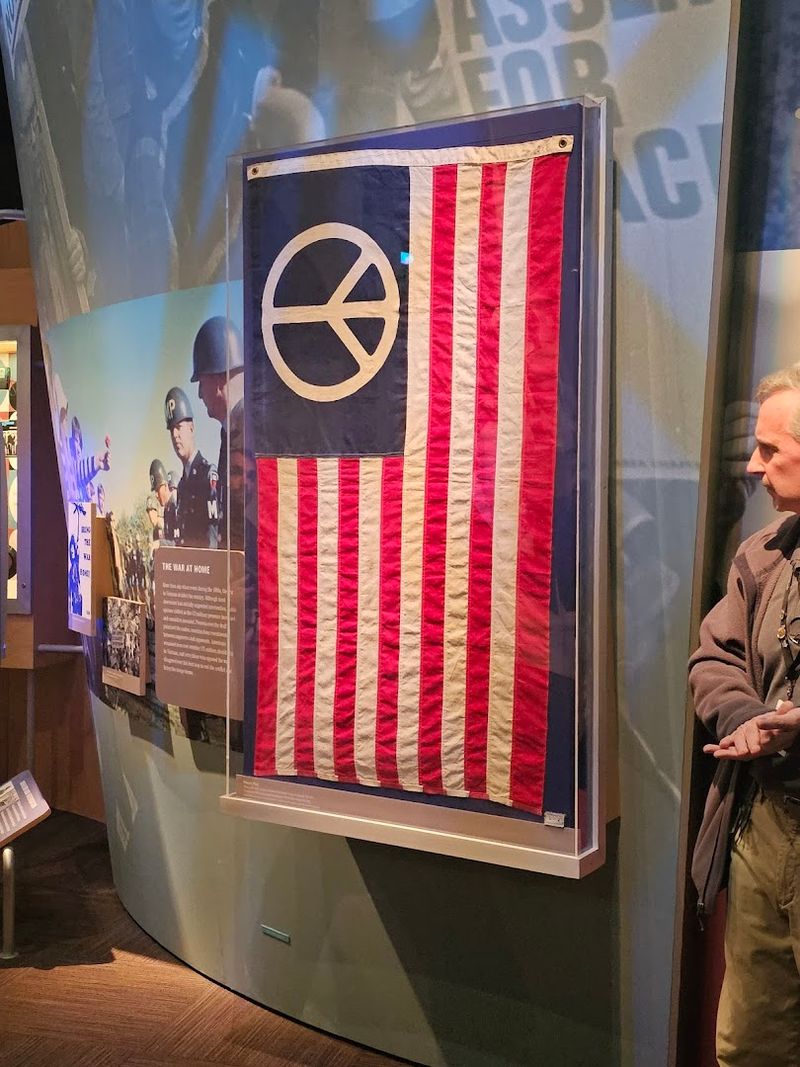
Woodstock did not happen in a vacuum. The festival was a direct response to one of the most charged decades in modern American history, and the museum does not shy away from that context.
Exhibits cover the civil rights movement, Vietnam, political coverups, and the youth counterculture that rose up in response to all of it.
Placing the festival within that broader framework makes the whole story richer and more meaningful. You come to understand why half a million people felt compelled to gather in a field in New York and why the music they listened to felt like more than entertainment.
It felt like a statement, and the museum honors that with seriousness and care.
The broader historical context also makes the museum valuable for younger visitors who did not grow up in that era. Teachers, parents, and anyone interested in American social history will find the exhibits genuinely educational rather than merely nostalgic.
Intergenerational dialogue is something the museum actively encourages, and the programming reflects that goal.
History lands differently when it is presented with honesty and depth, and Bethel Woods consistently delivers both across every corner of the building.
Special Events And A Campus That Keeps On Giving
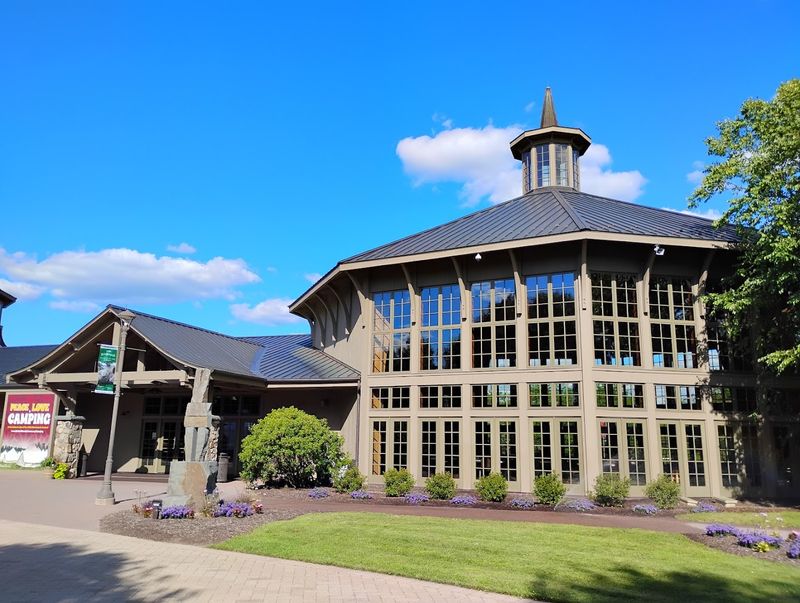
The museum is only one part of a much larger experience. Bethel Woods Center for the Arts covers 800 acres and includes an outdoor concert venue that continues to host major performances throughout the warmer months.
The campus transforms throughout the year with seasonal events that draw visitors back again and again.
Past seasonal events have included a fall festival featuring carved pumpkins, lighted trails, fire pits, local food vendors, and live music in an enclosed pavilion. A holiday drive-through light show has also become a popular annual tradition.
The campus even offers glamping accommodations, letting visitors extend their stay and fully absorb the atmosphere of the historic grounds.
Annual rotating special exhibits inside the museum ensure that even regular visitors have new material to explore each season.
The combination of permanent history, live entertainment, seasonal programming, and outdoor space makes Bethel Woods genuinely hard to categorize.
It is a museum, a concert venue, a seasonal event destination, and a piece of living history all at once.
Very few cultural destinations in New York manage to pull off that combination with the consistency and warmth that Bethel Woods brings to every event on the calendar.
Why Every Music Lover Owes Themselves This Visit
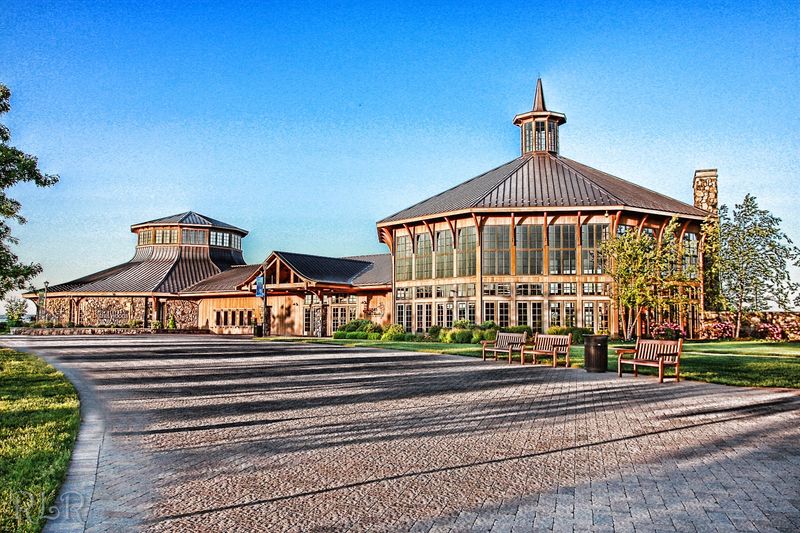
A 4.8-star rating does not happen by accident. It happens when a place consistently delivers something that feels genuine, meaningful, and worth the drive.
Bethel Woods has earned that reputation by respecting its subject matter and respecting the people who come to experience it.
Music lovers of every generation find something here that speaks to them. Older visitors who lived through the 1960s often describe the experience as deeply emotional.
Younger visitors discover a chapter of American history that feels surprisingly relevant to the present. Both reactions are valid, and both are exactly what a great museum should inspire.
The gift shop offers thoughtful souvenirs for those who want to bring a piece of the experience home. The cafe provides a comfortable spot to rest and reflect before heading back out to the grounds.