
This Oregon Beach Has Water So Brilliantly Blue You Have To See It To Believe It
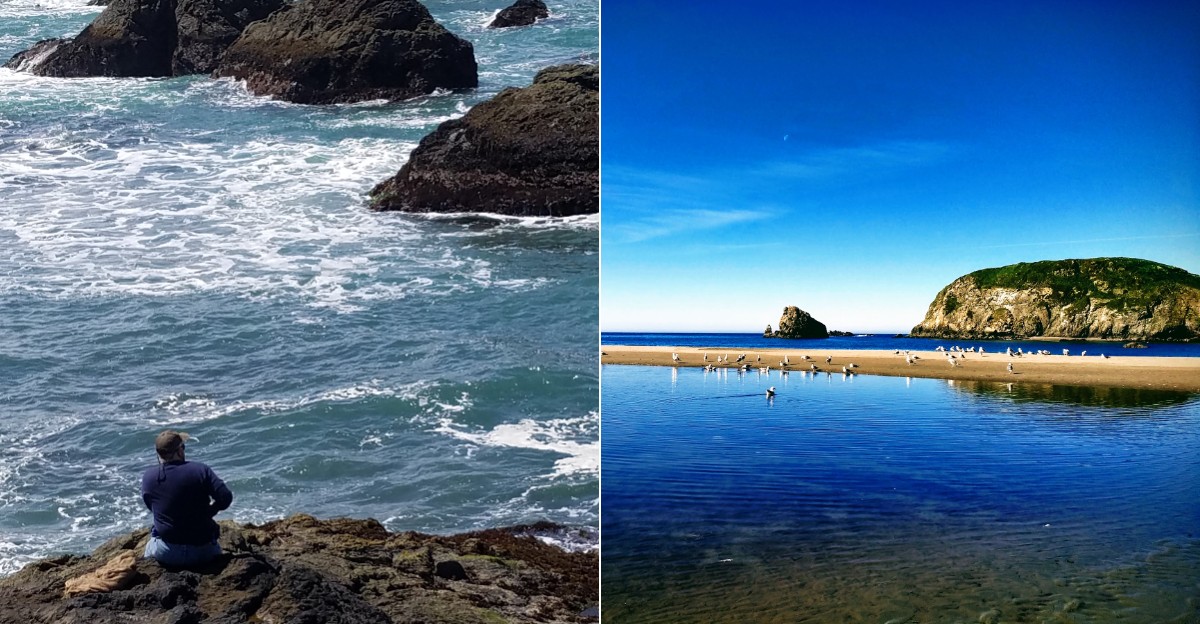
Would you notice a puffin’s orange beak before a seal barking from the rocks? Most visitors miss both on their first try.
Oregon hides a coastline built from old, wind-carved rock and water the color of stained glass. Driftwood piles up in silvery logs that kids turn into forts within minutes.
Low tide flips the whole place into a scavenger hunt. Sea stars, anemones, and the occasional stray octopus wait under the surface for anyone patient enough to look.
Campfires take over once the light fades behind the rocks. The sky runs through orange, pink, and purple before anyone wants to head back to the tent.
So skip the guidebook description and go see the color for yourself. A short trail through the trees is all that stands between you and it.
Where Blue Water Meets Giant Rocks
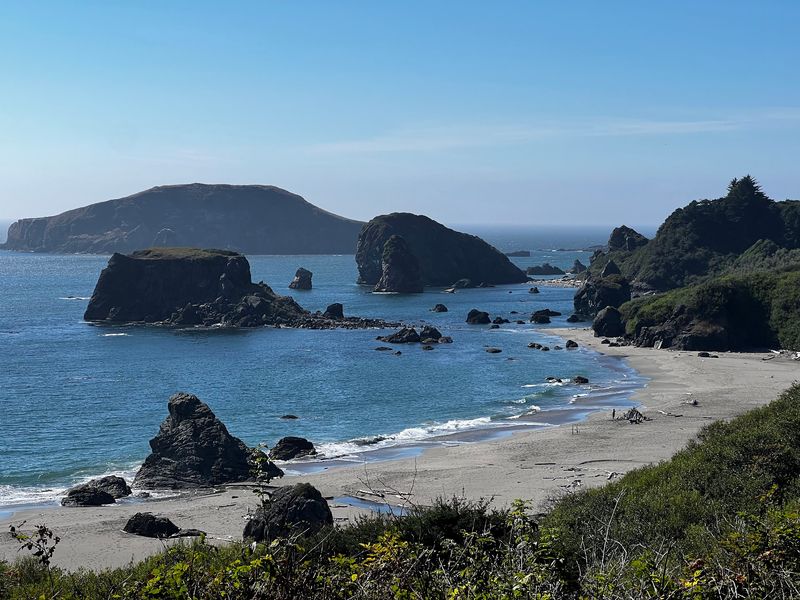
The first glimpse stops most visitors in their tracks. Bright blue water swirls around tall, dark rocks, and white foam bursts against them like fireworks.
Welcome to Harris Beach State Park, a coastal treasure on the rugged south coast of Oregon.
The park sits just north of Brookings, right off US Highway 101. That makes it an easy stop on any coastal road trip.
You can pull in for an afternoon or stay for a whole week at the campground.
Why is the water so blue? On sunny days, the clear sky reflects off the Pacific and the sandy bottom adds lighter turquoise tones near shore.
The dark rocks make those colors pop even more. Photographers love it, and phones do a surprisingly good job too.
The beach itself is wide and sandy. Driftwood logs pile up along the edges, carried in by rivers and storms.
Kids often turn them into forts, and grown-ups use them as benches for snack breaks.
Getting to the sand is part of the fun. A path winds through green shrubs and trees, almost like a leafy tunnel.
Then the plants open up, and the ocean appears all at once. Remember where the trail starts so you can find it again later.
Can you imagine a better first hello from the Oregon coast?
Sea Stacks With Serious Personality
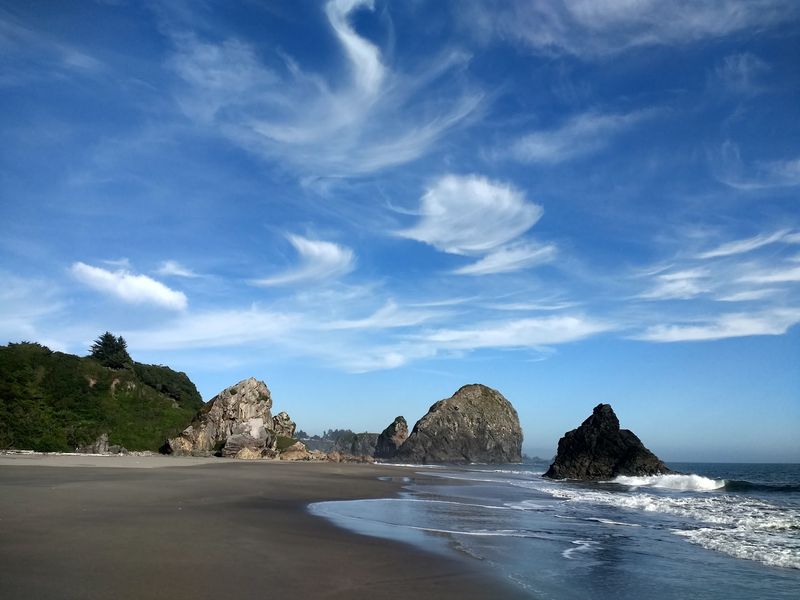
Some rocks just sit there. The sea stacks here seem to pose for the camera.
Big ones, small ones, jagged ones, and rounded ones all rise from the surf just offshore.
The stone at this park is among the oldest exposed rock on the Oregon coast, predating the volcanic rock found up north by tens of millions of years. It is made of graywacke, mudstone, and sandstone, shaped slowly by wind and water.
One favorite is Key Hole Rock. Waves and weather carved a natural opening right through it.
When sunlight or spray passes through the hole, it makes a scene worth waiting for.
Here is a fun game for families. Look at each sea stack and give it a name based on its shape.
One might look like a whale, another like a sleeping dog. Everyone sees something different.
Tide changes the whole view. At high tide, waves slam into the rocks and send spray flying.
At low tide, you can walk closer to some of the smaller formations. Always keep an eye on the water, since waves can surprise you.
Morning light makes the rocks look soft and misty. Late afternoon turns them gold and shadowy.
Which time of day will you pick for your best photo?
Tiny Treasures Hide In Tide Pools
Low tide feels like someone pulled back a curtain on a secret world. The rocky areas turn into the Harris Beach Marine Garden, a set of colorful tide pools packed with life.
Peek into the water and you may spot sea stars in orange and purple. Green anemones wave their soft arms.
Hermit crabs scoot around in borrowed shells, and tiny fish dart between rocks. Visitors have even reported sea urchins and, on lucky mornings, a small octopus.
Timing is everything. Check a tide chart before you go and aim for the lowest tide of the day.
Early mornings often bring fewer crowds, and the creatures seem calmer too. Some tide pools sit a bit down the beach, away from the main area, so wander a little.
Treat this place kindly. Step on bare rock, not on living things.
Look with your eyes and leave animals where you find them. A gentle touch with one finger is plenty if you touch at all.
Wear shoes with good grip. Wet rocks are slippery, and seaweed makes them even trickier.
A small magnifying glass is a fun extra for curious kids.
Who in your group will find the first sea star? It often turns into a friendly contest, and everyone wins.
Puffins, Seals, And Passing Whales
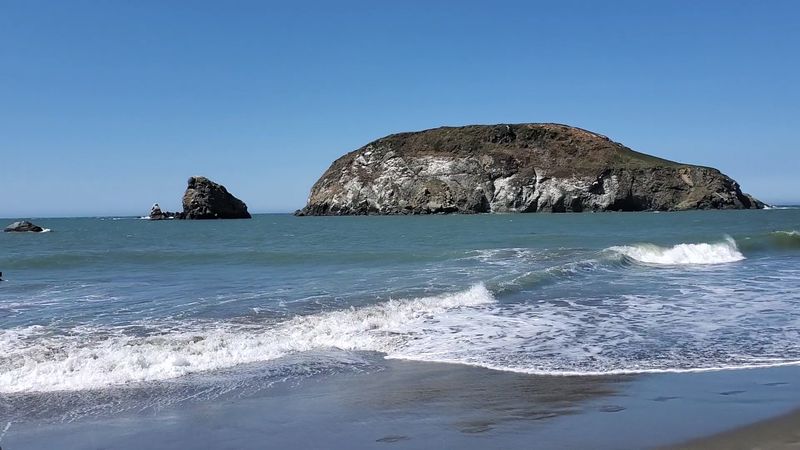
Grab the binoculars. Towering just offshore is Bird Island, also called Goat Island, the largest island off the Oregon coast.
It serves as part of a National Wildlife Refuge, so people stay off, and the birds rule.
Spring and summer bring nesting season. Many seabirds raise their young on the island, including the tufted puffin.
These birds have bright orange beaks and fancy head feathers that look like golden eyebrows. Spotting one feels like winning a prize.
The action does not stop with birds. Harbor seals and California sea lions often lounge on the rocks.
Seals look like chubby sausages sunning themselves. Sea lions are louder and more social, so listen for their barks.
Winter and spring offer something even bigger. Gray whales pass by during their long migration along the coast.
Watch the horizon for a puff of spray, called a blow. Patience pays off here.
Several viewpoints in the park give great looks at Bird Island. Bring a light snack, a warm layer, and a zoom lens if you have one.
Keep your distance from any marine mammals you meet on the beach. They need their rest.
So what will you spot first, a puffin, a seal, or a whale? Keep a little list and compare with friends later.
Agates And Driftwood Adventures
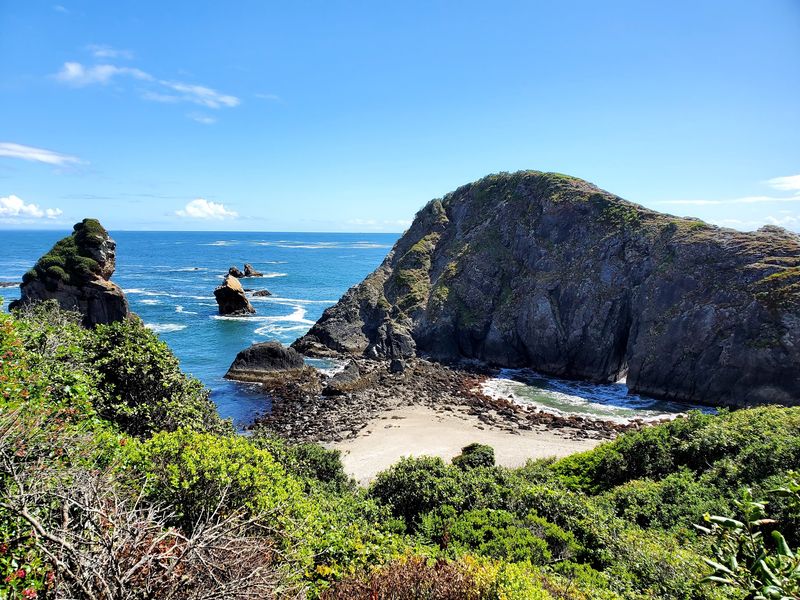
Treasure hunters, listen up. The sand here hides shiny surprises, and they are free for the finding.
Beachcombers search for agates, which glow almost like candy when the light hits them. Jaspers show up in reds, yellows, and browns.
Every so often, someone even finds a piece of petrified wood, which is wood that slowly turned to stone over a very long time.
The best finds usually show up after a storm or during low tide. Waves stir up the gravel and uncover new stones.
Walk slowly, keep the sun in front of you, and look for pebbles that seem to glow. Wet stones show their colors best.
Driftwood is another big draw. Thousands of logs line the beach, washed down from rivers and shaped by the sea.
Some are smooth and silvery, while others twist into wild shapes. Families love building forts and shelters with them.
Be smart around big logs. Stay off them when waves are rolling in, since the water can shift heavy wood quickly.
Save log play for calm, dry areas higher on the beach.
Bring a small bag or pocket for shells and pebbles. Follow posted park rules about collecting.
What kind of treasure will end up on your windowsill back home?
Trails With A View
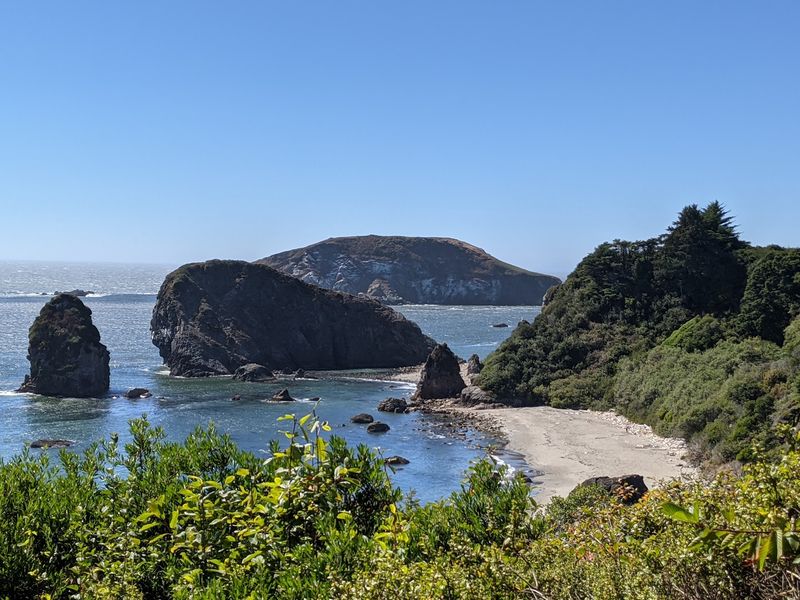
Lace up those sneakers. The trails here range from easy beach strolls to hillier paths with big payoffs.
Short walks lead through lush greenery to scenic viewpoints above the sea. From up high, the blue water looks even brighter, and the sea stacks look like chess pieces on a giant board.
Take your time and stop often. The views change with every turn.
Portions of the famous Oregon Coast Trail pass right through the park. That means you can walk a small piece of a trail that stretches along the whole coastline.
Pretty cool bragging rights, right?
Prefer wheels? A path connects the park toward Brookings, and campers say it makes trips to the grocery store or post office easy.
Some visitors say the walk to town takes about 15 minutes. That is handy if you forgot marshmallows.
Trails near the beach can have roots, stones, and damp spots. Sturdy shoes help a lot.
Coastal weather also shifts quickly, so a rain jacket is a smart pack item any time of year.
Dogs are welcome on a leash, and many pups love these walks as much as their humans do. Bring water for everyone and a bag for cleanup.
Which trail will lead to your favorite view? Try a few and decide for yourself.
Cozy Nights Under Coastal Skies
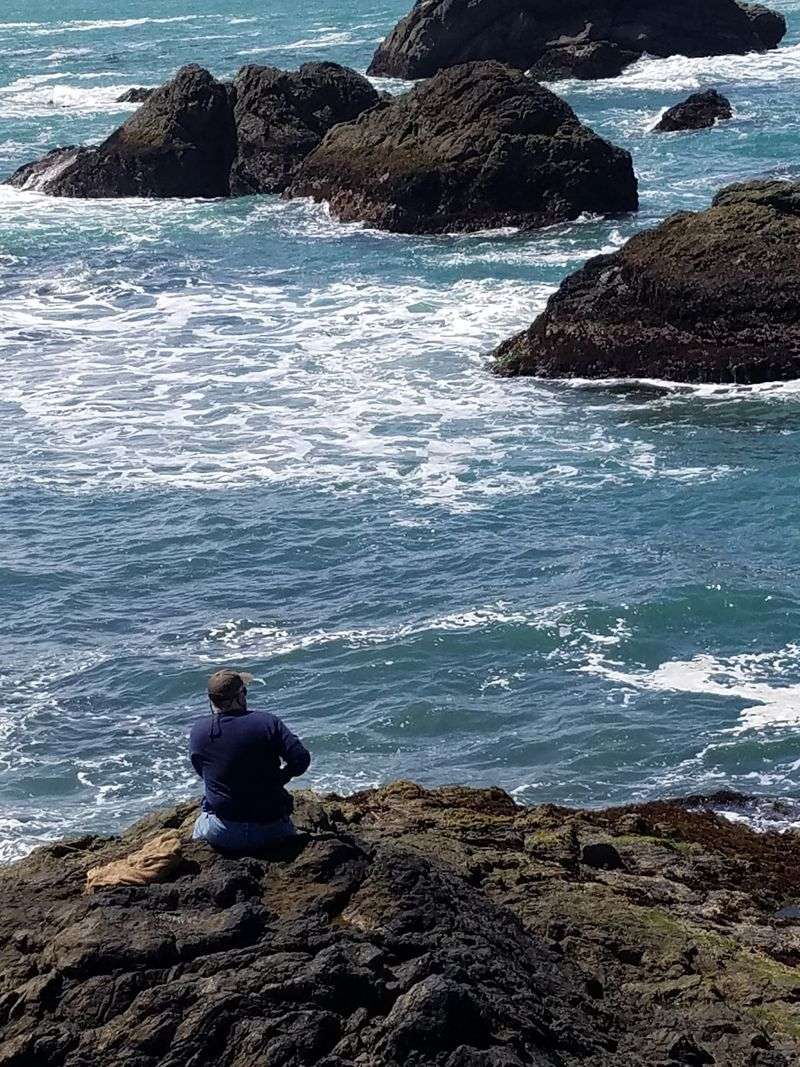
Falling asleep to the sound of waves beats any white noise machine. The campground here lets you do just that, all year long.
Options fit many styles. There are full-hookup RV sites, electrical sites with water, and tent sites.
Yurts offer a snug middle ground, with some that are pet-friendly and some that are accessible. Cyclists and hikers can use a special hiker and biker camp.
Many sites are surrounded by hedges for a bit of privacy. Each usually comes with a picnic table and a fire ring.
Campers often mention how clean and well cared for the grounds are.
Firewood is sold on site, which saves a lot of hassle. Flush toilets and hot showers are available, and visitors love warm bathhouses on chilly coastal nights.
A playground keeps little ones busy while dinner cooks.
Here is a pro tip. This campground is very popular, so book early and study the site map before reserving.
Some loops have ocean views, while others feel more tucked away in trees. The coast gets damp, so a waterproof tarp over your tent is a wise move.
Check the park’s website for any current water advisories before your trip, since conditions can change.
Evenings bring glowing campfires and toasty snacks. Summer can be busy and lively.
Will you choose a tent, an RV, or a cozy yurt for your stay?
Sunsets, Seasons, And Smart Planning
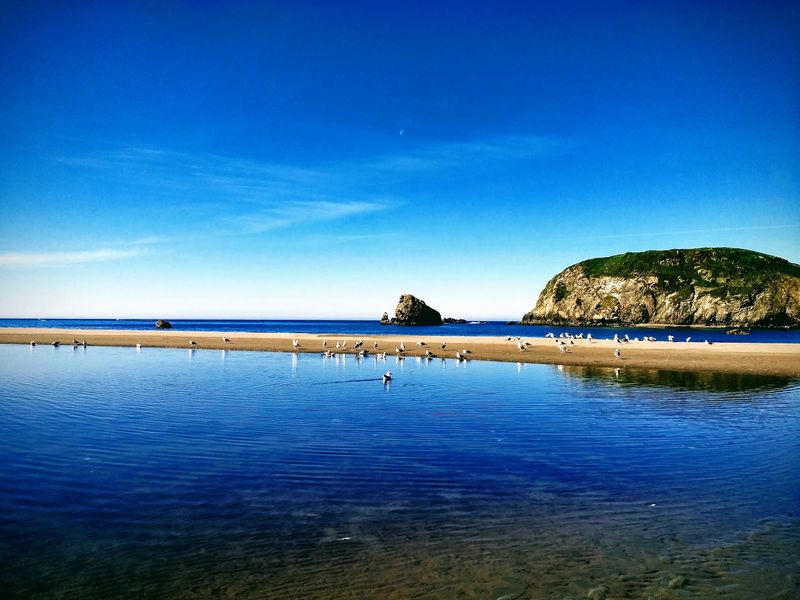
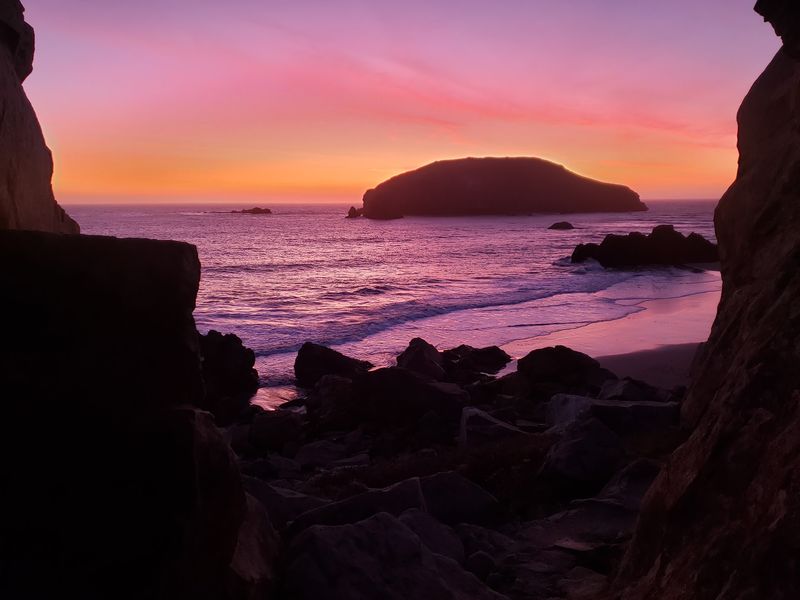
Save some energy for the grand finale. When the sun drops behind the sea stacks, the sky lights up in orange, pink, and purple.
Many visitors say sunset is the highlight of the whole day.
Every season has its own charm. Fall often brings clearer, warmer days and some of the prettiest sunsets of the year.
Spring and summer are best for bird watching. Winter offers stormy drama and whale sightings, and some say tide pooling is great then too.
Summer can bring sunshine, but fog sometimes rolls in without warning. Pack layers no matter the month.
The water stays cold all year, so wading is refreshing but brief.
A day-use parking permit is required. You can buy one on site or use an Oregon State Parks pass.
Check the official park website for current fees, seasonal programs, and any updates before your trip.
Families visiting in summer can look for Junior Ranger programs for kids ages 6 to 12, plus evening campfire programs. Ramps, accessible parking, restrooms, and campsites help more visitors enjoy the park.
Ready to plan? Point your map to Harris Beach State Park Campground at Harris Beach State Park Road, Brookings, OR 97415, and let that brilliant blue water do the rest.
Which sunset will be your favorite?