
This Peaceful Amish Town In Ohio Is Perfect For A Slow And Affordable Day Trip
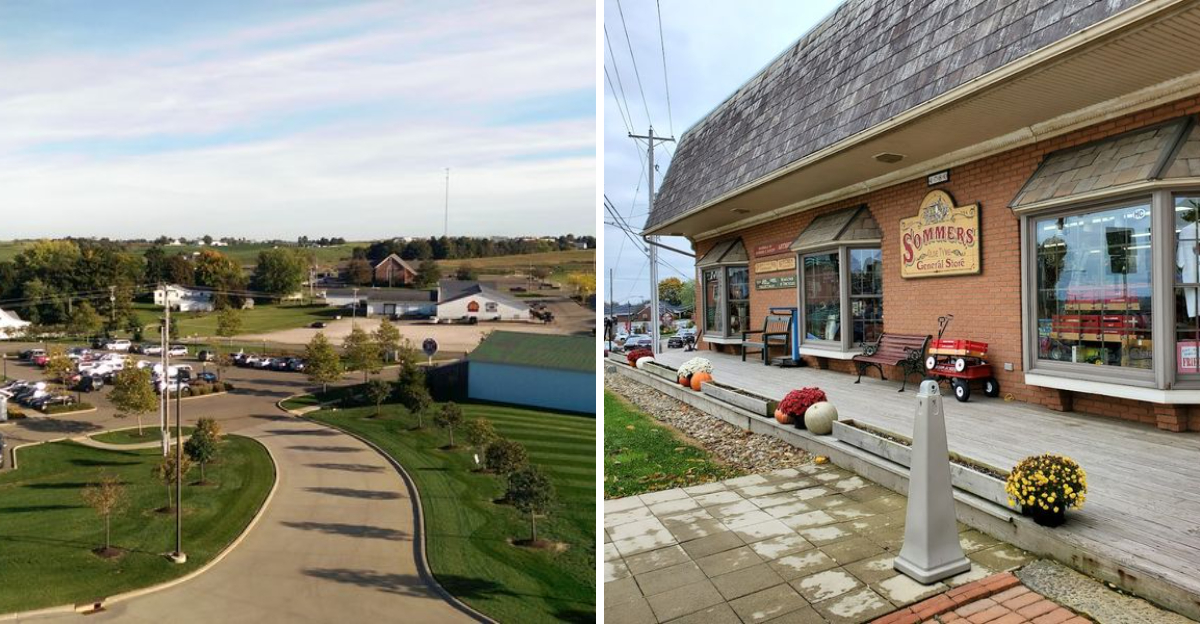
In one quiet corner of Ohio’s Amish Country, life moves at a pace that feels almost forgotten elsewhere. Rolling hills stretch into the distance, horse-drawn buggies clip along country roads, and small shops display handcrafted goods made the traditional way.
Visitors come for fresh farm food, handmade furniture, and the calm that settles in the moment you arrive. The town itself is small, but the experience feels surprisingly rich.
Best of all, spending a day here is simple and affordable, yet the slower rhythm and welcoming atmosphere tend to linger long after the visit ends.
Berlin Sits In The Heart Of Ohio’s Amish Country
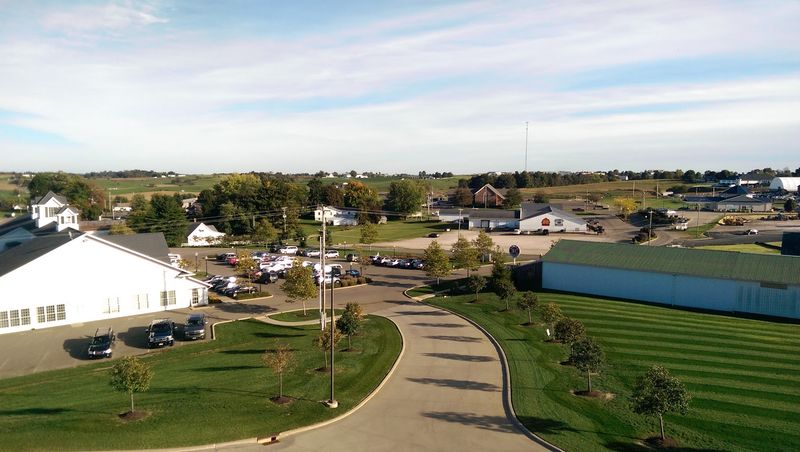
Holmes County holds the largest Amish population in the world, and Berlin sits comfortably at the center of it all. The village is located at Berlin Township, OH 44654, and serves as an informal hub for the broader Amish Country region that stretches across several surrounding counties.
What makes the location remarkable is not simply its geography but the living culture that geography has preserved.
Farming traditions that date back centuries continue here without apology or performance. The Amish community does not exist for tourism, yet visitors are welcomed with quiet courtesy.
Roads that connect Berlin to nearby Millersburg and Charm pass through farmland so orderly and green that it feels almost deliberate in its beauty.
Coming to Berlin means entering a place where the land and the people share a long, unbroken relationship. That relationship is visible in every field, every fence line, and every slow-moving buggy on the road.
Horse-Drawn Buggies Are A Common Sight On Local Roads
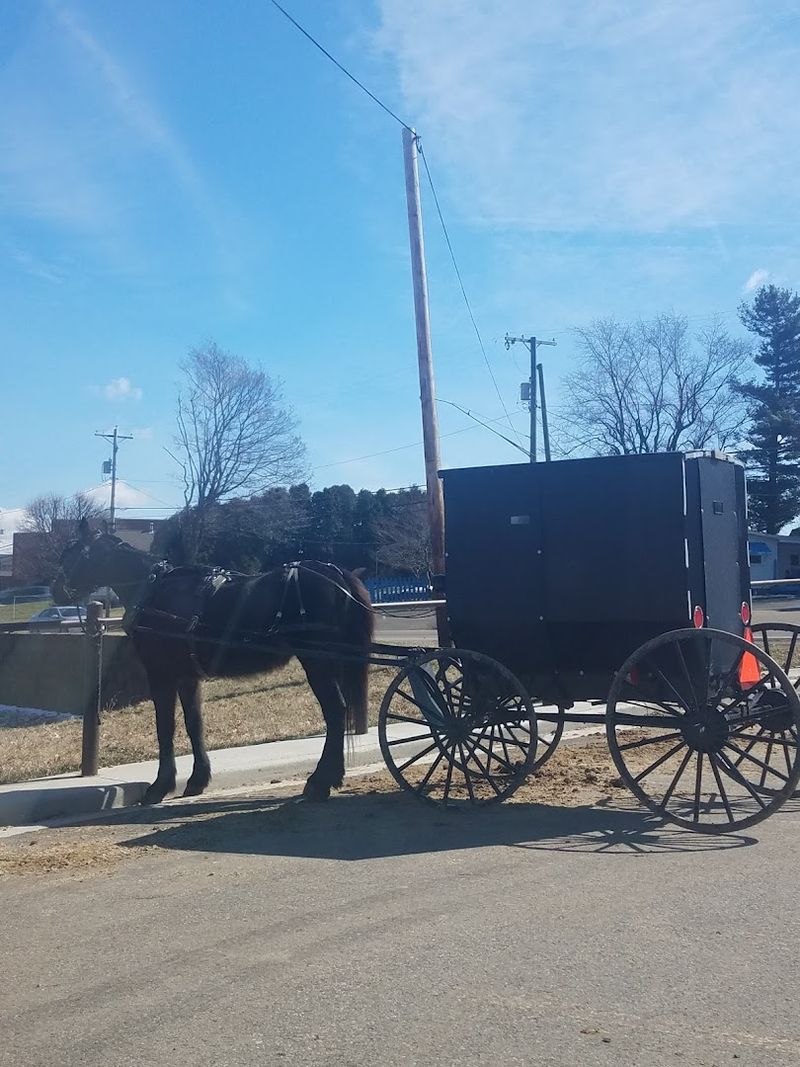
Few things signal a change of pace quite like rounding a bend and finding a horse-drawn buggy moving steadily ahead of you. In Berlin, this is not a novelty or a staged attraction.
It is simply how a portion of the local population travels, and it happens dozens of times daily on the roads surrounding the village.
Drivers accustomed to city traffic quickly learn a new rhythm here. Patience replaces urgency, and the buggy ahead becomes less of an obstacle and more of a reminder that speed is a choice, not a requirement.
The sound of hooves on asphalt carries a particular clarity that no engine can replicate.
Ohio state roads near Berlin include designated buggy lanes in some stretches, reflecting how seriously the community takes coexistence between modern and traditional transportation. Watching a buggy turn calmly off the main road onto a gravel farm lane is one of those small moments that stays with you long after the drive home.
Small Shops And Markets Line The Village Streets
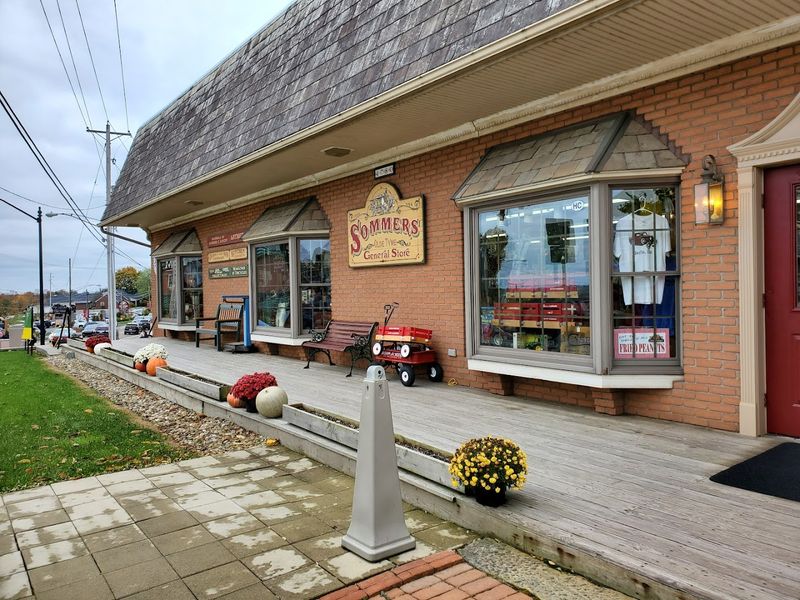
Berlin’s main commercial strip is compact enough to walk in an hour but interesting enough to occupy an entire afternoon. Shops selling everything from handmade candles to locally produced honey line the streets, and the storefronts maintain a low-key charm that chain retail environments rarely manage to replicate.
Many of the businesses are family-operated and have been for generations. That continuity shows in the way merchandise is displayed and in the unhurried manner of the people staffing the counters.
There is no hard sell here, no background music designed to stimulate spending. Shopping in Berlin feels more like browsing a neighbor’s well-stocked home than navigating a retail floor.
Prices are generally fair and often genuinely surprising in the best way. Visitors who arrive expecting tourist-town markups frequently leave having spent far less than anticipated.
The combination of quality goods and honest pricing gives Berlin’s shopping scene a reputation that draws repeat visitors from across the state.
Visitors Come For Homemade Baked Goods And Amish Treats
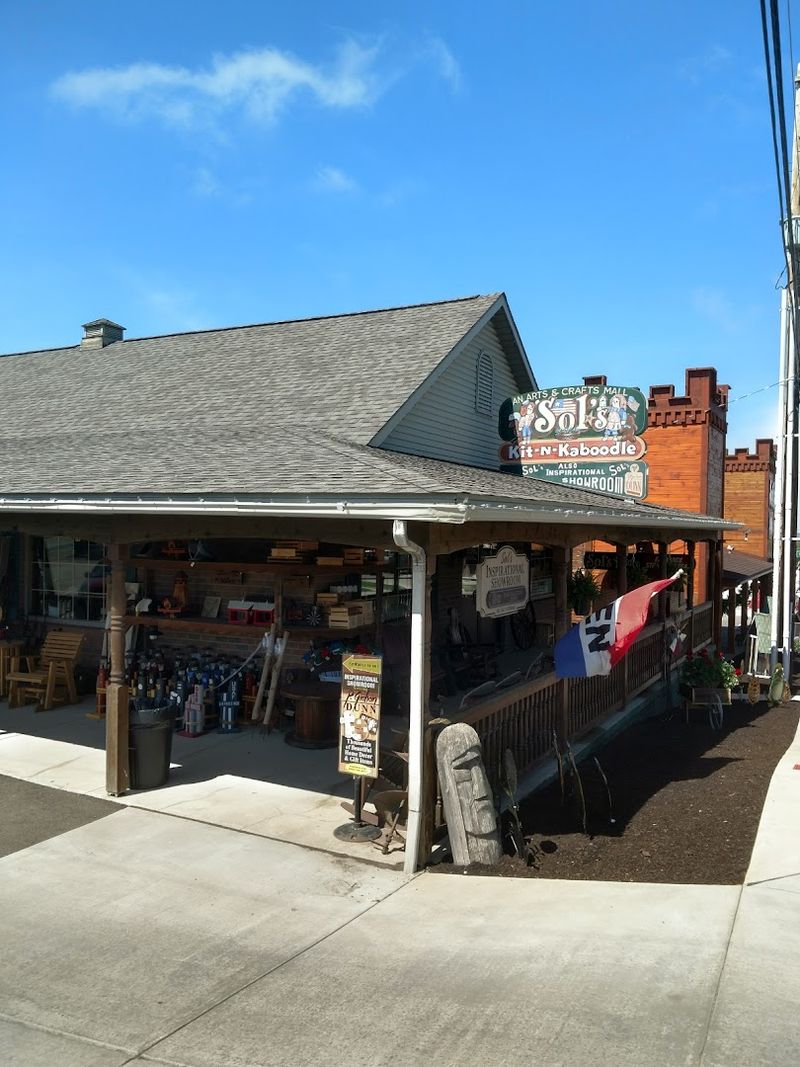
Bread baked before sunrise and pie made from fruit picked the same morning represent a standard in Berlin that most bakeries spend years trying to approximate. The Amish baking tradition prioritizes simplicity and quality of ingredients over visual spectacle, and the results speak with unusual authority.
Visitors frequently mention the shoofly pie, a molasses-based pastry with Pennsylvania Dutch roots that has found a permanent home in Holmes County kitchens. Cinnamon rolls, soft pretzels, fruit-filled turnovers, and dense loaves of whole wheat bread fill the cases at local bakeries throughout the week.
Arriving early rewards those who plan ahead.
Several bakeries in and around Berlin operate out of small storefronts or farm stands rather than formal restaurants, giving the experience a personal quality that larger establishments cannot manufacture. Buying a loaf of bread from the person who baked it that morning is a transaction with a different kind of weight, and Berlin offers that regularly.
Handcrafted Furniture And Quilts Fill Local Stores
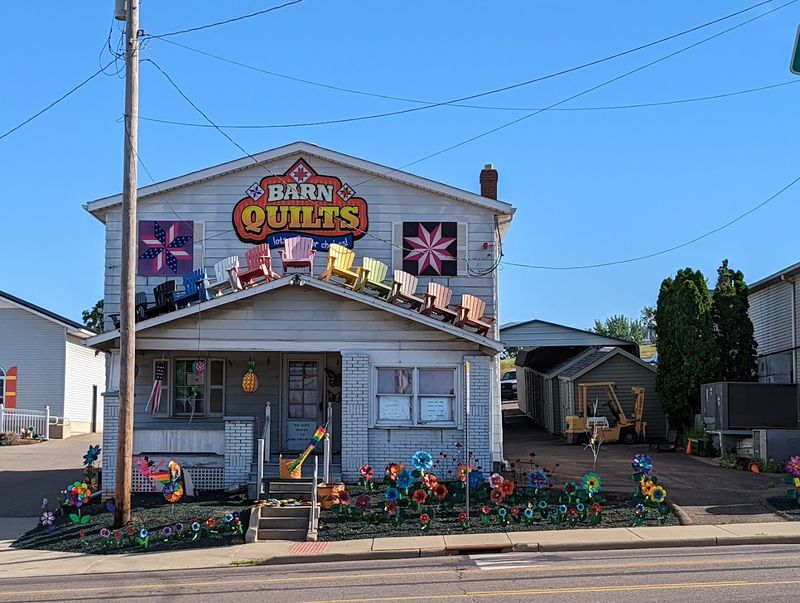
Amish craftsmanship carries a reputation built over generations, and Berlin is one of the best places in Ohio to see that reputation justified in person. Furniture shops throughout the area produce solid wood pieces using joinery techniques passed down through families rather than learned in trade schools.
Oak, cherry, and walnut are common materials, and the finishes applied to them tend toward the natural end of the spectrum. A dining table purchased in Berlin will likely outlast the dining room it sits in.
That kind of durability is increasingly rare in an era of flat-pack furniture and disposable design.
Quilts represent an equally serious tradition. The geometric patterns used in Amish quilting carry cultural and regional meaning, and the precision of the stitching reflects hours of careful handwork.
Shops in Berlin carry quilts in a range of sizes and colorways, and the prices, while not trivial, reflect genuine labor and material quality rather than inflated tourist-market values.
Rolling Farmland Surrounds The Quiet Village
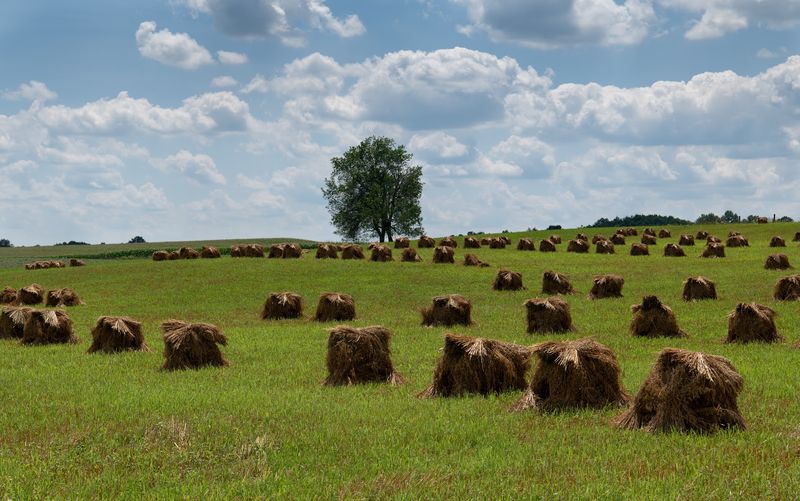
The countryside around Berlin belongs to a landscape that rewards slow observation. Fields of corn and soybeans stretch across gentle hills, interrupted by white farmhouses, unpainted barns, and the occasional windmill turning in a light breeze.
The visual order of an Amish farm, where every structure has a purpose and every field a plan, gives the scenery an unusual coherence.
Driving the back roads south toward Charm or east toward Walnut Creek reveals farmland that has not changed dramatically in character for well over a century. Modern equipment appears occasionally, but horse-drawn plows and cultivators remain common, and their presence in the fields gives the landscape a layered quality that photographs struggle to capture fully.
Spring and autumn are particularly generous seasons for this kind of scenery. The hills go green in April and gold in October, and the light at either end of the day falls across the fields with a quality that makes stopping the car feel not just reasonable but necessary.
The Town Is Known For Its Relaxed Small-Town Atmosphere
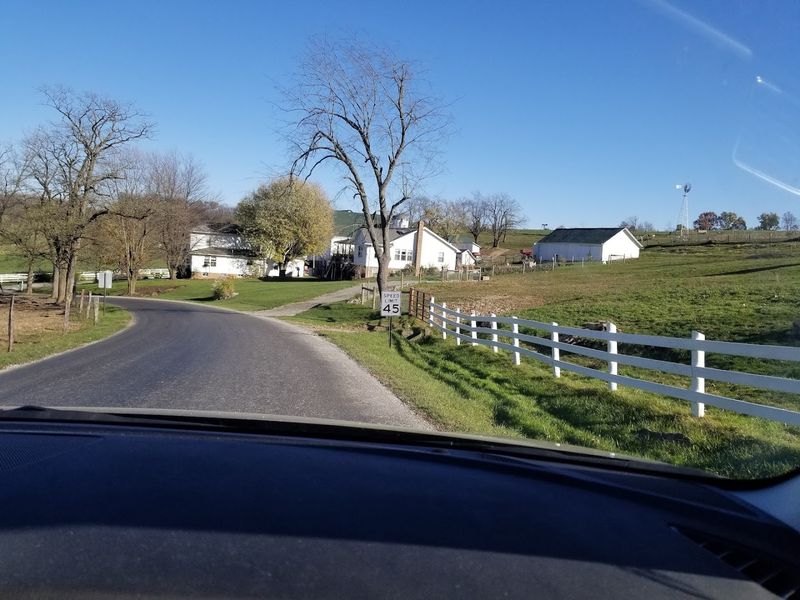
Berlin operates at a speed that most American towns abandoned decades ago. There are no traffic lights in the village center.
Conversations happen at a pace that allows both parties to finish their thoughts. The general atmosphere communicates, without any posted sign, that urgency is optional here.
That quality is not manufactured for visitors. It exists because the community that anchors Berlin has chosen, deliberately and consistently, to live by values that do not include acceleration.
Spending time in a place shaped by those values has a measurable effect on the people passing through, even briefly.
Day-trippers often remark that they arrived tense and left calm, a transition that typically requires more than a single afternoon to achieve anywhere else. Berlin achieves it almost automatically.
The village does not try to entertain or impress. It simply continues being itself, and that turns out to be more than enough for most people who make the trip.
Farm Markets Offer Fresh Produce And Local Specialties
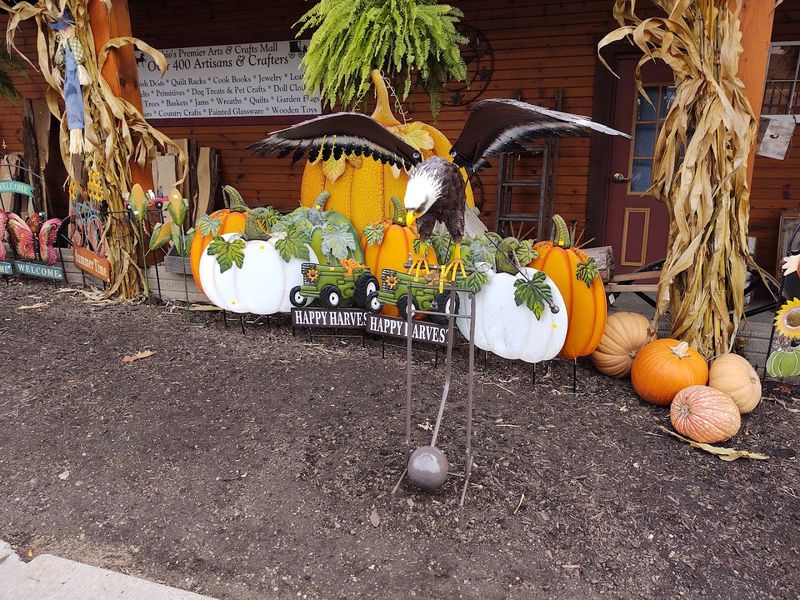
Farm markets in and around Berlin operate with a straightforwardness that feels almost radical by contemporary standards. Produce arrives from nearby fields, jars of jam and preserves come from home kitchens, and the person collecting payment is frequently the same person who grew or made what you are buying.
Seasonal availability governs the selection, which means the market in June looks meaningfully different from the market in September. Sweet corn, tomatoes, green beans, and melons dominate the summer tables.
By fall, the emphasis shifts to pumpkins, winter squash, apple butter, and dried herbs. The rhythm of the seasons becomes apparent in a way that grocery store shopping rarely communicates.
Local specialties extend beyond produce. Bulk dry goods, raw honey, sorghum molasses, and locally pressed apple cider appear regularly at farm stands throughout Holmes County.
Bringing a cooler on a Berlin day trip is practical advice that first-time visitors sometimes wish they had received before making the drive.
Scenic Country Drives Start Right Outside Town
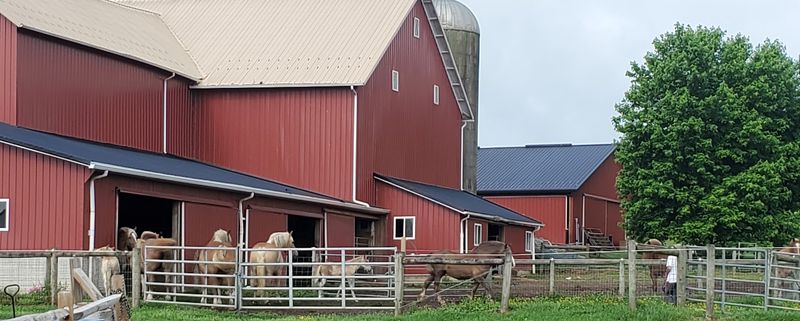
Some destinations serve as a single point of interest. Berlin works better as a basecamp for a broader exploration of Holmes County’s back roads, where the drive itself becomes the primary experience.
Route 39 heading west toward Millersburg and the county roads branching south and east offer consistently rewarding scenery with very little planning required.
The road to Charm, a village about five miles southeast of Berlin, passes through a valley that earns its name in every season. The road to Walnut Creek takes a different character, climbing and descending through wooded hillsides before arriving at another quiet Amish community worth a short stop.
Neither drive takes long, but both feel complete.
Pulling off at a roadside stand or stopping to watch a farmer work a field with a team of draft horses are the kinds of unscheduled moments that give a country drive its actual value. Berlin’s surrounding roads offer those opportunities in abundance, and the scenery rarely disappoints regardless of the direction chosen.
Berlin Has Become One Of Ohio’s Most Visited Amish Towns
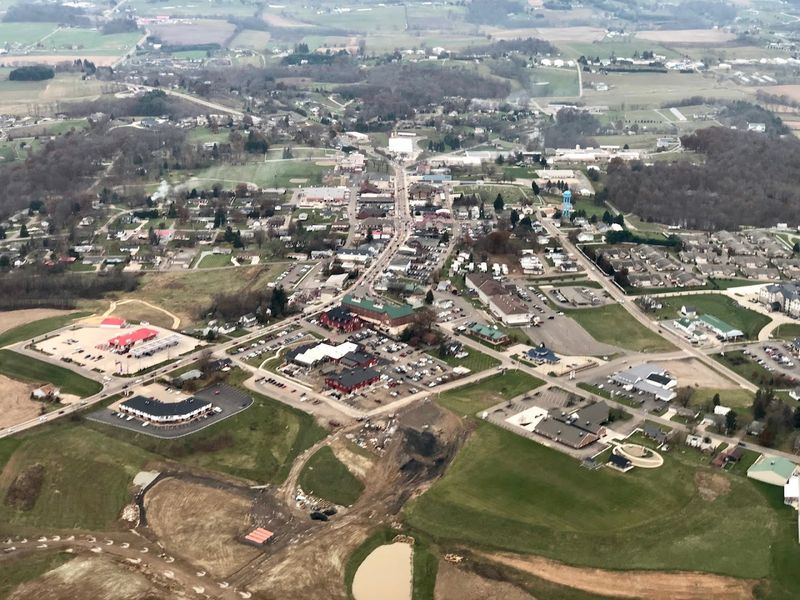
For a community of roughly 1,400 permanent residents, Berlin receives a remarkable volume of visitors each year, drawing tourists from across Ohio and well beyond the state’s borders. That popularity is not accidental.
The combination of accessible location, genuine cultural character, and affordable pricing has made Berlin a reliable and repeatable destination rather than a one-time curiosity.
Holmes County as a whole supports a substantial tourism infrastructure, with Berlin serving as its most recognizable entry point. Visitors who arrive expecting a sanitized or performative version of Amish life tend to leave with a more nuanced understanding of a community that is simply going about its business with considerable consistency and purpose.
The village manages its popularity with admirable composure. Crowds gather on weekends, particularly in summer and fall, but the pace of the town absorbs rather than amplifies the activity.
Berlin remains, despite its reputation and visitor numbers, a genuinely quiet place, and that is its most durable and honest attraction.