
This Peaceful Nevada Garden Is A Colorful Fall Escape In The Middle Of The City
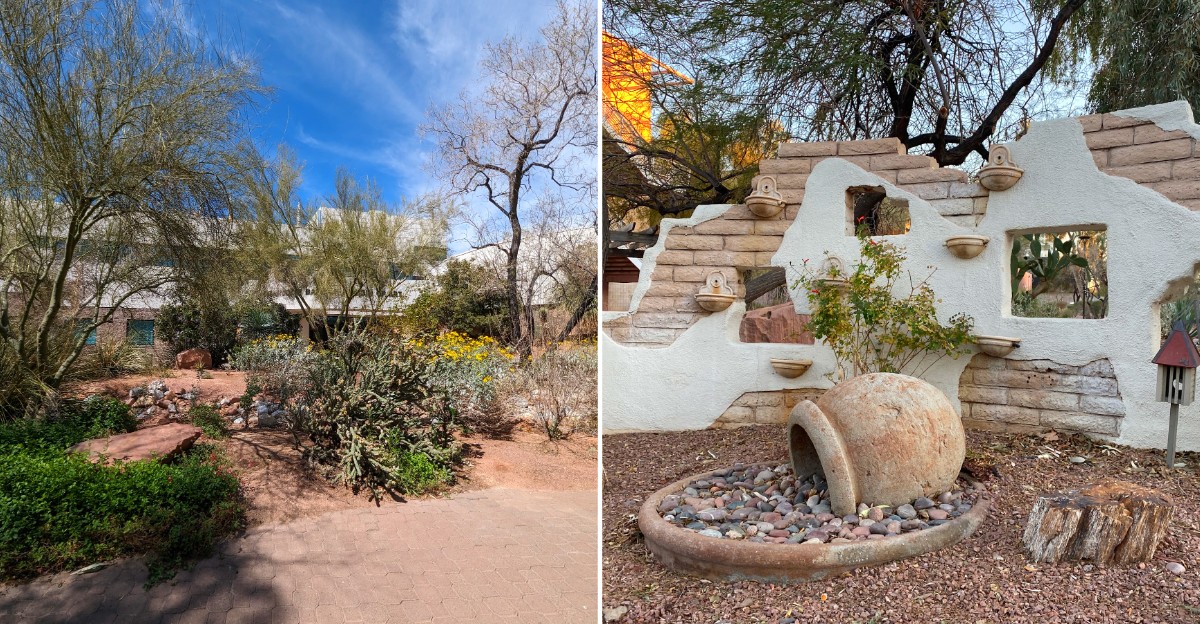
Bright lights get plenty of attention, but sometimes the better surprise is the place that barely announces itself. A quieter side of Nevada appears when desert plants, winding paths, and open sky take over the scene.
Fall makes the experience even better. Cooler air gives you more time to notice the details without rushing. Spiky shapes, silvery leaves, rough bark, and unexpected bursts of color turn a simple walk into something surprisingly absorbing.
The space is not enormous, and that works in its favor. You can explore at an easy pace, stop when something catches your eye, or settle into a shady spot for a while.
There is also plenty of inspiration for anyone curious about desert-friendly landscaping. It feels calm without feeling empty. A short visit can easily stretch longer once you start noticing how much variety can thrive in such a dry setting.
A Quiet Green Pocket On A Busy Campus
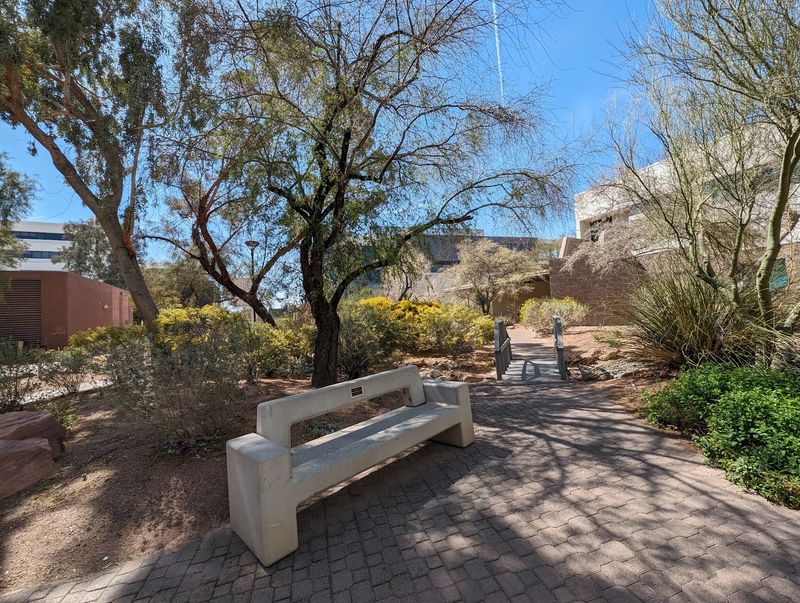
Picture a college campus full of students rushing to class, and then picture a small space where everything slows down. That is the feeling you get at the Donald H. Baepler Xeric Garden.
It sits right on the University of Nevada, Las Vegas campus, close to the Marjorie Barrick Museum of Art.
The garden is named after Donald H. Baepler, a former UNLV president who cared about the campus and its growth. Today, the space honors that care by showing how beautiful desert plants can be. You will see paths that curve gently past cactus, shrubs, and small trees.
You should come here when you need a short break from noise and traffic. Many people use the garden as a calm place to sit, think, or simply look around. It does not take long to walk through, so you can visit even on a busy day.
The garden feels open and welcoming without being crowded. You can find a bench, watch the light move across the plants, and let your mind rest. For a city known for its bright energy, this little green pocket offers a softer side of Nevada that many visitors never expect to find.
What Xeric Really Means For Desert Plants
Here is a fun word to add to your vocabulary: xeric. It comes from a Greek word that means dry. A xeric garden uses plants that need very little water, which makes a lot of sense in a desert city like Las Vegas. The Donald H. Baepler Xeric Garden is a living example of this idea.
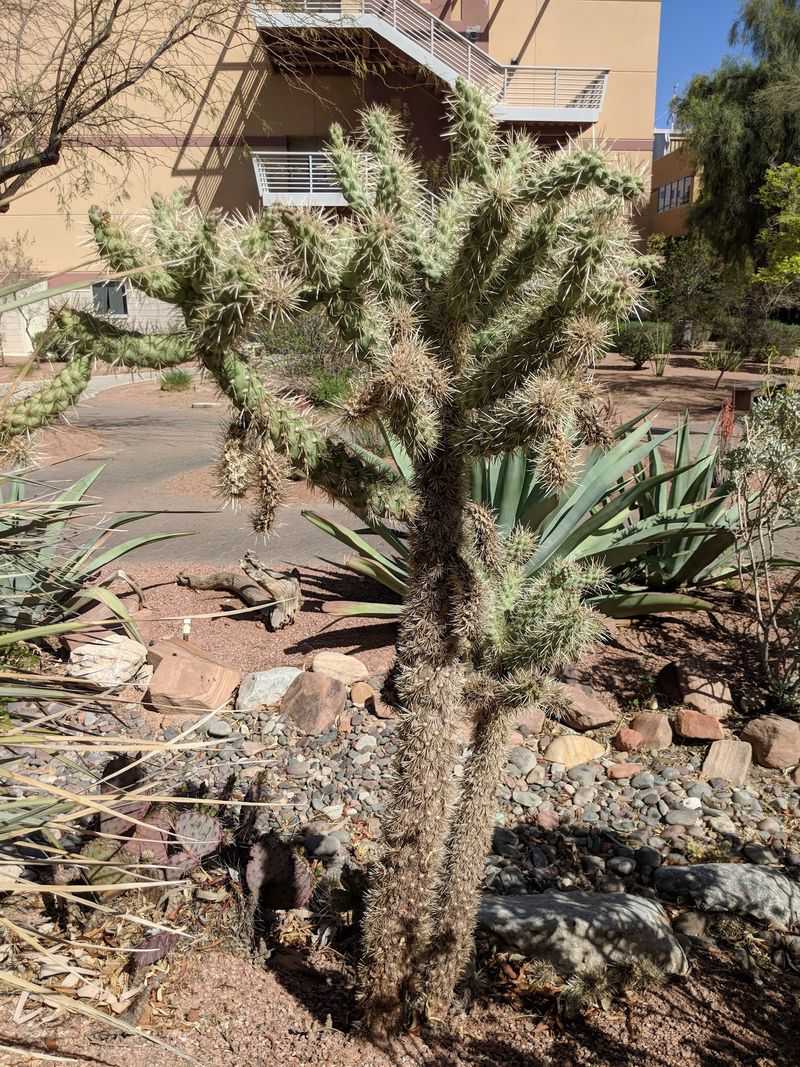
Instead of thirsty lawns, you will find plants that have learned to survive with small amounts of rain. Some store water in thick leaves, while others have tiny leaves that lose less moisture in the heat.
Many desert plants have waxy coatings that work like sunscreen. These coatings help them hold onto water during long, hot days. When you look closely, you can often see a shiny or powdery layer on the leaves.
You should take a few minutes to study the shapes and textures as you walk. Notice how some plants grow low to the ground while others stand tall and spiky.
Each one has its own way of handling dry weather. Learning these small details makes the visit more interesting, and it helps you see that a desert garden is full of clever design and quiet strength.
Fall Colors You Might Not Expect In The Desert
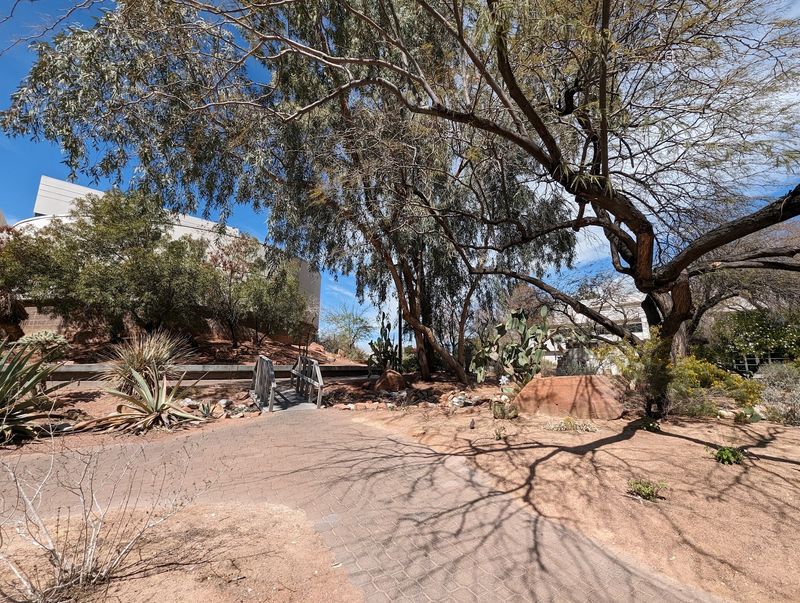
Most people think of fall color as red maple leaves and orange forests. The desert does things a little differently, and that is part of the charm. At the Donald H. Baepler Xeric Garden, autumn color shows up in softer, quieter ways.
Fall can bring subtler color and texture to the desert landscape. Golden light, silvery foliage, green agaves, and the varied shapes of drought-tolerant plants give the garden plenty of visual interest as temperatures cool.
The best time to notice these colors is in the late afternoon. The sun sits lower in the sky and gives everything a warm glow. Shadows grow longer, and the textures of spines and leaves stand out more clearly.
You should bring your phone or a camera, because fall light makes desert plants look their best. Try taking close-up photos of a single plant, then step back for a wider view of the paths.
Comparing the two can show you how much detail hides in a small space. Fall in southern Nevada is mild and pleasant, so this season gives you a comfortable chance to enjoy the garden without the strong summer heat.
Bring A Book And Stay Awhile
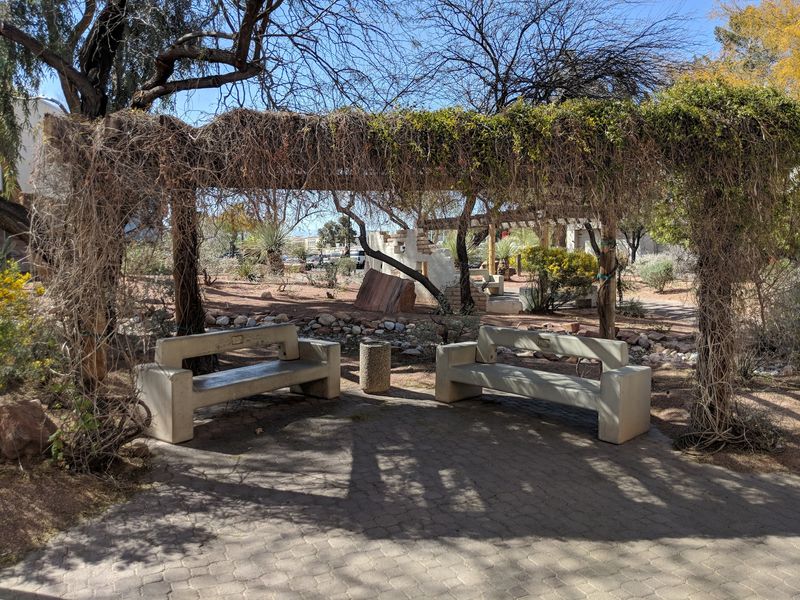
A good book and a quiet bench make a simple but perfect pair. That is one of the most popular ways people enjoy the Donald H. Baepler Xeric Garden. Students and visitors often come here to read, study, or just sit in peace.
You will find that the garden feels calm even though it sits on a lively campus. The plants and paths create a buffer from the movement around you. Birds sometimes stop by, and the gentle sounds make reading feel even more relaxing.
You should pick a spot with some shade, even in fall. The Nevada sun can still feel strong in the middle of the day. Morning and late afternoon tend to be the most comfortable times to settle in with a book.
A few small items can make your stay more comfortable. Pack a water bottle, a light jacket for cooler evenings, and sunglasses for brighter moments.
A small notebook can also come in handy if you enjoy jotting down thoughts or sketching plants. Spending an hour here can feel like a mini vacation. You leave feeling rested, and you may even finish a few chapters you have been putting off for weeks.
Garden Ideas You Can Take Home
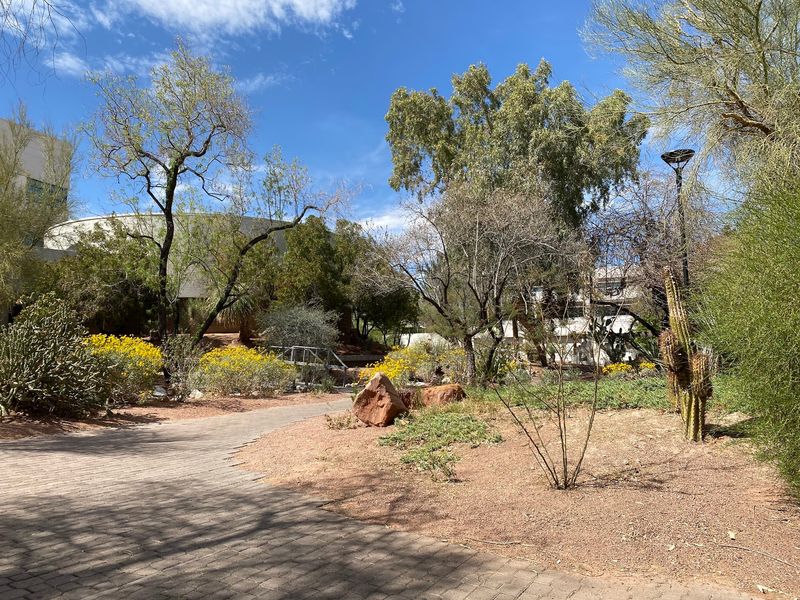
Ever wondered what to plant in a hot, dry yard? The Donald H. Baepler Xeric Garden is like a free outdoor classroom for that exact question. It shows how you can create a pretty landscape while using much less water.
Water is precious in Nevada, and many homeowners in the Las Vegas area are switching to desert-friendly plants. This garden gives you a chance to see those plants grown together in a real setting.
You can look at how they are spaced, how rocks and gravel are used, and how paths tie everything together.
You should bring a notebook or take photos of plants you like. Pay attention to their size, shape, and color. Later, you can ask a local nursery about similar plants for your own space.
Here are a few things to notice during your walk. Look at how taller plants give shade to smaller ones. Watch for groups of plants with similar water needs placed side by side. Notice how boulders add interest without needing any care at all.
These small design choices can help you build a yard that looks great, saves water, and fits naturally with the desert around you.
Pair Your Visit With Art Next Door
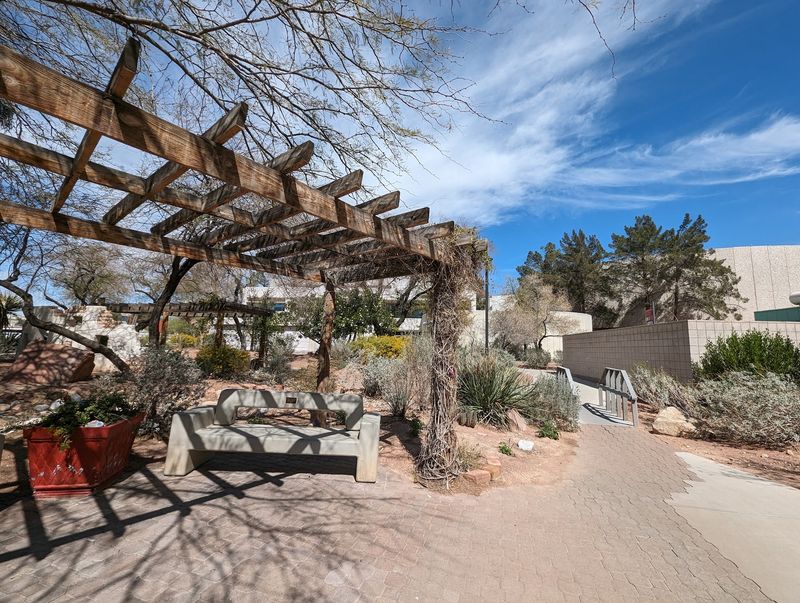
Two great experiences sit right next to each other on campus. The Donald H. Baepler Xeric Garden is located beside the Marjorie Barrick Museum of Art, which makes it easy to plan a fuller outing.
The museum shows rotating art exhibits, and many of them connect to the culture and people of the region. After a walk through the garden, you can normally head inside to see something completely different.
The museum is temporarily closed for exhibition installation but is expected to reopen later in the season. The mix of nature and art keeps your visit fresh and interesting.
You should check the museum website before you go, especially while exhibitions are changing. The garden itself is open all day, every day, so you have more flexibility there. Planning ahead helps you enjoy both without feeling rushed.
The garden works nicely as a calm start or finish to a museum trip. You can sit on a bench and talk about the art you just saw.
You might even notice how colors and shapes in the plants echo pieces on display. Both spaces are found at 4505 S Maryland Pkwy, Las Vegas, NV 89119, which makes the trip simple. Together they give you a thoughtful, creative afternoon away from the busier parts of the city.
Smart Tips For Parking And Timing
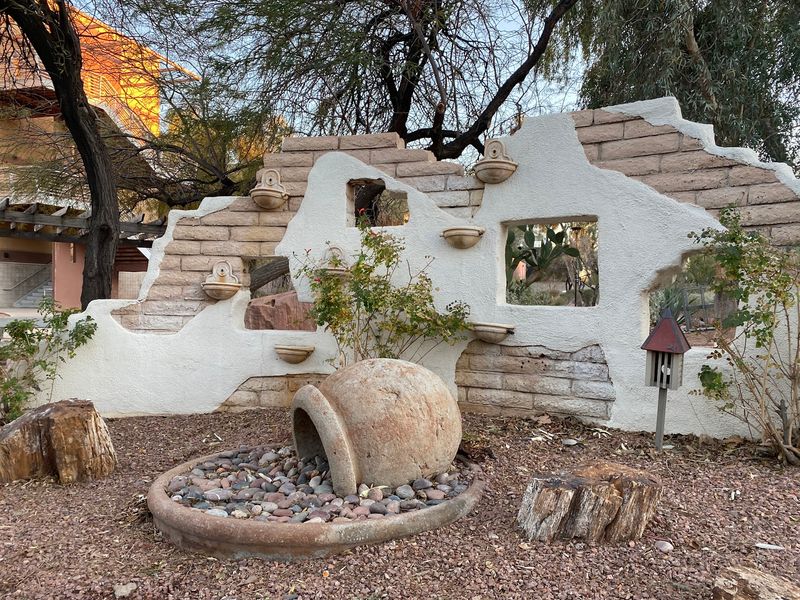
A little planning goes a long way on a college campus. Before you head to the Donald H. Baepler Xeric Garden, you should think about how you will get there and when you will arrive.
Much of the UNLV campus uses permits or paid visitor parking, though free parking is also available in Lot S. You should check the university parking website for current visitor rules before your trip.
Some people choose to use rideshare or public transit along Maryland Parkway to keep things simple.
Timing matters too. Weekdays during the school year can be busy with students moving between classes. Weekends and early mornings tend to feel calmer, which gives you more space to wander and relax.
Fall is one of the nicest seasons to visit Nevada, with cooler temperatures and clear skies. Still, you should wear comfortable shoes, since you may walk a bit from where you park or get dropped off.
Bring water and sun protection as well. Because the garden is outdoors, you have more flexibility when choosing a time to visit.
Daylight is best for seeing the plants clearly, though. Once you sort out these small details, your visit becomes easy, smooth, and much more enjoyable from start to finish.
Why A Small Garden Leaves A Big Impression
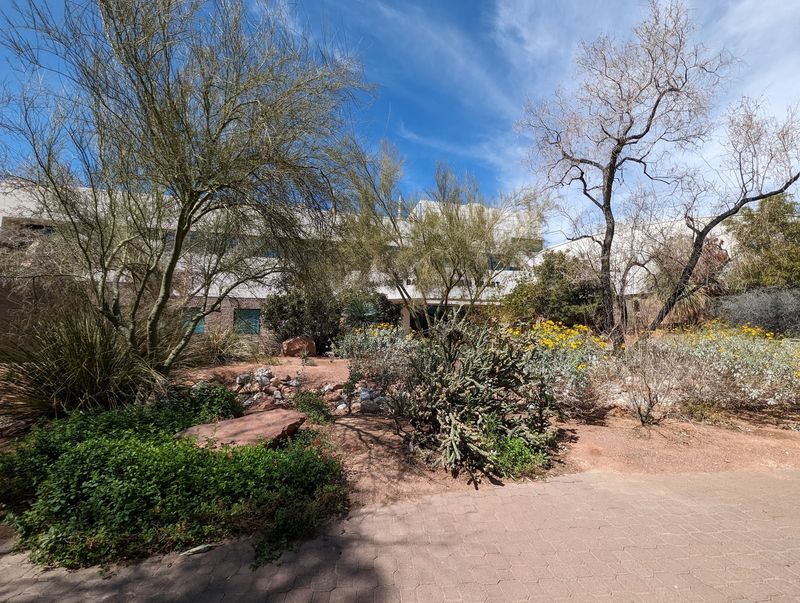
Size does not decide how much a place can mean to you. The Donald H. Baepler Xeric Garden proves that a small space can still offer calm, beauty, and plenty to learn.
In a city full of action, it gives you a quiet corner to breathe. You can walk slowly, notice tiny details, and enjoy the gentle side of the desert. The plants remind you that life can grow strong even with very little water.
You should treat your visit as a chance to reset. Leave your busy thoughts at the edge of the path and let the garden set the pace. Even fifteen minutes here can help you feel lighter and more focused.
I also appreciate how the garden connects people to the land around them. It shows what makes southern Nevada special, and it encourages smarter ways to care for the environment. That message stays with you long after you leave.
So the next time you are near campus, make room in your day for this peaceful spot. Bring a friend, a book, or just your curiosity. You may find that this little desert retreat becomes one of your favorite places to return to each fall.