
This Peaceful Rhode Island State Park Is A Secluded Escape From The Crowds
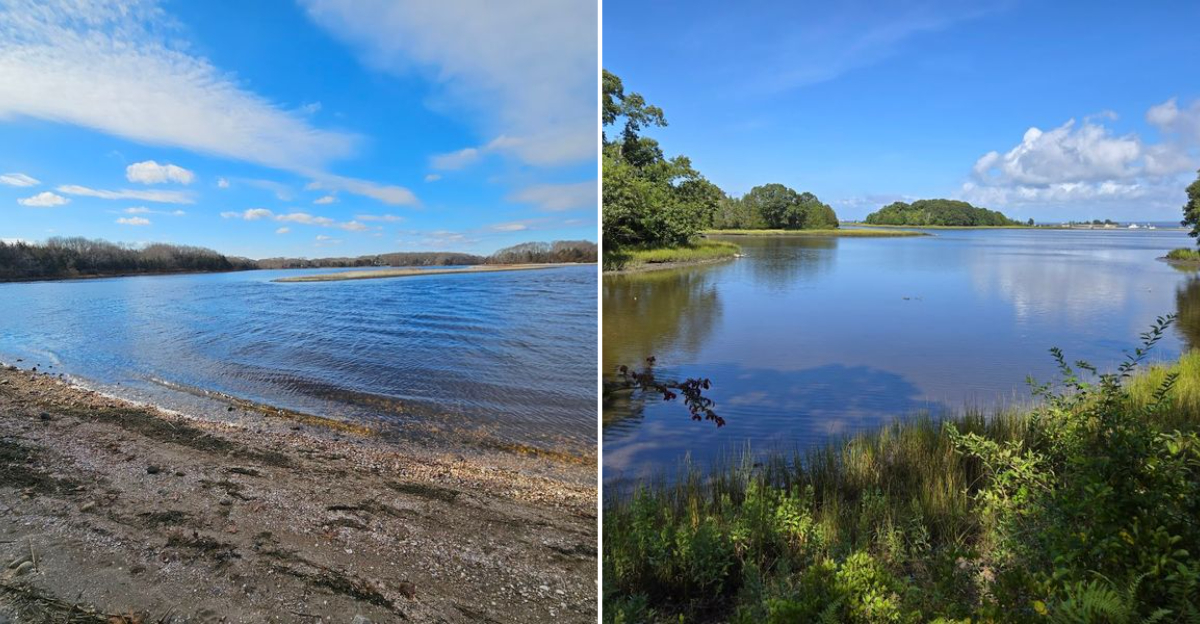
Parking lots at popular Rhode Island state parks fill before nine on a good weekend. This one doesn’t have that problem, and the people who know it prefer to keep things exactly that way.
Seclusion at this level requires a location the crowd never fully found. Rhode Island delivered that through a park that sits outside the radius of the obvious outdoor options and rewards anyone willing to extend the search by twenty minutes.
Trails that don’t require passing anyone for long stretches. A stillness that arrives complete rather than in degrees.
Regulars treat it as a personal discovery even after years of returning. A state park that opted out of the overcrowding conversation entirely and has been delivering on that decision ever since.
Natural Wildlife Habitats And Their Inhabitants
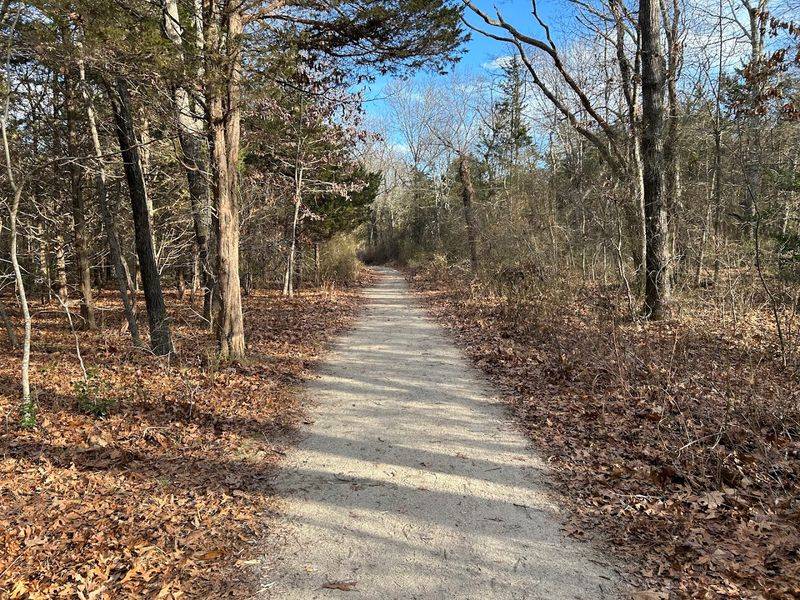
Rome Point is home to a surprising variety of wildlife. The preserve covers 230 acres of undeveloped land.
That undeveloped status is exactly what makes the animals feel at home here.
Harbor seals are the big stars from October through April. They haul out onto the offshore rocks to rest and soak up whatever sun Rhode Island offers.
Binoculars are a must for getting a good look at them.
The best seal viewing window is one hour before and after low tide. Plan your visit around that, and you will not be disappointed.
Missing that window means you might just see empty rocks.
Songbirds fill the wooded sections of the trail year-round. You will hear them before you ever see them.
The forest canopy creates a natural concert that starts the moment you leave the parking lot.
Hermit crabs show up along the rocky shoreline, too. Kids especially love finding them near the water’s edge.
The rocky beach is crawling with life if you look closely enough.
The preserve was donated to Rhode Island in 2001 by Narragansett Electric Company. It was named in honor of Senator John H.
Chafee. Before becoming a preserve, Rome Point was almost the site of a nuclear power plant.
Environmental concerns stopped that plan. Located at 1344 Boston Neck Rd, North Kingstown, RI 02852, the land has been protected ever since.
Scenic Walking Trails Away From The Crowds
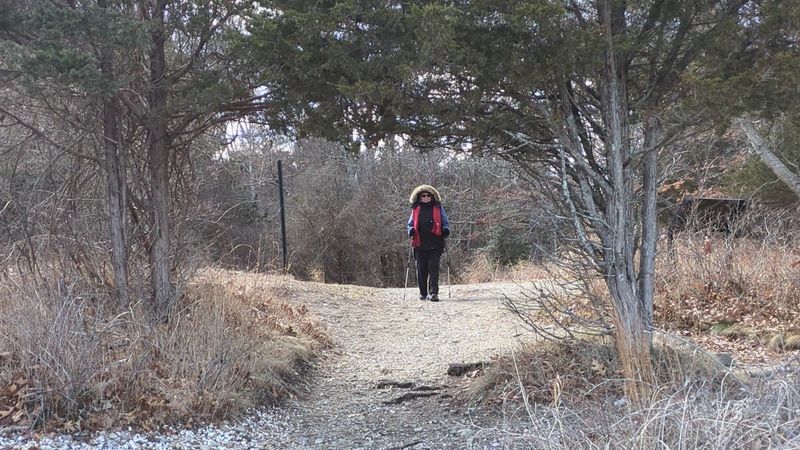
The Rome Point Trail is the main route through the preserve. It runs about 2.5 to 2.6 miles as a loop or out-and-back path.
The trail is wide, mostly flat, and easy enough for a casual afternoon walk.
The surface is a mix of gravel and packed rock. Some sections have loose rocks, so watch your footing near the shoreline.
Most of the path is manageable even for off-road strollers.
The trail moves through shaded wooded sections first. That canopy keeps things cool even on warmer days.
Then the trees open up and Narragansett Bay appears right in front of you.
Weekday visits are the way to go if you want the trail mostly to yourself. Parking fills up fast on nice weekends.
Getting there early also means you catch the morning light on the water.
Dogs are welcome on leash, and plenty of people bring them. The trail is friendly for four-legged hikers.
Just pack out what your dog leaves behind.
There is a mailbox along one of the side paths where hikers can leave notes in a trail journal. That small detail makes the whole experience feel personal.
Old rock formations and a junked car hidden in the woods add a quirky layer to the walk. The preserve does not feel manicured or commercial.
It feels genuinely wild and refreshingly quiet.
Diverse Plant Species Unique To The Area
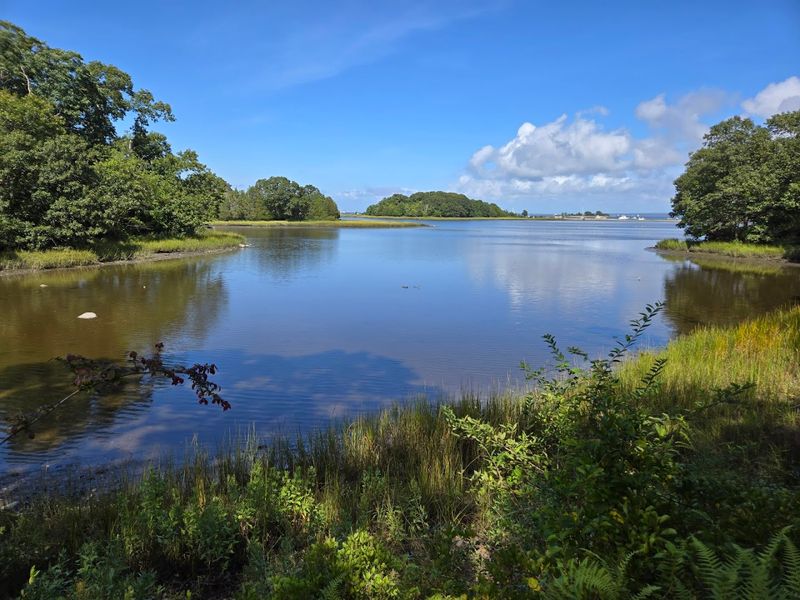
The plant life at Rome Point reflects the unique mix of habitats packed into 230 acres. You move through woodland, salt marsh, and coastal zones in a single walk.
Each zone has its own distinct plant community.
The wooded sections are dominated by mixed New England hardwoods. Oaks and maples create the shaded canopy that hikers love.
Their root systems anchor the soil and keep the trail stable underfoot.
Salt marsh grasses line the edges near the water. These plants are tough, salt-tolerant, and essential for the ecosystem.
They filter runoff and provide habitat for insects and small birds.
Coastal shrubs and low-growing vegetation take over near the rocky shore. These plants handle wind, salt spray, and rocky soil without complaint.
They are not flashy, but they hold the whole shoreline together.
Holly trees appear in the woods and become a natural landmark in winter. Some hikers have reportedly decorated them during the holiday season.
It is a small, charming tradition that fits the preserve’s personality.
The undeveloped status of Rome Point means no manicured lawns or planted flower beds. What grows here grows naturally.
That authenticity is part of the appeal for plant lovers and casual walkers alike. Seasonal wildflowers pop up in spring and add color to the trail edges.
The variety of plant life supports the broader wildlife community and keeps the preserve feeling alive year-round.
Serene Waterfront Locations For Quiet Reflection
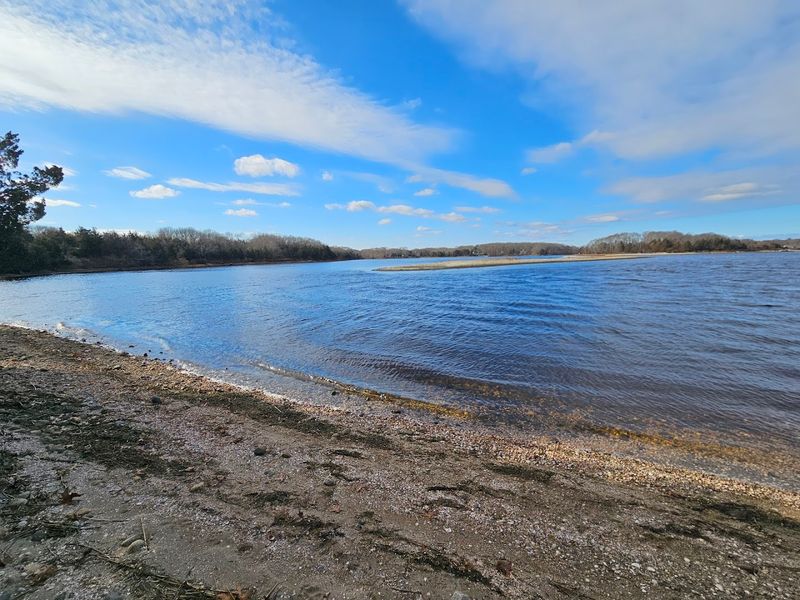
Reaching the waterfront at Rome Point feels like a reward. The bay opens wide, and the noise of daily life disappears completely.
It is just you, the water, and whatever birds happen to be passing through.
The views stretch across Narragansett Bay toward Jamestown and Newport. On clear days, you can spot both the Jamestown and Newport Bridges in the distance.
Fox Island also sits visible from the point on calm days.
The shoreline is rocky rather than sandy. That keeps the crowds smaller than a typical beach.
People who come here are looking for peace, not beach chairs and umbrellas.
The water itself has a different energy depending on which side of the peninsula you stand on. One side tends to be calmer and more sheltered.
That calmer side is where families often gather to let kids explore the rocks.
Oyster farming happens just offshore, and you can actually see the beds from the trail end. There is a written display near the water explaining the Rome Point Oysters and their history.
It is one of those unexpected details that feels educational without trying too hard.
Sitting at the water’s edge with binoculars pointed toward the seal rocks is a genuinely meditative experience. There is no cell signal pressure out here.
The bay has a way of slowing everything down. Bring a jacket because the wind off the water can be brisk even in spring.
Seasonal Changes And Their Effects On The Landscape
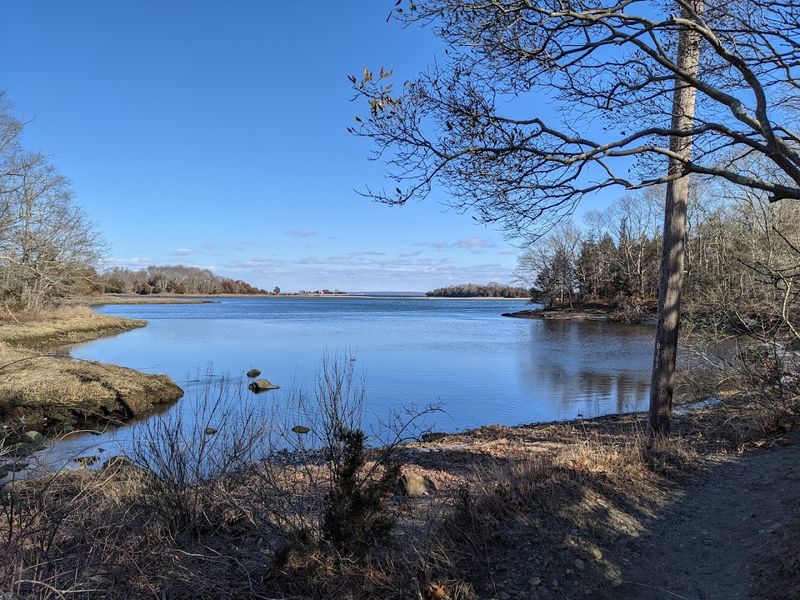
Rome Point looks completely different depending on when you visit. Each season brings its own version of the preserve.
None of them are bad, but some are genuinely spectacular.
Fall is when the wooded trail transforms. Oaks and maples shift to orange and gold, and the contrast against the blue bay is stunning.
The air gets crisp, and the trail stays quiet since summer crowds are long gone.
Winter is seal season. From October through April, harbor seals rest on the offshore rocks.
The trees are bare, which actually improves sightlines through the woods. Cold weather visits reward patient hikers with some of the best wildlife encounters of the year.
Spring brings songbirds back in full force. Migratory species pass through, and the woods fill with activity.
Wildflowers start appearing along the trail edges, and the salt marsh grasses begin greening up again.
Summer is the busiest time at Rome Point. Parking fills up fast, and the trail sees more foot traffic.
Visiting early in the morning helps you beat both the crowds and the heat.
The salt marshes change noticeably with the seasons, too. In warmer months, they are dense and green.
In winter, they turn golden brown, and the landscape feels more open. Each visit genuinely feels like a new place.
That seasonal variety is one of the strongest reasons locals keep coming back throughout the year.
Ideal Picnic Spots Surrounded By Nature
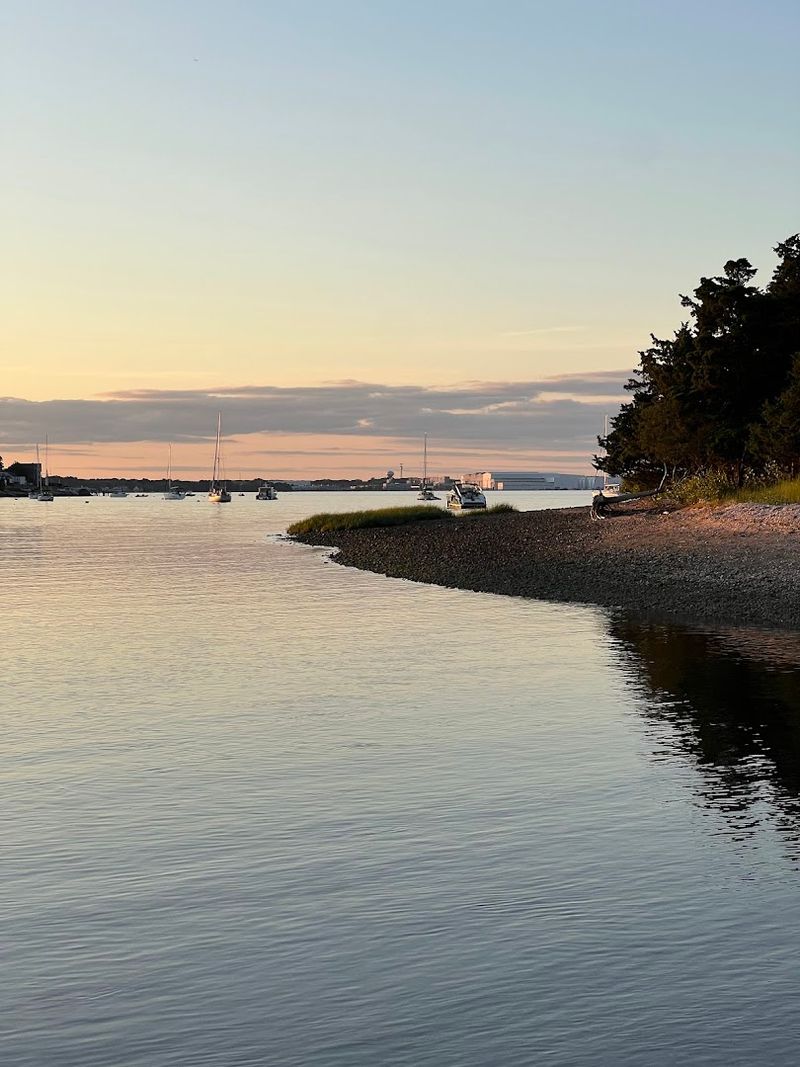
Packing a picnic for Rome Point is genuinely a great call. The waterfront area at the end of the trail gives you bay views while you eat.
That combination of food and scenery is hard to beat anywhere in Rhode Island.
The wooded sections of the trail also offer shaded spots for spreading out a blanket. The canopy keeps things cool during warmer months.
Those spots work especially well in summer when the sun is strong.
One heads-up about the rocky beach area, specifically. The shoreline near the point has a notable population of sand spiders.
They are harmless, but they are everywhere, so that particular stretch is not ideal for sitting down on the ground.
The calmer side of the peninsula near the water is better for relaxed outdoor eating. The wind is less aggressive there.
Families with kids tend to naturally gravitate toward that spot.
There are no food vendors or concession stands at the preserve. Bring everything you need before arriving.
The nearest gas station is less than two miles away if you forget something.
Trash cans are limited or nonexistent at the preserve. Pack-in and pack-out is the rule here.
Leaving nothing behind keeps the place beautiful for the next visitors. A blanket, some snacks, and a pair of binoculars make for a nearly perfect afternoon at Rome Point.
Simple and completely satisfying.
Tips For Responsible And Sustainable Visitation
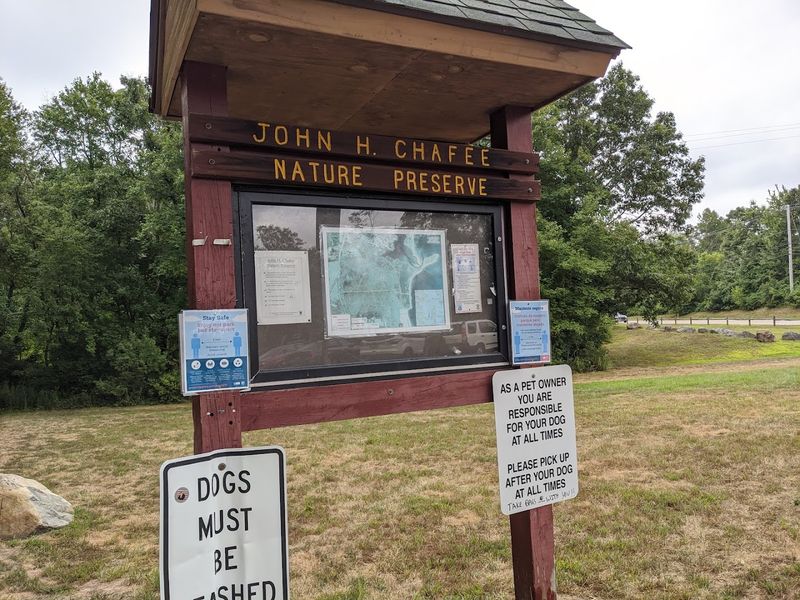
Rome Point stays beautiful because people generally respect it. That respect is not automatic, though.
A few habits make a real difference in keeping the preserve clean and healthy.
Parking is limited at the trailhead on Boston Neck Road. It fills up fast on sunny weekends and holidays.
Weekday visits are the most reliable way to find a spot without circling the lot.
Dogs are welcome but must stay on leash at all times. The wildlife here depends on that boundary being respected.
Off-leash dogs disturb nesting birds and can stress the seal population near the water.
Dog waste bags need to leave the preserve with you. Leaving filled bags on the trail is a real problem that other visitors have flagged.
The nearest disposal option is a gas station less than two miles away.
The trail has a few unsigned splits that can lead hikers off route. Paying attention at intersections saves time and frustration.
A simple trail map downloaded before you go solves that problem completely.
The preserve is undeveloped by design. That means no restrooms, no water fountains, and no rangers on duty most days.
Come prepared with water, snacks, and any supplies you need. Picking up any litter you happen to see along the trail is a small act that adds up.
The preserve was donated to protect this land permanently. Every visitor who treats it with care helps honor that original intention.
Opportunities For Bird Watching And Photography
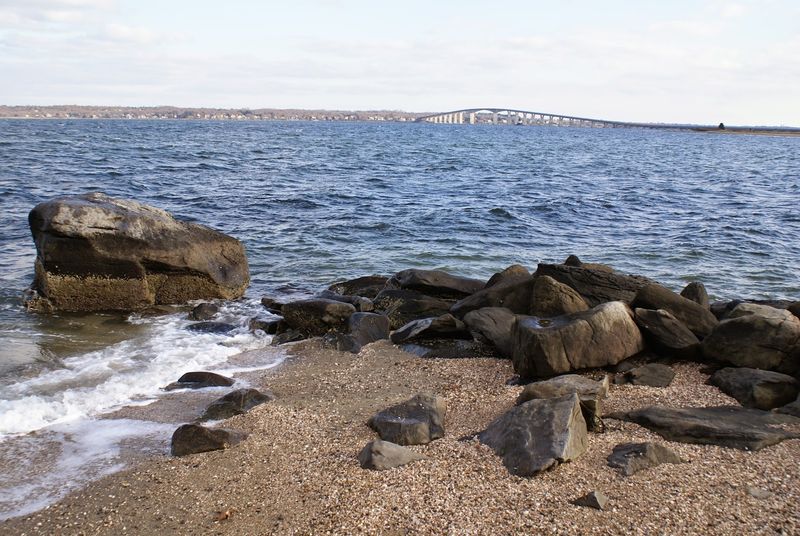
Rome Point is a legitimate destination for birders. The preserve sits along a migratory flyway, which means species variety changes throughout the year.
Spring and fall migration periods are especially active.
Songbirds dominate the wooded trail sections. You hear them constantly as you walk through the canopy.
Slowing down and standing still for a few minutes reveals far more than hiking at full pace.
Shorebirds and waterfowl appear near the salt marsh and bay edges. The rocky shoreline attracts species that prefer that habitat over sandy beaches.
The mix of environments in one short walk is genuinely impressive for birders.
Harbor seals from October through April are also photogenic subjects. They rest on offshore rocks in groups and stay relatively still.
A camera with a zoom lens or a spotting scope gives you the best shots without disturbing them.
The lighting at Rome Point is particularly good in the early morning and late afternoon. Golden hour along the bay produces the kind of images that look professionally edited.
The Jamestown Bridge in the background adds a structural element to landscape shots.
Photography at the preserve works best on weekdays when foot traffic is lower. Fewer people on the trail means less movement disturbing the birds.
The wooded sections also offer interesting light filtering through the canopy for forest photography. Bring extra memory cards.
You will use more than you expect.