
This Peaceful South Dakota Town Has The Kind Of Small-Town Charm Where Everyone Knows Your Name
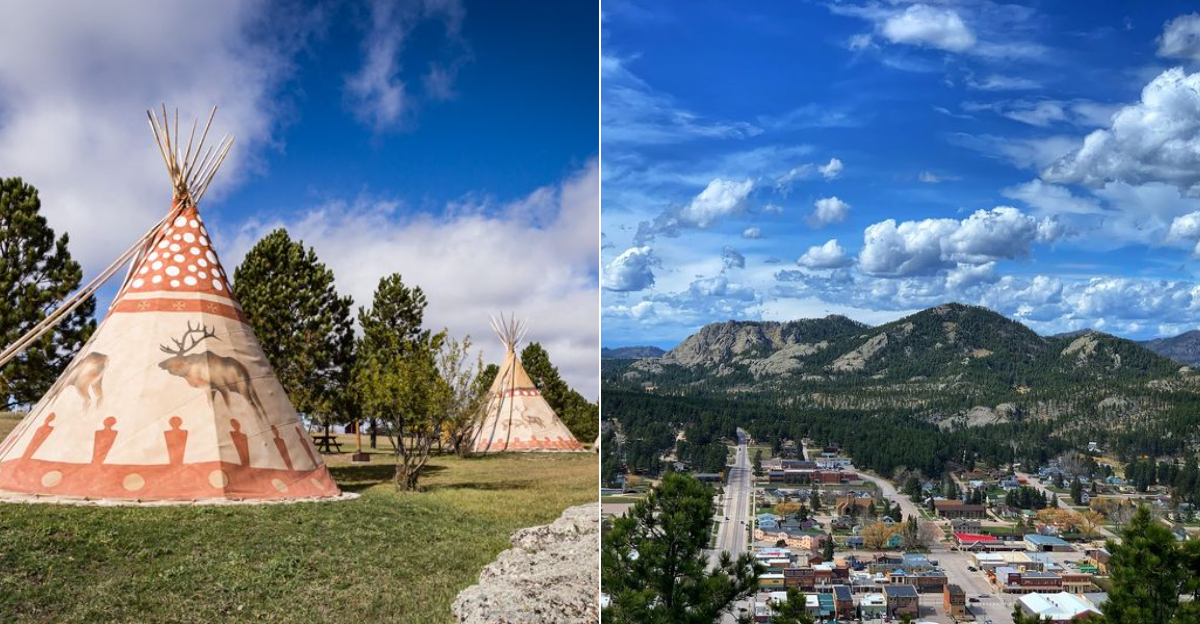
Small-town adventures hit differently when the streets feel wide open and the scenery starts showing off. In South Dakota, this mountain-area escape gives visitors history, wildlife, and plenty of reasons to slow the whole trip down.
The fun is how much fits into one place without feeling rushed. How often can a traveler enjoy old frontier character, bison sightings, scenic trails, and cave adventures in the same getaway?
This is the kind of stop that rewards extra time on the calendar. The streets invite easy exploring, the nearby landscapes feel huge, and the wildlife moments can turn into favorite vacation stories fast.
Leave space in the plans and follow the day where it wants to go. South Dakota makes this visit feel playful, outdoorsy, and worth stretching into a longer stay.
Deep Roots, Wide Streets
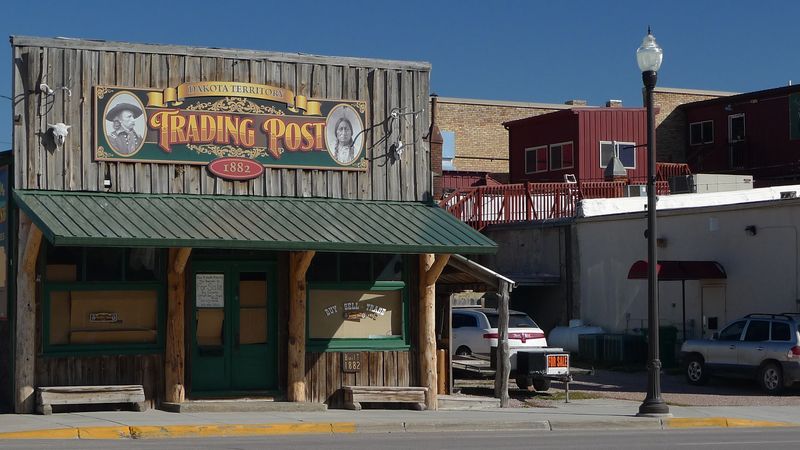
Custer, South Dakota 57730, is the oldest town established by European Americans in the Black Hills, founded in 1875. That is not just a fun trivia fact.
That history shapes everything about how this town looks, feels, and operates today.
It all started when gold was discovered in French Creek in 1874 by prospectors traveling with Lt. Colonel George Armstrong Custer’s expedition.
That discovery set off the Black Hills Gold Rush and put this small corner of South Dakota on the map permanently.
One detail that surprises almost every visitor is the width of the streets. They were designed at 100 feet wide so that ox teams pulling covered freight wagons could make full U-turns.
Walk down Main Street today and you will immediately notice how open and spacious everything feels compared to most small towns.
Every year, the community celebrates Gold Discovery Days during the last full weekend of July. There are parades, activities, and a genuine sense of pride in what this town has survived and built over nearly 150 years.
Custer has never tried to erase its past or dress it up beyond recognition. The history is right there on the surface, woven into the buildings, the street layout, and the stories locals love to share.
How many towns can honestly say their streets were designed for ox-drawn wagons and still look great today?
A Downtown That Delivers
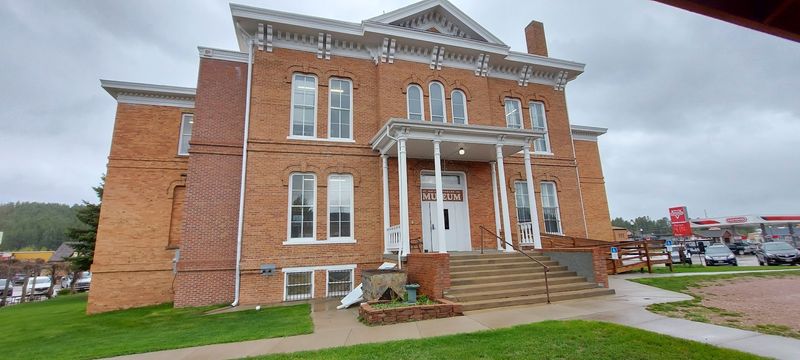
Some small towns promise a lively downtown and deliver a handful of closed storefronts. Custer is not that town.
The downtown area along Mount Rushmore Road is packed with local shops, art galleries, cafes, and restaurants that are actually open and worth visiting.
Art lovers should not skip the Art Expressions Gallery of Custer, which showcases work from regional artists. If you are in the mood for a nature-themed souvenir or a thoughtful gift, A Walk in the Woods offers a curated selection that feels personal rather than mass-produced.
The dining options here punch well above the town’s modest size. Local restaurants, diners, and delis have earned recognition among the top spots in the entire Black Hills region.
That is a meaningful achievement when you consider how many towns compete for that title.
Grabbing a coffee and sitting on a bench along the main drag is genuinely enjoyable here. People stop to chat, dogs get petted by strangers, and nobody seems to be in a rush.
The vibe is relaxed without being sleepy.
What makes downtown Custer feel special is that it serves actual residents, not just tourists passing through. The grocery stores, hotels, and local businesses reflect a community that takes care of itself.
Could your next favorite coffee shop be hiding in a town of fewer than 2,000 people? There is only one way to find out.
Wildlife At Your Window
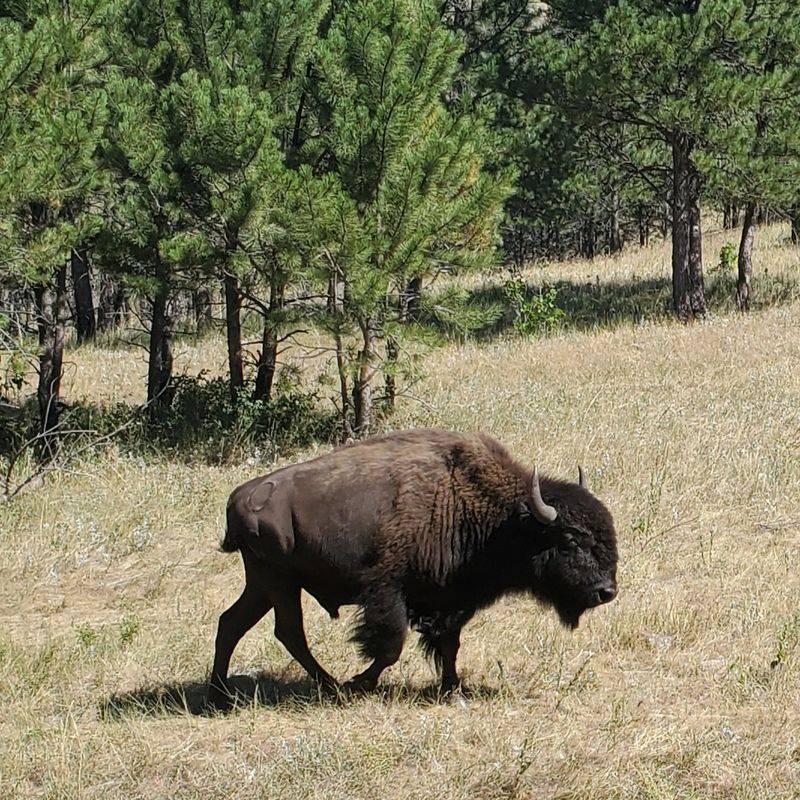
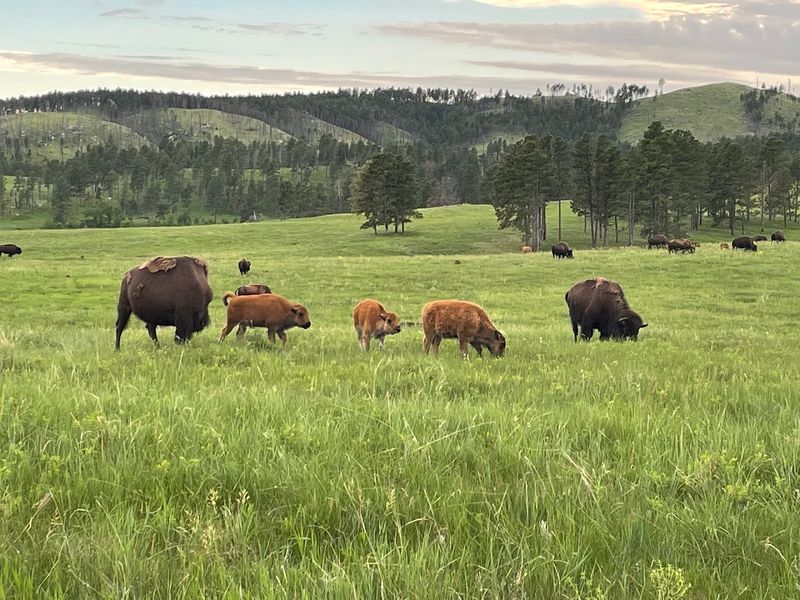
Custer serves as the front door to Custer State Park, a 71,000-acre wildlife sanctuary that is home to one of the largest free-roaming bison herds in the world. Over 1,400 bison wander through open grasslands, and seeing them up close is an experience that does not get old no matter how many times you visit.
The park is also home to elk, pronghorn, bighorn sheep, and the famously friendly burros that will stick their heads directly into your car window looking for snacks. Bring carrots.
You will thank yourself later.
The Wildlife Loop State Scenic Byway is one of the best drives in South Dakota. Wind through meadows and forests while animals graze just feet from your vehicle.
Early morning and late afternoon are the best times to spot the most activity.
Needles Highway offers a completely different kind of thrill. Narrow tunnels carved through granite spires, sharp switchbacks, and views that make passengers grip their armrests.
It is scenic driving at its most dramatic.
Photographers, families, and nature lovers all find something to celebrate here. The park does not require you to hike for miles to see something remarkable.
Sometimes the bison simply walk across the road and make you wait, which honestly feels like a gift. Have you ever had a traffic jam that you were genuinely happy about?
Trails, Bikes, Big Sky
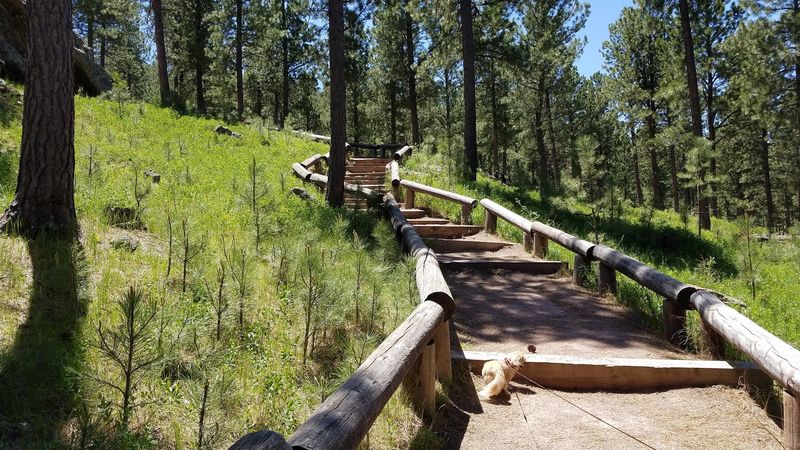
Outdoor adventures around Custer, South Dakota are not limited to scenic drives and wildlife watching. The town sits at the heart of some of the most accessible and rewarding trail systems in the entire state.
The George S. Mickelson Trail stretches 109 miles through the Black Hills, connecting towns and passing through tunnels, over bridges, and across terrain that shifts from dense forest to open ridgeline.
You do not need to ride the whole thing to have a great day. Even a short stretch near Custer will leave you feeling like you earned that cafe stop on the way back.
Rock climbing is popular on the granite outcroppings that dot the landscape around town. The formations here range from beginner-friendly routes to serious technical challenges, making this a destination for climbers at every skill level.
Canoeing, boating, and fishing are available on the lakes and waterways within and around Custer State Park. When winter arrives, snowmobilers take over the trails and the town shifts into a quieter, crisper version of itself that has its own distinct appeal.
Mountain biking on the single-track trails near town has grown significantly in popularity over recent years. Locals know the best routes and are usually happy to point visitors in the right direction.
What is the best trail near Custer? Ask anyone at the coffee shop and prepare for a very enthusiastic answer.
Landmarks Worth The Drive
Custer’s location in the southern Black Hills puts it within easy reach of some of the most iconic landmarks in the United States. Mount Rushmore National Memorial is less than 30 minutes away and remains one of those places that genuinely impresses even people who have seen it in photos a hundred times.
The Crazy Horse Memorial is even closer and tells a profoundly different story about the region’s history. The ongoing carving of Oglala Lakota warrior Crazy Horse into the mountain is a multigenerational project that has been in progress since 1948.
Seeing it in person adds a weight and scale that no photograph captures.
Jewel Cave National Monument, located just a short drive from town, is the third longest known cave system in the world. Guided tours take visitors through chambers filled with calcite crystals that shimmer under light in ways that feel almost unreal.
Wind Cave National Park rounds out the remarkable cluster of natural and historical sites surrounding Custer. The cave system here is known for its rare boxwork formations, and the park above ground protects a mixed-grass prairie ecosystem that is increasingly rare.
Most visitors try to see everything in one long day and end up wishing they had stayed longer. Custer makes an ideal base for exploring all of these sites without the stress of long drives or crowded resort-town traffic.
Which landmark would you visit first?
Community Events That Feel Like A Real Celebration
Life in Custer moves to its own rhythm, and the town’s calendar of community events reflects a place that genuinely enjoys celebrating together. These are not manufactured tourist events.
They are traditions that locals look forward to year after year.
Gold Discovery Days, held during the last full weekend of July, is the town’s biggest annual celebration. Parades, live music, historical reenactments, and family activities fill the wide streets with energy and pride.
If you happen to be visiting in late July, do not miss it.
The Burning Beetle in January is a uniquely Custer tradition. It began as a symbol of the community’s resilience against the pine beetle infestation that damaged Black Hills forests.
The event has grown into a winter gathering that brings people together during the quietest time of year.
The Governor’s Annual Buffalo Roundup Arts Festival combines the spectacle of wrangling thousands of bison in Custer State Park with a celebration of regional art, food, and culture. It draws visitors from across the country and remains one of the most authentically South Dakotan events you will find anywhere.
A summer music series adds a regular dose of live entertainment to the town’s already lively Main Street atmosphere. Locals bring chairs, visitors wander over, and the evening air fills with music against a backdrop of pine-covered hills.
Is there a better setting for an outdoor concert?
The Atmosphere That Turns Visitors Into Return Guests
There is something specific about the atmosphere in Custer that is hard to put into words but very easy to feel. The population hovers around 1,919 people, which means you will see the same faces more than once, and by day two, those faces will probably know your name.
The town describes itself as a year-round basecamp, and that framing is accurate. It is not just a summer stop.
Fall brings sweeping color changes across the Black Hills, with golden aspens and deep red scrub oak set against blue granite and green pine. The scenery during October is the kind that makes people pull over just to stare.
Winter quiets everything down in the best possible way. The crowds thin, the air gets crisp, and the town takes on a calm that feels restorative rather than boring.
Locals are more accessible, conversations happen more easily, and the whole place feels like it belongs to you.
Spring brings fresh energy as trails reopen, animals become active again, and the town shakes off the cold with a kind of collective enthusiasm that is genuinely infectious. Every season here has its own personality and its own reason to visit.
Visitors who come once almost always come back. The combination of natural beauty, genuine community warmth, and a pace of life that does not demand anything from you is a rare thing to find.
What would it feel like to slow down in a place this beautiful?
Tips For Your Visit
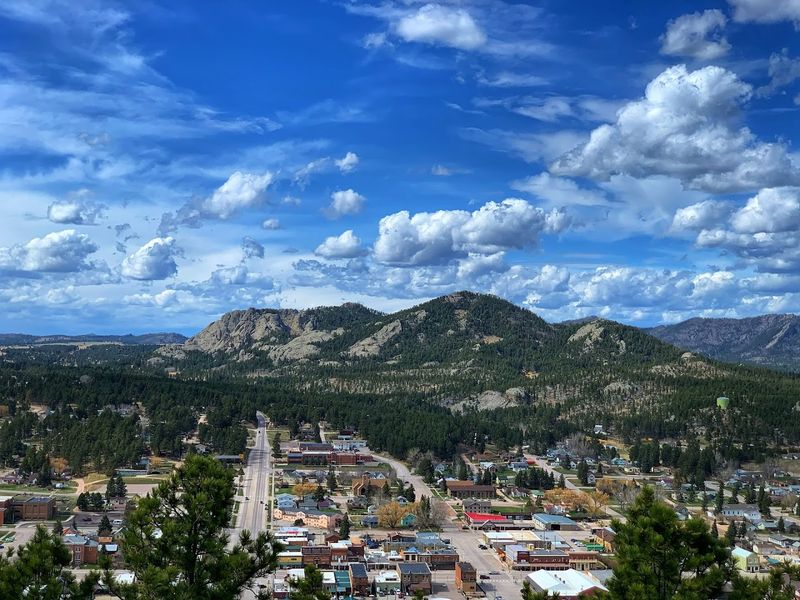
Planning a trip to Custer is straightforward, but a few smart moves will make the experience significantly better. The town is located in the southern Black Hills, and the address for navigation purposes is West Custer, SD 57730, sitting at coordinates 43.7666507, -103.5988057.
Summer is the busiest season, so booking accommodations early is a good idea if you plan to visit between June and August. The town has hotels, cabins, and campground options that suit a range of budgets and travel styles.
Staying in town rather than outside it means you can walk to restaurants and shops without needing to drive.
A state park entrance pass for Custer State Park is worth purchasing. It covers multiple entries and gives you access to the Wildlife Loop, swimming areas, hiking trails, and campgrounds within the park boundaries.
The park is large enough to fill several full days on its own.
Pack layers regardless of the season. Black Hills weather can shift quickly, and mornings in the hills can be noticeably cooler than afternoons in town.
Good walking shoes are essential because the best parts of Custer are experienced on foot or on a trail.
Give yourself at least three days if you want to cover the main attractions without rushing. Most visitors wish they had stayed longer, and extending your trip by even one extra day tends to be the decision people are most glad they made.
Ready to start planning?