
This Peaceful Vermont Village Feels Frozen In Time With Scenic Woodland Surroundings
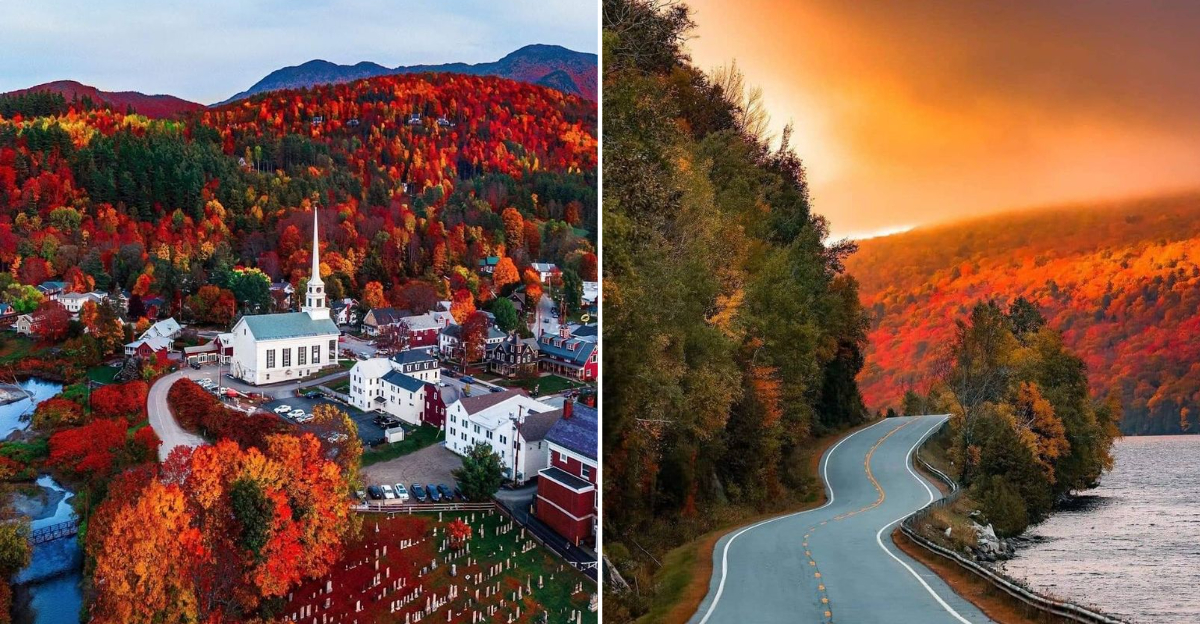
There is a village in Vermont where the loudest thing you will hear is the wind through the trees. Locals call it home.
Visitors call it a wake-up call. In a world that keeps getting louder, faster, and harder to keep up with, most people have forgotten what quiet actually feels like.
Not the quiet of a muted phone or a closed door. The real kind.
The kind that wraps around you the moment you step outside. Vermont has always done things at its own pace.
But this village takes it further. Wooden bridges, forest trails, and streets that have looked the same for over a century.
No rush, no noise, and no pressure to be anywhere other than exactly where you are. Some places make you want to visit.
This one makes you want to stay. And once you see it for yourself, the hardest part will be explaining to everyone back home why you are not coming back.
The History Behind Vermont’s Tranquil Villages
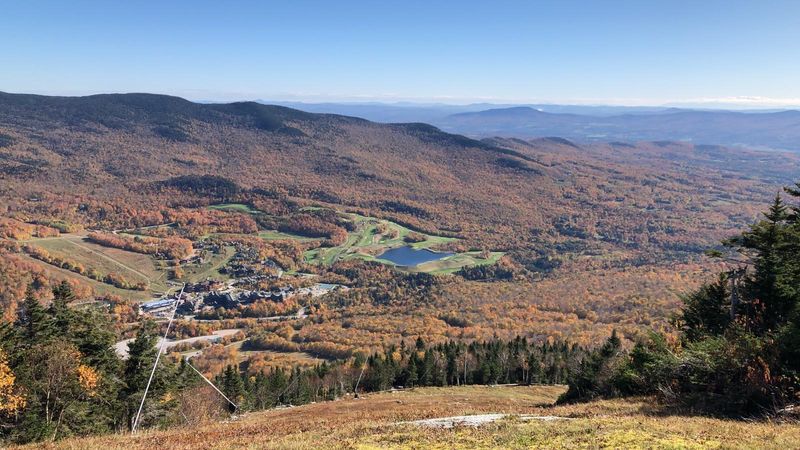
This spot has been quietly minding its business since the early 1800s. The village carries more than two centuries of history without making a big deal about it.
That kind of confidence is rare.
The Green Mountain Inn has been welcoming guests since 1833. That is not a typo.
People were checking into this inn before the Civil War even started. Historic storefronts and covered bridges still stand across the village today.
Downtown Stowe features original buildings that have barely changed in appearance. Boutique shops and art galleries now fill spaces that once held general stores.
The bones of the old town are still very much intact.
White church steeples rise above the rooftops just like they always have. Locals and visitors both tend to stop and stare at them.
There is something about a steeple against a mountain backdrop that never gets old.
The population sits at around 5,000 people today. That number has stayed relatively steady for decades.
Small towns like Stowe tend to attract people who actually want to stay.
Flora And Fauna Unique To Vermont Woodlands
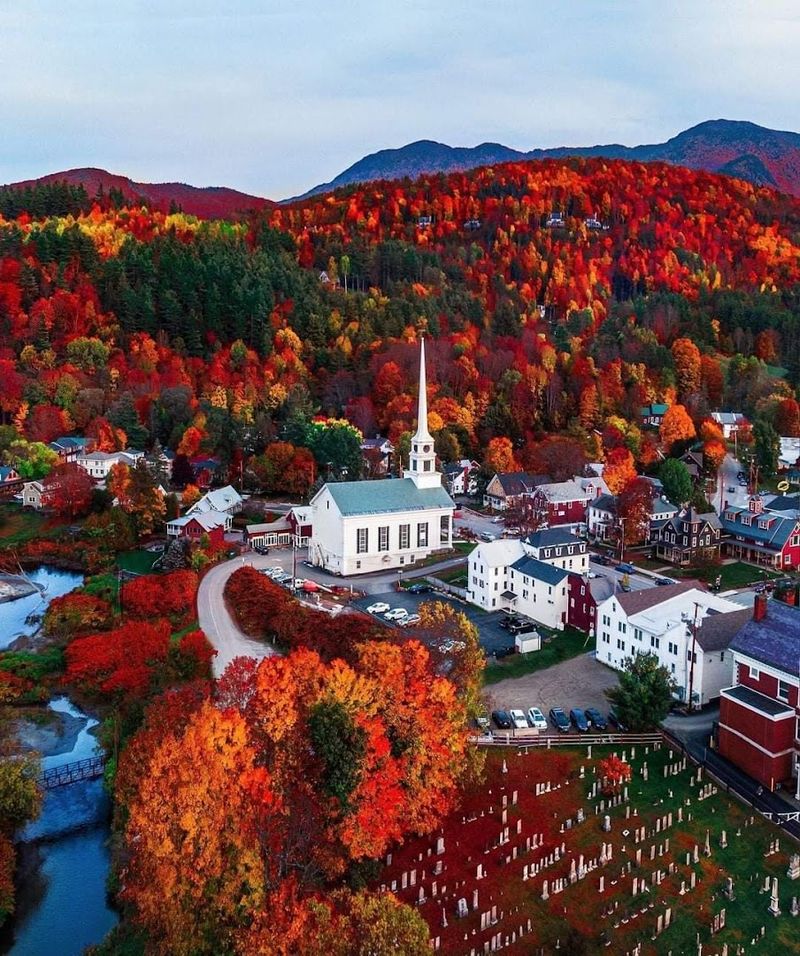
Wiessner Woods is one of those places that reminds you forests are not all the same. Spruce, pine, hardwood, and hemlock trees all grow together here.
Each trail feels like a different chapter of the same story.
The variety of trees creates layered habitats for wildlife. White-tailed deer move quietly through the undergrowth.
Wild turkeys are surprisingly common, and they walk around like they own the place.
Black bears live in the surrounding hills. Spotting one from a safe distance is genuinely exciting.
Most locals treat it as a normal Tuesday, which is honestly impressive.
Mosses and ferns cover the forest floor in thick green patches. Wildflowers appear in spring along trail edges.
The seasonal rotation of plant life keeps the woods looking fresh throughout the year.
Moss Glen Falls, Vermont’s tallest waterfall, sits within this forested landscape. The spray from the falls keeps nearby plants unusually lush.
Standing near it feels like being inside a nature documentary without the narrator. Bingham Falls and Sterling Gorge Falls also add to the rich natural tapestry of the Stowe woodland ecosystem.
Seasonal Changes And Their Impact On Village Scenery
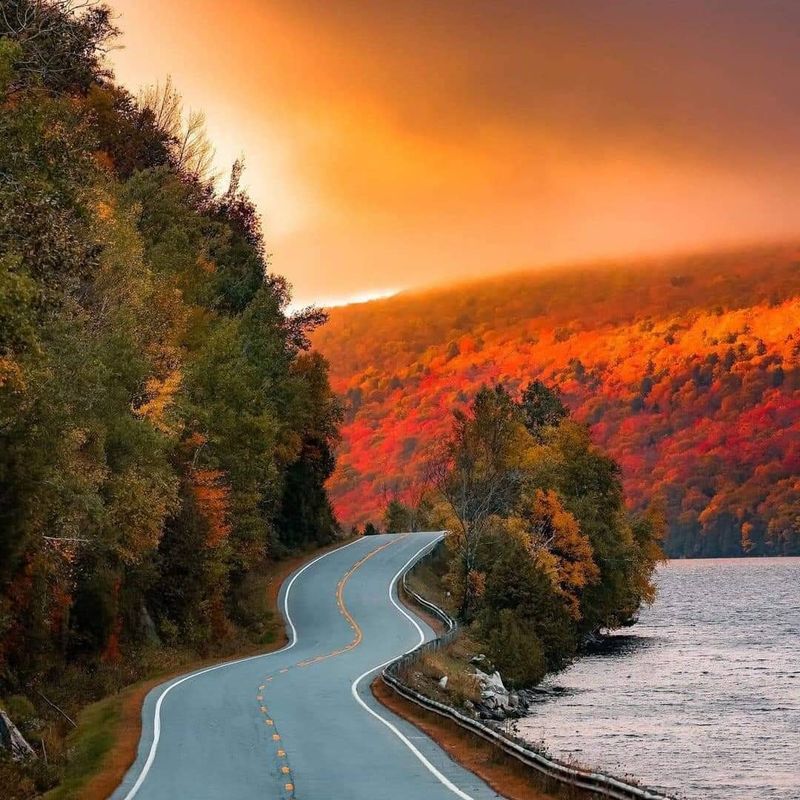
Autumn in Stowe is basically a visual overload in the best possible way. The hills surrounding the village shift from green to red, orange, and gold within just a few weeks.
The Waterbury Reservoir, nestled between two mountain ranges, becomes a mirror for all that color.
Winter brings heavy snow that blankets the rooftops and trails. Mount Mansfield transforms into a serious ski destination.
The village itself looks like it was designed specifically for a snow globe.
Spring is quieter but equally dramatic. Snowmelt feeds the West Branch River and surrounding streams.
Wildflowers push through the thawing ground almost urgently, like they have been waiting all winter.
Summer turns the valley into a patchwork of green. Farms, forests, and meadows all compete for attention along the scenic drives.
The Green Mountain Byway becomes one of the most beautiful roads in New England during this season.
Each season reshapes Stowe completely. The village layout stays the same, but the mood changes dramatically.
Returning visitors often say each season feels like visiting a different place. That consistency of change is part of what keeps people coming back year after year.
Architectural Styles Reflecting Past
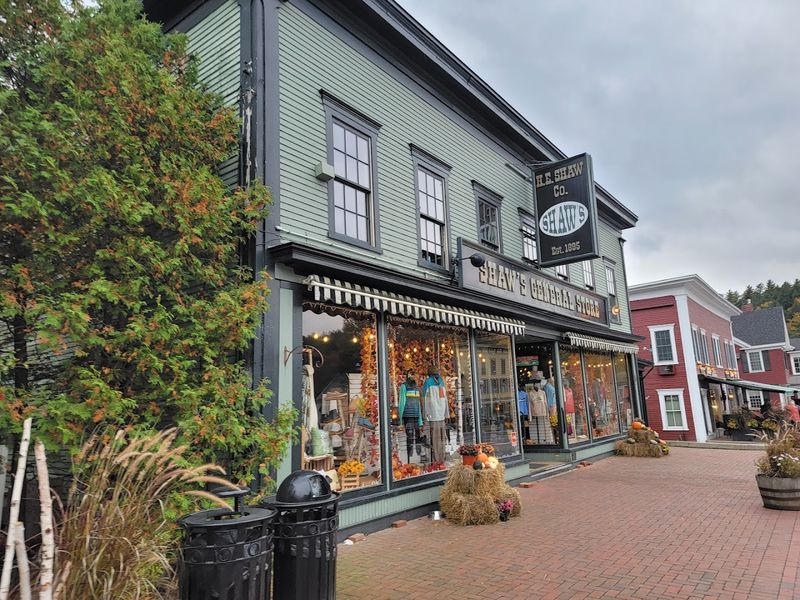
Federal-style architecture dominates much of Stowe’s downtown corridor. The clean lines and symmetrical windows of these old buildings are unmistakable.
They were built to last, and they have absolutely delivered on that promise.
Covered bridges are scattered across the surrounding countryside. Each one is a small engineering marvel from an earlier era.
They were built to protect wooden planks from the weather, but now they protect memories instead.
The Green Mountain Inn itself is a masterclass in 19th-century New England design. Brick exterior, white trim, and a welcoming front porch have defined it for nearly 200 years.
Renovations have happened, but the character has stayed firmly in place.
Historic storefronts along the main street feature original facades with updated interiors. The contrast between old shells and modern uses creates an interesting visual tension.
It works surprisingly well in person.
Church architecture in Stowe follows the classic New England pattern. White-painted wood, tall steeples, and simple interiors reflect the Puritan roots of Vermont’s early settlers.
These buildings were never meant to show off. They were meant to endure, and they have done exactly that for generations of Stowe residents and visitors alike.
Outdoor Activities Embracing The Woodland Surroundings
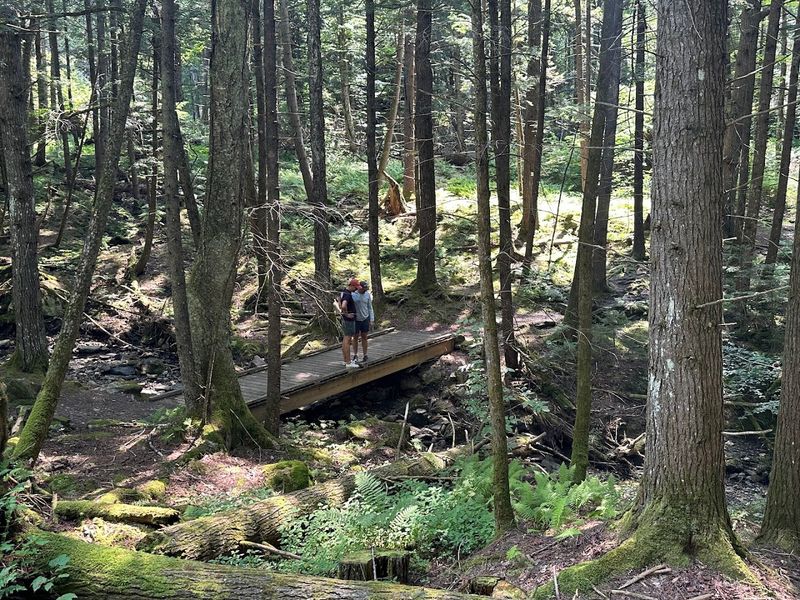
The Stowe Recreation Path is 5.3 miles of pure outdoor enjoyment. It winds through forests, meadows, and pastures while offering constant views of Mount Mansfield.
Walkers, runners, and cyclists all share this trail without much drama.
Mount Mansfield is Vermont’s highest peak, and it does not let you forget that. The Auto Toll Road climbs to the summit ridge for those who prefer views without the leg workout.
Hikers can tackle the trails on foot for a more rewarding experience.
Smugglers’ Notch State Park sits just a short drive from the village. Rugged terrain, caves, cliffs, and waterfalls make it one of the more dramatic parks in New England.
The narrow mountain pass alone is worth the trip.
Cady Hill Forest offers 11 miles of mountain biking trails above downtown. The trails weave through dense tree cover with occasional open views.
It is a solid option for anyone who wants a workout with scenery attached.
The Quiet Path Trail and Loop within Stowe Village is perfect for a slower pace. Short, flat, and genuinely peaceful, it cuts through the heart of the village.
Sometimes the best outdoor activity is simply walking and paying attention to what is around you.
Local Artisan Traditions In Small Vermont Communities

Stowe has a long tradition of supporting local makers and craftspeople. Art galleries line sections of the downtown area, showcasing work from regional artists.
The pieces range from landscape paintings to hand-thrown ceramics.
Vermont maple products are deeply tied to local artisan culture. Sugarhouses throughout the surrounding hills produce maple syrup, maple candy, and maple butter.
The process has not changed much in over a century, and locals are proud of that.
Woodworking is another craft with deep roots in the region. Vermont’s abundant hardwood forests have supplied raw material for generations of local furniture makers.
Many of these craftspeople sell directly from their workshops or at seasonal markets.
Fiber arts also have a strong presence in the Stowe area. Wool from local sheep farms gets spun, dyed, and woven into everything from blankets to scarves.
The colors often reflect the landscape itself, earthy and bold.
Small studios and boutique shops throughout the village carry locally made goods. Buying from these places supports the people who actually live and work in the community.
It also means you go home with something genuinely made in Vermont, not just labeled that way. That distinction matters more than most people realize.
Conservation Efforts Preserving Scenic Natural Areas
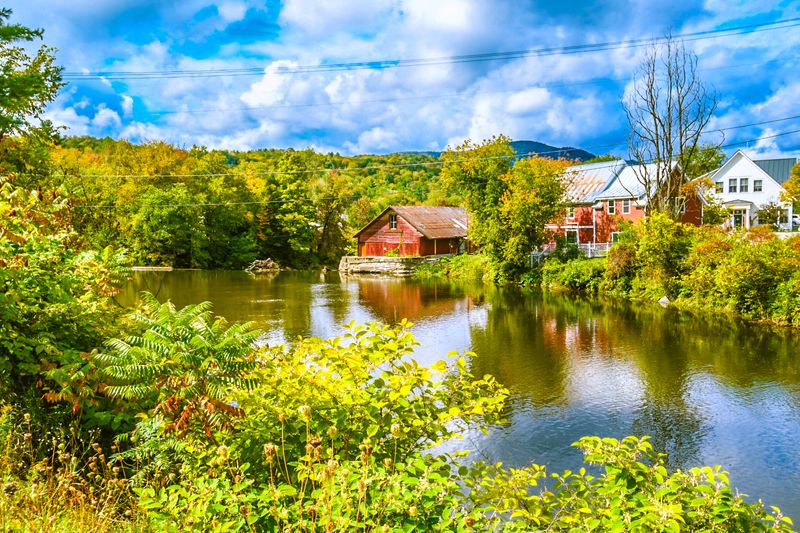
Vermont has one of the strongest land conservation records in the entire country. Stowe benefits directly from this commitment.
Large portions of the surrounding forest and farmland are permanently protected from development.
Wiessner Woods is a conservation success story that locals genuinely celebrate. The forest was preserved through community effort and land trust partnerships.
Trails now run through it for public enjoyment without compromising the ecosystem.
The Green Mountain Byway was designated specifically to protect scenic corridors. This keeps the views along major routes from being interrupted by sprawl.
Driving through it feels like the landscape is performing just for you.
Moss Glen Falls and the surrounding area are protected as part of a larger conservation effort. Foot traffic is managed carefully to prevent erosion near the waterfall.
Signs along the trail explain the ecological importance of the surrounding plant life.
Local organizations work year-round to maintain trail systems and monitor forest health. Volunteers participate in invasive species removal projects regularly.
The forests around Stowe do not stay beautiful by accident. They stay beautiful because people in this community made a decision to actively protect them, and they have kept that commitment going for decades without losing momentum.
Cultural Events Celebrating Village Heritage
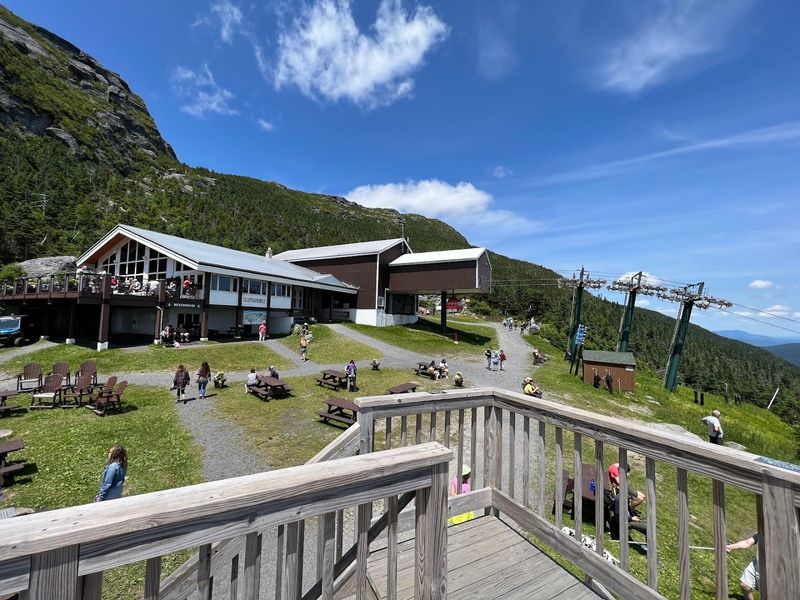
Stowe hosts seasonal events that connect residents and visitors to the village’s history. Winter carnivals have been part of local tradition for decades.
They bring the community together during the coldest months in a genuinely fun way.
The Vermont Ski and Snowboard Museum sits within Stowe and tells the full story of winter sports in the region. Vintage ski gear, historical photographs, and interactive exhibits fill the space.
It is more interesting than it sounds, even if you have never skied a day in your life.
Harvest festivals in autumn celebrate the agricultural roots of the surrounding valley. Local farmers, bakers, and makers set up alongside live music and craft demonstrations.
The energy at these events feels organic rather than manufactured.
Art walks and gallery openings happen regularly throughout the warmer months. These events give local artists a platform and give visitors a reason to explore downtown on foot.
Both groups benefit from the arrangement.
Community theater productions and music performances take place in the village throughout the year. These events are not large-scale productions.
They are intimate, local, and surprisingly good. Attending one feels like being let in on something that most tourists completely miss during their time in Stowe.