
This Peaceful Waterfall Trail In West Virginia Offers One Of The Most Rewarding Hikes In The Region
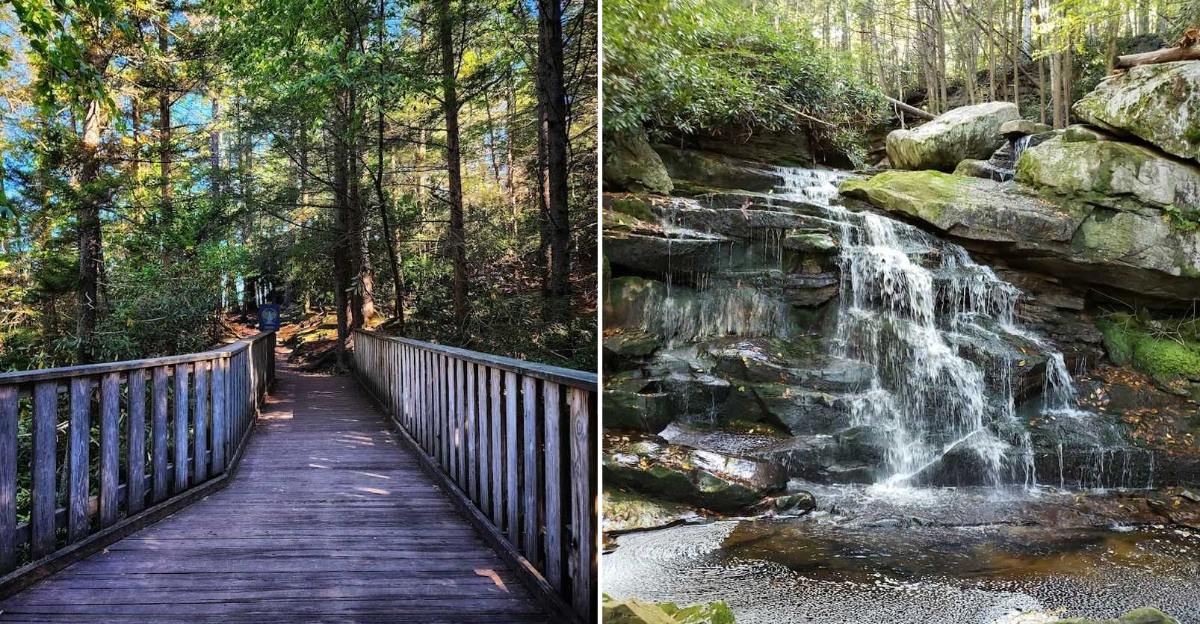
Some trails make you work for the reward, and this one in West Virginia delivers a payoff that makes every step feel completely worth it. The path winds through dense forest, crosses shallow streams, and builds anticipation with every quarter mile.
Nothing about the approach feels rushed or overcrowded. The trail earns its reputation through experience rather than hype.
By the time the waterfall comes into view, the effort behind getting there makes the moment hit that much harder. Hikers consistently describe the final stretch as one of the most visually striking sections of trail in the entire region.
This state has been sitting on some of the most rewarding outdoor destinations in the country. Most people are still just finding out.
Trail Terrain And Difficulty Levels
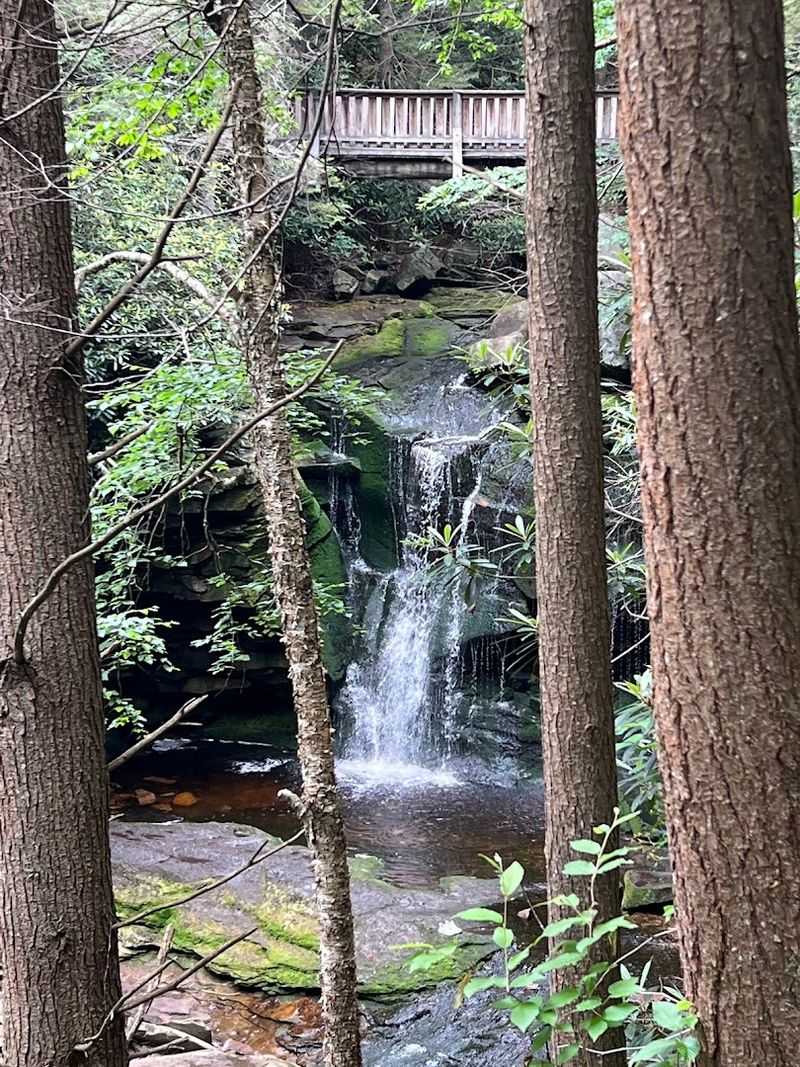
This trail starts right at the southern end of Blackwater Lodge. You do not need to hunt for the trailhead.
It is rated easy to moderate, making it accessible for most hikers. The path to the first waterfall is short, roughly 0.5 to 0.6 miles one way.
Roots and rocks are everywhere along the route. They pop up constantly, especially after rain.
Wet conditions make the path slippery, so watch your step. The terrain is unpaved and natural throughout.
The first waterfall is the easiest to reach. Beyond that, the trail gets rougher and less defined.
Some areas are steep, and the footing becomes tricky. Going further requires confidence and careful movement.
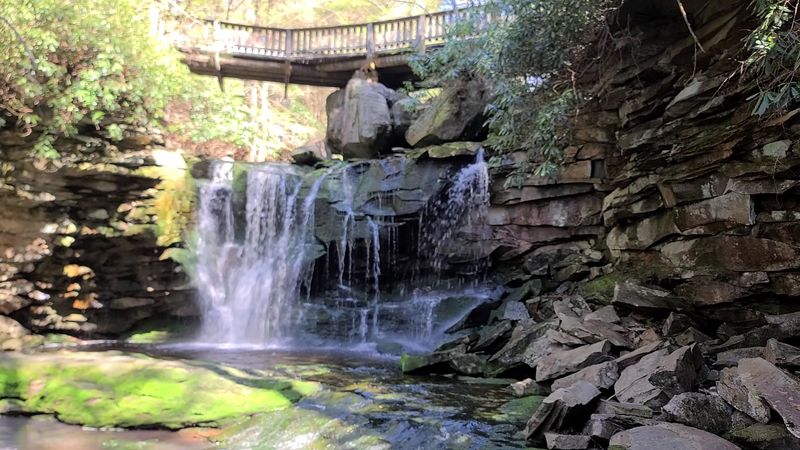
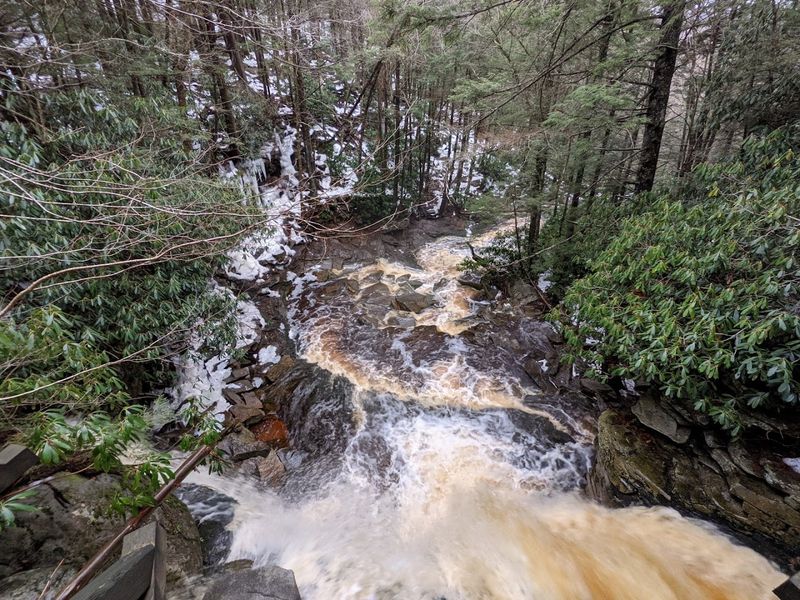
Families with younger kids can comfortably enjoy the first section. The wooden bridge over the first cascade is a highlight.
It gives you a direct view looking down at the falls. That alone is worth the walk.
The address is 1584 Blackwater Lodge Rd, Davis, WV 26260. Parking is available right at the lodge.
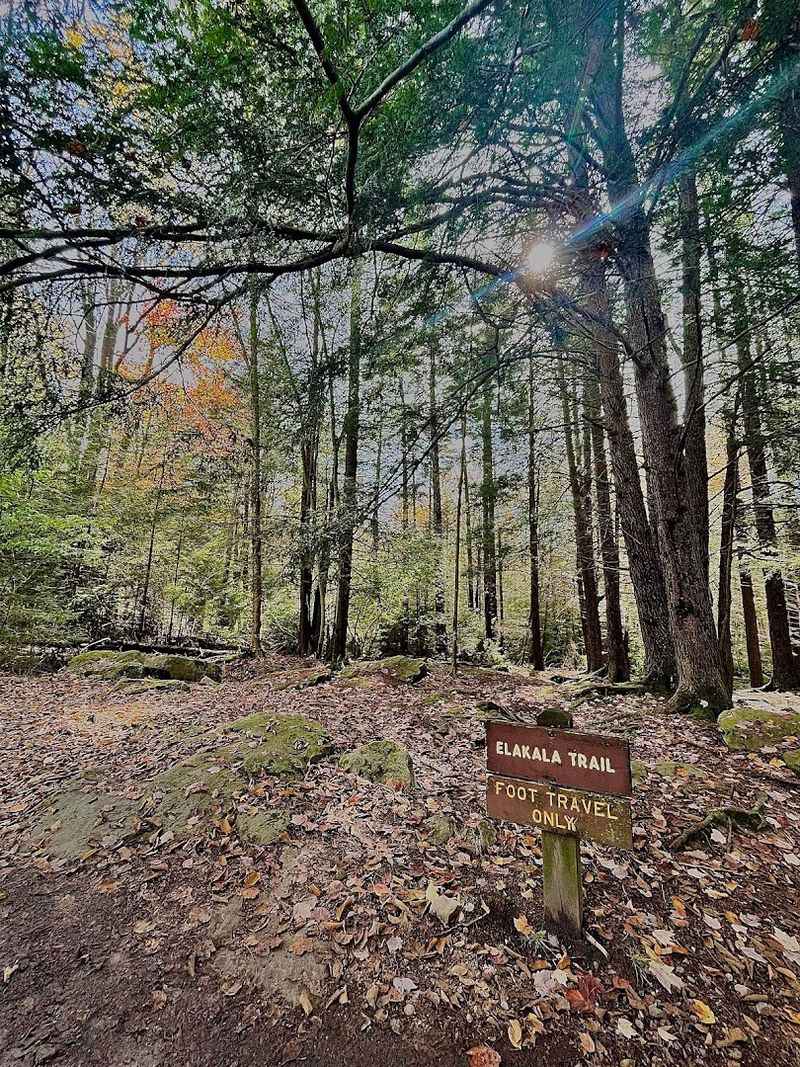
The trailhead is just to the left of the building. You will see a sign marking the Elakala Trail clearly.
Unique Flora Found Along The Route
The forest along the Elakala Trail has a personality all its own. Eastern hemlock and red spruce dominate the canopy.
Their presence creates a cool, shaded atmosphere even on warm days. It genuinely feels like a different world under those trees.
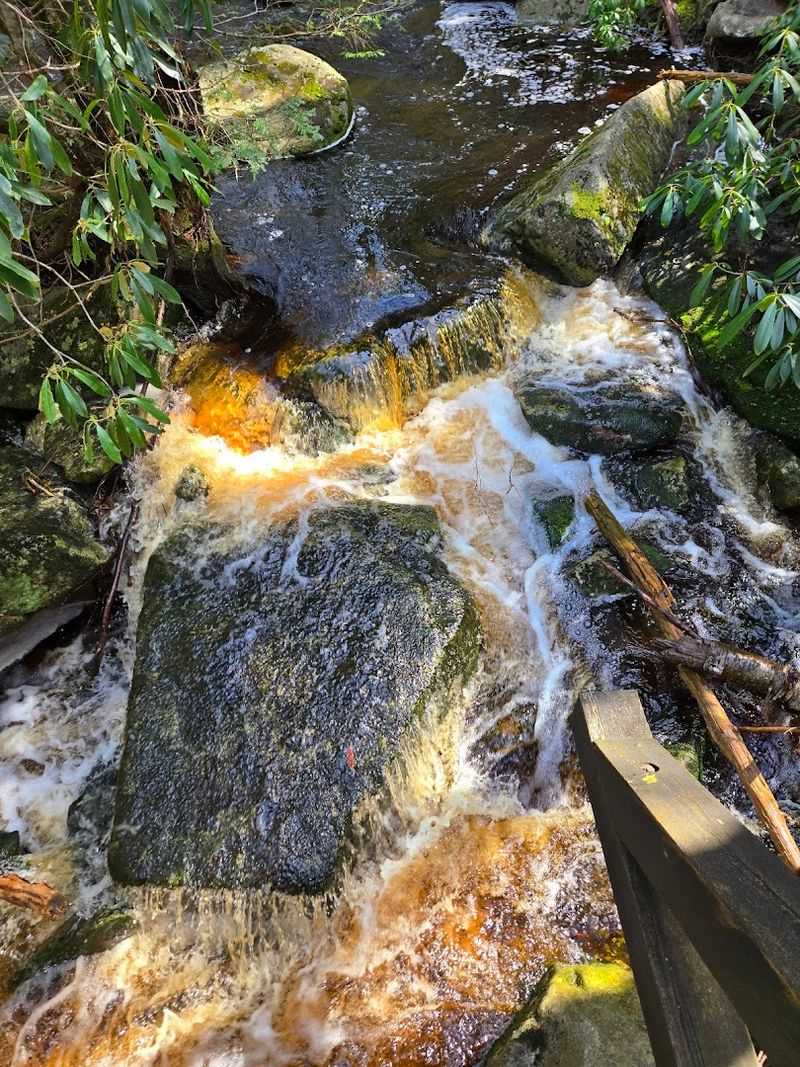
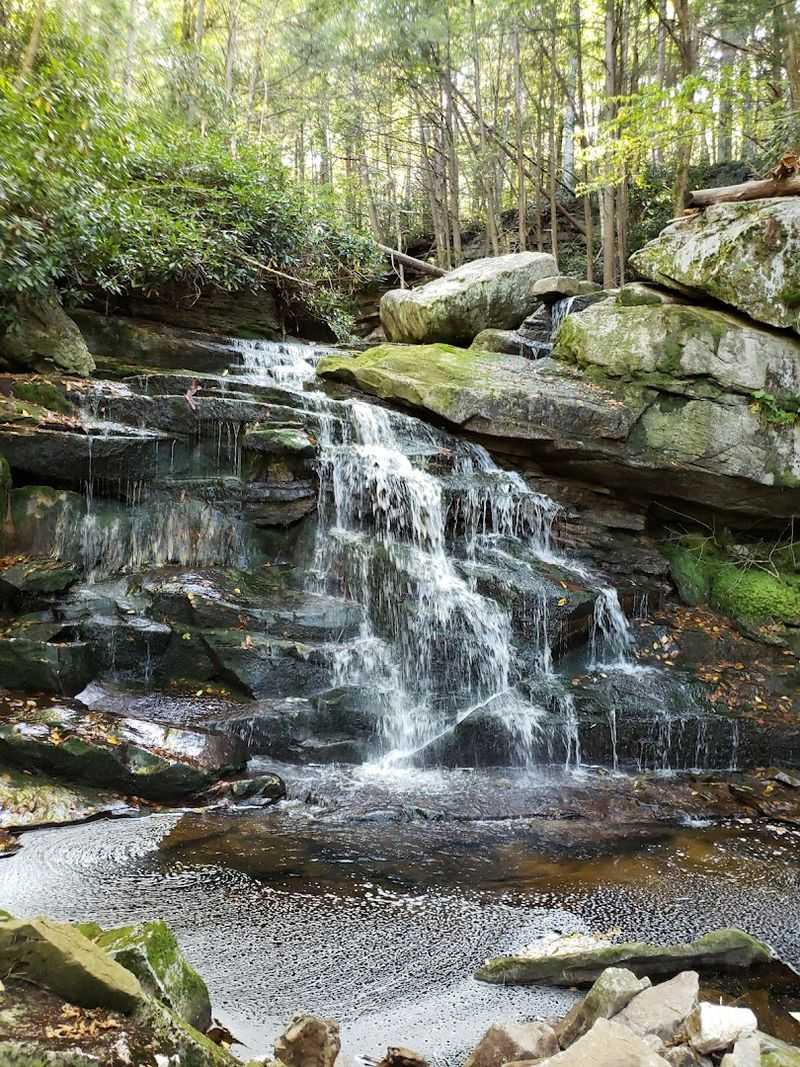
These conifers do more than provide shade. Their natural tannins seep into Shays Run, giving the water that distinctive amber color.
It looks almost like tea flowing over the rocks. That color is completely natural and actually beautiful.
Rhododendron grows in thick clusters along the trail. In late spring and early summer, they bloom, and the trail transforms.
The dense shrubs line the path and create a lush, green corridor. Hikers in bloom season get a serious bonus.
Moss covers nearly every rock and log you pass. The ground feels soft and layered with forest debris.
Mountain laurel also appears along the route, adding to the variety. The plant life here is genuinely diverse for such a short trail.
The boreal atmosphere is what makes the Elakala Trail stand out. Most trails in the region feel different from this one.
The mix of northern hardwood and evergreen species creates a unique ecosystem. You will notice the difference the moment you step into the forest.
Seasonal Changes And Their Effects
Each season completely changes the Elakala Trail experience. Spring brings rushing water and fresh green growth.
The waterfall runs strong after snowmelt and rain. Everything looks vivid and alive during those months.
Summer cools things down under the thick canopy. The forest stays shady even when temperatures climb outside.
The water flow may slow slightly, but remains scenic. It is a reliable escape from the heat.
Autumn is where this trail truly shines. The ravine fills with deep reds, oranges, and yellows.
The contrast between the amber water and fall foliage is remarkable. Many hikers specifically plan visits around peak leaf color.
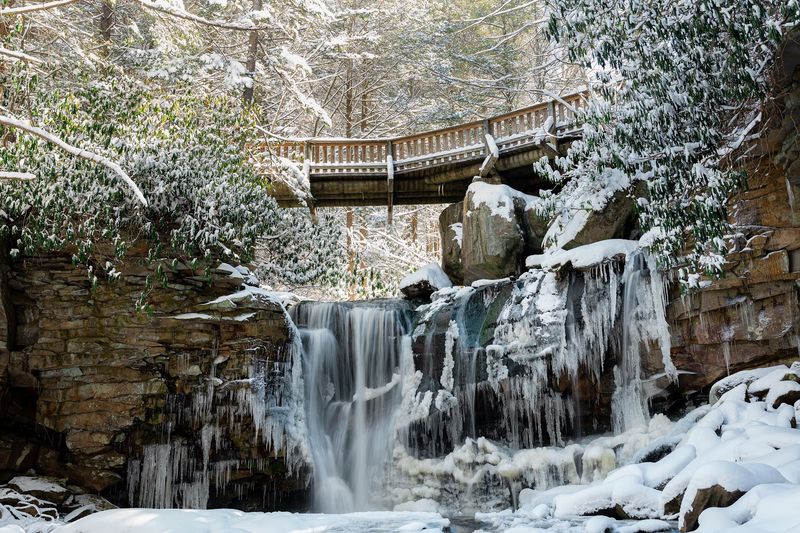
Winter transforms the trail into something almost surreal. The falls can freeze partially or completely.
Snow-covered hemlocks frame the icy cascades beautifully. The main stairs can become dangerously slippery when iced over, so use caution.
An alternate trail behind the parking lot offers a safer winter route. That path avoids the most hazardous sections near the stairs.
Regardless of the season, the trail offers something worth seeing. No visit feels like a repeat here.
Best Times To Visit For Photography
Photographers absolutely love this trail. The amber water, mossy rocks, and layered forest create natural compositions everywhere.
You barely need to try to get a good shot here. The light does most of the work for you.
Early morning visits are ideal. Crowds are thinner, and the light is softer.
The forest feels quieter, and you have more freedom to set up shots. Mist sometimes lingers near the falls in the early hours.
Long exposure photography works beautifully at Elakala Falls. The moving water smooths out into silky streaks.
The wooden bridge gives a stable vantage point for overhead shots. Bring a tripod if you plan to shoot the falls directly.
Autumn is the most popular photography season here. The fall foliage in the ravine adds incredible color contrast.
Visiting on a weekday during peak fall reduces crowd interference. Golden hour light filtering through the trees is extraordinary.
Winter visits offer dramatic and rare compositions. Frozen waterfalls surrounded by snow-draped evergreens are hard to beat.
The frozen motion of the falls creates a sculptural quality in photos. Just keep your gear dry and your footing steady on icy paths.
Wildlife Commonly Spotted Nearby
The Elakala Trail runs through rich habitat that supports a wide variety of wildlife. White-tailed deer are frequently seen near the trail edges, especially in the early morning.
They tend to linger near the tree line and move quietly through the forest. Spotting one feels like a small reward for getting out early.
Birds are active throughout the forest canopy. Warblers, thrushes, and various woodpeckers call this area home.
The dense spruce and hemlock provide excellent nesting habitat. Birdwatchers will find plenty to observe without ever leaving the trail.
Black bears live in the broader Blackwater Falls State Park area. Sightings on the trail itself are uncommon but not impossible.
Making noise while hiking reduces surprise encounters significantly. Carrying bear spray on longer excursions into the park is a reasonable precaution.
Salamanders and small amphibians thrive near the moist streamside habitat. Shays Run provides the perfect environment for them.
You might spot one resting on a mossy rock near the water. They blend in surprisingly well, so look carefully.
The biodiversity here reflects how healthy the park ecosystem is. Conservation efforts have helped maintain this balance over time.
Taking only photos and leaving no trace keeps the wildlife undisturbed. The animals here deserve their quiet forest as much as hikers enjoy visiting it.
Safety Tips For Solo Hikers
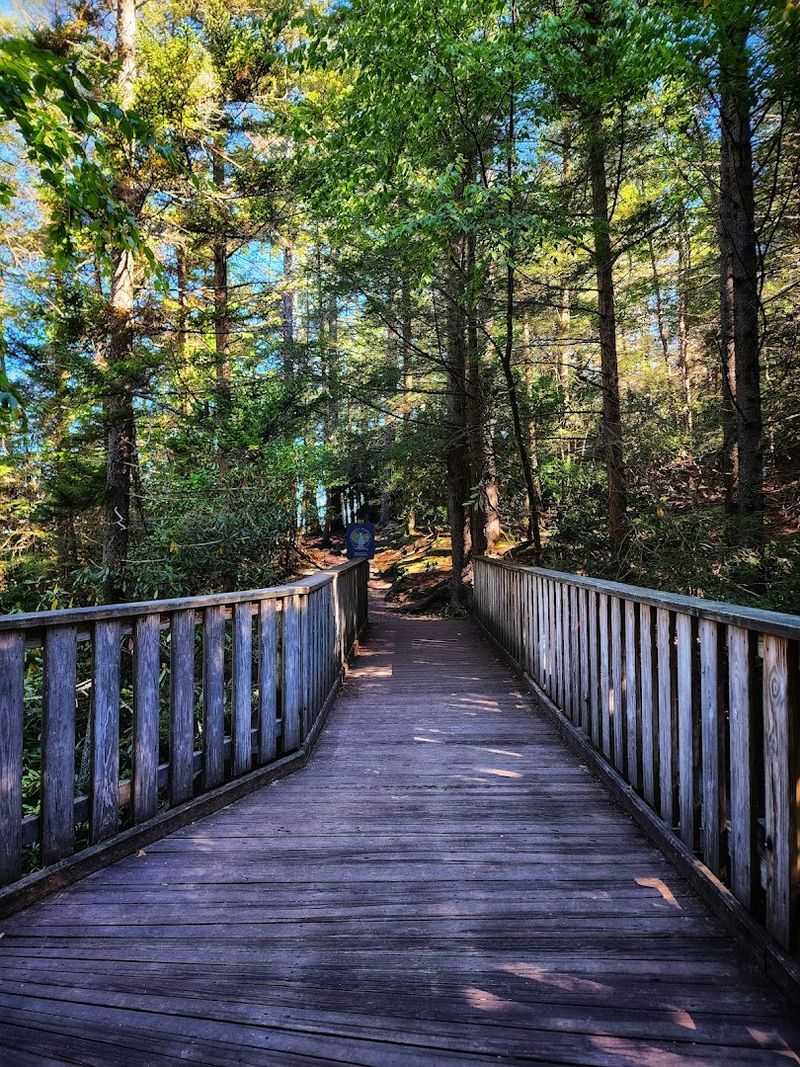
Solo hiking on the Elakala Trail is enjoyable and manageable with the right preparation. The first section of the bridge is low risk.
Beyond the bridge, the terrain changes quickly. Steep drops and unmarked paths require more attention when you are alone.
Tell someone where you are going before you head out. Even for a short trail, sharing your plans is smart.
Cell service in the park can be inconsistent. Having a backup communication plan matters.
Wear shoes with a solid grip. The trail has exposed roots, loose rocks, and muddy patches.
Sandals and flat sneakers are a poor choice here. Proper hiking footwear prevents the most common trail injuries on this route.
Bring water even on short hikes. The trail may be brief, but staying hydrated is still important.
Pack a small first aid kit for cuts or scrapes from roots and rocks. A charged phone and a portable battery pack are also worth carrying.
Avoid the steep, unmarked paths to the lower waterfalls if you are alone. Those sections involve navigating loose terrain without a clear trail.
The risk of a fall increases significantly without a companion nearby. Stick to the main path and enjoy the first falls safely.
Equipment Essentials For Comfort
Packing smart for the Elakala Trail makes a real difference. The hike is short, but the terrain demands respect.
A few key items will keep you comfortable from start to finish. Skipping them is how people end up having a rough time.
Sturdy trail shoes are the most important item. The mix of roots, rocks, and mud requires real grip.
Waterproof hiking boots are especially useful in wet seasons. Your feet will thank you by the time you reach the bridge.
Trekking poles help on the steeper sections beyond the first waterfall. They provide balance on loose rocks and slippery roots.
Collapsible poles pack easily and weigh almost nothing. They are worth bringing even if you do not think you need them.
A small daypack covers everything else you need. Include water, snacks, a basic first aid kit, and a rain layer.
The weather in the West Virginia mountains can shift quickly. A lightweight jacket takes up minimal space and handles unexpected showers well.
A camera or a phone with a solid camera is practically essential here. The falls, the forest, and the mossy rocks all photograph beautifully.
A microfiber cloth keeps your lens dry near the waterfall mist. You will want clean shots of those amber cascades.
Local Conservation Efforts And Impact
Blackwater Falls State Park has been actively managed and protected for decades. The park system works to preserve the unique northern hardwood and boreal forest that makes the Elakala Trail special.
Without that ongoing effort, the ecosystem here would look very different. Conservation is not invisible work; you see the results on every visit.
Eastern hemlock trees face a serious threat from the hemlock woolly adelgid. This invasive insect has devastated hemlock populations across the eastern United States.
Park managers and conservation groups have worked to treat and protect the hemlocks in this area. Their presence directly protects the tannin-rich water quality that gives Elakala Falls its amber color.
Leave No Trace principles are encouraged throughout the park. Visitors are asked to stay on marked trails and pack out all waste.
These guidelines protect sensitive plant species and stream habitats. The mossy, root-laced forest recovers slowly from foot traffic off the path.
The West Virginia Waterfall Trail designation has brought more attention to Elakala Falls. Increased visibility also means increased responsibility from visitors.
Respecting the natural space ensures future hikers experience the same beauty. Conservation and visitation can coexist when people make thoughtful choices.
Supporting state parks through entrance fees and donation funds for these preservation programs. Every visit contributes to the ongoing health of this ecosystem.
The trail exists because people have fought to protect it. That is worth remembering on your way in and out.