
This Picturesque State Park In Florida Is So Hidden, It Almost Feels Like A Forgotten Paradise
You might drive right past it without a second thought, and that’s exactly why it feels like such a discovery. Washington Oaks Gardens State Park stretches along Florida’s Atlantic Coast near Palm Coast, offering a quiet contrast to the state’s busier attractions.
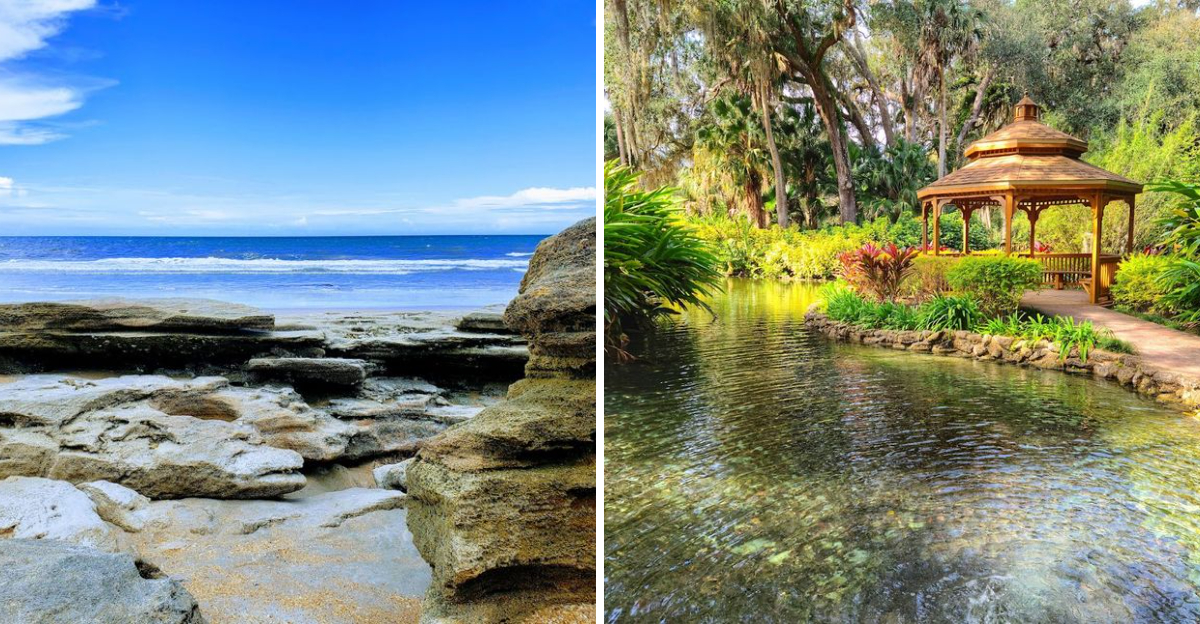
Across 425 acres, you’ll find manicured gardens, towering oak trees, scenic coastal trails, and a beach scattered with striking coquina rock formations. The atmosphere feels calm, almost unhurried, as if time has eased its pace.
While much of Florida leans into crowds and fast-moving itineraries, this park invites a slower kind of visit that lingers long after you leave.
A Hidden Oasis Between Sea And Garden
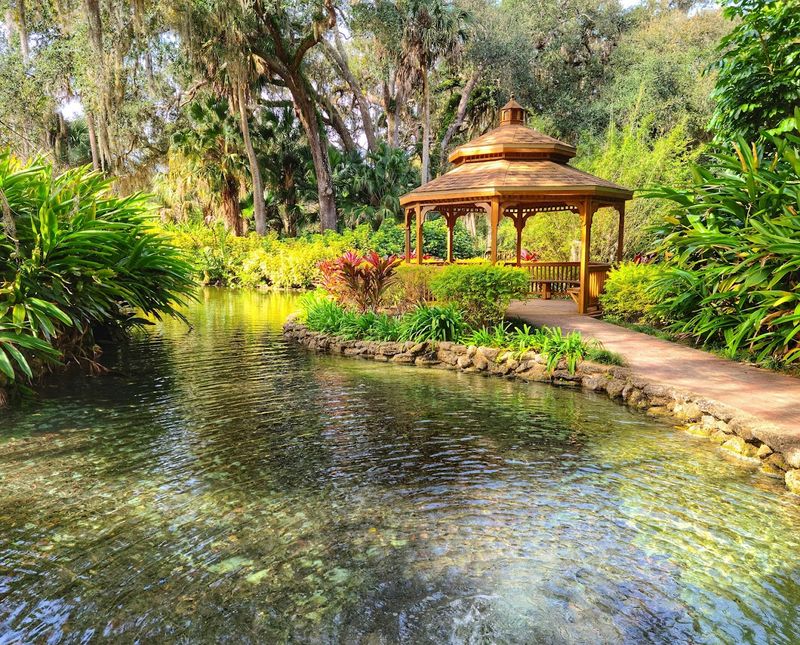
Washington Oaks Gardens State Park stretches across both sides of Highway A1A, creating an unusual split personality that makes it unlike any other Florida destination. On the western side, visitors discover 425 acres of formal gardens, nature trails, and riverfront picnic areas along the Matanzas River.
Cross the highway and the eastern section reveals a completely different world where coquina rock formations jut dramatically from sandy beaches.
The park’s location at 6400 N Ocean Shore Boulevard in Palm Coast places it far enough from major tourist corridors that many Florida residents have never heard of it. This geographic isolation works in favor of those who do make the trip.
Weekday visits often feel like having a private estate to explore, with only birdsong and ocean breezes for company.
The contrast between cultivated beauty and wild coastline happens within minutes of walking. Few places offer such variety in such a compact area, making every visit feel like discovering multiple destinations rolled into one remarkable experience.
The Rich History Of Washington Oaks Gardens
Louise Powis Clark and her husband Owen Young purchased this coastal property in the 1930s, transforming wild Florida scrubland into an elegant winter retreat. The couple brought sophisticated horticultural knowledge from their travels across Europe and Asia, introducing exotic plant species that still flourish today.
Their vision combined formal European garden design with Florida’s subtropical climate to create something entirely unique.
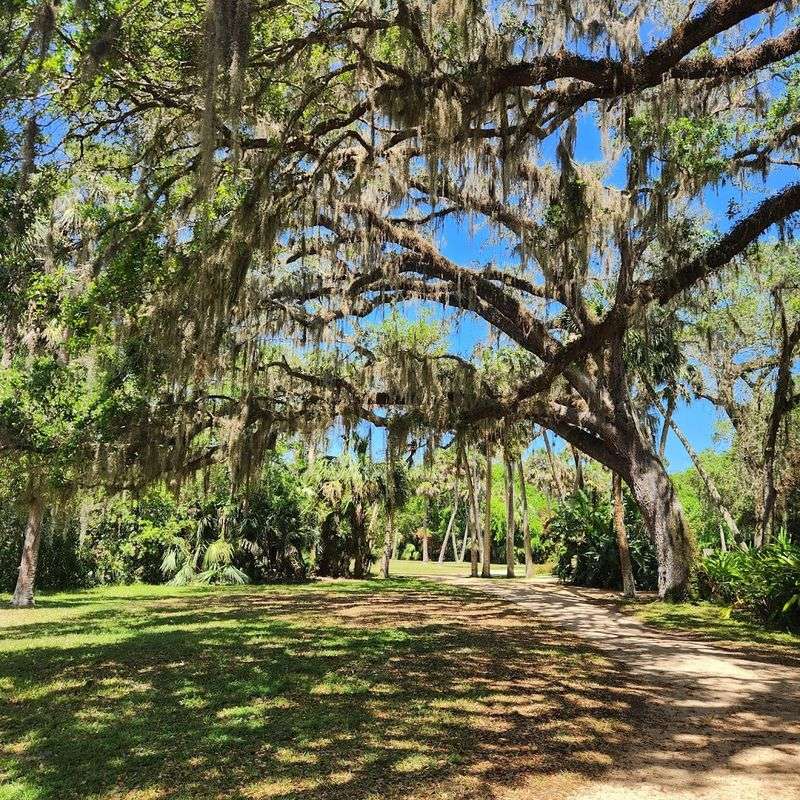
Before the Youngs owned it, the property passed through several hands including the Washington family during the 1800s, lending the park its current name. Spanish moss-draped oak trees on the grounds predate all human ownership, with some specimens estimated at over 300 years old.
These ancient trees witnessed Spanish explorers, British occupation, and American settlement long before gardens were planted beneath their branches.
The state of Florida acquired the property in 1964, preserving it for public enjoyment while maintaining the original garden layouts. Walking these paths today means following the same routes that the Youngs and their guests strolled nearly a century ago.
Explore Florida’s Unique Coquina Rock Beach
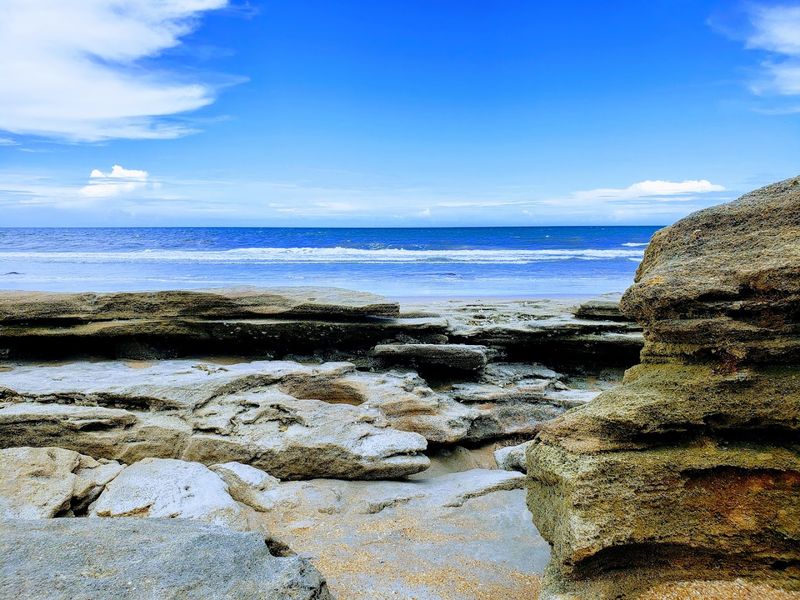
Coquina rocks dominate the beach on the eastern side of Washington Oaks, creating a geological oddity rarely found anywhere else in Florida. These formations consist of compressed shells and sediment that hardened over thousands of years into porous limestone.
Waves have carved the rocks into smooth, flowing shapes that look almost sculptural against the white sand and blue water.
The rocks extend along the shoreline in irregular patterns, forming tide pools that trap small fish and crabs when the ocean recedes. Children love exploring these natural aquariums while parents appreciate the relatively calm waters protected by the rock barriers.
The formations also provide excellent perches for watching dolphins swim past or pelicans dive for their breakfast.
Photography enthusiasts arrive at sunrise when golden light illuminates the rocks and creates dramatic shadows across the beach. The combination of ancient stone, crashing waves, and coastal vegetation produces images that look nothing like typical Florida beach scenes, which explains why this spot appears regularly in photography magazines and travel guides.
A Peaceful Escape In Palm Coast
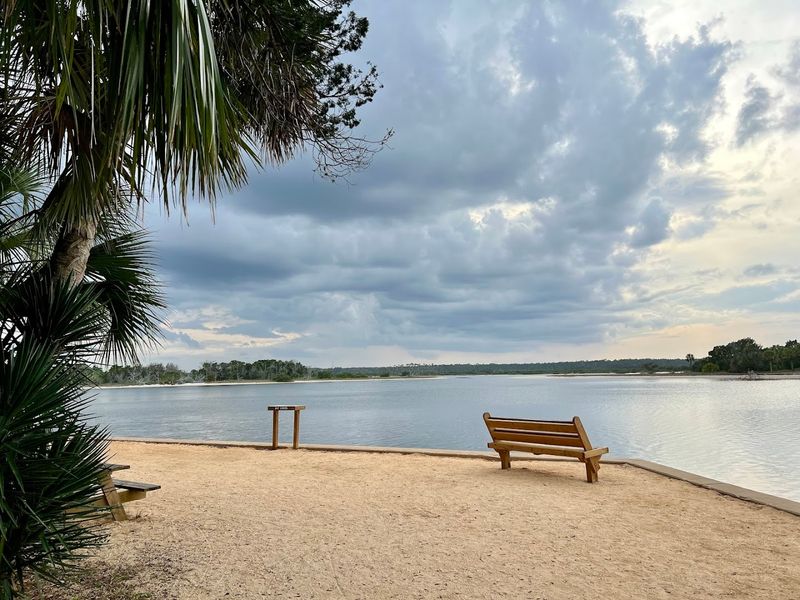
Palm Coast sits between St. Augustine and Daytona Beach, yet Washington Oaks Gardens maintains a sense of seclusion that feels miles away from either tourist destination. The park entrance itself signals a shift from ordinary roadside Florida to something more refined and intentional.
Visitors often comment on the immediate sense of calm that settles over them once they pass through the gates.
Benches positioned throughout the gardens invite lingering rather than rushing, a design choice that reflects the original owners’ preference for contemplative spaces. The well-maintained trails accommodate wheelchairs and strollers, making the peaceful atmosphere accessible to everyone regardless of mobility.
Even on busier weekends, the 425 acres absorb crowds without ever feeling congested or chaotic.
The absence of commercial development or modern intrusions helps maintain this tranquil character. No food vendors hawking snacks, no gift shops filled with souvenirs, no piped-in music disrupting natural sounds.
What remains is authentic Florida wilderness combined with thoughtful human cultivation, creating a peaceful escape that feels increasingly rare in the modern world.
The Formal Gardens At Washington Oaks
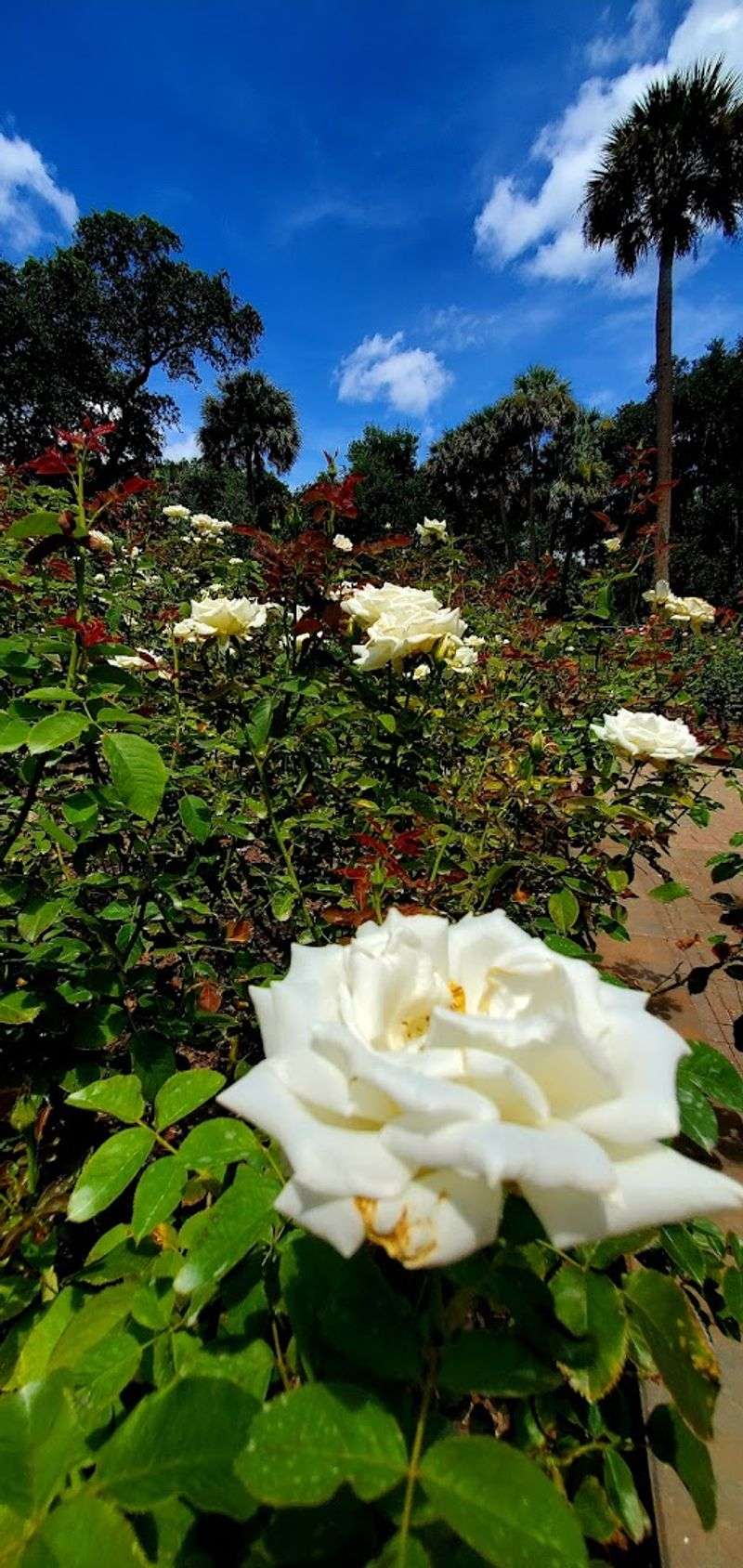
Camellias steal the show during winter months at Washington Oaks, their elegant blooms in soft pinks, whites, and reds standing out against dark green foliage. These aristocratic flowers thrive in the coastal climate, producing blossoms from November through March when most northern gardens lie dormant.
Azaleas join the display in early spring, adding vibrant purples and corals to the color palette.
The rose garden reaches peak performance from spring through summer, though gardeners prune plants back in February to encourage robust growth. Bird-of-paradise plants provide year-round tropical flair with their orange and blue flowers that resemble exotic birds in flight.
Reflection ponds scattered throughout the gardens mirror the plantings, doubling the visual impact and creating perfect spots for photographs.
Water features add gentle background music to garden strolls, with fountains trickling into ornamental pools surrounded by ferns and shade-loving plants. The formal layout follows European design principles but incorporates subtropical species that would perish in colder climates, resulting in a hybrid style that belongs uniquely to coastal Florida.
Birdwatching And Wildlife Viewing
Over 150 bird species have been documented at Washington Oaks Gardens throughout the year, making it a significant stop for serious birdwatchers and casual observers alike. Wading birds including herons, egrets, and ibises frequent the Matanzas River shoreline, stalking fish in shallow waters while visitors watch from designated viewing areas.
During migration seasons, warblers and other songbirds fill the oak canopy with color and constant activity.
The diverse habitats within the park support different wildlife communities, from coastal species adapted to salt spray to woodland creatures preferring the shaded interior trails. Gopher tortoises lumber across sandy paths, their burrows providing homes for dozens of other species in a remarkable example of ecosystem engineering.
Armadillos occasionally make appearances, though their nocturnal habits mean most sightings happen during early morning visits.
The park’s relative isolation and protection from development create safe corridors for animals moving between fragmented habitats along Florida’s developed coastline. Patient observers willing to sit quietly near water features or along forest edges often witness surprisingly intimate wildlife moments that reward their stillness.
Uncover The Quiet Charm Of Washington Oaks Gardens’ Scenic Trails
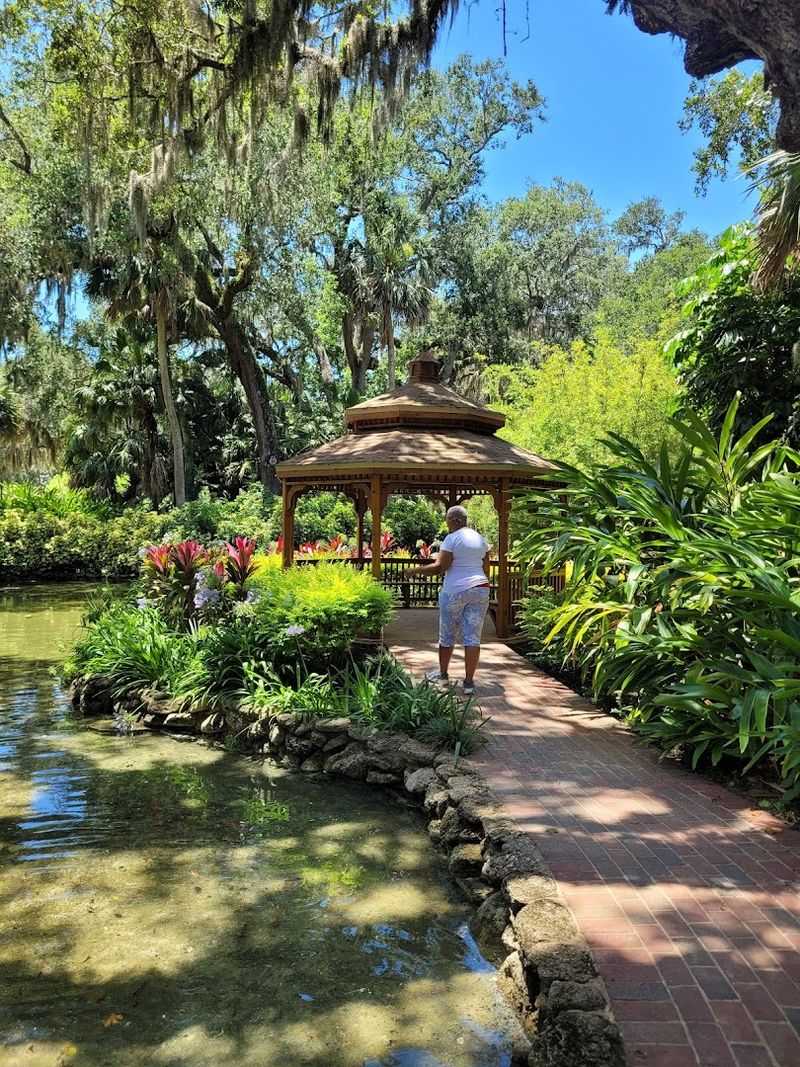
Miles of trails wind through Washington Oaks, ranging from paved paths suitable for wheelchairs to natural surface routes preferred by hikers seeking more rugged experiences. The Mala Compra Trail follows the Matanzas River shoreline, offering water views and opportunities to spot dolphins swimming in the Intracoastal Waterway.
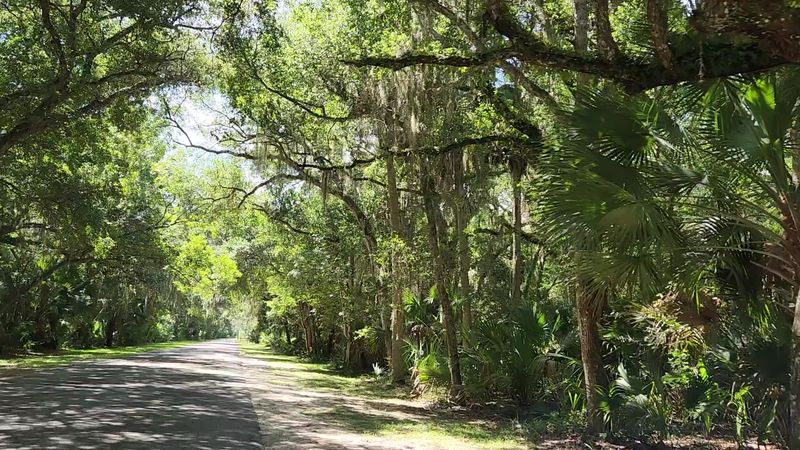
Ancient live oaks arch overhead along many routes, their branches draped with Spanish moss creating natural tunnels that filter sunlight into dappled patterns.
Trail difficulty remains modest throughout the park, with minimal elevation changes and well-maintained surfaces that accommodate most fitness levels. Benches appear frequently enough that visitors needing rest stops never face long distances between sitting opportunities.
The thoughtful placement of these rest areas often coincides with particularly scenic views or interesting plant specimens worth examining closely.
Cyclists appreciate the bike-friendly trails that connect different sections of the park, though the peaceful atmosphere encourages leisurely pedaling rather than speed. The combination of shaded paths, interesting scenery, and manageable distances makes these trails ideal for families introducing children to outdoor exploration without overwhelming them.
A Photographer’s Dream
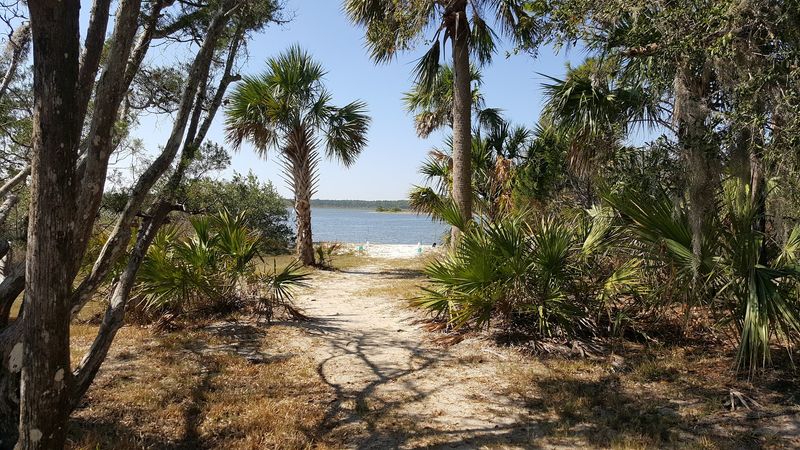
Professional photographers and Instagram enthusiasts alike recognize Washington Oaks as one of Florida’s most photogenic locations, offering endless compositional possibilities within a relatively small area. The coquina rock beach produces dramatic seascape images, especially during sunrise when warm light illuminates the formations and creates long shadows across wet sand.
Reflection ponds in the formal gardens act as natural mirrors, doubling floral displays and adding symmetry to photographs.
Ancient oak trees provide compelling subjects throughout the year, their gnarled branches and moss-draped limbs conveying a sense of timelessness that resonates in both color and black-and-white images. The play of light filtering through the canopy changes throughout the day, offering different moods and atmospheres for the same locations.
Macro photographers find abundant subjects in the diverse plant life, from delicate camellia petals to intricate fern fronds.
The park’s policy allowing photography for personal use without special permits makes it accessible to hobbyists, while commercial photographers can obtain necessary permissions through straightforward procedures. Limited crowds mean photographers rarely need to wait for clear shots or deal with photobombers ruining carefully composed images.
An Under-The-Radar Gem For Nature Lovers
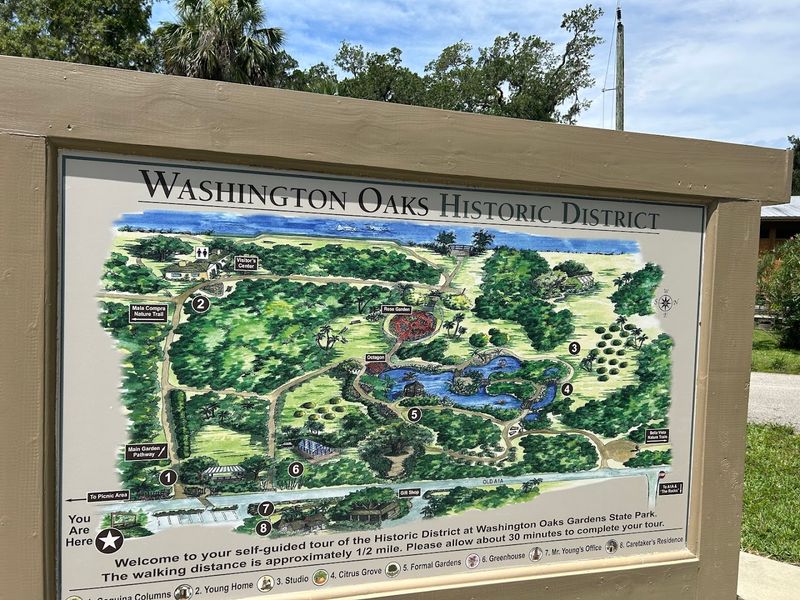
Nature enthusiasts seeking authentic Florida experiences often stumble upon Washington Oaks by accident and immediately add it to their list of favorite discoveries. The park delivers a comprehensive overview of coastal Florida ecosystems without requiring visitors to travel to multiple locations.
Maritime hammock, salt marsh, formal gardens, and beach environments all exist within walking distance of the main parking area.
Educational opportunities abound for those interested in learning about native and introduced plant species, coastal geology, and wildlife adaptation strategies. The park lacks interpretive signs cluttering every view, but staff members at the entrance station happily share information and answer questions about what visitors might encounter.
This low-key educational approach appeals to people who prefer discovering things independently rather than following prescribed interpretive routes.
The combination of natural and cultivated landscapes demonstrates how humans can enhance rather than diminish wild places when guided by respect and knowledge. Louise Clark’s original vision of creating beauty while preserving natural character remains evident throughout the property, offering lessons about sustainable land use that feel increasingly relevant in rapidly developing Florida.
The Best Kept Secret Along Florida’s Atlantic Coast
Despite receiving a 4.8-star rating from hundreds of visitors and offering experiences that rival far more famous Florida attractions, Washington Oaks Gardens remains surprisingly unknown outside the local region. This anonymity puzzles those who have visited, as the park clearly deserves wider recognition for its unique combination of features.
The secret status actually enhances the experience for current visitors, who appreciate having such a remarkable place largely to themselves.
Location plays a role in the park’s obscurity, situated between major tourist destinations but not directly on the route most travelers follow. The modest entrance and lack of flashy roadside advertising means drivers often pass without noticing.
No theme park characters or gift shops create the commercial buzz that attracts attention in modern Florida tourism.
What remains is a genuine Florida treasure that rewards those who make the effort to find it. The park’s phone number, 386-446-6780, connects visitors with staff who can provide current information about blooming schedules and special conditions, helping plan visits that maximize the experience of this best-kept coastal secret.