
This Quiet Colorado Park Is A Top Spot For Seeing Moose In The Wild
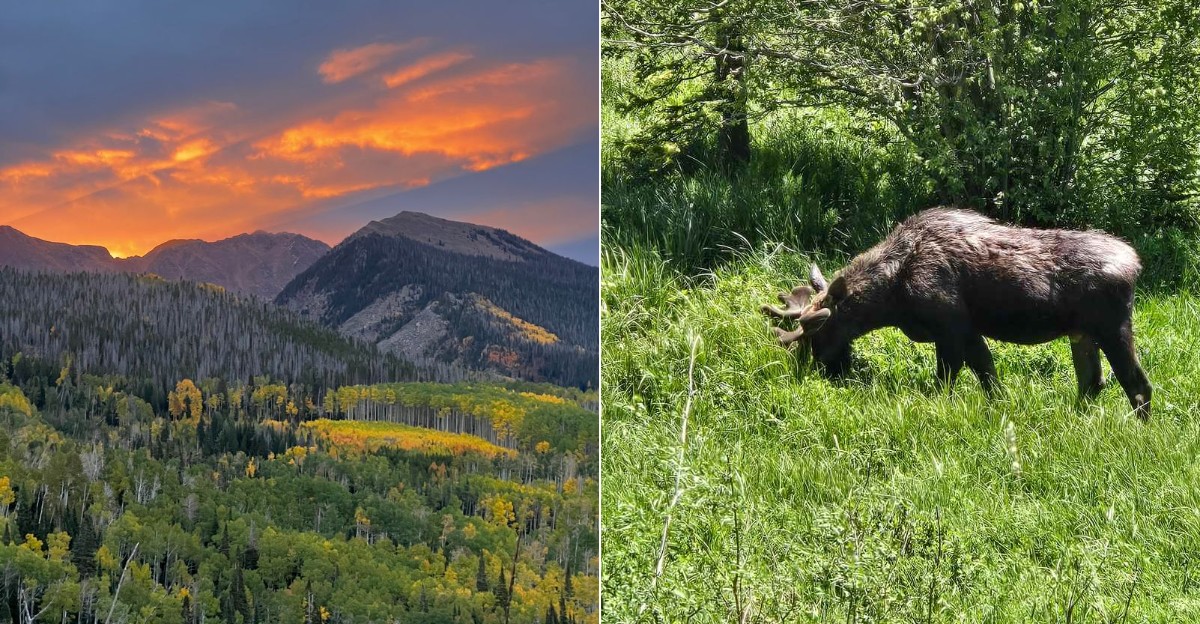
Silence like that has a way of making your ears ring, right before something enormous steps out of the willows. A moose the size of a doorway does not care that you were not ready.
Ever wonder what wild actually feels like, minus the crowds and gift shops? Colorado still holds onto places like that, far from the tour buses.
Hundreds of moose wander here, wading into shallow lakes at sunrise like it is nothing. Trails climb past timberline, and yurts wait quietly for anyone brave enough to spend the night.
Treat yourself to a slower kind of adventure, the kind built on patience instead of ticket lines. Sit by the water, stay quiet, and the mountains handle the rest.
Bring warm layers and low expectations about wifi. What you get instead is far bigger than any phone signal could measure.
Moose Capital Hiding In Plain Sight
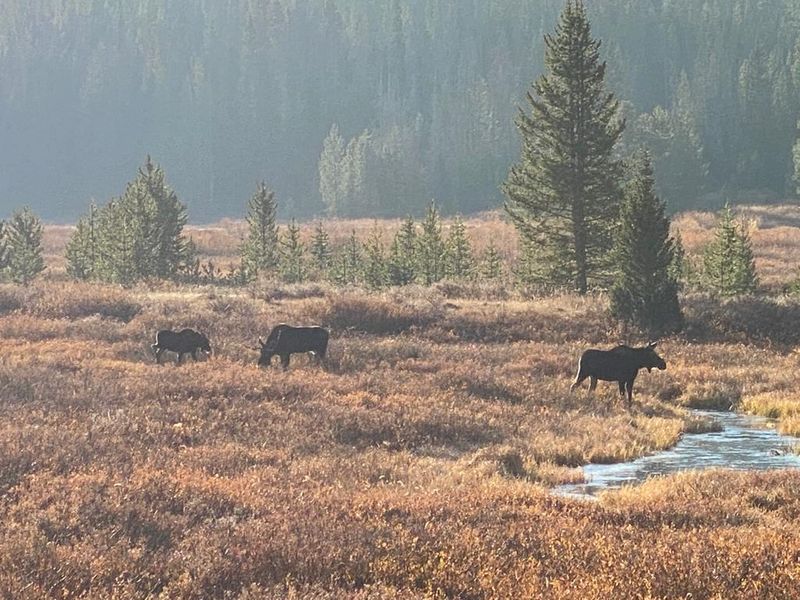
Roughly 600 moose call this stretch of northern Colorado home, and that number is why State Forest State Park earned the nickname of the moose viewing capital of the state. Moose were not always here.
They were brought into North Park back in the 1970s and 1980s, and they thrived.
Today the willow thickets along creeks and reservoirs are prime moose real estate. Early morning and dusk are the golden windows, when the animals wade into shallow water to feed.
A tip from frequent visitors: drive slowly along the park roads and scan the wet, brushy areas rather than the open meadows. Moose blend into dark willows better than you would expect for an animal that size.
Keep your distance, always. Moose look calm but they are unpredictable, and a bull can weigh over a thousand pounds.
Rangers recommend staying far back and never getting between a cow and her calf.
Binoculars beat a zoom lens for spotting, then switch to the camera once you find one. Patience pays off more than covering miles.
Some folks see five in a single afternoon. Others see none and come back the next day for a second try.
How long would you sit quietly by a lake for the chance to watch a moose wade past?
Start Your Trip At Headquarters
Skip the guesswork and roll into the Moose Visitor Center first. Sitting one mile east of the tiny town of Gould on Highway 14, it is the smartest first stop of any trip here.
Inside you will find displays about the park’s geology, history, and animals, plus a life-size moose exhibit that gives you a real sense of scale. Kids tend to stare at it for a while.
Staff track recent sightings, so ask them where moose have been showing up that week. That single question can save you hours of wandering.
The center also rents GPS units and snowshoes, and lends out free family activity backpacks. There is free wifi too, which matters because cell service disappears almost everywhere else in the park.
Souvenirs, maps, and safety advice are all under one roof. Grab a paper map even if you have a phone, since navigation apps go blank fast out here.
Hours can shift with the seasons and staffing, so check before you drive up.
Lake Agnes And Alpine Drama
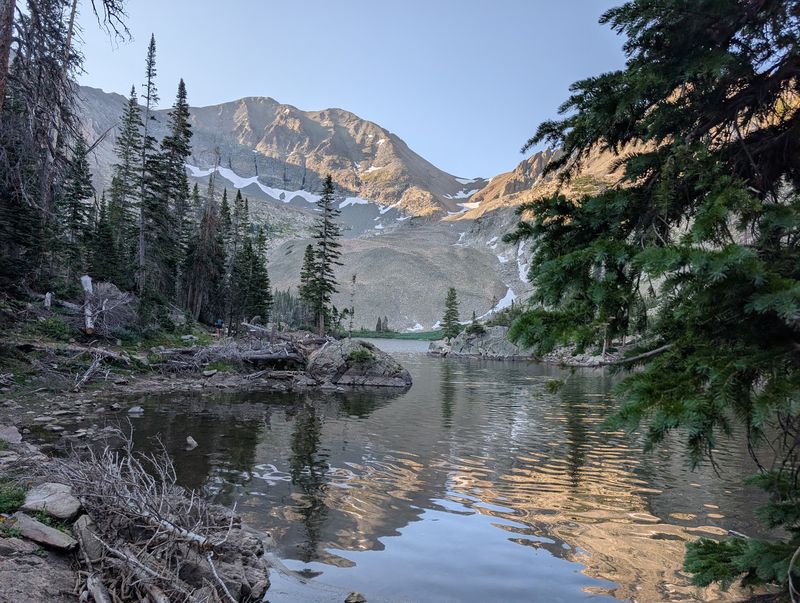
Some hikes make you work for hours. Lake Agnes makes you work for about 45 minutes and then hands over one of the prettiest views in Colorado.
The trail runs roughly eight tenths of a mile from the trailhead, climbing to a lake perched near 10,600 feet. Jagged peaks wrap around the water like a stone amphitheater.
Fair warning about the drive. The road to the trailhead is rough and rocky, and a high clearance vehicle makes life much easier.
The hike itself is short but steep, and the thin air is the real challenge. Take your time, breathe, and stop often.
Nobody wins a medal for rushing.
Once you reach the top, walk the shoreline a bit. The color of the water shifts from deep blue to green depending on the light.
Bring layers even in July. Weather up there can turn from sunny to sleeting in twenty minutes flat.
Afternoon thunderstorms are common in summer, so aim for an early start and be off the exposed sections by lunchtime.
Photographers love the reflections in the calm hours right after sunrise. Wildlife sometimes wanders the slopes above the basin.
Would you trade a bumpy road for a lake that looks like a postcard nobody else has seen?
Sleep In A Mountain Yurt
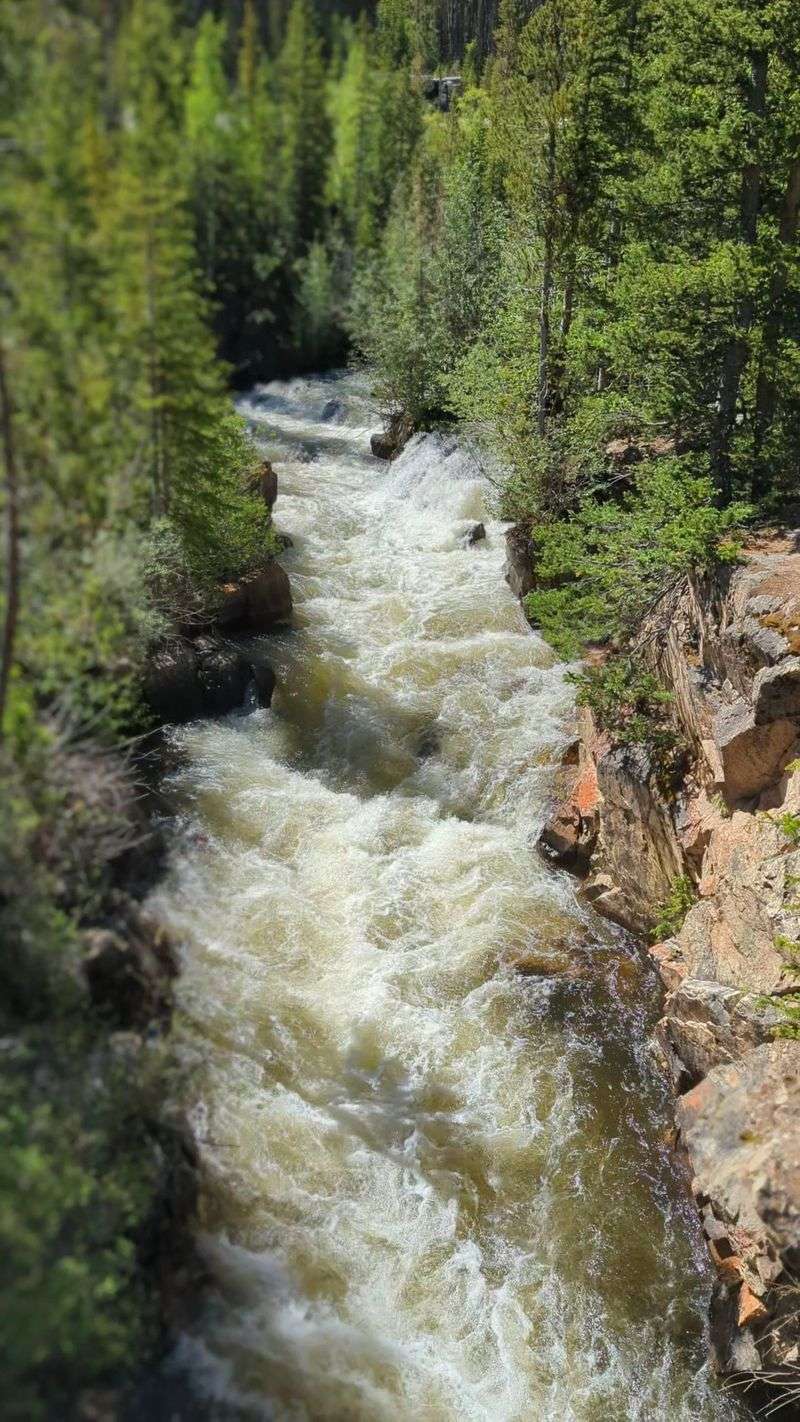
Canvas walls, a wood stove, and stars overhead. Yurt camping here has a devoted following, and once you try it you understand why.
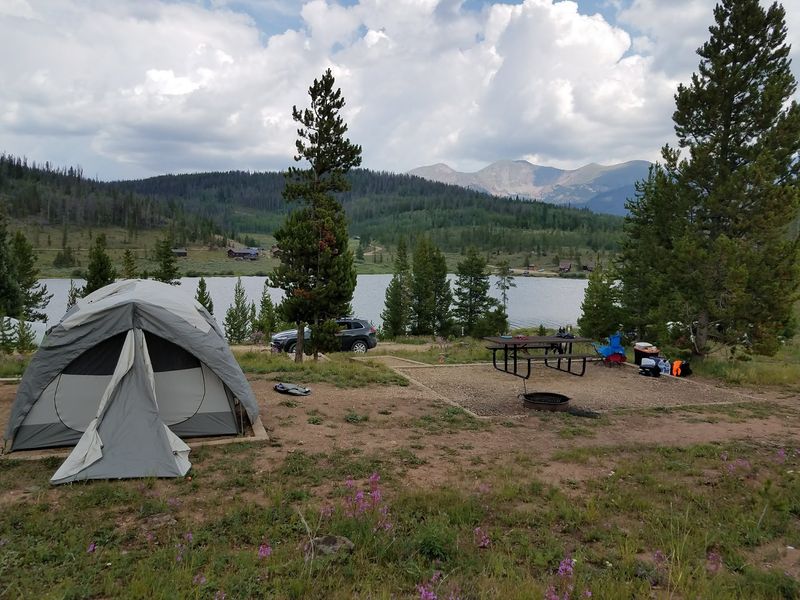
The park offers developed campgrounds, dispersed sites, rustic cabins, and yurts scattered across the backcountry. Some yurts require a hike or ski to reach, which keeps them wonderfully quiet.
Reservations open up to six months ahead, and the popular units go fast. Winter dates especially disappear early, so plan further out than you think you need to.
Campgrounds like North Park offer showers and hookups, while others keep things primitive with pack in and pack out rules. Read the site details closely before booking.
Bring your own water for the primitive loops. There are stretches with no restrooms and no fill stations, and running out is no fun at 9,000 feet.
Store food properly. Bears and foxes both patrol these campgrounds, and a cooler left on a picnic table is basically an invitation.
Nights get cold even in summer. A warm sleeping bag turns a shivery night into a cozy one.
The reward for all that planning is a sky packed with stars and mornings so still you hear every bird.
Miles Of Trails For Everyone
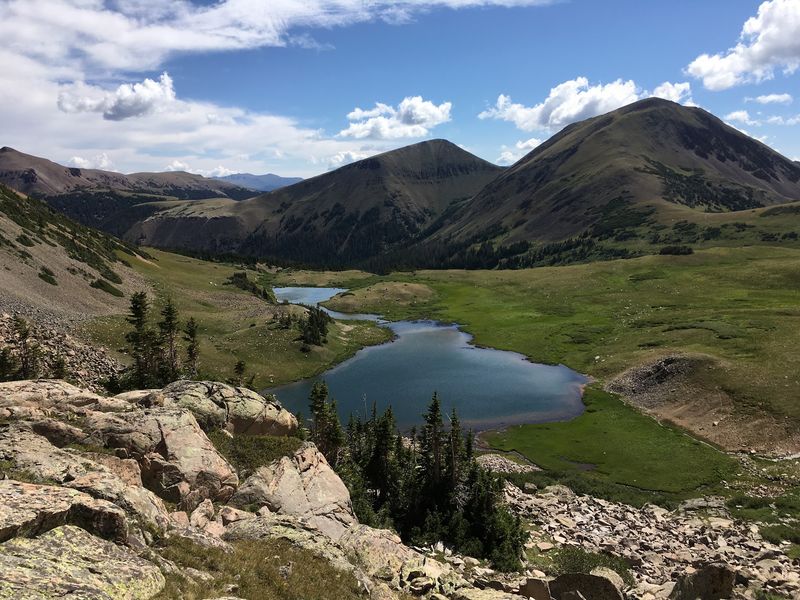
Ninety miles of hiking trails. One hundred thirty miles for mountain bikes.
That is a lot of ground for a place most travelers have never heard of.
Routes here range from flat lakeside strolls to lung-testing climbs above treeline. Beginners have plenty of gentle options, and experienced hikers can chase high alpine basins all day.
The American Lakes trail system leads toward Snow Lake, a favorite among people who like big views without shoulder-to-shoulder crowds. Ruby Jewel Lake is the tougher pick for those who want a real challenge.
The Gould loop makes an easy half-day outing with pretty forest scenery. Ranger Lakes has well kept walking paths that suit families with small kids.
Download an offline map before you arrive. Phone signal vanishes quickly, and paper maps from the visitor center are worth every penny.
Elevation is the sneaky factor. At these heights, an easy trail can feel moderate and a moderate trail can feel hard.
Carry more water than seems necessary and add salty snacks. Dehydration hits fast in dry mountain air.
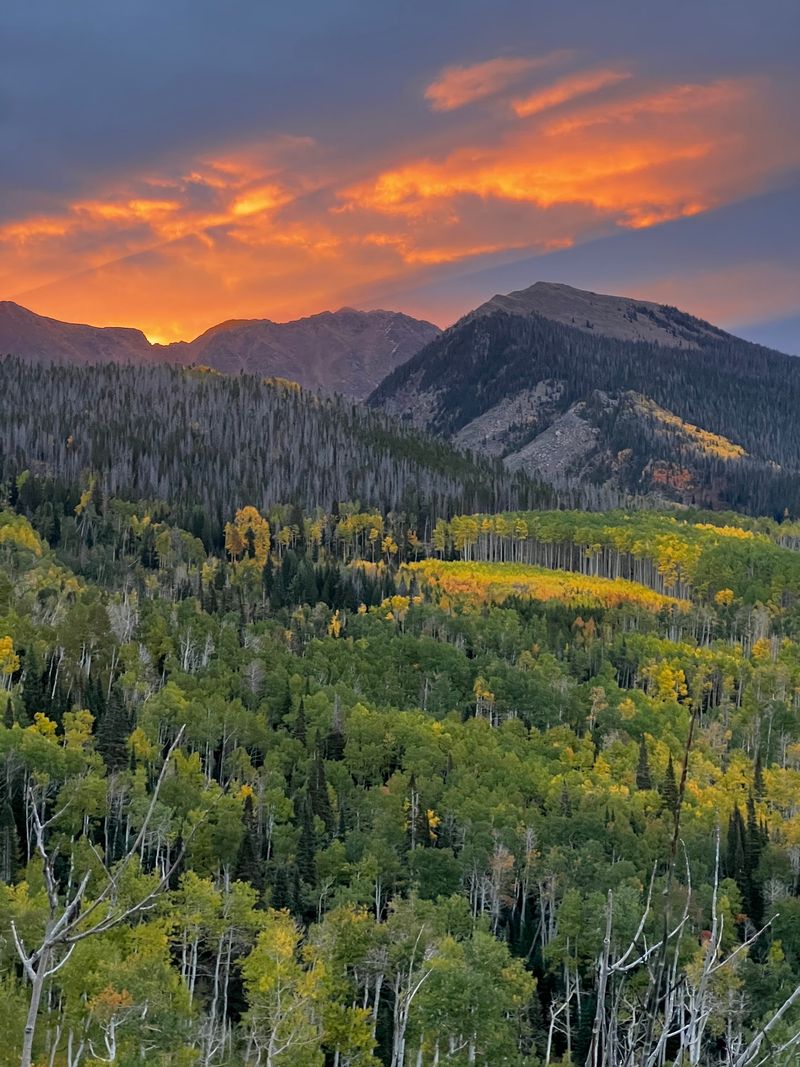
Fall brings golden aspens against dark evergreens, and some lucky visitors catch autumn color and fresh snow on the same trip.
Cast A Line, Paddle Awhile
Trout anglers, this section is for you. North Michigan Reservoir anchors the park’s water scene, with wake-less boating and fishing that draw folks back season after season.
Kayaks and canoes glide well here since motors stay slow and quiet. Paddling at dawn while mist lifts off the surface is a memory worth the drive.
Ranger Lakes gets consistent praise from visitors who want steady action on the line. Clear Lake, Kelly Lake, Jewel Lake, and Snow Lake round out the options for those willing to hike.
The Canadian and Michigan Rivers add moving water to the mix. Fly casters find quiet stretches with very little competition.
Colorado fishing regulations apply, so sort out your license before you leave home. Rules can vary by water body, and rangers are happy to explain.
Shoreline camping sites near the reservoir let you fish steps from your tent. A few of them sit on small rises with sweeping water views.
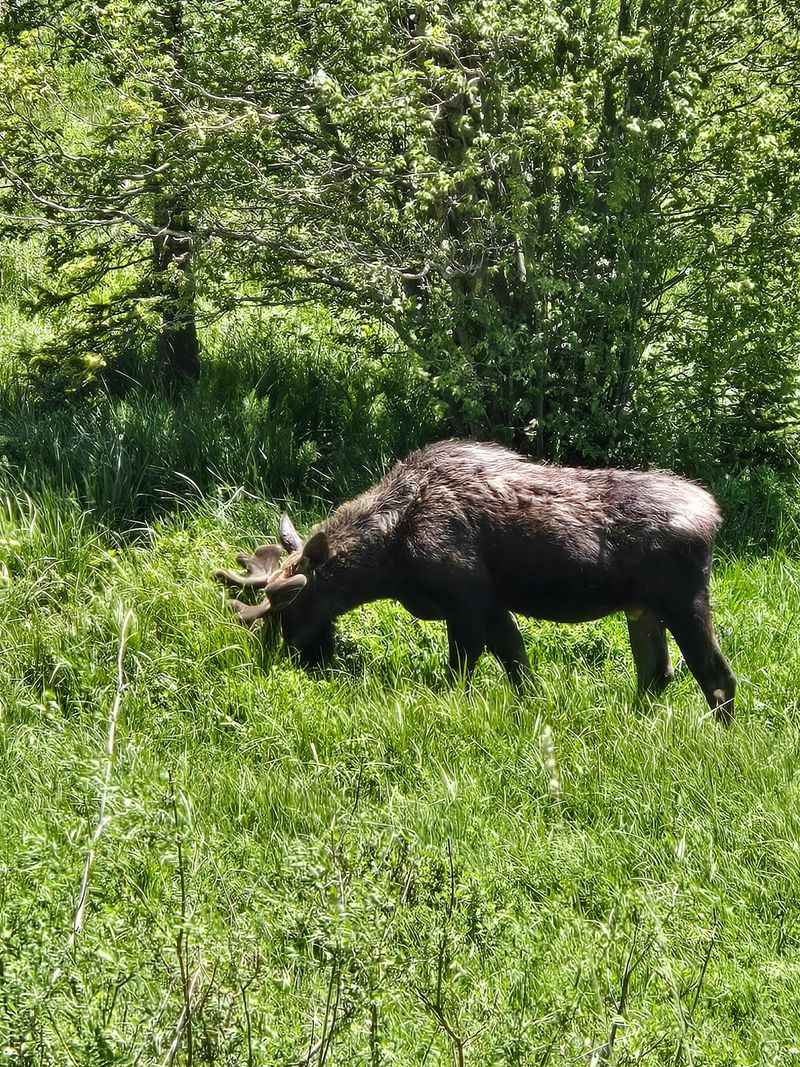
Moose often browse near these same lakes at dawn and dusk, which means your fishing trip doubles as a wildlife watch.
Winter Turns Everything Into Playground
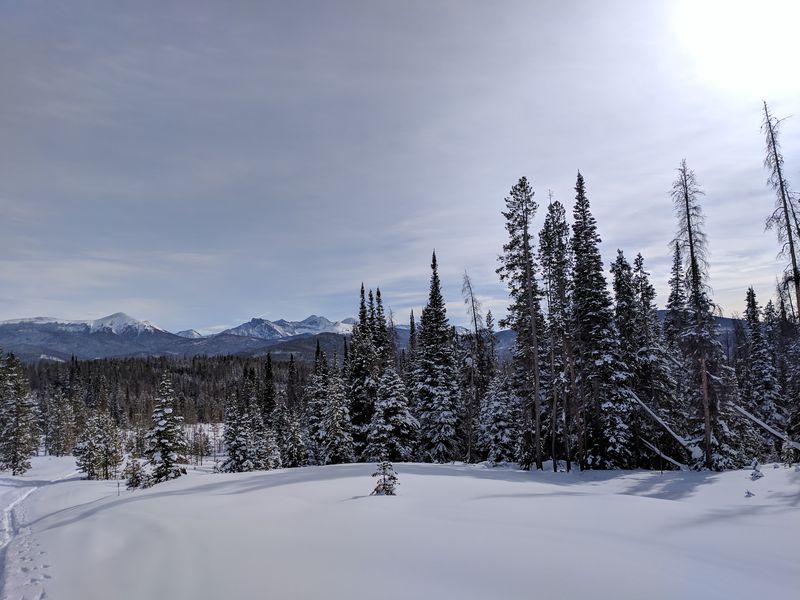
Snow changes this place completely. Come December, the forest wears a thick white coat and more than 60 miles of snowmobile trails open across the park.
Cross-country skiers and snowshoers get their own quiet routes through the trees. The visitor center rents snowshoes, which makes trying it out easy for first-timers.
Access takes more planning in winter. Roads can get rough, and some areas become hard to reach after heavy storms.
Check conditions before you head up Highway 14. Mountain weather does whatever it wants, and turning around is smarter than pushing through.
Winter yurts are the crown jewel of the cold season. Ski or snowshoe in, light the stove, and watch the snow pile up outside the window.
Moose stay active through the cold months, and their dark bodies stand out dramatically against white slopes. Tracks in fresh powder tell stories all over the forest.
Dress in layers and pack extra gloves. Temperatures at these elevations drop hard once the sun slips behind the ridges.
Fewer people visit in winter, which means the silence gets even deeper. Some travelers say a snowy weekend in northern Colorado beats any summer trip.
Are you brave enough to snowshoe to a yurt and spend the night in the snow?
Plan Smart Before You Go
A little preparation turns a good trip into a great one. The park sits at 56750 CO-14, Walden, CO 80480, along a scenic highway that cuts straight through big Colorado country.
Gates stay open around the clock, but the visitor center keeps its own schedule that changes with the season. Call ahead or check the park website so you are not guessing.
Fire restrictions come and go depending on conditions in Jackson County, and campfire rules can change quickly. Always verify before packing marshmallows and firewood.
Elevation deserves respect. With ground ranging from 8,500 to 13,000 feet, headaches and fatigue sneak up on flatlanders.
Drink water constantly and give yourself an easy first day.
Fuel up and stock groceries before you arrive. Services are limited out here, and the nearest towns are small.
Pets must stay leashed, and rangers do enforce it. Wildlife and loose dogs make a bad mix.
Cattle roam parts of the park, so drive slowly on the dirt roads. Foxes will absolutely raid an unattended cooler.
Reservations for cabins, yurts, and campsites open six months ahead. Book early, then look forward to a Colorado escape without the crowds.