
This Quiet Connecticut Island Is Only Reachable By Ferry And Offers Unforgettable Views
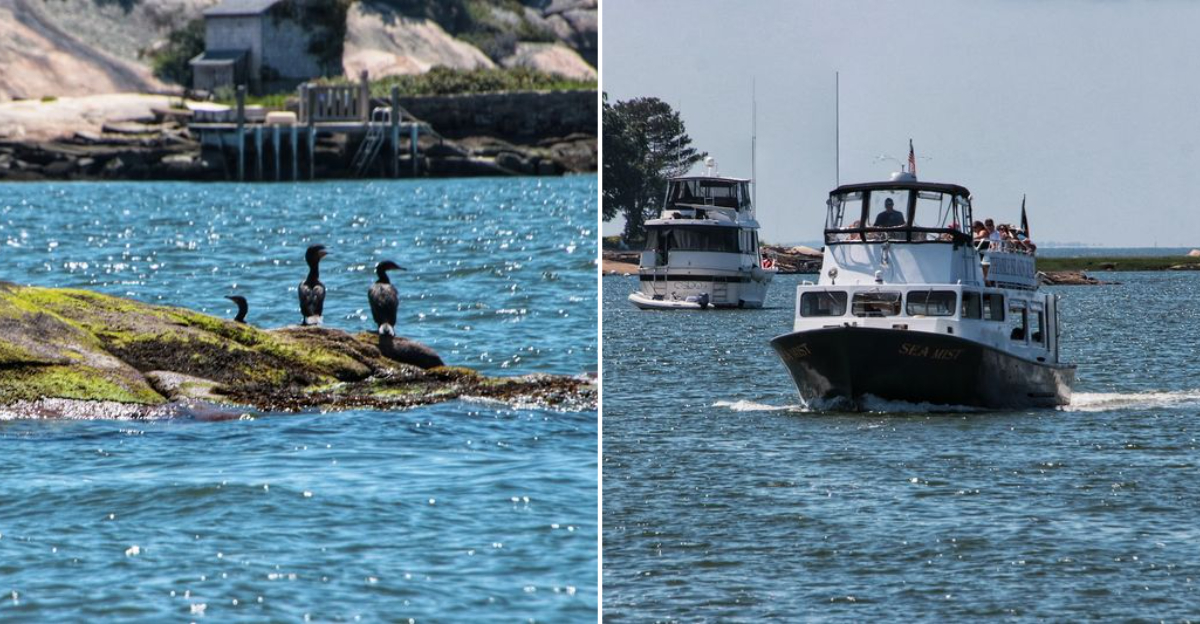
A ferry ride changes the relationship between a traveler and a destination before the island even comes into view. This Connecticut island earns that approach, rewarding the extra effort with something that a drive-up destination could never replicate.
The water crossing does more than cover distance. It creates a separation from the mainland that the island uses deliberately, offering a pace and a stillness that accessibility would immediately compromise.
Views here arrive from every direction without requiring any particular effort from the visitor. The island arranges itself around the surrounding water in a way that makes a bad angle genuinely difficult to find.
Experience an island reachable only by ferry, where its charming isolation preserves authentic character, untouched beauty, and a uniquely timeless way of life. The passengers stepping off the boat tend to understand that arrangement immediately.
Ferry Travel Tips For Island Visitors
Getting to the Thimble Islands starts at Stony Creek Dock, located at 4 Indian Point Road, Branford, CT 06405. Ferry service runs from April through October, so timing your visit matters.
Missing the season means missing the islands entirely.
The Thimble Islands Ferry Service transports visitors to Outer Island, which is part of the Stewart B. McKinney National Wildlife Refuge.
Outer Island is the main public destination. It opens to visitors during the summer months, so check the schedule before heading out.
Narrated boat tours also depart from Stony Creek Dock. Options include the Sea Mist Thimble Islands Cruise and The Islander Thimble Island Tours.
Both offer sightseeing experiences around the archipelago with stories included.
If you prefer paddling, small non-motorized watercraft like kayaks, canoes, and rowboats are welcome. Small motorboats can tie up at the floating dock on Outer Island.
This gives you flexibility depending on how adventurous you feel.
Arrive early on weekends. Parking near the dock fills up fast during peak summer weeks.
Bring cash for tickets and wear comfortable shoes for walking the dock area. Layers are smart because the breeze can surprise you even on warm days.
Seasonal Wildlife Found Around Connecticut
The Thimble Islands are not just scenic backdrops. They are active wildlife corridors used by animals throughout the year.
The mix of open water, rocky shores, and quiet coves creates perfect conditions for a wide range of species.
Seals are one of the most exciting seasonal visitors. Migrating seals use the islands as a rest stop, and spotting them lounging on the granite rocks is genuinely thrilling.
Late winter and early spring tend to be the best windows for seal sightings.
Shorebirds are present across multiple seasons. Ospreys, herons, and cormorants are common sights around the islands.
Outer Island, as part of a national wildlife refuge, provides protected habitat that supports nesting and feeding throughout warmer months.
The surrounding Long Island Sound waters attract anglers and fish alike. Species like fluke, black sea bass, and weakfish are found in these waters.
The rocky underwater terrain created by the granite bedrock gives fish excellent structure to inhabit year-round.
Fall migration brings a fresh wave of bird activity across the islands. Warblers and other songbirds move through during September and October.
Bringing binoculars is a smart call if wildlife observation is part of your plan. The islands reward patient visitors with sightings that feel genuinely unexpected and memorable.
Photography Spots For Capturing Island Scenery
Pink granite is the star of every frame at the Thimble Islands. The bedrock on Outer Island is made of Stony Creek granite, and it photographs with a warm, rosy glow that no filter can fully replicate.
Morning and late afternoon light hit these rocks in spectacular ways.
The cobblestone beach on Outer Island is another standout location. The rounded stones create interesting foreground textures when paired with the open water behind them.
Wide-angle lenses do serious justice to this kind of layered composition.
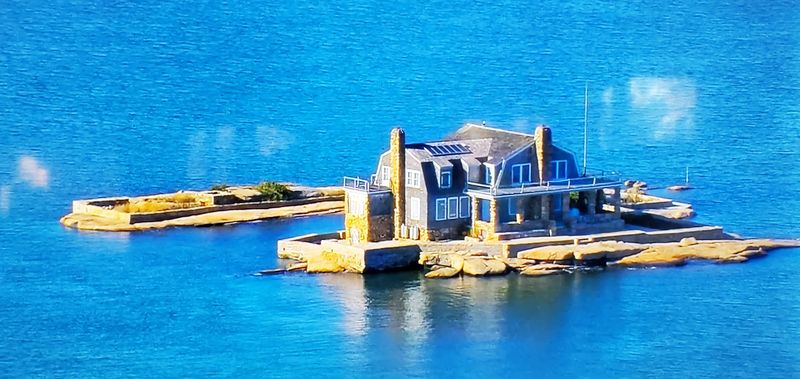
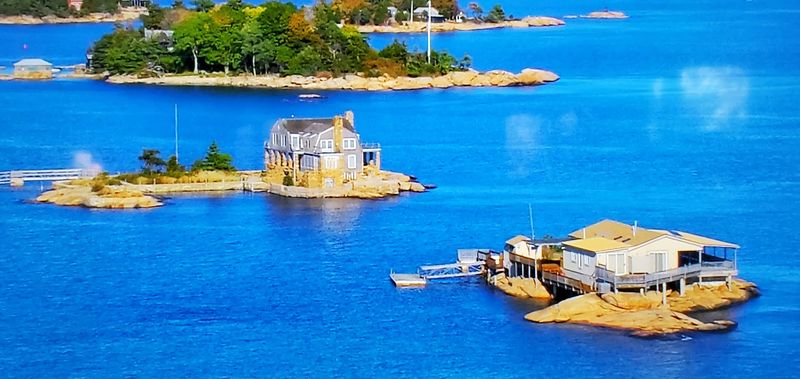
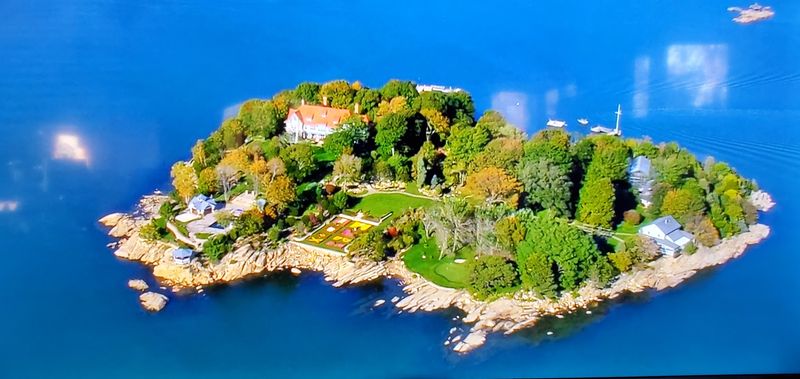
From the water, the inhabited islands offer a completely different visual story. Small summer cottages and larger homes sit directly on granite outcroppings, creating a surreal mix of architecture and nature.
Boat tours give you angles that no land-based visit can match.
Sunset from the Sound is something photographers specifically plan around. The western sky reflects across the calm water between islands, creating mirror-like conditions during still evenings.
Arriving on a late afternoon ferry gives you access to that golden window.
Wildlife adds unpredictable magic to any shot. A seal on a rock or an osprey mid-dive changes everything about a landscape photo.
Keep your camera ready at all times because the islands do not give you much warning before something worth capturing appears right in front of you.
Local Flora Unique To Quiet Connecticut
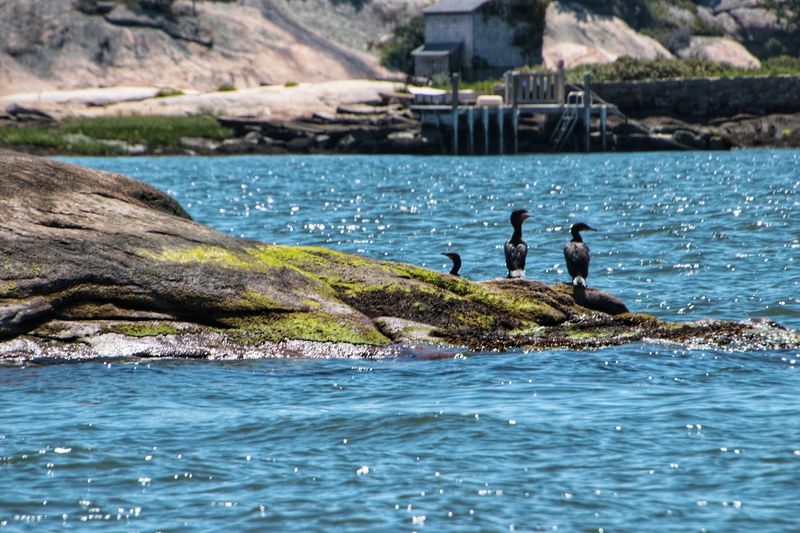
Plant life on the Thimble Islands grows in conditions that most plants would find unreasonable. Thin soil over solid granite, constant salt spray, and wind exposure shape every species that survives here.
The flora you find on these islands is genuinely tough and visually distinctive.
Outer Island supports coastal shrub communities that thrive in exposed, rocky environments. Bayberry, beach plum, and wild rose are among the plants that establish themselves on the island edges.
These species are adapted to salt air and poor soil conditions that would stress most garden plants.
Grasses and sedges fill the interior areas of the larger islands. These low-growing plants stabilize thin soil layers over the granite bedrock.
They also provide critical ground cover for nesting shorebirds during breeding season, making them ecologically important beyond just aesthetics.
Seasonal wildflowers bring unexpected color to the rocky landscape. Species like goldenrod and aster bloom in late summer and early fall.
These flowers attract pollinators even in the island environment, creating small but active ecosystems on what looks like bare rock from a distance.
The plant communities on the Thimble Islands reflect the same resilience that defines the islands themselves. Nothing here is delicate.
Every species earns its place on the granite. Visiting during late summer lets you see the fullest expression of island flora before the season winds down and the ferry stops running.
Boat Safety Essentials When Visiting Remote
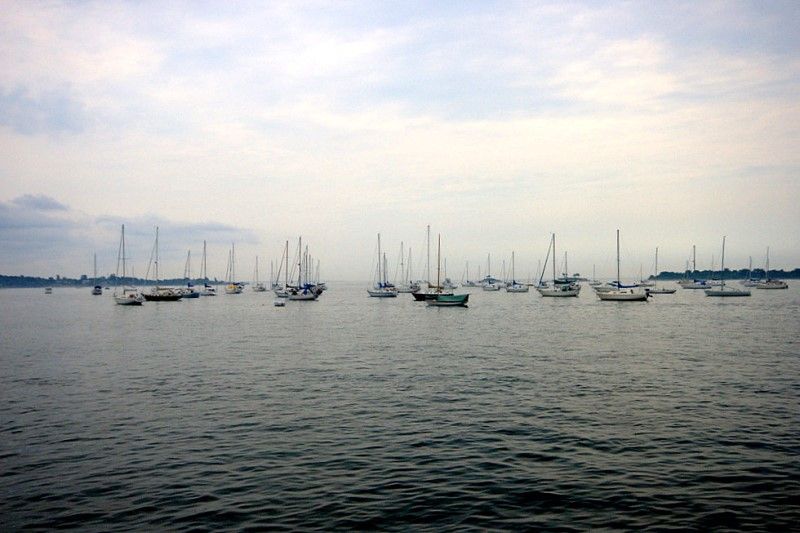
Reaching the Thimble Islands by personal watercraft requires more preparation than most people expect. The Long Island Sound can shift from calm to choppy in a short window.
Checking marine weather forecasts before departure is not optional; it is essential for safe travel.
Life jackets must be on board for every passenger. Connecticut state law requires one properly fitted personal flotation device per person.
Children under thirteen must wear theirs at all times while on the water, regardless of conditions or distance from shore.
Navigation around the islands involves rocks that sit just below the surface. Many of these granite outcroppings are not marked on basic maps.
Moving slowly and using nautical charts or a GPS chart plotter significantly reduces the risk of hull damage in unfamiliar waters.
Tidal patterns affect water depth around the islands throughout the day. Areas that look safely deep at high tide can become dangerously shallow a few hours later.
Understanding the local tide schedule before entering the island channels prevents grounding situations that happen to unprepared boaters regularly.
Carrying a VHF marine radio is strongly recommended for anyone venturing beyond the immediate harbor area. Cell service around the islands can be inconsistent.
A charged radio ensures you can reach the Coast Guard or other vessels if an unexpected situation develops while you are out on the water near the islands.
Guided Tour Insights Into Island History
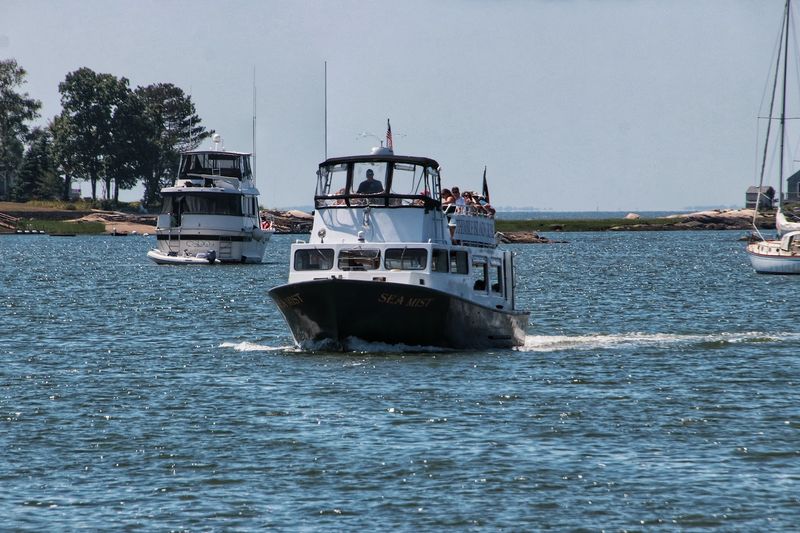
The Thimble Islands carry centuries of history packed into a surprisingly small geographic area. Narrated boat tours departing from Stony Creek Dock bring that history to life in ways that a map simply cannot.
The stories range from Indigenous heritage to presidential visits and pirate legends.
The Mattabesek people knew these islands long before European explorers arrived. They called the archipelago Kuttomquosh, meaning the beautiful sea rocks.
European explorer Adrian Block first charted the islands in 1614, marking the beginning of their recorded colonial history.
Captain Kidd’s treasure legends are woven into nearly every tour narration. The story holds that the notorious pirate buried treasure somewhere among the islands before his capture.
No treasure has ever been officially found, which somehow makes the legend more entertaining rather than less believable.
Presidential history adds another layer to the island story. Davis Island was once used as a summer retreat by President William Howard Taft.
Having a sitting president spend summers on a tiny Connecticut island is exactly the kind of unexpected historical detail that makes these tours genuinely interesting rather than just scenic.
The Stony Creek-Thimble Islands Historic District earned a listing on the National Register of Historic Places in 1988. Today, notable island owners include public figures like Gary Trudeau and Jane Pauley, who own Governor’s Island.
Yale University holds Horse Island as an ecological research laboratory, adding academic significance to the archipelago.
Best Times For Island Visits To Avoid Crowds

Weekday mornings in June are genuinely the best-kept secret for visiting the Thimble Islands. Summer weekends bring the largest crowds to Stony Creek Dock, and parking becomes a real challenge before 10 AM.
Arriving on a Tuesday or Wednesday morning changes the entire experience.
Early June offers mild temperatures and far fewer visitors than July or August. The ferry runs, wildlife is active, and the granite rocks are not yet covered with weekend sunbathers.
Spring energy is still in the air without the full summer intensity that comes later in the season.
September is another underrated window. Post-Labor Day crowds drop significantly across the region.
The weather stays warm enough for comfortable island visits, and fall migration begins, adding bird activity that summer visitors never get to experience on these same routes.
October marks the final weeks of ferry service before the season ends. Foliage color on the mainland frames the Sound beautifully during this period.
Visiting in October feels like catching the islands in a reflective, quieter mood before they go dormant for winter.
Avoiding holiday weekends like the Fourth of July and Labor Day is straightforward common sense. Those weekends draw maximum regional traffic to coastal Connecticut destinations.
Planning around those dates gives you access to the same scenery with a fraction of the noise and a much easier time finding somewhere to park near the dock.
Picnic Ideas For Enjoying Waterfront Locations
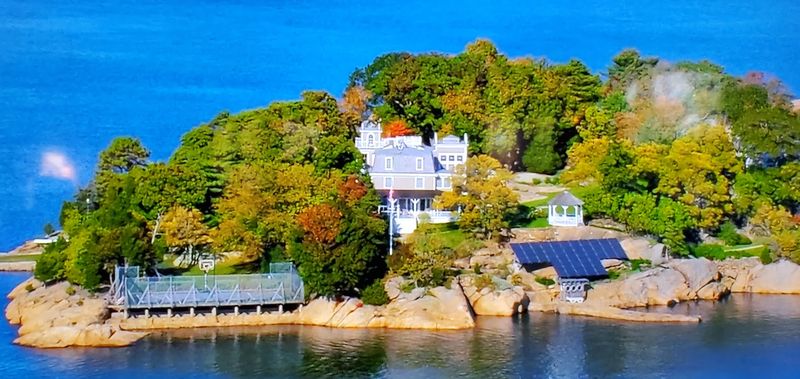
Outer Island is a genuinely excellent picnic destination once you make the ferry crossing. The open landscape and granite shoreline give you natural seating in every direction.
Flat rocks near the water work perfectly as tables when the right spot is found.
Pack everything in a soft cooler that fits easily in a daypack. Space on the ferry is limited, and large hard coolers create problems for other passengers.
Keeping your gear compact makes the whole trip more comfortable from dock to island and back again.
Food choices matter more than people expect when eating outdoors near salt water. Strong-smelling items attract seagulls faster than anything else.
Sandwiches, wraps, fruit, and crackers are practical options that pack flat, stay fresh, and do not announce themselves to every bird within a quarter mile.
Fresh water is not available on Outer Island. Bringing more water than you think you need is always the right call.
Sun and salt air dehydrate visitors faster than a regular park outing, especially when you are spending time walking the rocky terrain in warm weather.
Cleanup is entirely your responsibility on the island. Leave No Trace principles apply fully on Outer Island as part of the wildlife refuge.
Bringing a small trash bag and packing out everything you bring in keeps the island in the same condition that made you want to visit in the first place.