
This Quiet Illinois Marsh Is A Hidden Spot For Watching Bald Eagles In Winter
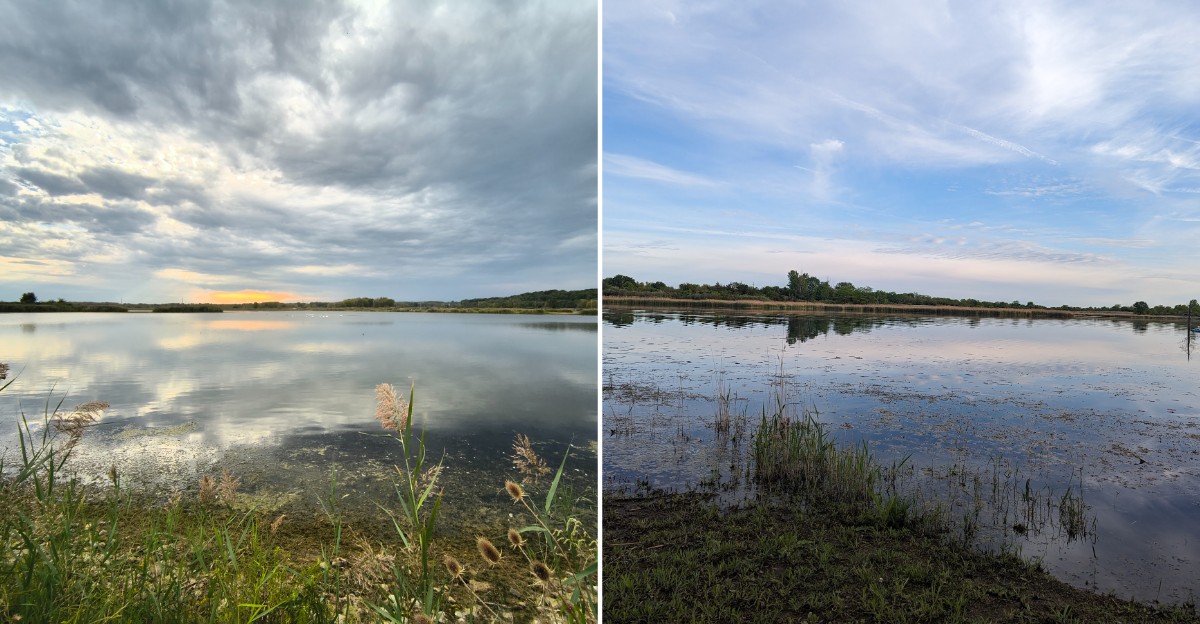
Ninety percent of this Illinois marsh was strip-mined for coal between 1958 and 1974. Today, bald eagles use it as a holding area during migration.
That flip still blows my mind.
The old mine pits filled with water after pumping stopped in 1994. Water levels rose about seven feet, and surface water jumped from 530 acres to roughly 2,400.
Now more than 200 lakes and ponds spread across grassland and shrubs.
I like how a place once torn up for fuel turned into a buffet for raptors. Eagles here hunt fish like gizzard shad, and they want open water as the cold sets in.
Early mornings before 10 a.m. are their busy hours.
So when the leaves drop and the air turns sharp, where would you rather be standing? I can’t think of a better answer than this levee-guarded marsh.
Bald Eagles Treat This Marsh Like A Rest Stop With A Fish Buffet
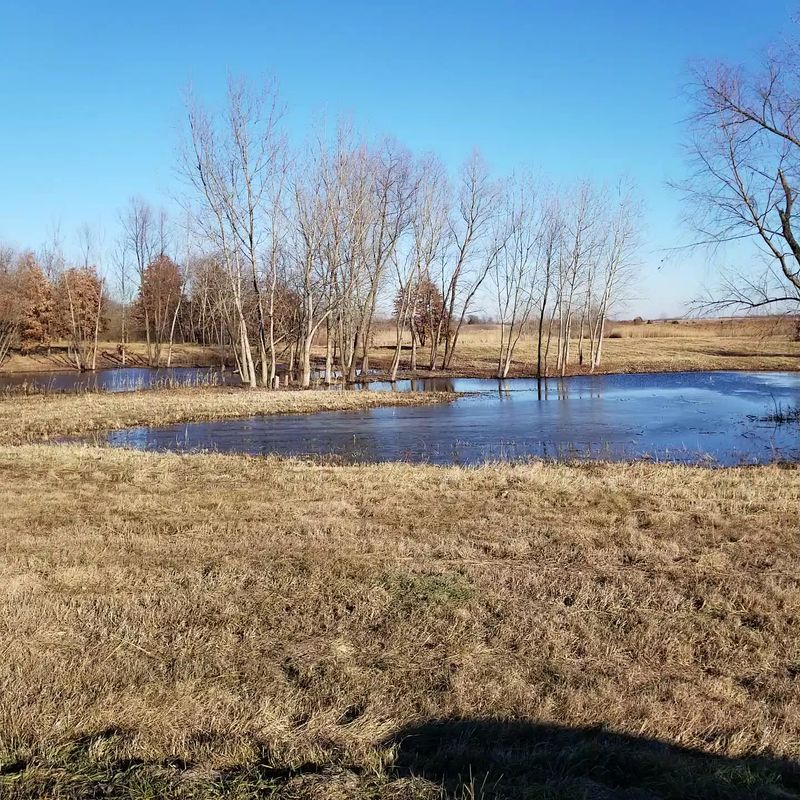
Banner Marsh State Fish and Wildlife Area works as a major holding area for migrating bald eagles. Think of it as a truck stop for raptors, minus the vending machines.
The reason is simple once you see a map. More than 200 water bodies dot the property, and eagles love water full of fish.
Their menu leans heavily on fish like gizzard shad. When cold weather arrives, eagles hunt wherever open water stays available, and this maze of lakes gives them plenty of choices.
Grassland and shrubland stretch between the ponds too. That mix of habitats gives the birds room to perch, scan, and swoop without much competition from crowds.
Illinois hosts one of the largest wintering bald eagle populations in the lower 48 states. Counts have topped 3,100 eagles across more than 27 counties, second only to Alaska.
That makes this marsh part of a much bigger story. You’re not chasing a rare fluke here, you’re stepping into a seasonal pattern that repeats year after year.
Bring binoculars and a little patience. A white head on a dark branch is easier to spot than you’d guess, once your eyes learn the shape.
Set Your Alarm Early Because Eagles Keep Morning Hours
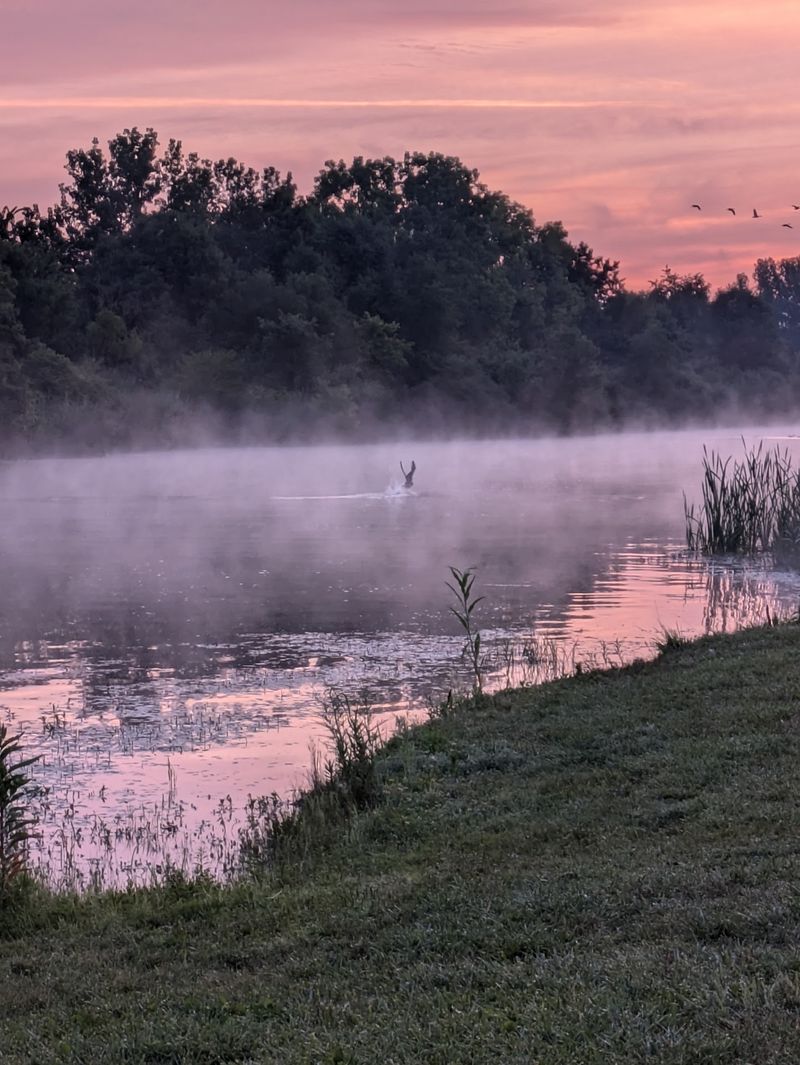
Early birds really do get the eagle. The big raptors are most active at the water’s edge before 10 a.m., hunting for breakfast.
Timing across the calendar matters just as much. Bald eagles typically show up in Illinois from December through March before heading north again.
Late fall can bring a few early arrivals as temperatures slide toward winter, but the real show starts once December settles in.
January and February are the peak months for viewing. If you can only make one trip, aim for the deep of winter, when the birds crowd around the last stretches of open water.
Cold mornings make open water extra valuable to the birds. When smaller ponds start to freeze, eagles focus on spots where fish are still reachable.
Dress in layers and pack a thermos of something hot. Standing still on a levee in a north wind tests anyone’s love of nature.
A spotting scope or camera with a long lens helps a lot. Give the birds plenty of space, and let them do the dramatic part while you enjoy the show.
Old Coal Pits Turned Into Prime Wildlife Real Estate
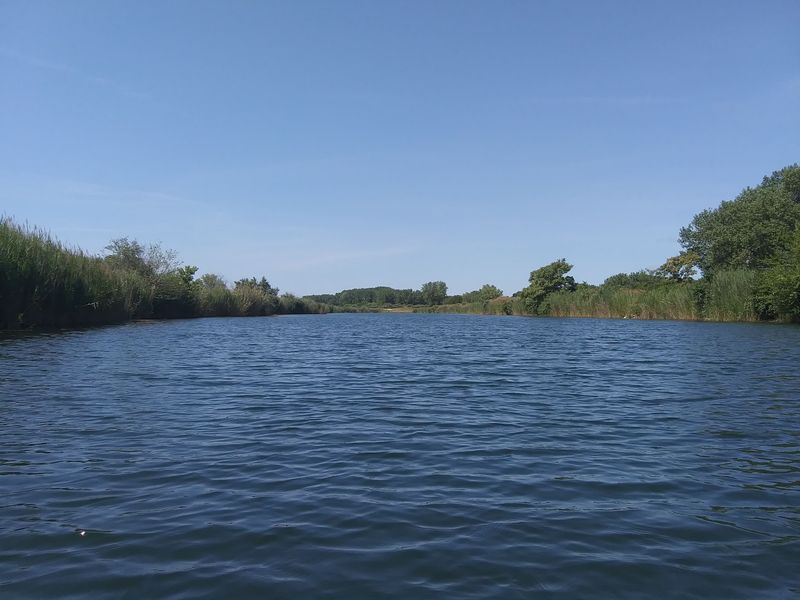
Long before the eagles, this land had a rough ride. It started as a highly productive bottomland lake and marsh along the Illinois River.
From 1910 to 1958, the area was leveed and drained for farming. Then strip mining for coal tore through much of it, with about 90 percent mined between 1958 and 1974.
Management by the state began in 1978. The Illinois Department of Natural Resources later took the lead on bringing the land back to life.
The big turning point came in 1994. Pumping stopped, water rose about seven feet, and surface water grew from roughly 530 acres to about 2,400.
A habitat project between the state and the U.S. Army Corps of Engineers finished in May 2003.
It aimed to improve wildlife habitat and flood control at the same time.
Those old mine cuts explain the odd shapes of so many lakes. Every jagged shoreline you see started as a trench in the coal era.
Honestly, it’s a comeback story worth telling your friends. Few places swap coal shovels for eagle wings this convincingly.
The Supporting Cast Of Birds Steals Plenty Of Scenes
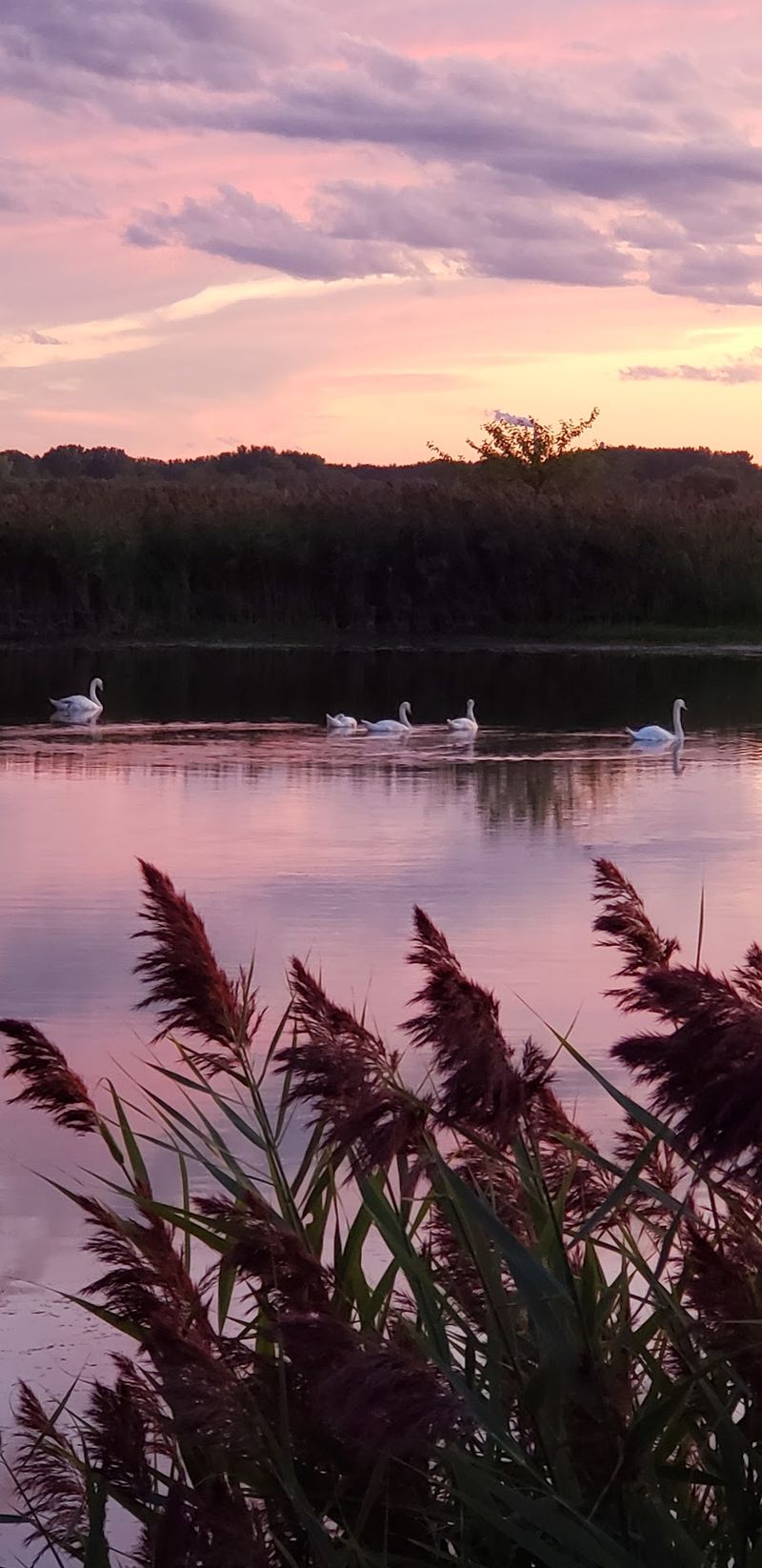
Eagles get top billing, but the guest list runs long. Ospreys, short-eared owls, sandhill cranes, and American bitterns all use this marsh.
Terns and gulls work the open water. Cormorants show up too, along with the secretive sora skulking near the reeds.
Lucky birders sometimes catch a least bittern or a king rail. Both are tricky to find, so keep expectations playful rather than serious.
The location helps explain the variety. Banner Marsh State Fish and Wildlife Area sits in the Illinois River Valley Flight Corridor of the Mississippi Flyway.
That corridor is a key resting zone for migrating waterfowl and shorebirds. Fall migration turns the sky into a busy highway of wings.
Warmer months bring their own crowd. Bobolinks have nested here, and gray catbirds, common yellowthroats, and American goldfinches add color and song.
Keep a field guide or bird app handy. You may come for one famous bird and leave with a checklist that looks suspiciously long.
Fall Hunting Season Changes The Rules, So Plan Smart
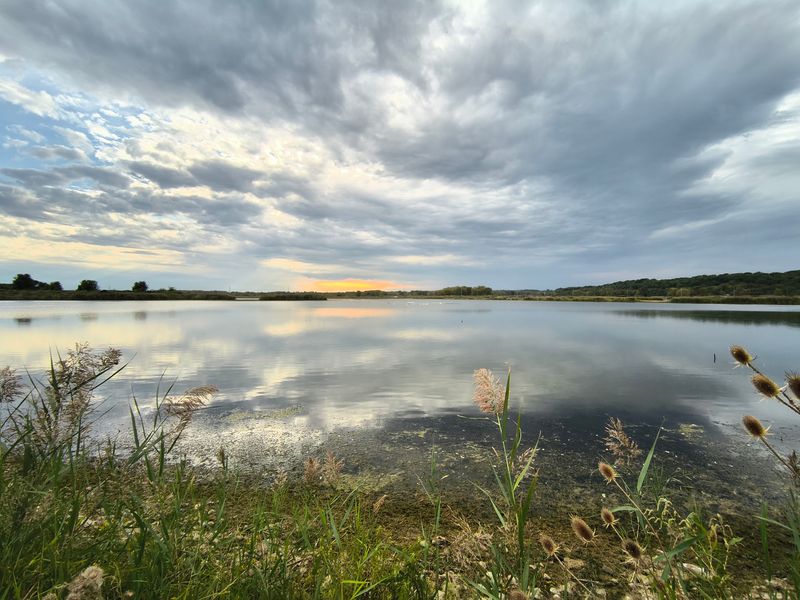
Here’s the catch with a late-fall or early-winter trip. Banner Marsh is mainly a waterfowl hunting area, and activities get restricted during that season, which can stretch into the first weeks of the eagle season.
The lake closes to boating and boat fishing 10 days before waterfowl season starts. Bank fishing is still allowed, but only after 1 p.m. each day.
Youth waterfowl hunting weekends usually fall in late October. Check the Illinois Department of Natural Resources calendar for exact dates before mapping out an autumn visit.
Dove, upland game, and archery deer hunting also happen here. Each comes with its own site rules, so a quick check before you leave home saves headaches.
Wearing bright clothing during hunting months is a sensible habit. It helps everyone see you clearly across open fields and shoreline brush.
The property also earns praise for training hunting dogs and hosting field trials. A free permit from nearby Rice Lake State Fish and Wildlife Area is required.
None of this should scare you off. Knowing the schedule simply lets you enjoy the eagles without stepping into someone else’s busy morning, and once waterfowl season wraps up, the marsh gets even quieter for eagle watching.
Paddlers Get The Calm Water Everyone Else Envies
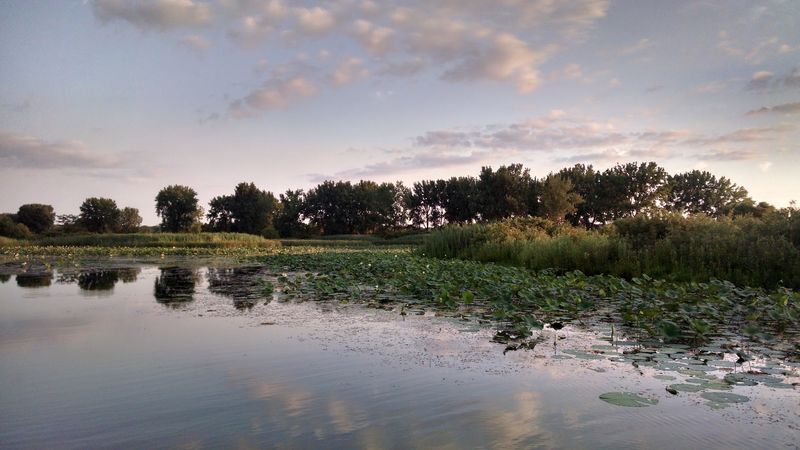
Quiet is the whole point out here. Jet skis, water skiing, and swimming are all off the table at this marsh.
Motors over 25 horsepower are banned too, unless used at no-wake speeds. That keeps the water peaceful for everyone else on it.
Rowboats, canoes, kayaks, and small motorboats rule these lakes. With more than 200 water bodies, a small craft can slip into corners bigger boats skip.
Three public boat ramps make launching simple. Each one also offers a good view to soak in before you push off.
Summer brings American lotus, a native water lily with pale yellow blooms. Paddling past those big round leaves feels a bit like floating through a painting.
Remember the seasonal shift, though. Boating shuts down 10 days before waterfowl season, so fall paddlers should go early in the season.
A dry bag, a life jacket, and a simple map go a long way. Plenty of channels look alike, and nobody wants to explain getting lost in a pond.
Anglers Can Cast Any Hour Of The Day Or Night
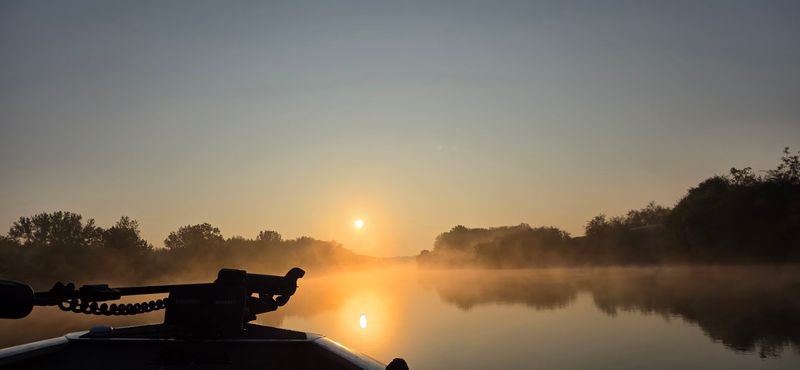
Night owls with fishing rods, take note. Fishing is allowed 24 hours a day, seven days a week, outside of the waterfowl season limits.
The species list is a strong one. Largemouth and smallmouth bass, northern pike, walleye, crappie, bluegill, redear, green sunfish, and channel catfish all swim here.
Those old mining pits created deep pockets and odd structure. Fish love that kind of variety, and so do anglers hunting for it.
Site-specific rules apply at Banner Marsh State Fish and Wildlife Area. There’s a two-pole limit, plus certain harvest limits on some species.
Read the regulations before you load the cooler. It takes five minutes and keeps your trip fun instead of awkward.
Fall adds a twist for shore anglers. Once waterfowl season begins, bank fishing opens only after 1 p.m. daily.
There’s also a neat bonus for fishing here in cooler months. The same fish you’re after are the ones eagles are chasing, so keep one eye on the sky.
Pack A Lunch And Your Own Water Bottle
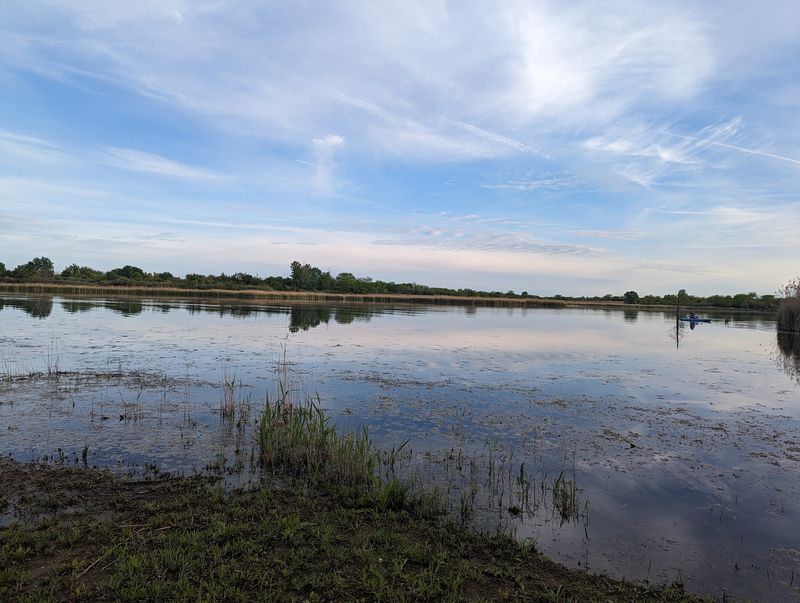
Lunch with a view is easy to arrange. Each of the three public access areas has a parking lot, boat ramp, restrooms, and a picnic spot.
Shaded tables make a nice break from eagle scanning. Spreading out sandwiches while birds drift overhead feels like a pretty good deal.
One thing to know before leaving home. There’s no drinking water available on site, so bring every drop you’ll need.
Toss in extra for warm afternoons or long paddles. A cooler in the trunk is cheap insurance against a cranky, thirsty crew.
Overnight stays are limited here. Only youth group camping is allowed, and it’s walk-in or boat-in only.
General campers have a nearby option. Rice Lake State Fish and Wildlife Area offers regular camping facilities close by.
That pairing works nicely for a weekend plan. Sleep at one site, then rise early for the morning eagle window at the other.
Pack out your trash, too. Keeping the picnic areas clean helps the place stay welcoming for the next eagle fan.
A Scenic Byway Drive Gets You To The Front Row
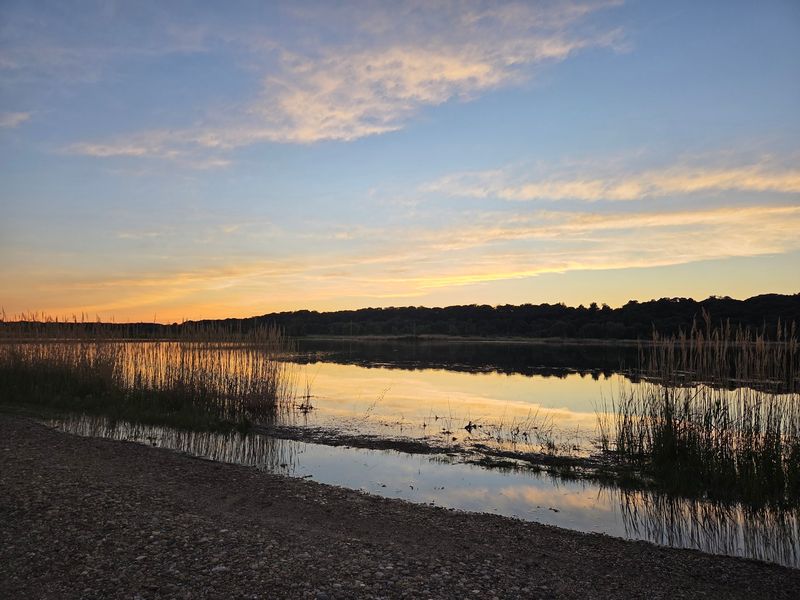
Getting there is half the fun. The marsh sits along U.S. Route 24, a road designated as a national scenic byway.
Set your GPS for 19721 US-24, Canton, IL 61520. You’ll land about 25 miles southwest of Peoria.
The property stretches across Fulton and Peoria Counties in central Illinois. A major levee protects it from the Illinois River next door.
Size estimates vary a bit by source. Some list it as a 4,363-acre freshwater marsh, while others put the total over 5,500 acres.
Either way, there’s room to roam. Shallow marshes, deep-water lakes, floodplain forests, and levees all share the landscape.
Banner Marsh State Fish and Wildlife Area is open year-round. That flexibility lets you come back as eagle numbers build into winter.
Summer visits bring swamp milkweed with bright pink flowers. Monarch, viceroy, and spangled fritillary butterflies flutter around too.
Still, late fall holds a special charm for eagle fans. A quiet levee, a cold sunrise, and a white head on a branch make a road trip feel completely worth it.