
This Quiet Illinois Town Is Becoming The State’s Next Big Escape
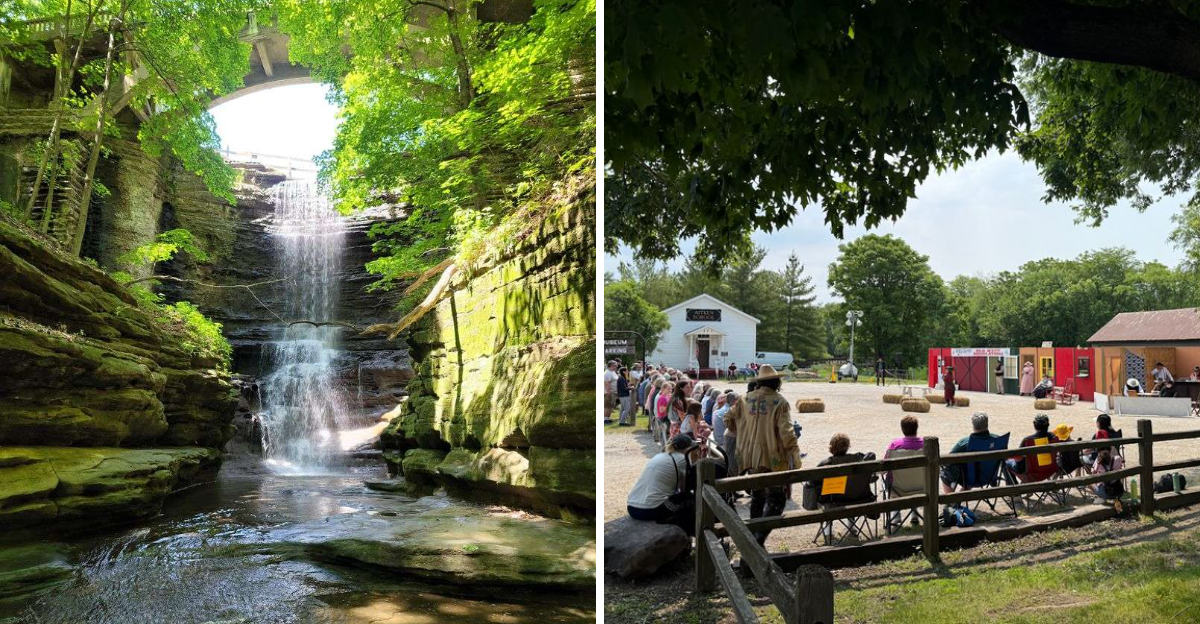
You know a town is doing something right when a quick weekend visit starts feeling much too short. That is exactly the pull of this quiet Illinois community, where slow mornings, good local food, and uncrowded streets make it surprisingly easy to forget the schedule.
Nothing here feels forced. There is no giant attraction demanding your attention or a packed itinerary waiting to wear you out.
Instead, the appeal sneaks up on you over lunch, a walk around town, or an afternoon that somehow disappears without much effort.
That relaxed rhythm is becoming harder to find in the state, which may explain why more travelers are starting to notice this place.
For now, it still feels calm enough to enjoy without planning every detail weeks ahead. But with word spreading, this Illinois town may not remain one of the state’s best-kept weekend escapes for long.
A Village Built Around Canyons And Canal History
This village was shaped by more than scenery. Water, stone, and hard work helped put it on the map long before weekend visitors started filling the streets.
The Illinois and Michigan Canal carried boats, freight, and workers through this stretch in the 1800s, while nearby quarries supplied rock used to make hydraulic cement. That history still feels close today, especially along the trails and near the museum housed in a canal-era building.
Walk along Mill Street and the village still feels compact, even as its popularity has grown. That contrast is part of what makes it so interesting.
The past never feels buried under the newer attention.
Saturday in October can bring a very different scene, especially when parking gets tight. Visit on a weekday, though, and the village settles back into a quieter rhythm.
That is when its old personality comes through most clearly, and honestly, that is the version I like best.
Mill Street, Where The Whole Weekend Gets Organized
Everything social in the village seems to happen within a few blocks. Mill Street holds shops, casual restaurants, ice cream, coffee, and gift stores that stock everything from candles to hiking socks.
You can park once and cover the district on foot, which is rare and genuinely useful. Families often pair a morning hike with an afternoon of window shopping and a cold treat.
Hours shift with the seasons, and some businesses reduce days in winter. Checking social pages before driving out saves disappointment, especially in January and February.
Dog owners will notice plenty of leashed pups on the sidewalks. Not every shop welcomes them inside, so ask first.
What I appreciate is the lack of chain-store sameness. Independent owners run most of these storefronts, and several have been part of the community for years.
Small street, long memory, and a steady stream of trail-tired visitors looking for something sweet.
Starved Rock State Park, The Reason Most People Come
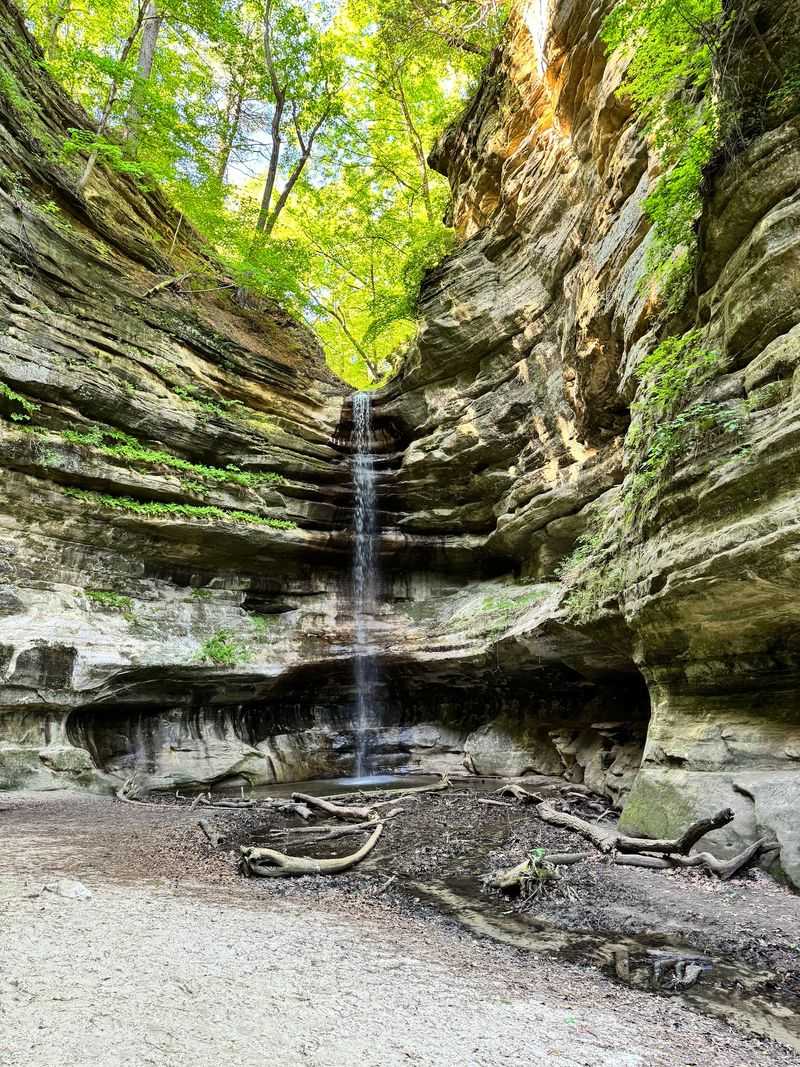
Just south of the village, across the Illinois River, sits Starved Rock State Park, one of the most visited parks in Illinois. Eighteen canyons cut into St. Peter sandstone, and several hold waterfalls after rain or during the spring thaw.
St. Louis Canyon, French Canyon, and Wildcat Canyon rank among the most photographed spots. Trails total roughly 13 miles, with wooden stairways and boardwalks doing much of the hard work for you.
Waterfall flow is never guaranteed, so check recent conditions before you build your whole trip around a photo. Dry summers can leave canyon floors quiet and shaded instead of gushing.
Parking lots fill early on nice weekends, and the main visitor center area gets busy by mid-morning. My advice is simple.
Arrive at opening, hike the far trails first, and save the crowded overlooks for later. Your knees will thank you, even if the stairs do not.
Matthiessen State Park For Hikers Who Want Elbow Room
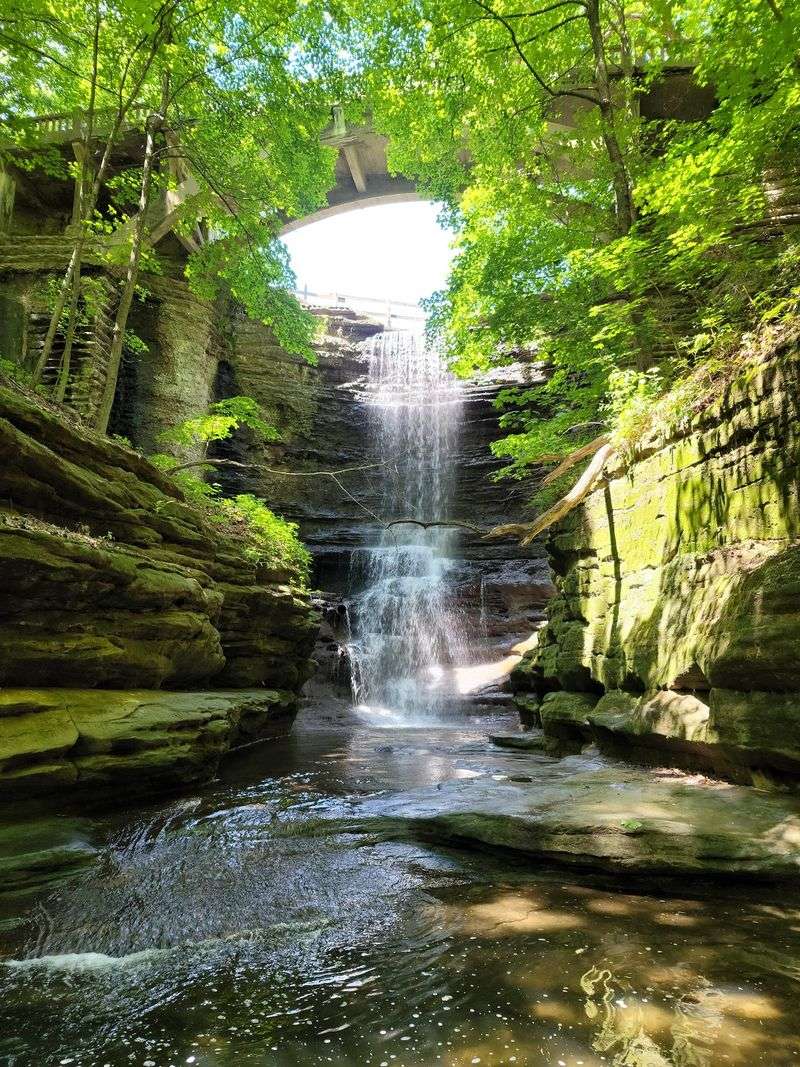
Locals will tell you the quieter canyon fix is Matthiessen State Park, a short drive from the village. Its Dells area features an upper and lower canyon linked by stairways, with a stream running between sandstone walls.
The park also includes prairie trails, a bluff area, and space for horseback riding on designated routes. Crowds tend to be lighter than at its famous neighbor, especially outside peak fall weekends.
Footing can be slick where water meets rock, so waterproof shoes earn their keep here. Trail closures happen after heavy rain or ice, and posted notices are worth reading before you head down.
Ever notice how the second-most-famous park in an area is often the more relaxing one? That pattern holds true in this corner of Illinois.
Pack water, keep an eye on kids near ledges, and give yourself a couple of hours minimum. The staircases alone count as a workout.
Canal Trails And The Illinois River Valley
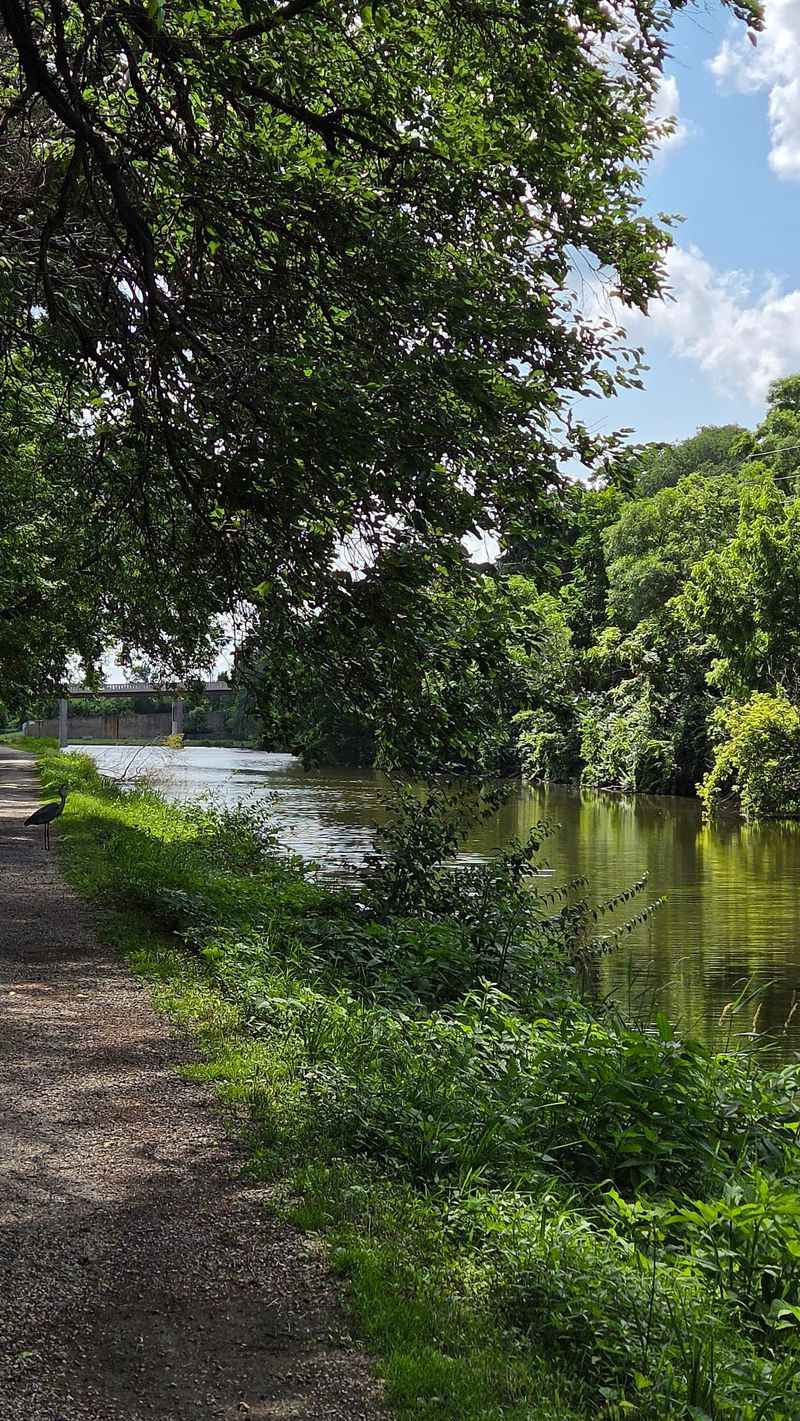
Flat, shaded, and easy on the legs, the Illinois and Michigan Canal State Trail runs through this part of LaSalle County. It follows the old towpath route where mules once pulled boats along the water.
Cyclists like it because there are no serious hills, and families like it because strollers roll fine on the packed surface. Trail conditions vary by segment, so a quick look at current trail reports helps.
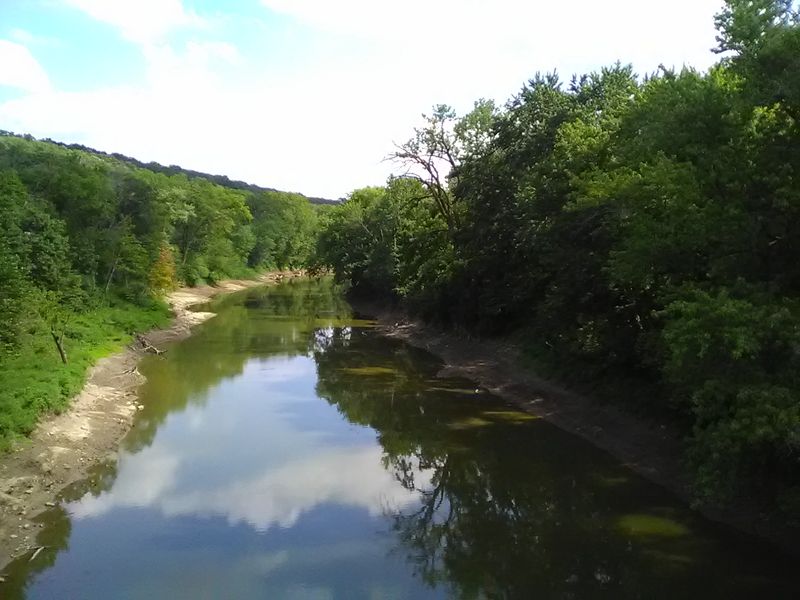
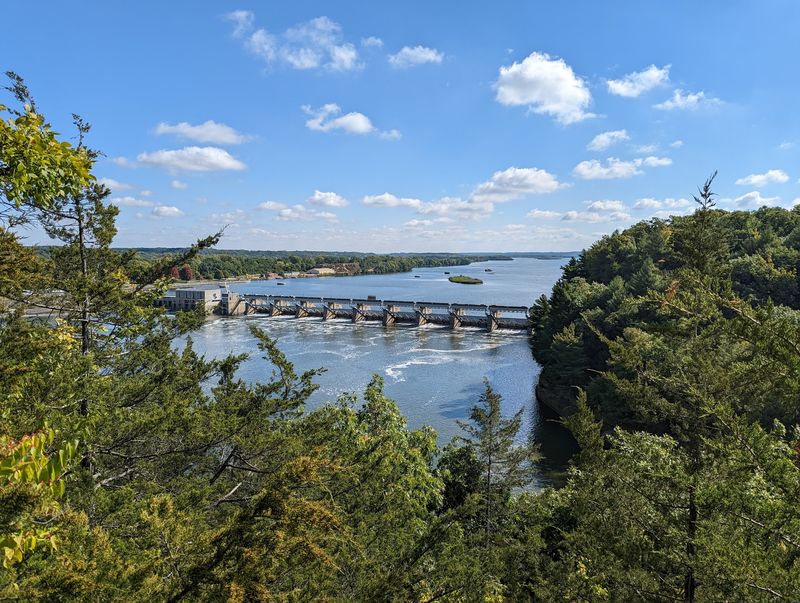
Nearby, the Illinois River valley gives the area its wide-open views. Bald eagles are often spotted around the river in winter months, particularly near dams and open water.
Bring binoculars if birds interest you. Even casual watchers usually spot herons, hawks, or waterfowl along the way.
After the stair-heavy canyon trails, a level path feels like a reward. Consider it the recovery ride your calves quietly requested somewhere around canyon number four.
Fall Color Turns The Village Into A Destination
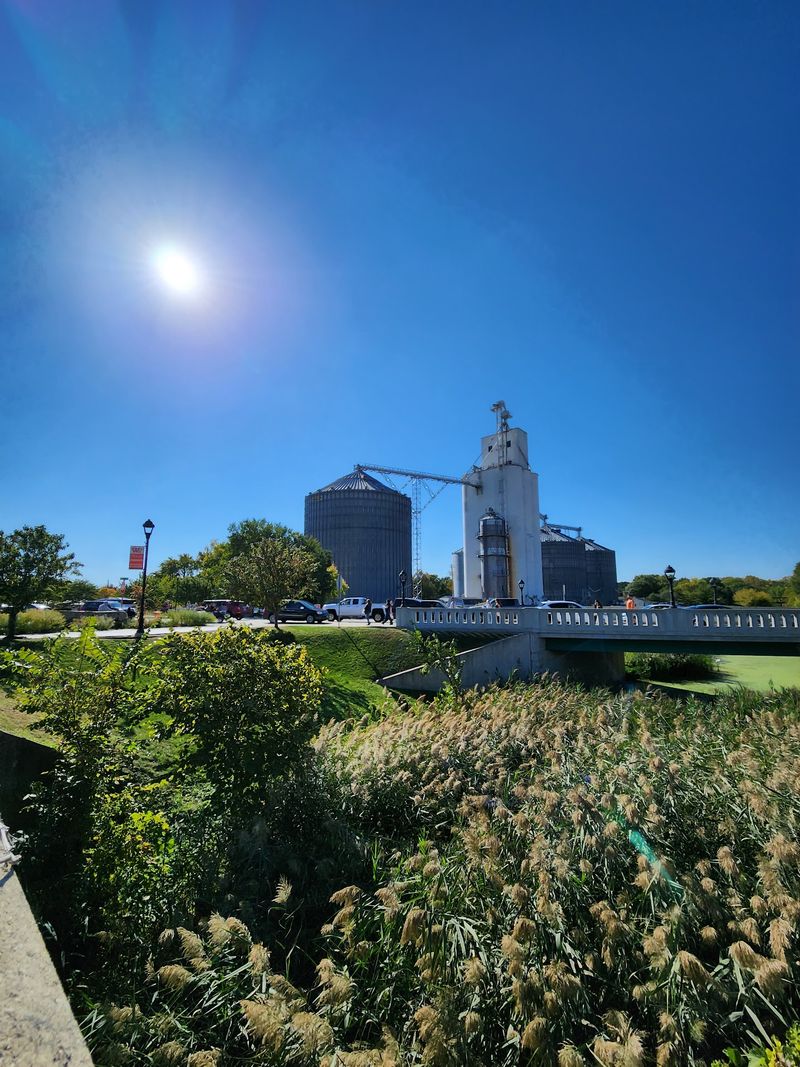
October is peak season, and nobody around here pretends otherwise. Oak, maple, and hickory light up the bluffs above the Illinois River, and the overlooks get shoulder to shoulder by midday.
Peak color timing changes year to year, usually landing somewhere in mid to late October. Weather, rainfall, and temperature swings all play a part, so treat any predicted date as a rough guess.
If you want photos without a crowd in the frame, early morning is your best bet. Sunrise light on sandstone is worth the alarm clock.
Weekend traffic on Route 178 and Route 71 slows noticeably during fall, and lots can reach capacity. A Friday or Monday visit changes the entire experience.
Cooler temperatures also mean fewer bugs on the trails, which regular hikers count as a bonus. Autumn here is busy, beautiful, and best enjoyed by anyone willing to start the day a little earlier.
Winter Ice Falls And Eagle Watching Season
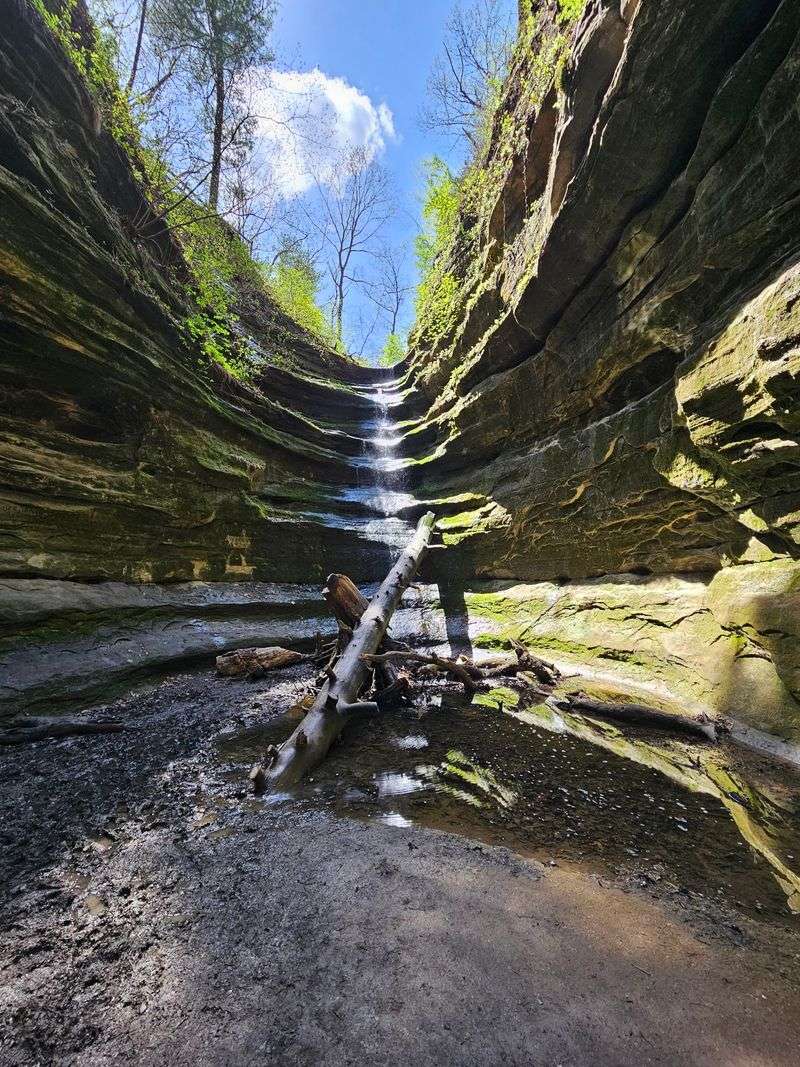
Cold weather brings a completely different reason to visit. When temperatures stay low for stretches, canyon waterfalls can freeze into towering columns of ice that draw photographers and hikers alike.
Ice formation depends entirely on the winter, and mild seasons may produce very little. Nothing is promised, which is part of what makes a good ice year exciting.
Trails become genuinely slippery, so traction devices for boots are strongly recommended. Rangers post closures when conditions turn unsafe, and those signs exist for good reason.
Winter is also prime time for spotting bald eagles along the Illinois River, where open water near dams attracts them. Regional eagle-watching events are held in the wider area during January and February.
Layers matter more than looking stylish, and hand warmers are cheap insurance. Fewer visitors, crisp air, and frozen canyons make this the season most first-timers overlook and most repeat visitors quietly prefer.
Fewer than 1,400 people live in North Utica according to the 2020 census, yet the village handles crowds that would fluster far bigger towns.
Where To Sleep When The Hiking Is Done
Accommodation options cluster in and around the village and the state park area. Choices range from a historic timber-and-stone lodge with cabins to small hotels, motels, and vacation rentals scattered nearby.
Booking well ahead is the single best piece of planning advice I can offer for a fall trip.
Because the village is compact, staying in town means you can walk to dinner and skip a second round of parking. That convenience adds up after a long day on the stairs.
Availability and pricing swing with the calendar, so compare a few dates if your schedule allows. Midweek stays are usually easier to secure.
Ottawa and Peru sit a short drive away with additional lodging if the village fills up. Sleeping close to the trailhead is the real luxury here, not the thread count.
Family Fun Beyond The Trails
Not everyone in the group wants to climb 200 stairs, and that is fine. The area includes a waterpark resort, mini golf, seasonal attractions, and a local burrito and ice cream circuit that kids treat very seriously.
Boat tours on the Illinois River operate seasonally from the park area, offering a lower-effort way to see the bluffs. Schedules depend on water conditions and time of year.
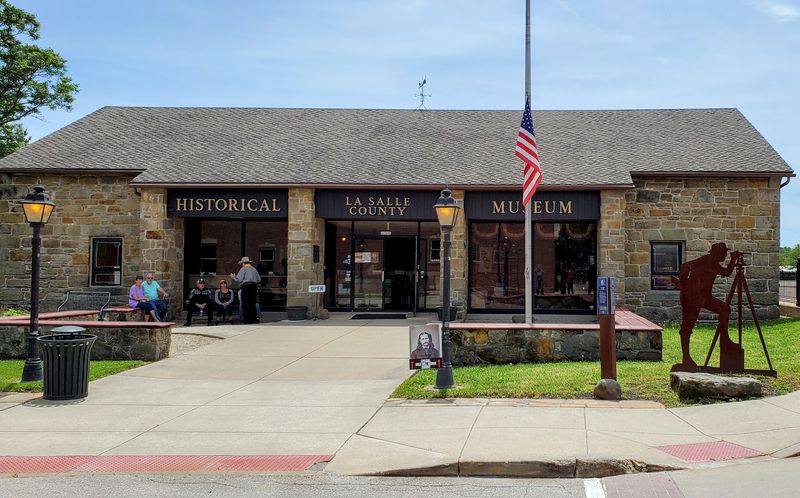
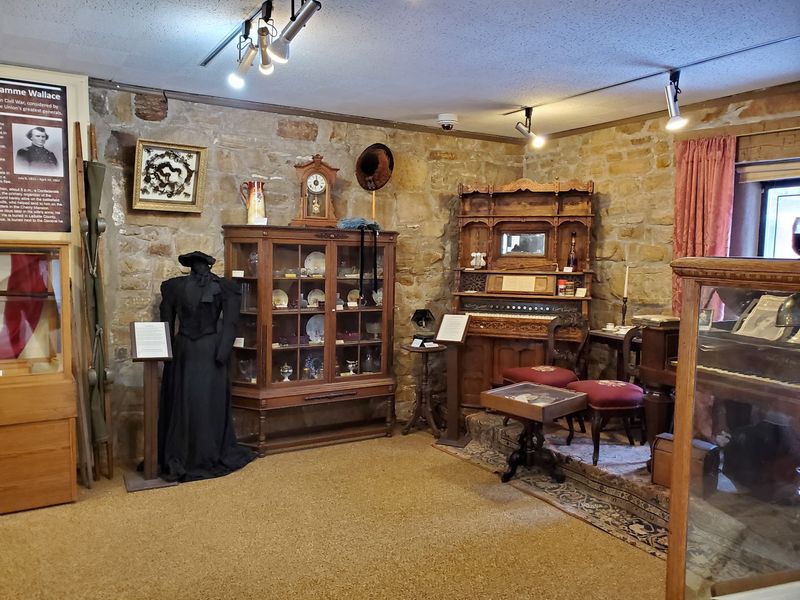
The LaSalle County Historical Society Museum complex in the village gives rainy days a purpose, with exhibits tied to canal history and local life.
Trolley and guided tour options run through the lodge during parts of the year, which helps visitors with limited mobility reach viewpoints.
What is the best way to end a hot afternoon here? Ice cream on a bench, watching other people carry their tired kids back to the car.
Mix active and lazy, and everyone leaves happy.
Getting There And Practical Planning Tips
Reaching the village is straightforward. It sits near Interstate 80 in north central Illinois, roughly a 90-minute drive from the Chicago area depending on traffic, with Routes 178 and 71 connecting to the parks.
There is no rail stop in the village itself, so driving is the practical option. Amtrak serves nearby communities in the region, though you would still need a car or ride.
Cell service can drop inside the canyons, so download maps before you hike. Paper trail maps are available at visitor centers.
Weekends between spring and late fall are busiest, and arriving before 9 a.m. genuinely changes your day. Weekday visits feel almost private by comparison.
Village information is posted on the official site at utica-il.gov, which is the best place to confirm event dates. Plan a little, pack water, and this small Illinois town rewards you far beyond its size.