
This Quiet Louisiana River Town Has The Kind Of Charm That Makes People Linger
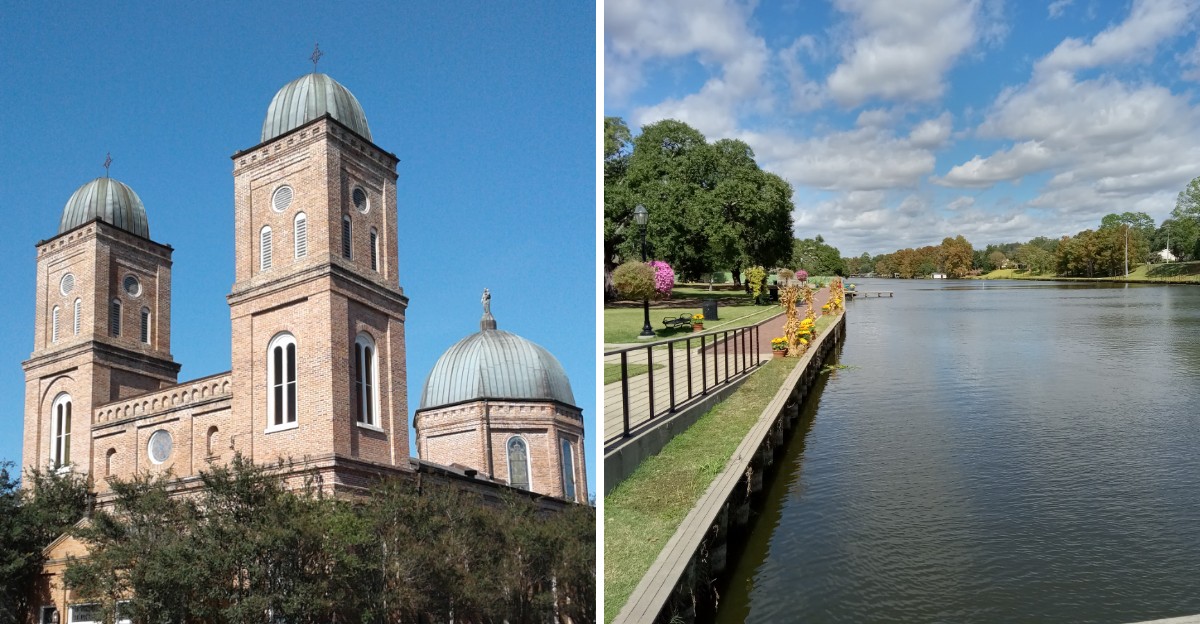
River towns have a habit of making simple things feel worth slowing down for, and one Louisiana community does that especially well. A bench near the water, an old storefront, or a quiet block can suddenly become the reason you stay another half hour.
Morning here might start with coffee and a walk past historic buildings, then drift into lunch, a little shopping, and more time near the river than you expected. Visitors rarely need a packed itinerary because the town itself gives them enough reasons to keep wandering.
By late afternoon, Louisiana feels a little different here. The state’s louder destinations may get more attention, but this place works on you gradually.
That slower pace, paired with river views and small-town character, is exactly what makes leaving harder than it should be.
The Oldest Settlement In The Louisiana Purchase
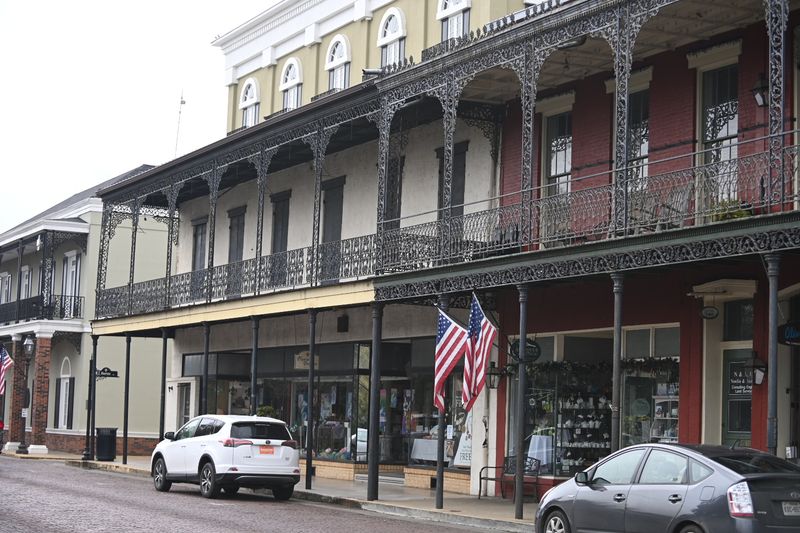
Bragging rights do not come much bigger than this one. Natchitoches was founded in 1714, making it the oldest permanent settlement in the Louisiana Purchase territory.
That means the town beat New Orleans by four years. French traders set up a post here to do business with the Natchitoches people and the Spanish in nearby Texas.
The town takes its name from those Native American neighbors. Say it like NAK-a-tish, and you will instantly sound like you belong.
Today, the town sits in the northwest part of the state, about an hour south of Shreveport. It is easy to reach from Interstate 49, yet it feels miles away from highway noise.
History is not tucked behind glass here. It lives in the street names, the old homes, and the stories shared by shop owners.
A good first step is stopping by the visitor center on Front Street. Grab a map, ask about walking tours, and plan your day around the historic core.
Knowing the backstory makes every building you pass feel a little more alive. It turns a simple stroll into a history lesson you actually enjoy.
Front Street And Its Famous Brick Road
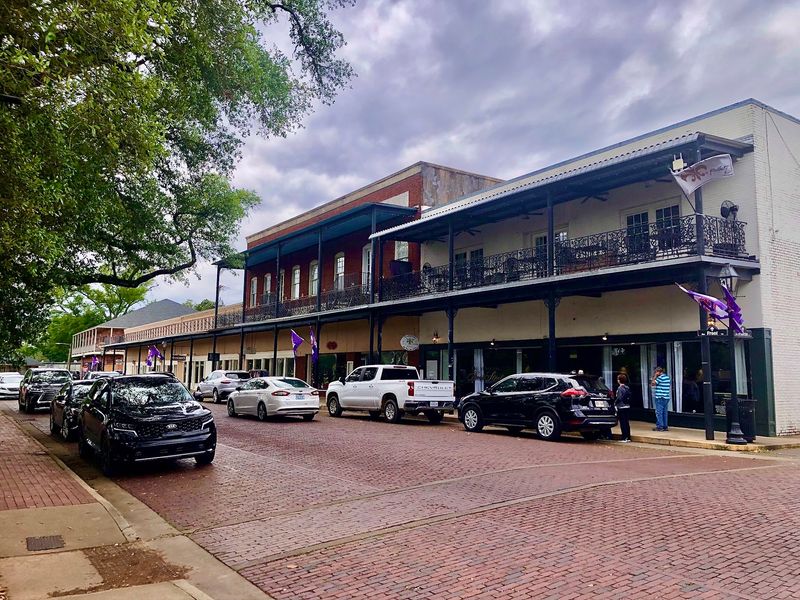
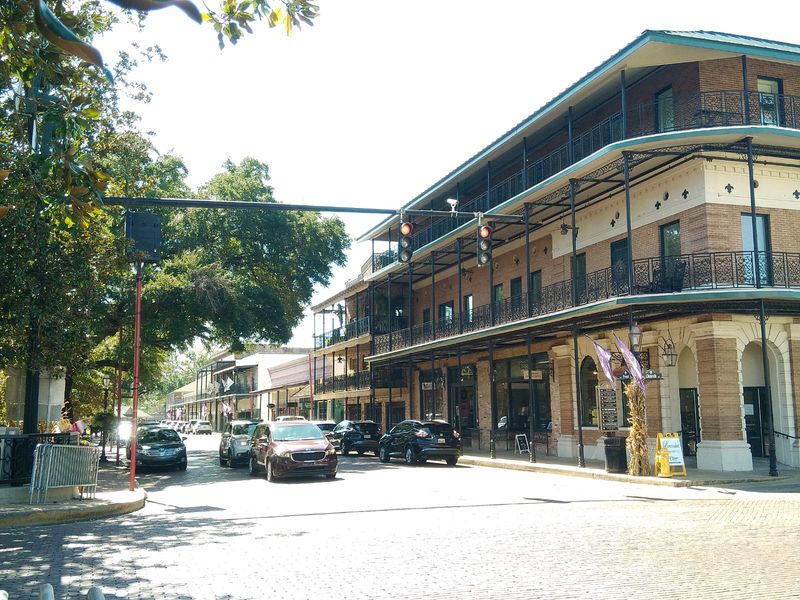
Your shoes will notice the difference before your eyes do. Front Street is paved with red bricks, laid back in 1904, and they give the whole street a warm glow.
The buildings lining the road date mostly to the 1800s. Many have lacy iron balconies that look straight out of an old postcard.
Shops here sell books, candles, gifts, clothing, and local treats. Browsing is the main sport, and nobody minds if you take your sweet time.
The street runs right along Cane River Lake, so the water is always close by. You can shop on one side and watch ducks paddle on the other.
Parking is usually simple, especially on weekday mornings. Arrive early if you want photos without crowds filling the frame.
Wear flat shoes, since bricks can be bumpy for heels. Bring a tote bag too, because resisting the little shops is harder than it sounds.
Front Street is the beating heart of the National Historic Landmark District. Everything else in town seems to branch out from this charming stretch.
Kaffie-Frederick General Mercantile
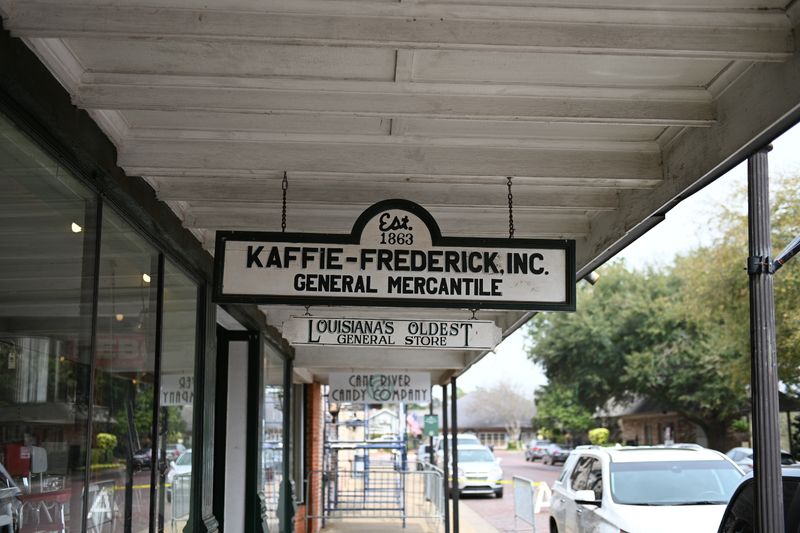
Need a cast iron skillet and a toy yo-yo in one trip? Kaffie-Frederick General Mercantile has you covered, and it has been doing so since 1863.
It is known as the oldest general store in the state. The wooden floors creak in the most delightful way as you wander the aisles.
Shelves hold kitchen gadgets, garden tools, hardware, and old-fashioned candy. It feels like a museum where you are actually allowed to buy the exhibits.
The store sits right on Front Street, so it is hard to miss. Plan at least half an hour, because every corner holds something unexpected.
Cooks love the selection of cookware and baking supplies. Kids tend to gravitate toward the classic toys that do not need batteries.
Fun fact: the store has stayed in business through wars, floods, and changing times. That kind of staying power is rare for any shop.
Picking up a small souvenir here feels meaningful. You are supporting a piece of history that still works hard every single day.
Minor Basilica Of The Immaculate Conception
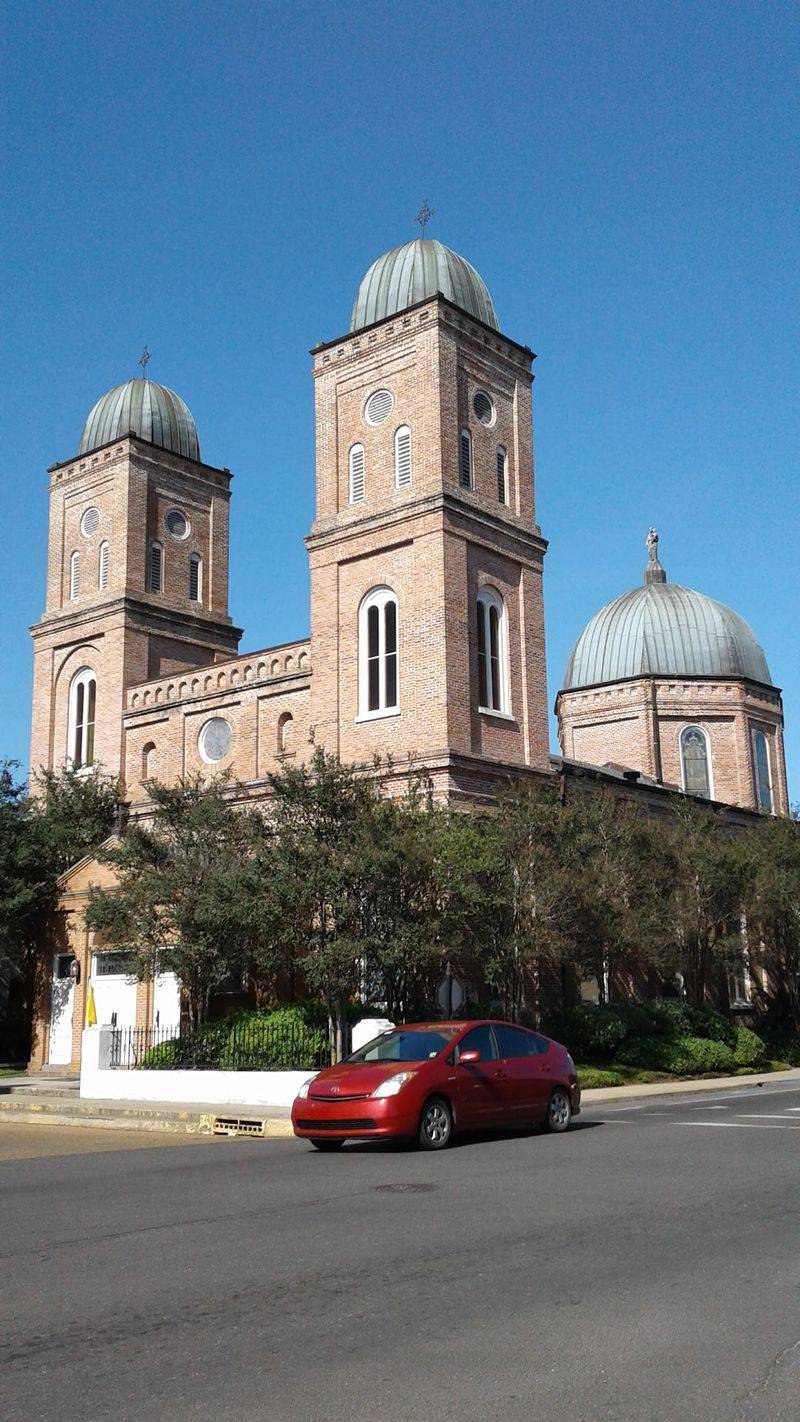
Look up, then keep looking up. The Minor Basilica of the Immaculate Conception rises above the historic district with a spire you can spot from blocks away.
The current church was completed in the 1890s. In 2010, it received the special title of minor basilica, an honor few churches in the country hold.
Inside, stained-glass windows paint the room with color when sunlight pours through. The details are worth a slow, quiet look from pew to ceiling.
The parish itself goes back to the early 1700s. It is tied closely to the founding of the town and its French Catholic roots.
The basilica stands on Second Street, a short walk from Front Street. It makes a peaceful break between shopping and sightseeing.
Be respectful if a service is happening, and keep voices low. Modest clothing is a thoughtful choice when stepping inside.
Photographers love the building at golden hour. The warm light makes the brick and spire look even more striking against the evening sky.
Cane River Lake And Its Riverbank Promenade
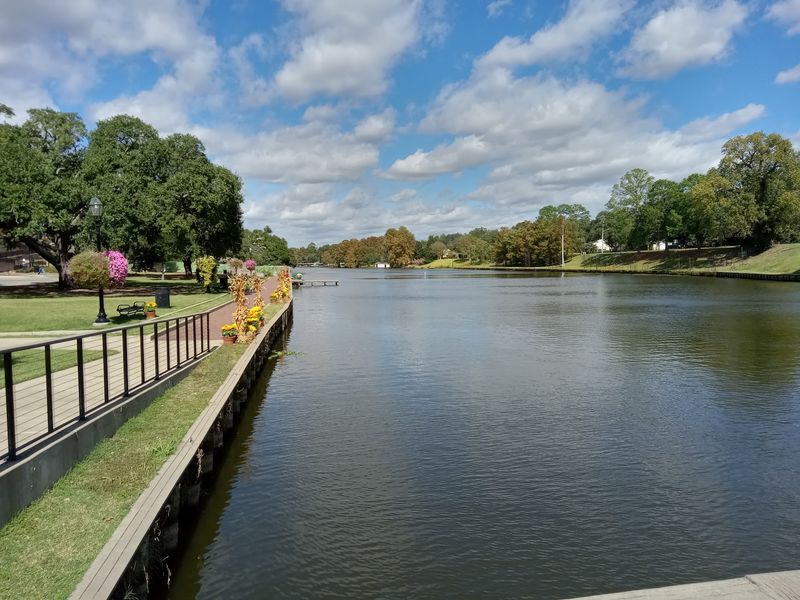
Here is a fun twist for trivia fans. Cane River Lake was once part of the Red River, until the bigger river changed its course in the 1800s.
What remains is a calm, 35-mile stretch of water. It runs right through town, and the riverbank below Front Street is made for strolling.
Paths, benches, and steps lead down to the water. It is a lovely spot for a picnic, a slow walk, or simply watching the light change.
Paddleboats and kayaks are popular when the weather is kind. Some local outfitters offer rentals, so check ahead for seasonal hours.
Evenings bring cooler air and a softer pace. Families gather, dogs trot by, and the historic buildings glow above the riverbank.
Spring and fall are the most comfortable seasons for outdoor time. Summer can be hot and sticky, so bring water and sunscreen.
The riverfront is also where many festivals happen. Even on a quiet day, it feels like the whole town gently revolves around this water.
Meat Pies Worth The Drive
Forget apple pie for a moment. In Natchitoches, the pie everyone talks about is golden, crimped, fried, and stuffed with seasoned beef and pork.
The Natchitoches meat pie is so beloved that the state named it an official food. It looks a bit like a half-moon empanada with a Southern accent.
Its roots stretch back to the Spanish and French influence in the region. Recipes have been passed through families for generations.
Several local restaurants serve them, and Lasyone’s has long been a famous name. Many places also sell frozen pies you can take home.
Try one with a side of dirty rice or a simple salad. The flaky crust and peppery filling make a hearty lunch without much fuss.
The town even hosts a Meat Pie Festival in the fall. It is a tasty excuse to plan your trip around lunch.
Crawfish pies are another local favorite worth sampling. Order both, split them with a friend, and settle the debate yourself.
The Christmas Festival Of Lights
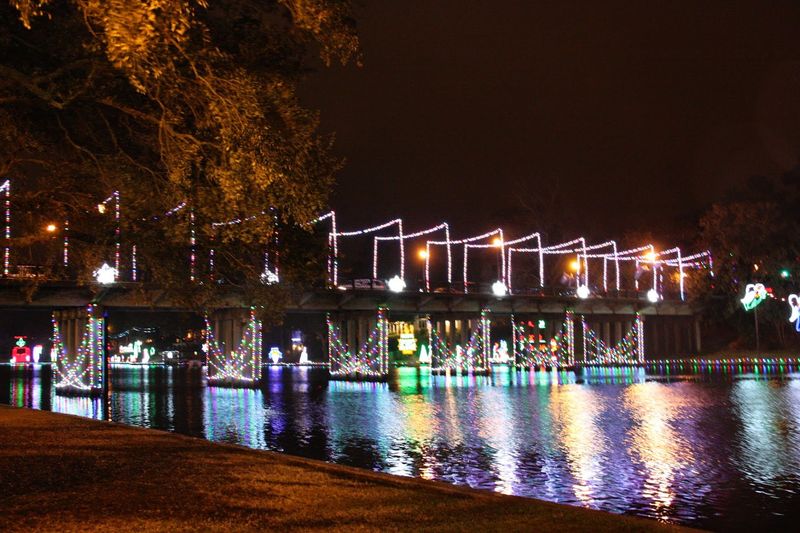
Imagine a small town plugging in hundreds of thousands of lights and stealing the holiday spotlight. Natchitoches has been doing exactly that for nearly a century.
The Christmas Festival started in 1927 and is one of the oldest community holiday celebrations in the country. The lights now stretch along Cane River Lake in dazzling displays.
The season usually kicks off in November and runs through early January. Festival weekends bring parades, fireworks, live music, and food booths.
The glowing riverbank reflects on the water like a second light show. Kids and grown-ups alike tend to stand there grinning.
Movie fans may remember the town from the film Steel Magnolias. Its holiday scenes helped spread the word about this cheerful tradition.
Book lodging early if you plan a December trip. Bed and breakfasts fill up fast once the holiday season approaches.
Dress in layers, since winter nights by the water can feel chilly. A warm cup of cocoa makes the whole glowing scene even better.
Oakland Plantation At Cane River Creole National Historical Park
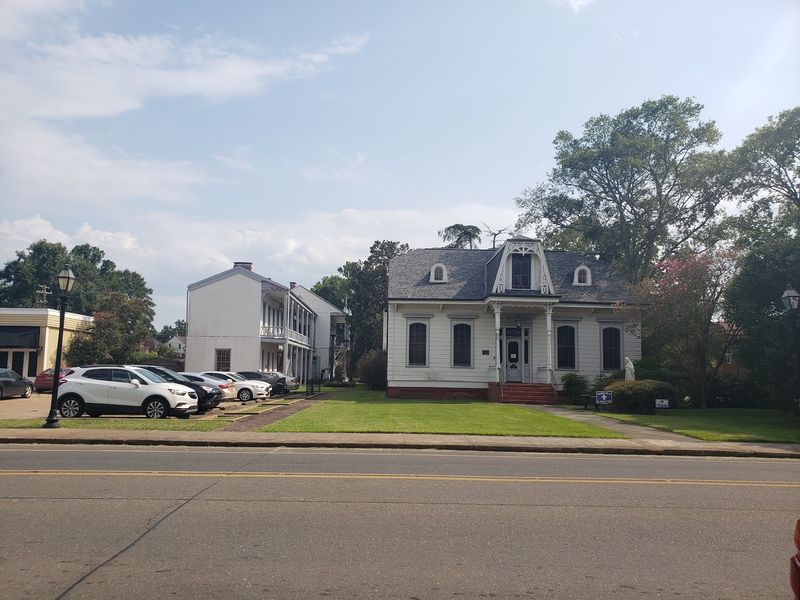
History gets real at Oakland Plantation. Just south of town, this site is part of Cane River Creole National Historical Park.
The main house dates to the early 1800s and shows classic Creole building style. Raised floors and wide galleries helped families handle the Southern heat.
What makes Oakland special is how much survived. Dozens of original buildings remain, including a store, barns, and workers’ cabins.
The park tells the full story of the land. That includes the enslaved people and later tenant farmers whose labor shaped the area.
Rangers lead programs on certain days, and self-guided exploring is always an option. The grounds are peaceful, shaded, and full of quiet details.
Admission to the park is free, which is a lovely surprise. Check the National Park Service website for current hours before heading out.
The drive along Cane River is pretty on its own. Take it slow and enjoy the fields, pecan trees, and old homes along the way.
Fort St. Jean Baptiste State Historic Site
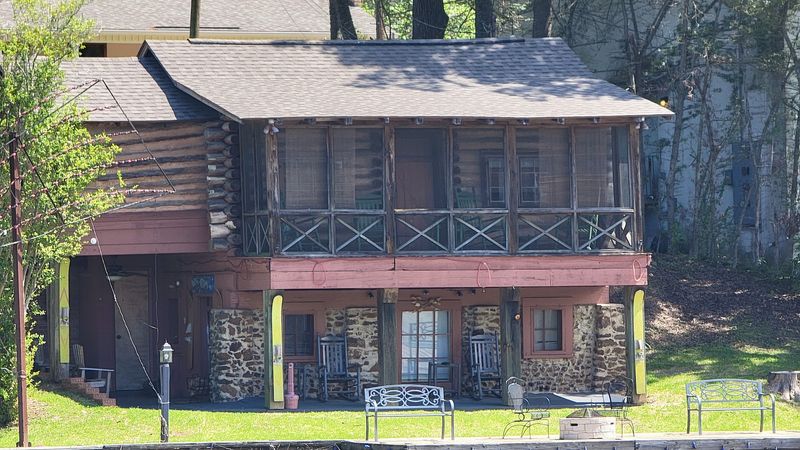
Ever wondered what a French frontier outpost looked like? Fort St. Jean Baptiste State Historic Site answers that with wooden walls and rustic cabins.
The site is a full-scale replica of the fort built in the early 1700s. Builders used old French records and period methods to recreate it.
Inside the walls, you will find a chapel, barracks, warehouse, and more. Each building helps explain daily life on the edge of an empire.
The fort guarded French interests against Spanish Texas nearby. It also served as a busy trading hub with Native American nations.
Living history events happen on select dates throughout the year. Costumed interpreters show cooking, crafts, and military drills from the era.
The site sits close to downtown, so it pairs well with a morning walk. Kids tend to love exploring the rough log buildings.
Check hours before you go, since state sites can change schedules. A small entrance fee helps keep this living classroom open.
Cozy Bed And Breakfast Stays
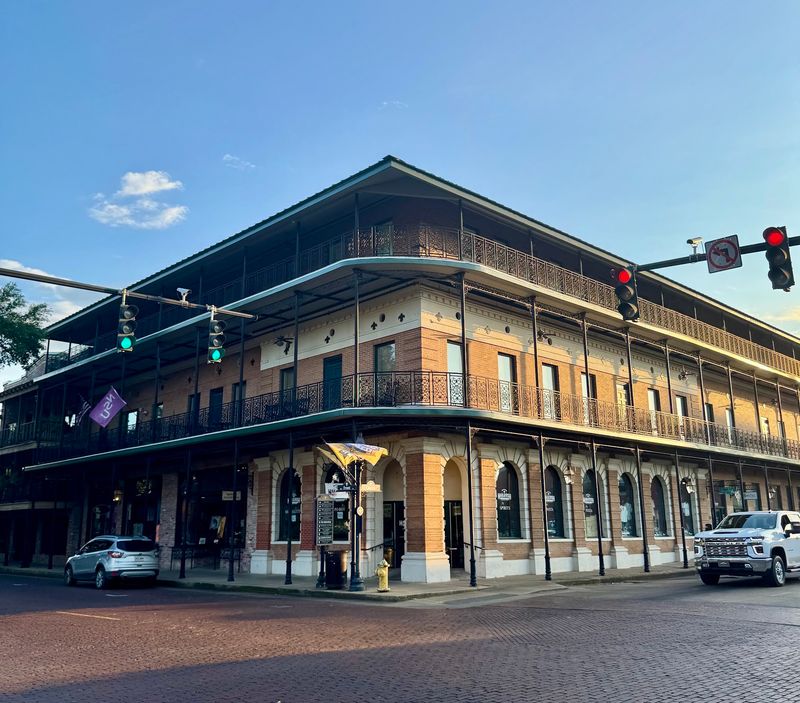
Hotels are fine, but this town really shines after dark in a historic home. Natchitoches is often called the bed and breakfast capital of the state.
Dozens of inns operate in and around the historic district. Many are in beautifully kept homes from the 1800s.
Picture a front porch with rocking chairs and a quiet street out front. Mornings usually start with a homemade Southern breakfast.
Staying close to downtown means you can walk almost everywhere. Leave the car parked and let the town unfold on foot.
Each inn has its own personality and décor. Some lean elegant and formal, while others feel relaxed and homey.
Read policies carefully, since some places have age limits or minimum stays. Booking directly can sometimes offer better room choices.
For more details on lodging and events, the city website at ci.natchitoches.la.us is a handy starting point. A good night’s rest here might just convince you to stay one more day.