
This Quiet Massachusetts Cove Has Caribbean Blue Water Without The Crowds
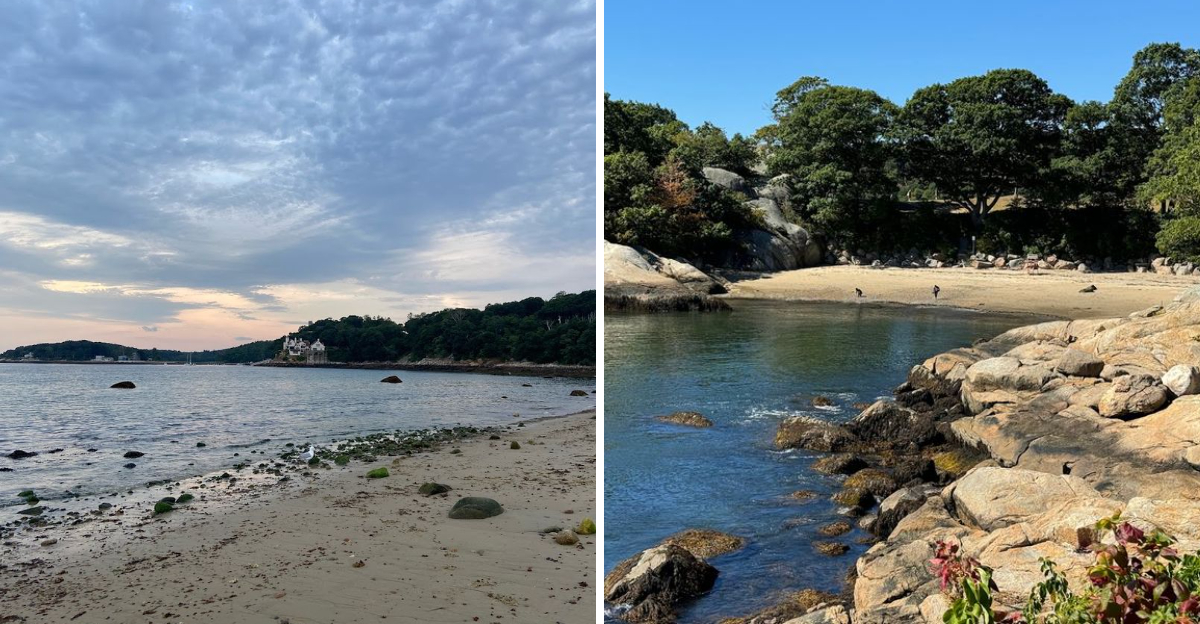
Most Massachusetts beach days come with a familiar tradeoff. You get the ocean, but you also get crowded sand, circling cars, and someone setting up a giant umbrella directly in front of your view.
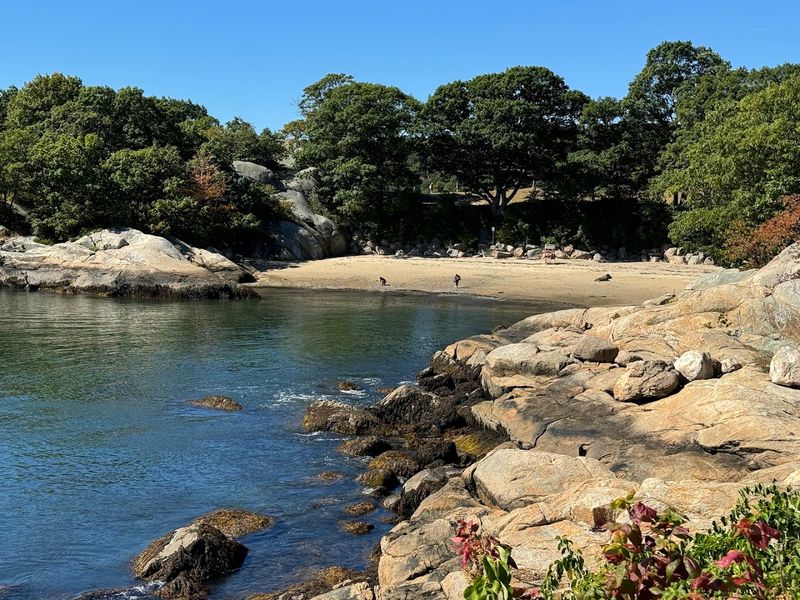
This quiet cove changes the equation. Sunlight turns the cove’s shallow water a vivid blue green, while granite ledges curve around the sand and shelter it from the wider harbor.
You might even wonder how a place like this has avoided becoming one of the busiest beaches in the state. The shoreline is small, which makes every patch of sand feel special.
After a swim, the narrow strip of sand gives way to Stage Fort Park’s lawns and picnic tables just beyond the cove. Massachusetts has many famous beaches, but few offer this mix of color, character, and breathing room.
Could this be the most relaxing coastal escape in the state that you have never heard about?
Turquoise Water Turns The Tide Pools Into Tiny Underwater Worlds
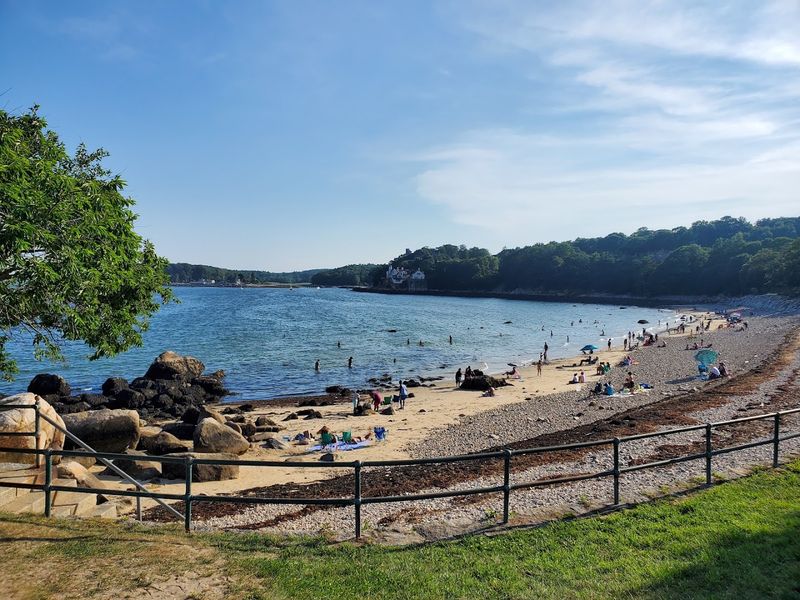
On sunny days, the water at Half Moon Beach shifts through shades of turquoise, aquamarine, and deep blue. The shallow, sheltered cove allows sunlight to reach the sandy bottom, creating its brightest colors between late morning and early afternoon.
The water can become so clear that you can see your feet below the surface and watch small fish moving nearby.
That same clarity makes the rocky tide pools especially fun to explore. When the tide recedes, water collects between the granite ledges and leaves behind tiny crabs, snails, and occasionally starfish.
Low tide offers the best conditions because more rocks and pools become exposed.
Families can spend hours examining the calm pools, while photographers often focus on the contrast between the blue-green water and dark granite. Shorebirds also visit the rocks in search of food.
Together, the unusually clear water and abundant marine life give Half Moon Beach a tropical appearance while making it one of the North Shore’s most enjoyable spots for tide pool exploration.
The Crescent Shoreline Gives The Beach Its Name
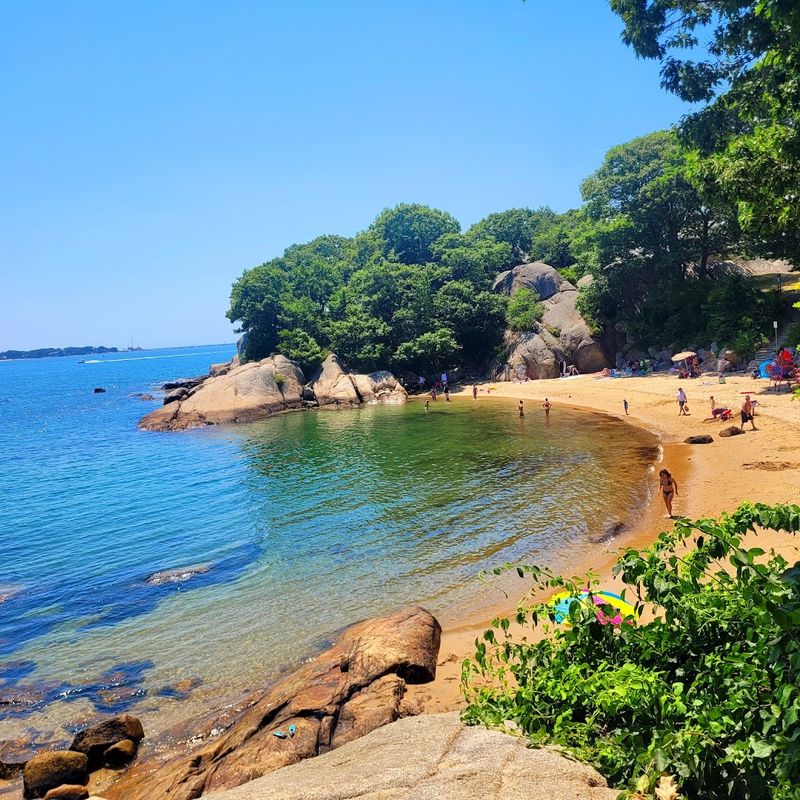
As you follow the path down from the parking area, the beach’s name suddenly makes perfect sense. The shoreline curves into a smooth crescent, with sand in the center and rocky points framing both sides.
That shape does more than make the beach photogenic. It helps shelter the cove, so the water often feels calmer than it does along more exposed parts of the coast.
You can swim without dealing with constant waves, and younger visitors may feel more comfortable near the gently protected shoreline.
You will probably notice families gathering near the middle, where the beach opens up and the sand feels softest underfoot. The curved layout also makes it easy to see nearly the entire cove at once.
While you relax near the water, you can still keep an eye on children searching the tide pools or exploring the lower rocks nearby.
These Rocky Ledges Make The Cove Feel Like Your Own Private Hideaway
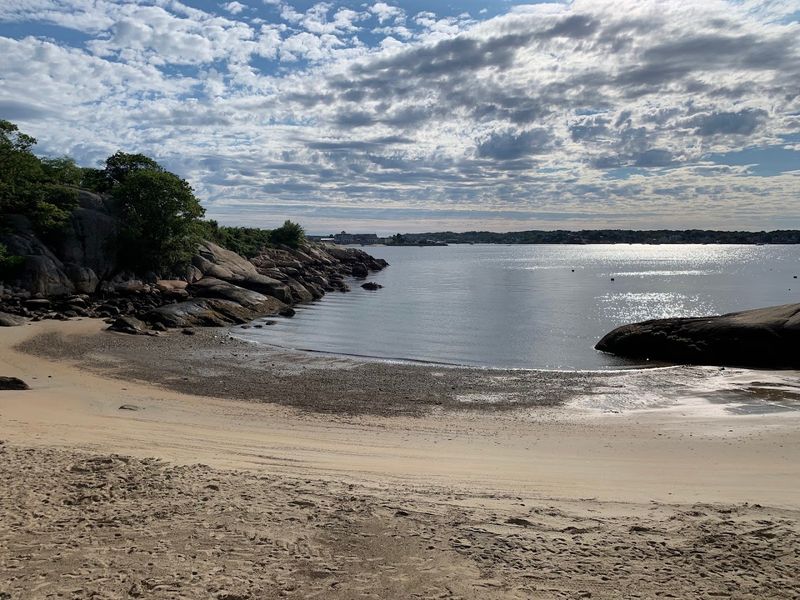
Granite ledges rise on both sides of the beach, giving you the feeling that the cove has been carved out just for the people who find it. They are not towering cliffs, but they create enough shelter to soften the wind and make the shoreline feel pleasantly enclosed.
You will probably notice children testing the lower rocks first. The stone offers plenty of natural grips, while flatter sections become easy spots for sitting, taking photos, or watching the water.
When the sand heats up, you can also find welcome shade near the base of the ledges.
The rocks continue into the water and help break apart incoming waves before they reach the shore. That means you get a calmer swimming area than you might expect along the Massachusetts coast.
Look closely between swims and you may spot small fish, crabs, and tide pool life moving through the shallow water.
The Small Shoreline Offers A More Peaceful Setting
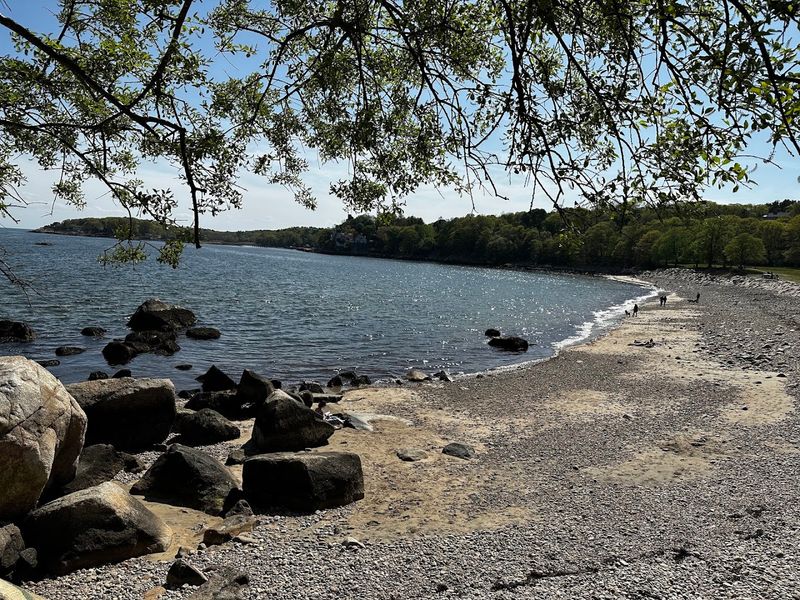
Half Moon Beach measures only a few hundred feet from end to end, which naturally limits how many people can squeeze in. This compact footprint means you will never face the shoulder-to-shoulder crowding that plagues larger beaches during summer weekends.
Even on busy days, the visitor count stays manageable because the parking lot caps the number of cars. Once the lot fills up, no more vehicles enter, so the beach never exceeds its comfortable capacity.
You will still need to arrive early to claim your spot, but once you do, you will enjoy space to spread out.
The small scale also makes it easier to keep track of kids. You can sit in one spot and scan the entire beach without losing sight of anyone.
The intimate size encourages a quieter atmosphere too, since loud groups tend to seek out bigger beaches with more room to party. Most visitors here come for relaxation, not noise.
Summer Lifeguards Make The Sheltered Cove Safer For All Swimmers

During the summer, you can swim with extra peace of mind knowing trained lifeguards are watching the main beach area. Their presence is especially reassuring if you are visiting with younger children who are still gaining confidence in the water.
You will usually find the guarded swimming zone directly in front of the sandy shoreline. Lifeguards keep an eye on changing conditions and remind visitors to avoid diving near the rocks, where the depth can vary and submerged ledges may be difficult to see.
They may also ask you to stay away from higher rock surfaces that become slippery when wet.
Coverage generally runs between late morning and early evening during peak season, though hours can change with staffing or weather. Check the posted schedule when you arrive, especially if swimming is your main reason for visiting.
You can also ask the lifeguards about tides, water conditions, or the safest place to enter.
Stage Fort Park Adds More Ways To Spend The Day
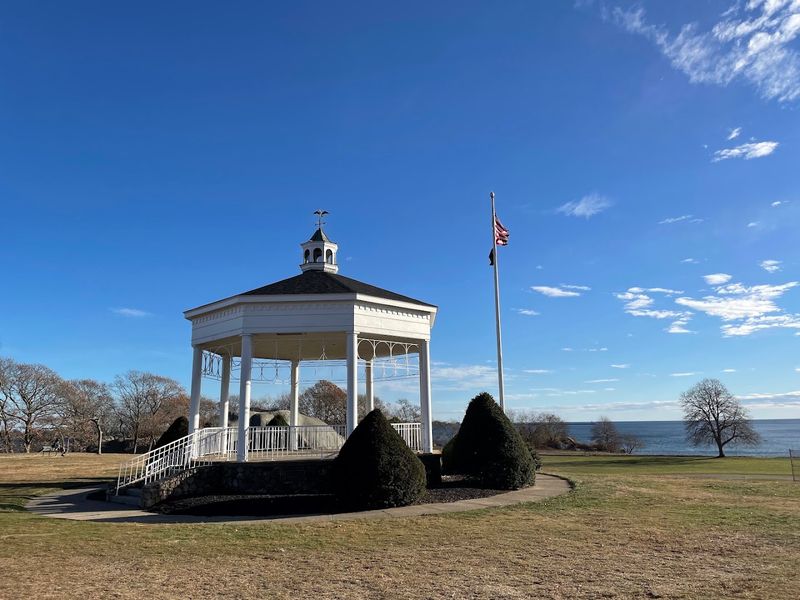
Half Moon Beach sits inside Stage Fort Park, which sprawls across more than 20 acres of coastal land. The park offers grassy fields, walking trails, picnic pavilions, and a playground, so you can easily turn a beach trip into a full-day outing.
Families often set up grills at the picnic tables and cook lunch after a morning swim. The park provides charcoal grills at designated spots, and plenty of shaded tables sit under mature trees.
You will find restrooms near the parking area, along with outdoor showers for rinsing off sand and salt before you head home.
Kids who get tired of swimming can burn energy at the playground, which features swings, slides, and climbing structures. Walking trails loop through the park and connect to shoreline paths that offer water views without requiring a beach chair.
The park also hosts summer concerts and community events, so check the local calendar if you want to combine your beach visit with live music or festivals.
The Park Preserves Centuries Of Fishing And Military History
Stage Fort Park’s history reaches back to the 1620s, when English settlers established a fishing station along this protected stretch of Gloucester Harbor. The location offered easy access to productive fishing grounds and a sheltered place where cod could be processed before being shipped to Europe.
This early industry helped shape Gloucester into one of America’s most important fishing ports.
The park takes its name from the wooden platforms, known as stages, where workers spread salted fish to dry in the sun. None of the original structures remain, but interpretive signs explain how the busy shoreline once operated.
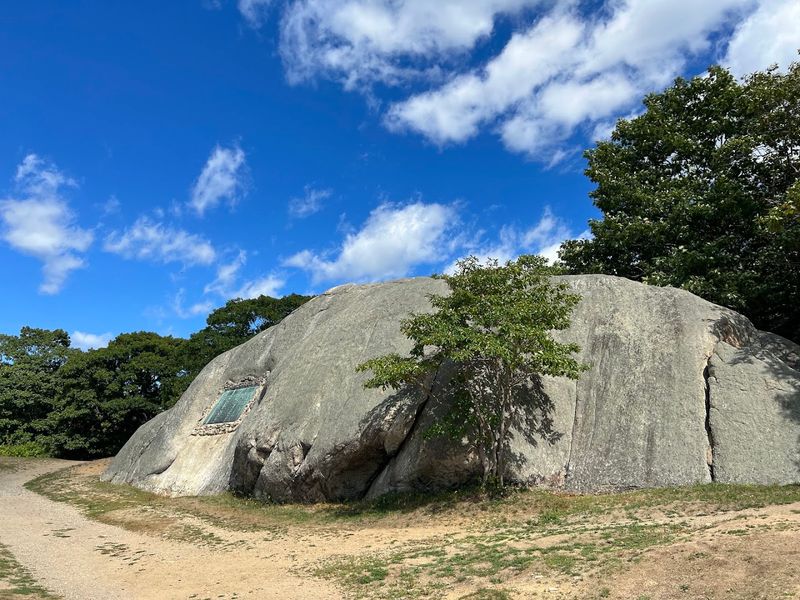
More than a century later, the high ground above Half Moon Beach gained a new purpose. During the Revolutionary War, American forces built defensive earthworks and stationed local militia there to watch for British ships approaching Cape Ann.
The fort never experienced a major battle, and little physical evidence survives today. Historical markers show where the defenses once stood, allowing you to imagine sentries scanning the ocean while fishing activity continued along the shore below.
The Small Summer Parking Lot Fills Faster Than You Might Expect
Parking at Stage Fort Park operates on a reservation system during summer months, and spots fill up quickly on weekends and holidays. You will need to book your parking space online through the city’s Blinkay reservation platform, up to ten days in advance for peak times.
The parking fee varies by day of the week, with Gloucester residents parking free using a resident beach sticker. Non-residents should expect to pay $30 on weekdays and $35 on weekends and holidays, though prices can change from season to season.
The reservation system exists to prevent overcrowding and maintain the peaceful atmosphere that makes this beach special.
Gates are open daily from 8:00 AM to 9:00 PM, with no overnight parking. Reservations are required for non-residents from Memorial Day weekend through Labor Day.
If you arrive without a reservation, an attendant may turn you away if the lot is full, so morning visitors have the best chance of snagging any unreserved spots. Off-season visitors can usually park without reservations, but always check the park’s website before making the trip to avoid surprises at the gate.
Beyond parking, the park offers access to Half Moon Beach, Cressy’s Beach, playgrounds, and seasonal restrooms, making it easy to turn a beach stop into a longer visit.
Early Visits Offer The Best Chance For Quiet Shores
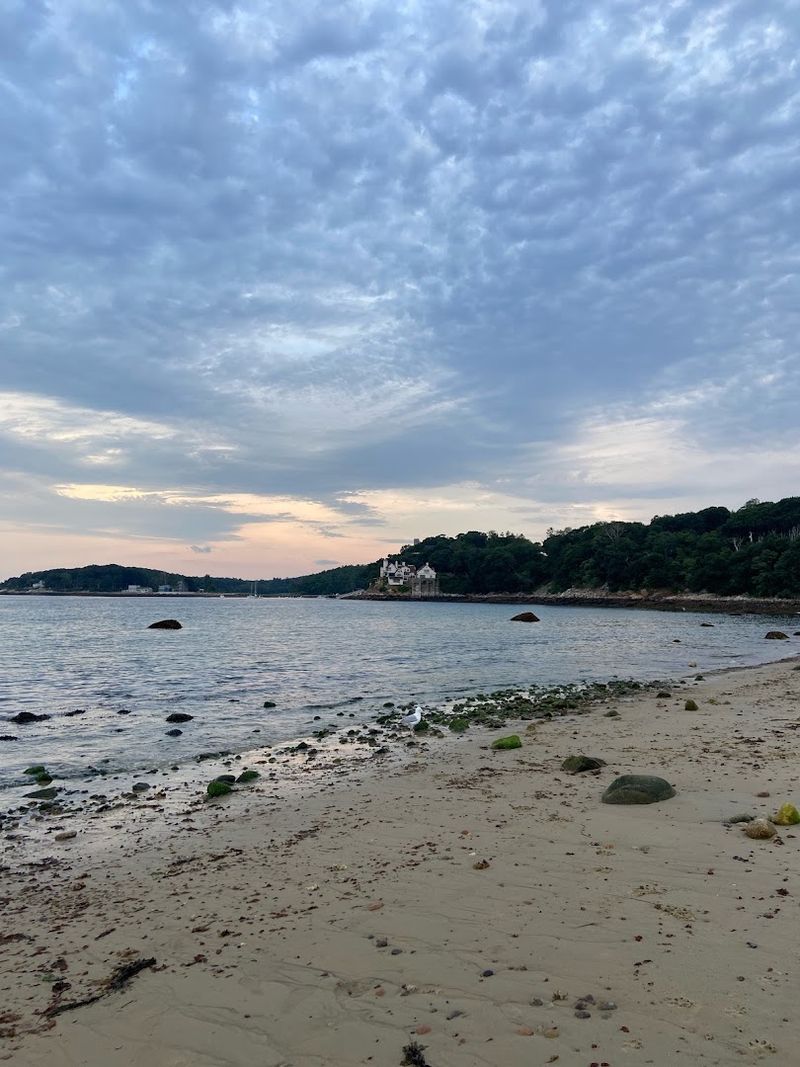
Arriving before 9 a.m. gives you the best shot at experiencing Half Moon Beach in near solitude. Early morning light paints the water in softer tones, and you will often have the sand to yourself for the first hour or two.
Families with young kids tend to show up mid-morning, so the pre-9 a.m. window offers a more adult-friendly vibe if you want to read, meditate, or simply enjoy the view without playground noise. The water temperature feels coldest in the morning, but it also looks clearest before swimmers stir up sediment.
Early visits also make parking easier, since you will have first pick of spots and avoid the stress of competing for the last reservation slot. You can claim your favorite section of beach, set up your umbrella, and settle in before the midday rush begins.
By the time crowds arrive, you will already be established and relaxed, watching newcomers hunt for space while you sip your coffee from a prime position.
Gentle Shallows Give Young Swimmers Room To Splash And Explore
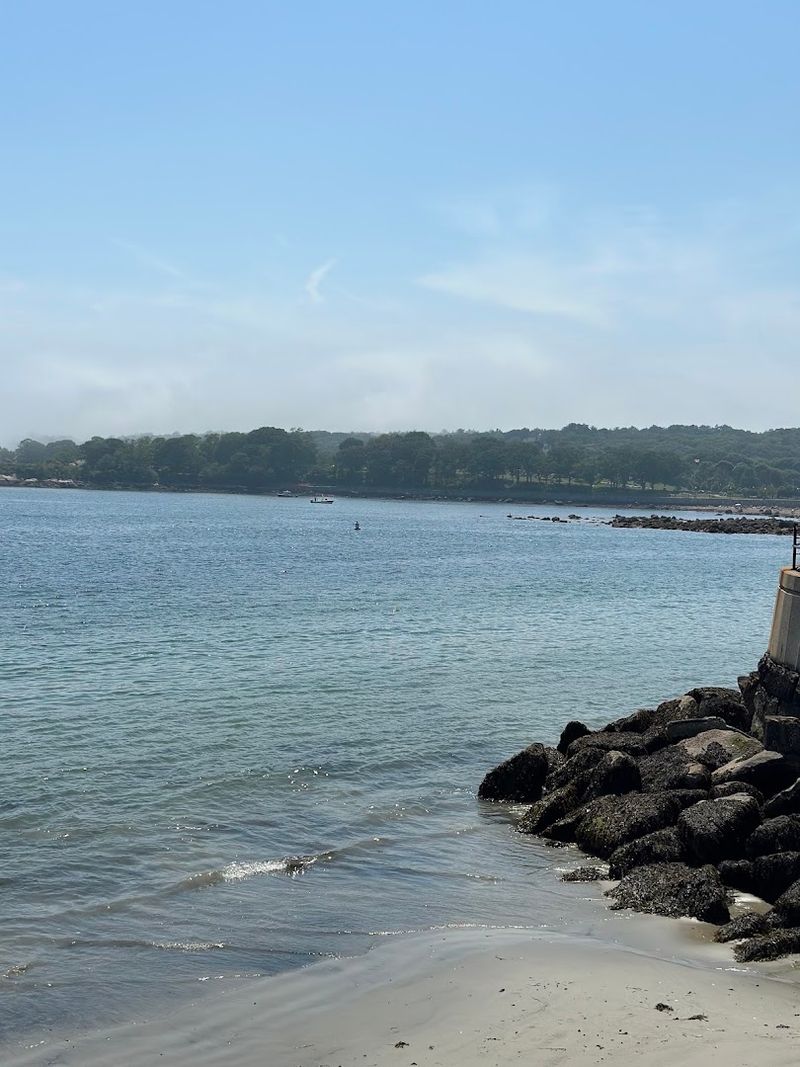
The beach slopes so gently that you can wade quite a distance before the water becomes deep. Young children often have room to splash near shore while still keeping their feet on the bottom, though close adult supervision remains important.
The main swimming area has a mostly smooth, sandy floor. As you move closer to the rocky edges of the cove, you may feel rounded stones beneath your feet, so water shoes can make exploring more comfortable.
The clear water adds another reassuring detail. You can usually see where you are stepping, and nervous swimmers may feel more confident when the bottom remains visible beneath them.
It also makes it easier for you to notice rocks or changes in depth before moving farther out.
With its shallow entry and generally calmer conditions, the cove can be a comfortable place for children to practice basic swimming skills while getting used to the ocean.