
This Quiet Massachusetts Lake Town Is The Ideal Spring Weekend Escape
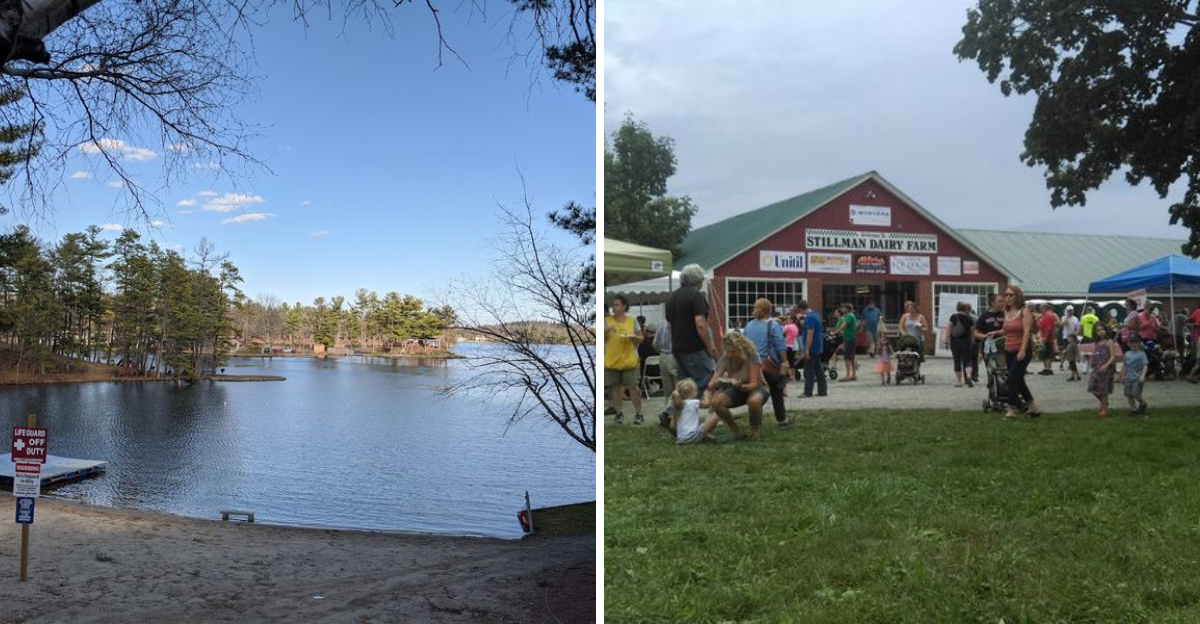
Spring weekends feel different when the pace slows down a little.
In Massachusetts, there’s a quiet lake town where calm water, country roads, and small-town charm make it easy to forget how busy life usually feels.
No packed itinerary required.
This is the kind of place where you can spend the morning near the water, browse local spots without rushing, and enjoy the simple pleasure of fresh spring air after a long winter indoors.
Trees begin turning green again, the lakes reflect the changing season, and even a short walk feels oddly refreshing.
Need a break that does not involve crowds or complicated plans?
This peaceful corner of Massachusetts delivers the kind of easygoing spring escape that makes a weekend feel much longer than it really is.
Lake Whalom And Its Storied Shoreline
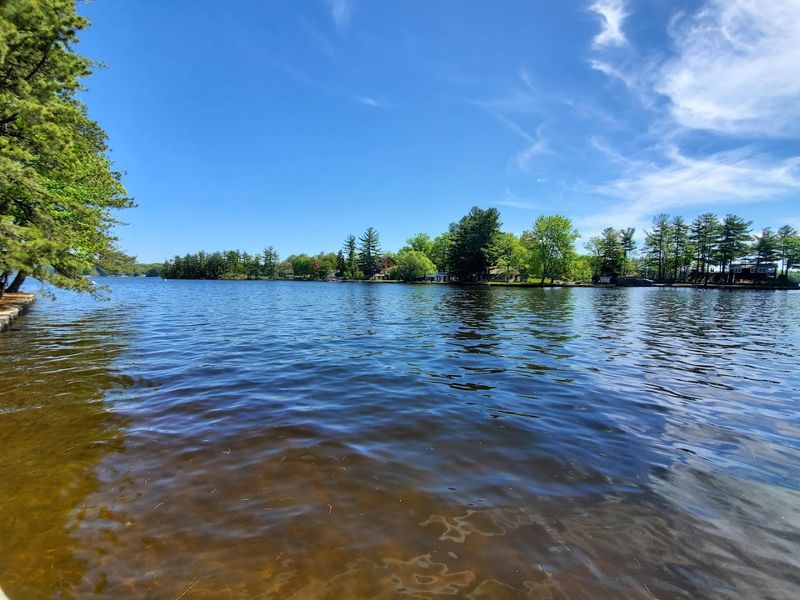
Fishing has a way of slowing time down, and Lake Whalom makes that effect feel almost medicinal. The lake sits quietly now, but its history carries the echo of something much livelier.
Whalom Park, one of New England’s beloved trolley parks, operated right along its shore until 2000, drawing families for generations before closing its gates for good.
Today, anglers come for Largemouth bass, Bluegill, and Rainbow trout, and the lake rewards patience generously. Spring mornings here are particularly rewarding, with mist rising off the water and very little noise beyond birdsong and the occasional splash.
It is the kind of place that does not announce itself loudly.
The surrounding land still holds traces of the old park’s personality, giving the shoreline a bittersweet, layered quality that history enthusiasts will appreciate.
Visiting Lake Whalom in spring means cooler temperatures, fewer crowds, and a genuine sense of having found something most weekend travelers tend to overlook entirely.
Lake Shirley Brings The Energy
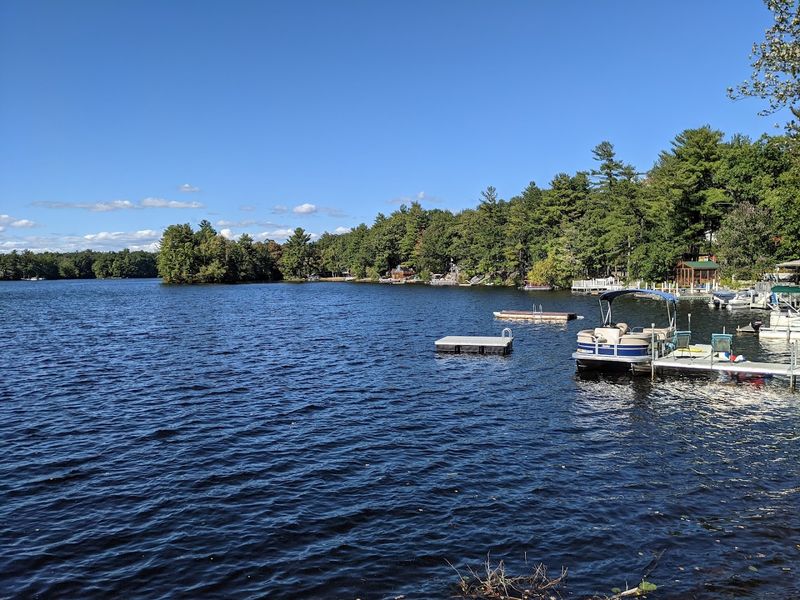
Not every lake in Lunenburg asks you to sit still. Lake Shirley operates on a completely different frequency, one that suits visitors who prefer their weekends with a bit more movement and noise.
Full recreational activities are permitted here, including waterskiing, jet skiing, tubing, kayaking, and open-water swimming, making it one of the more active destinations in Worcester County.
Spring arrivals get a particular advantage.
The lake has not yet filled with summer crowds, so there is actual room to move, actual space to hear your own thoughts between bursts of speed on the water.
The surrounding land is green and fresh in May, with trees just completing their seasonal transition from bare branches to full canopy.
Robbs Hill Conservation Area sits nearby and connects to additional conservation land in Shirley, offering blazed woodland trails and boardwalks over wetlands. Lake Shirley rewards visitors who appreciate variety.
One hour you are kayaking across open water, and the next you are stepping carefully over a boardwalk above a spring wetland, listening to frogs announce the season.
Hickory Hills Lake Offers Space And Serenity
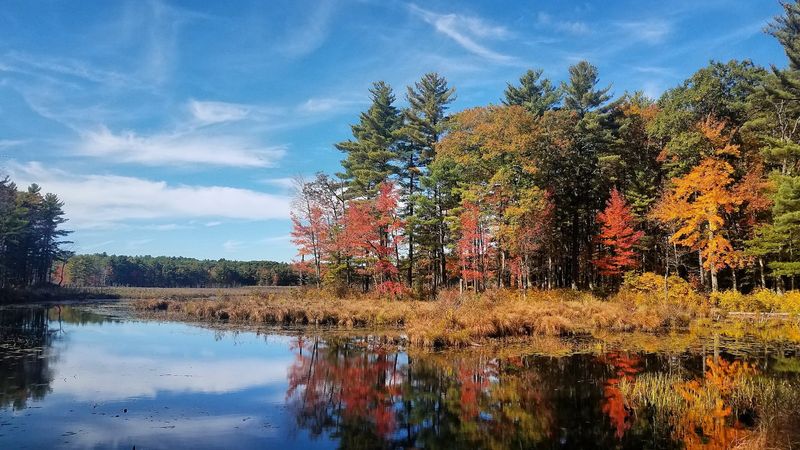
At 319 acres, Hickory Hills Lake holds the distinction of being the largest private lake in Massachusetts, a fact that surprises most visitors.
The scale of it becomes clear only once you are standing at the water’s edge, looking out at a surface that seems to stretch farther than the surrounding hills should logically allow.
Boating is permitted with motor restrictions capped at 8HP for most watercraft and 9.9HP for pontoon boats, which keeps the atmosphere pleasantly measured.
Swimming is available as well, and the lake’s 52 acres of undeveloped land include hiking trails that wind through quiet woodland above the water.
Spring is an ideal time to walk those trails before the summer heat makes every uphill stretch feel like a negotiation.
The combination of open water and forested hiking land gives Hickory Hills a dual character that single-purpose lakes rarely manage to achieve. Families, solo hikers, and casual boaters all find something genuinely suited to their pace.
It is a destination that handles different kinds of visitors with equal generosity, which is a quality worth more than most tourism brochures admit.
Cowdrey Nature Center And Its Woodland Wonders
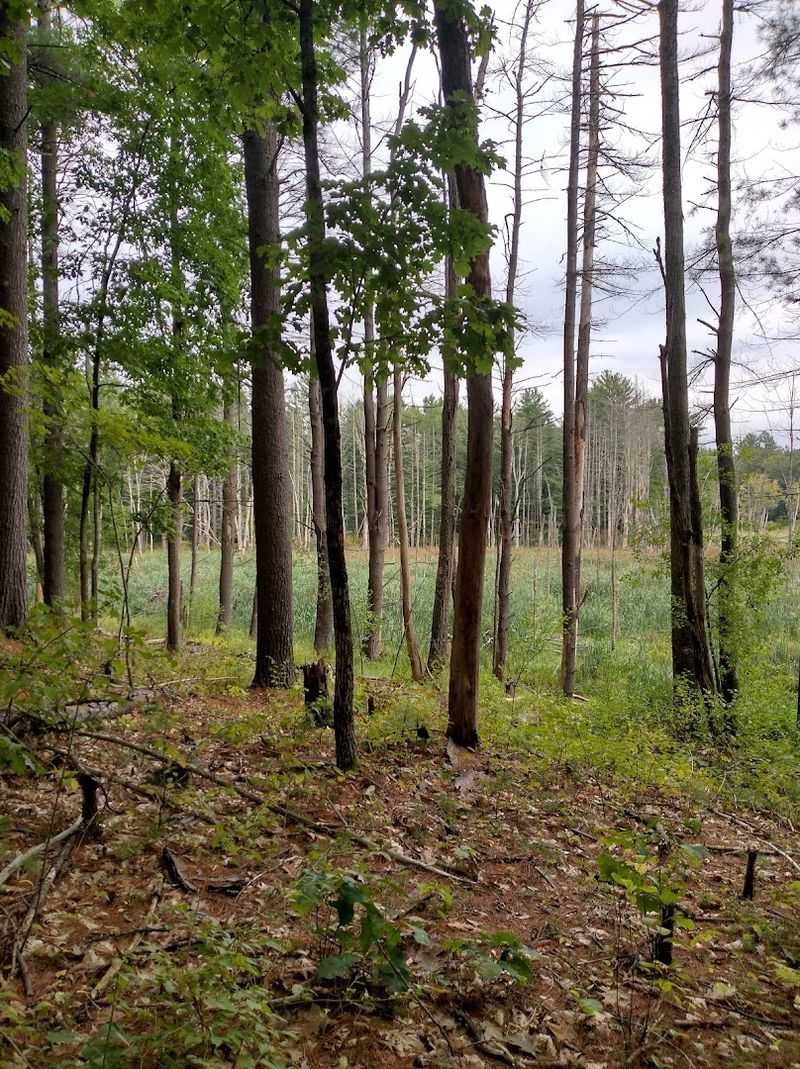
Mountain laurel blooms in early spring at the Cowdrey Nature Center, and that detail alone is enough reason to time a visit carefully.
The center encompasses 300 acres of woods and wetlands, providing one of the more immersive nature experiences available in this part of Worcester County.
The terrain shifts gradually between dense canopy and open wetland, which keeps a walk here from ever feeling repetitive.
Beavers and muskrats are regular residents, and spotting either requires only patience and a willingness to stand quietly near the water’s edge for a few minutes.
Spring brings them out more actively than any other season, partly because the wetlands are fuller and partly because the surrounding vegetation has not yet grown tall enough.
The Cowdrey Nature Center sits within Lunenburg’s broader network of conservation land, which totals an impressive amount of protected acreage for a town of roughly 11,782 residents. That commitment to preservation shows in how intact the habitat feels.
There are no intrusive sounds from nearby development, no paved surfaces cutting through the middle of the experience. Just trees, water, wildlife, and the particular quiet that only undisturbed land produces on a clear spring morning.
Pearl Hill State Park And Willard Brook State Forest
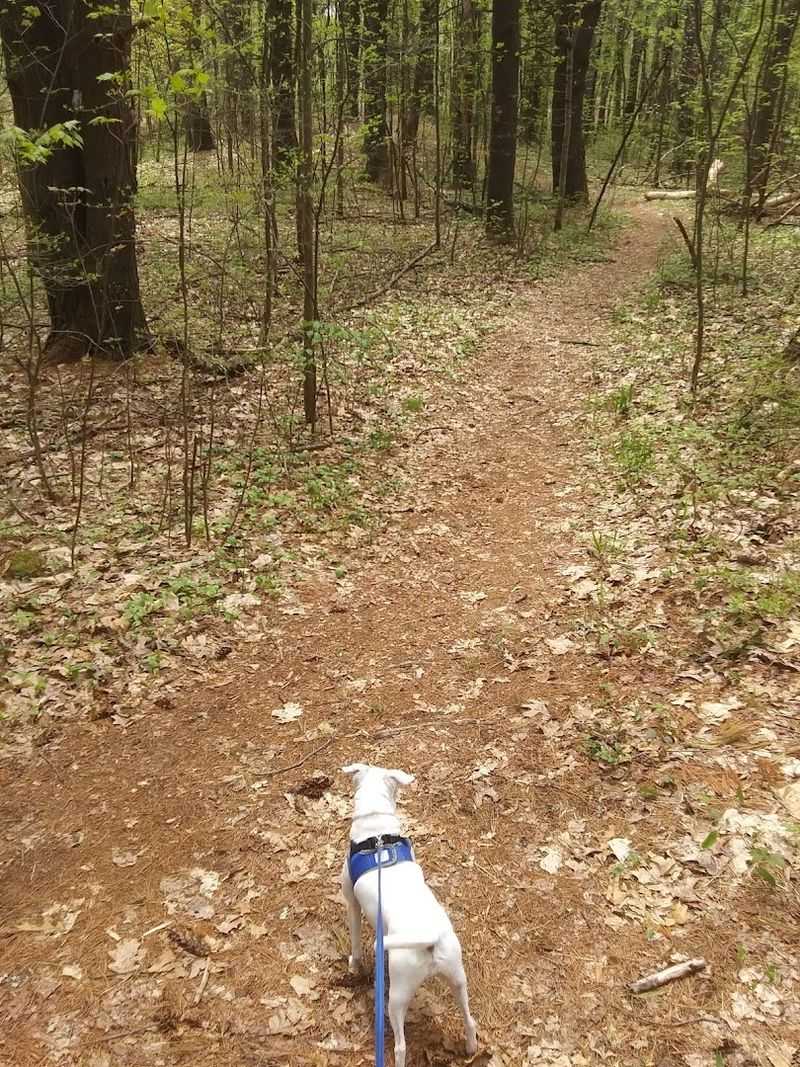
Together, Pearl Hill State Park and Willard Brook State Forest cover more than 3,000 acres of woodland, a number that puts the scale of this natural resource into perspective immediately.
Trap Falls is among the most photographed features in the area, a cascade that runs with particular enthusiasm in spring when snowmelt and rain conspire to fill every stream and brook to capacity.
The five-acre pond within the park includes a beach area, which becomes genuinely inviting once May temperatures climb into comfortable territory.
Hiking trails vary in difficulty across the combined acreage, accommodating both casual afternoon walkers and more determined trail enthusiasts.
The forest floor in spring is carpeted with early wildflowers that most visitors walk right past without noticing, which is their loss entirely.
Pearl Hill State Park is located in Townsend, Massachusetts, bordering Lunenburg and accessible within a short drive from the town center. The park’s proximity makes it a natural extension of any Lunenburg weekend itinerary.
Spending a morning at the falls and an afternoon back in town exploring the historic district creates a satisfying rhythm that covers both the wild and the cultivated sides of this region.
The Lunenburg Historic District Tells A Long Story
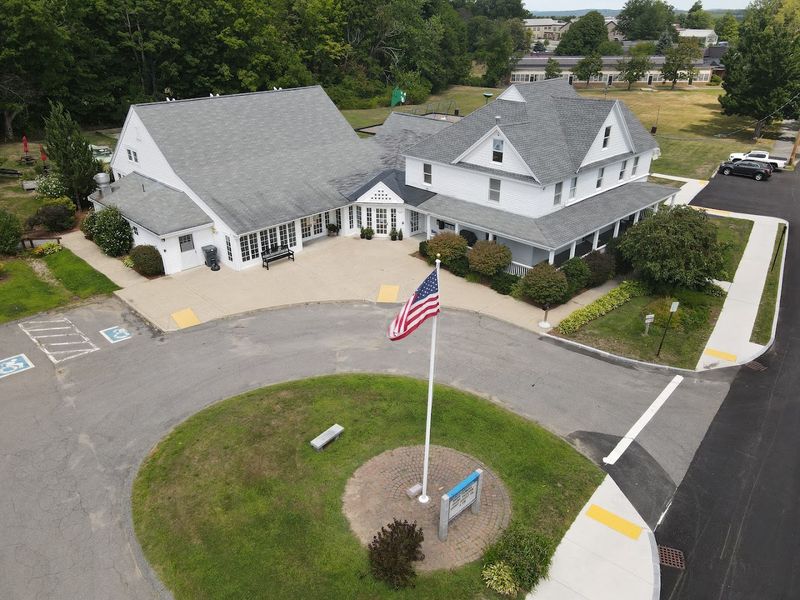
The Lunenburg Historic District carries a listing on the National Register of Historic Places, and walking through it on a spring afternoon gives that designation real meaning.
The Greek Revival Town Hall anchors the district with the kind of architectural confidence that only comes from a community that took its civic identity seriously from the very beginning.
The Methodist Church from 1844 and the Congregational Church from 1835 stand nearby, each representing a distinct chapter in the town’s social and religious history.
Historic homes including the Stillman-Stone House, dating to 1730, and the Cushing House from 1724 add residential depth to what might otherwise read as a purely civic collection of buildings.
These structures are not behind velvet ropes. They exist as part of the living town, which makes encountering them feel genuinely different from a museum visit.
Spring light does particular favors for white clapboard architecture, and Lunenburg’s historic buildings photograph beautifully in spring when the surrounding trees are just leafing out.
The Lunenburg Historical Society offers additional context for visitors who want to understand the town’s evolution.
Lanni Orchards Gives Spring A Flavor
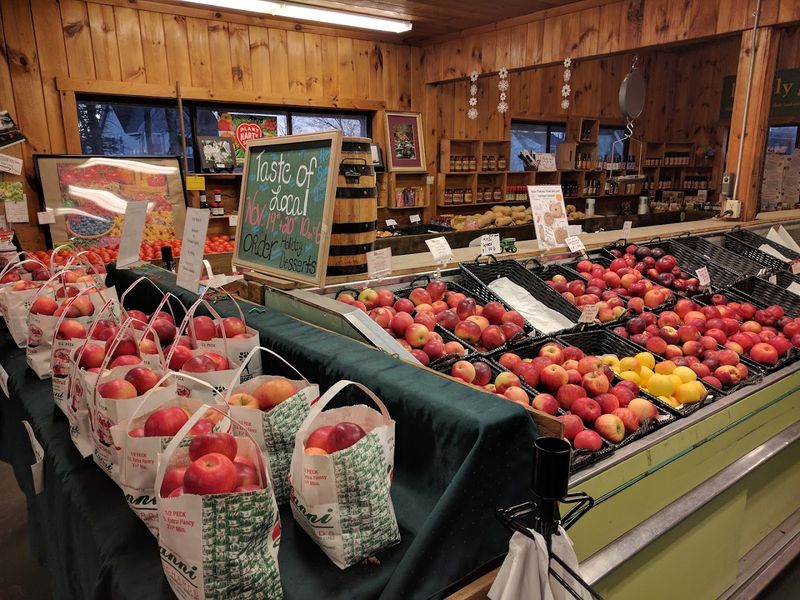
There is something fundamentally satisfying about buying food directly from the land where it grew. Lanni Orchards in Lunenburg makes that experience straightforward and genuinely enjoyable.
The farm operates a year-round farmstand, but spring and early summer bring the first opportunities to pick your own fruit.
The bakery on site produces goods that reward the drive on their own.
Fresh-baked items made with farm produce have a directness of flavor that grocery store versions cannot replicate. The orchards’ setting makes eating there feel like part of a larger, unhurried afternoon rather than a quick errand.
Families with children tend to find the pick-your-own experience particularly memorable, though adults unaccompanied by children seem to enjoy it just as much.
Lanni Orchards is located at 294 Chase Road in Lunenburg, Massachusetts 01462. Arriving on a weekday morning in May means shorter lines and more relaxed browsing time at the farmstand.
The farm also represents something larger about Lunenburg’s character: a town that has maintained agricultural roots even as surrounding communities have shifted toward suburban development.
The Drawbridge Puppet Theater Keeps Tradition Alive

Puppet theater is one of those art forms that tends to surprise adult audiences who arrive expecting something strictly aimed at young children.
The Drawbridge Puppet Theater in Lunenburg has been defying that assumption for years, offering weekend performances that draw genuine appreciation from visitors across age groups.
Its roots trace back to the former Whalom Park, giving the theater a historical lineage that adds weight to what might otherwise seem like simple entertainment.
Shows run every weekend, which makes scheduling a visit during a spring trip to Lunenburg relatively straightforward. The theater operates as a local institution rather than a commercial venue, and that distinction shows in the quality and care of each production.
Handcrafted puppets, original stories, and a performance space that feels personal rather than corporate create an atmosphere that larger entertainment venues rarely manage to replicate.
The Drawbridge Puppet Theater delivers that experience without requiring any particular interest in puppetry as a prerequisite. The performance itself tends to convert skeptics.
Spring weekends in Lunenburg benefit from having this kind of unexpected cultural option, particularly on afternoons when the weather decides to be less cooperative than forecasted.
Twin Cities Rail Trail Connects The Landscape
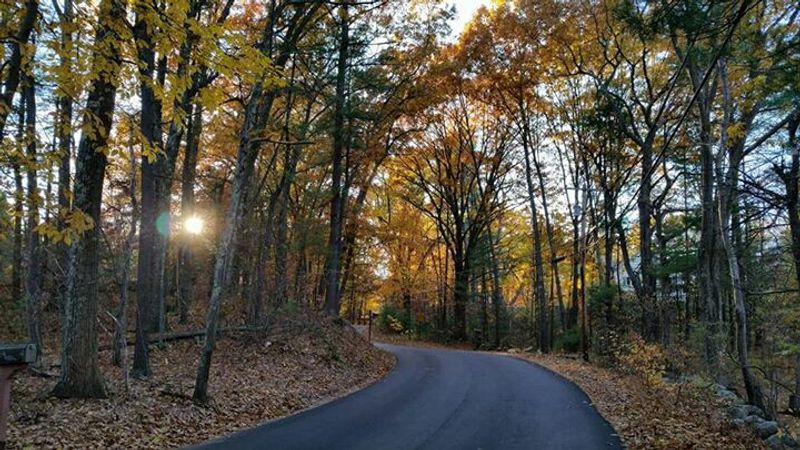
Rail trails have a particular appeal that ordinary hiking paths do not always match.
The grade is gentle, the surface is predictable, and the route tends to pass through landscapes that were specifically chosen by railway engineers for their visual and geographical logic.
The Twin Cities Rail Trail, a 4.5-mile paved path, follows that pattern reliably, running parallel to the Nashua River and connecting Lunenburg to neighboring communities.
Cyclists and walkers share the trail with minimal friction, partly because the width accommodates both comfortably and partly because the pace on a rail trail encourages courtesy.
Spring is arguably the best season for this particular route, when the Nashua River runs full and fast beside the path and the tree canopy overhead is just thick enough to filter sunlight.
The trail works well as a morning activity before exploring the town proper, or as an evening wind-down after a day spent on one of Lunenburg’s lakes. It is accessible, low-commitment, and rewarding without requiring any specialized equipment or particular fitness level.
The Twin Cities Rail Trail offers exactly the right amount of effort for a relaxed spring weekend in Worcester County.
Lane Conservation Area Rewards The Patient Walker
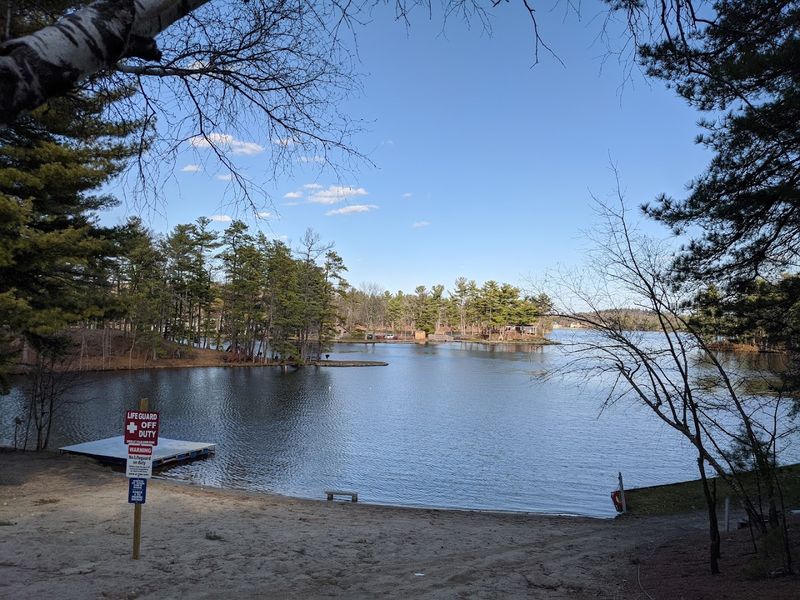
A 4.2-mile loop through 168.7 acres of woodland sounds modest until you are actually walking it and realize how much the landscape changes within that distance.
The Lane Conservation Area and Town Forest in Lunenburg takes hikers through varied terrain. Birdwatching here in spring is particularly productive.
Migratory species pass through in April and May, adding to the resident bird population and giving observers with even basic identification skills a genuinely eventful morning.
The brook crossings offer their own quiet drama in spring, when water levels are high enough to make the sound carry clearly through the surrounding forest.
Lane Conservation Area sits within Lunenburg’s broader conservation network, which covers an impressive proportion of the town’s total land area. That density of protected space is part of what makes a spring visit here feel different from other small-town weekend trips.
The outdoors is not an accessory to the experience. It is the experience, available in multiple forms, all within a short drive of one another.
The Town Forest section extends the walk for those who want additional mileage without returning to the trailhead immediately.