
This Quiet Ohio Town Feels Like A Hidden Paradise Waiting To Be Found
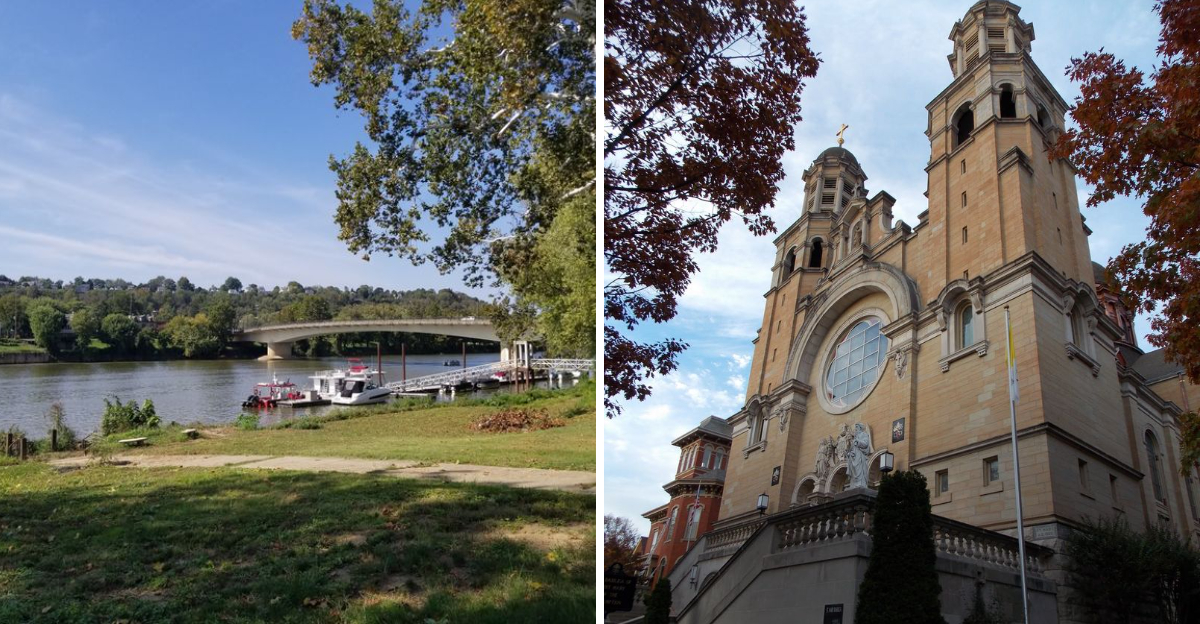
Marietta sits along the banks where two rivers converge in southeastern Ohio, carrying stories that reach back to the earliest days of American expansion. Founded in 1788, this small city of roughly 13,000 residents has retained a character that feels refreshingly removed from the pace of modern life.
The streets are lined with structures that speak to another century, the waterfront hums with a quiet energy, and the surrounding hills offer a backdrop that shifts with the seasons in ways that remind visitors why people settled here in the first place.
Ohio’s Oldest Permanent Settlement With Deep Historic Roots
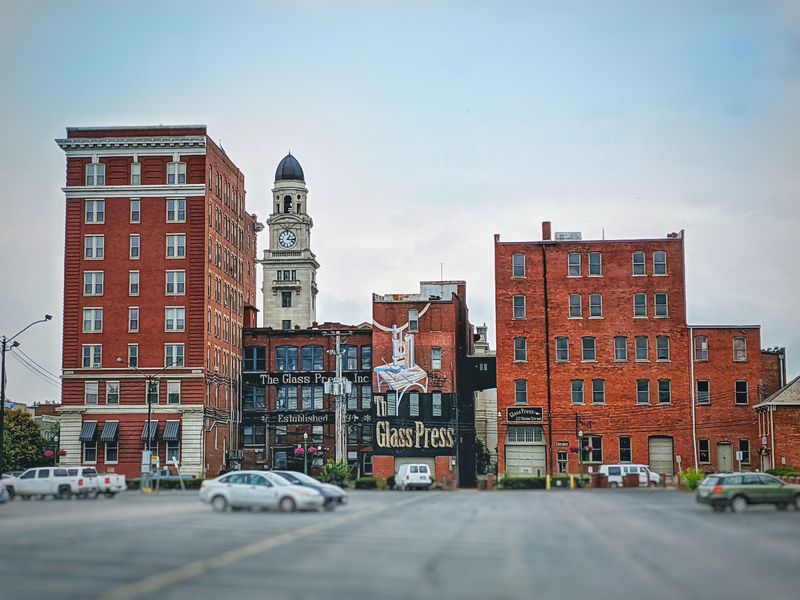
Marietta holds the distinction of being the first permanent American settlement in the Northwest Territory, established by Revolutionary War veterans who arrived by flatboat in April 1788. General Rufus Putnam led the Ohio Company pioneers to this strategic location, and their arrival marked the beginning of organized westward expansion under the newly formed United States government.
The settlement was named after Marie Antoinette in recognition of French support during the Revolutionary War.
Evidence of this founding remains visible throughout the city. Mound Cemetery contains ancient earthworks built by the Adena and Hopewell cultures, preserved by the original settlers who recognized their significance.
Campus Martius Museum stands on the site of the original fortification, housing artifacts and exhibits that document the challenges faced by those early families.
Walking through Marietta today means encountering layers of American history at nearly every turn. The commitment to preservation runs deep here, creating an atmosphere where the past feels accessible rather than distant.
Located Where The Ohio And Muskingum Rivers Meet
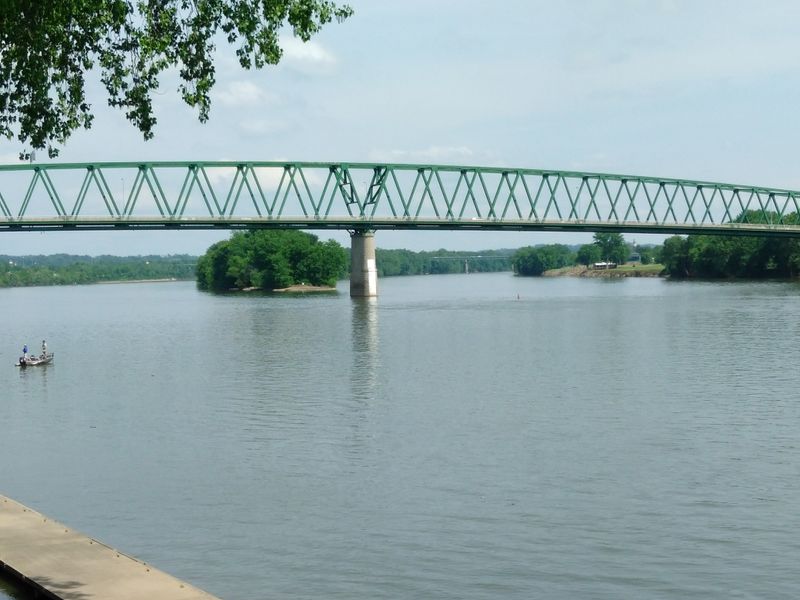
Geography determined Marietta’s fate long before the first settlers arrived. The Muskingum River flows southward through central Ohio before joining the Ohio River at a point that offered natural advantages for transportation, trade, and defense.
Native Americans recognized the value of this location for thousands of years, and European settlers followed the same logic when choosing where to establish their foothold in the wilderness.
Standing at the confluence today, you can understand why this spot commanded attention. The rivers provided highways into the interior at a time when roads barely existed, and the junction created a natural gathering point for commerce and communication.
Flatboats, keelboats, and eventually steamboats made Marietta a crucial link in the network that connected the eastern states with the expanding frontier.
The rivers continue to shape daily life in Marietta. Recreational boating has replaced commercial traffic, but the waterways remain central to the city’s identity and appeal.
The Riverfront Defines Marietta’s Relaxed Atmosphere
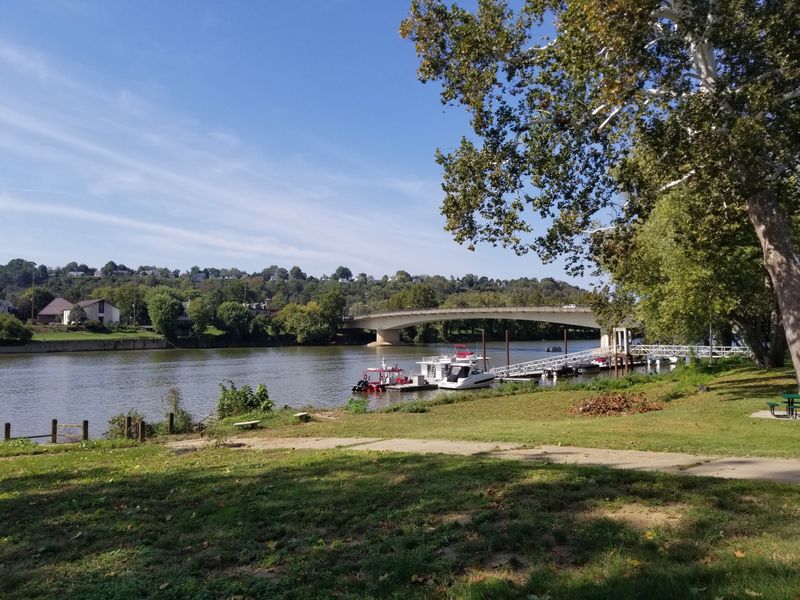
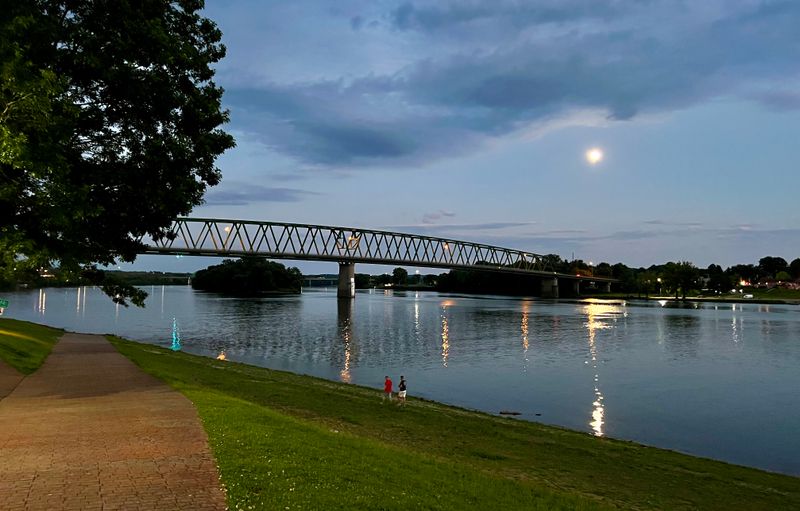
Marietta’s riverfront stretches along both the Muskingum and Ohio Rivers, offering public spaces that invite lingering rather than rushing. The Marietta River Trail runs parallel to the water, connecting parks and access points where people fish, launch kayaks, or simply watch the current move past.
Benches face the water at intervals, and the absence of commercial development along much of the waterfront creates a sense of openness that feels increasingly rare.
Locals use the riverfront as an extension of their daily routine. Morning joggers share the path with dog walkers, and families claim picnic tables on summer evenings.
The pace here reflects the rhythm of the river itself, steady and unhurried.
Visitors often comment on how the proximity to water changes the quality of time spent in Marietta. Sound travels differently across water, and the visual expanse creates breathing room that makes the city feel larger than its population suggests.
Historic Architecture Gives The Town A Storybook Feel
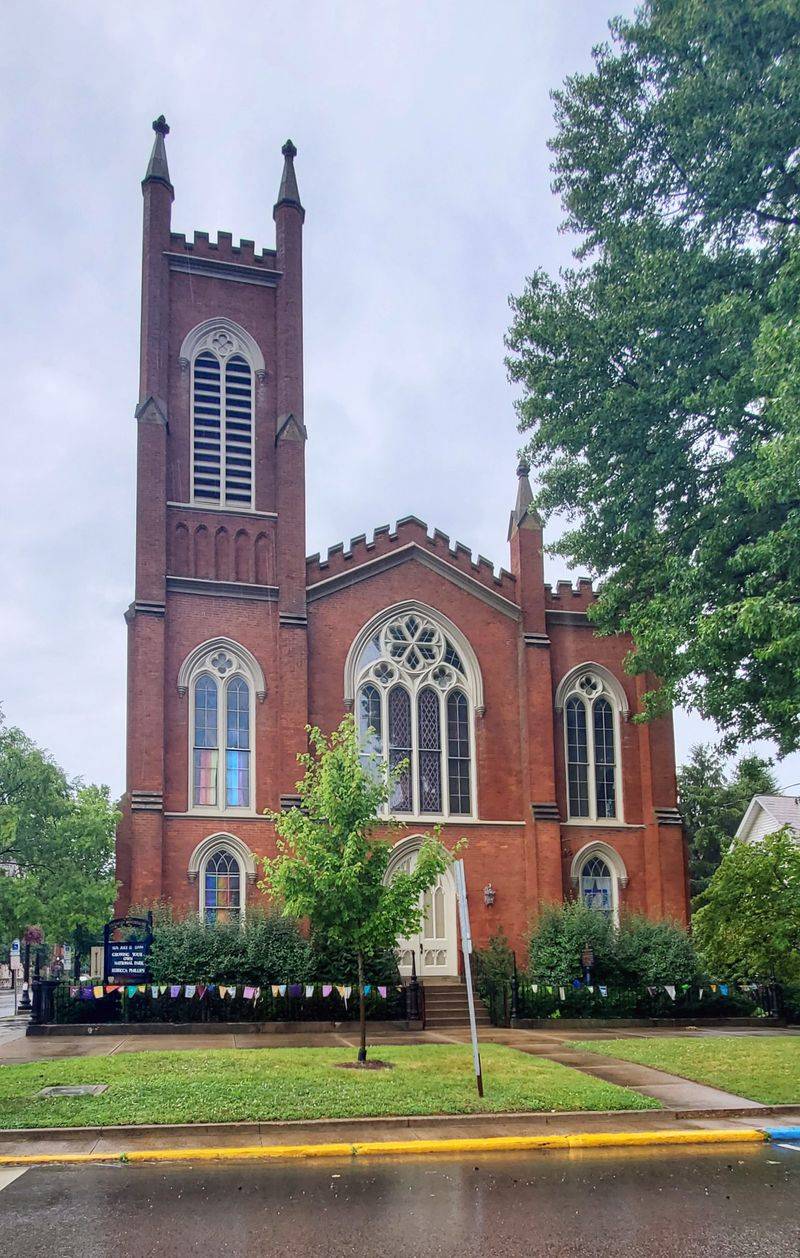
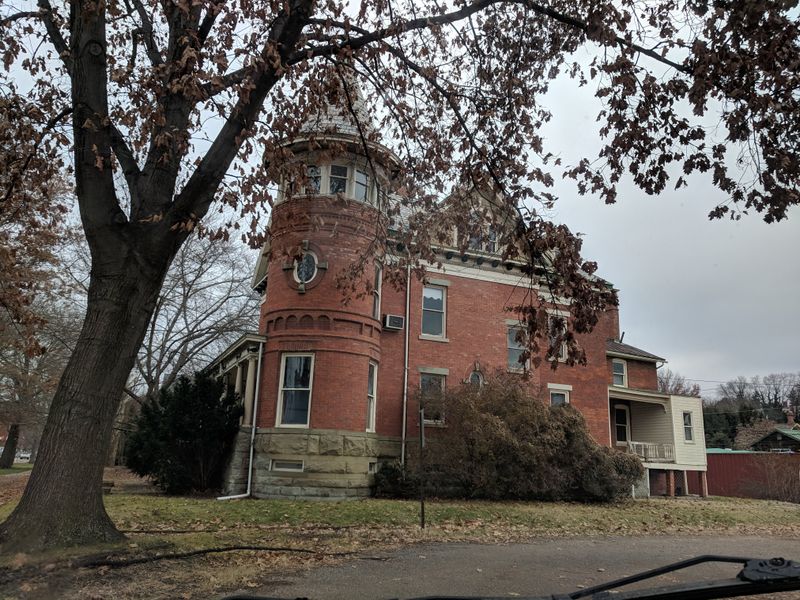
Federal, Greek Revival, and Victorian structures line the streets of downtown Marietta, many dating from the early to mid-1800s when the city prospered as a river port. The architecture reflects various periods of wealth and influence, with details that demonstrate the craftsmanship available in a thriving commercial center.
Brick facades, ornate woodwork, and tall windows create streetscapes that feel cohesive without being uniform.
The Anchorage House Bed and Breakfast occupies a home built in 1855, while the Lafayette Hotel has welcomed guests since 1918 in a building that anchors downtown. Private residences throughout the historic districts show similar attention to preservation, with owners maintaining original features rather than modernizing away the character that makes these structures distinctive.
Walking tours reveal details easily missed from a car. Architectural elements tell stories about changing tastes, economic shifts, and the pride residents have taken in maintaining connections to the past while adapting buildings for contemporary use.
Strong Ties To Riverboat And Steamboat Culture
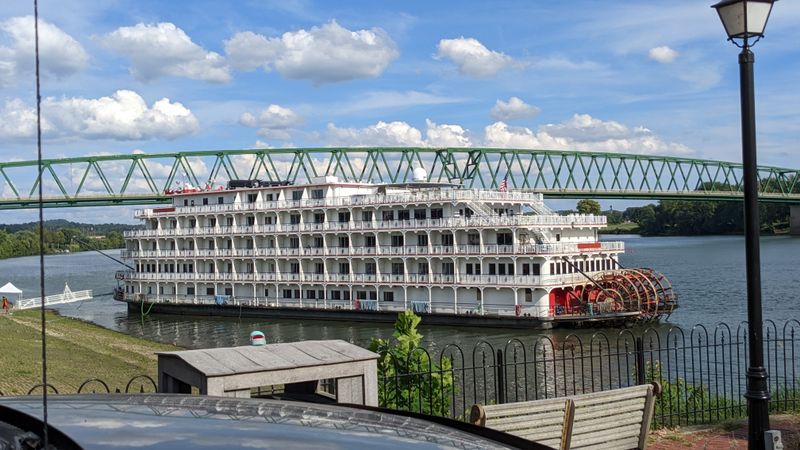
Steamboats transformed Marietta from a frontier outpost into a commercial hub during the 19th century. The arrival and departure of these vessels dictated the rhythm of business, and the prosperity they brought funded many of the substantial buildings that still stand.
Packet boats carried passengers and mail on regular schedules, while freight steamers moved goods between Pittsburgh and points south along the Ohio and Mississippi Rivers.
The Ohio River Museum preserves this heritage with exhibits that include the W.P. Snyder Jr., a steam-powered sternwheel towboat that represents the last of its kind.
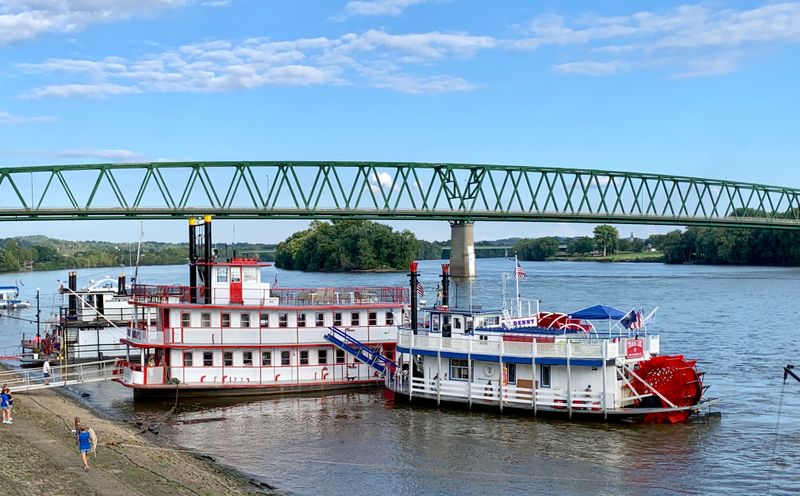
The museum collection includes models, photographs, and artifacts that document how river commerce shaped communities all along the waterway. The Valley Gem, a modern sternwheeler, offers cruises that give passengers a sense of what river travel once meant.
Marietta’s relationship with steamboat culture goes beyond nostalgia. The engineering, commerce, and social history connected to these vessels helped define American expansion during a crucial period.
Easy Access To Outdoor Recreation And Scenic Trails
The landscape surrounding Marietta offers terrain that ranges from flat river valleys to rolling hills that mark the beginning of the Appalachian foothills. Wayne National Forest lies within easy reach, providing thousands of acres for hiking, mountain biking, and exploring.
Trails vary in difficulty, with options suitable for casual walks and more challenging routes that climb to overlooks offering views across the forested ridges.
Water-based recreation draws people to the rivers year-round. Kayakers and canoeists find access points along both the Muskingum and Ohio Rivers, with routes that range from short paddles to multi-day journeys.
Fishing remains popular, with smallmouth bass, catfish, and sauger among the species that attract anglers to the waters around Marietta.
The proximity to outdoor spaces means that residents and visitors can shift from town to trail in minutes. This accessibility contributes to the relaxed atmosphere that characterizes daily life here.
Museums Preserve Early Frontier And River History
Campus Martius Museum occupies a site that connects directly to Marietta’s founding. The museum incorporates part of the original fortification built in 1788, with reconstructed sections that show how settlers organized their defense and daily life.
Exhibits include furniture, tools, documents, and personal items that belonged to the pioneer families, offering concrete evidence of how people lived during those uncertain early years.
The Ohio River Museum focuses on the waterway that made settlement possible and sustained the region’s economy for generations. Displays cover Native American use of the river, the evolution of boat design, and the commercial networks that developed along the water.
The museum provides context that helps visitors understand why rivers mattered so profoundly before railroads and highways existed.
These institutions serve as more than tourist attractions. They function as repositories of regional memory, preserving stories and objects that might otherwise disappear as time passes and priorities shift.
Walkable Downtown Filled With Independent Shops And Cafés
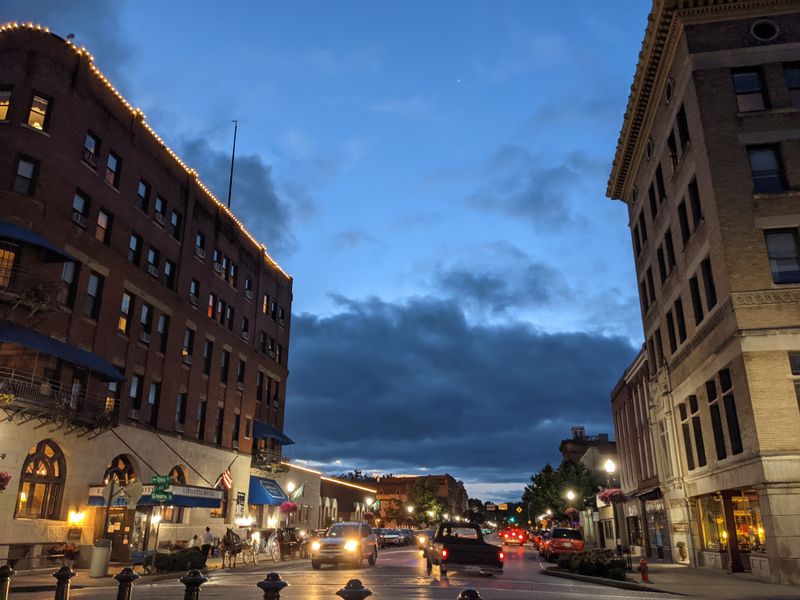
Downtown Marietta extends for several blocks along Front Street and the surrounding area, with a density that makes walking the natural way to explore. Independent businesses occupy storefronts in historic buildings, creating a retail environment that reflects local ownership rather than national chains.
Bookstores, antique shops, art galleries, and specialty stores offer variety without overwhelming the scale of the district.
Cafés and restaurants provide gathering spots where conversation happens at a volume that allows actual listening. The Galley serves seafood in a building overlooking the Muskingum River, while Austyn’s offers fine dining in an intimate setting.
Coffee shops stay busy throughout the day, serving as informal meeting places where business mingles with social interaction.
The walkability extends beyond mere distance. Sidewalks remain in good condition, crosswalks appear at regular intervals, and the pace of traffic accommodates pedestrians.
This accessibility encourages exploration and the kind of chance encounters that make small cities feel connected.
Seasonal Festivals And River Events Bring The Community Together
Marietta’s event calendar reflects both its history and its relationship with the rivers. The Ohio River Sternwheel Festival, held each September, draws crowds to celebrate the steamboat heritage that shaped the region.
Sternwheelers from various locations gather for races, while music, food vendors, and fireworks create a multi-day celebration along the waterfront. The event attracts visitors from across the region while serving as a reunion for locals.
Smaller events occur throughout the year, including farmers markets that run from spring through fall, holiday celebrations that transform downtown, and concerts in riverside parks. These gatherings create opportunities for community connection that feel increasingly valuable in an era when many interactions happen through screens rather than in person.
The festivals and events also introduce visitors to aspects of Marietta they might otherwise miss. Attending a community gathering provides insight into local culture that no guidebook can adequately convey.
Appalachian Foothills Add Scenic Natural Beauty
Marietta sits at the western edge of the Appalachian region, where the flat plains of the Midwest begin to rise into the ridges and valleys that characterize eastern Ohio. The topography creates visual interest that changes with elevation and season.
Forested hillsides display the progression of spring growth and fall color, while winter reveals the underlying structure of the land in ways that summer’s full canopy conceals.
This landscape influenced settlement patterns and continues to shape how people experience the region. Roads wind through valleys and climb ridges, offering views that reward attention.
The geology differs from the glaciated plains to the west, with exposed rock formations and drainage patterns that reflect the area’s ancient history.
The natural beauty surrounding Marietta provides more than scenery. The hills and forests create habitat for wildlife, opportunities for solitude, and a sense of place that connects the city to larger geographic and ecological systems.